The Smart Home Setup Podcast
We create interoperability blueprints that transform disconnected smart devices into cohesive automated experiences. Every guide includes the exact shopping list, compatibility requirements, and automation logic you need—tested in real homes, not just spec sheets.
Best Disguised Smart Speakers Under $150 (Zigbee & Thread Compatible)

Most smart speakers scream "I'm a gadget" the moment someone walks into your home, but protocol-compatible automation doesn't have to announce itself. In this episode, Marcus Chen walks through eight disguised smart speakers under $150 that use Zigbee, Thread, or Matter 1.4 to integrate seamlessly with your existing mesh network while looking like picture frames, lamps, clocks, and planters.
• The IKEA Symfonisk Picture Frame and JBL Horizon 2 both run Matter 1.4 over Thread and function as border routers, extending your mesh for 30-plus low-power devices while delivering sub-220ms automation response times.
• Zigbee speakers like the LIFX Beacon Lamp...
Hidden Motion Sensors vs Visible Motion Sensors: Which Is Better for Matter Networks?

Should your motion sensors disappear into your walls or sit out in plain sight? In this episode, you'll learn how hidden and visible motion sensors compare across aesthetics, Matter protocol reliability, installation complexity, and long-term maintenance. We break down which approach makes sense for design-conscious homes versus pragmatic setups that prioritize easy troubleshooting.
• Thread-based hidden sensors maintain reliable mesh connectivity through drywall and wood with less than five percent signal loss, while Wi-Fi models can suffer fifteen to thirty percent degradation when concealed.
• Installing recessed ceiling sensors takes two to four hours per unit and cost...
Hidden Motion Sensors vs Visible Motion Sensors: Which Is Better for Matter Networks?

Should your motion sensors disappear into your walls or sit out in plain sight? In this episode, you'll learn how hidden and visible motion sensors compare across aesthetics, Matter protocol reliability, installation complexity, and long-term maintenance. We break down which approach makes sense for design-conscious homes versus pragmatic setups that prioritize easy troubleshooting.
• Thread-based hidden sensors maintain reliable mesh connectivity through drywall and wood with less than five percent signal loss, while Wi-Fi models can suffer fifteen to thirty percent degradation when concealed.
• Installing recessed ceiling sensors takes two to four hours per unit and cost...
Best Hidden Security Cameras for Smart Homes in 2026

Keiko Tanaka walks through the best hidden security cameras for smart homes in 2026, focusing on devices that offer real capability without making your space feel like it's under surveillance. You'll learn which protocols deliver the fastest automation response, how to choose between local and cloud storage, and which cameras actually disappear into your architecture instead of screaming "I'm watching you." Whether you're building a new smart home ecosystem or refining an existing one, this episode covers what matters.
• Matter 1.4 and Thread-compatible cameras deliver 50 to 150 millisecond response times for local automations, significantly faster than Wi-Fi alternatives that can ta...
Matter 1.4 Compatibility Checklist: Verify Device Support Across Ecosystems
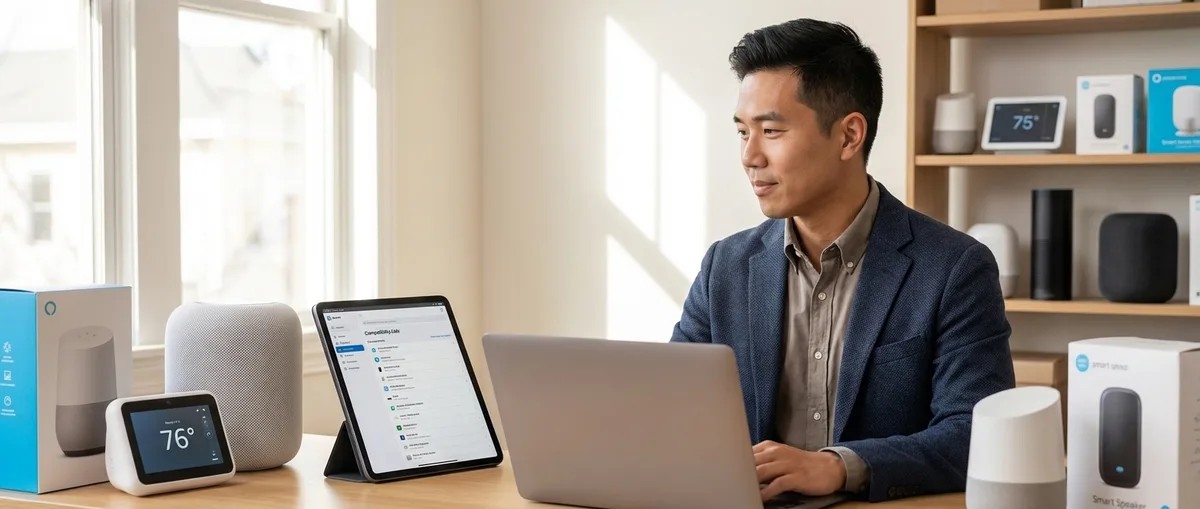
Not all Matter 1.4 devices work with all Matter hubs, even when the box says "certified." In this episode, you'll learn the exact compatibility checks to run before buying any Matter device—firmware versions, Thread Border Router requirements, device type classifications, cross-protocol bridging, and ecosystem lock-in risks—so you can avoid the frustration of incompatible hardware and failed pairings.
• Verify your hub is running Matter 1.4 firmware and includes a Thread Border Router if you're buying Thread-based devices—older hubs won't support new device types like robot vacuums or energy monitors even if they claim Matter compatibility.
• Check the...
Matter 1.4 Hub Requirements Explained: Border Routers, Bridges, and Controllers

Matter 1.4 promises universal smart home compatibility, but that universality depends entirely on the infrastructure you choose. In this episode, you'll learn the specific roles border routers, bridges, and controllers play in keeping automation invisible and reliable, and how choosing the wrong infrastructure can compromise the seamless experience design-conscious homeowners expect.
• Thread-based Matter devices require a border router to bridge the Thread mesh network to your home's IP network, while Wi-Fi Matter devices connect directly but still need a controller to issue commands and execute automations.
• Multiple border routers strengthen Thread mesh reliability by providing automatic re-r...
How to Migrate Your Smart Home to Matter 1.4 Without Breaking Automations
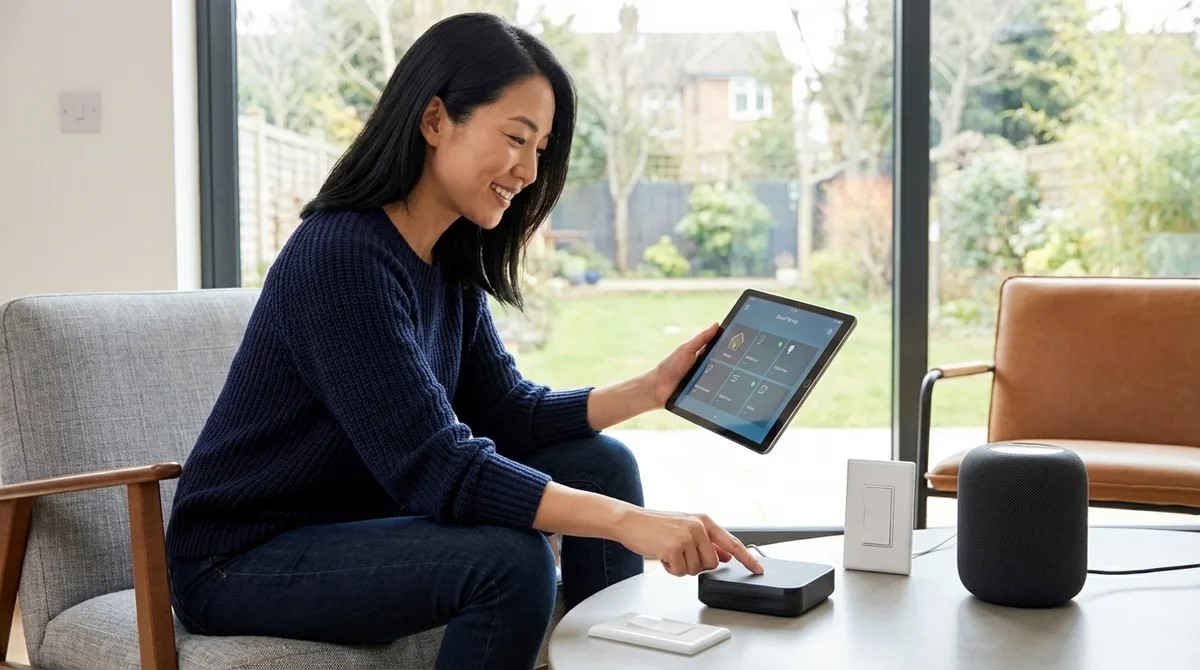
Matter 1.4 promises seamless smart home expansion, but migrating without a plan will destroy every automation you've carefully built. This episode walks you through the exact process to upgrade your entire smart home to Matter 1.4 while preserving the lighting routines, climate control, and sensor responses that already feel like second nature — the ones that make your home feel intelligent without announcing it.
• Migrate devices in reverse dependency order by moving action devices like lights and outlets before trigger devices like sensors and buttons, which prevents automations from breaking mid-migration when the motion sensor that controls your hallway lights gets...
Matter 1.4 Device Setup Checklist: Everything You Need Before Installing
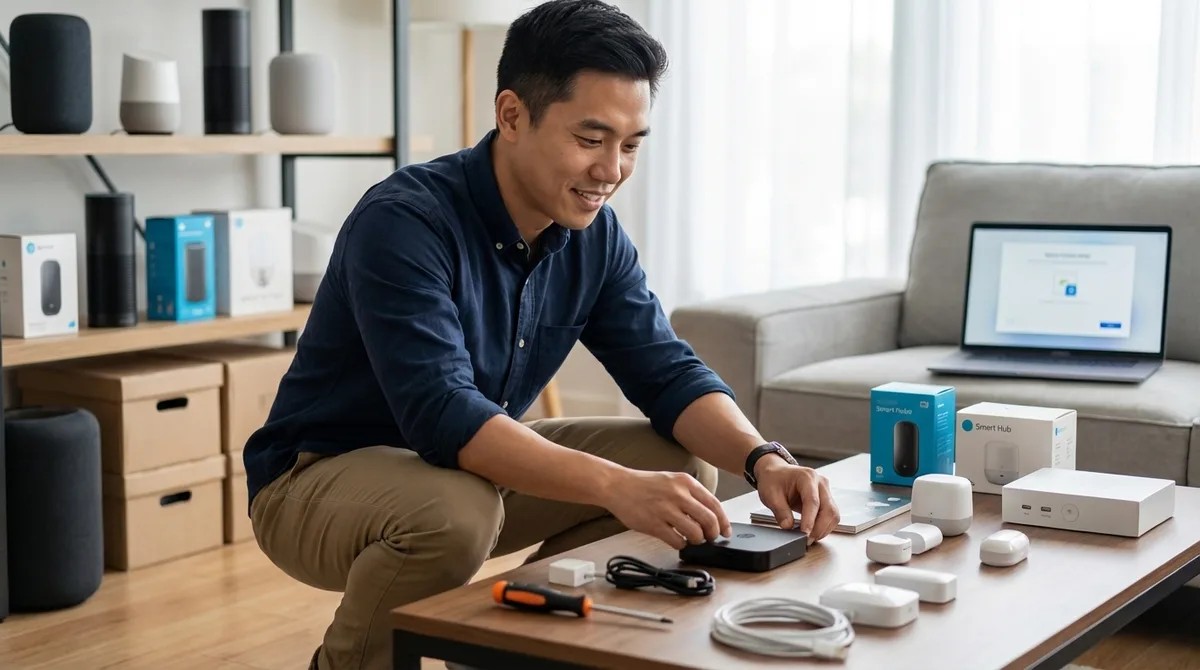
Before you install a single Matter 1.4 device, there's a checklist of network, controller, and physical space requirements you need to verify. Skip these preparation steps and you'll spend weeks troubleshooting random connection drops and failed automations. This episode walks you through the exact infrastructure setup, controller compatibility checks, device prerequisites, and physical installation factors that separate smooth Matter installations from frustrating ones.
• Your router needs IPv6 enabled and firmware from 2024 or later—older firmware causes intermittent device drops that appear random, and most routers from 2022 or earlier don't handle Matter's IPv6 requirements correctly even if they technically supp...
Matter 1.4 vs Thread: Which Smart Home Protocol Is Better?

Most people think Matter and Thread are competing smart home standards—but they're not. Matter is the language your devices speak, and Thread is the road they use to communicate. In this episode, you'll learn what each protocol actually does, when you need one versus the other, and how to avoid expensive compatibility mistakes before you buy your next smart home device.
• Matter 1.4 is an application layer protocol that ensures cross-platform compatibility across Apple, Google, Amazon, and Samsung ecosystems, while Thread is a network transport protocol that creates a low-power, self-healing mesh for device communication—they work togeth...
Best Matter 1.4 Compatible Smart Home Devices for 2026
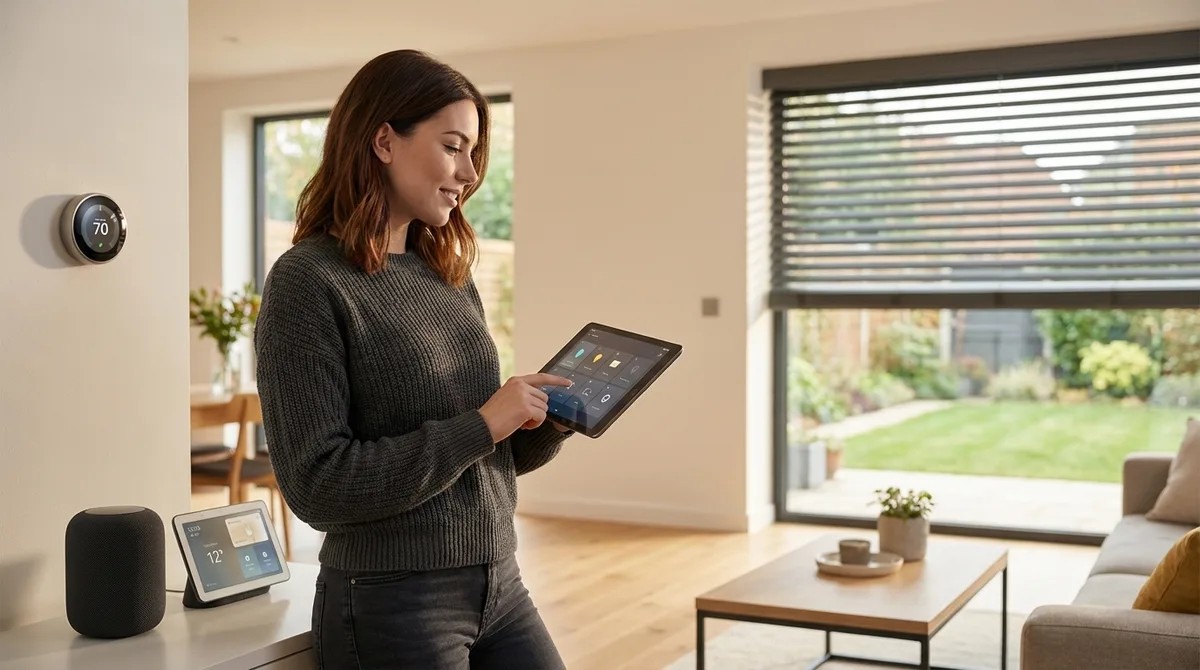
Most Matter-compatible smart home devices still phone home constantly despite claiming local control. In this episode, Chelsea Miller shares results from four months of rigorous testing—running packet captures on isolated networks to identify which Matter 1.4 devices actually operate offline without losing functionality. You'll learn which manufacturers respect your privacy and which ones are quietly collecting data even when you've disabled cloud features.
• The Eve Energy smart plug, Aqara P2 contact sensor, and Nanoleaf Essentials bulbs passed 30-day air-gapped network tests with full automation intact, while budget options like Meross showed periodic encrypted phone-home behavior that couldn't be v...
Matter 1.4 Smart Home Protocol: Complete Guide to Cross-Platform Automation
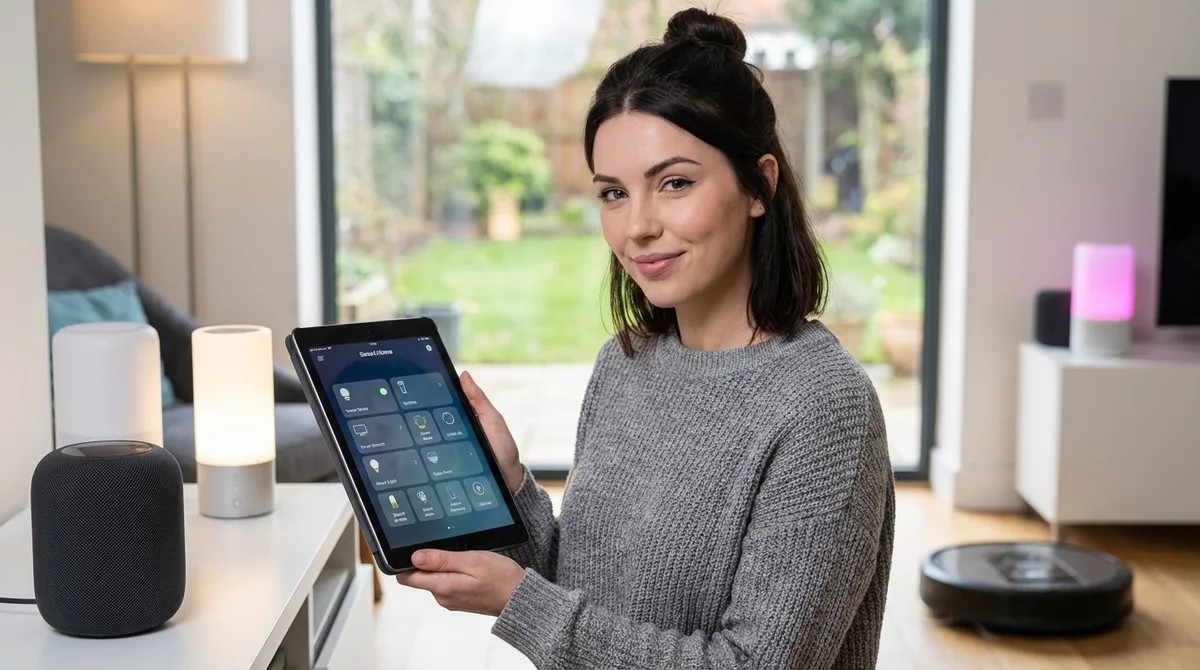
Matter 1.4 was supposed to solve the biggest problem in smart homes: devices from different brands that refuse to work together without locking you into one ecosystem. In this episode, we break down seven months of real-world testing across multiple platforms to show you what Matter 1.4 actually delivers for privacy-first automation, where it still falls short, and whether it's worth migrating your existing setup.
• Matter 1.4 can operate completely offline on your local network with the right hardware and controller setup, but many manufacturers still route traffic through cloud servers despite the protocol's local-control capabilities.
• The multi-fabric arch...
Complete Checklist for Building a No-Fee Home Security System
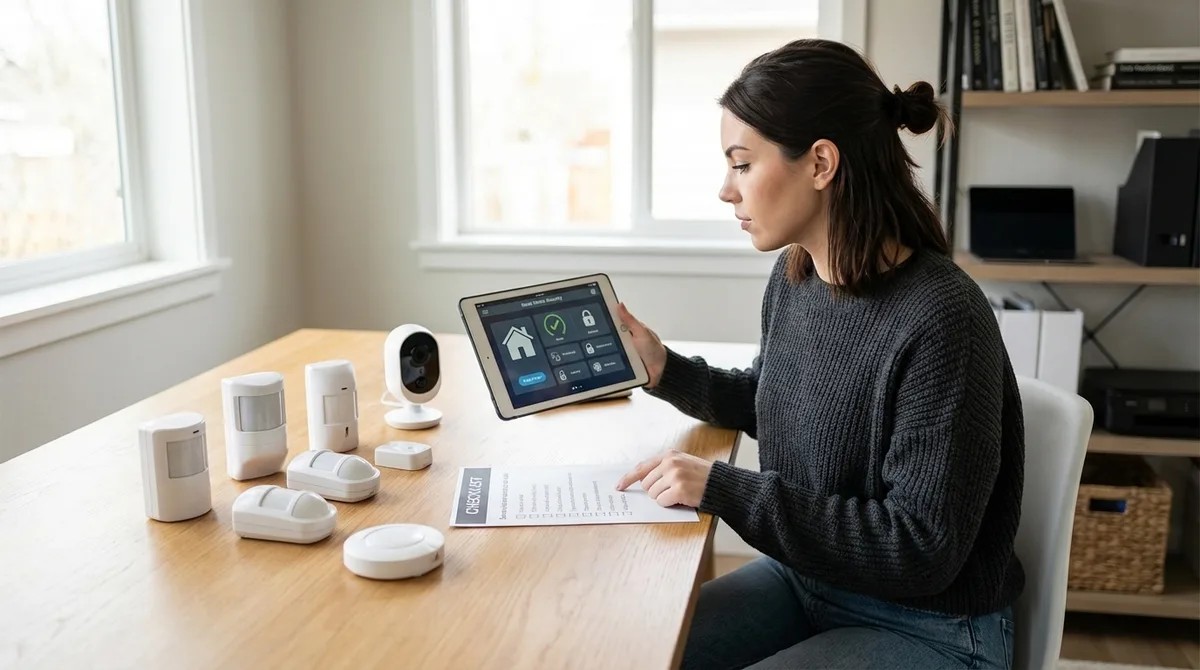
Most people assume a home security system without monthly fees means sacrificing features or reliability. In this episode, we walk through the complete checklist for building a no-subscription security system that's actually more private, more reliable, and fully under your control. You'll learn how to select hardware that truly works offline, set up local automation that doesn't depend on the cloud, and lock down your network so no manufacturer is quietly uploading your footage.
• Not all "local storage" cameras actually work offline—many still require cloud authentication or lock features behind paywalls, so you need to verify true...
What Are Subscription-Free Security Cameras and How Do They Work?

Monthly cloud storage fees for security cameras can cost you over a thousand dollars in just three years. In this episode, you'll learn how subscription-free security cameras eliminate those recurring charges by storing footage locally, what trade-offs you'll face, and how to choose the right setup for your home without getting locked into perpetual payments.
• Subscription-free cameras store footage on microSD cards, base stations, or network-attached storage instead of manufacturer cloud servers, eliminating monthly fees that typically run $3–$10 per camera and compound to hundreds or thousands of dollars over time.
• A 256GB microSD card can store...
How to Set Up a Security Alarm With No Monthly Fee
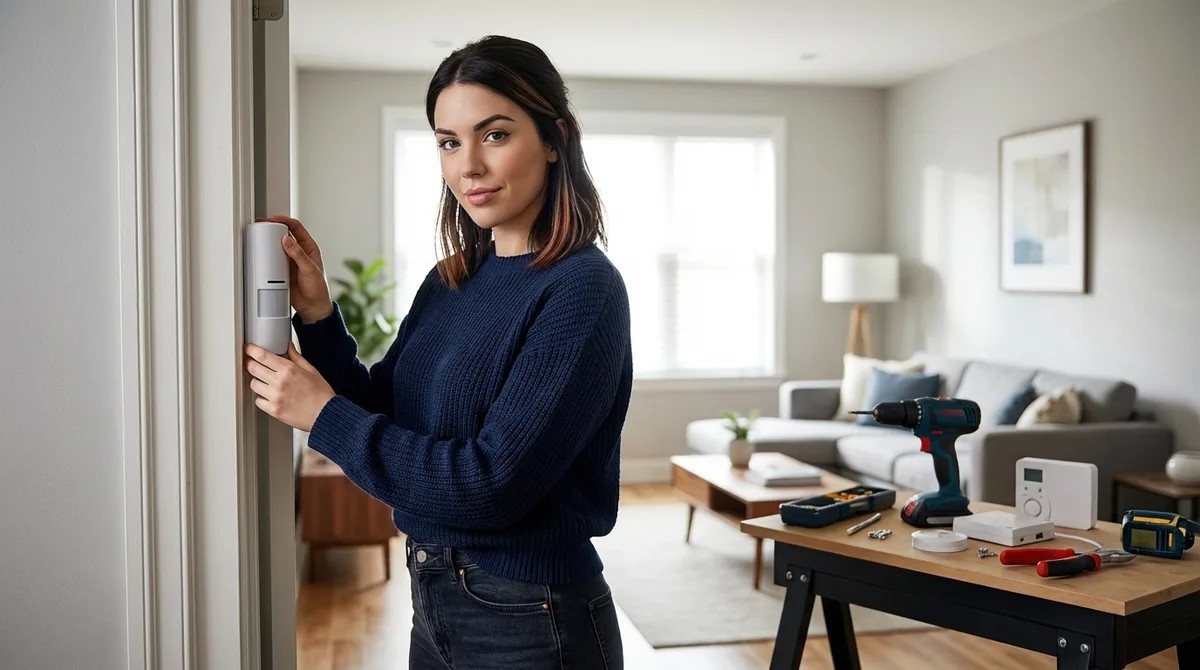
Most "subscription-free" alarm systems still send your data through the manufacturer's cloud, which means you're trusting someone else's servers, paying hidden costs, and waiting longer for alerts. In this episode, Chelsea Miller walks you through building a security alarm with no monthly fee that responds faster than cloud-based systems, keeps all your data local, and costs nothing to run after the initial setup.
• You'll learn how to configure Home Assistant and Zigbee sensors to create a fully local alarm system that triggers in under 500 milliseconds — faster than most cloud-based competitors.
• Chelsea explains how to set up arm...
Best Subscription-Free Security Cameras for Local Storage
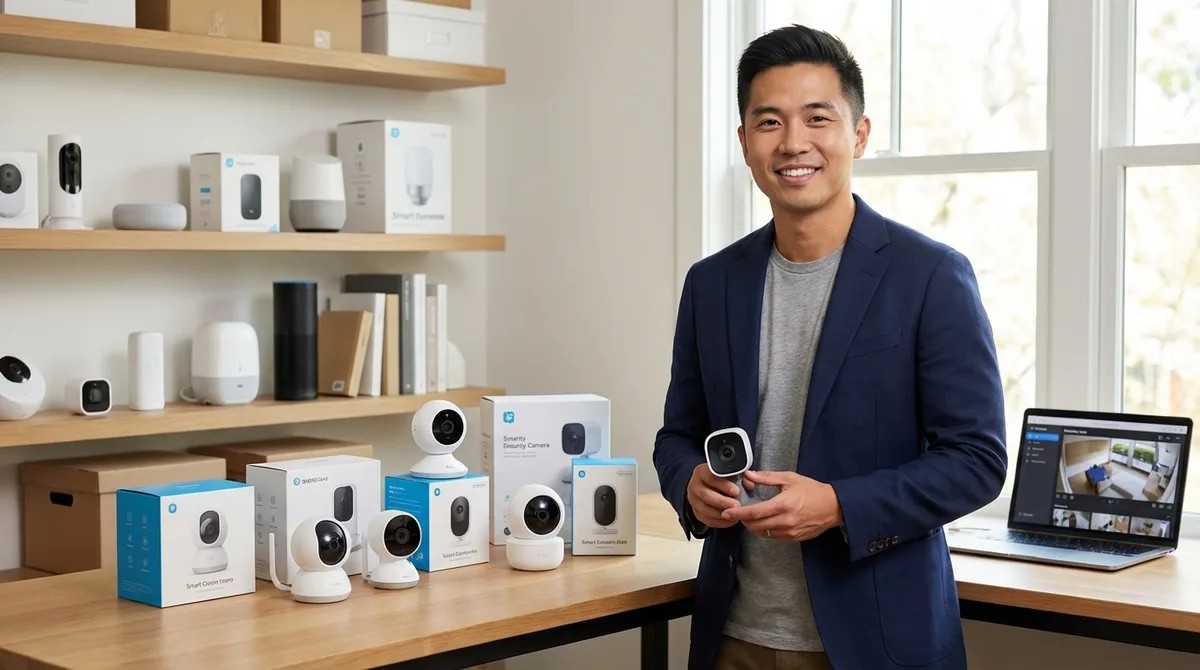
Most security cameras advertise free recording, but once you set them up, the useful features cost ten dollars a month forever. In this episode, Marcus Chen walks you through the best subscription-free security cameras in 2026—models that record locally to microSD cards, NVRs, or NAS devices without monthly fees. You'll learn exactly what storage hardware each camera requires, which ones work with Home Assistant, and what features you actually lose by skipping the cloud.
• The Reolink Argus 4 Pro delivers 4K resolution and on-device AI person detection without subscriptions, storing footage on microSD cards up to 512GB or via...
Best Home Security Systems With No Monthly Fee

You just dropped four hundred bucks on a security system only to find out it's useless without a thirty-dollar-a-month cloud subscription. In this episode, Chelsea Miller walks you through the best home security systems in 2026 that actually work without monthly fees—no cloud dependency, no data leaks, and no compromises on core functionality. You'll learn exactly what to look for in local-only systems, which products deliver on their promises, and how to build a setup that's genuinely private and reliable.
• Most "no monthly fee" security systems still require cloud access for critical features—test offline functionality by unplug...
Best Home Security Systems With No Monthly Fee

You just dropped four hundred bucks on a security system only to find out it's useless without a thirty-dollar-a-month cloud subscription. In this episode, Chelsea Miller walks you through the best home security systems in 2026 that actually work without monthly fees—no cloud dependency, no data leaks, and no compromises on core functionality. You'll learn exactly what to look for in local-only systems, which products deliver on their promises, and how to build a setup that's genuinely private and reliable.
• Most "no monthly fee" security systems still require cloud access for critical features—test offline functionality by unplug...
Complete Guide to Subscription-Free Security Systems: No Monthly Fees
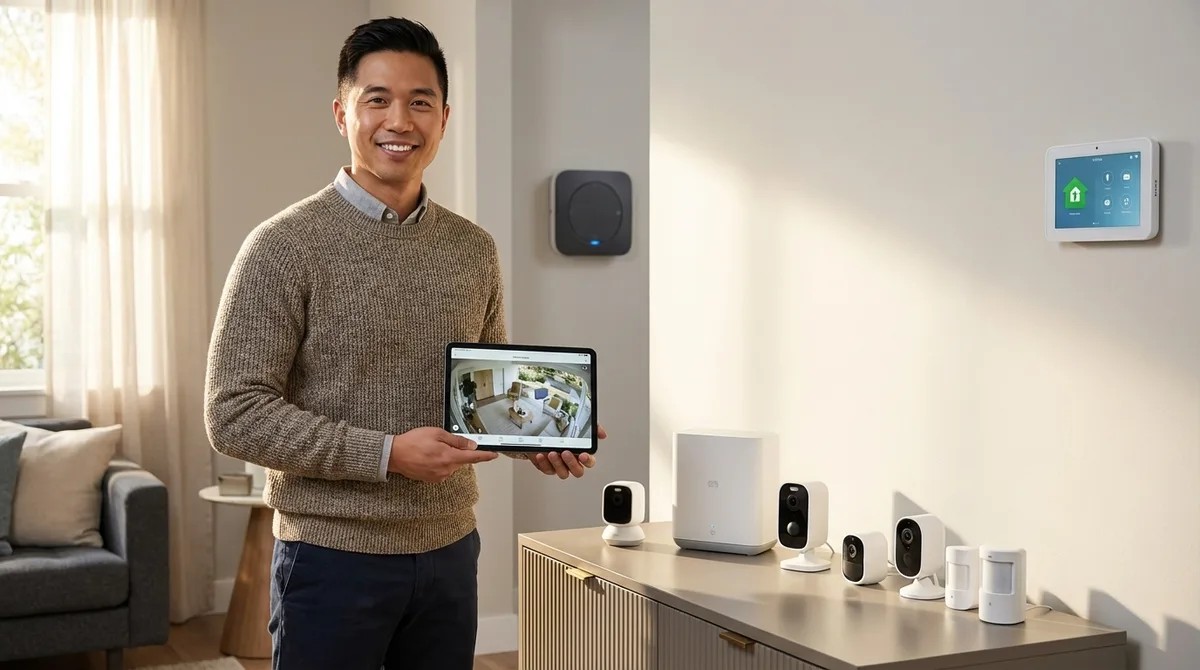
You're probably spending $20 a month on your home security system, and over ten years that adds up to $2,400—on top of the hardware you already own. In this episode, you'll learn how subscription-free security systems work, what you're actually giving up when you eliminate monthly fees, and how to build a reliable local system that records footage, sends alerts, and runs automations without recurring costs.
• Subscription-free security systems store all footage locally on SD cards, NAS, or base station storage, eliminating cloud fees while giving you complete data control, but you're responsible for managing storage capacity and firm...
How to Set Up a Senior-Friendly Smart Home System Step by Step

# How to Set Up a Senior-Friendly Smart Home System Step by Step Setting up a smart home for elderly parents requires more than throwing together popular gadgets. You need devices that work reliably when internet service drops, respond instantly to voice commands, and don't require smartphone gymnastics to operate. After building privacy-first smart homes for three aging family members—including …


