Luxury Beauty on a Budget Podcast
We're beauty editors and product testers who cut through the marketing hype to find formulations that actually work—regardless of price point. Our mission is to democratize access to high-performance ingredients and proven beauty solutions by exposing the prestige tax and spotlighting incredible alternatives.
How to Build a Korean Skincare Routine for Beginners: Step-by-Step Product Order

Ever stared at a shelf full of Korean skincare products wondering which bottle to use first—and whether you actually need all ten steps? This episode breaks down exactly how to build a Korean skincare routine that works for real life, not just Instagram tutorials. Sarah Ling-Miller walks through the science-backed product order based on molecular weight and pH, reveals which steps you can skip when you're rushing out the door, and shares specific ingredient percentages that deliver results without luxury price tags. If you want glass skin but also need to function as a human with a job an...
Top 12 Korean Sunscreens Under $20: SPF Filters, Texture & White Cast Analysis
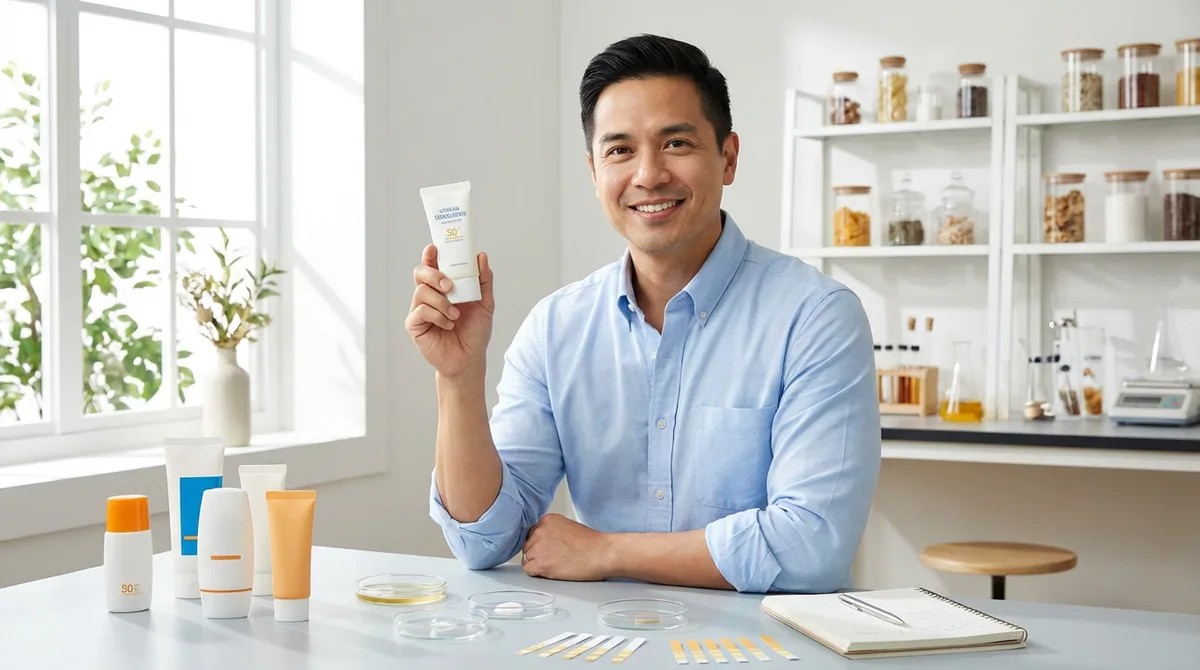
Tired of sunscreens that leave you looking like a ghost or feeling like you've smeared cooking oil on your face? This episode dives deep into the world of Korean sunscreens under $20, examining the filter systems, texture profiles, and innovative chemistry that make these formulas outperform luxury European options at a fraction of the cost. Whether you have oily, dry, sensitive, or acne-prone skin, Julian Thorne breaks down exactly which budget-friendly Korean SPFs deliver invisible, breathable protection worth switching to.
Korean sunscreen chemists use encapsulated UV filters and nanoparticle technology to achieve SPF 50+ protection with zero white cast, even...Korean Snail Mucin vs Hyaluronic Acid: Which Hydrator Works Better for Dry Skin?
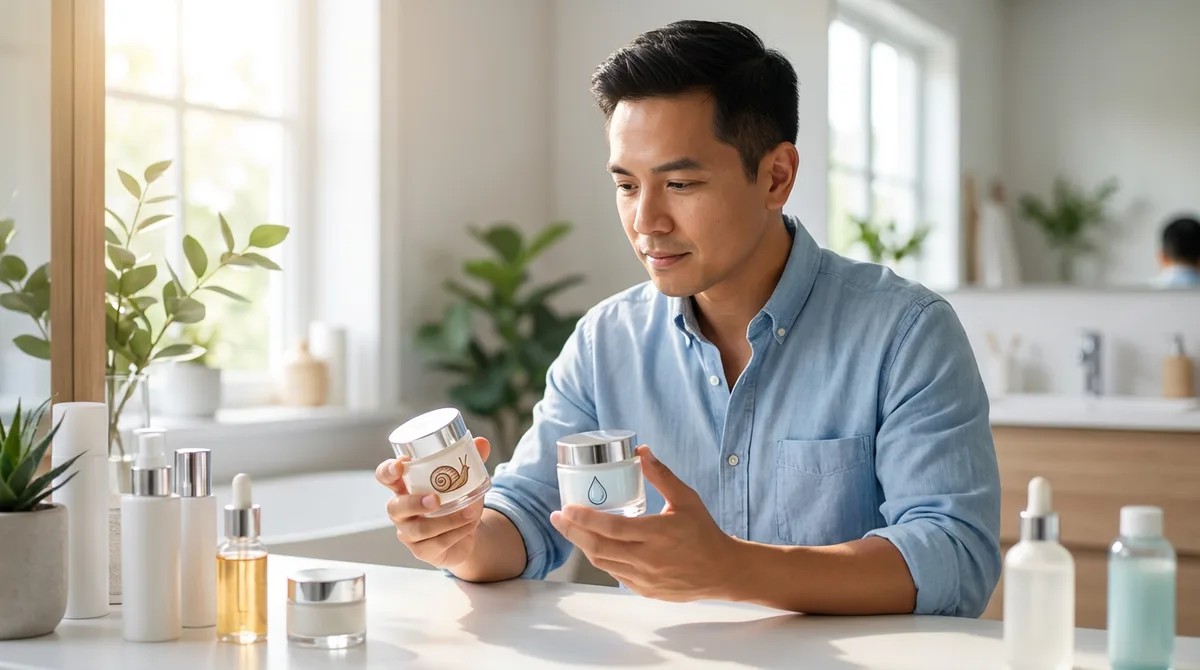
Slathering on moisturizer but still dealing with dry, flaky skin? The culprit might be what you're layering underneath. In this episode, Julian Thorne breaks down the real differences between two cult-favorite hydrators—Korean snail mucin and hyaluronic acid—examining their molecular behavior, formulation chemistry, and price-per-ounce value. Whether you're battling pure dehydration or a compromised skin barrier with redness and texture issues, you'll learn exactly which ingredient matches your skin's actual needs rather than falling for marketing hype.
Hyaluronic acid is a pure humectant that binds up to 1,000 times its weight in water, but it doesn't signal any repa...Best Korean Moisturizers Under $25: Ceramide & Peptide Formulations Tested
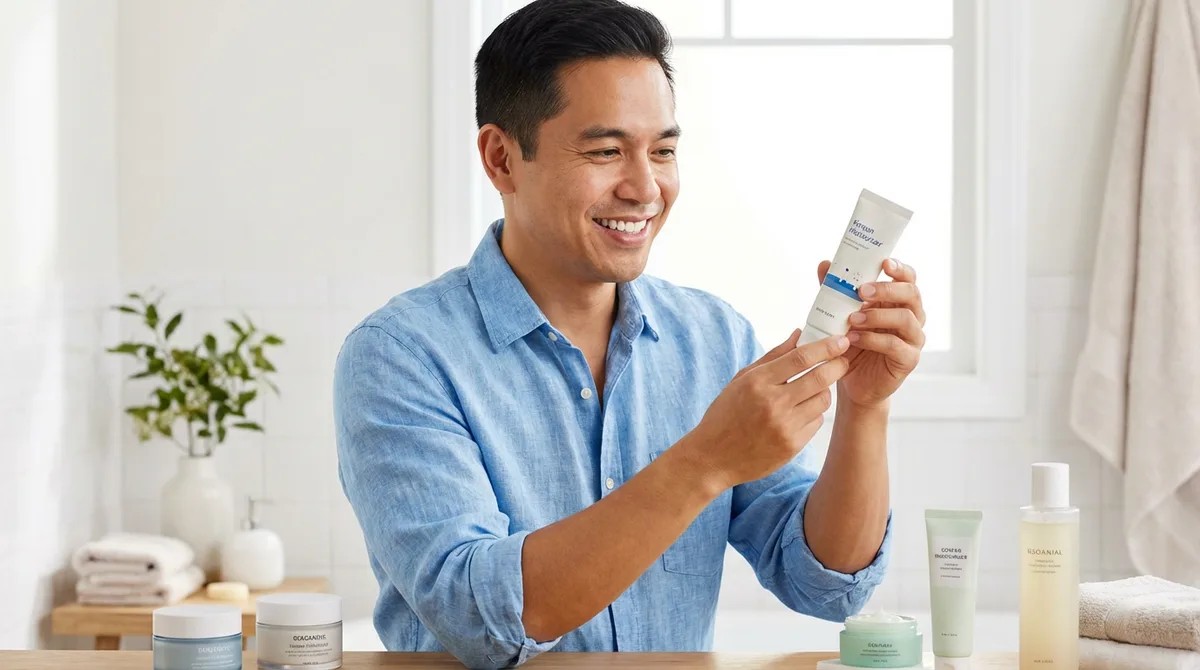
If your skin feels tight after cleansing, serums sting more than they should, and no amount of vitamin C is cutting through the dullness, your barrier is likely compromised. In this episode, Julian Thorne breaks down the science behind Korean moisturizers that deliver genuine repair without the luxury price tag, sharing results from testing seventeen formulations under $25. You'll learn exactly which ceramide ratios, peptide types, and fermented ingredients actually work—and why Korean brands can offer pharmaceutical-grade actives at a fraction of what Western prestige products charge.
The optimal ceramide ratio for barrier repair mirrors your skin's natural co...How to Choose Barrier-Repair Ingredients for Your Skin Type

That tight, uncomfortable feeling after washing your face? It's your skin barrier begging for attention—and chances are you've been treating it with the wrong ingredients. This episode breaks down exactly how to choose barrier-repair ingredients based on your actual skin type, climate, and damage level, not what social media trends suggest. Whether you're dealing with post-pregnancy skin changes, mysterious dehydration despite slathering on moisturizer, or products that suddenly sting when they never used to, you'll learn the framework for building a targeted routine that works in as little as five minutes a day.
Your barrier damage falls in...Barrier-First Skincare Routine Checklist: Essential Products and Steps
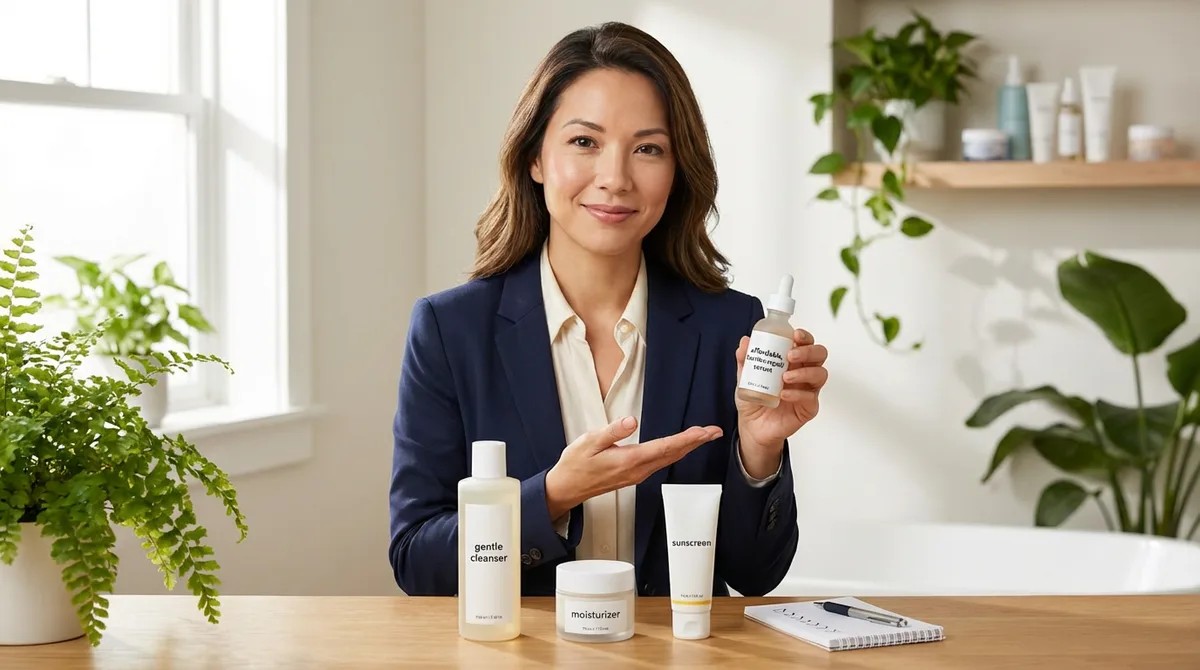
Ever wondered why your skin still looks angry and dehydrated despite using expensive products? The answer might be that you're treating symptoms while ignoring the foundation—your skin barrier. In this episode, Sarah Ling-Miller breaks down exactly what a barrier-first skincare routine looks like, including specific product recommendations, active ingredient percentages, and real cost-per-use calculations. Whether you're dealing with post-pregnancy skin changes, mysterious new sensitivities, or that tight feeling after washing your face, this practical checklist approach will help you rebuild your routine from the ground up without wasting money on overhyped products.
Your skin barrier is a li...What Is the Skin Barrier? Understanding Your Moisture Barrier Function
Your skin barrier might be the most important factor determining whether your skincare routine actually works—yet most people have no idea what it does at the cellular level. In this episode, Dr. Elena Voss breaks down the molecular science behind barrier function, explaining exactly why a compromised barrier can increase water loss by up to 75 percent and trigger inflammation that sabotages every product you apply. If you've ever dealt with mysterious dehydration, sudden sensitivity, or skin that seems to reject everything, this deep dive into the brick-and-mortar structure of your stratum corneum will finally explain what's going wrong an...
How to Repair a Damaged Skin Barrier in 7 Days
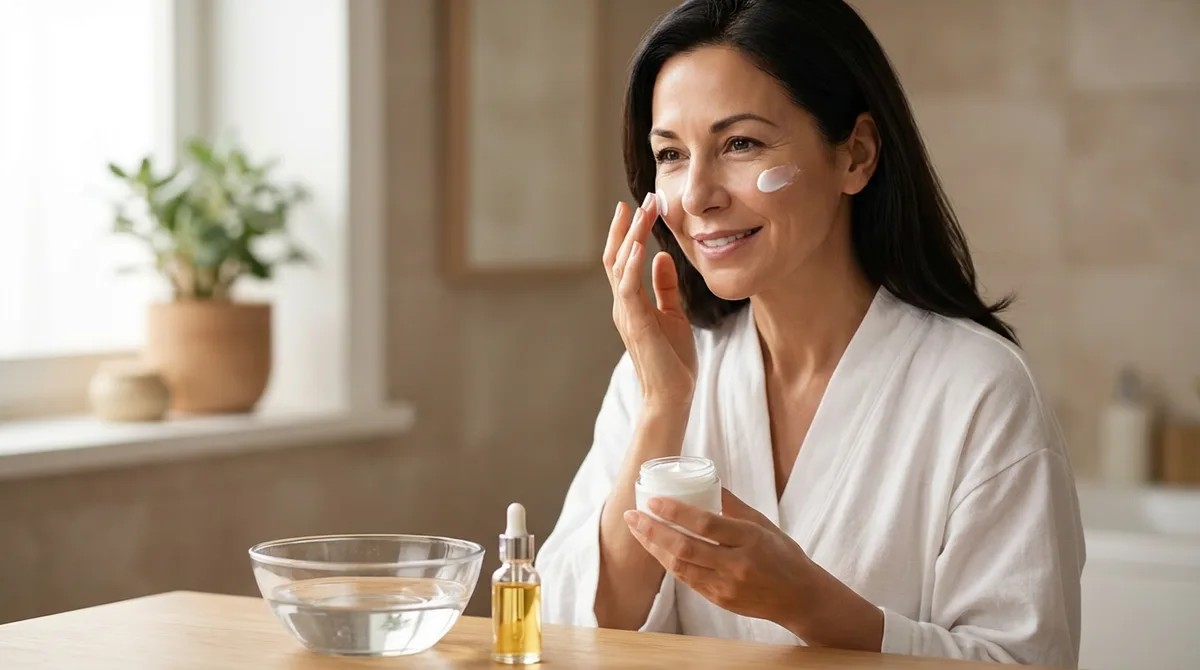
If your skin stings during cleansing, burns when applying products that once felt fine, or looks perpetually dull despite layers of moisturizer, you're not dealing with sensitive skin—you're dealing with barrier damage. In this episode, Dr. Elena Voss breaks down a seven-day protocol rooted in lipid science and strategic routine simplification that rebuilds your skin's protective architecture at the molecular level. This is for anyone stuck in a cycle of irritation and ready to understand why stripping back your routine actually accelerates repair.
Your skin barrier functions as a brick-and-mortar structure where corneocytes are the bricks and a...7 Best Budget Skin Barrier Serums for Damaged Skin
Is your skin flaking, stinging, and reacting to everything you put on it? Before you reach for an expensive emergency kit, you should know that barrier repair ingredients work at specific concentration thresholds—regardless of price tag or fancy packaging. Dr. Elena Voss breaks down seven budget-friendly serums that deliver clinical-level ceramides, humectants, and lipids for under a dollar per application, comparing their formulations directly to luxury alternatives that cost four times as much.
CeraVe's MVE encapsulation technology isn't marketing fluff—it's a time-release delivery system that prevents irritation from 10% niacinamide hitting your skin all at once, with publ...Ceramide Complex vs Niacinamide: Which Barrier Ingredient Is Better?
If you've ever stood in a skincare aisle wondering whether to grab a ceramide cream or a niacinamide serum for your damaged barrier, this episode cuts through the confusion. Dr. Elena Voss breaks down the molecular reality of how these two barrier-repair powerhouses actually work—and why the answer isn't about choosing a winner. You'll learn exactly what concentrations deliver real results, how quickly each ingredient performs, and which one matches your specific skin situation without wasting money on overhyped formulations.
Ceramides act like replacement bricks, directly slotting into your skin's lipid structure and reducing water loss within 48–72 hour...Best Barrier Repair Creams Under $30
If your skin feels tight, stinging, and reactive after one too many exfoliating sessions, your barrier is compromised—and expensive creams aren't the only answer. In this episode, Dr. Elena Voss breaks down the formulation science behind barrier repair, revealing exactly which ingredients actually rebuild your skin's protective structure and which are just marketing fluff. After analyzing forty-seven products, she shares six creams under thirty dollars that deliver clinical-grade results, plus how to decode ingredient lists so you never waste money on ineffective formulas again.
Your skin barrier requires a precise 3:1:1 ratio of ceramides, cholesterol, and free fatty ac...Barrier-First Beauty: The Complete Guide to Skin Barrier Protection
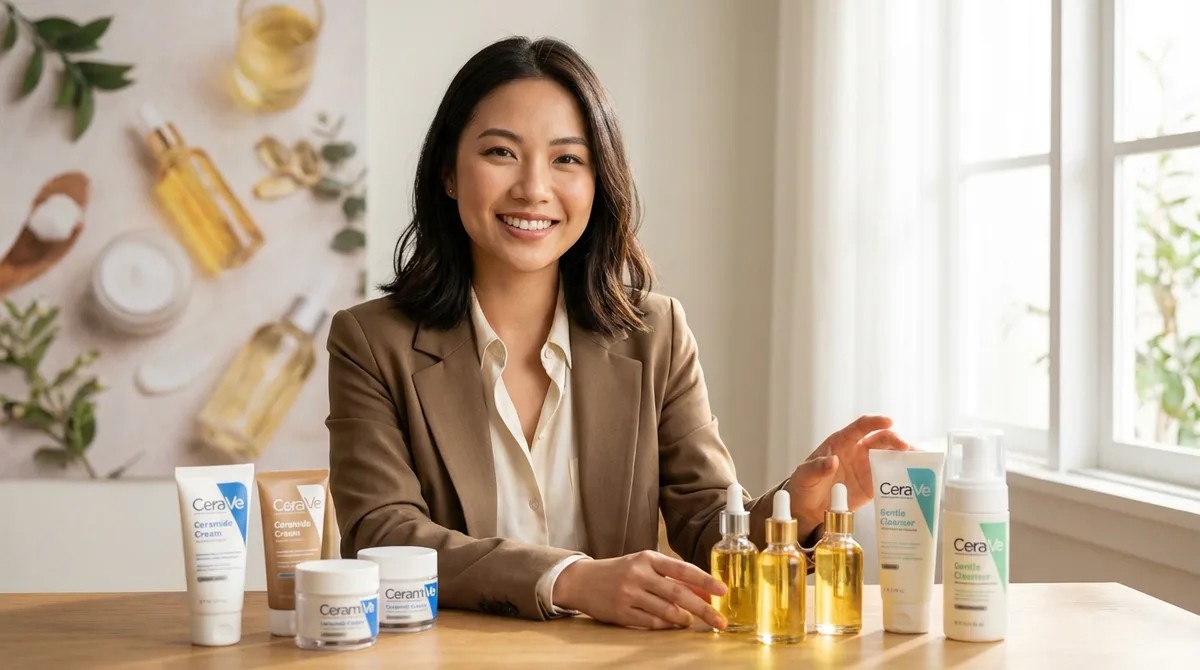
Ever wonder why your expensive serums and retinoids aren't delivering the results they promised? The problem might not be the products—it's your skin's foundation. In this episode, Chloe Chen breaks down the barrier-first beauty philosophy, explaining why protecting your skin's natural defense system should come before any treatment active. Whether you're dealing with persistent sensitivity, unexplained breakouts, or that tight feeling no moisturizer can fix, this guide reveals how a simple shift in approach (and some surprisingly affordable products) can transform your entire skincare game.
Your skin barrier functions like a brick wall, with skin cells as br...What Is Eco-Effective Beauty? Understanding Sustainable Active Formulations

Ever wondered why your "clean" beauty products cost a fortune but don't seem to work any better than drugstore alternatives? In this episode, Chloe Chen breaks down eco-effective beauty—a formulation philosophy that delivers clinically-proven active ingredients at effective concentrations while actually benefiting the environment. After three months of comparing eco-effective formulas against luxury counterparts, she reveals how you can get identical (or better) skincare results for 60% less while avoiding greenwashing traps. If you're tired of paying premium prices for recyclable packaging wrapped around mediocre formulations, this deep dive into sustainable active formulations is for you.
Eco-effective beauty di...How to Build an Eco-Effective Skincare Routine on a Budget

Struggling to find skincare that's actually sustainable without spending a fortune or falling for greenwashing marketing? This episode breaks down exactly how to build an eco-effective routine that delivers real results on a realistic budget. Host Sarah Ling-Miller shares her tested framework for auditing your current products, calculating true cost-per-use, and identifying which active ingredients you genuinely need at concentrations that work. Whether you're dealing with hyperpigmentation, aging concerns, or just want to streamline your routine, you'll learn how to make smarter choices for your skin and the planet.
Calculate the true cost of your skincare by dividing...Eco-Effective Beauty Routine Checklist: Essential Products and Ingredients
Tired of choosing between skincare that actually works and products that align with your environmental values? This episode tackles the myth that eco-friendly beauty means compromising on results or overspending on pretty green packaging. Chloe Chen breaks down a complete product-by-product checklist covering cleansers, treatment serums, and active ingredients—with specific concentrations, price-per-ounce benchmarks, and sustainability standards that prove you can have both efficacy and eco-consciousness without the fluff.
Look for emulsifiers like plant-derived polysorbate 80 or decyl glucoside in oil cleansers—these break down in wastewater within 28 days according to OECD 301 standards, unlike many conventional alternatives. Drugstore cleansers from...Eco-Effective vs Traditional Beauty Products: Performance and Price Analysis

Ever wondered if you're actually getting better skincare results from eco-effective products, or just paying more for green packaging? In this episode, Chloe Chen breaks down the real differences between eco-effective and traditional beauty formulations after testing 87 products and tracking everything in a spreadsheet. She dives into active ingredient concentrations, preservative systems, price-per-ounce comparisons, and performance timelines so you can make informed decisions based on chemistry rather than marketing claims. Whether you're committed to clean beauty or just want effective skincare without overpaying, this analysis gives you the data you need.
Eco-effective products typically contain active ingredient concentrations 2–5% lo...Best Eco-Effective Serums Under $30: Active Ingredient Breakdown
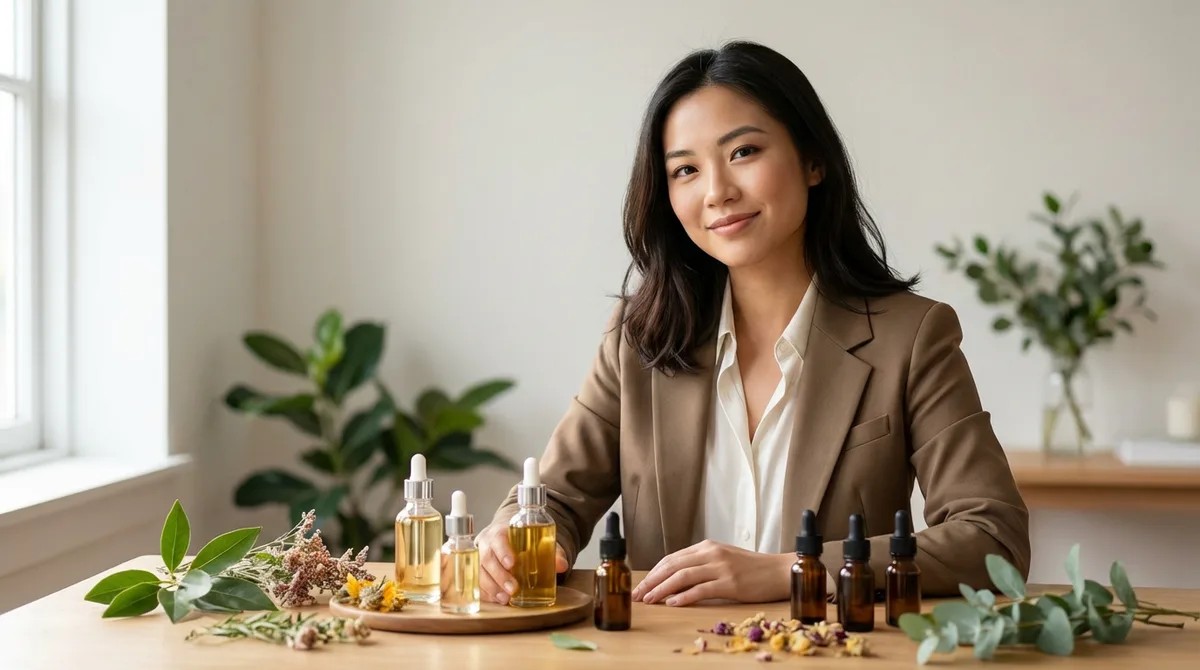
Think twice before dropping $100 on that gorgeous frosted glass serum you saw on Instagram. In this episode, Chloe Chen reveals findings from her three-month investigation testing fourteen eco-effective serums under $30, comparing them head-to-head with prestige brands on formulation transparency, sustainable sourcing, and actual performance. Whether you're a conscious beauty consumer tired of greenwashing or simply want clinical-grade results without the luxury markup, this breakdown exposes why budget eco-serums often outperform their expensive counterparts—and exactly what to look for on the label.
Real eco-effective brands list exact active ingredient percentages upfront—look for niacinamide at 5-10%, vitamin C at 1...Eco-Effective Beauty: Complete Guide to Sustainable Skincare That Actually Works

Ever feel guilty tossing another plastic serum bottle while reading about microplastics in human blood? This episode tackles that exact tension—finding skincare that actually delivers clinical results without trashing the planet. Host Sarah Ling-Miller breaks down which sustainable formulations genuinely match conventional products and which ones are just expensive farmer's market vibes with pretty packaging. If you've ever wondered whether "clean" beauty means sacrificing performance, this guide separates the real science from the marketing noise.
Eco-effective beauty isn't just "less bad"—it's a performance-first approach using biodegradable actives, sustainable sourcing, and recyclable packaging while maintaining the same acti...Men's Daily Skincare Checklist: Essential Products and Application Sequence
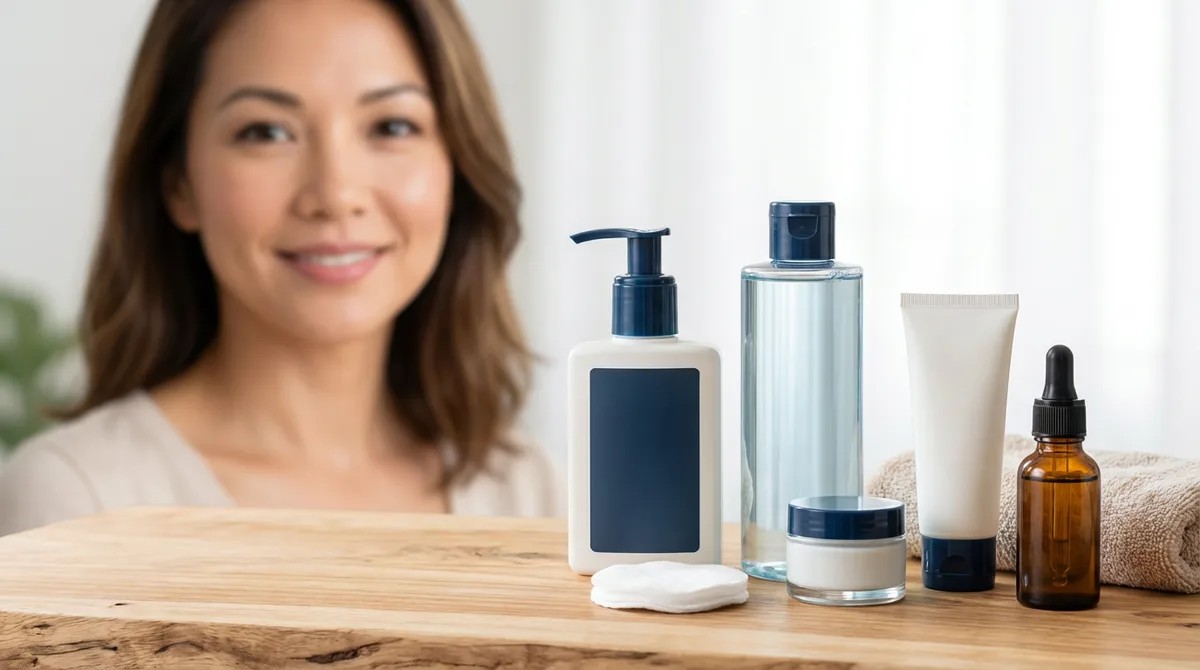
Ever stared at a wall of skincare products wondering which ones actually do something versus which ones are just expensive water in fancy packaging? This episode breaks down a complete men's skincare routine that takes under five minutes morning and night, with specific product recommendations, exact application timing, and real cost-per-use numbers. Sarah Ling-Miller walks through everything from why your bar soap is probably destroying your skin barrier to which single ingredient has the most scientific backing for reversing visible aging signs. If you've been guessing at skincare or avoiding it entirely because it seems too complicated, this is...
What Is Hair Balm: Formulation Chemistry, Beeswax Ratios and Styling Benefits Explained
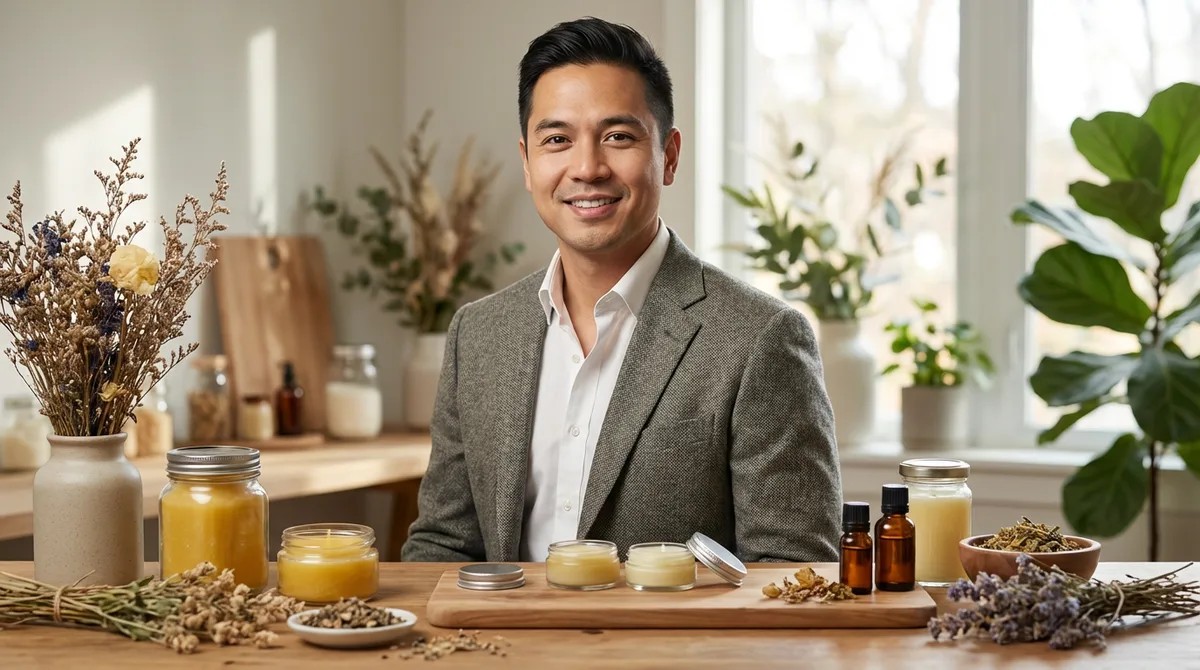
Ever wondered why that stubborn product in the tin transforms the moment you warm it between your palms? This episode dives deep into the science of hair balm—a wax-based styling product that offers something gels and pomades simply can't. Whether you're dealing with frizz, seeking flexible hold without the crunch, or curious about cleaner formulations, Julian Thorne breaks down the chemistry, the ingredients, and exactly why this underrated product deserves a spot in your routine.
Hair balms contain 30–45% natural waxes (beeswax, carnauba, candelilla) blended with botanical oils, and their near-zero water content means they don't require synthetic pres...How to Choose Men's Hair Products: Porosity, Texture and Hold Strength Guide
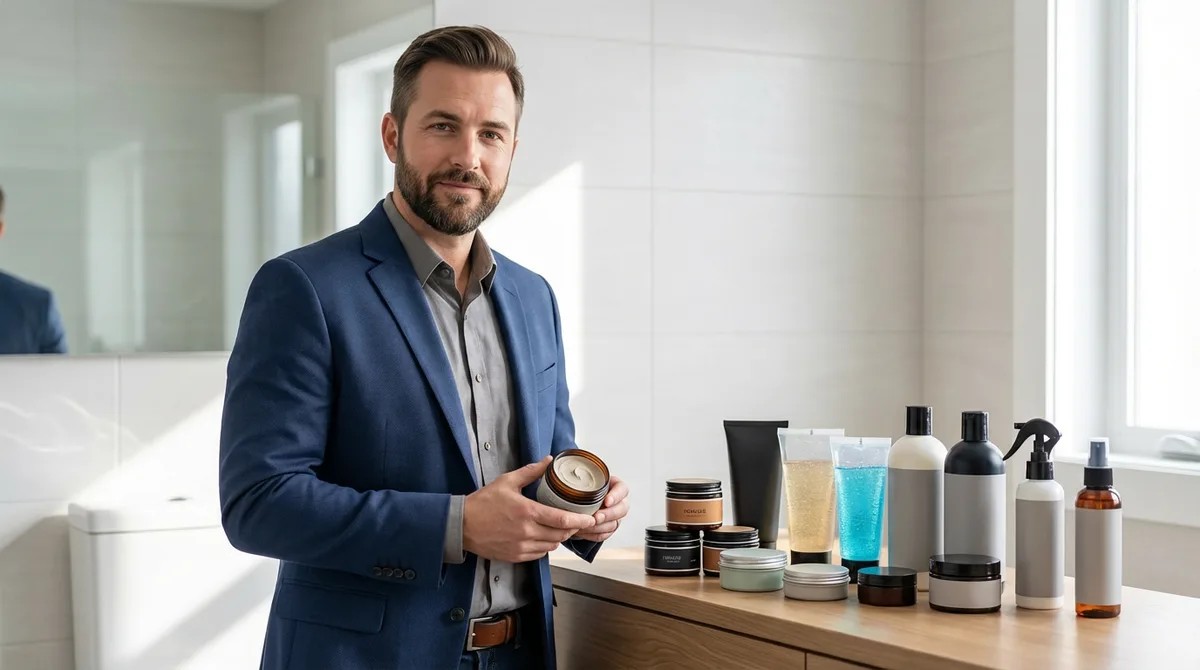
Most men are choosing hair products based on brand hype, packaging, or whatever their barber grabbed off the shelf—then wondering why they can't recreate the same look at home. The real secret to consistent styling results has nothing to do with trends and everything to do with your hair's actual structure. This episode breaks down the science of hair porosity, cortex diameter, and cuticle patterns to help you finally understand which ingredients and formulations will work with your biology instead of against it.
The float test is your most important diagnostic tool: drop a clean, product-free strand in...Complete Men's Grooming Routine Checklist: Morning and Night Product Order
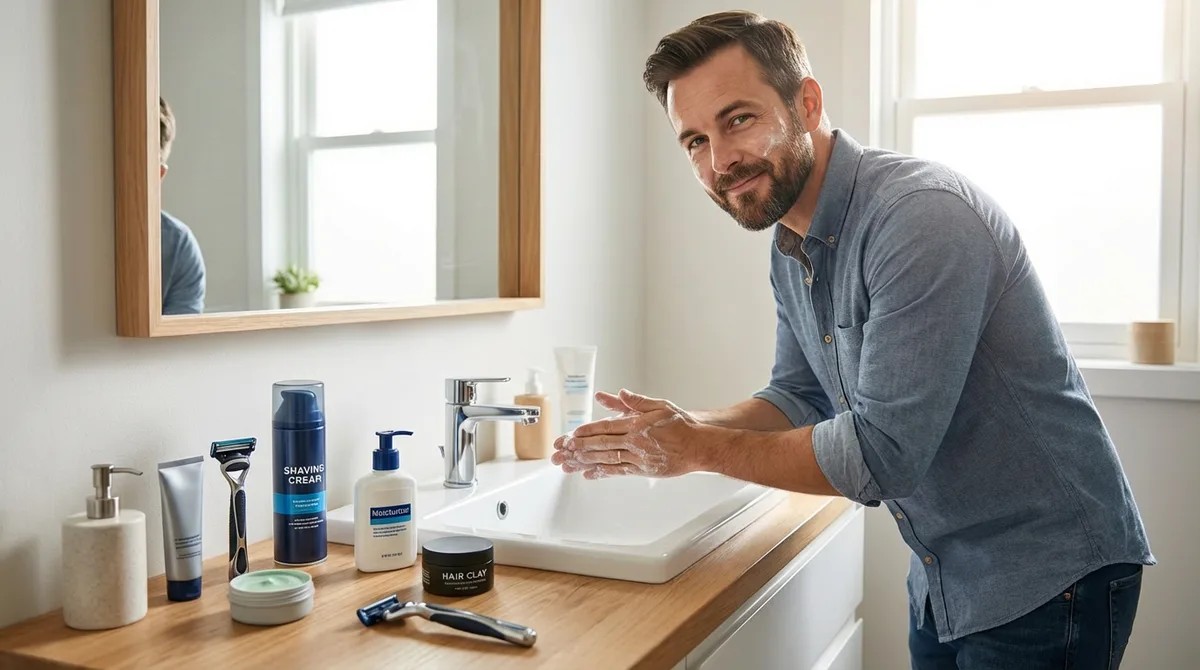
Ever wonder why your expensive grooming products aren't delivering results? The problem usually isn't the products themselves—it's the order you're applying them. In this episode, Marcus Vance breaks down the exact morning and night grooming sequence he refined over eight months of testing across different climates and stress cycles. You'll learn why pH windows, molecular weight, and penetration rates determine whether your actives work together or cancel each other out, plus get specific product recommendations at every price point. If you're a guy who wants a no-nonsense, chemistry-backed routine that actually compounds results over time, this is your bl...
Men's Scalp Moisturizer Explained: Active Ingredients and pH Balance for Healthy Hair Growth
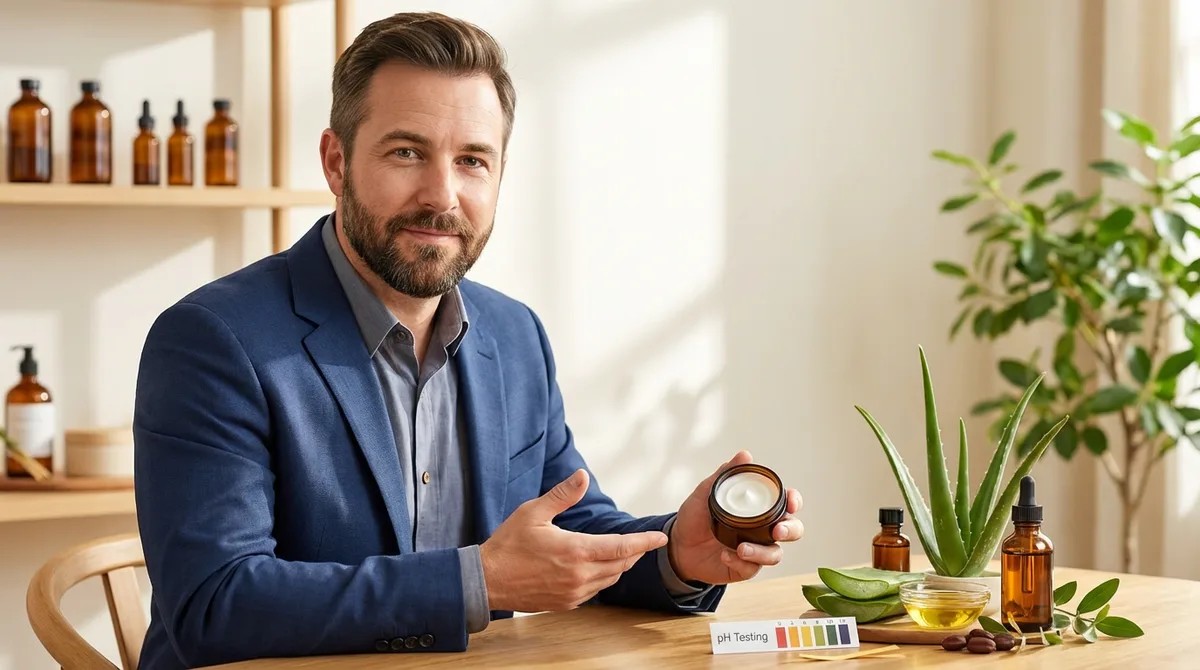
Most men treat their scalp like it's just along for the ride during their hair care routine, but your scalp is living skin that needs the same attention you give your face. This episode breaks down the science behind men's scalp moisturizers—the specific active ingredients, pH requirements, and formulation chemistry that actually deliver results versus the products that are pure marketing hype. Whether you're dealing with dryness, thinning hair, or just want to optimize your grooming routine, this deep dive reveals what to look for on ingredient labels and why scalp health is the upstream factor determining your ha...
Best Men's Facial Moisturizers Under $25: Ceramide & Peptide Formulations Tested
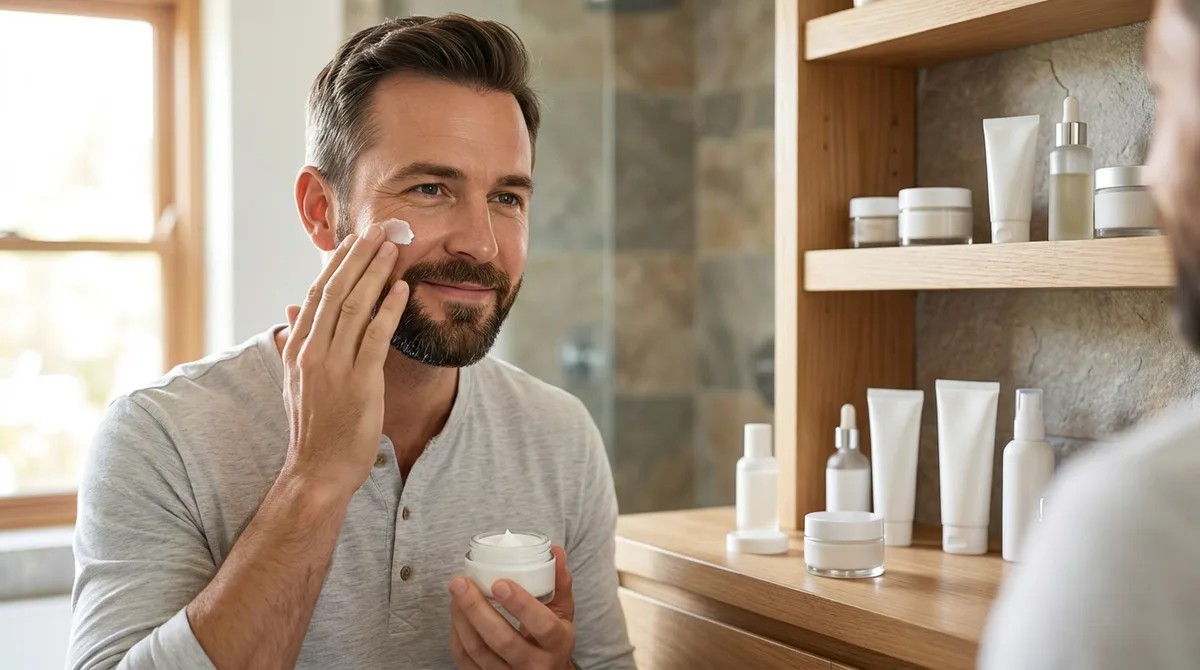
Think expensive moisturizers are the only way to get serious skincare ingredients? Marcus Vance spent twelve weeks testing budget facial moisturizers packed with ceramides, peptides, and barrier-repair lipids to find out which formulations actually deliver clinical results without the luxury markup. This episode breaks down the science behind what makes a moisturizer effective, compares cost-per-application across top performers, and reveals which drugstore products outperform their department store competitors. If you're a guy who wants better skin without wasting money on packaging and marketing, this one's for you.
CeraVe PM's MultiVesicular Emulsion technology provides genuine controlled-release hydration over eight...Best Moisturizers for Shaved Heads: SPF, Humectant Percentages & Absorption Rates
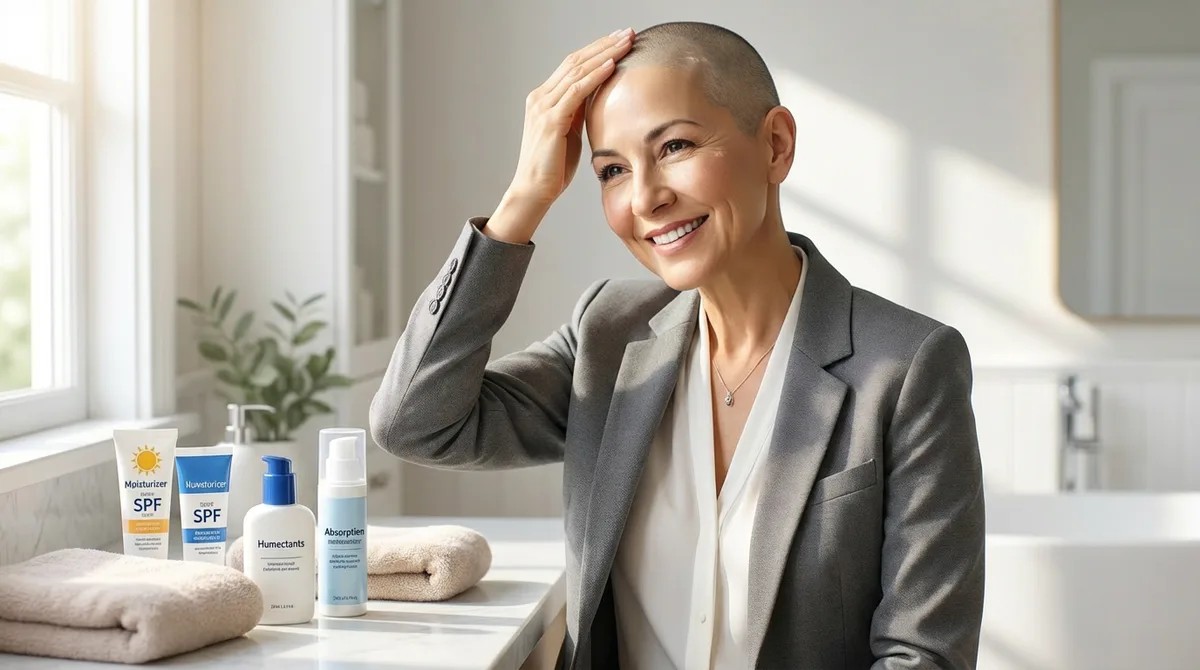
That tight, irritated feeling after you shave your head isn't just uncomfortable—it's a sign your scalp needs serious skincare attention. In this episode, Dr. Elena Voss breaks down the science of moisturizing a shaved head, from humectant molecular weights to SPF stability, after testing twenty-three different products. If you've ever wondered why some moisturizers leave your scalp greasy while others disappear without actually hydrating, this is your answer. Whether you're new to the bald look or a veteran looking to upgrade your routine, you'll walk away knowing exactly what ingredients to look for and which to avoid.
Yo...Men's Hair Cream vs Hair Balm: Which Formula Works Better for Your Hair Type?
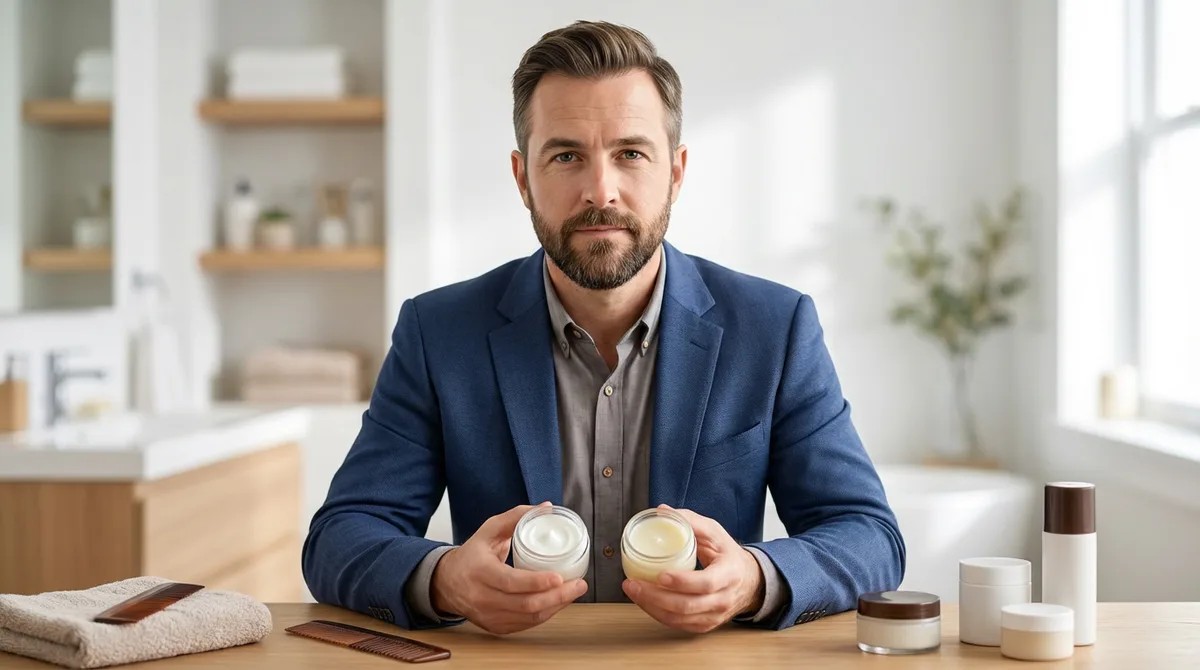
Choosing between hair cream and hair balm isn't about which jar looks better on your shelf — it's an engineering decision based on your hair's actual diameter and density. In this episode, Marcus Vance draws on twelve years of behind-the-chair experience and three years in product evaluation labs to break down the formulation science that determines which product will actually work for you. Whether you have fine hair that goes limp under heavy products or coarse texture that refuses to cooperate, this guide reveals why the right choice comes down to physics, not marketing.
Hair creams are water-based emulsions wi...Men's Hair Cream vs Hair Balm: Which Formula Works Better for Your Hair Type?
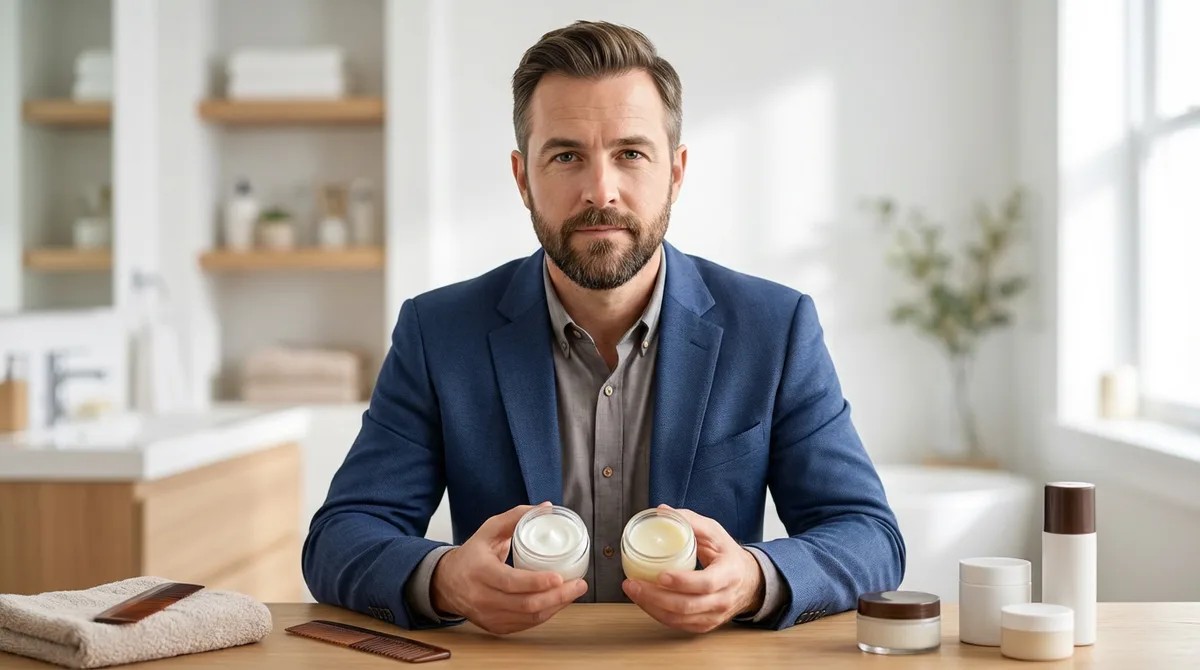
Most men buy the wrong styling product because they treat it like a preference when it's actually an engineering decision. This episode breaks down the formulation chemistry, active ingredient profiles, and real performance data behind hair creams versus balms, then tells you exactly which one works for your specific hair diameter, density, and styling goals.
• Hair creams are oil-in-water emulsions that deliver light to medium hold for 3 to 5 hours and work best on fine to medium hair (60-80 microns), while balms are wax-dominant semi-solids that provide medium to strong hold for 6 to 10 hours and excel on coarse or...
Best Men's Hair Balms Under $20: Texture, Hold & Ingredients Compared
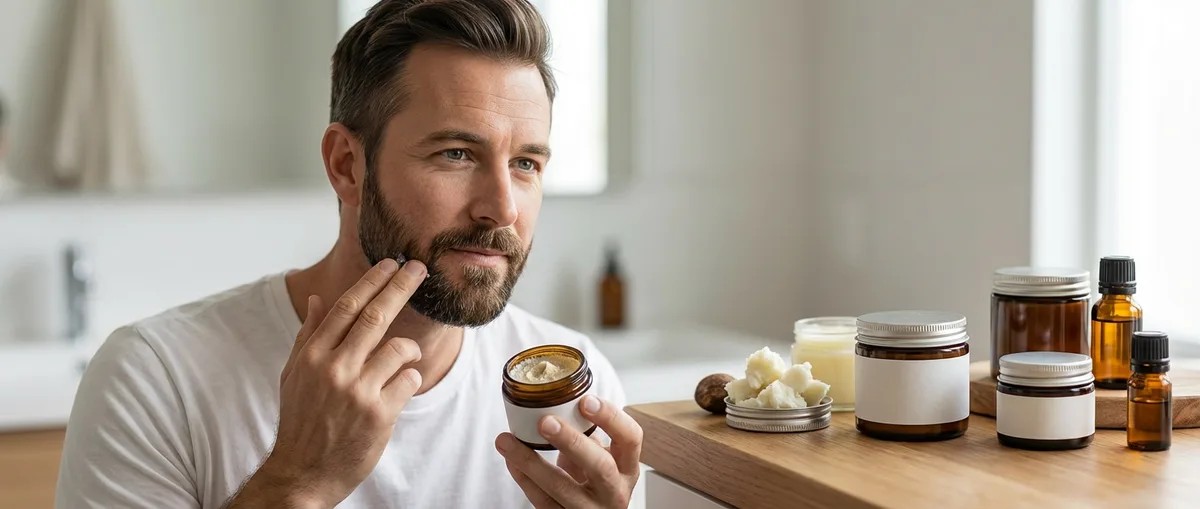
If you've been battling greasy waxes and rock-hard pomades that leave your hair looking like a helmet, you're probably using the wrong product category altogether. In this episode, Marcus Vance breaks down the results of three months spent testing nine different men's hair balms under twenty dollars, revealing which formulations actually deliver flexible hold and natural texture without destroying your hair or requiring industrial-strength shampoo to remove. Whether you're dealing with humidity, oily hair, or just want something that looks like healthy hair instead of obviously styled hair, this deep dive into ingredients, hold strength, and finish types will...
Men's Hair Care Products and Skin Essentials: Budget-Friendly Grooming Guide
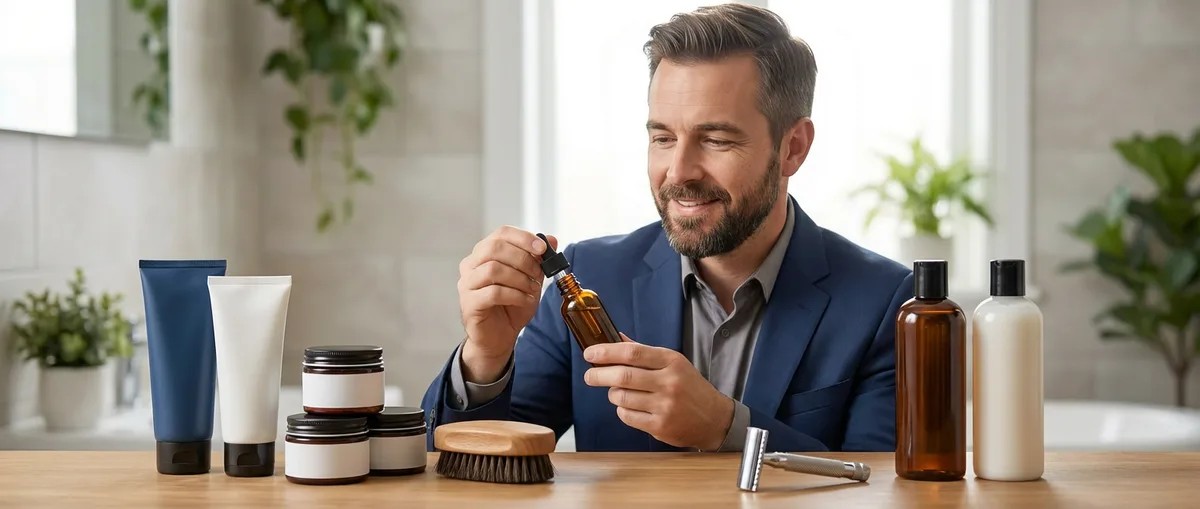
Are you overpaying for grooming products that deliver the same results as budget alternatives? In this episode, Marcus Vance breaks down the actual chemistry behind men's hair care and skin essentials, revealing why a twelve-dollar shampoo with the right surfactant ratio can outperform a forty-dollar salon formula. After a year of testing formulations and comparing active ingredient concentrations across dozens of products, Marcus shares the data-driven approach that lets you build an effective grooming routine without wasting money on packaging and marketing hype.
Budget shampoos at eight to twelve dollars typically contain identical surfactant ratios (eight to twelve...Layering Skin-Responsive Tints Checklist: Complete Routine for Natural Coverage
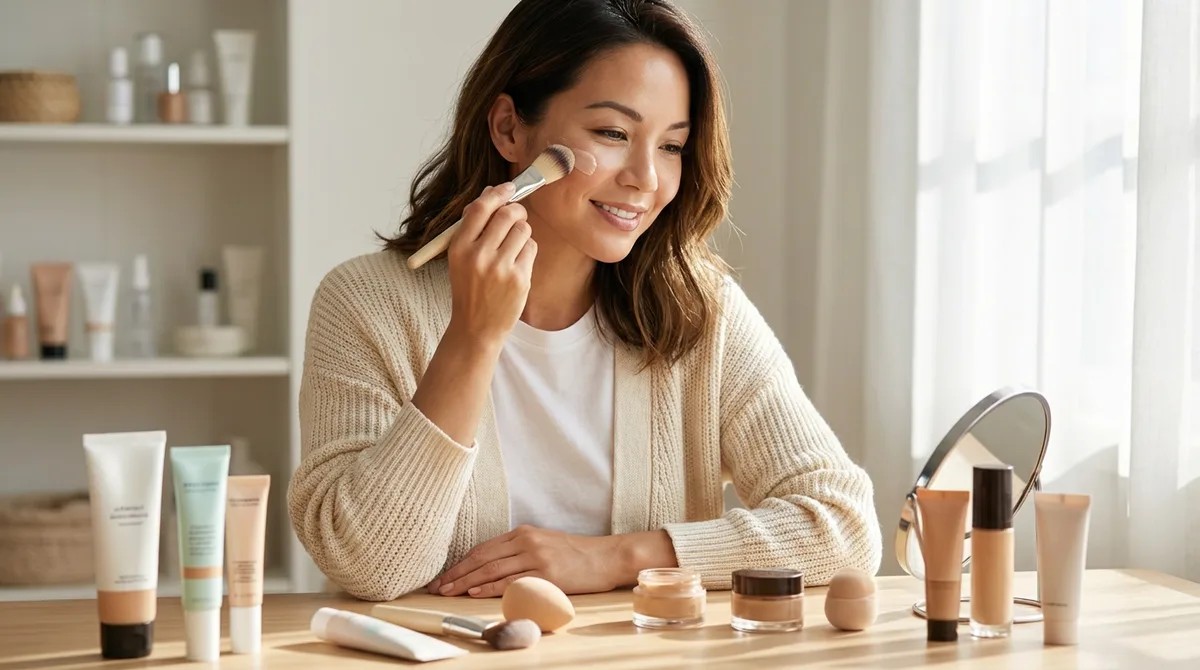
Ever wonder why your tinted moisturizer looks flawless on some days but patchy and oxidized on others? This episode breaks down the science and strategy behind layering pH-reactive skin-responsive tints for natural coverage that actually adapts to your skin chemistry. Sarah Ling-Miller walks through her complete seven-to-twelve minute routine, from barrier prep to product selection, explaining why your skin's pH level and hydration status determine whether these smart formulas work for or against you. Whether you're dealing with post-pregnancy skin changes, morning dehydration, or just need to look rested on five hours of sleep, this checklist approach delivers professional...
What Are Skin-Responsive Tints: pH-Reactive Pigment Technology Explained

Ever wondered why some lip tints and foundations claim to create your "perfect shade" automatically? This episode dives deep into the science behind skin-responsive tints—cosmetics that actually change color based on your unique skin chemistry. Dr. Elena Voss breaks down the molecular mechanisms, from leuco dye chemistry to pH-triggered structural changes, explaining why these products work for some people and not others. Whether you're a beauty enthusiast tired of foundation oxidation or just curious about the real science behind "color-adapting" claims, this episode separates legitimate adaptive technology from marketing hype.
Skin-responsive tints use leuco dye chemistry—colorless prec...How to Choose the Right Skin-Responsive Tint for Your Skin Type
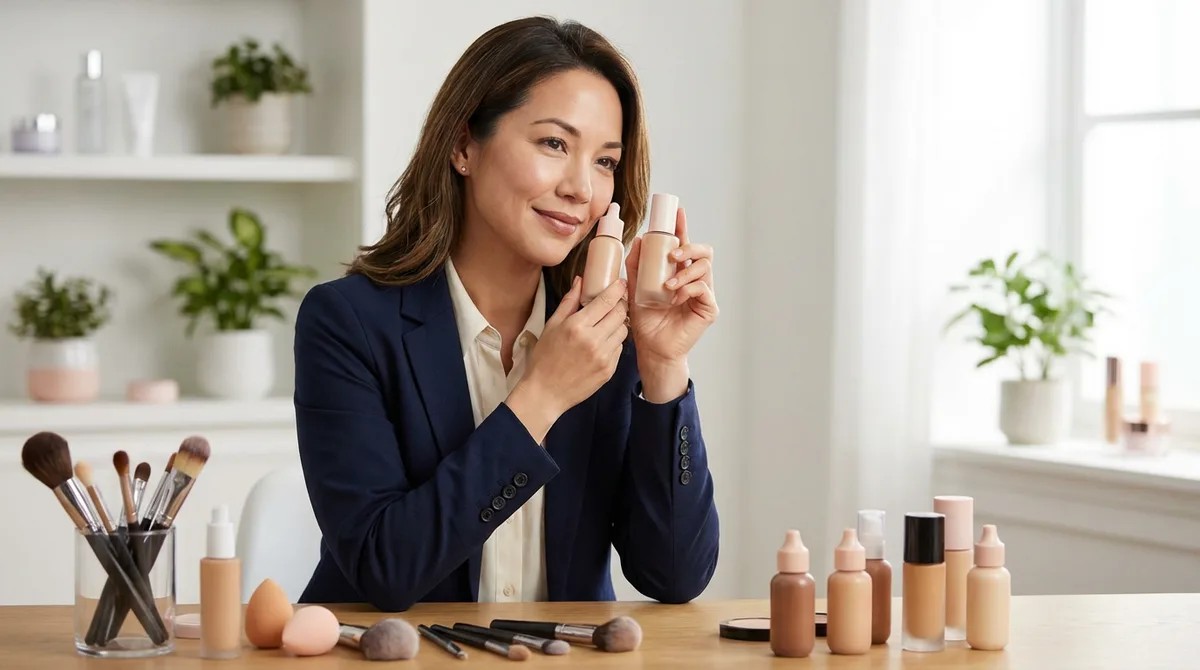
Ever wonder why that color-changing tint everyone raves about looks flawless on your friend but melts off your face by noon? The problem isn't the adaptive pigment technology—it's choosing the wrong base formula for your actual skin type. In this episode, Sarah Ling-Miller breaks down the exact 10-minute process for matching skin-responsive tints to your specific oil production, texture concerns, and moisture barrier needs, drawing from $200 worth of personal testing failures so you don't have to repeat them.
Most people misidentify their skin type entirely—the 3-hour bare-face blotting test across five facial zones reveals whether you're actu...How to Choose the Right Skin-Responsive Tint for Your Skin Type
Skin-responsive tints promise perfect color-matching through pH-reactive technology, but the adaptive pigments only work if you choose the right base formula for your actual skin type first. In this episode, you'll learn the exact assessment process to match oil production, texture concerns, and coverage needs to the right formula, avoiding the expensive trial-and-error most people go through.
• Use the 3-hour bare face blotting test to accurately determine your oil production pattern across five facial zones, which dictates whether you need silica-based, glycerin-enriched, or hybrid tint formulas.
• pH-reactive pigments come in different concentrations (0.5% to 3%), and matching this...
Skin-Responsive Tint Application Checklist: Everything You Need for Flawless Finish
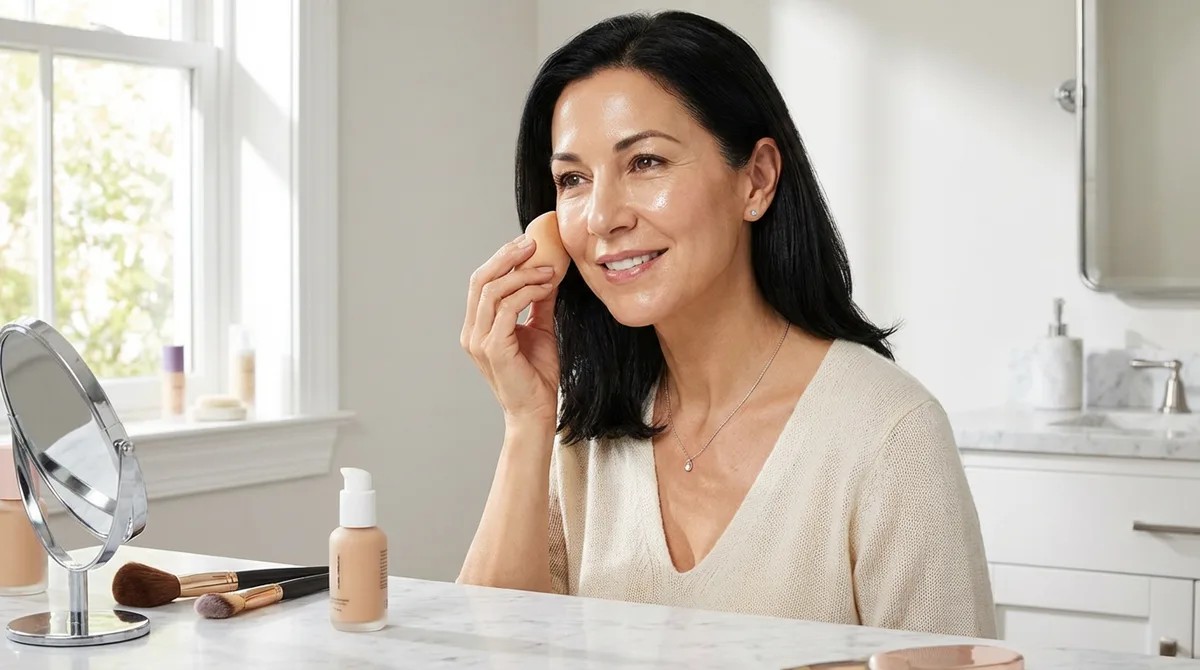
Ever follow makeup instructions perfectly and still end up with patchy, uneven results? Dr. Elena Voss breaks down exactly why skin-responsive tints fail—and it has nothing to do with your application technique. These pH-reactive formulas actually read your skin's chemistry in real time, which means barrier health, surface acidity, and even skin temperature determine whether you get that coveted second-skin finish or a blotchy mess. This episode walks you through every preparation step and tool choice to finally get these tricky formulas working for you.
Your skin's condition 12 hours before application matters more than technique—alkaline cleansers temp...Skin-Responsive Tint vs Traditional Foundation: Which Is Better for Your Skin Type
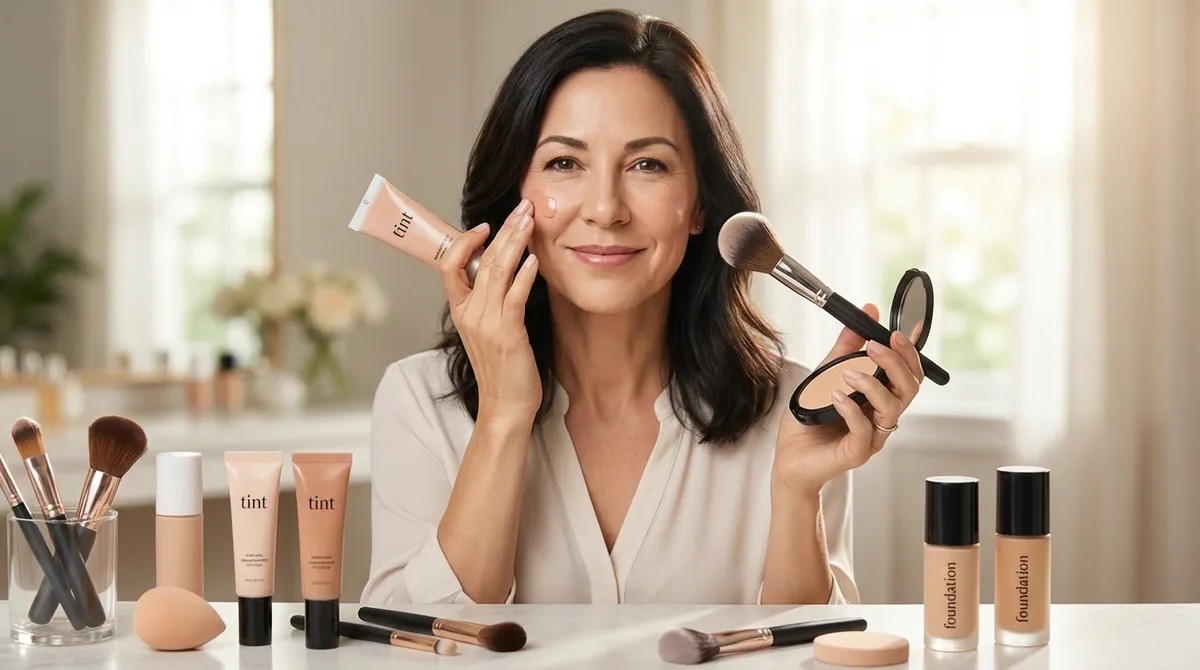
Ever wonder why your base makeup looks perfect one day and disastrous the next? The culprit might not be your skin—it could be a fundamental mismatch between your skin's chemistry and your foundation's formulation. In this episode, Dr. Elena Voss breaks down the science behind skin-responsive tints versus traditional foundations, examining everything from pH levels and particle sizes to comedogenic loads and oxidative stability. Whether you're battling midday shine, dealing with reactive skin, or trying to cover stubborn hyperpigmentation, this deep dive into cosmetic chemistry will help you make a smarter choice for your specific skin type.
Sk...Best Skin-Responsive Tints Under $25
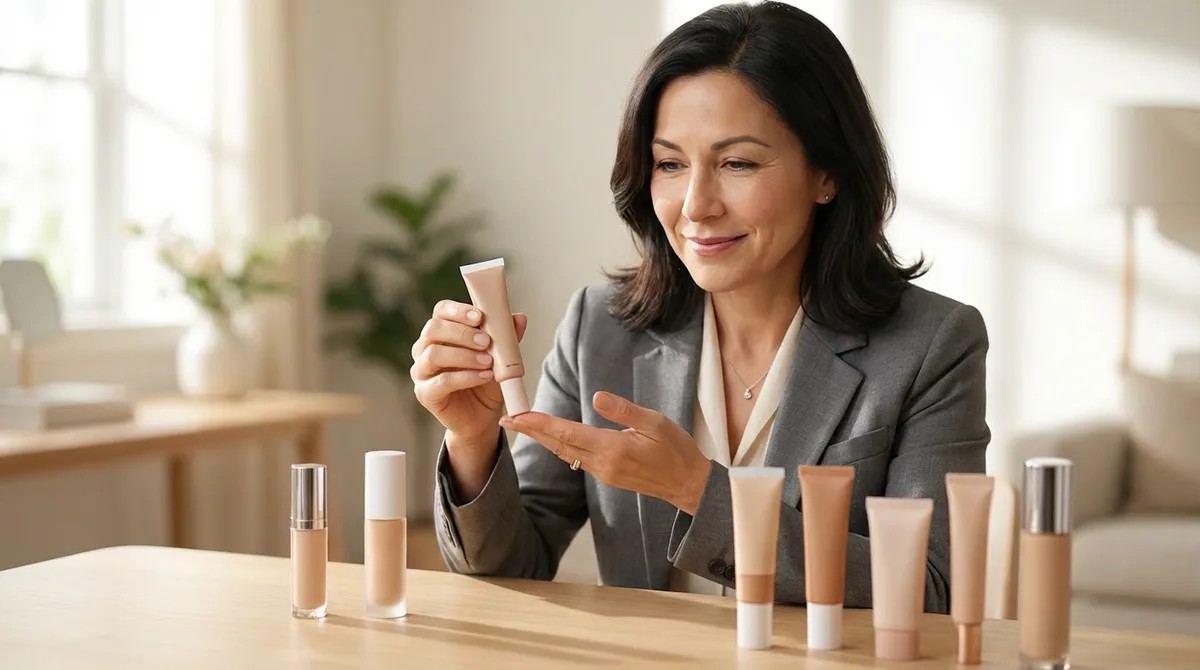
Those color-changing lip products that promise to adapt to your unique skin tone sound like pure marketing gimmick—but the chemistry is actually real, and some drugstore versions outperform luxury options costing four times as much. In this episode, Dr. Elena Voss breaks down the pH-reactive science behind skin-responsive tints and reveals which budget formulations genuinely deliver personalized color versus which are just cleverly branded lip balm. If you've ever wondered whether these products are worth trying or how to spot the ones that actually work, this deep dive into ingredients, textures, and value calculations will give you everything yo...
Skin-Responsive Tints: Complete Guide to Adaptive Color Cosmetics
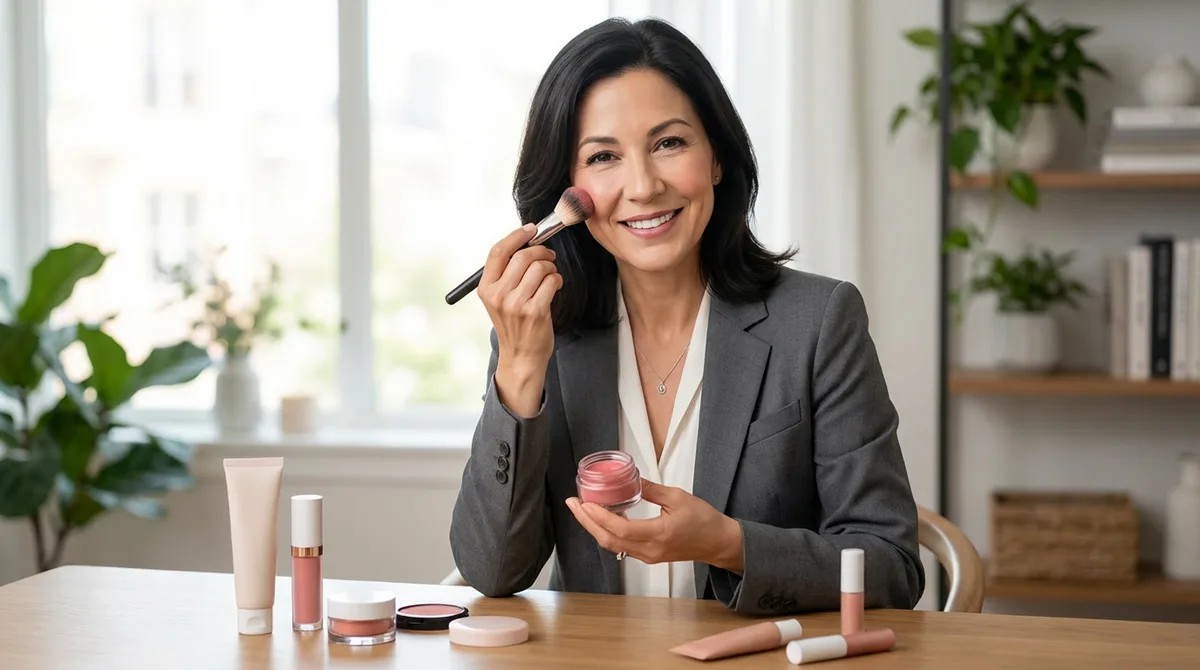
Ever wondered if those "color-adapting" lip and cheek tints actually read your skin, or if you're just paying premium prices for decades-old chemistry? Dr. Elena Voss breaks down the molecular reality behind skin-responsive cosmetics, explaining exactly what happens when these products change color on contact. This episode is essential for beauty enthusiasts tired of marketing hype, anyone considering a $42 adaptive tint, and shoppers who want to know when a $14 drugstore option delivers identical results.
Most skin-responsive tints use red iron oxide (CI 77491) chemistry that's existed since the 1970s — the "smart pigment" claims are largely repackaging with premium pricing. Th...Peptides in Haircare Explained: Molecular Weight and Scalp Penetration
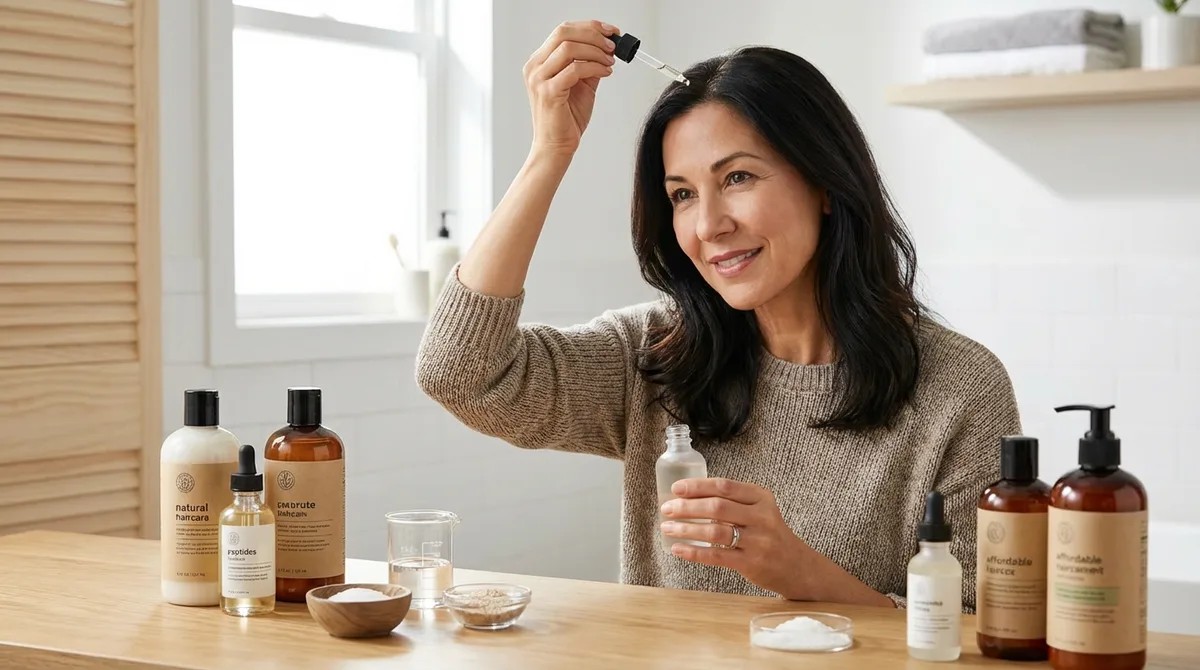
Peptide-packed hair serums promise to transform your scalp and strands, but can these trendy ingredients actually reach your hair follicles? Dr. Elena Voss, a cosmetic formulation researcher, breaks down the molecular science that most brands don't want you to understand. This episode is essential for anyone spending money on peptide haircare products and wondering whether the biology backs up the marketing claims.
The 500-Dalton rule explains why most peptides can't penetrate your scalp—molecules above this threshold struggle to pass through the skin barrier, and many popular haircare peptides exceed it significantly. Your hair shaft is dead keratinized pr...How to Choose Active Ingredients for Your Scalp Type
That persistent itch, those unexpected flakes, the tightness you can't quite shake—your scalp is trying to tell you something. In this episode, Julian Thorne breaks down the science of selecting active ingredients that actually work for your specific scalp type, teaching you to read formulations like a cosmetic chemist rather than falling for marketing claims. Whether you're battling seborrheic conditions, dealing with sensitivity, or concerned about thinning hair, you'll learn exactly which molecular structures match your biological needs and why penetration pathways matter more than trendy ingredient lists.
Your scalp's stratum corneum is thicker and more lipophilic th...Skinification Haircare Routine Checklist: Essential Products and Application Order
Your scalp deserves the same strategic layering approach you've perfected for your face—and in 2026, treating it like skin is finally backed by real cosmetic chemistry. This episode walks you through every product category in the skinification haircare routine, from pre-cleanse oils to peptide serums, with exact application orders, timing, and budget-friendly alternatives that perform identically to luxury formulas. If you've ever wondered why your scalp treatments aren't delivering results or how to build an efficient system that fits into your actual life, Sarah Ling-Miller breaks down the complete checklist so you can stop guessing and start seeing real im...


