Business → IT | IT → Business
Business → IT | IT → Business A Consultant Podcast by Mirko Peters Business talks strategy.IT talks systems.Most failures happen in between. In Business → IT | IT → Business, Mirko Peters—consultant working on both sides of the table—translates what business means and what IT needs. No buzzwords, no vendor talk, no politics. Each episode untangles real-world problems where strategy, technology, people, and process collide. From digital transformation and architecture decisions to misaligned expectations and costly misunderstandings—this podcast shows how business decisions become IT reality and how IT choices reshape business outcomes. Clear. Direct. Sometimes uncomfortable.Always honest. If you work in business, I...
Bot Contracts: Make Your Automated Agents Accountable
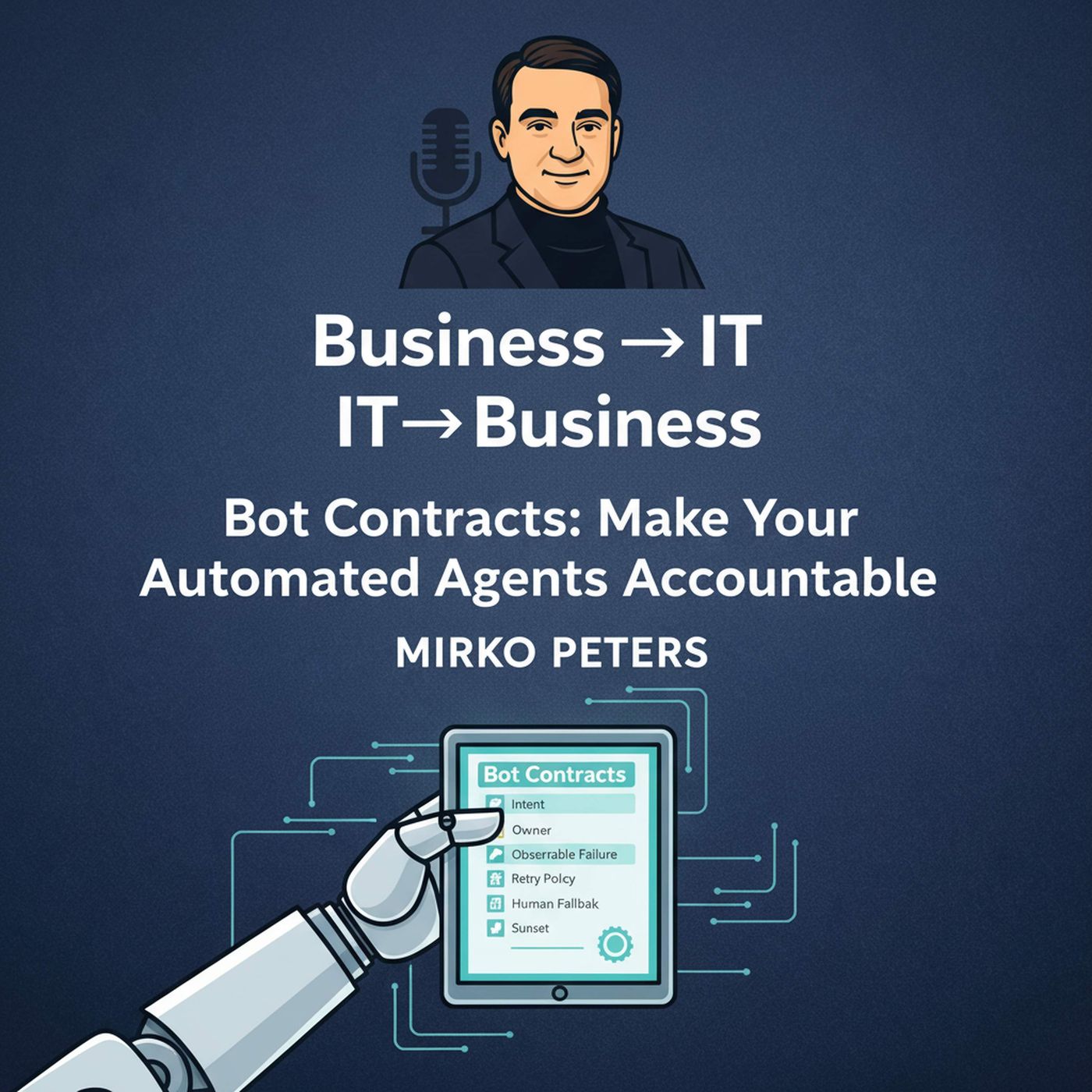
Automations act like invisible teammates: they make requests, change state, and fail at odd hours—but rarely carry explicit responsibility. This episode introduces the Bot Contract: a tiny, copy‑paste artifact you attach to any automation so business expectations and operational realities meet before trouble begins. Mirko opens with a short vignette (a pricing-bot that retried customers into double‑charges), contrasts what business expects from an 'always-on' agent with what engineering actually needs to operate one safely, and reads a live one‑line Bot Contract on air (Intent; Owner; Retry policy; Observable signal; Human fallback; Cost cap; Sunset). Listeners leave with a 7...
Feature Toggle Lifecycle: Make Flags First‑Class, Time‑boxed, and Observable
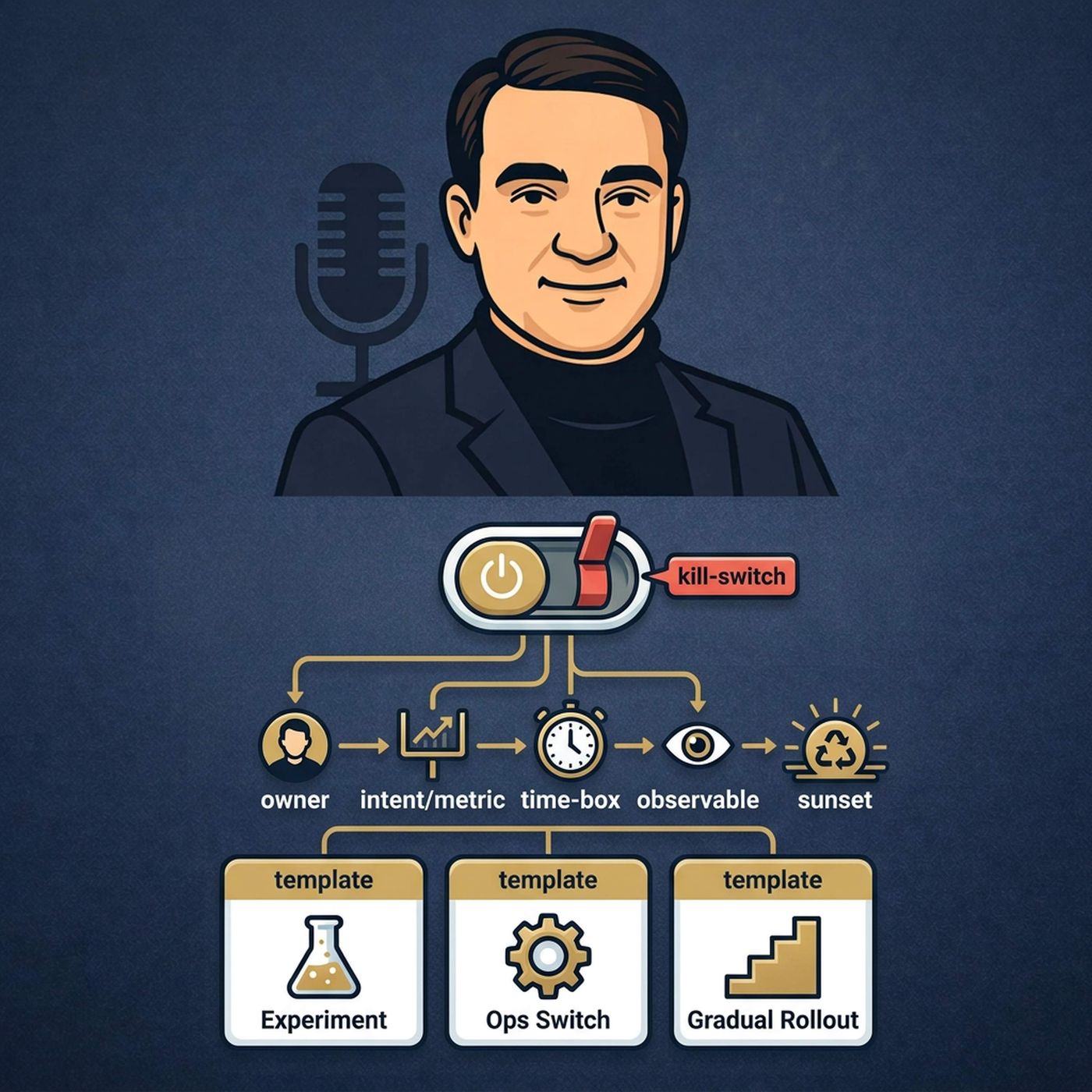
Feature flags accelerate learning and staged rollouts but, when unmanaged, become hidden coupling, operational surprise, and long‑running debt. This episode prescribes a concise Feature Toggle Lifecycle you attach to each flag: Owner; Intent; Audience; Default; Rollout criteria; Observable metric; Kill‑switch; Sunset date; Minimal test path. We open with a short micro‑vignette of an orphaned flag that created costly investigation, then walk through three copy‑paste lifecycle templates (experiment, ops switch, gradual rollout), a one‑minute guest quote from a platform lead, and a practical 7‑day pilot plan. The pilot includes a measurable success plan (lifecycles attached, flags retired/sche...
Rollback Reserve: Budget the Capacity to Undo
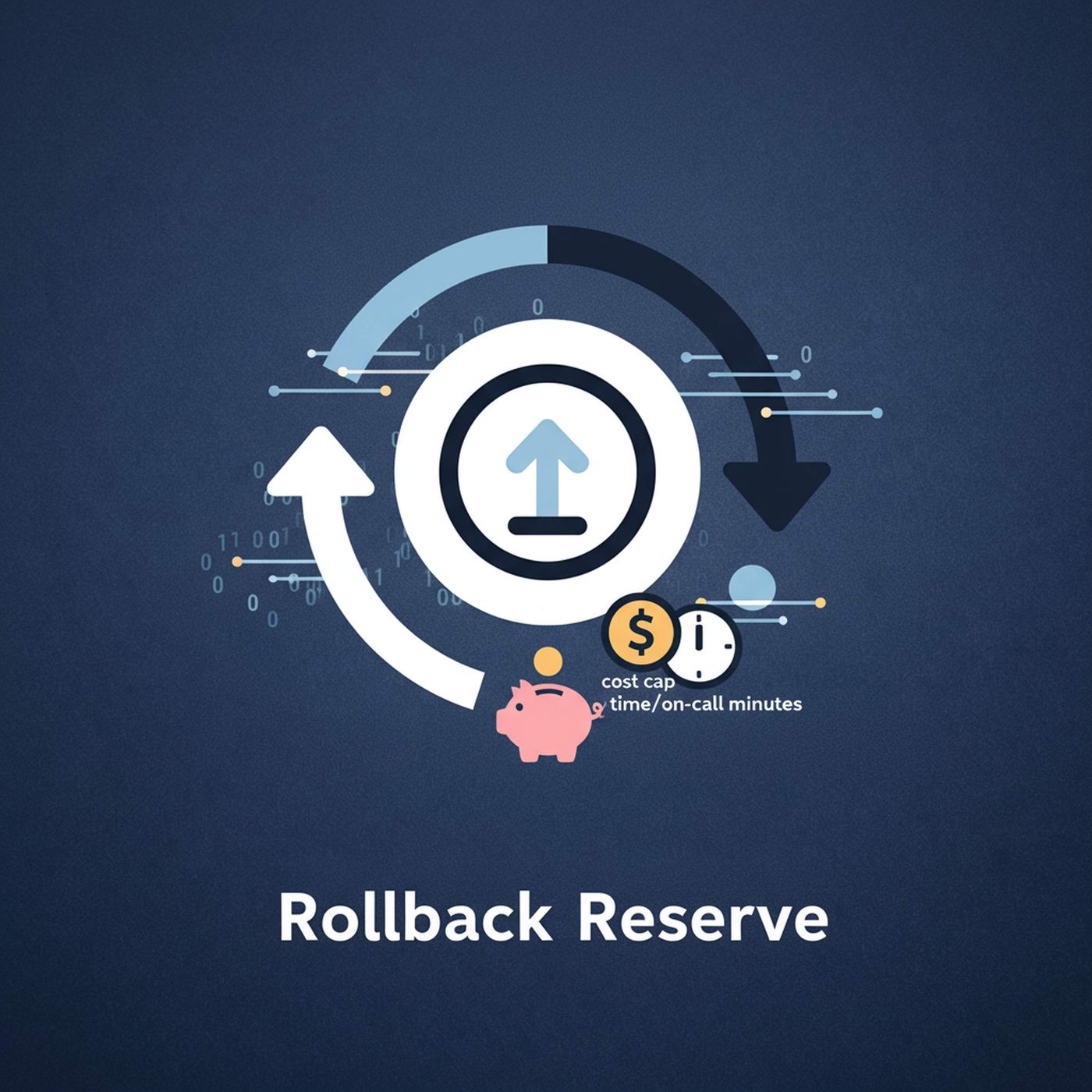
Teams plan delivery budgets but rarely budget the capacity to undo. That missing line turns rollbacks into emergency borrowing: all‑hands nights, hidden costs, and damaged trust. This episode introduces the Rollback Reserve: a compact planning artifact you write into change proposals and roadmaps that names the undo budget (minutes-to-undo target, on‑call allocation, cost cap, and acceptance criteria for rollback vs. remediate). Mirko contrasts the business trade-off (faster launches vs. the cost of potential reversals) with the operational reality (limited on‑call attention, stateful complexity, and reproducibility gaps). Listeners get an exact one‑line Rollback Reserve template to read aloud, a...
Assumption First‑Aid: Rapid Triage to Stop Hidden Beliefs from Bleeding Work
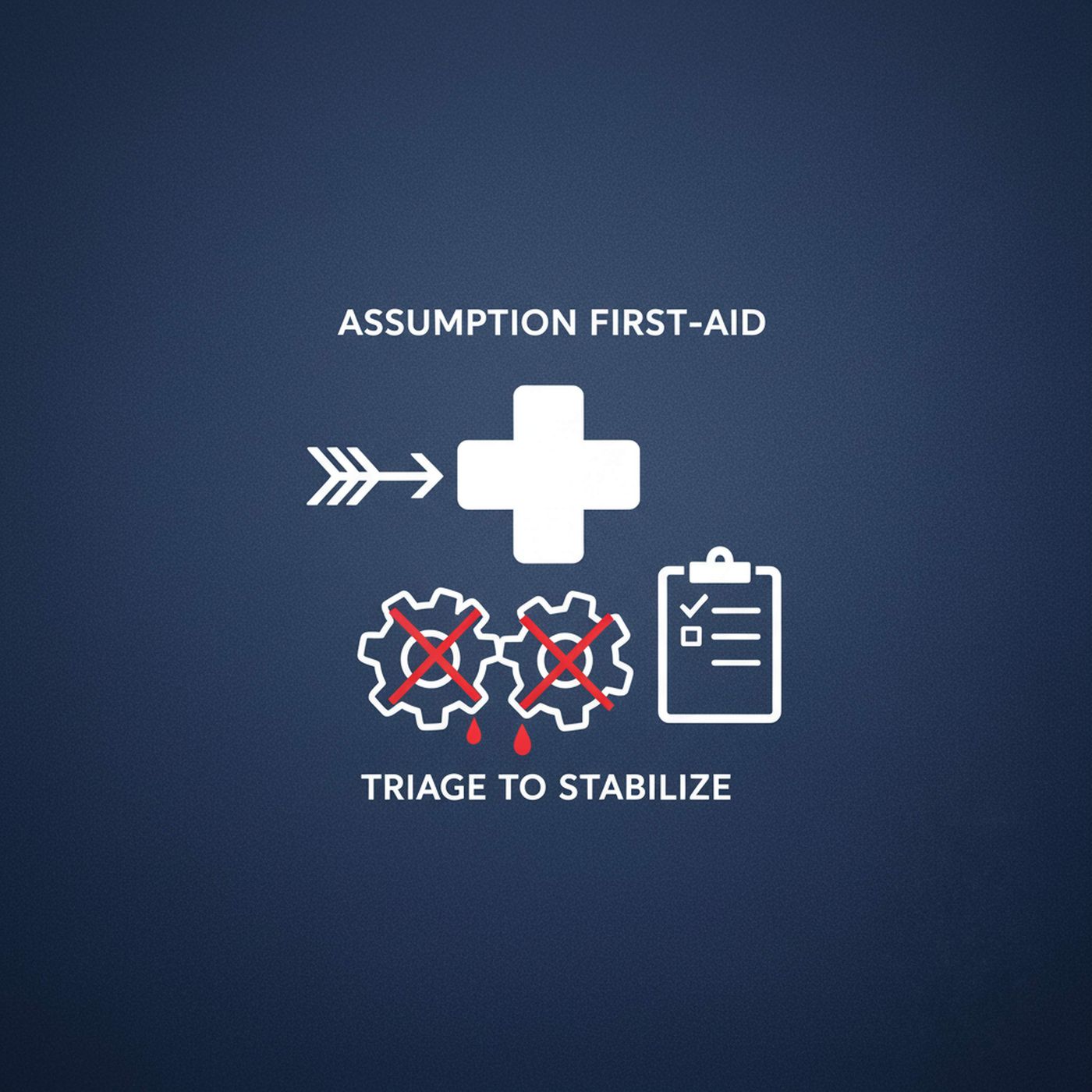
Hidden assumptions quietly trigger rollbacks, late nights, and weekend incidents. This episode reframes the practice as 'Assumption First‑Aid'—a fast triage to stabilize plans before they bleed. Mirko opens with a 20–30 second dramatized weekend outage vignette traced to a buried belief, then explains why a short ritual wins where checklists fail. Listeners get a copy‑paste Assumption Card example to read aloud: Assumption: 'Search API returns
Flag Life: A 7‑Day Ritual + Contract to Stop Flag Sprawl
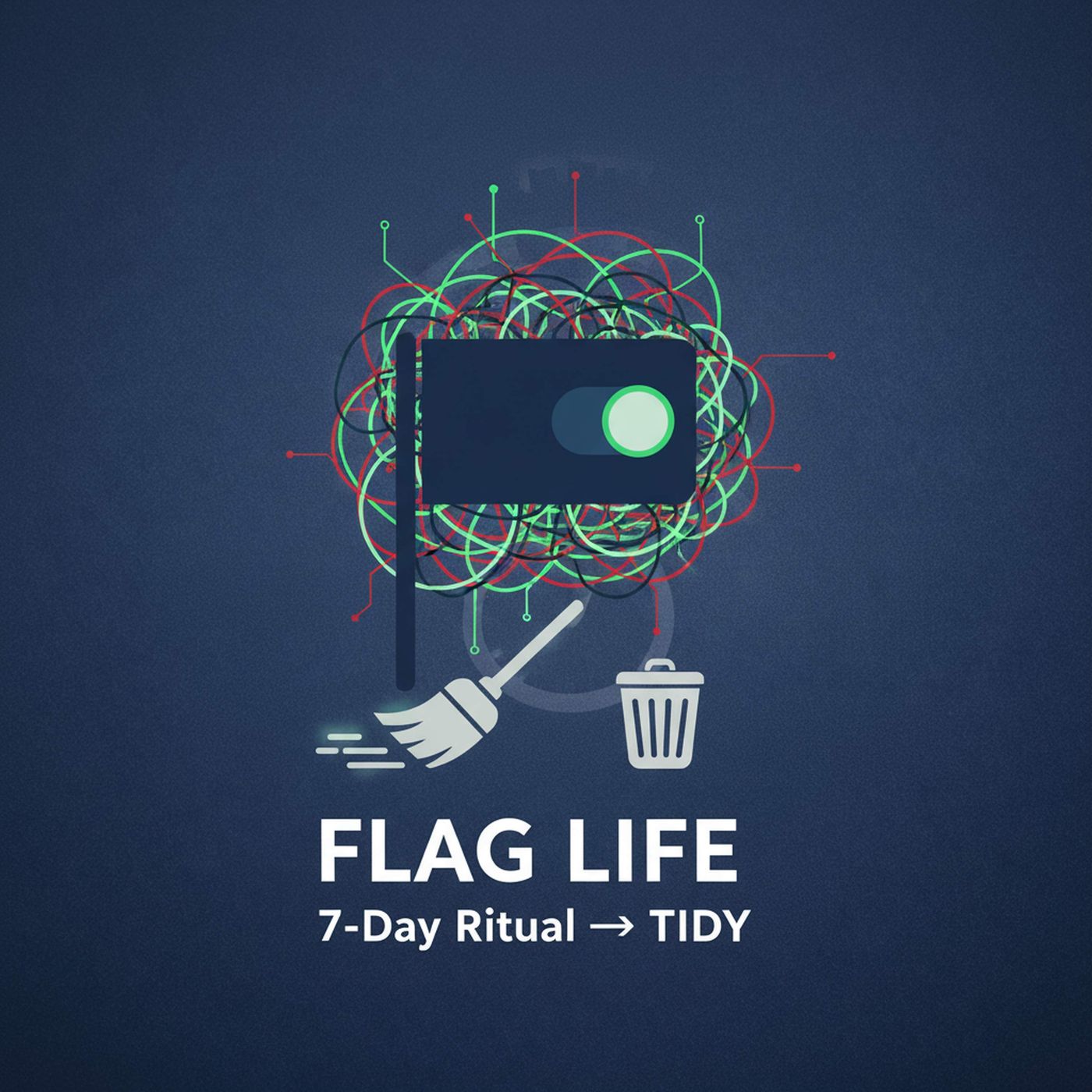
Feature flags accelerate launches and experiments — until proliferation, orphaned ownership, and environment drift turn them into a fragile, incident-prone surface. This episode opens with a 60–90 second engineer/PM clip recounting a rollout regression caused by a stale flag to set stakes, then delivers an auditable Flag Lifecycle Contract (read aloud and provided as a downloadable GitHub gist) and a step-by-step 7‑day Tidy ritual teams can run live. We provide a verbatim owner-assignment script for cross-functional meetings, a short implementation walkthrough (screen-share audio) that models the tidy in action, and clear pilot metrics: percent flags cataloged, time-to-retire, and flag-related incident rate. Role-s...
Expectation Heatmaps: Map Where Business and IT Read Different Signals
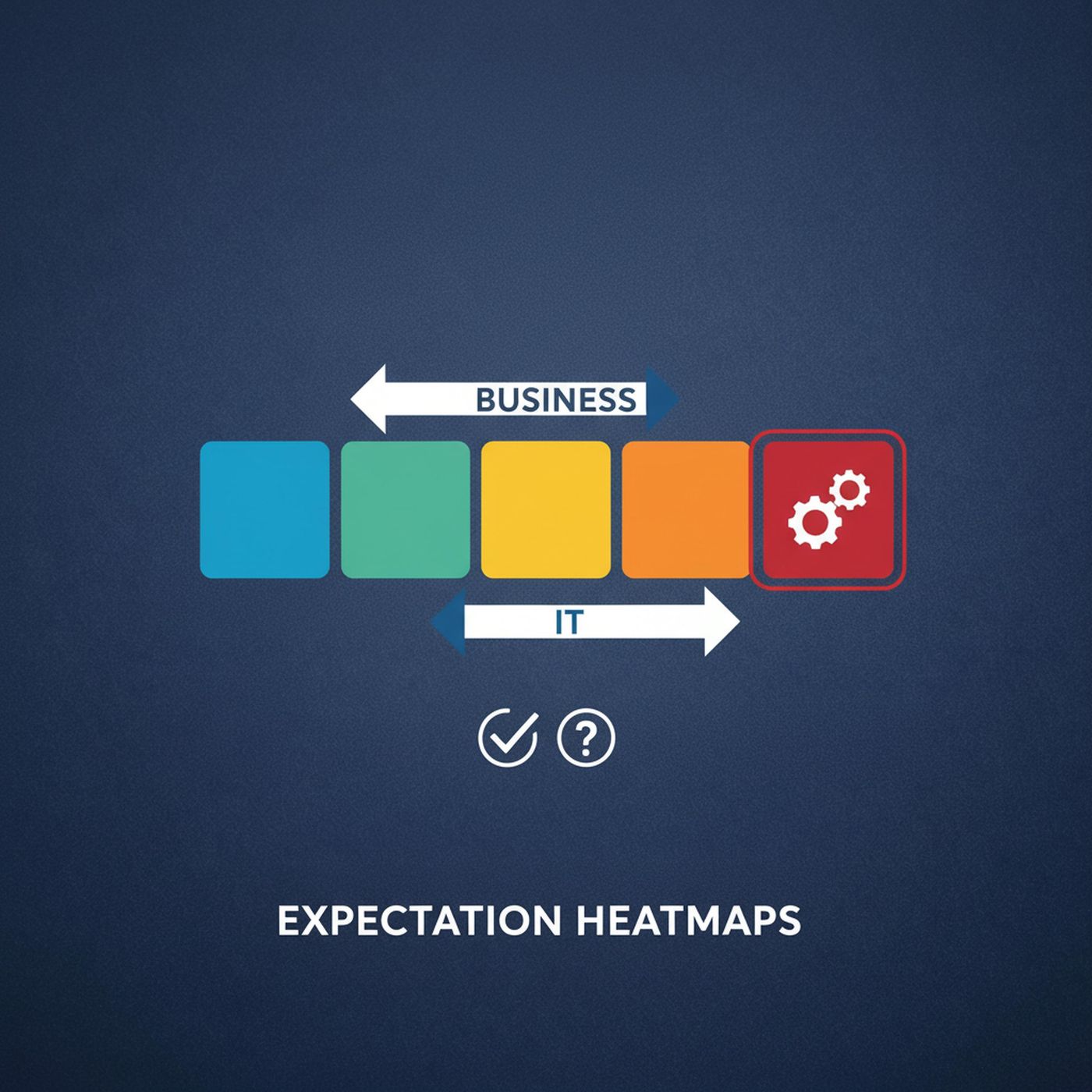
Business asks and engineering answers through different lenses; what looks urgent to product can be low‑impact for operations, and what IT treats as risky can feel like a blocker to sales. This episode teaches a lightweight, reproducible practice: the Expectation Heatmap. Mirko explains how to run a 30‑minute cross-role mapping session that produces a single shared visual (business‑perceived impact vs. IT‑perceived effort) plus a paired readiness flag. Listeners get the exact readout script, a five‑cell heatmap template to copy, and a 7‑day experiment: map five upcoming tickets, run the heatmap readout, and prioritize the visible mismatches. The episode...
False‑Ready Audit: Find When 'Ready for Production' Is a Performance, Not a Fact
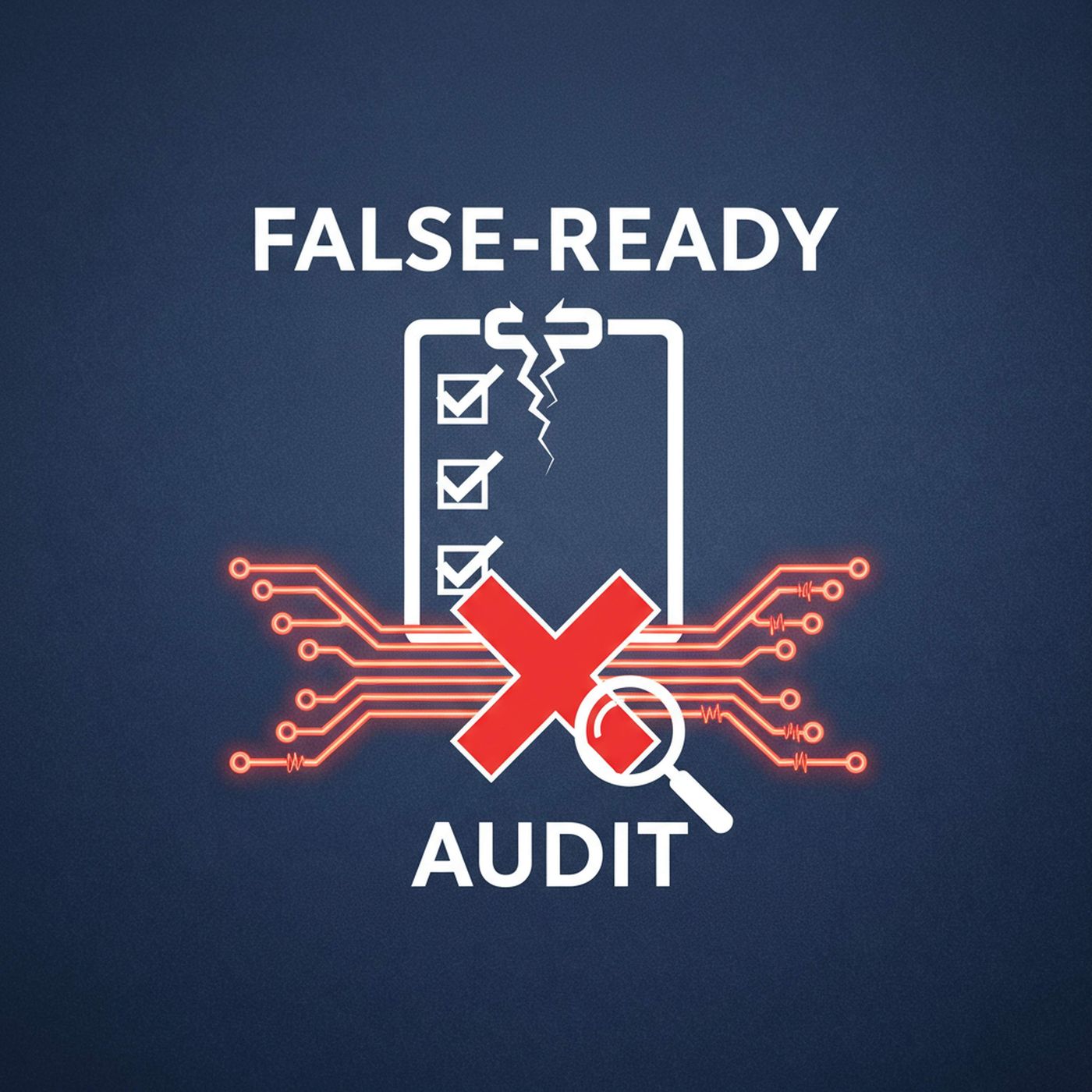
Organizations routinely call work 'ready' while hidden conditions—configuration drift, undocumented dependencies, stale runbooks, observability gaps, or untested rollback paths—leave launches fragile. This episode introduces the False‑Ready Audit: a compact, tool‑agnostic diagnostic you can run in 30–90 minutes to surface where readiness is performative rather than operational. Mirko contrasts the business impulse to mark progress (ship dates, demos, stakeholder signals) with IT's deeper readiness signals (dependency ownership, monitoring baselines, restoration plan). Listeners get a copy‑paste Ready Truth Table (owner alignment, critical dependencies, test surface, observability baseline, rollback rule, compliance check) and a reproducible 7‑day sampling experiment: score five recent 'r...
Postmortems for Wins: Capture What Worked Before It Slips Away
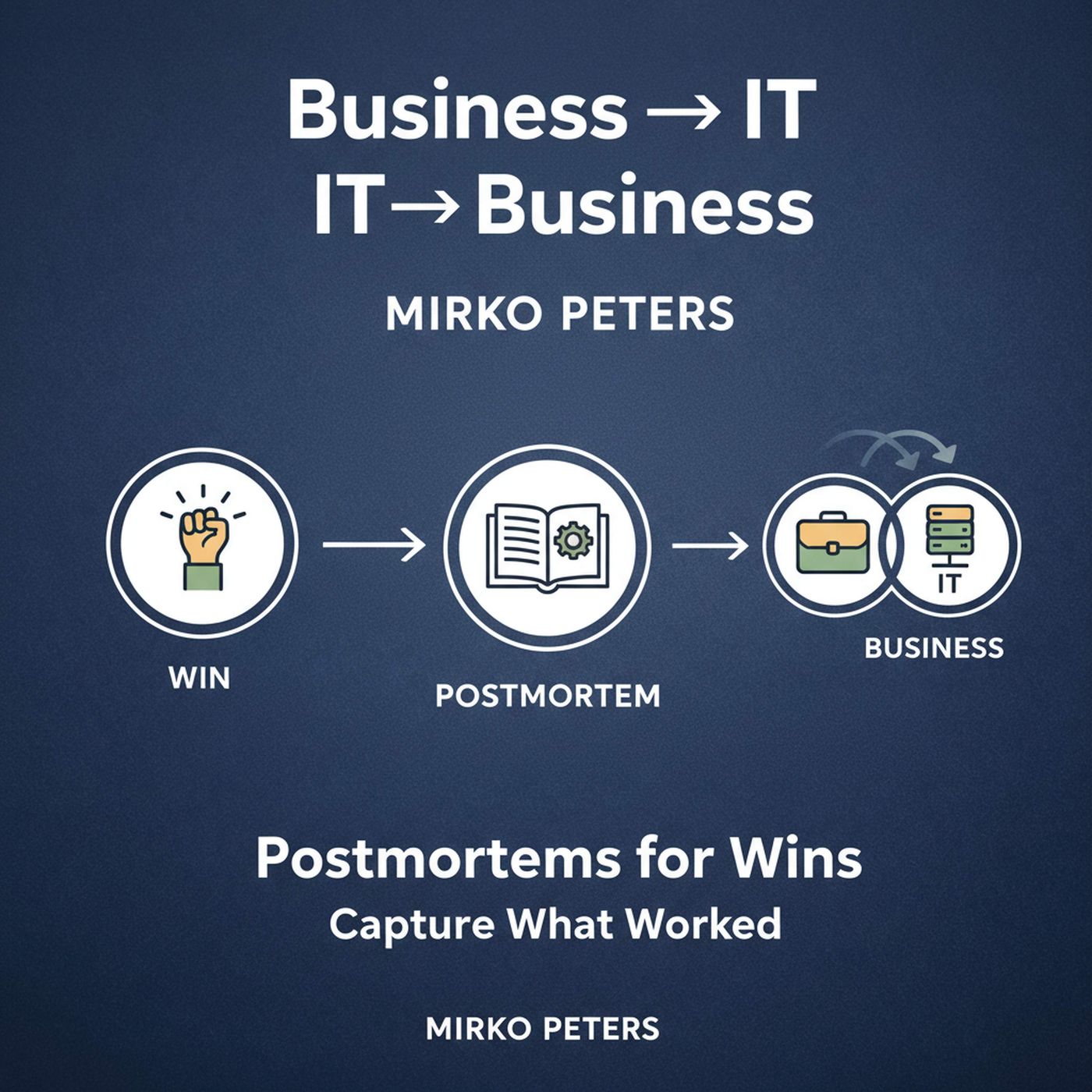
Organizations are good at dissecting failures—rarely at learning from what actually worked. This episode introduces a pragmatic Win Postmortem: a five‑minute, read‑aloud ritual plus a one‑page template that captures context, critical decisions, tradeoffs, verification signals, and the minimal conditions needed to repeat success. Mirko contrasts the business instinct to celebrate wins (market timing, PR, metrics) with IT’s view (configuration choices, deployment safety, monitoring baselines), showing how absent documentation turns lucky outcomes into fragile one-offs. Listeners get a reproducible habit: run a Win Postmortem within 72 hours of a meaningful success, append a one‑line 'repeat condition' to the runbo...
Rollback Rehearsals for Stateful Changes: Practice the Hard Undo
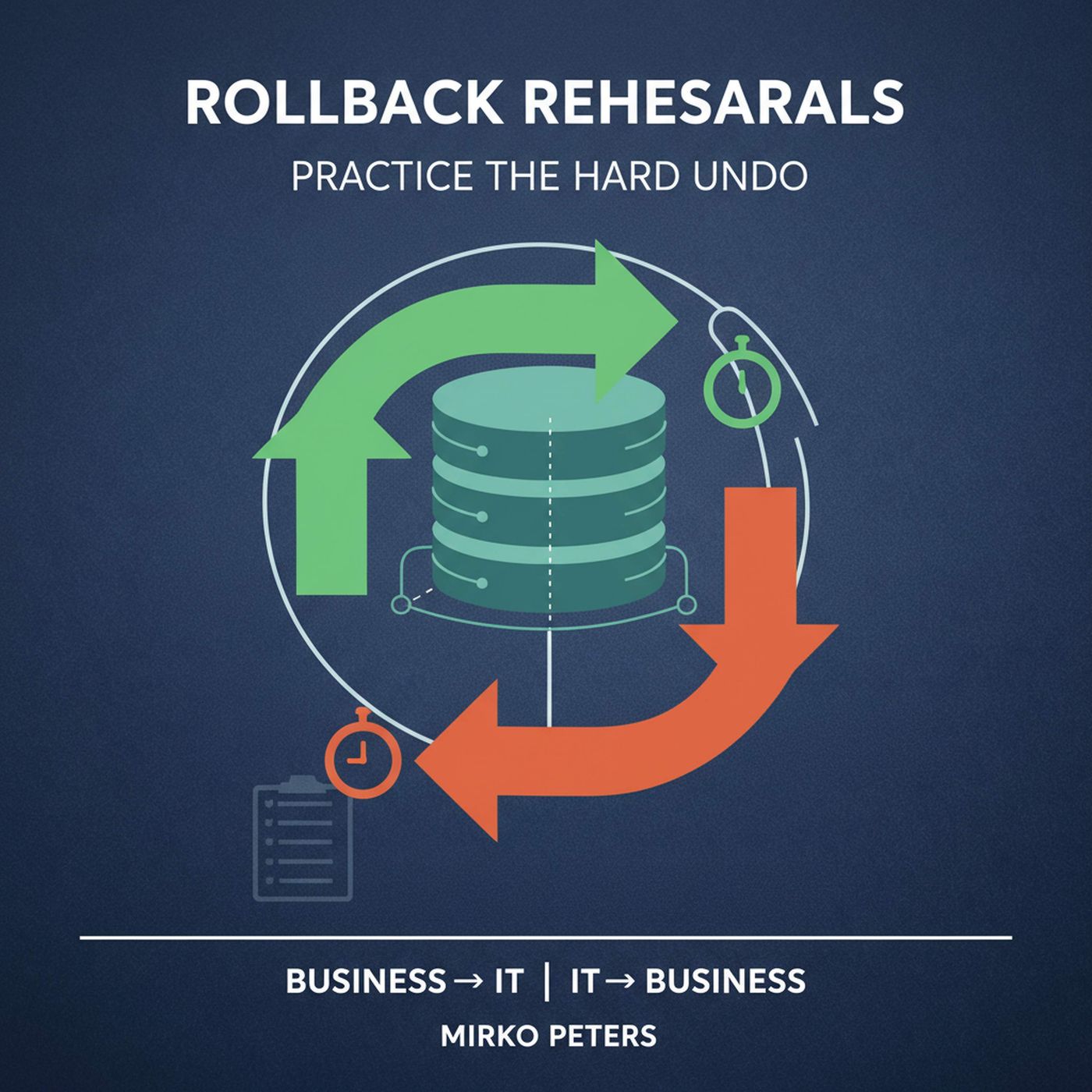
Start with a thirty-second vignette: a payments startup ships a database migration, monitoring looks green, then latency and charge duplicates spike—on-call engineer Sana runs a manual rollback that stretches into hours. This episode reframes rollback as a short, repeatable rehearsal focused on stateful changes (schema tweaks, data migrations, third-party feature flips) that usually fail under stress. Mirko explains the business stakes, the technical pitfalls unique to state, and a compact 30–90 minute Rollback Rehearsal ritual tailored to preserve data integrity. Listeners get a one-page rehearsal template, concrete roles and verification checks, and a measurable pilot target (aim for
Automation Preflight: Decide to Automate — and Own the Outcome
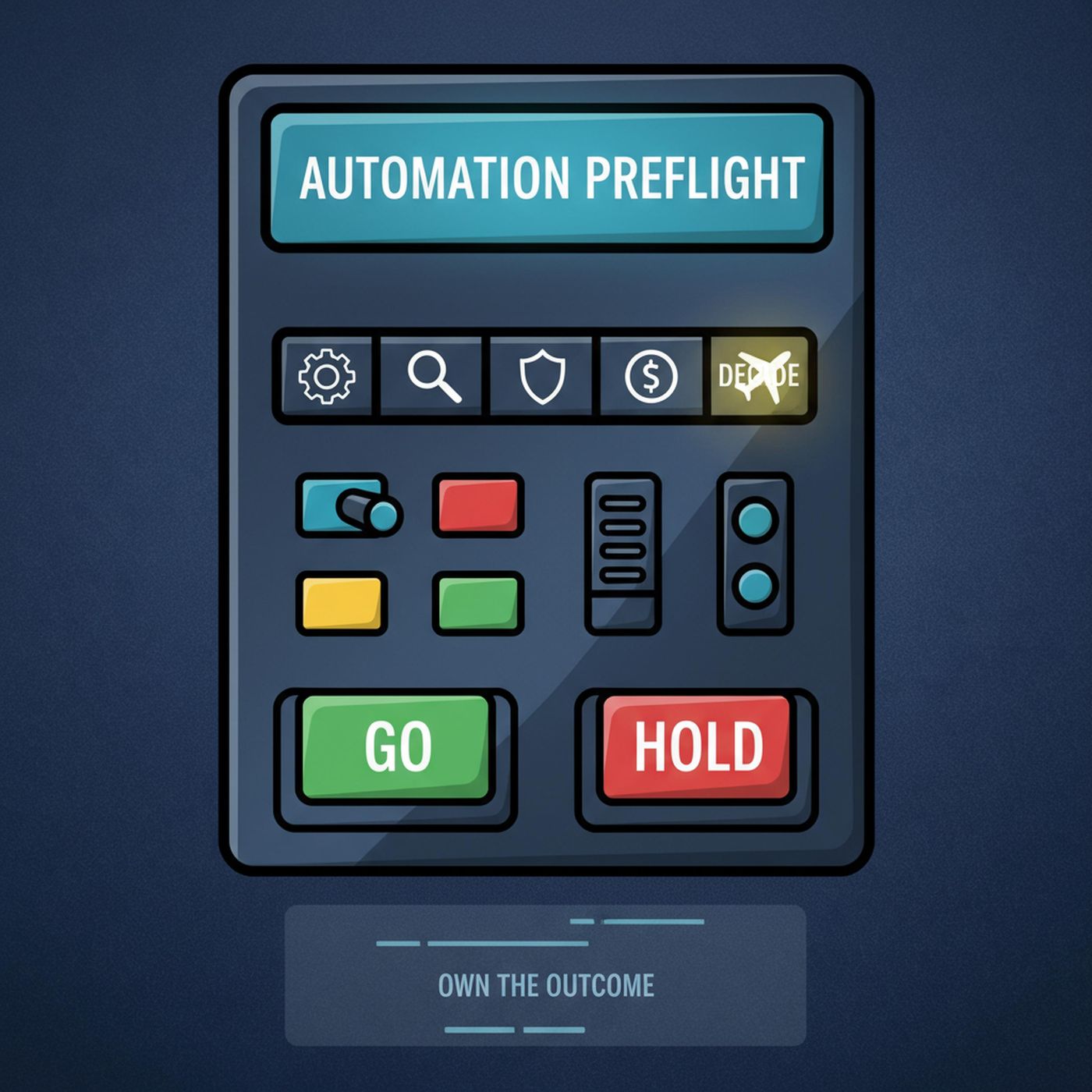
Too often automation is celebrated as a time-saver until the first silent failure, runaway cost, or orphaned script forces late-night firefights. This episode presents an Automation Preflight: a short, repeatable cross-functional ritual that tests whether automation is the right next step and makes post-deployment responsibility explicit. Mirko contrasts the business appetite for efficiency (expectations, SLAs, downstream promises) with IT’s operational reality (monitoring, drift, maintenance), then reads a compact, copy‑paste Preflight checklist on-air: rationale, success signal, scale assumptions, owner & support window, rollback/fallback, cost guardrail, and a 7‑day observation rule. Listeners get three low-friction rituals to try this week (prefli...
Minimum Operability Contract: Agree What 'Live' Actually Means (and Say It in One Line)
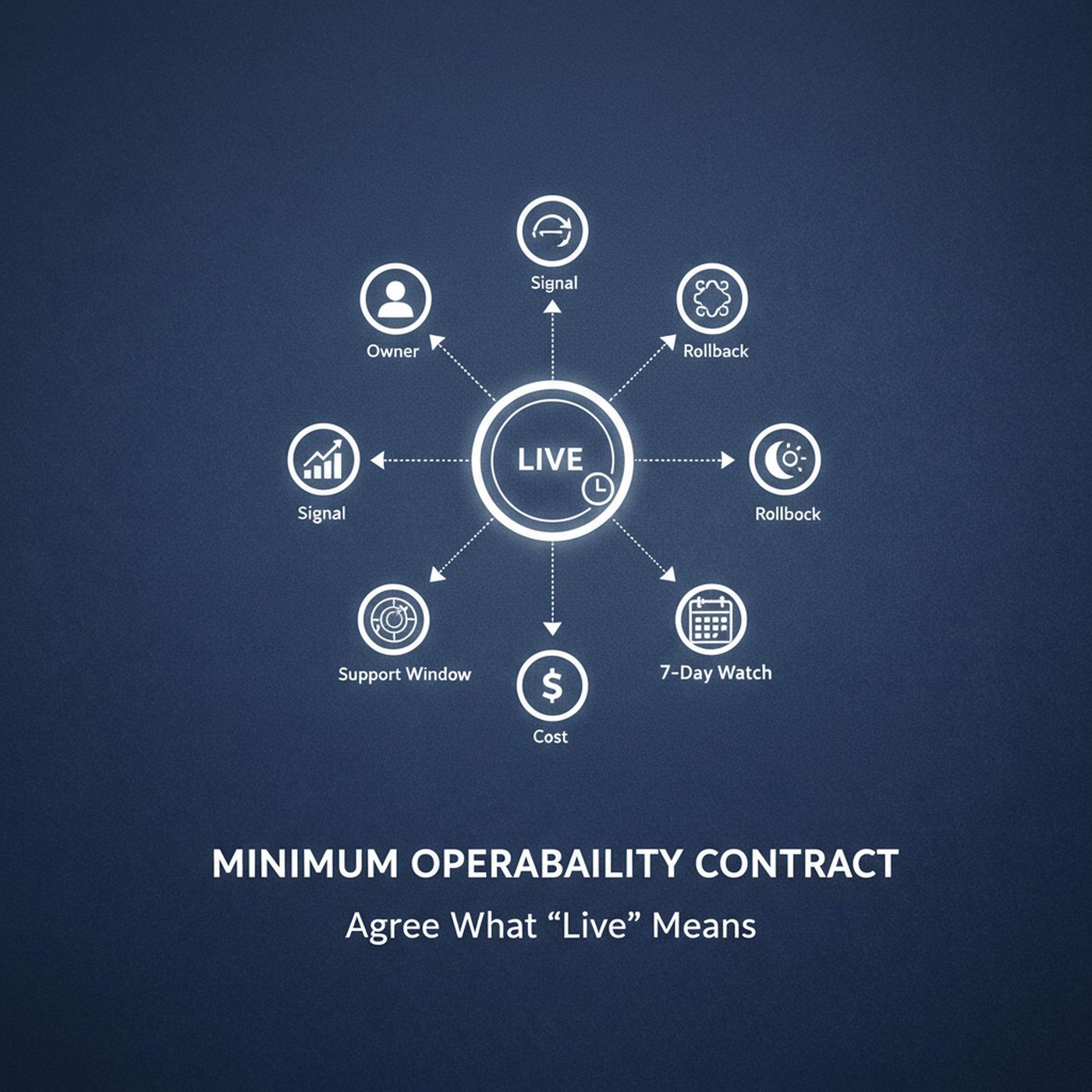
It starts with a 45‑second micro‑scene: 2 a.m., an alert flood, and three teams pointing at each other. This episode teaches a compact Minimum Operability Contract (MOC) you can write, read aloud, and attach to a ticket in under five minutes. We play a short live role‑play between a PM and SRE to show how two sentences remove assumptions. You’ll hear an explicit one‑line example (Owner=Product; Signal=error>1%; Rollback=manual on threshold; Support=9–5; Cost=approx $X/day; 7‑day watch=yes), three low‑friction rituals to try this week, and precise pilot metrics—overnight pages, median time‑to‑detect, an...
Derived Data Contracts: Make Ownership, Cost and Rollback Explicit
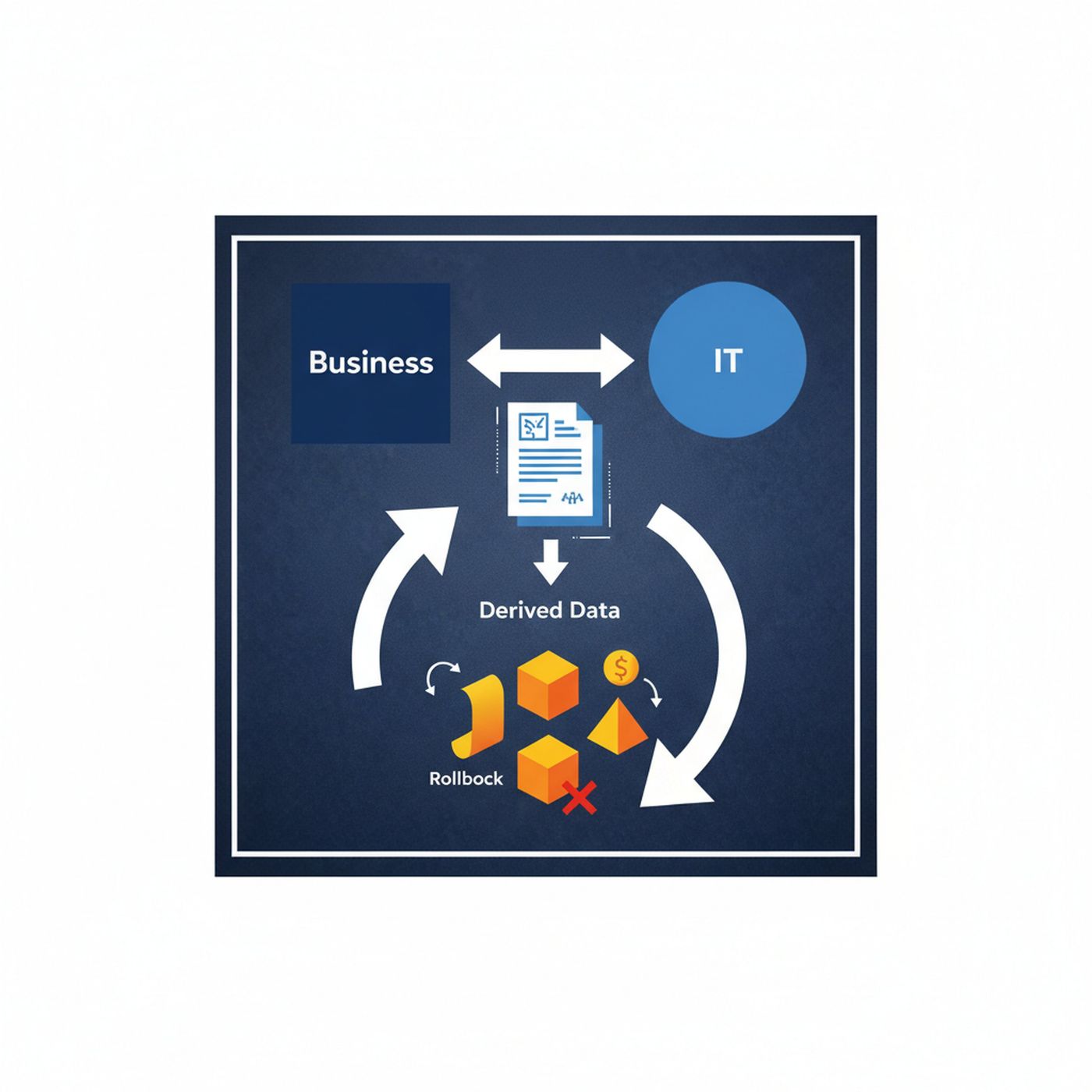
Organizations treat derived data—ad‑hoc dashboards, denormalized tables, ML features—as ‘free’ insight until a surprise bill, outage, or compliance question forces firefighting. This episode opens with a concrete vignette: a VP of Sales wakes to a $30,000 monthly cloud bill from the “Regional Sales Rollup” report and demands answers; Rina Patel, a Senior Data Engineer, explains how missing ownership and no rollback plan turned a 2‑hour analysis into months of toil. Mirko and guest analytics lead Carlos Mendoza present a one‑page Derived Data Contract (read verbatim on-air and available in show notes) and argue the counterintuitive claim: treat derived datasets a...
Feature Sunsets: Design the Exit Before You Build

Features don’t just ship — they stick. This episode argues that durable product thinking includes a clear, short sunset contract at conception: who can retire it, how to measure viability, what minimal migration or rollback looks like, and who owns the long tail. Mirko contrasts the business impulse to preserve options with IT’s experience of accumulating hidden maintenance, and he reads a compact, generalized vignette where a conveniently permanent feature cost months of work and morale. Listeners get a practical one-page Sunset Contract template, three low-friction rituals to try this week (sunset field in every PR, a 90-day viability checkp...
Temporary Authority Contracts: Give Squads Permission — and a Sunset
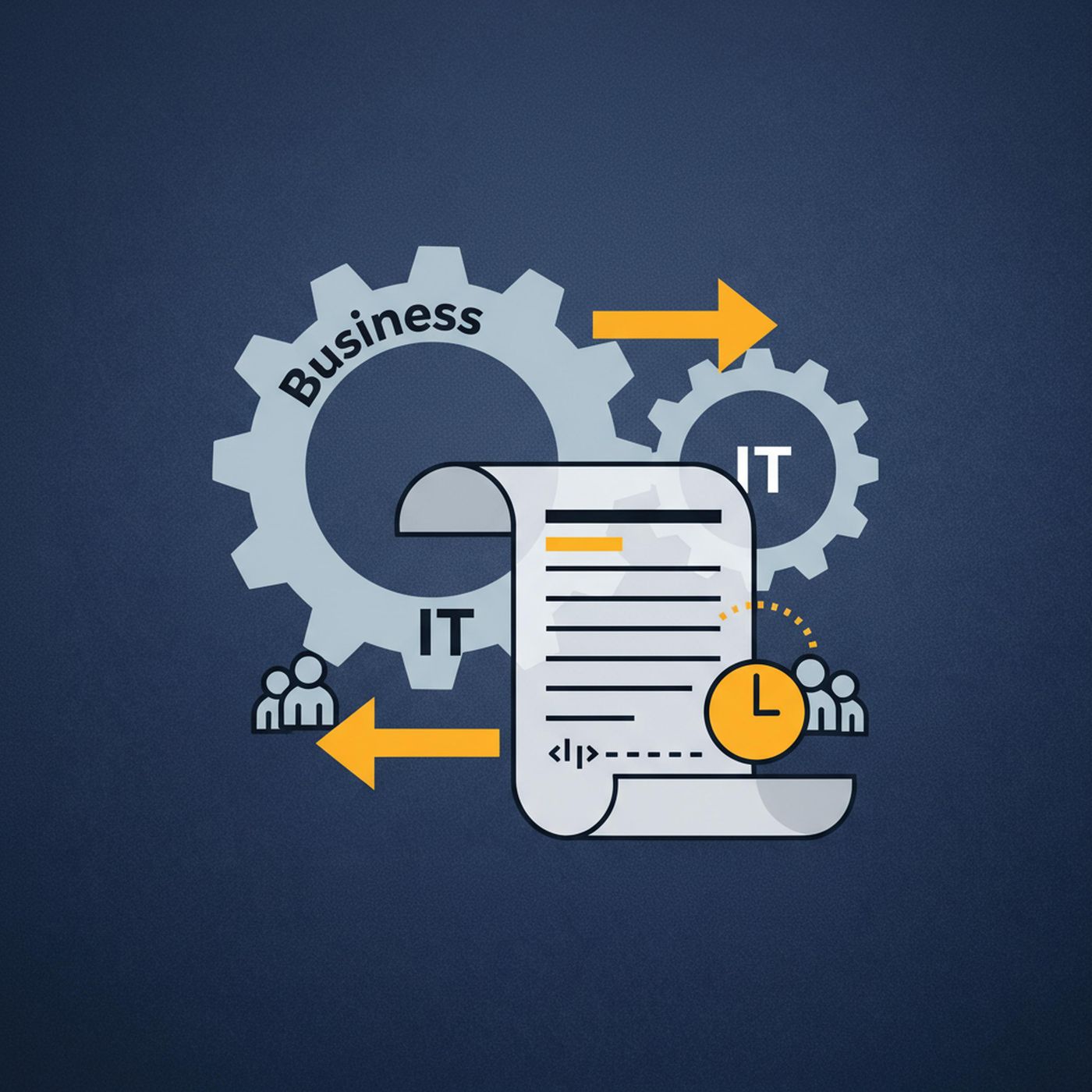
Cross-functional squads and fast-response teams are how businesses move quickly — until their temporary privileges calcify into permanent exceptions that shift risk, cost, and responsibility. This episode argues for treating each short-lived team as a product with a one-page Temporary Authority Contract: explicit scope, delegated decision rights, limits, success signals, monitoring, sunset date, and a repatriation plan. Mirko walks both sides—why business wants autonomy to ship outcomes and why IT fears uncontrolled drift and hidden coupling—and shows how a simple, timeboxed contract preserves speed while protecting long‑term operability. Listeners get a compact contract template, three low-friction rituals to try this...
Design the Escalation: Stop Turning Questions into Executive Emergencies
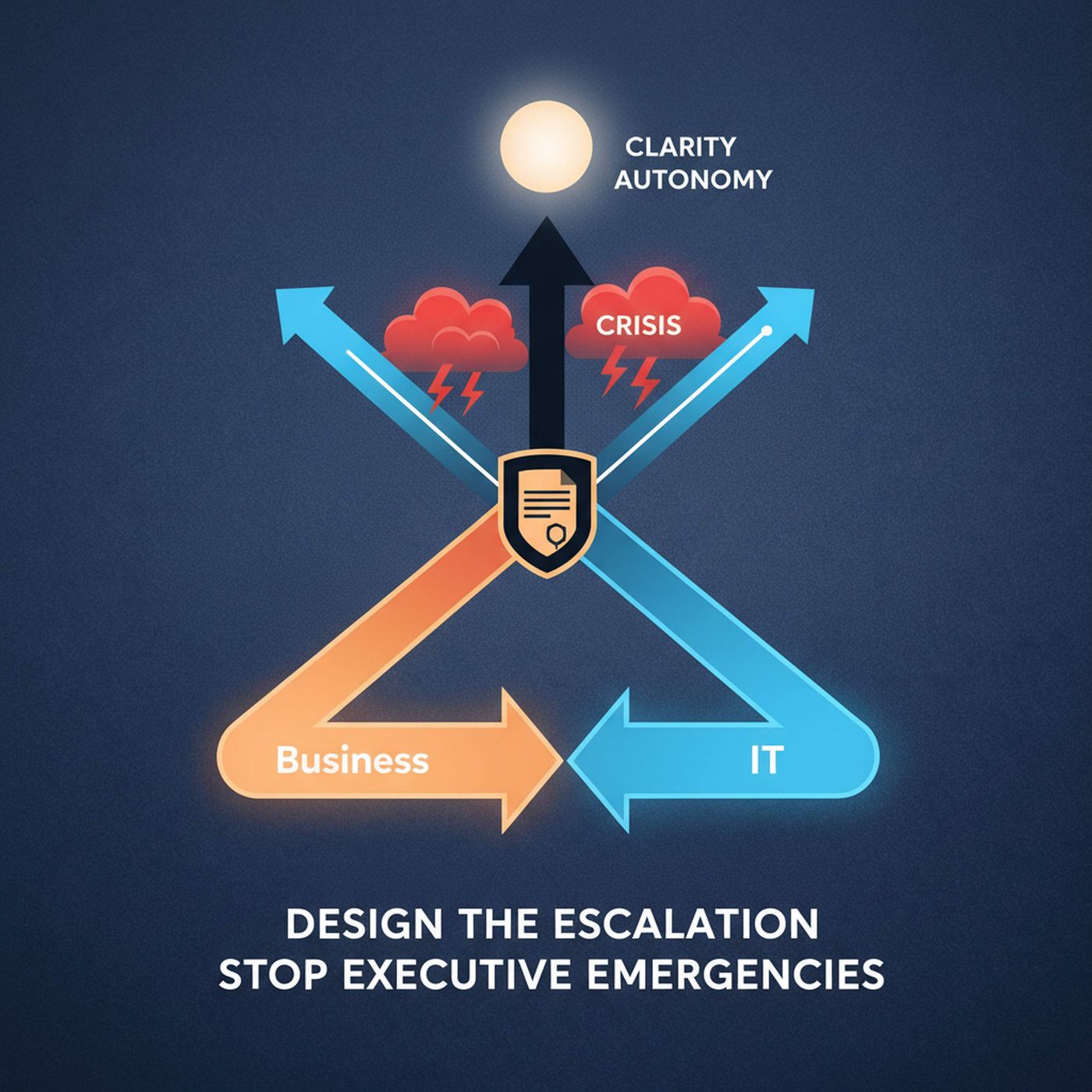
Escalations are the organization’s safety valve — and when poorly designed they become the reason small uncertainties end up as executive crises, blame cycles, and recurring firefights. This episode reframes escalation as a product-like contract: clear trigger conditions, required context, decision window, and expected outcomes. Mirko walks both views—why business leaders expect escalations to protect outcomes and why engineering and ops fear them as permission costs that shrink autonomy—and shows how a few durable rules reduce churn, preserve learning, and make escalation an instrument of clarity, not crisis. Listeners get a one-page Escalation Contract template, three low-friction rituals to try i...
Prioritization Currency: Speaking the Same Value Language Between Business and IT
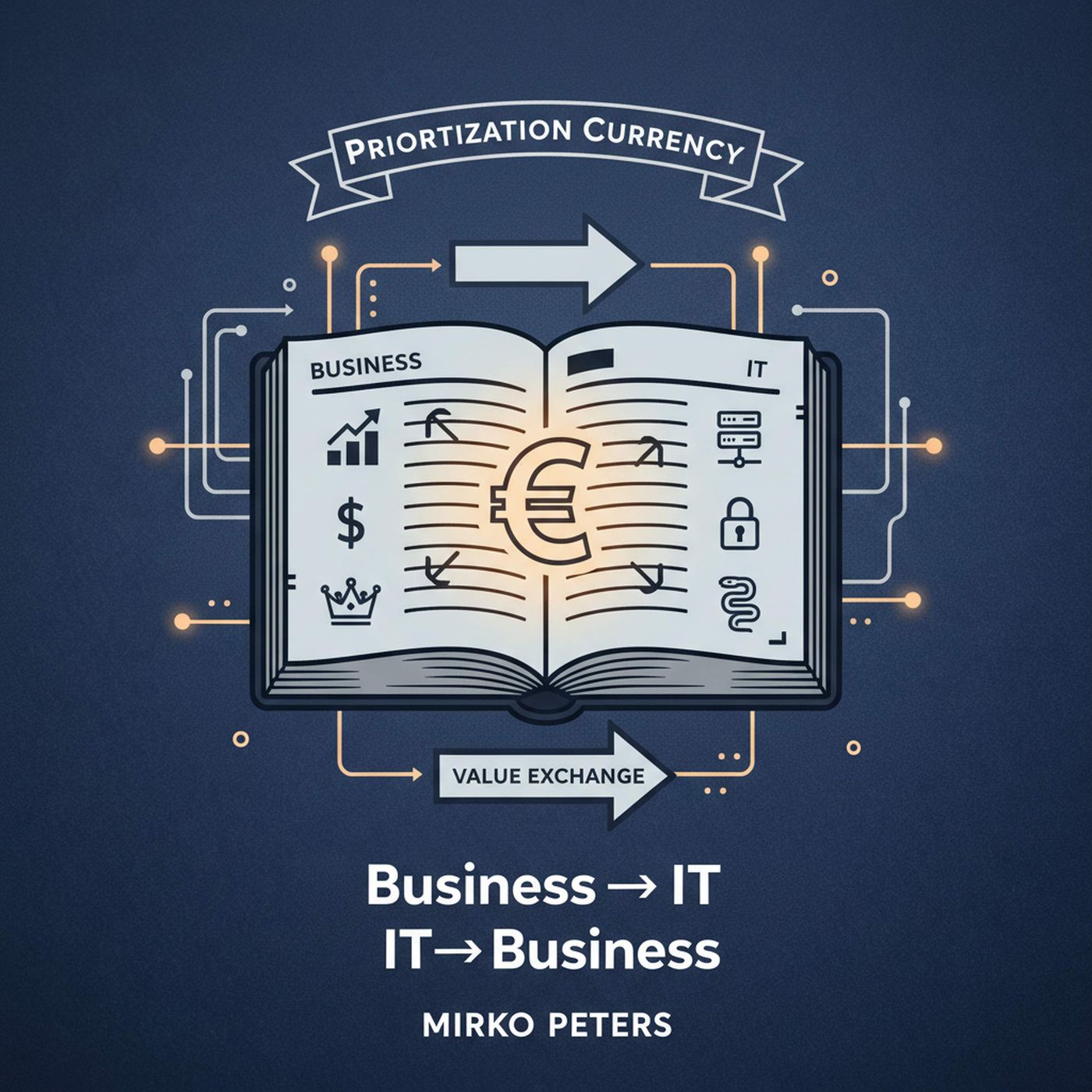
Priorities feel like opinions until you name the currency being spent. This episode argues that many alignment problems start because business and IT are paying for different things with the same budget: product asks for growth, finance watches forecast variance, IT budgets uptime and debt. Mirko defines a simple Prioritization Ledger (primary currency, owner, measurable signal, expected short-term cost, expected long-term cost, rollback rule) and walks listeners through how that artifact clarifies trade-offs in five minutes. The monologue contrasts common mismatches—features scored as ‘high priority’ for revenue but low-priority for operability—and offers three lightweight rituals: the one-minute currency declarat...
The Billing Line: How Cost Allocation Shapes Tech Decisions
In most organizations the engineering ticket, the cloud bill, and the product roadmap converge at a single, underappreciated place: the billing line. Who sees and pays which costs shapes technical trade-offs, influences product choices, and quietly decides which risks are acceptable. In this episode Mirko Peters walks both sides of that aisle: the business view (budget ownership, predictability, and accountability) and the IT view (cost drivers, measurement, and operational consequences). Using a concise generalized vignette—an analytics pipeline that ballooned because costs were invisible—Mirko shows how cost signals distort decisions and create perverse incentives. Listeners get a practical Cost-Responsibility Matr...
Organizational APIs: Making Invisible Interfaces Explicit
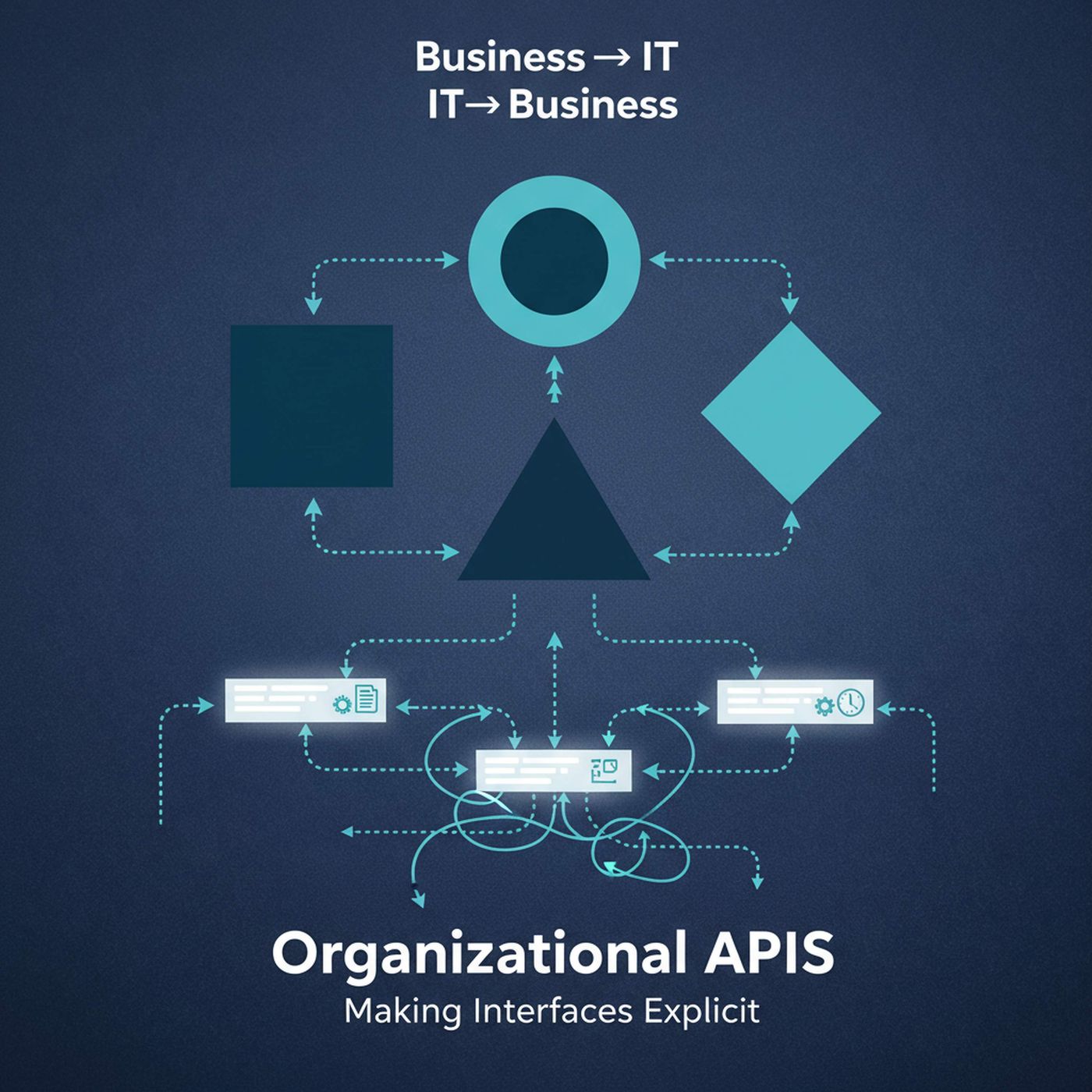
Teams don’t just hand off code or documents; they hand off expectations: who answers questions after launch, what ‘done’ means, how data is interpreted, and which escalation path to use. These invisible interfaces — meeting rituals, implicit data formats, timing assumptions, and informal ownership norms — behave like undocumented APIs that leak cost and slow decisions. In this episode Mirko Peters examines these organizational APIs from the business view (clarity, velocity, outcome ownership) and the IT view (coupling, monitoring, implicit contracts). He uses a concise generalized vignette where timing assumptions between product, analytics, and ops turned a weekly report into a months-lon...
After the Launch: Who Really Owns the Problem?
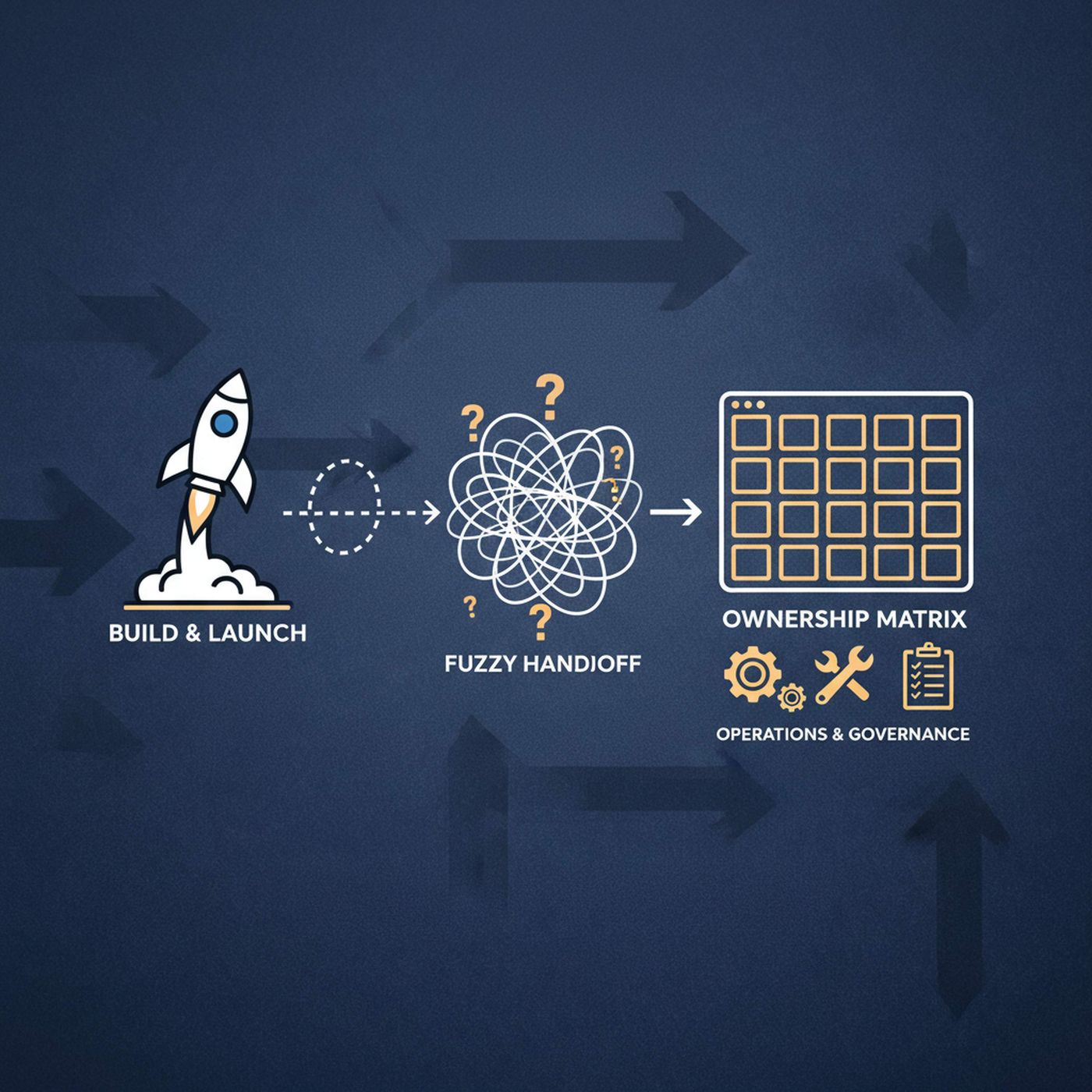
Too often 'we launched it' becomes shorthand for 'someone else will fix it later.' That gap between delivery and durable ownership creates operational drag: incidents sit unresolved, product changes stall, data quality erodes, and hidden costs compound. In this episode Mirko Peters examines the mismatch from both sides—why business treats features as product milestones while IT hears 'support it forever'—and shows the common failure modes of handoffs, escalation chains, and assumed responsibilities. Using a generalized consulting vignette, he surfaces where organizations lose accountability and how that amplifies risk and cost. Listeners walk away with a compact Ownership Matr...
Defaults Do the Work: How Implicit Choices Become Policy
Organizations make thousands of quiet decisions every week: a config left as-is, a contract clause copied from a template, a deployment cadence nobody questioned. These implicit defaults end up governing behavior, locking in costs, and creating surprise constraints when business priorities change. In this episode Mirko Peters frames the problem from both sides: why business teams treat defaults as neutral conveniences and why IT inherits long-term operational burden. Using generalized consulting examples (no client names), he explains common patterns where defaults produce hidden coupling, governance gaps, and runaway support costs. Listeners get a practical, repeatable checklist to audit defaults, questions...
When KPIs Become Requirements: The Hidden Engineering Tax of Metrics
Business metrics are meant to guide decisions, not dictate architecture — but they often do both. In this episode Mirko Peters walks listeners through the common, avoidable path where a headline KPI morphs into a brittle system requirement: dashboards spawn batch jobs, SLAs create unnecessary real-time coupling, and product vanity numbers drive feature work that multiplies operational load. Mirko describes the problem from the business perspective (clarity, accountability, urgency), then the IT perspective (data plumbing, latency, monitoring, cost), and pinpoints the translation failures that cause the tax. Using a generalized consulting example, he shows how simple metric design choices ripple into mo...
When 'Just One More' Rewrites Strategy
(00:00:00) Bridging the IT-Business Gap
(00:00:43) The Hidden Costs of Small Changes
(00:03:09) The Engineering Perspective on Scope Creep
(00:04:47) The Decision Litmus Test
(00:06:33) Practical Habits for Better Decision-Making
(00:07:05) Implementing Decision Hygiene
(00:08:33) Closing Thoughts and Call to Action
(00:09:24) LinkedIn Follow and Review Request
A single late-stage 'small' change — a UI tweak pushed in at sign-off — sometimes becomes the hill that breaks the roadmap: in one generalized example a late tweak consumed ~160 developer-hours, added six weeks to launch, and ~ $24k in execution cost. Mirko Peters opens with that micro-story and uses it as a springboard for a fr...


