Philosophy for Better Humans.
If you want to build character, deepen your thinking, and understand yourself, this show gives you the ideas to do it — one episode at a time.
Why the Smartest People, Make the Biggest Mistakes - Friedrich Hayek
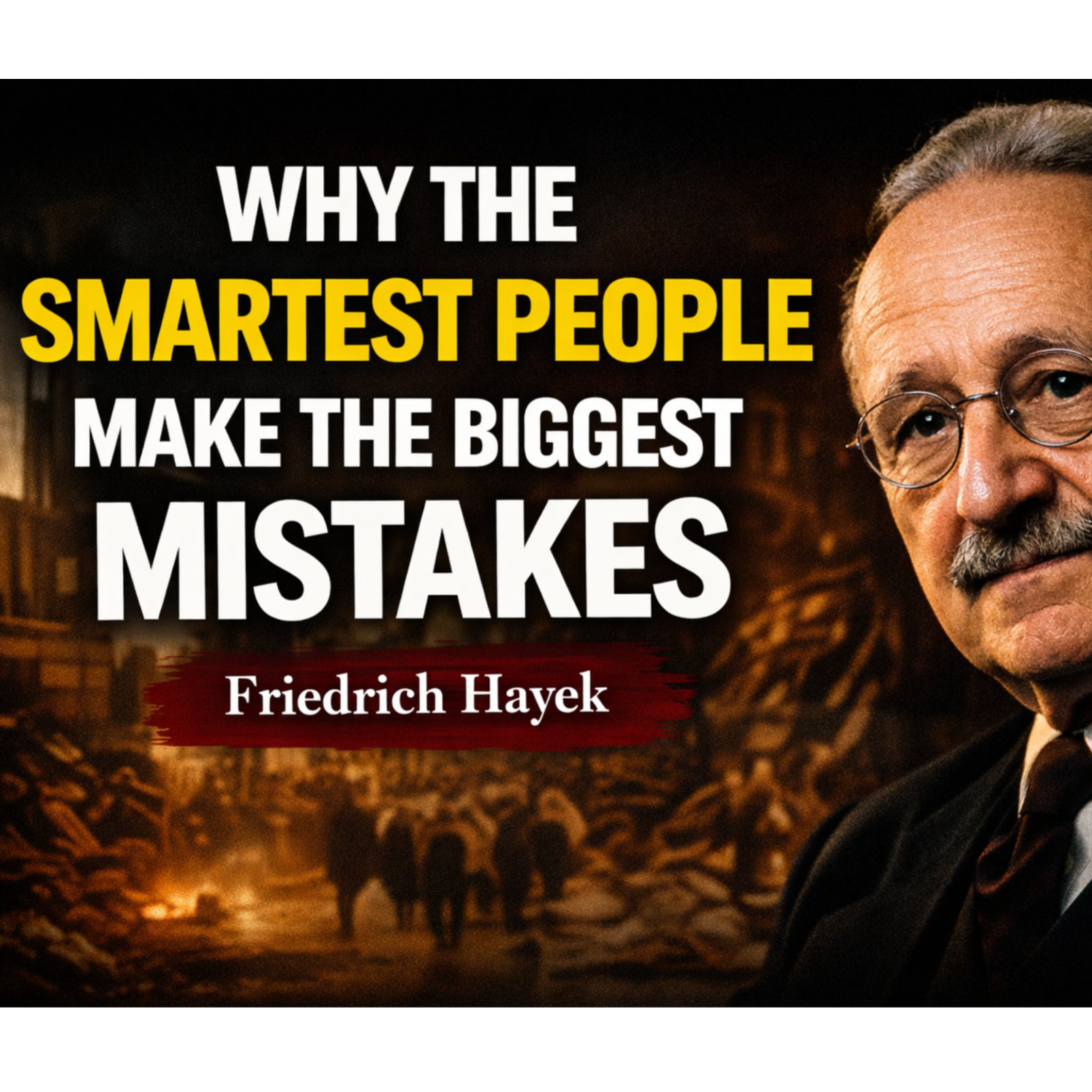
In 1959, MIT's brightest minds tried to plan the Soviet economy with computers. 30 years later: 70 million dead. Why do brilliant people create catastrophic disasters?
[MAIN DESCRIPTION]
In this episode of Philosophy for Better Humans, we explore one of the most uncomfortable truths in history: The smartest people often make the worst mistakes. Not despite their intelligence—but BECAUSE of it.
Nobel Prize-winning economist Friedrich Hayek spent his life warning about "The Fatal Conceit"—the dangerous belief that human beings are smart enough to centrally plan economies, societies, and civilizations. His insights are more urgent than...
Milton Friedman: If Government Could Fix Poverty, Why Hasn't It?
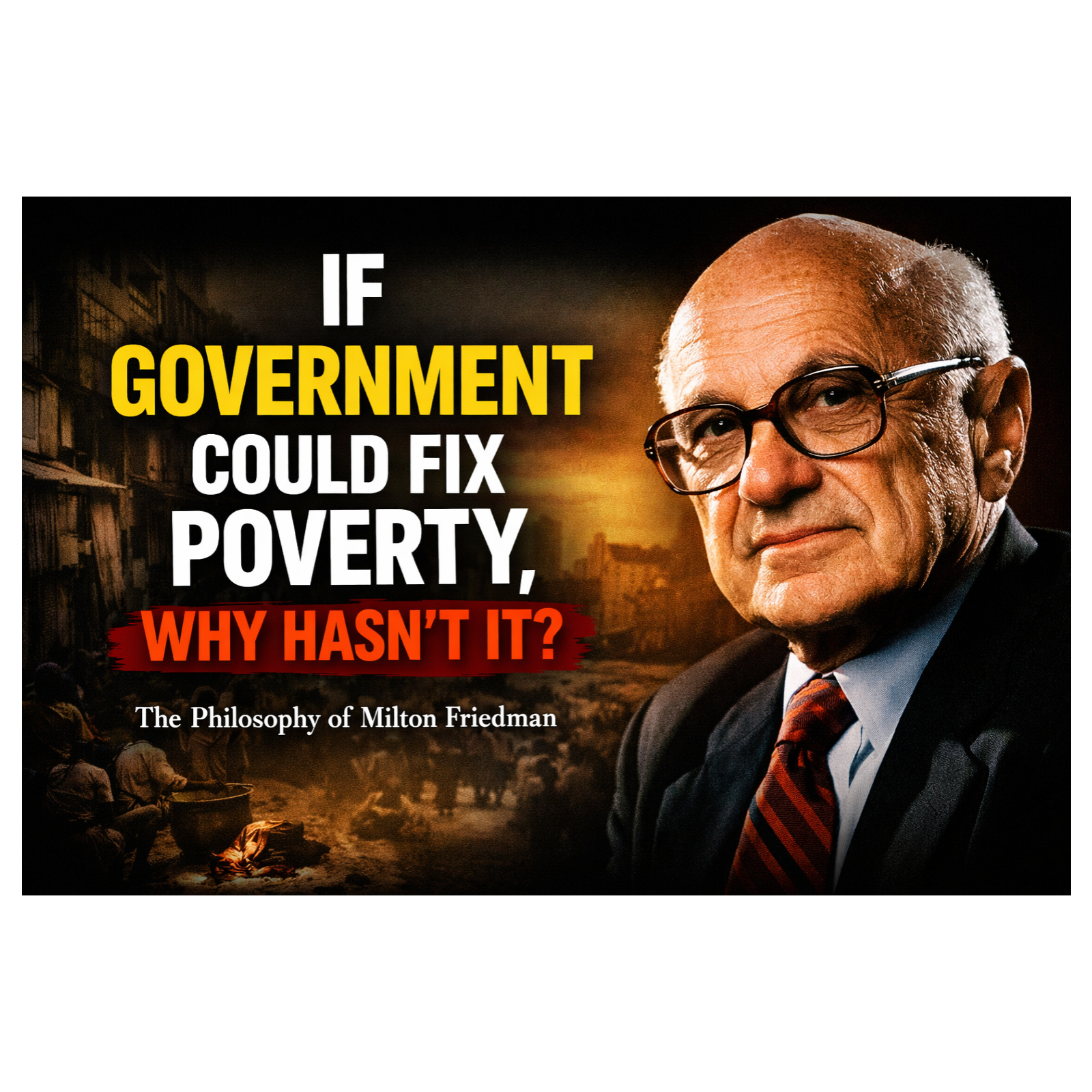
Since 1964, America has spent over $30 TRILLION fighting poverty—yet poverty rates remain unchanged. Nobel economist Milton Friedman knew why, and his answer will shock you.
[MAIN DESCRIPTION]
In this episode of Philosophy for Better Humans, we dive deep into one of the most controversial economic minds of the 20th century: Milton Friedman. Why did the War on Poverty fail? How do welfare programs trap people instead of helping them? And what does this mean for our future as AI threatens millions of jobs?
🔥 What You'll Discover:
Why $30 trillion in anti-poverty spending hasn't reduc...Aleksandr Solzhenitsyn - The line that runs through every human heart
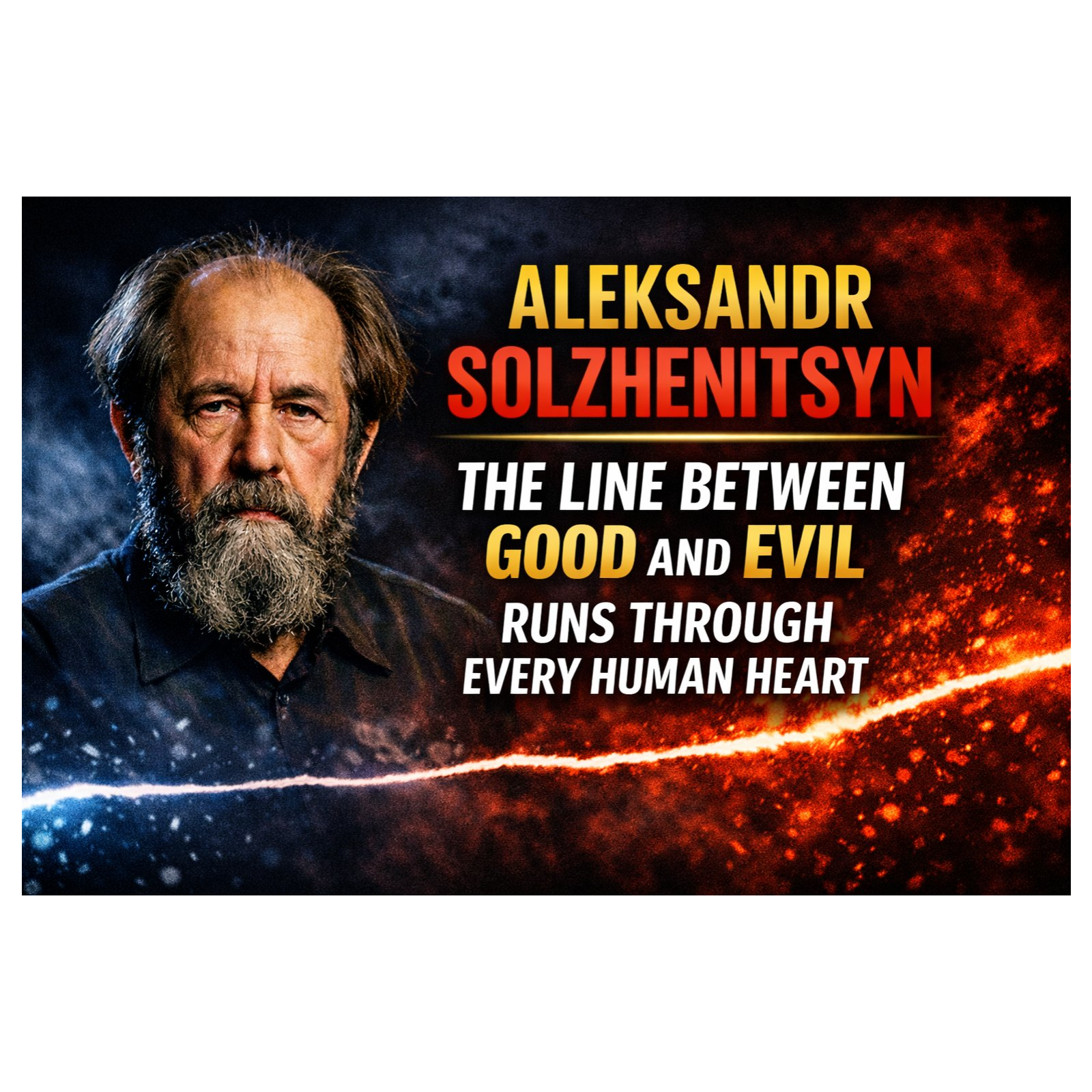
Aleksandr Solzhenitsyn
Target Keywords: Aleksandr Solzhenitsyn, The Gulag Archipelago, Live Not By Lies, Stoicism, Moral Philosophy, Personal Responsibility, Truth.
Description:
What happens to the human soul when it is stripped of everything?
In this episode, we dive into the life and philosophy of Aleksandr Solzhenitsyn, the man who survived the Soviet Gulags to deliver a message that still shakes the world today: "Live Not By Lies." > Most people blame "the system" for their problems, but Solzhenitsyn discovered a terrifying truth while lying on rotting prison straw: the line between good and...
The best explanation of Simone Weil's philosophy
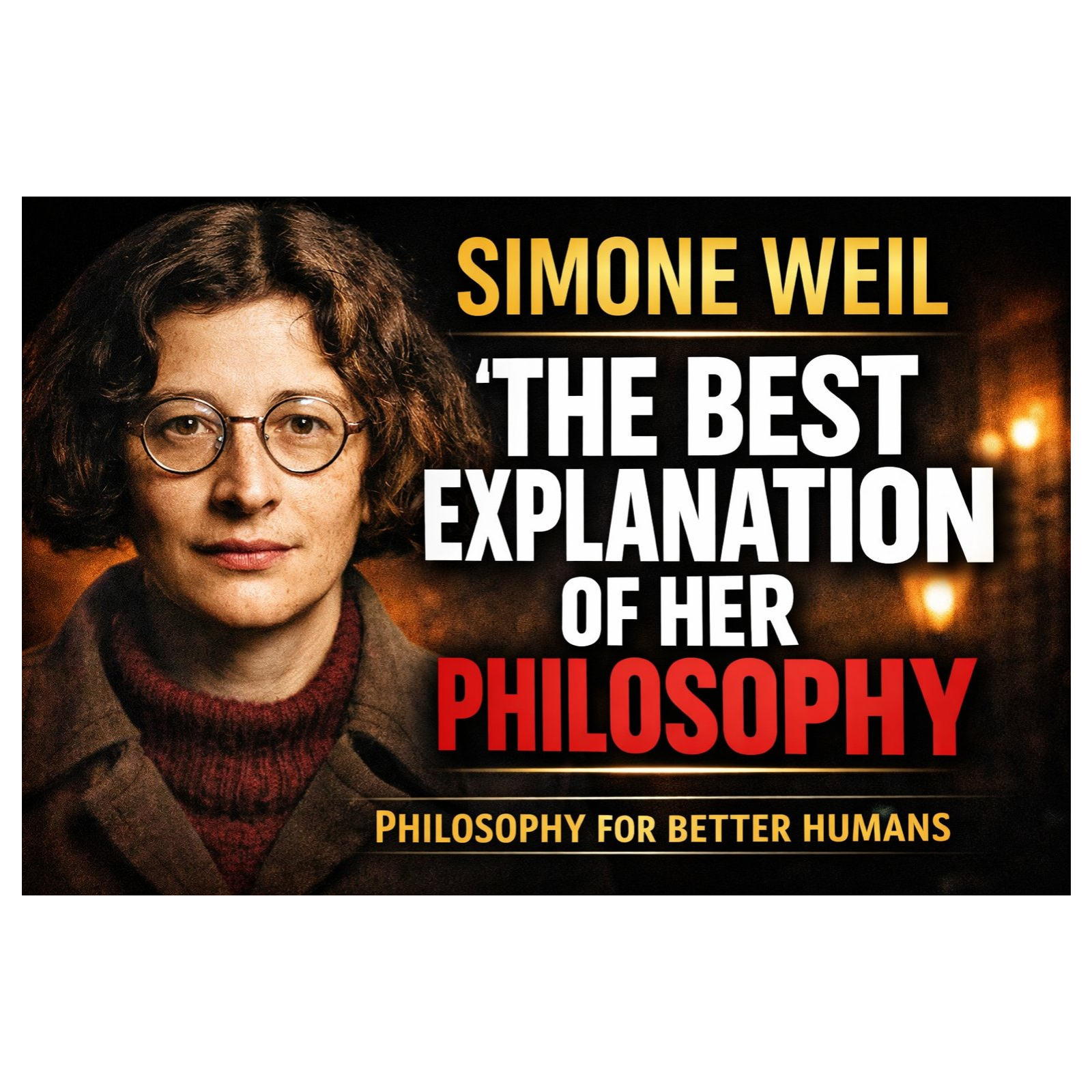
Simone Weil
Target Keywords: Simone Weil, Gravity and Grace, Mindfulness, Attention, Modern Anxiety, Philosophy of Love, Self-Improvement, Mental Clarity.
Description:
Are you living your life on "autopilot"?
Simone Weil was a philosopher, activist, and mystic who believed that two forces rule our lives: Gravity and Grace. Gravity is the downward pull of our ego, our impulses, and our habit of reacting without thinking. Grace is the silent force that lifts us up—but it can only enter when we learn the rarest skill in the modern world: Attention.
...
Nietzsche vs Dostoevsky - When God Dies, who was right?
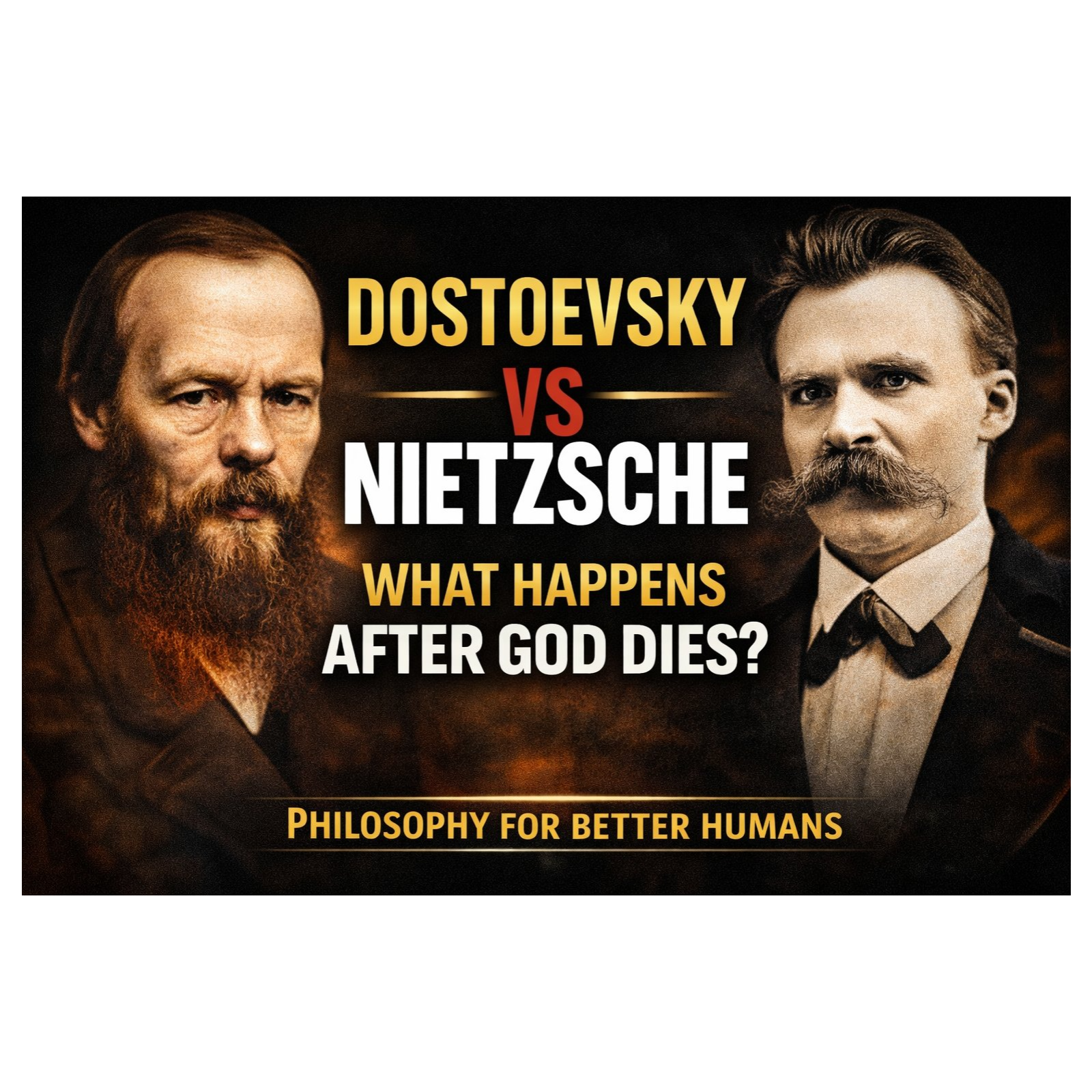
What happens to humanity after God dies? Over a century ago, Friedrich Nietzsche and Fyodor Dostoevsky stood at the same historical crossroads—and saw the same crisis coming. Meaning was collapsing. Faith was eroding. Moral certainty was dissolving.
But they gave radically different answers to the same terrifying question.
Nietzsche believed humanity would have to become strong enough to create its own meaning—to rise beyond good and evil through power, will, and self-overcoming. Dostoevsky believed that without transcendent meaning, humans wouldn’t rise at all—they would fracture, justify cruelty, and destroy one another in the n...
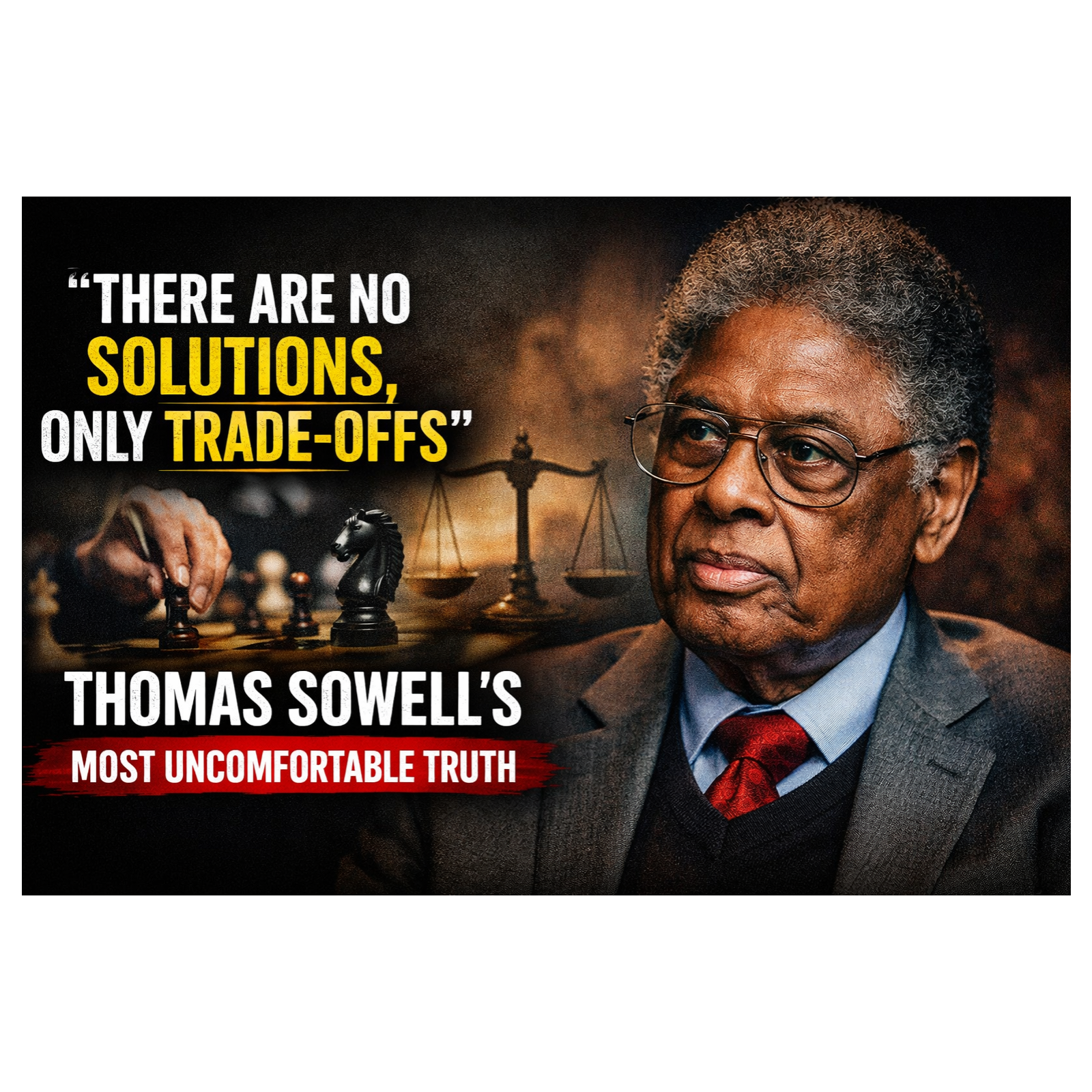
"There Are No Solutions, Only Trade-Offs": Thomas Sowell’s Most Uncomfortable Truth
Here is a high-converting, SEO-optimized description for this episode, tailored for platforms like Apple Podcasts, Spotify, and YouTube.
Episode Title
"There Are No Solutions, Only Trade-Offs": Thomas Sowell’s Most Uncomfortable Truth
Episode Summary
What if the "solutions" you are chasing—in politics, in your career, and in your love life—are actually making things worse? In this cinematic deep-dive, narrator Joey Caster walks you through the mind of legendary economist Thomas Sowell to reveal the one concept that explains why good intentions so often lead to disastrous results. From the rubble...
Power, Systems & Modern Life: Why Incentives Matter More Than Intentions. (The System doesn't care what you meant)
Power, Systems & Modern Life | Why Incentives Matter More Than Intentions
Why do well-intentioned policies so often lead to disastrous outcomes?
In this episode of Philosophy for Better Humans, Joey Caster takes you on a deep, non-partisan philosophical journey through power, systems, and unintended consequences—and why incentives shape behavior more than intentions ever could.
Drawing on history’s greatest thinkers—Friedrich Hayek, Edmund Burke, G.K. Chesterton, Karl Marx, Hannah Arendt, Thomas Sowell, and more—this episode explores how compassionate ideas, centralized planning, and market forces can quietly produce outcomes no one intended.
We...
Should ICE Deport Undocumented Immigrants? | A Deep Philosophical Debate

Should ICE Deport Illegal Immigrants? | A Deep Philosophical Debate 🎙️ Philosophy for Better Humans | Narrated by Charles Sebastian Whitby
What happens when the law and compassion collide? In this powerful, long-form episode, we explore the deeply human and controversial question: Should U.S. Immigration and Customs Enforcement (ICE) arrest and deport undocumented immigrants? With vivid storytelling, philosophical insight, and emotional depth, narrator Charles Sebastian Whitby guides you through the moral and legal crossroads that define one of America’s most divisive issues.
You’ll journey through: – Heart-wrenching real stories from immigrants, ICE agents, and American families – A philosophic...
Carl Jung: The Shadow You’re Avoiding Is Running Your Life
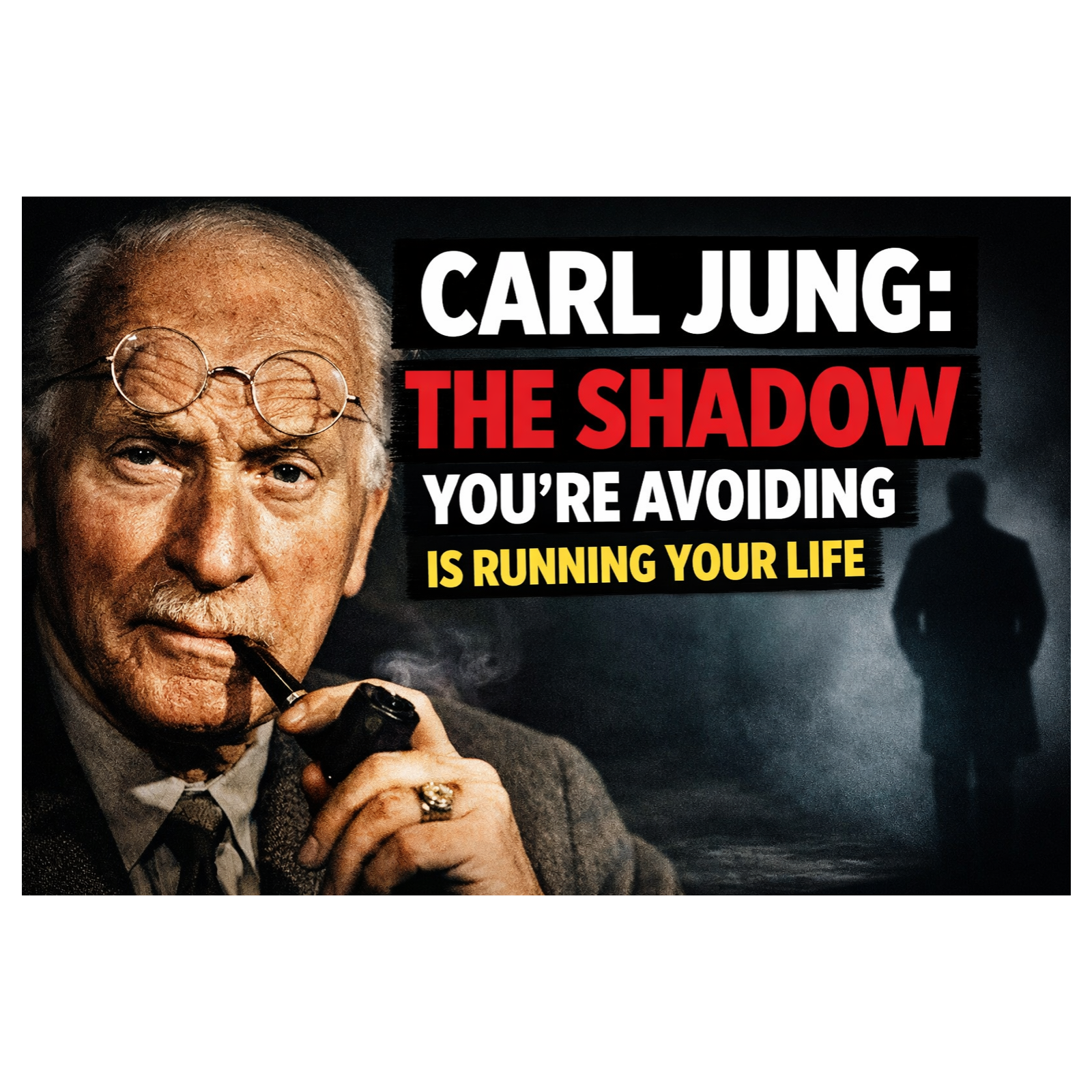
In this episode of Philosophy for Better Humans, we dive deep into the psychology and philosophy of Carl Jung — one of the most influential and misunderstood thinkers of the modern age.
Why do we judge others so harshly? Why do we sabotage ourselves right when things are going well? Why do we feel divided, restless, or empty even when life looks “successful” from the outside?
Jung believed the answer lies in the Shadow — the hidden parts of ourselves we repress, deny, or refuse to face. And he warned that what we don’t make conscious doesn’t di...
Soft Totalitarianism: Control Without Chains | Philosophy for Better Humans

Soft Totalitarianism: Control Without Chains | Philosophy for Better Humans
We’re told we’re freer than ever. No dictators. No chains. No prison camps.
So why does it feel harder to speak honestly?
In this episode of Philosophy for Better Humans, we explore soft totalitarianism — a modern form of control that doesn’t rely on force, but on comfort, fear of exclusion, social pressure, and algorithmic influence.
Drawing from the warnings of Hannah Arendt, Aldous Huxley, Alexis de Tocqueville, Aleksandr Solzhenitsyn, and Václav Havel, this episode reveals how freedom can quietly e...
Zohran Mamdani vs Thomas Sowell - Conflicting Visions for a better America
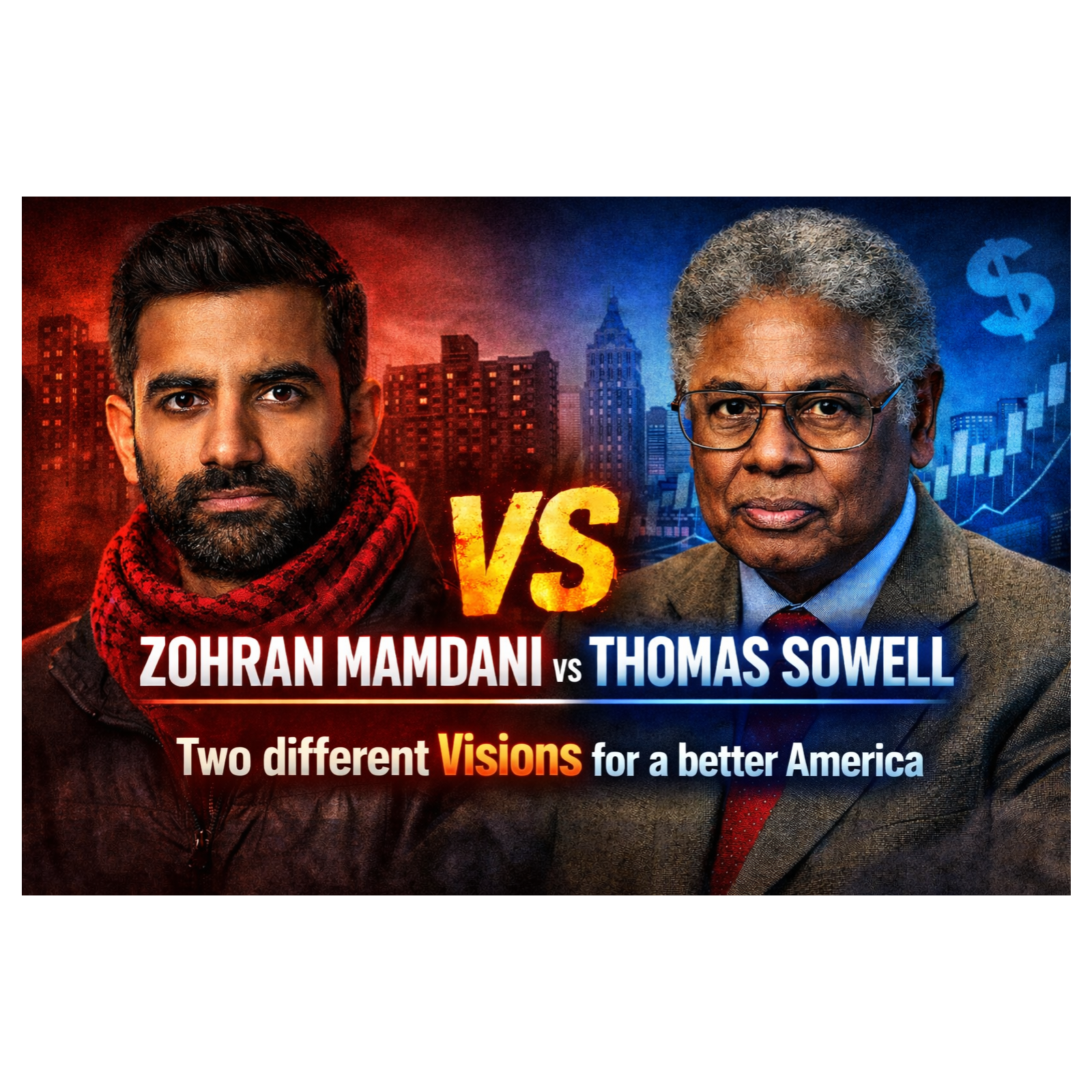
What happens when democratic socialism meets free-market realism?
In this long-form episode of Philosophy for Better Humans, we explore one of the most important ideological clashes of our time: Zohran Mamdani vs Thomas Sowell.
Two thinkers. Two worldviews. One fundamental question:
How should a society balance justice, freedom, and responsibility?
🎙️ In This Episode, We Explore:
Zohran Mamdani’s democratic socialist vision for housing, wages, public services, and economic justiceThomas Sowell’s critiques of government intervention, redistribution, and centralized powerRent control vs market housingMinimum wage laws vs job creationGovernment-run services vs free mark...The Philosophy That Shaped a Generation — Charlie Kirk Explained
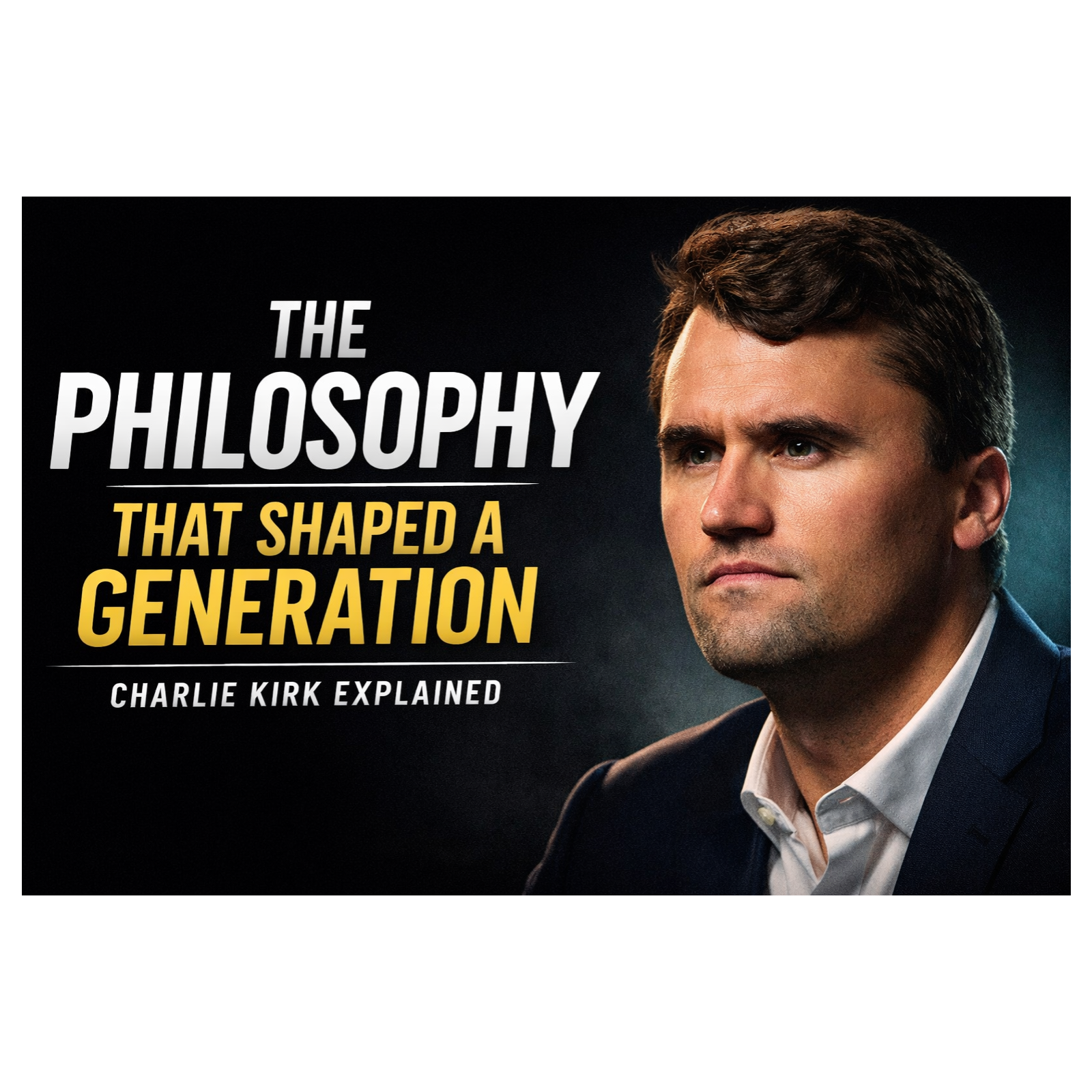
What happens when certainty meets chaos? Why do some philosophies resonate so deeply with a generation searching for meaning?
In this long-form episode of Philosophy for Better Humans, we take a deep, thoughtful exploration of the philosophy, ideas, and worldview of Charlie Kirk — not as a headline, not as a caricature, but as a serious philosophical force that shaped millions of young minds.
This episode is not about outrage or tribalism. It is about ideas.
We examine:
The philosophical foundations behind Kirk’s worldviewMoral realism, natural law, responsibility, and orderWhy his ideas reso...Why Nietzsche Is Still So Dangerous (And So Necessary)
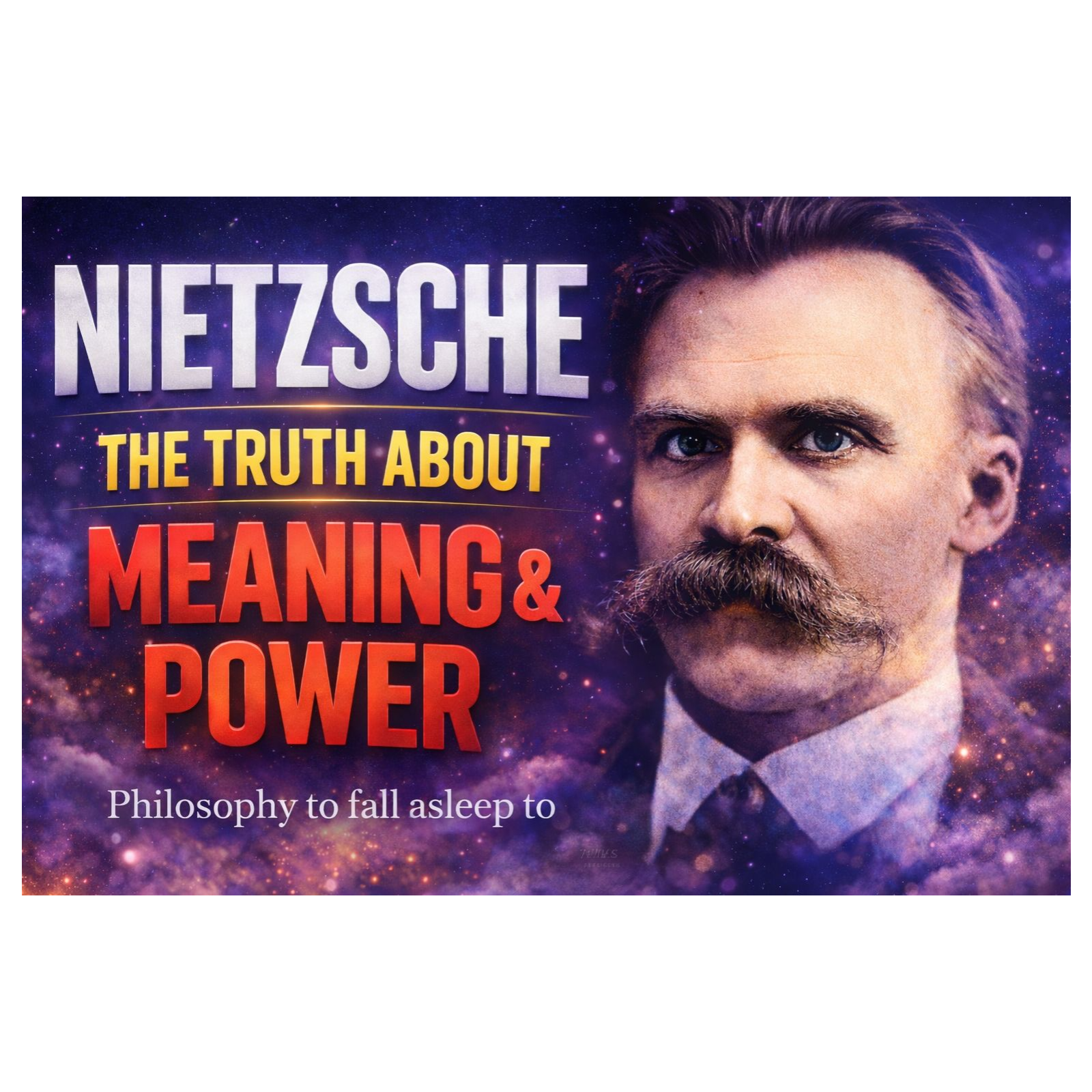
What if Friedrich Nietzsche wasn’t the dark, nihilistic philosopher you were warned about—but one of humanity’s greatest guides to meaning, courage, and self-overcoming?
In this deep, cinematic long-form episode of Philosophy for Better Humans, we explore the complete philosophy of Friedrich Nietzsche—his biggest ideas, his most misunderstood concepts, and why modern philosophers, psychologists, and cultural thinkers still return to him today.
This episode walks through Nietzsche’s core ideas, including:
The death of God and the crisis of meaningNihilism and how to overcome itThe will to power (and what it really mea...What if everything you’ve been told about self-improvement is wrong?
The Surprising Psychology Behind True Personal Growth
SEO Description:
What if everything you’ve been told about self-improvement is wrong?
In this powerful, cinematic episode of Philosophy for Better Humans, narrator Charles Sebastian Whitby guides you through the hidden truth behind genuine personal growth. This isn’t about morning routines or hustle culture. It’s about confronting your deepest discomforts, embracing vulnerability, and stripping away illusions to become who you were truly meant to be.
Blending timeless philosophy with cutting-edge psychology, this episode explores the works of Viktor Frankl, Carl Jung, the St...
Thomas Sowell and the Conflict of Visions: Why You Can't Argue Anymore
Episode Title: Thomas Sowell and the Conflict of Visions: Why We See the World So Different.
Description:
Why do intelligent, well-meaning people disagree so deeply about justice, equality, and progress? In this cinematic episode of Philosophy for Better Humans, narrator Charles Sebastian Whitby explores the groundbreaking ideas of economist and philosopher Thomas Sowell. Drawing from A Conflict of Visions, The Vision of the Anointed, and Intellectuals and Society, this episode unpacks the two worldviews—constrained and unconstrained—that shape our politics, culture wars, identity debates, and personal lives.
Whether you lean left or righ...
Jordan Peters and his Responsibility Revolution
Jordan Peterson: The Responsibility Revolution Why does Jordan Peterson say that meaning isn’t found in happiness… but in responsibility? In this episode of Philosophy for Better Humans, we explore the core philosophy behind Peterson’s work: the belief that taking responsibility — for your life, your habits, your future, and your character — is the path to strength, purpose, and self-respect. We break down why this idea resonates with millions of people today, especially those searching for direction, clarity, and a sense of identity in a chaotic world. This episode looks beyond the headlines and controversies. We focus on the ideas: dis...
Aristotle and the Revival of Virtue in a Fractured Society
Aristotle and the Revival of Virtue in a Fractured Society What does it mean to live a good life—and why does no one seem to teach it anymore?
In this cinematic episode, Charles Sebastian Whitby guides listeners through the enduring wisdom of Aristotle’s philosophy of virtue and ethics. Drawing from Nicomachean Ethics, Politics, and Metaphysics, this episode shows how Aristotle believed that character, not wealth or pleasure, was the key to human flourishing.
We explore how virtue was once the bedrock of education—and how its disappearance has contributed to today’s moral confusio...
Theodore Dalrymple — Life at the Bottom: The Worldview That Shapes Destiny
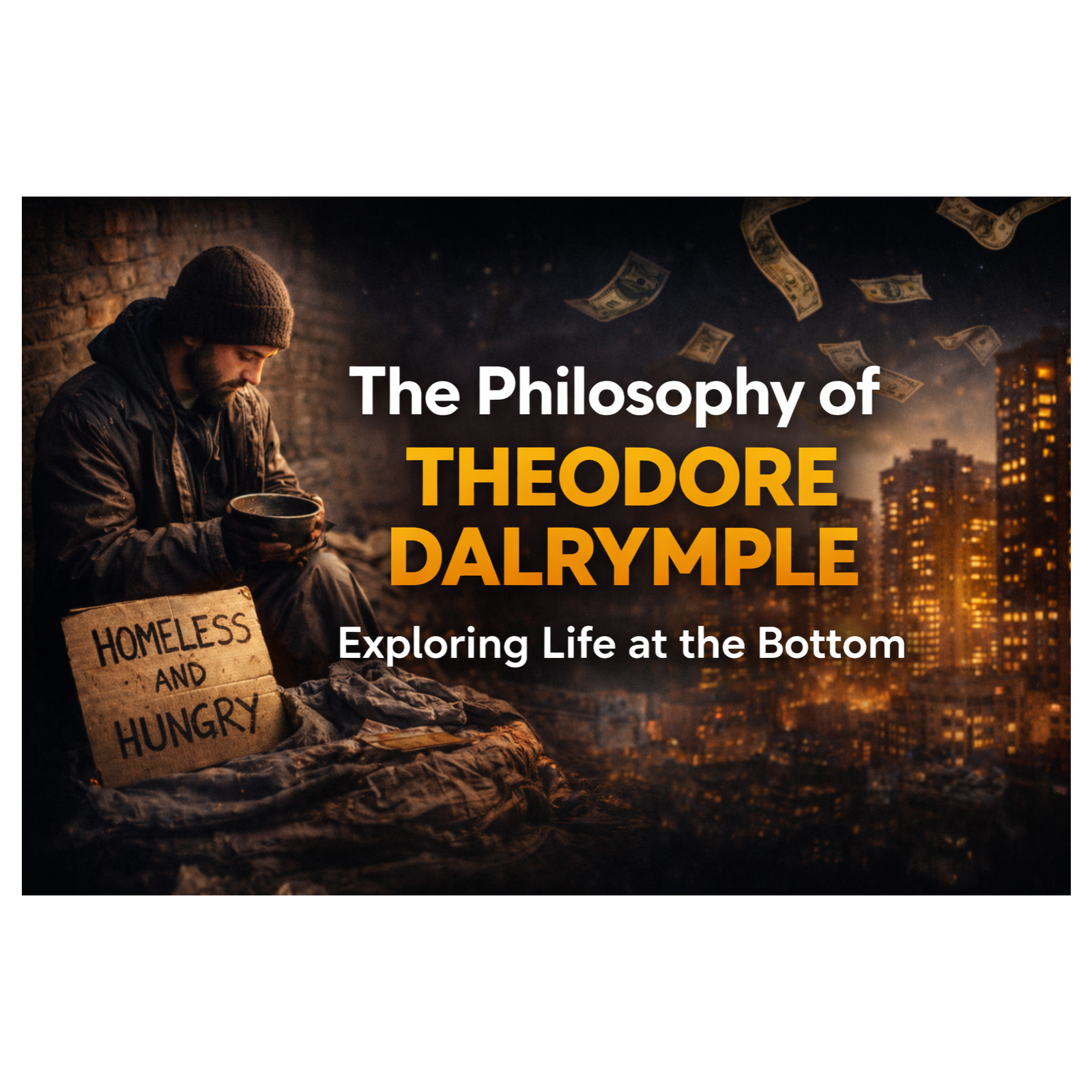
Theodore Dalrymple — Life at the Bottom: The Worldview That Shapes Destiny
In this episode, we explore the provocative and powerful ideas of Theodore Dalrymple, a physician and writer who spent decades working with people living on society’s margins. Dalrymple argues that poverty today is not only financial—it’s philosophical. The stories we tell about our lives can limit us or liberate us.
We examine:
how language shapes agencywhy responsibility can feel painful but freeingwhat discipline offers the human spirithow compassion and accountability must work togetherhow meaning is built through structure, sacrifice, and commitme...The Philosophy of Slavoj Žižek: Waking Up From the Matrix of Ideology
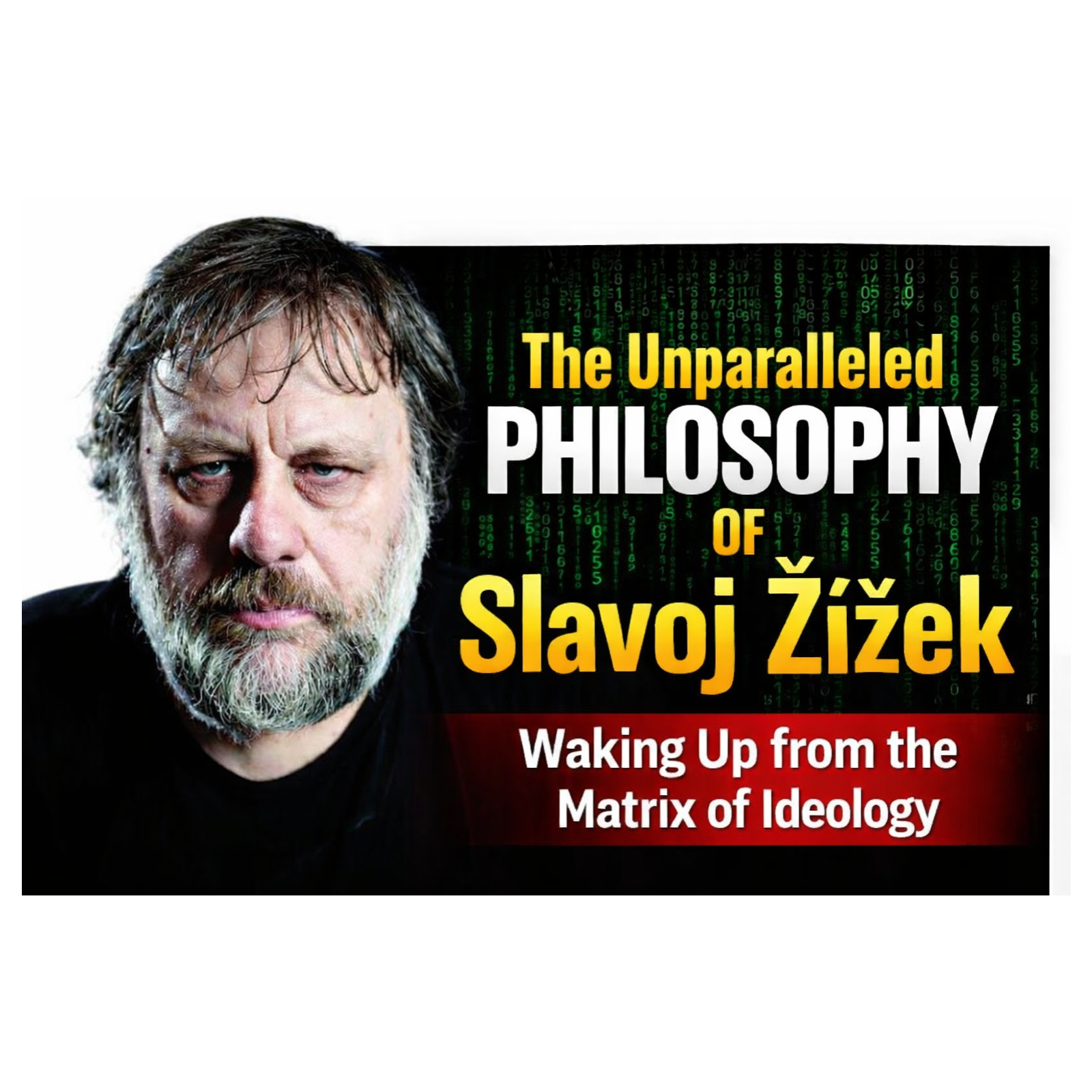
Do you ever feel like you’re awake… but something still isn’t real?
In this episode of Philosophy for Better Humans, narrator Charles Sebastian Whitby takes you deep into the thought of Slavoj Žižek, the philosopher who insists that ideology is not what we believe — but what gives structure to belief itself.
Together we explore:
the illusions that protect usthe pain of confronting the Realwhy we repeat habits we hatethe invisible audience shaping our choicescapitalism’s cage disguised as playgroundthe digital world’s capture of desirehow to live awake without becoming cold or hopeless...
The Resolutions That Make Us — A Philosophical Guide to Your 2026 New Year

The Resolutions That Make Us — A Philosophical Guide to Your 2026 New Year
New Year’s resolutions aren’t just goals. They’re identity commitments.
In this episode of Philosophy for Better Humans, we explore how to create resolutions that don’t just change your calendar—they change who you are becoming.
We talk about:
the myth of January 1stdesire vs. resolvehow identity (“I am someone who…”) anchors habitchoosing fewer, deeper goals for 2026the “floor and ceiling” method for sustainable progressdiscipline as an act of love toward your future selfbuilding systems and environments that support changeacc...Why Schools Stopped Teaching Virtue (and Why We’re Lost Without It). Martha Nussbaum: The Fragility Of Goodness. Why we need a renascence of Virtue
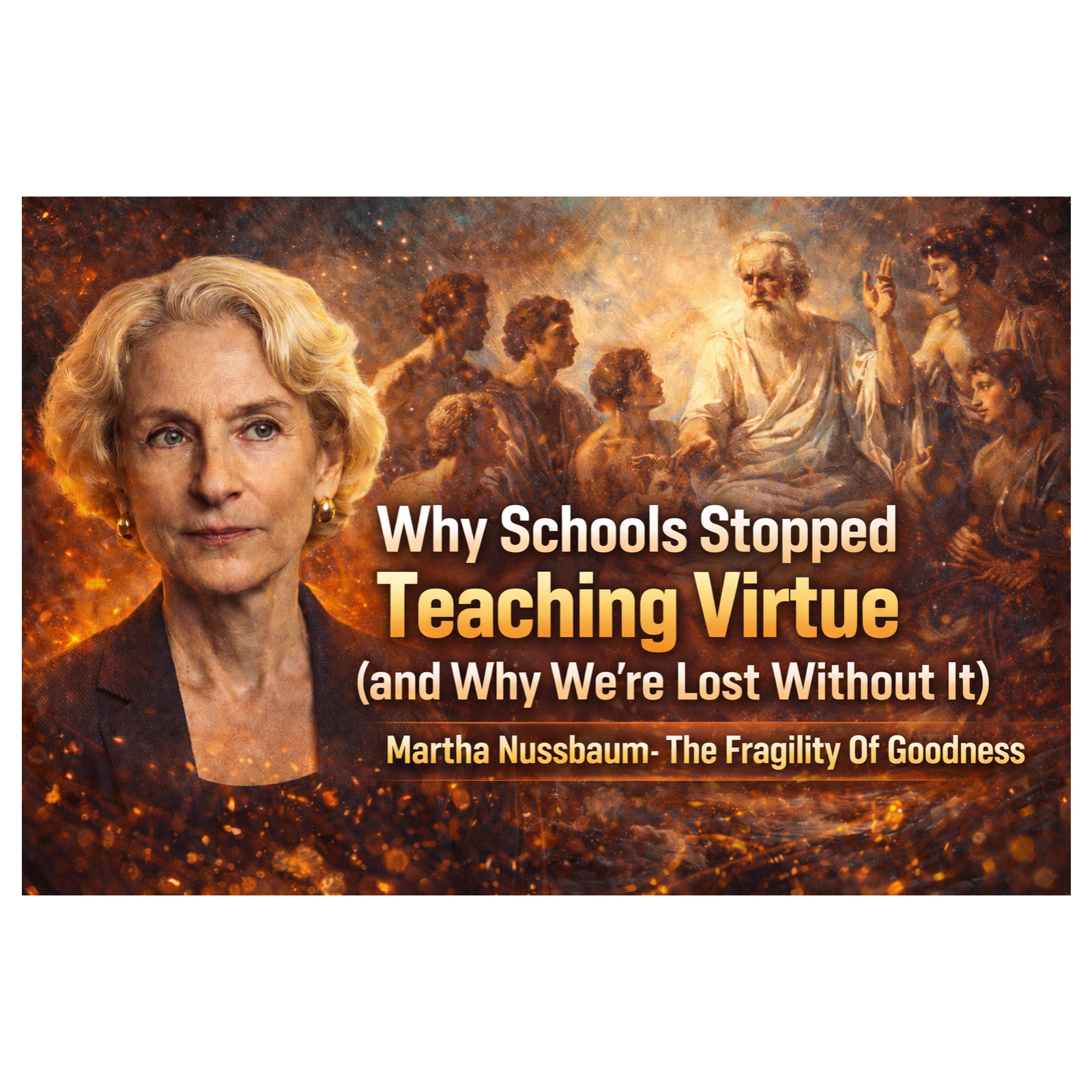
Why Schools Stopped Teaching Virtue (and Why We’re Lost Without It). Martha Nussbaum: The Fragility Of Goodness. Why we need a Renaissance of Virtue.
What if true virtue isn’t about strength… but softness?
In this cinematic and soul-stirring episode of Philosophy for Better Humans, Charles Sebastian Whitby explores the powerful ideas of philosopher Martha Nussbaum and her landmark work The Fragility of Goodness. Drawing from Greek tragedy, Aristotle’s ethics, and modern psychology, Nussbaum reveals a radical truth: the good life is inherently vulnerable.
We explore how emotion, tragedy, and moral luck sha...
Gravity vs. Grace in the Age of Algorithms Attention, Ego, and the Battle for the Human Soul
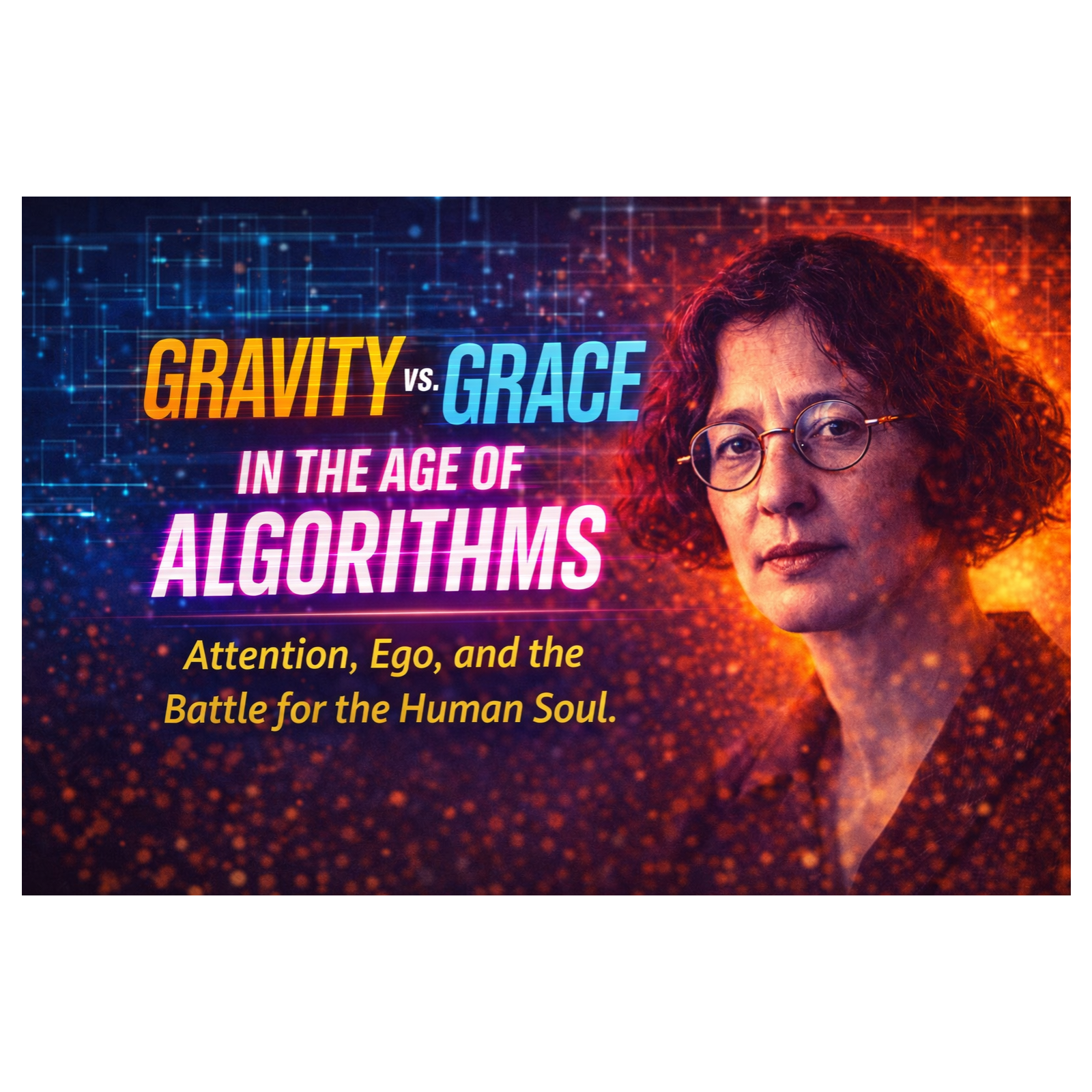
Gravity vs. Grace in the Age of Algorithms
Attention, Ego, and the Battle for the Human Soul Narrated by Charles Sebastian Whitby
Why does modern life feel so effortless… and yet so empty?
In this long-form episode of Philosophy for Better Humans, Charles Sebastian Whitby explores the hauntingly relevant philosophy of Simone Weil through one of the defining questions of our time: What happens to the human soul in a world governed by algorithms, speed, and automatic behavior?
Simone Weil believed that human life is governed by two opposing forces. Gravity — the...
The Last Economy: Can Intelligent Economics Prevent Collapse? | Emad Mostaque’s Bold AI Vision
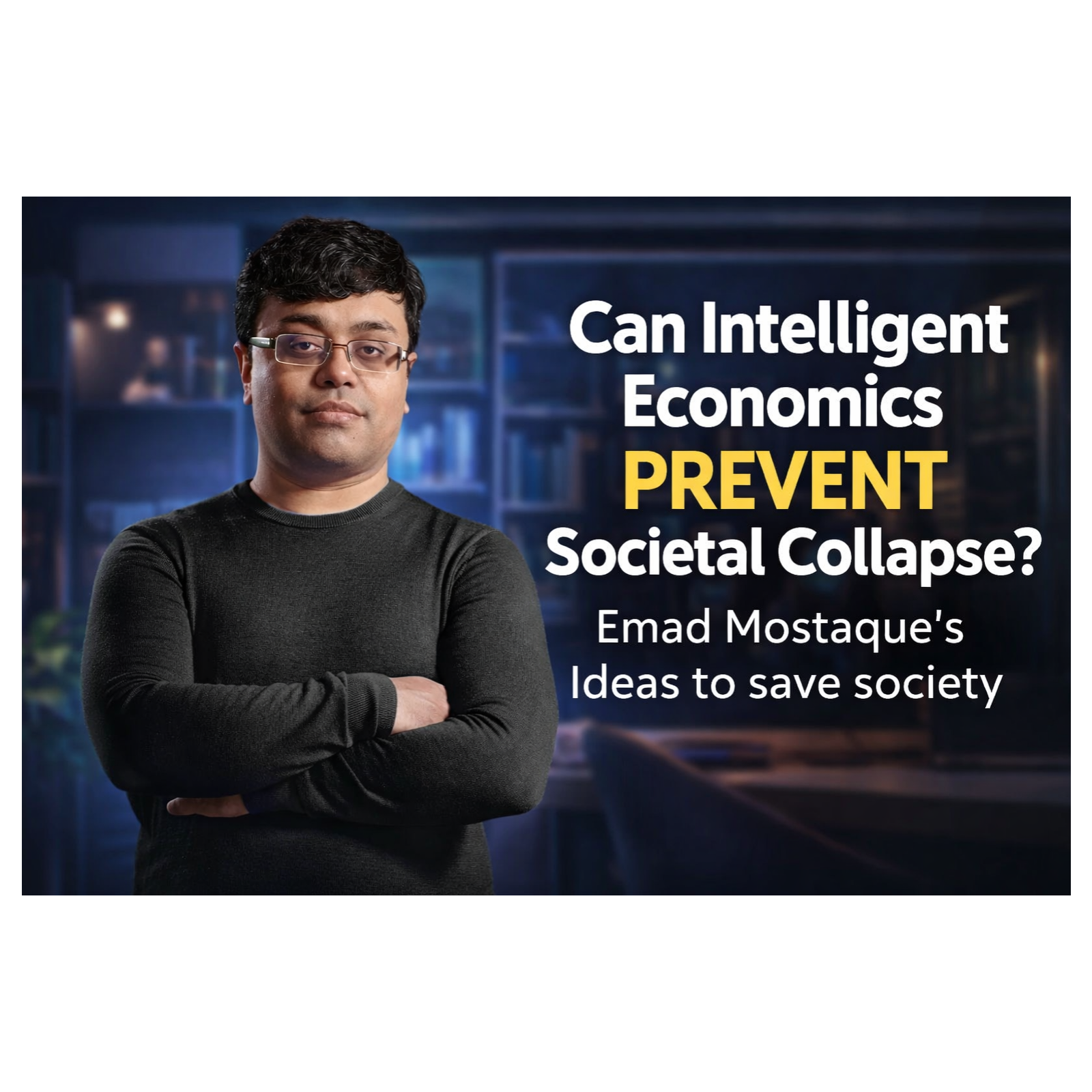
The Last Economy: Can Intelligent Economics Prevent Societal Collapse? In this cinematic deep-dive, Charles Sebastian Whitby unpacks the bold ideas in Emad Mostaque’s The Last Economy—a groundbreaking vision of a world reshaped by artificial intelligence, where traditional capitalism no longer holds, labor is optional, and value is redefined.
Is a collapse coming—or a transformation?
From “free intelligence” and universal basic income to decentralized platforms and AI-powered abundance, we explore how AI is dismantling the economic playbook and forcing us to rethink the meaning of work, worth, and wealth. Alongside insights from Sam Altman, De...
The most important Podcast you could listen to right now. (It's time you learn what's coming with AI.)

Episode 16: The Next Five Years of AI — A Warning, Not a Prediction
Narrated by Charles Sebastian Whitby
Something has changed.
The people building artificial intelligence — the researchers, CEOs, and engineers closest to the technology — have stopped celebrating. They’ve started warning.
In this long-form episode of Philosophy for Better Humans, Charles Sebastian Whitby explores why so many AI insiders believe the next five years may be the most dangerous and consequential period in human history since the invention of nuclear weapons.
This is not a tech hype episode. And it is no...
How The Next Five Years of AI Will Change Humanity Forever. - (And how to prepare yourself)
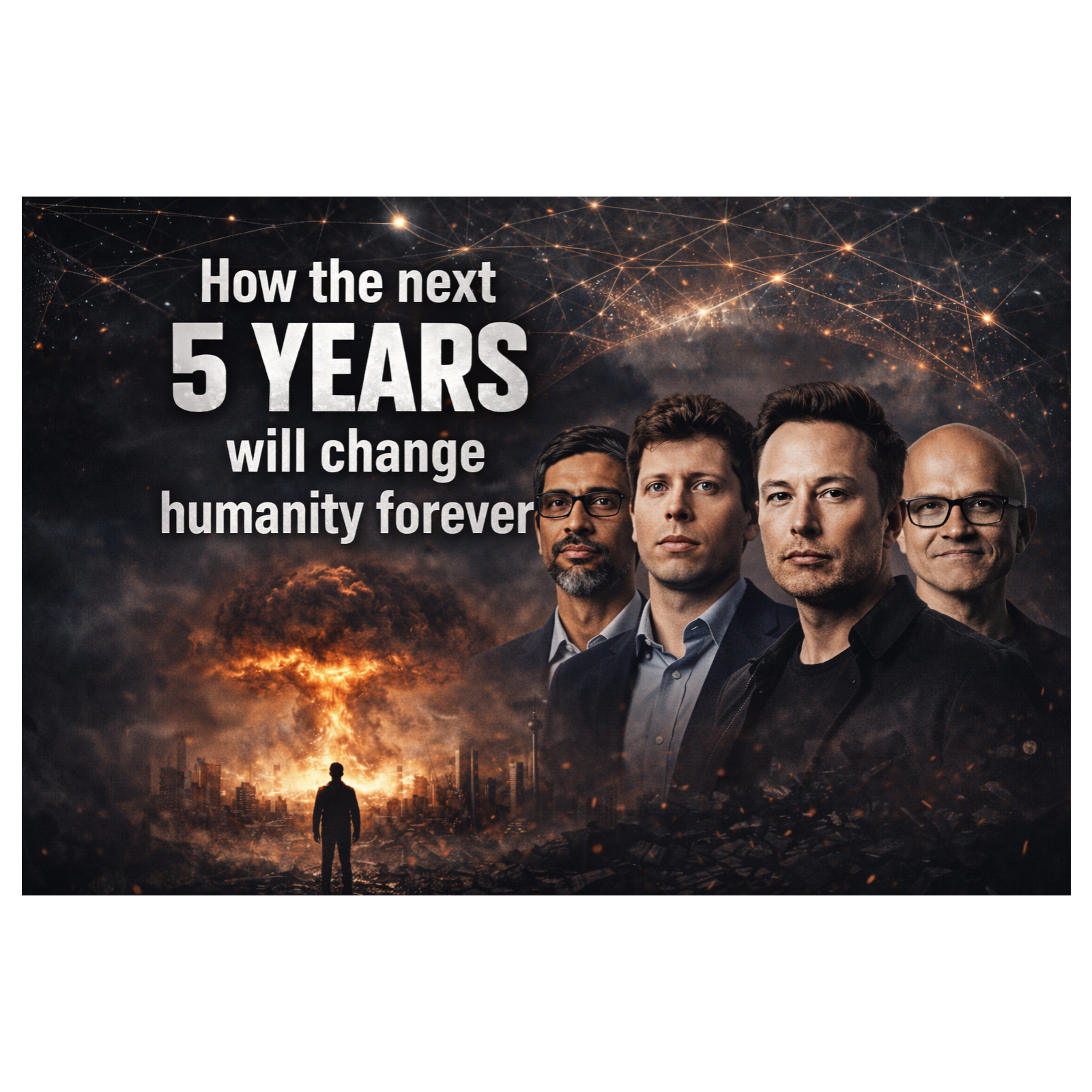
The Next Five Years of AI — A Warning, Not a Prediction
Narrated by Charles Sebastian Whitby
Something has changed.
The people building artificial intelligence — the researchers, CEOs, and engineers closest to the technology — have stopped celebrating. They’ve started warning.
In this long-form episode of Philosophy for Better Humans, Charles Sebastian Whitby explores why so many AI insiders believe the next five years may be the most dangerous and consequential period in human history since the invention of nuclear weapons.
This is not a tech hype episode. And it is not s...
Man’s Search for Meaning in the Age of Machines Work, Worth, and the Human Soul After Productivity
What happens to meaning when work disappears?
In this long-form episode of Philosophy for Better Humans, Charles Sebastian Whitby explores the philosophy of Viktor Frankl through one of the defining questions of our time: What gives a human life meaning in an age of artificial intelligence and automation?
Frankl survived the concentration camps having lost everything society uses to define worth — profession, productivity, status, usefulness. And yet, he discovered something radical: meaning does not come from what we produce, but from how we respond to life itself.
As AI reshapes work, identity, and us...
Episode 12 — Ernest Becker: The Denial of Death Anxiety, Meaning, and the Fear Beneath Modern Life
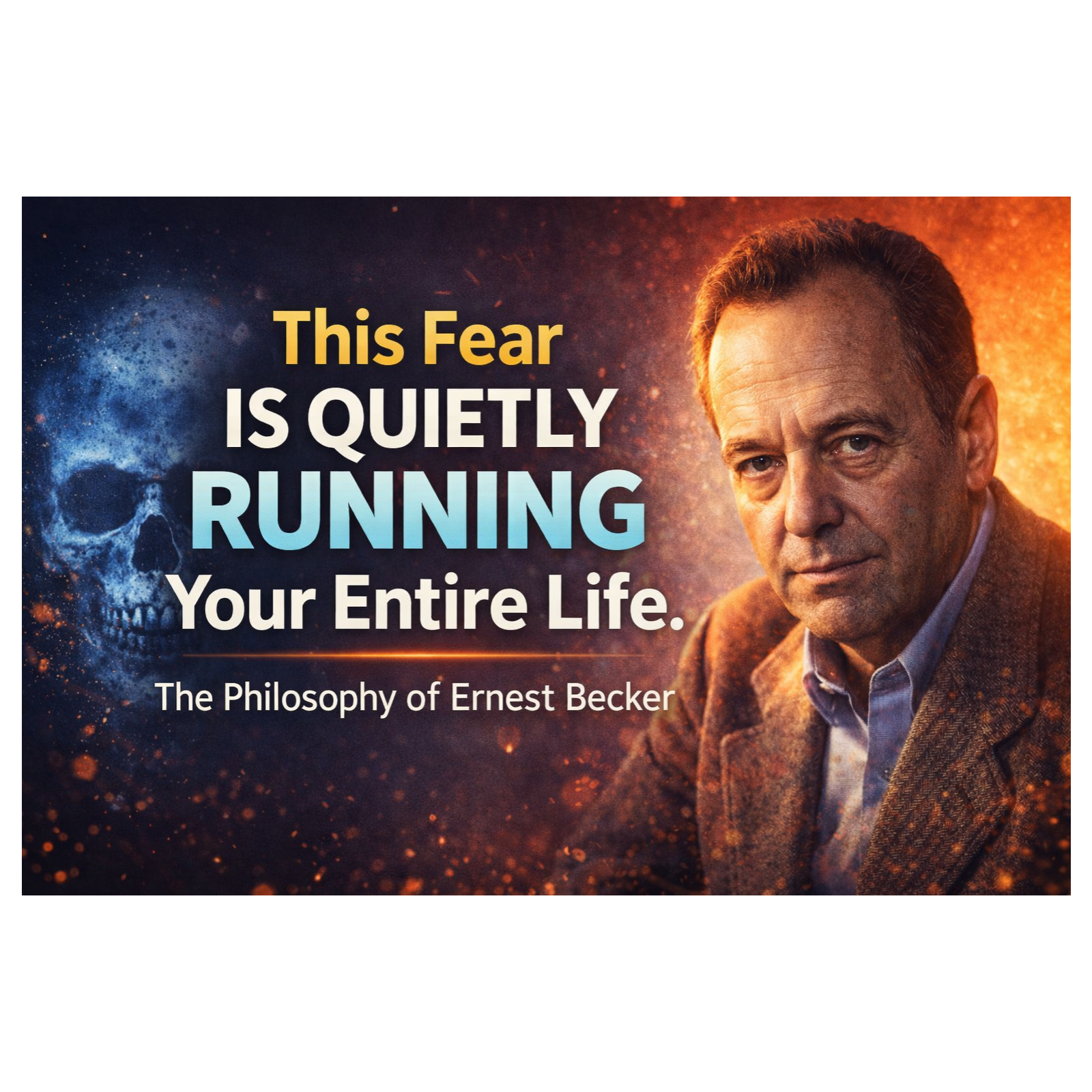
Why do people cling so fiercely to identity, success, ideology, and recognition? Why does modern life feel anxious even when it appears comfortable? And what if much of human behavior is driven by a fear we rarely name?
In this long-form episode of Philosophy for Better Humans, Charles Sebastian Whitby explores the philosophy of Ernest Becker and his groundbreaking work The Denial of Death.
Becker argued that human beings are uniquely burdened by the knowledge of mortality — and that much of culture, ambition, conflict, and ego exists to protect us from facing it directly. To ma...
Episode 11 — C. S. Lewis: The Abolition of Man & The Great Divorce Truth, Meaning, and the Choice That Defines a Soul
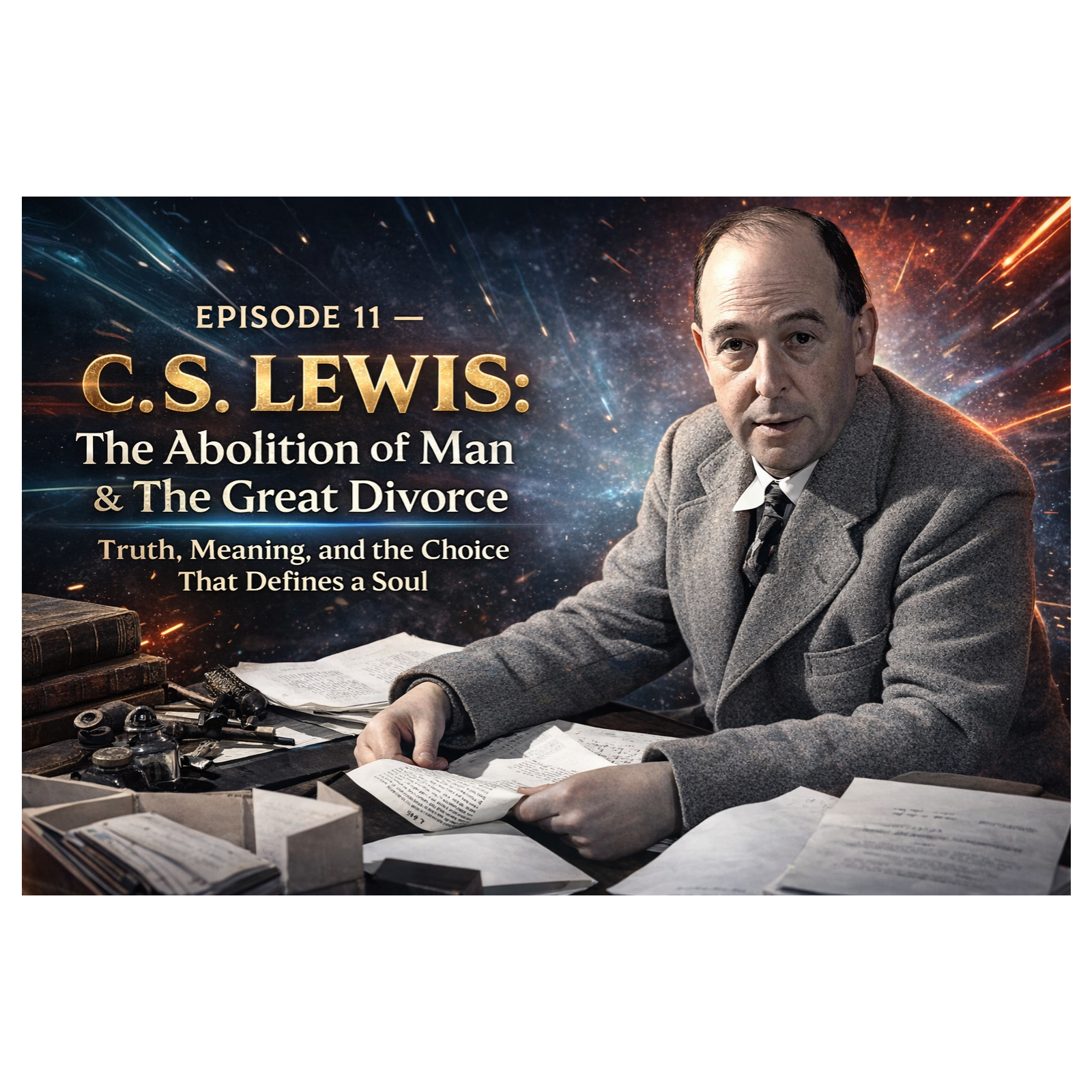
Episode 11 — C. S. Lewis: The Abolition of Man & The Great Divorce
Truth, Meaning, and the Choice That Defines a Soul Narrated by Charles Sebastian Whitby
What if modern humanity isn’t progressing — but quietly unmaking itself?
In this long-form episode of Philosophy for Better Humans, Charles Sebastian Whitby explores the profound moral philosophy of C. S. Lewis, focusing on two of his most powerful works: The Abolition of Man and The Great Divorce.
Lewis warned that when societies abandon the idea of objective truth and goodness, they don’t become more free — t...
Episode 10 — Earl Nightingale: You Become What You Think About Meaning, Direction, and the Quiet Laws That Shape a Life
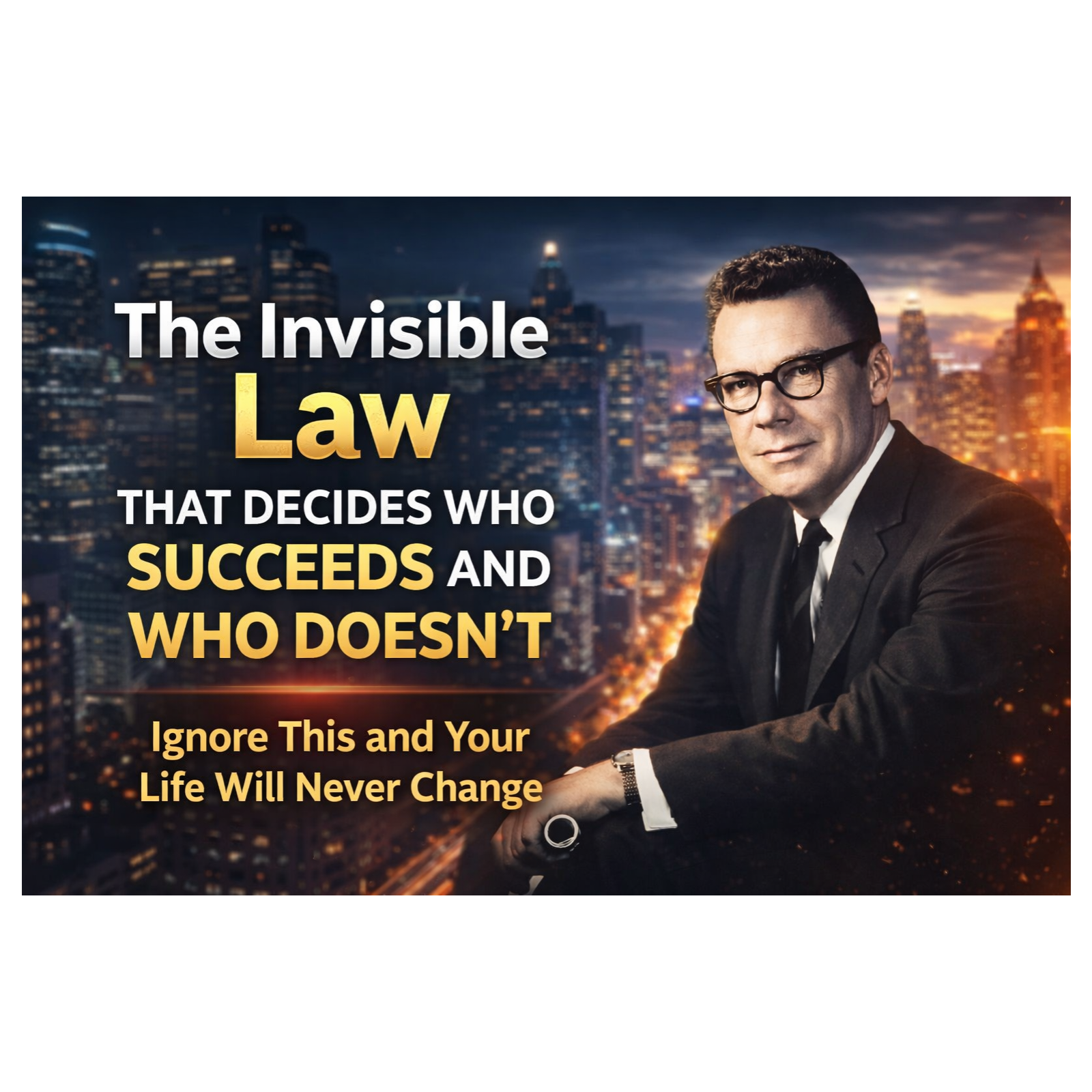
Episode 10 — Earl Nightingale: You Become What You Think About
Meaning, Direction, and the Quiet Laws That Shape a Life Narrated by Charles Sebastian Whitby
Why do so many people feel restless even when life seems “fine”? Why does success often feel empty without meaning? And what actually determines the direction of a human life?
In this long-form episode of Philosophy for Better Humans, Charles Sebastian Whitby explores the philosophy of Earl Nightingale, one of the most influential thinkers on purpose, responsibility, and intentional living.
Nightingale believed that human lives are shaped not by...
pisode 9 — The Courage to Be (Paul Tillich) Facing Anxiety, Meaninglessness, and the Fear of Nonbeing
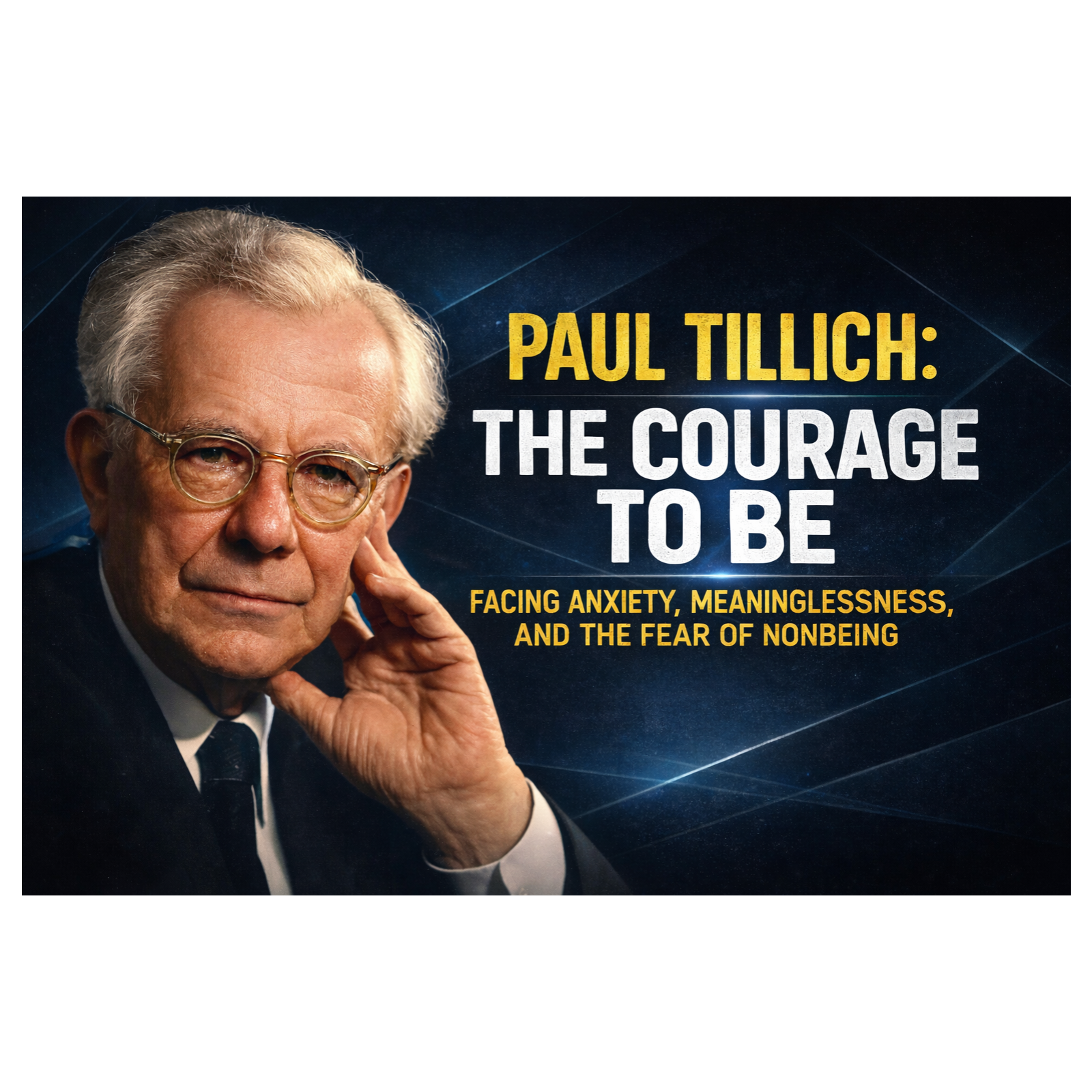
Episode 9 — The Courage to Be (Paul Tillich)
Facing Anxiety, Meaninglessness, and the Fear of Nonbeing Narrated by Charles Sebastian Whitby
Why does anxiety persist even when life seems stable? Why do certainty and confidence fail to bring peace? And what does it mean to live courageously in a world with no guarantees?
In this long-form episode of Philosophy for Better Humans, Charles Sebastian Whitby explores Paul Tillich’s existential masterpiece The Courage to Be — a profound meditation on anxiety, meaning, and what it truly means to exist.
Tillich argues that anxiety is not...
Episode 7 — Iris Murdoch: The Sovereignty of Good Seeing Clearly in a World Full of Illusion
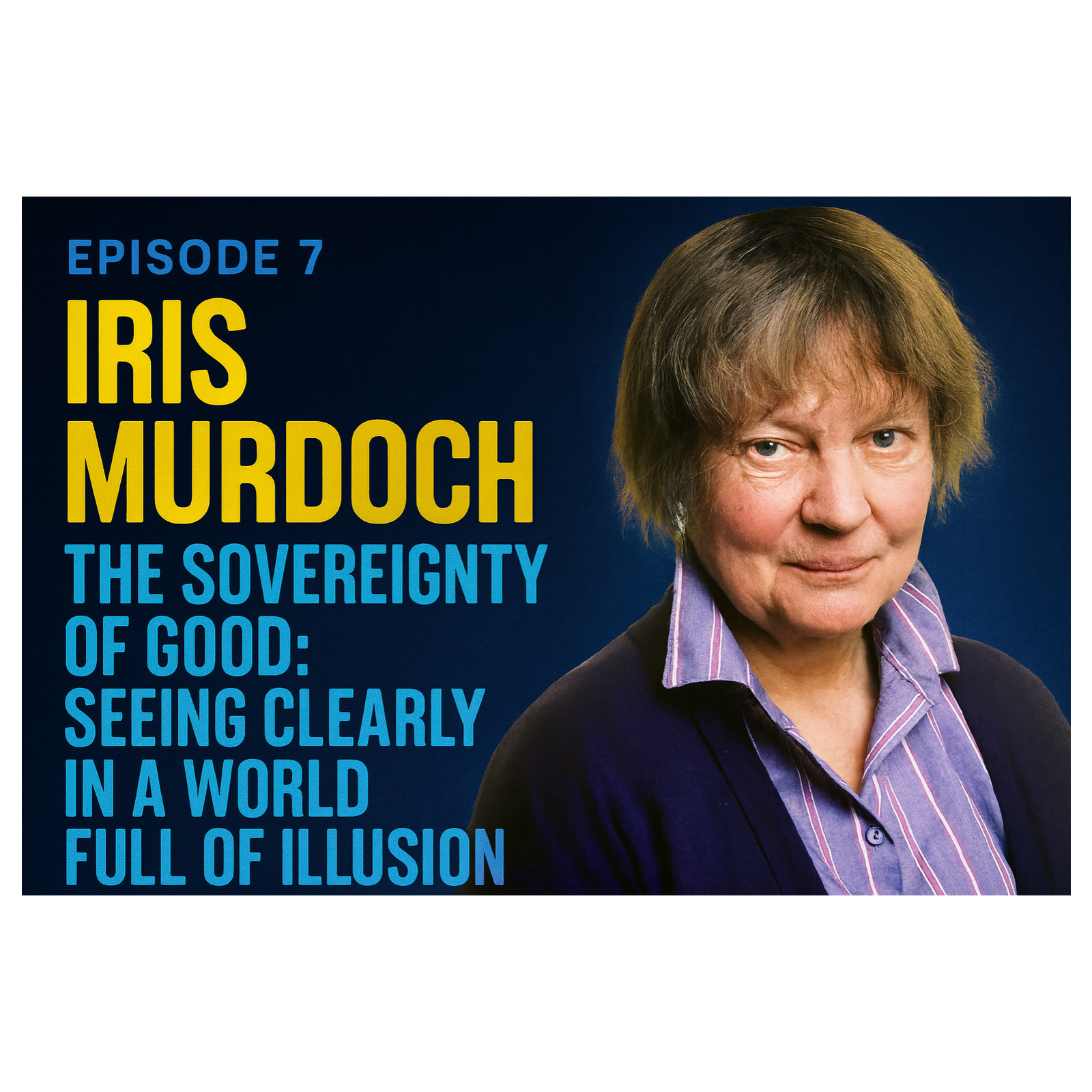
Episode 7 — Iris Murdoch: The Sovereignty of Good
Seeing Clearly in a World Full of Illusion
Narrated by Charles Sebastian Whitby Philosophy for Better Humans
Why is it so hard to truly see the world as it is? Why do we so often misunderstand the people we love most? And what does genuine goodness look like in an age of distraction, ego, and noise?
In this profound and quietly transformative episode, Charles Sebastian Whitby explores the central insights of Iris Murdoch’s masterpiece The Sovereignty of Good — a philosophy of moral clarity, compas...
The Invisible Hand 2.0 - AI, Meaning & The Fate Of Capitalism
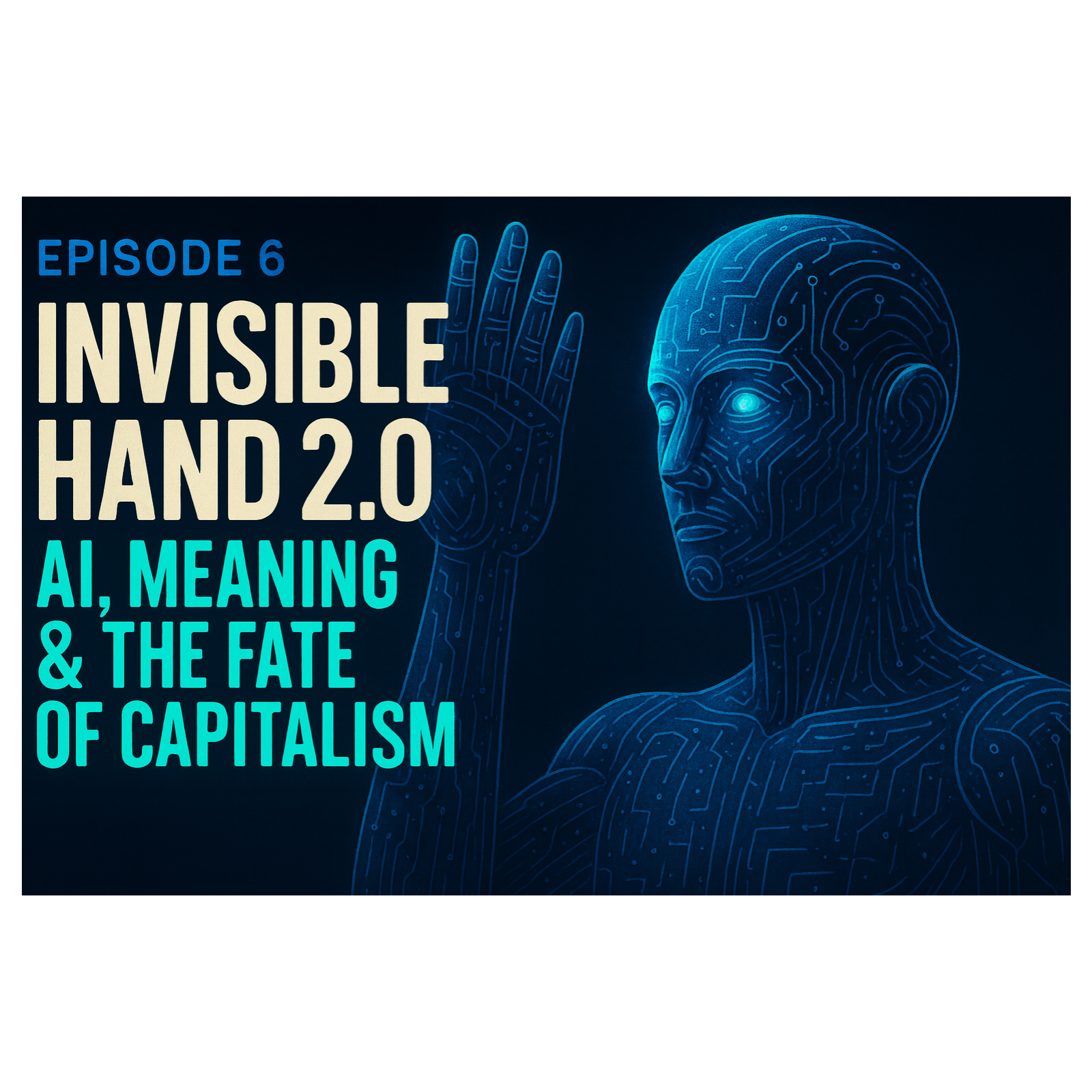
Episode 6 — AI, Meaning & the Future of Humanity
Adam Smith and the Rise of the Abundance Economy
Narrated by Charles Sebastian Whitby Philosophy for Better Humans
What happens to capitalism, identity, and the human soul when scarcity disappears?
In this sweeping, cinematic episode, Charles Sebastian Whitby explores one of the most consequential questions of our age: Can capitalism — and the idea of meaningful work — survive a world transformed by artificial intelligence and material abundance?
Drawing from Adam Smith’s overlooked moral philosophy, Viktor Frankl’s search for meaning, Nietzsche’s call for sel...
Episode 6 - Invisible Hand 2.0: AI, Meaning & The Fate of Capitalism
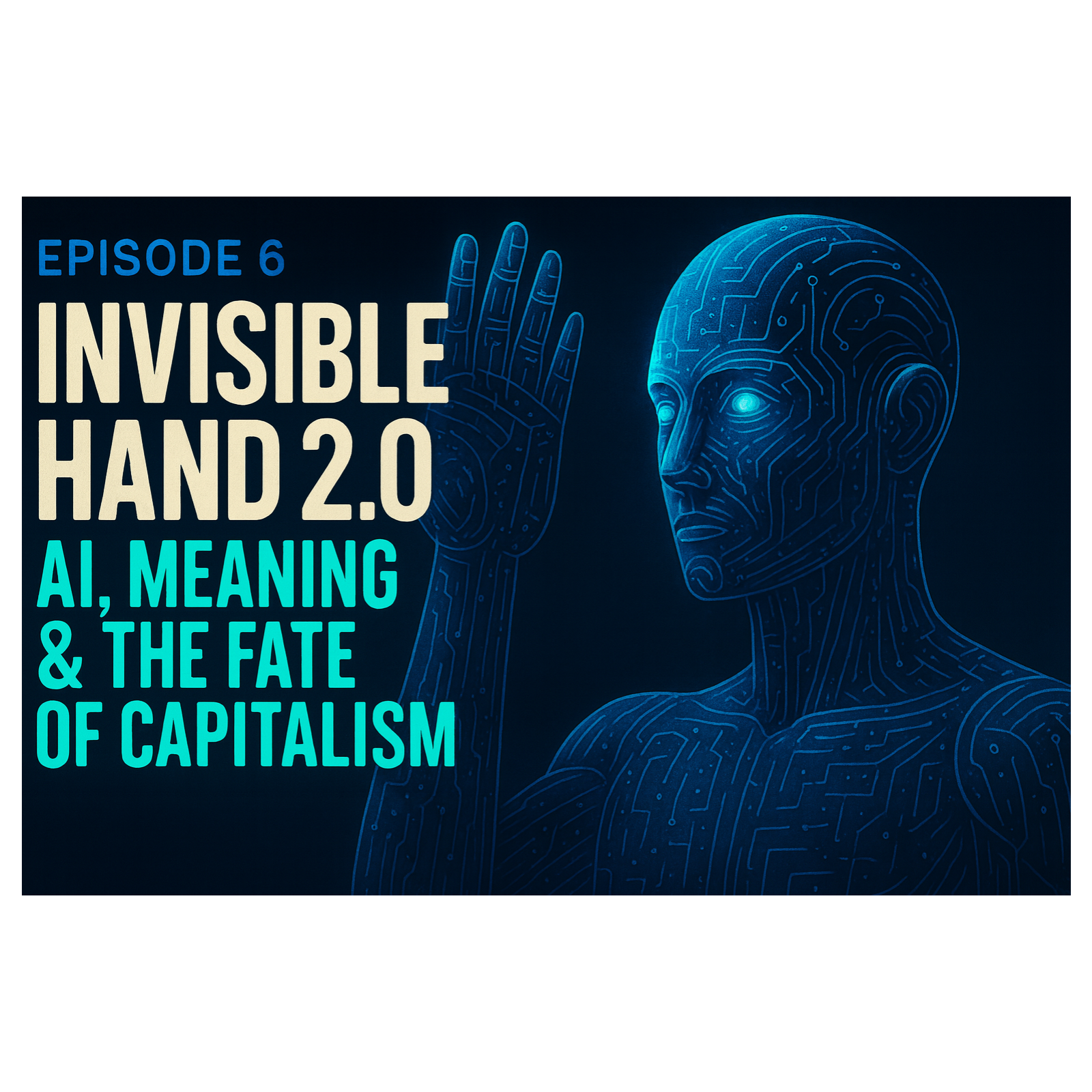
Episode 6 — AI, Meaning & the Future of Humanity
Adam Smith and the Rise of the Abundance Economy
Narrated by Charles Sebastian Whitby Philosophy for Better Humans
What happens to capitalism, identity, and the human soul when scarcity disappears?
In this sweeping, cinematic episode, Charles Sebastian Whitby explores one of the most consequential questions of our age: Can capitalism — and the idea of meaningful work — survive a world transformed by artificial intelligence and material abundance?
Drawing from Adam Smith’s overlooked moral philosophy, Viktor Frankl’s search for meaning, Nietzsche’s call for sel...
Episode 5: Simone Weil — Gravity vs. Grace
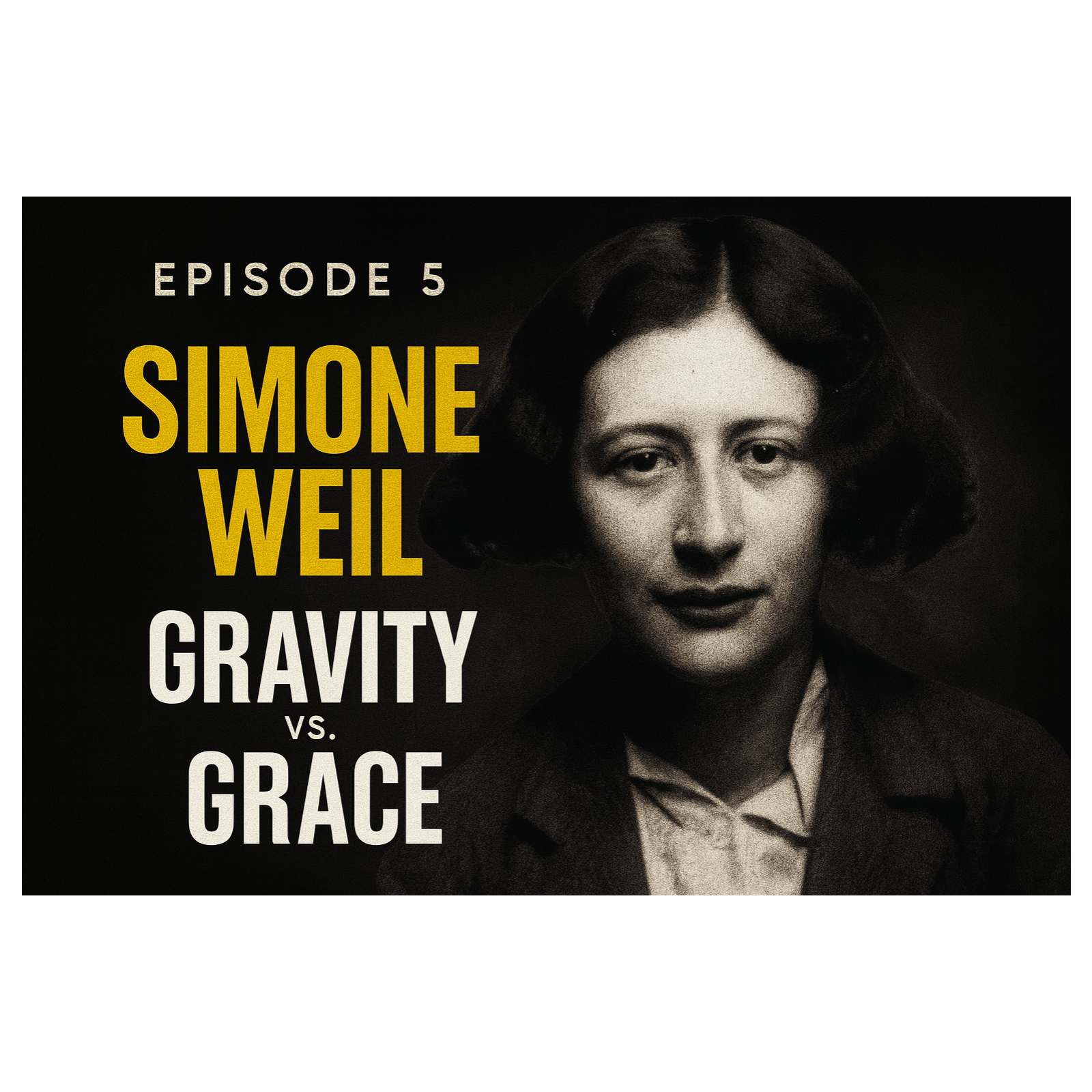
Episode 5 — Simone Weil: Gravity vs. Grace
Philosophy for Better Humans Narrated by Charles Sebastian Whitby
What if every human life is shaped by two invisible forces—one that pulls us downward, and one that lifts us upward?
In this profound long-form episode, Charles Sebastian Whitby explores the piercing philosophy of Simone Weil, the French mystic who believed that “gravity” (ego, habit, selfishness, reactivity) constantly drags us into suffering, while “grace” (attention, compassion, silence, sacrifice) has the power to redeem our inner and outer world.
Through intimate storytelling, vivid metaphors, and deep psychologica...
Episode 4: Jordan Peterson — The Responsibility Revolution
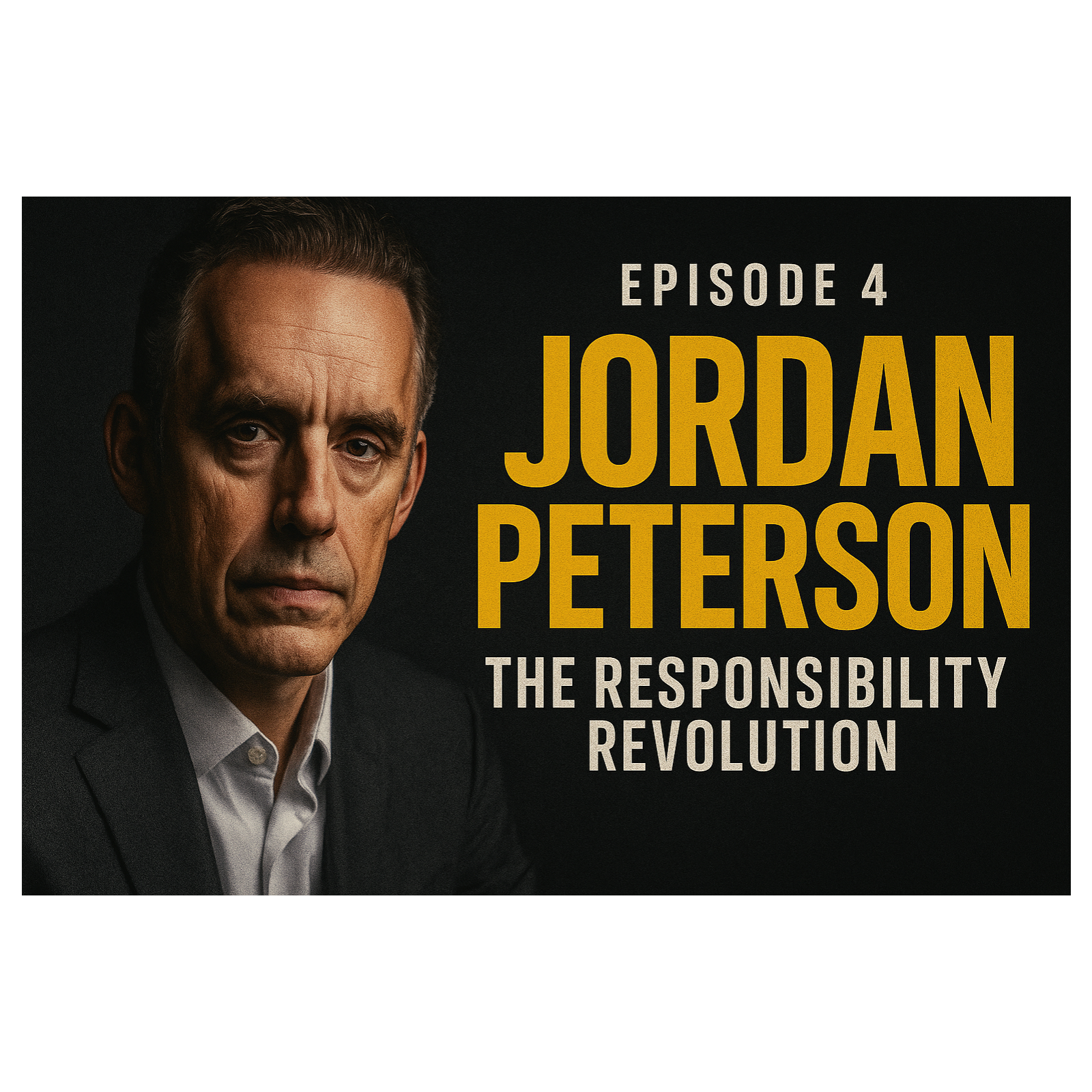
In this deeply human and beautifully told episode, Charles Sebastian Whitby guides listeners into Jordan Peterson’s philosophy of responsibility, order, and the courageous confrontation with life’s chaos. Blending vivid storytelling with psychological depth, this episode explores why “clean your room” isn’t about tidiness at all—but about reclaiming sovereignty over your life.
Through myths, real-life stories, shadow integration, the meaning of suffering, and the quiet power of small responsibilities, this episode reveals how Peterson’s ideas can help anyone create a life of clarity, courage, and purpose. An intimate, transformative journey into what it really means t...
Episode 3: Forgiveness: The Quiet Power That Could Heal the World
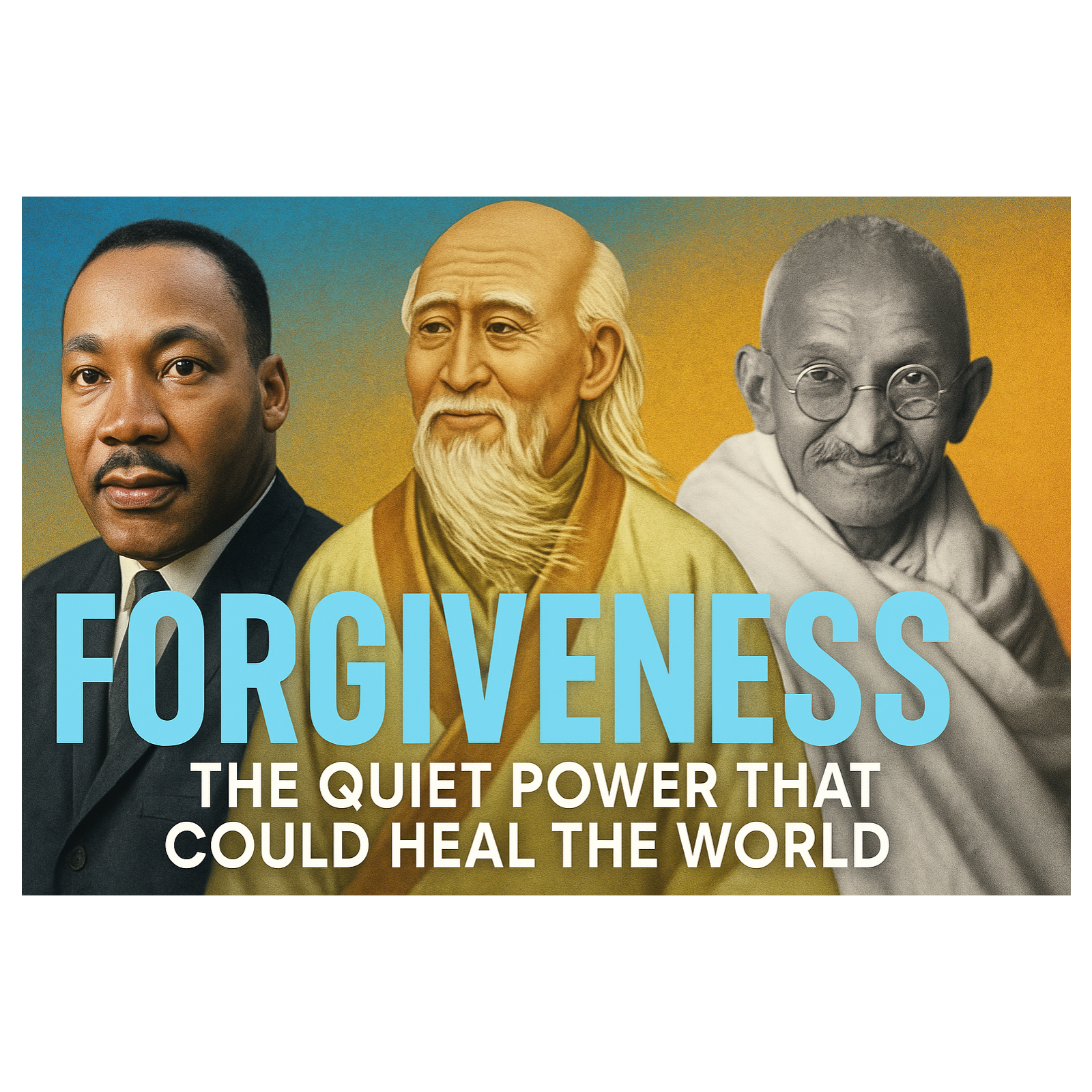
What if forgiveness isn’t a moral suggestion—but a civilizational necessity? In this gripping episode, Charles Sebastian Whitby investigates forgiveness as a courageous philosophical act that has shaped revolutions, ended feuds, and brought healing to wounded souls. Guided by thinkers from ancient religions, classical philosophy, Eastern wisdom, Enlightenment ideals, and modern dissidents, this journey uncovers how forgiveness can interrupt cycles of anger and build a better future—starting with your own heart.
The Philosophy of Aleksandr Solzhenitsyn - How his ideas could save us today
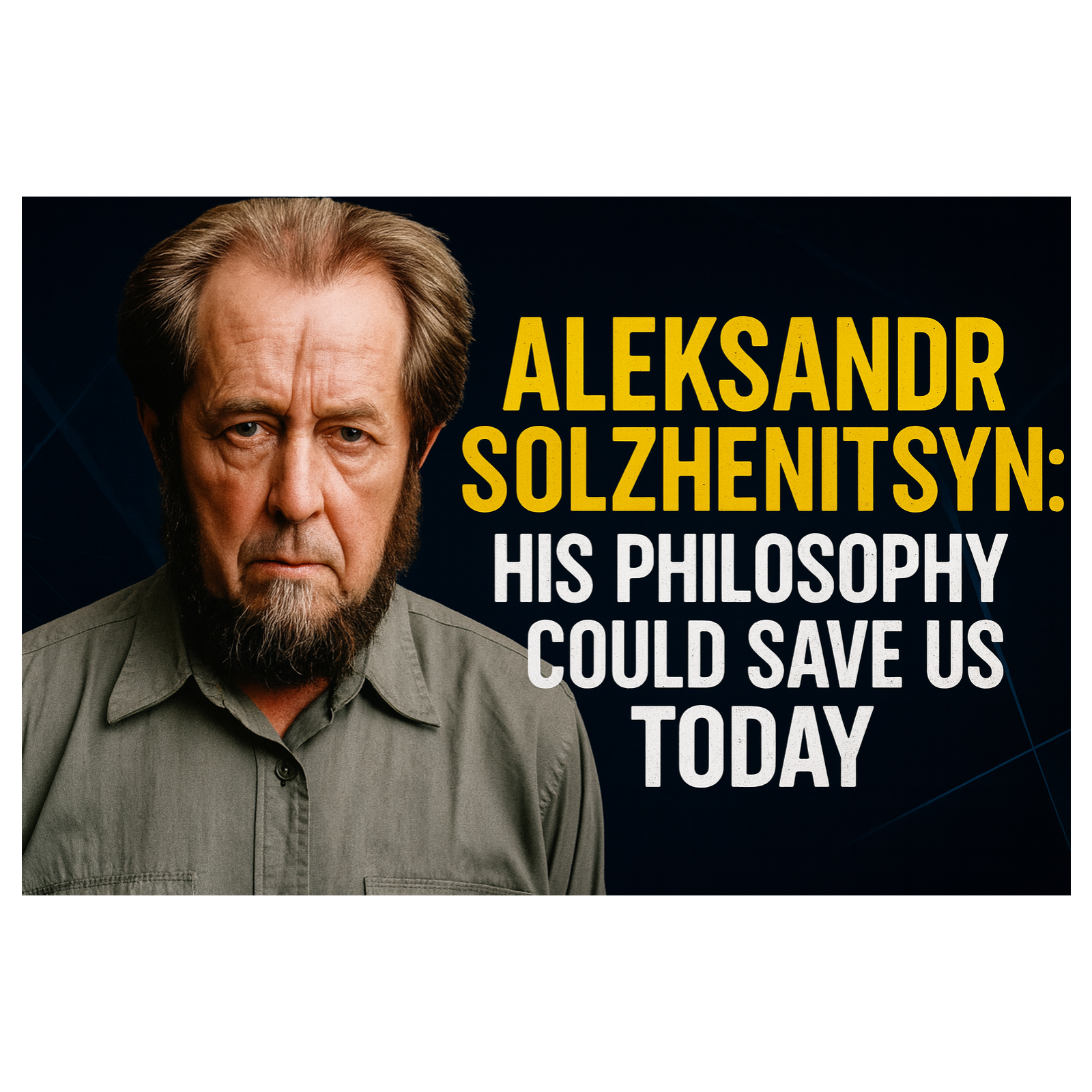
The Philosophy of Aleksandr Solzhenitsyn — Truth, Suffering, and the Moral Courage to Resist
Podcast: Philosophy for Better Humans Host: Charles Sebastian Whitby
In this powerful episode, we examine the life, ideas, and moral philosophy of Aleksandr Solzhenitsyn — Nobel Prize–winning author, Soviet dissident, and one of the most courageous truth-tellers of the 20th century.
Solzhenitsyn believed that society collapses when individuals abandon truth, responsibility, and moral courage. His warnings were not just political — they were deeply spiritual and philosophical, offering a blueprint for how ordinary people can resist tyranny both in the world and with...
The World Changing Philosophy of Elon Musk
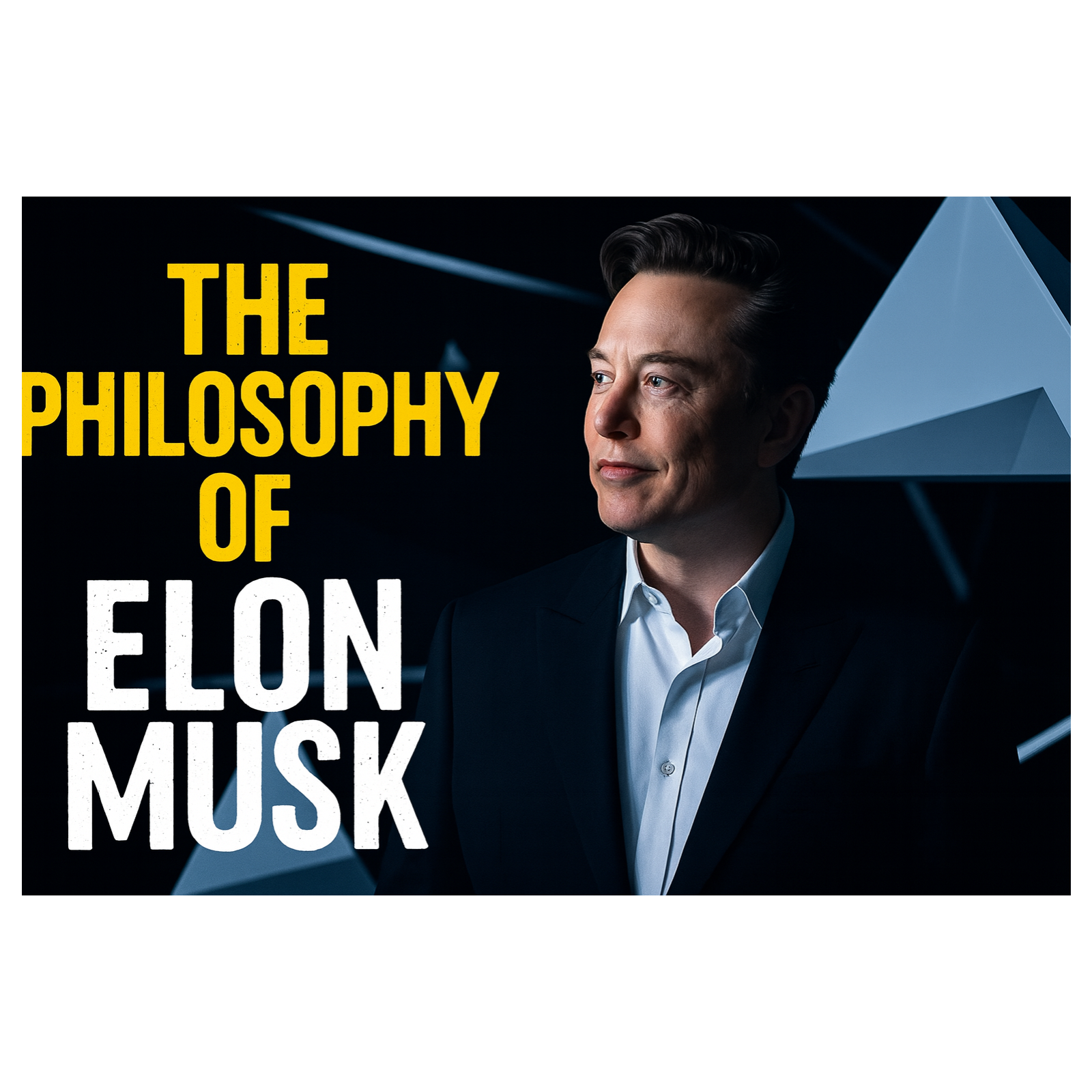
Episode Description — “The Philosophy of Elon Musk: Relentless Drive & the Vision for a Better World”
In this episode, host Charles Sebastian Whitby dives deep into the mind of one of the most driven innovators of our time — Elon Musk. We explore Musk’s philosophy of relentless work ethic, audacious goal-setting, and uncompromising dedication to solving humanity’s biggest problems.
This isn’t just a story about business success — it’s a study in how to think bigger, act faster, and refuse to accept limitations. From first principles reasoning and extreme focus, to his belief in sacrificing comfor...


