Wild Wonders

Discover the wild like never before with Wild Wonders — your ultimate show for exploring the fascinating world of animals and nature.Each episode dives deep into the most amazing creatures on Earth — from powerful predators to mysterious sea life — revealing their hidden secrets, survival skills, and untold stories.If you love wildlife, adventure, and learning about our planet’s most incredible beings, you’re in the right place! 🌍Join us for captivating animal facts, wildlife documentaries, and stories that will make you see nature in a whole new way.
The Antagonistic Co-evolution of Duck Genitalia
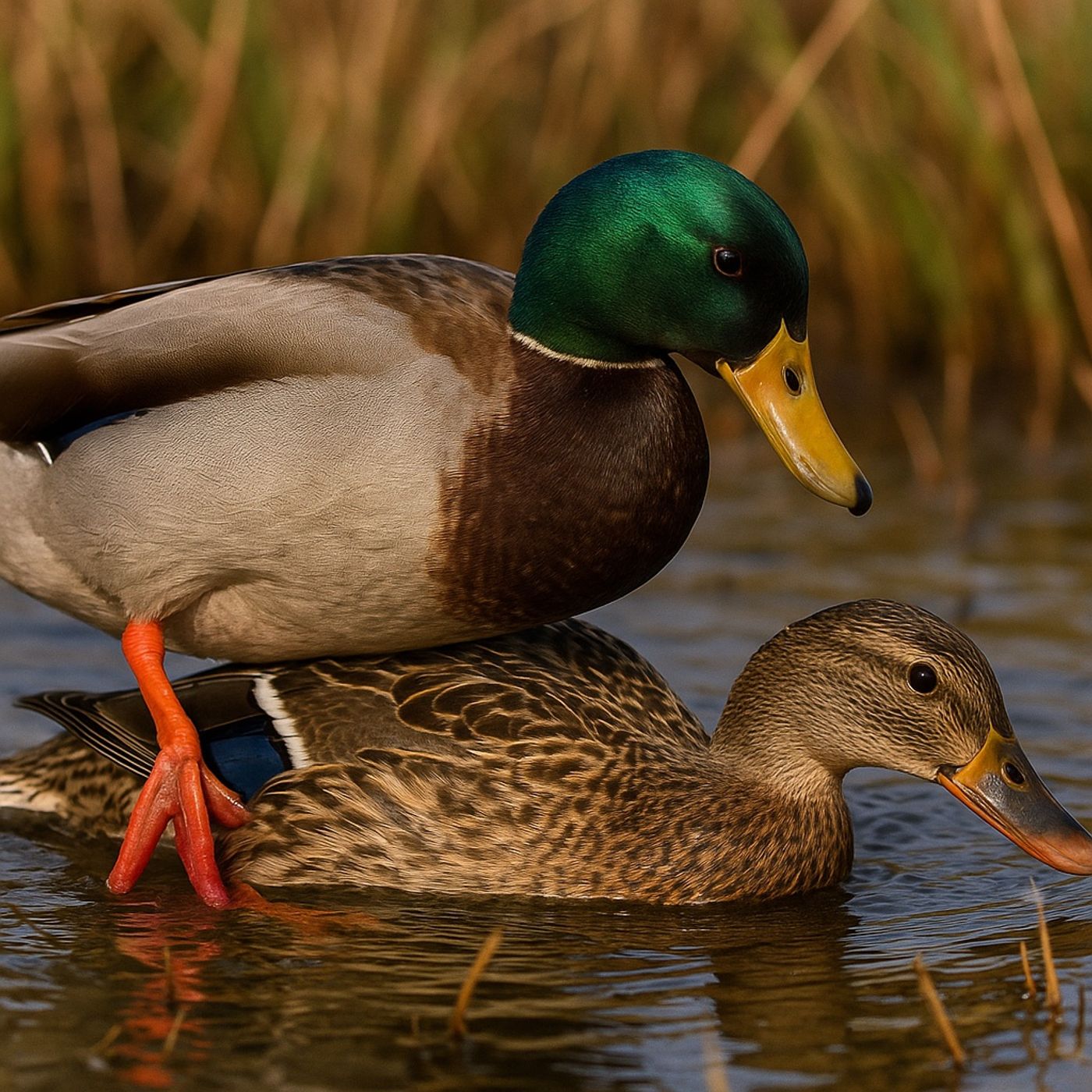
Explores the complex reproductive anatomy and mating behaviors of ducks, highlighting how they differ from other birds often described as “lovebirds.” Unlike most birds, which engage in a “cloacal kiss” for reproduction, male ducks have penises that can be relatively large and corkscrew-shaped, with size varying seasonally.
It also explains the phenomenon of antagonistic co-evolution, where males’ aggressive mating strategies have driven females to develop equally intricate, twisty vaginas with dead ends to prevent forced insemination. This evolutionary “arms race” demonstrates how sexual selection can produce extreme physical traits and behaviors, contrasting sharply with the gentler courtship prac...
The Mighty Mosasaurus: Lizard of the Meuse
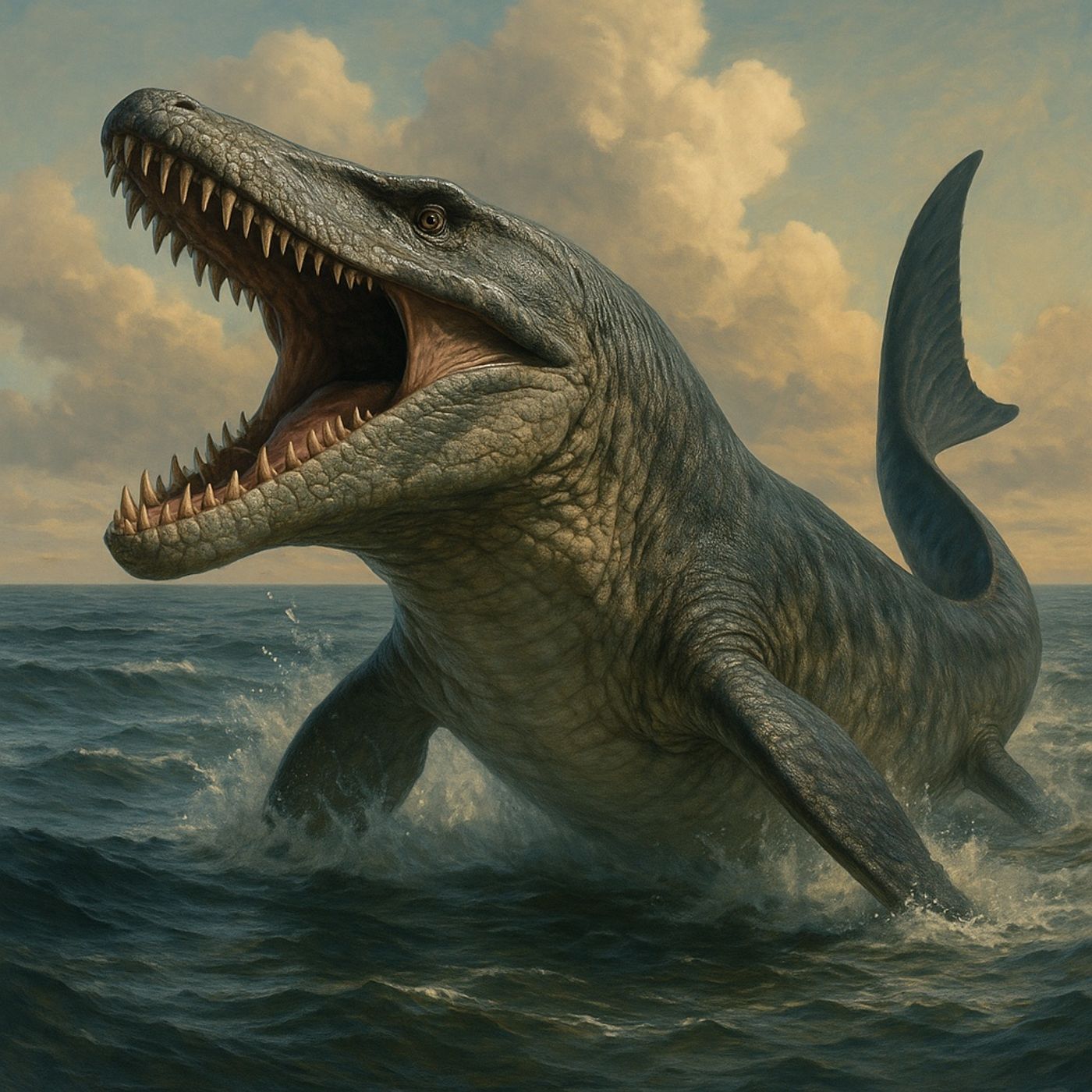
A detailed overview of the extinct marine reptile, the Mosasaurus. It outlines the species’ classification history, noting that early scientists initially mistook it for a giant crocodile or whale before recognizing it as a massive marine lizard.
The passage highlights its key characteristics, including enormous size, a powerful bite, and its role as an apex predator. Evidence suggests that Mosasaurus was a surface swimmer with a possibly shark-like tail, demonstrating an example of convergent evolution.
The text also explains that Mosasaurus fossils played a critical role in establishing the concept of extinction. It de...
Immortal Organisms and Negligible Senescence
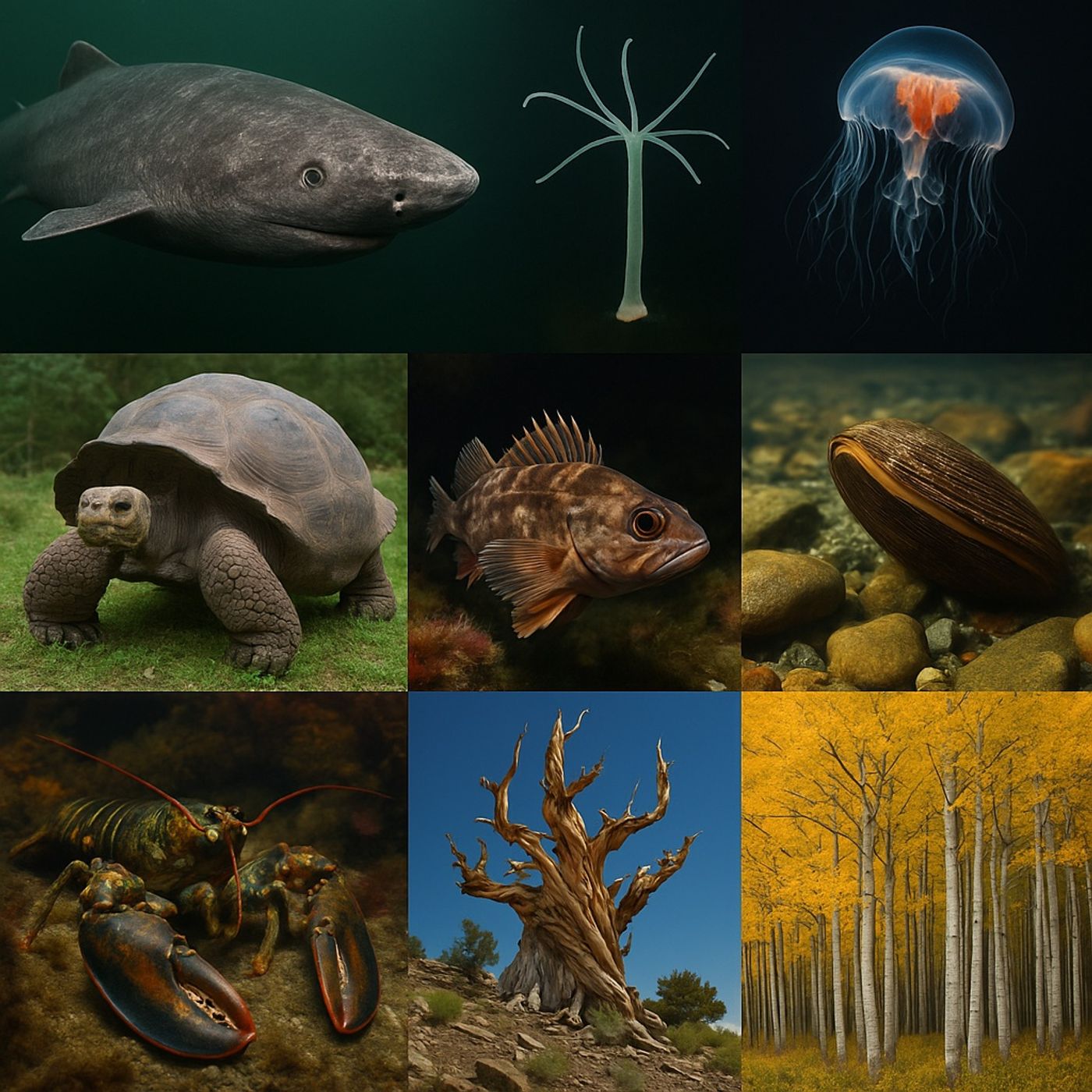
Explores the scientific concept of “negligible senescence,” describing how some organisms show little to no biological aging. It highlights examples such as the Greenland shark, Hydra vulgaris, and the Immortal Jellyfish, which display remarkable longevity. Other species mentioned include Galapagos tortoises, rougheye rockfish, and freshwater pearl mussels, along with the clarification that American lobsters are not truly immortal despite popular belief. The discussion also extends to long-lived plants like the Great Basin Bristlecone Pine and Quaking Aspen colonies, emphasizing that many organisms die mainly due to external causes rather than natural aging.
The Fate of the Barbary Lion
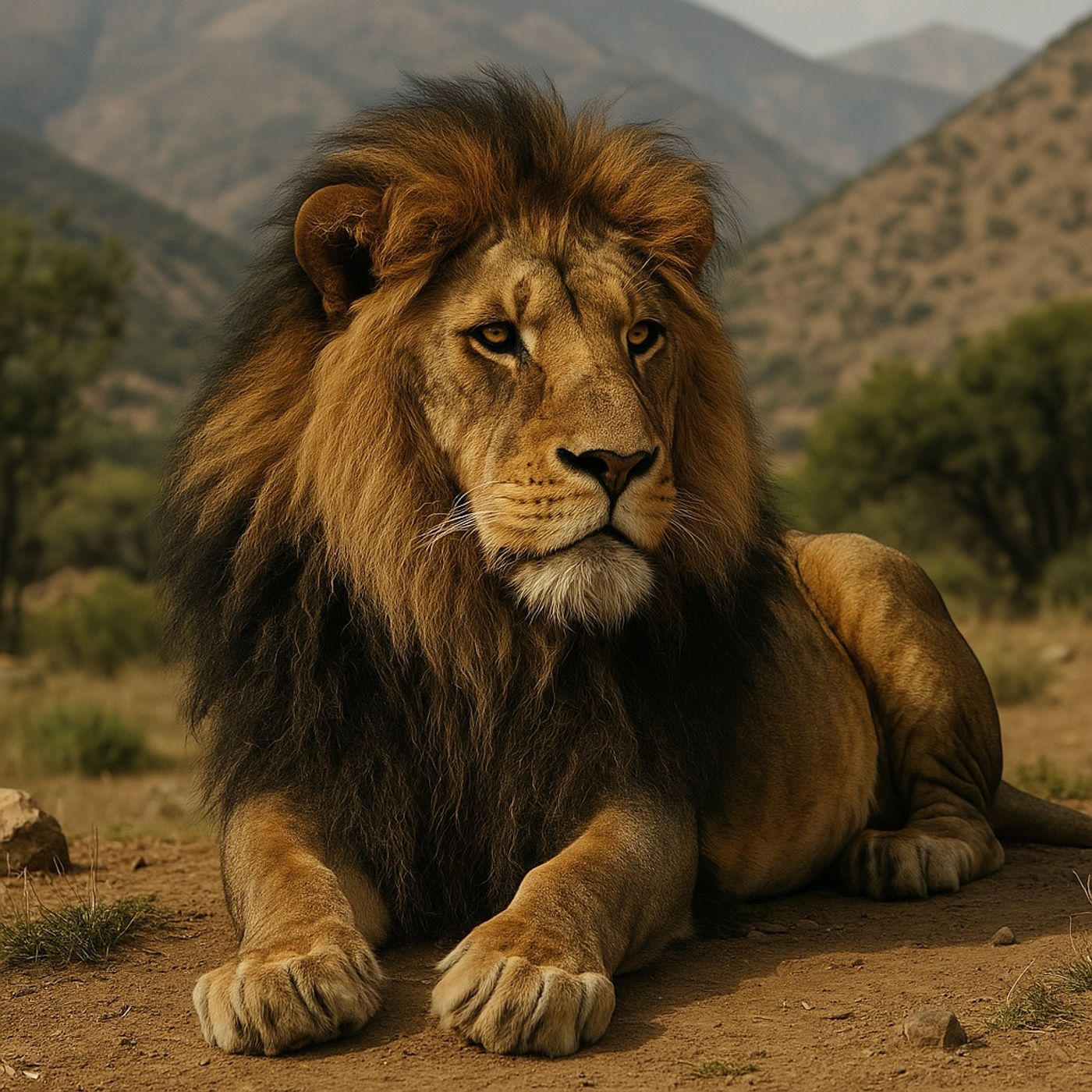
Gives a detailed account of the Barbary lion, or Atlas Lion, an extinct subspecies once native to North Africa. It highlights the lion’s distinctive long, dark mane, adapted to the region’s cooler mountain climate, and its gradual retreat into isolated habitats as human activity expanded. Historically, Barbary lions were celebrated and exploited, featured in Roman arenas and royal menageries. Although their wild extinction date remains uncertain—with reports ranging from 1925 to 1958—scientists are investigating whether Moroccan Royal lions may preserve remnants of their genetic lineage. The narrative concludes by framing the Barbary lion’s extinction as a warning fo...
Bear Evolution: Cat Sized to Car Sized
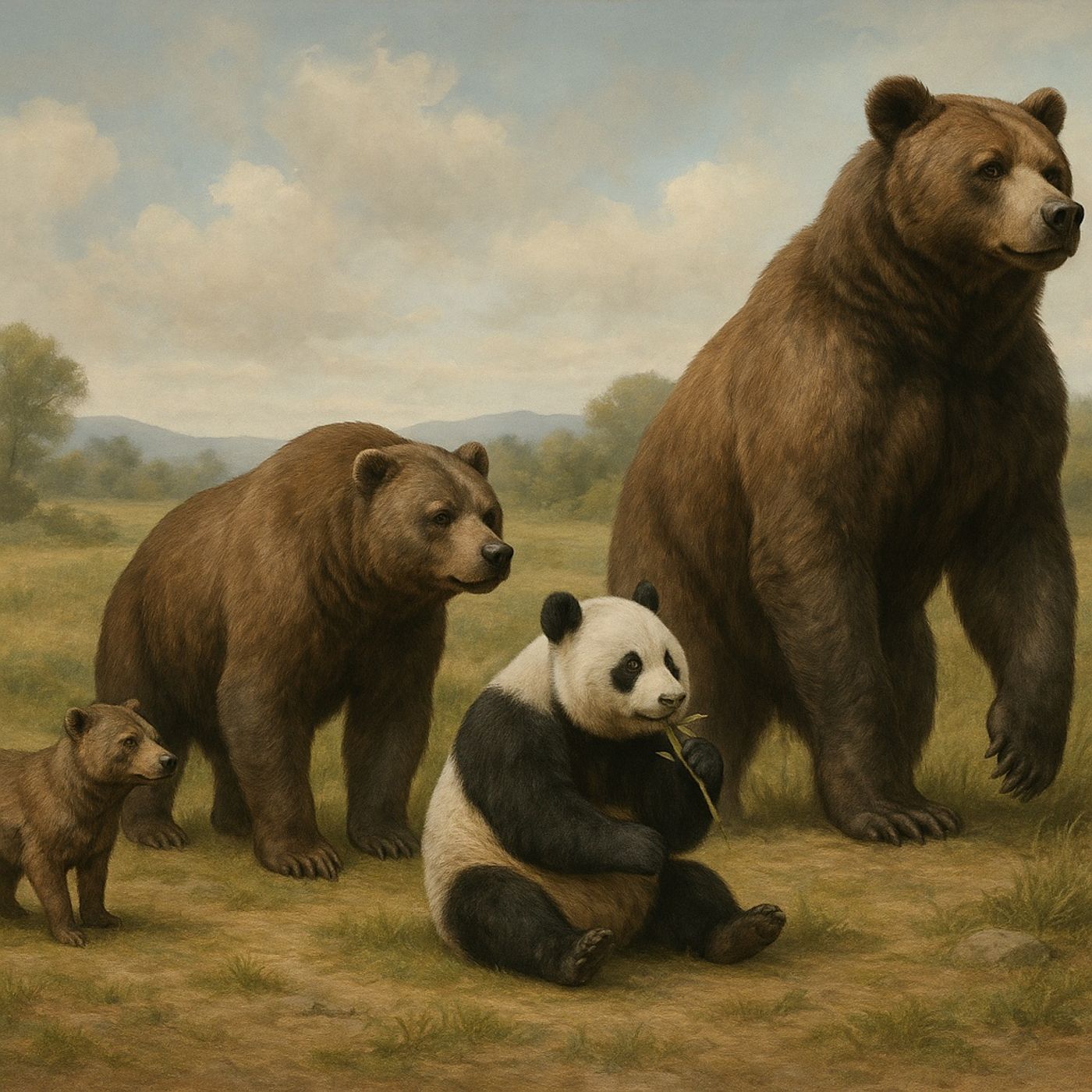
Outlines the evolutionary journey of bears, describing how they rapidly developed from small, cat-sized ancestors into the massive species we know today over roughly five million years. It notes their close genetic ties to eared seals and walruses and traces their lineage through key ancestors such as Perius, the dawn bear (Ursus elmenus), and later forms like the European Cave Bear, showing how bears evolved in both size and dietary adaptability. The overview also highlights the giant short-faced bear of North America and the early divergence of the Giant Panda, which branched off from other bears long before modern...
Dinotherium: The Terrible Backwards-Tusked Elephant
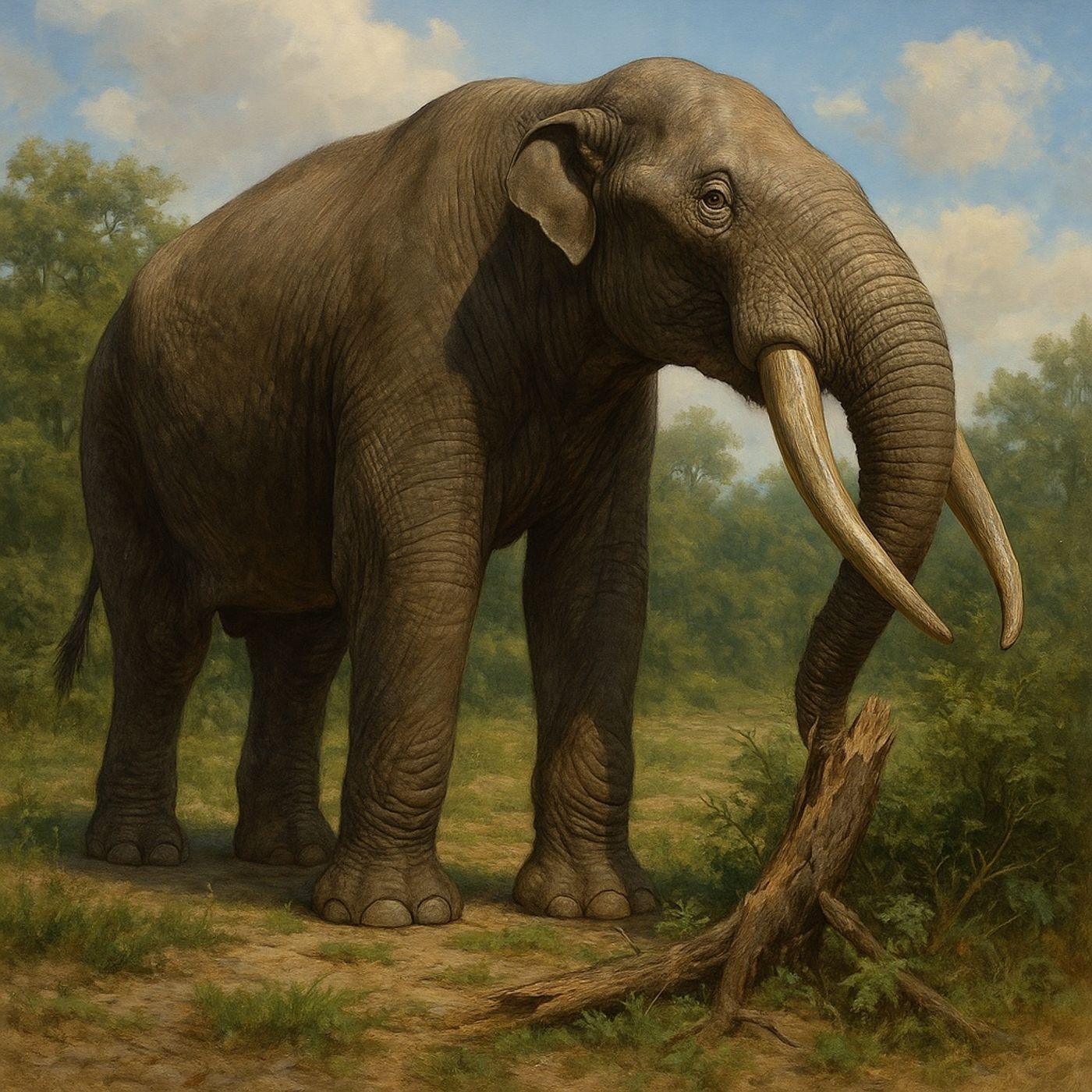
Provides an in-depth account of Dinotherium, a massive extinct relative of modern elephants distinguished by its downward-curving lower tusks and colossal size—reaching up to ten tons, nearly twice that of today’s elephants. It examines the possible functions of the tusks, suggesting they may have been used for foraging, stripping bark, or digging, while also mentioning outdated theories such as using them for anchoring during rest in water. Additionally, the text traces Dinotherium’s evolutionary timeline, noting its emergence in the middle Miocene, its expansion beyond Africa during the proboscidean datum event, and the taxonomic uncertainties that still surrou...
Siphonophores: Largest Deep-Sea Superorganisms
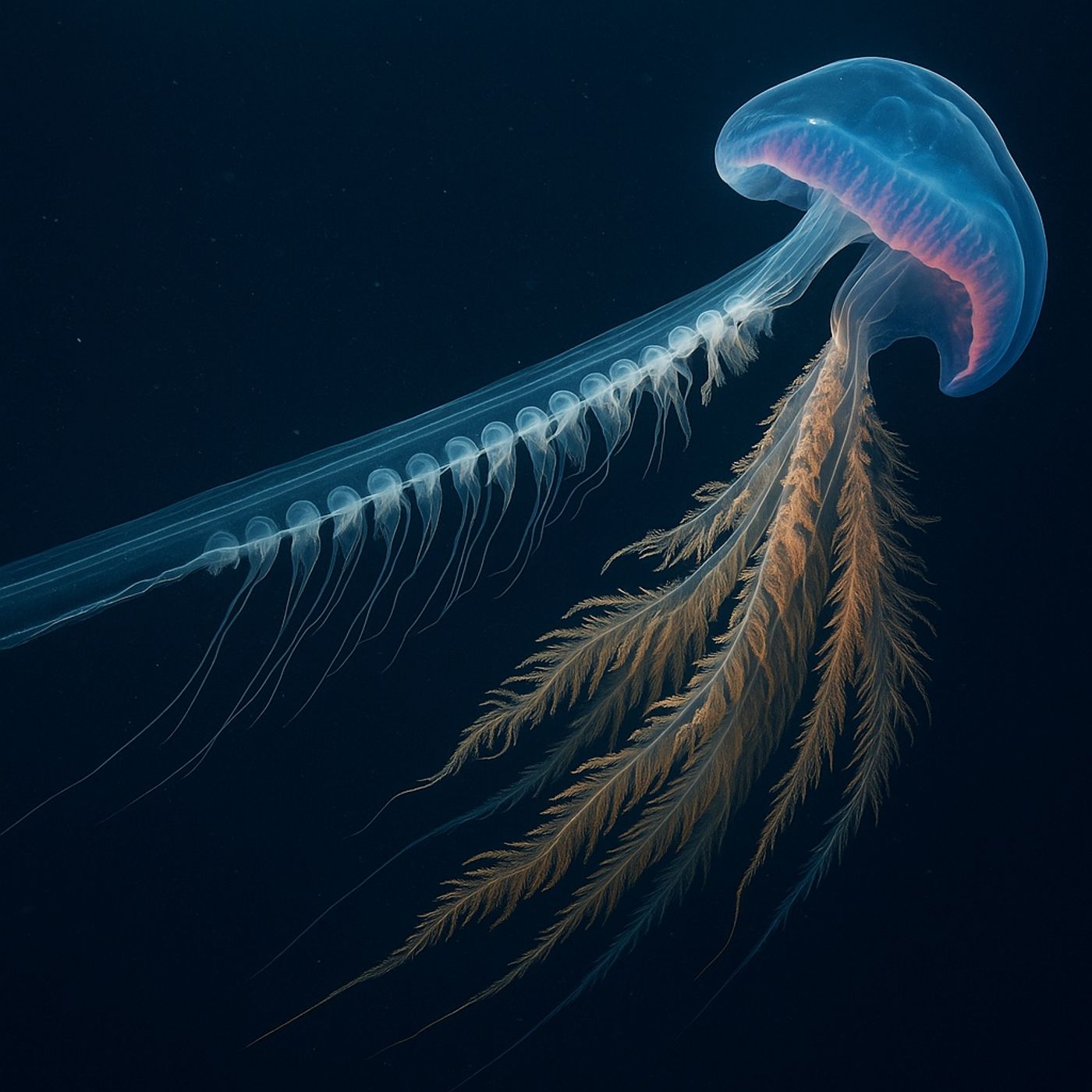
Explores the remarkable siphonophores, immense ocean-dwelling organisms composed of chains of specialized clones called zooids that work together as one coordinated superorganism. Closely related to jellyfish, siphonophores can reach extraordinary lengths, with some species—such as Apolemia uvaria—stretching beyond 40 meters, surpassing even the blue whale. The discussion also mentions the Portuguese man o’ war, a well-known and venomous relative capable of harming humans. The text concludes by addressing the difficulties of studying these delicate deep-sea creatures, emphasizing the need for advanced technology alongside careful observation to better understand their biology and ecological role.
<...
The Deep Ocean's Weird and Wonderful Creatures
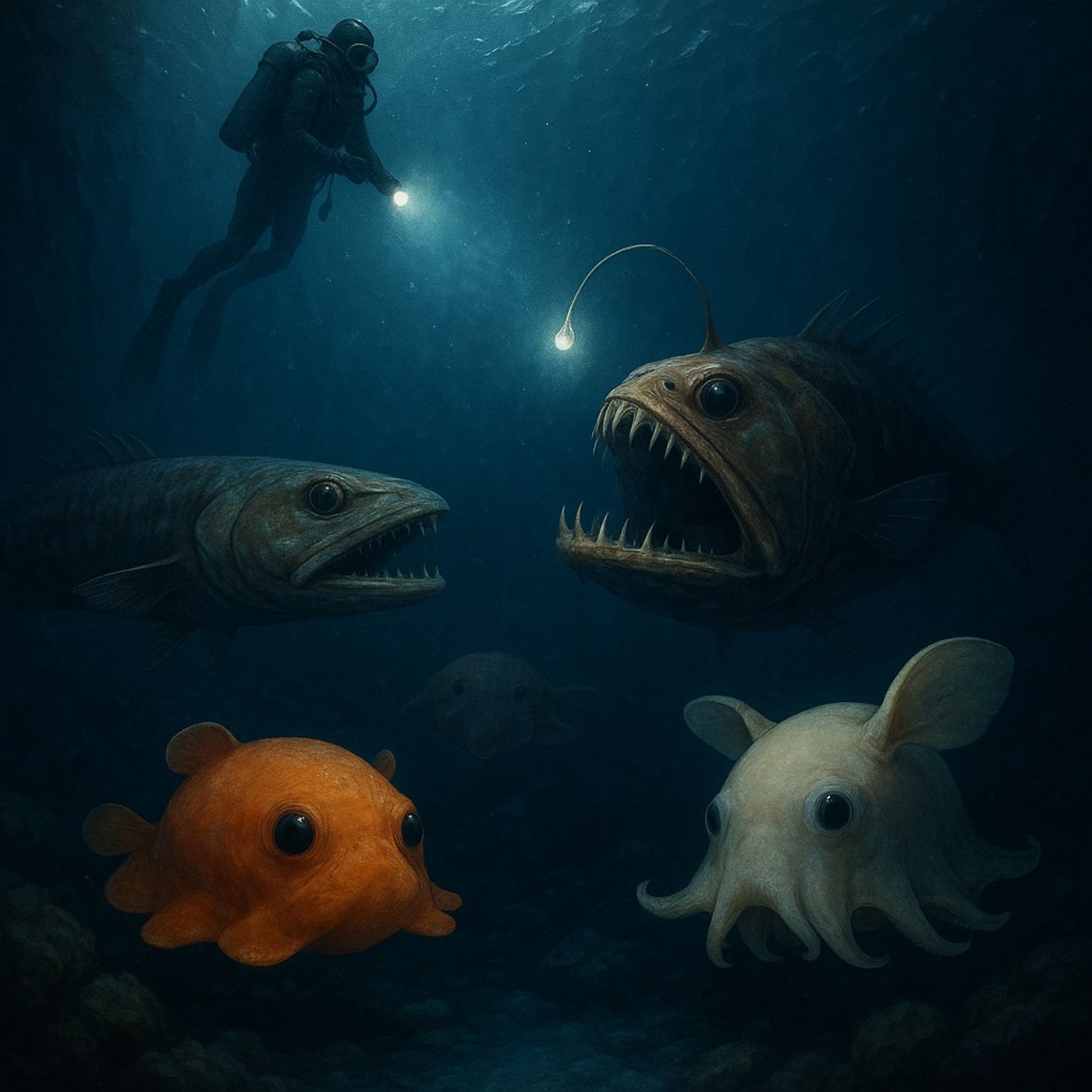
Provides an overview of the deep ocean, emphasizing that humans have explored less than five percent of it—making it less known than the surface of Mars. It describes the extreme conditions of this vast, dark habitat, including freezing temperatures, crushing pressure, and the absence of sunlight, noting that many deep-sea creatures are mostly water-based, allowing them to withstand such pressure. The discussion highlights the diverse and unusual lifeforms found there, from fearsome predators like the lizardfish and anglerfish to surprisingly adorable species such as the flapjack and dumbo octopuses. The text concludes by underscoring the importance of ocean ex...
The Legendary Dragon Blood Tree of Socotra
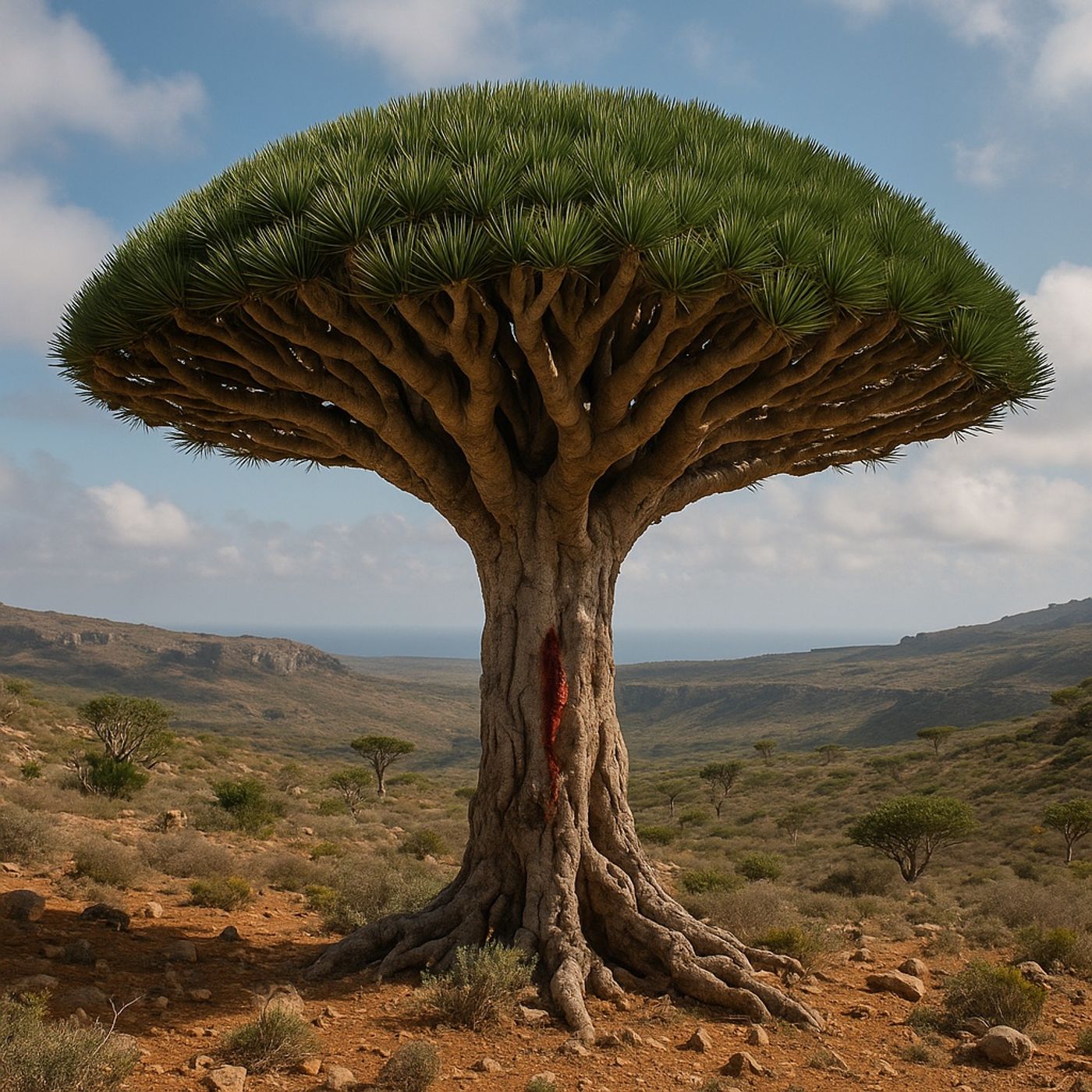
Describes the Dragon Blood Tree (Dracaena cinnabari), a rare species found only on the Socotra Archipelago in the Indian Ocean. A member of the asparagus family, it is known for its red sap, long used in traditional medicine and now valued for its antiviral, antimicrobial, and anti-inflammatory properties. The tree’s distinctive umbrella-shaped canopy and water-efficient leaves help it survive in arid conditions by capturing moisture from mist. Despite its resilience and longevity, it faces growing threats from climate change, overgrazing, and unsustainable resin collection.
Produced by:
https://www.podcaistudio.com/
The Life and Legacy of Coca
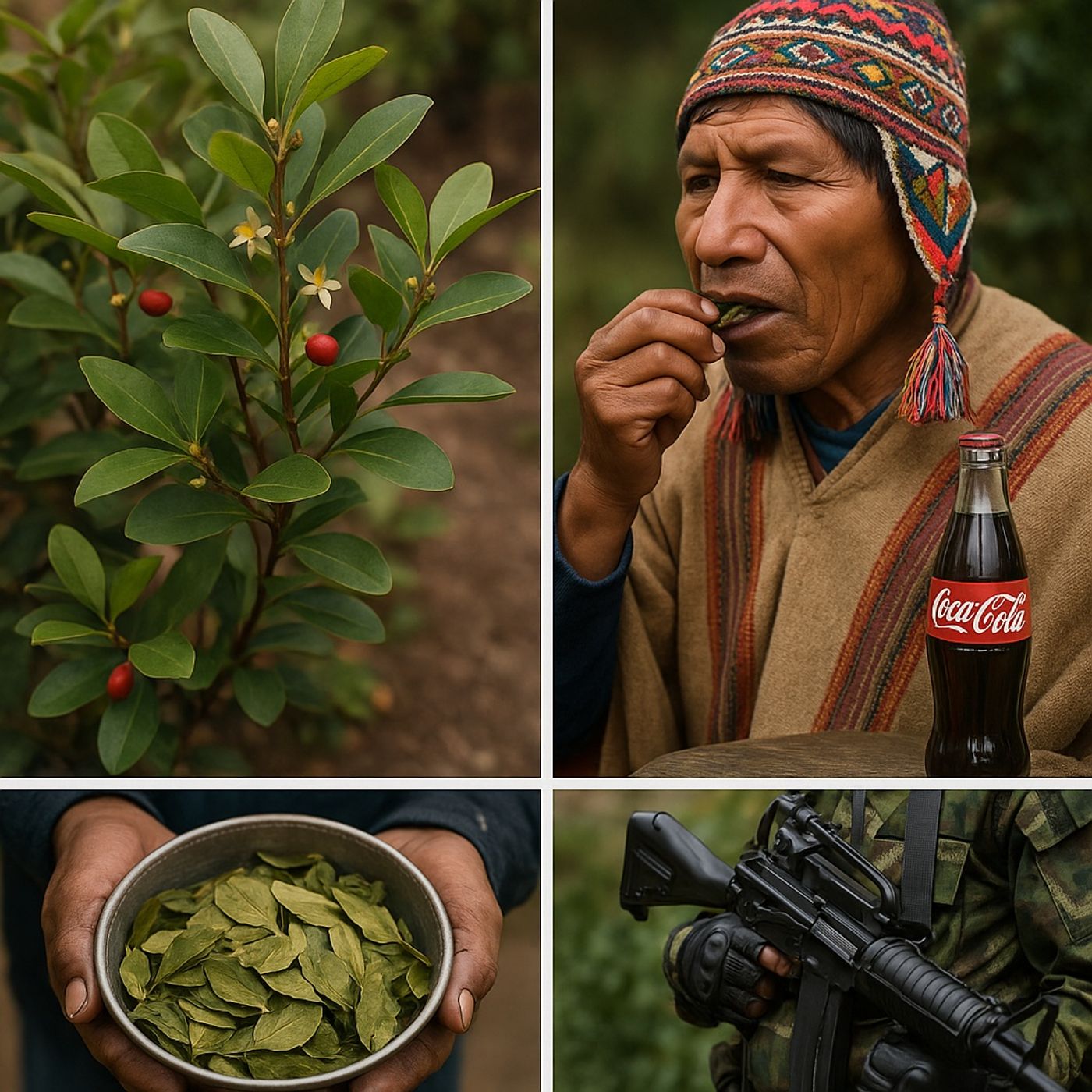
Provides an overview of the coca plant, detailing its millennia-long use by Andean Indigenous peoples for nutrition, ritual, and labor. It also covers its modern notoriety as the source of cocaine and the challenges of eradicating its cultivation in countries like Colombia, while noting its historical connection to Coca-Cola, which once included coca extracts but never contained actual cocaine.
Produced by:
https://www.podcaistudio.com/
The Wonders of Animal Migration
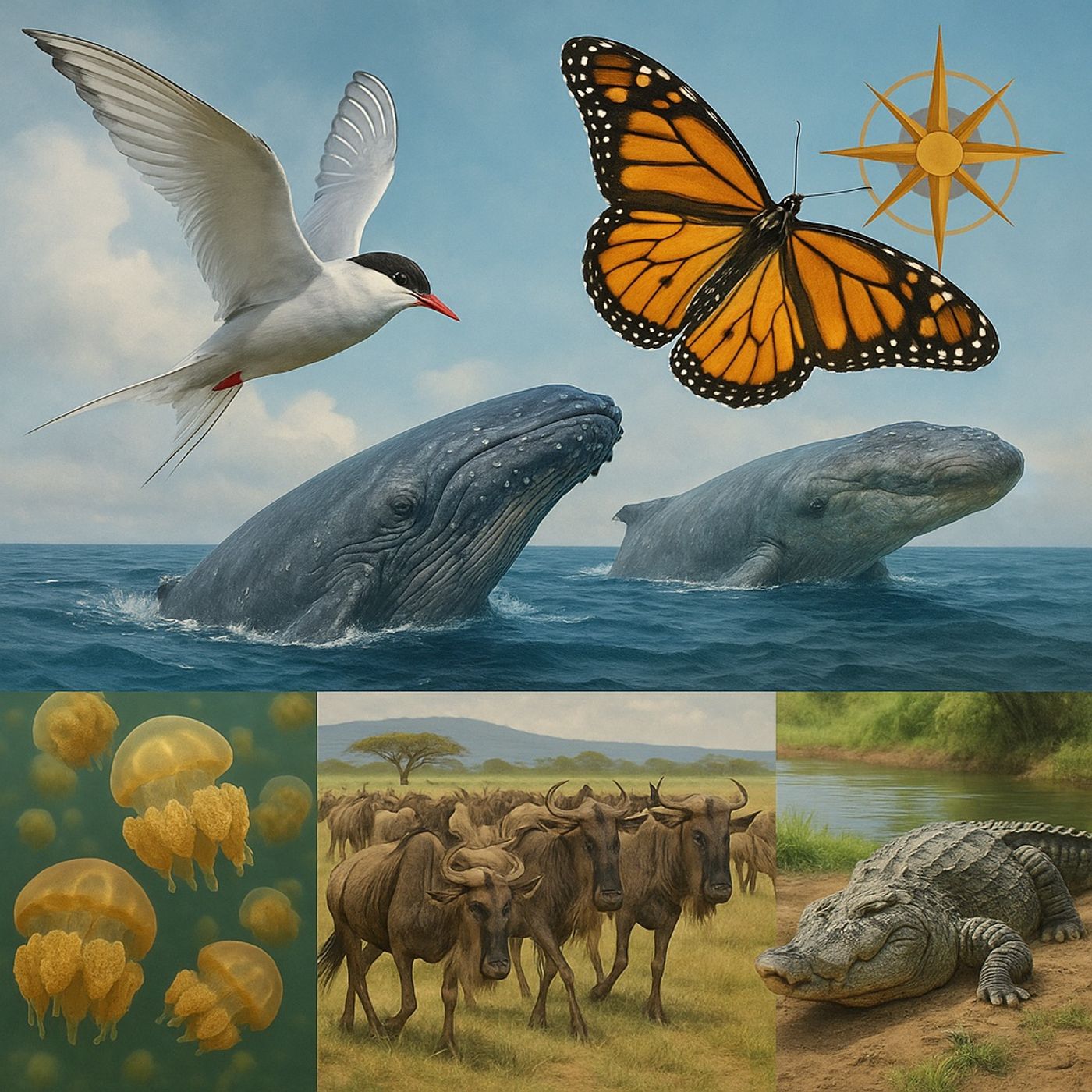
Explains animal migration as a seasonal, round-trip movement driven by the need for favorable climate, food, and reproduction. It highlights navigation using magnetic, sun, and star compasses in species like the Arctic Tern, Monarch Butterfly, and Humpback Whale, and illustrates diverse migratory or nomadic behaviors with examples such as the Golden Jellyfish, Wildebeest, and Saltwater Crocodile, emphasizing the evolutionary advantage of movement for survival and reproduction.
Produced by:
https://www.podcaistudio.com/
Zombie Ants, Blood Vampires, and Biological Imposters: Nature's Extreme Evolutionary Arms Race
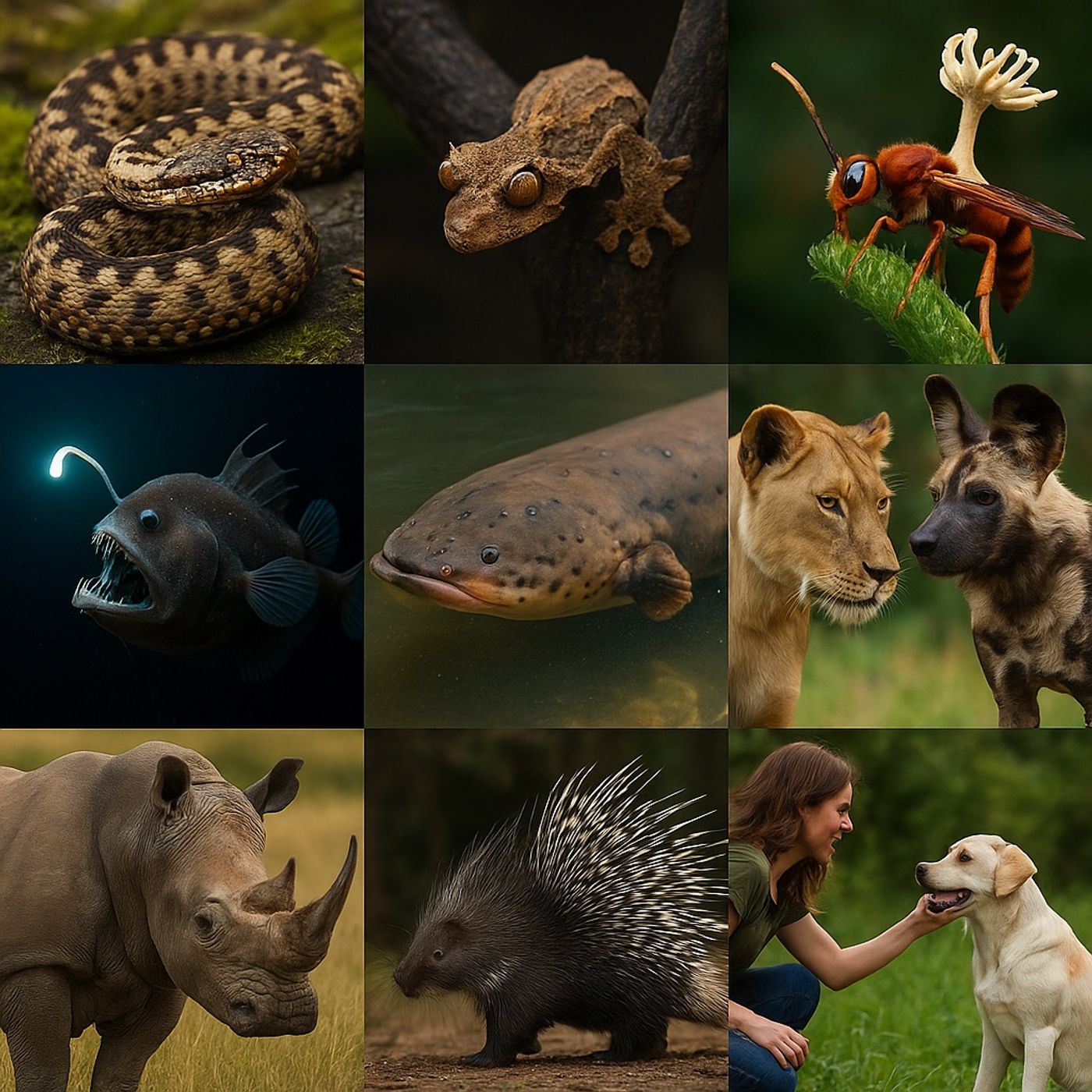
Outlines remarkable evolutionary adaptations and survival strategies in the animal kingdom, covering key themes such as mimicry (both defensive and aggressive), parasitism (from mind-controlling fungi to zombifying wasps), and diverse defense and attack mechanisms like bioluminescence, venom, electric organs, horns, quills, and armor. It also discusses cooperative hunting, mutualistic relationships, metamorphosis, and the domestication of animals by humans.
Produced by:
https://www.podcaistudio.com/
Antlions: Real Life Sarlacc Pits
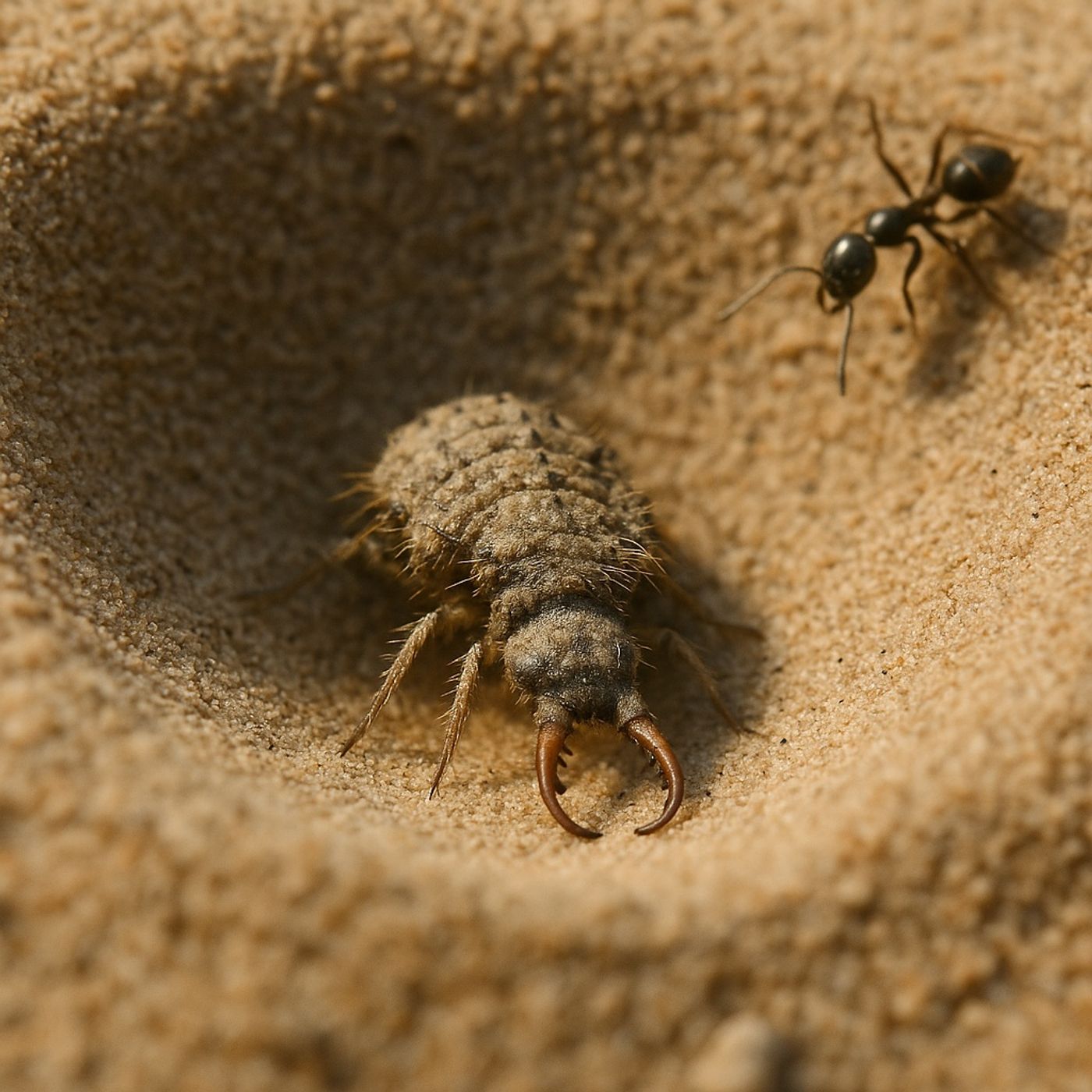
Describes antlions, predatory insects whose larvae dig funnel-shaped sand pits to trap prey like ants, using the critical angle of repose to ensure collapse when disturbed. The larvae are voracious carnivores with large mandibles and lack an anus during their three-year larval stage. After pupation, they undergo complete metamorphosis into harmless, short-lived adults resembling dragonflies, living about a month to reproduce and lay eggs.
Produced by:
https://www.podcaistudio.com/
The Enigmatic Amazonian Bush Dog
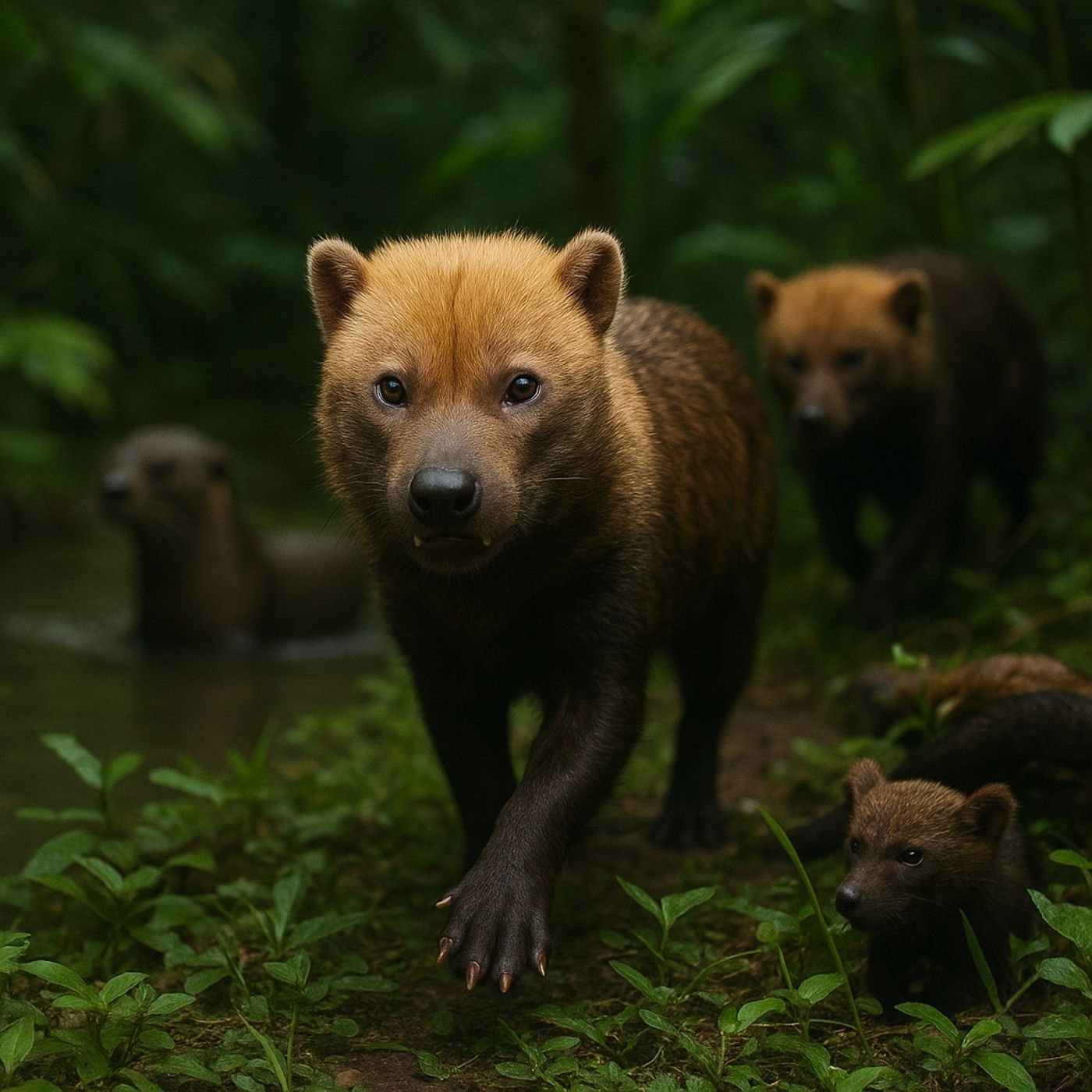
Details the bush dog, a rare South American canid notable for its webbed toes and swimming ability, earning it the nickname “otter of dogs.” Despite its small size, it is a skilled pack hunter capable of taking down larger prey like tapirs, with a diet that varies regionally. The text also covers the bush dog’s social structure, reproductive habits, and evolutionary connection to the maned wolf, noting limited fossil evidence due to rainforest habitats. Finally, it highlights the threats from habitat loss and underscores the importance of rainforest conservation.
<...
Why Crabs Are Evolution On Steroids
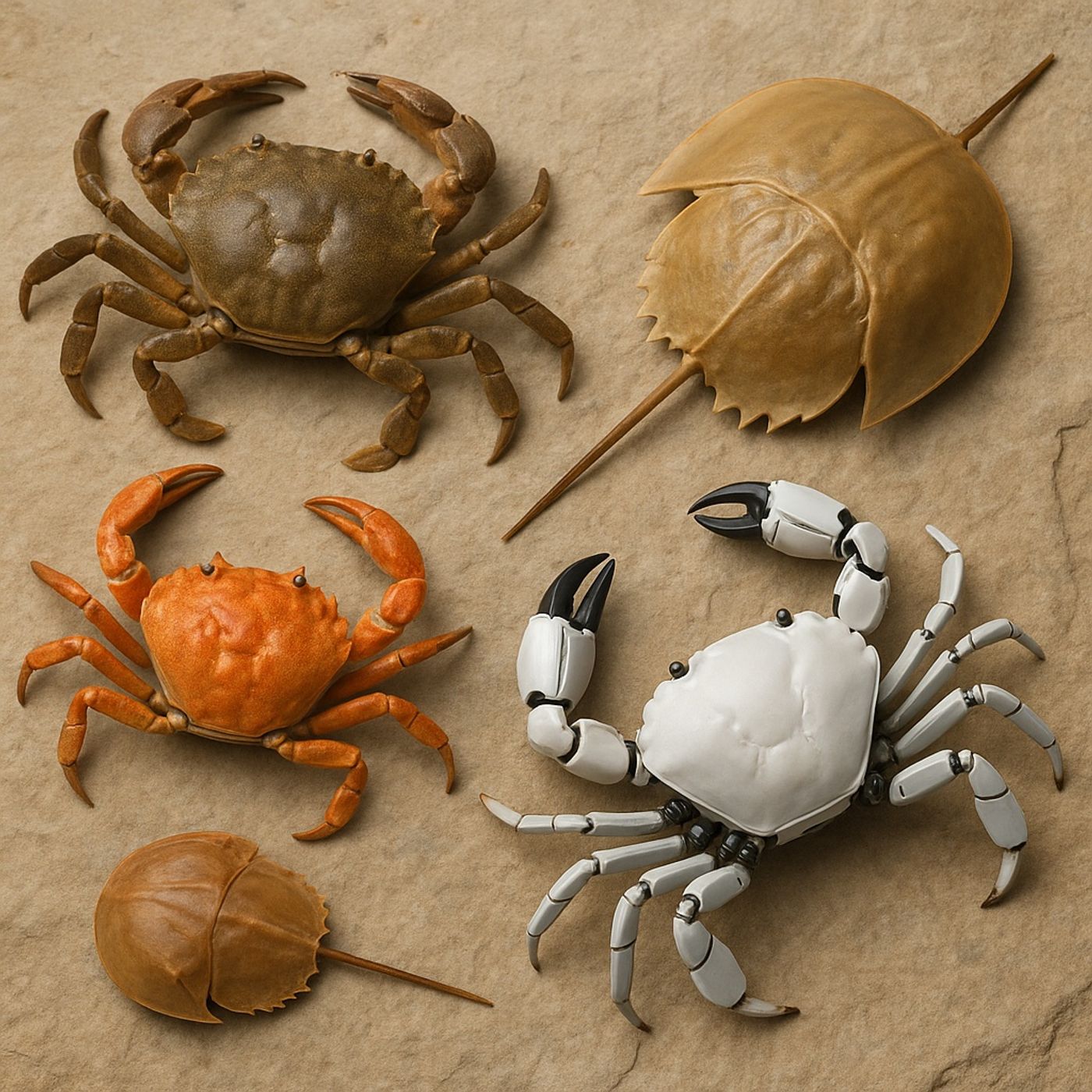
Explains the evolutionary phenomenon of carcinization, where multiple species independently evolve a crab-like body plan. It distinguishes true crabs (Brachyurans) from false crabs (Anomurans), both part of the Decapoda order. Key features include a flattened carapace and folded tail (pleon), a design that has persisted for 260 million years and influenced modern robotics. The discussion also covers decarcinization, where some species evolve away from the crab form, and notes that even unrelated animals like horseshoe crabs have convergently adopted this effective body shape.
Produced by:<...
The Day Dinosaurs Died

Explains the Cretaceous-Paleogene extinction event around 66 million years ago, focusing on the Chicxulub asteroid impact. It details the immediate effects—shockwaves, earthquakes, fireballs, and global fires—and the longer-term consequences, including atmospheric darkness that disrupted food chains. Evidence supporting this impact includes iridium-rich clay layers and the impact crater, with survivors like small mammals and some aquatic species giving rise to modern lineages.
Produced by:
https://www.podcaistudio.com/
Nightjars: Masters of Camouflage and the Night Sky
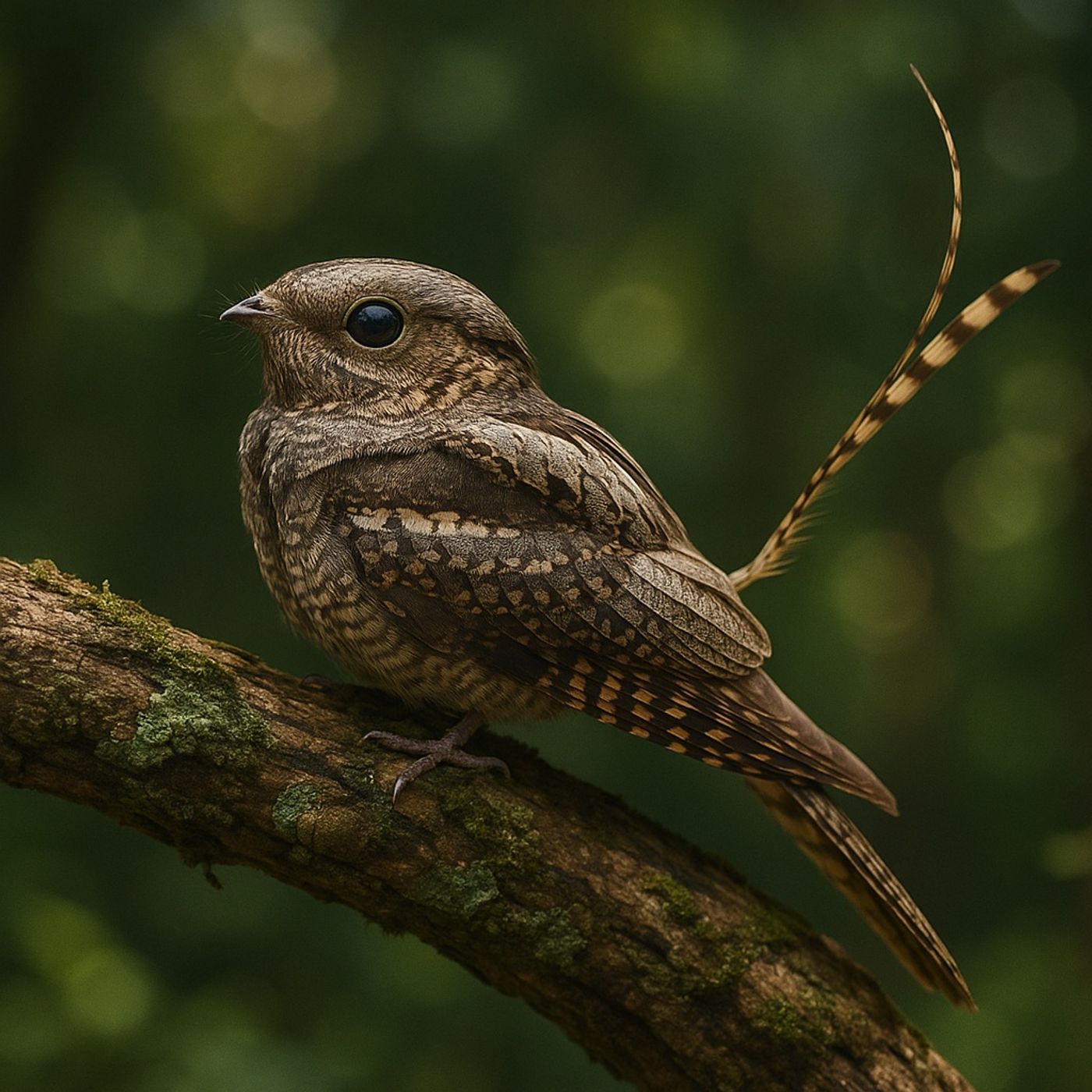
Provides an overview of nightjars, nocturnal insect-eating birds found worldwide except Antarctica. It highlights their exceptional camouflage, explains their historical nickname “goat suckers,” and describes unique traits such as the extravagant feathers of some species, specialized nesting habits, and the torpor of the common poorwill. The transcript also notes that nightjars face threats from habitat loss and declining insect populations.
Produced by:
https://www.podcaistudio.com/
Water Hemlock: North America's Most Toxic Plant
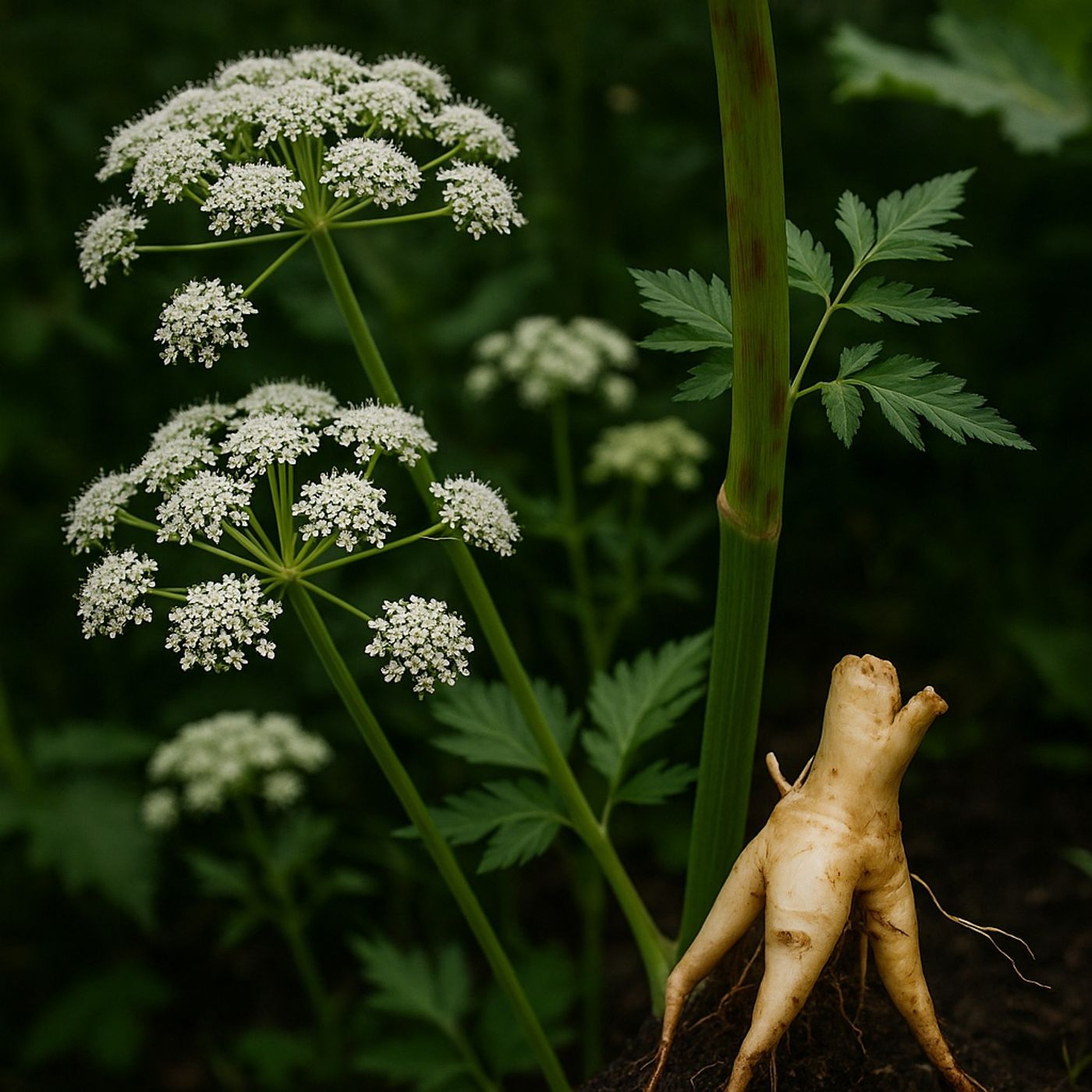
Details water hemlock, one of North America’s most toxic plants, explaining its resemblance to harmless relatives like Queen Anne’s Lace, which often leads to accidental poisoning. It describes the plant’s potent cicutoxin, a convulsant that attacks the central nervous system, causing seizures and potentially fatal respiratory or cardiac failure, with roots being the most toxic. The transcript also briefly mentions giant hogweed, which causes severe photodermatitis, emphasizing the need for proper identification and awareness, as there is no antidote and controlling water hemlock is challenging.
<...
Horseshoe Crab Marvels: Medicine and Mating Frenzy
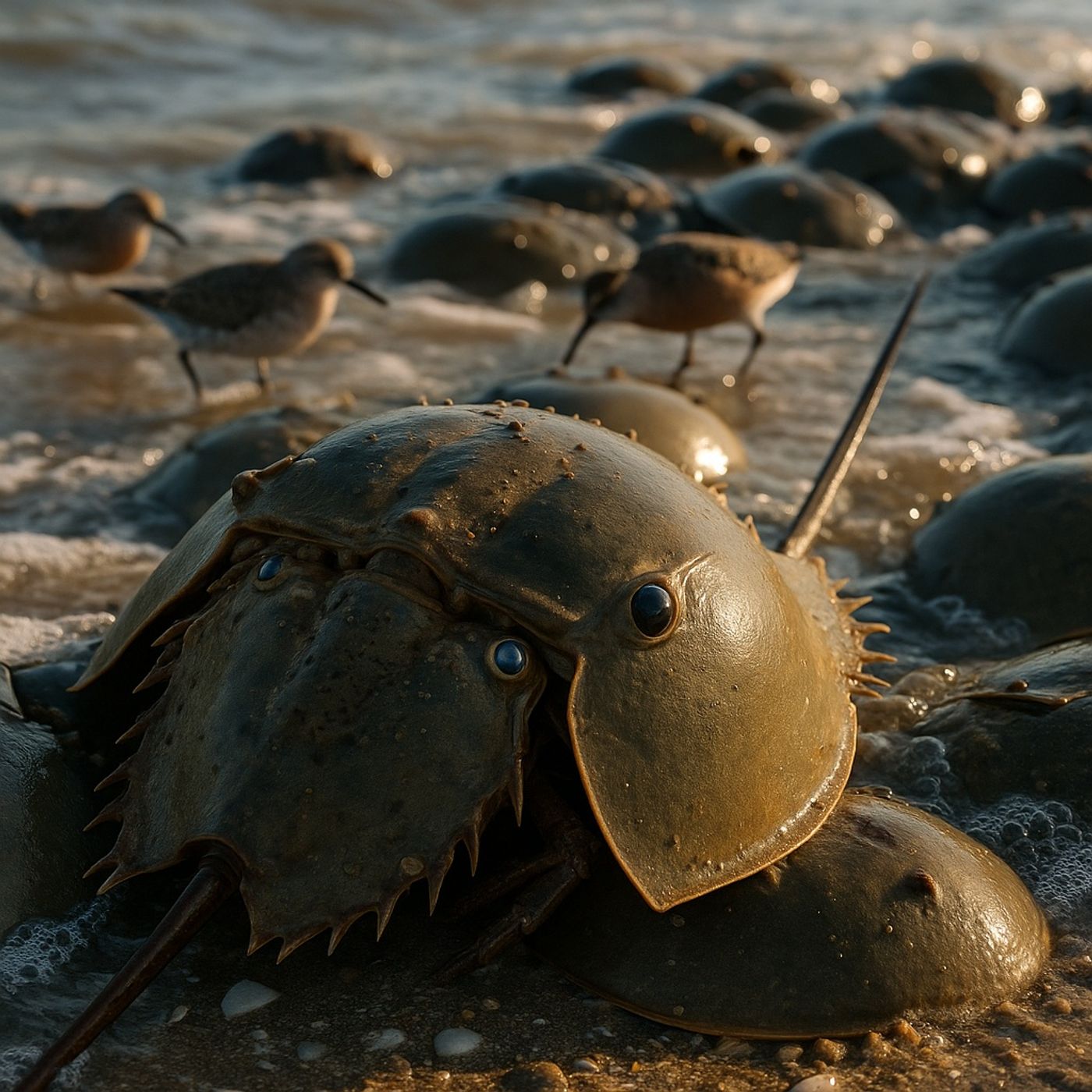
Describes the Atlantic horseshoe crab during its massive mating aggregation at Delaware Bay, emphasizing its ancient lineage and distinctive anatomy, including chelicerae, book gills, and multiple eyes. It highlights the species’ ecological importance as a key food source for migrating birds and its medical value due to copper-based blood used for sterility testing. The transcript also covers conservation efforts, such as rescuing stranded crabs and protecting spawning habitats.
Produced by:
https://www.podcaistudio.com/
Colombia's Cocaine Hippo Crisis
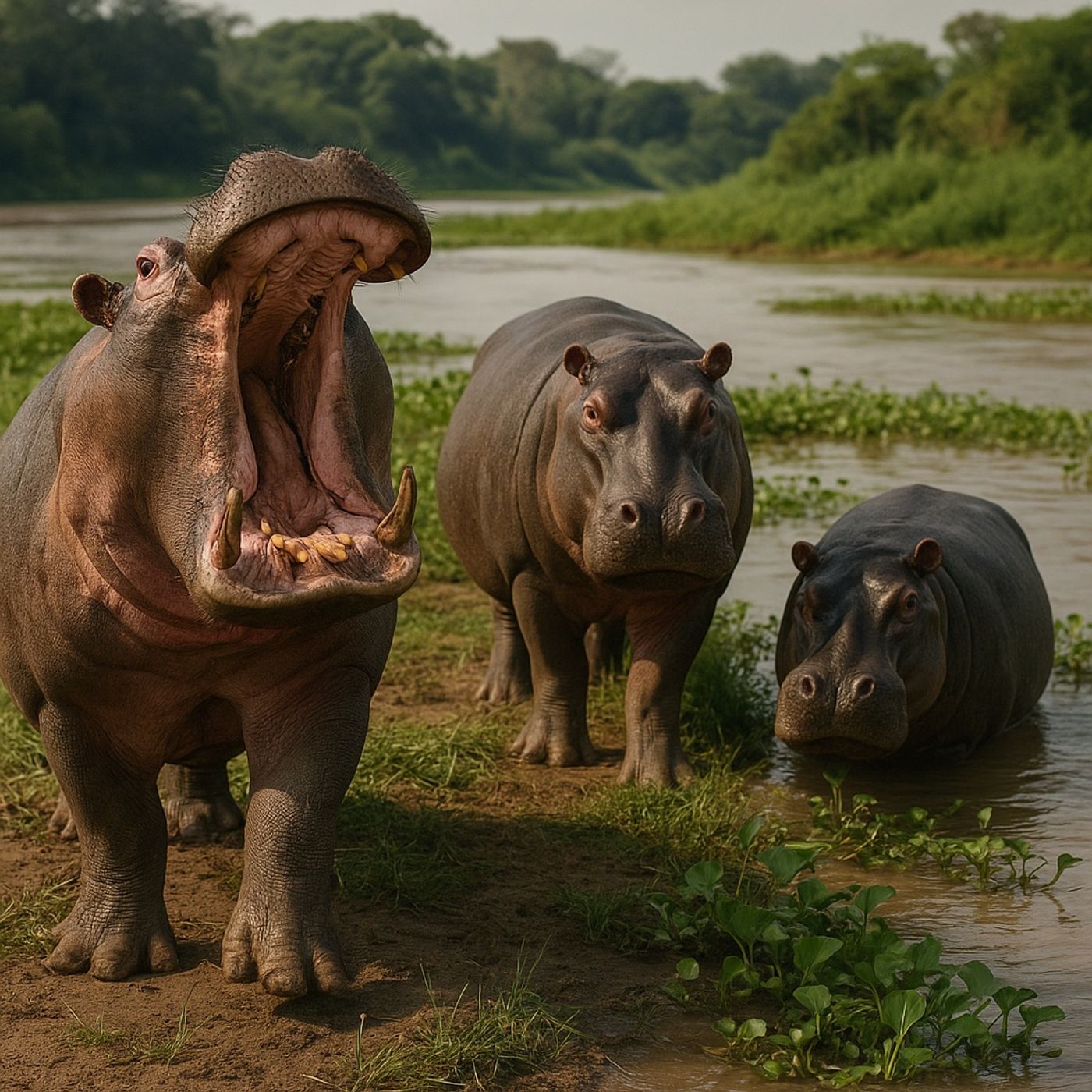
Describes the situation of Colombia’s invasive hippos, originally imported by Pablo Escobar and now multiplying in the Magdalena River system as “cocaine hippos.” It highlights their environmental and safety impacts, such as aggressive behavior and river eutrophication, notes the debate over their potential ecotourism value, and outlines challenges in managing them, including culling, castration, and government plans to capture and relocate the population.
Produced by:
https://www.podcaistudio.com/
Evolutionary Monsters: Chimaeras and Lampreys
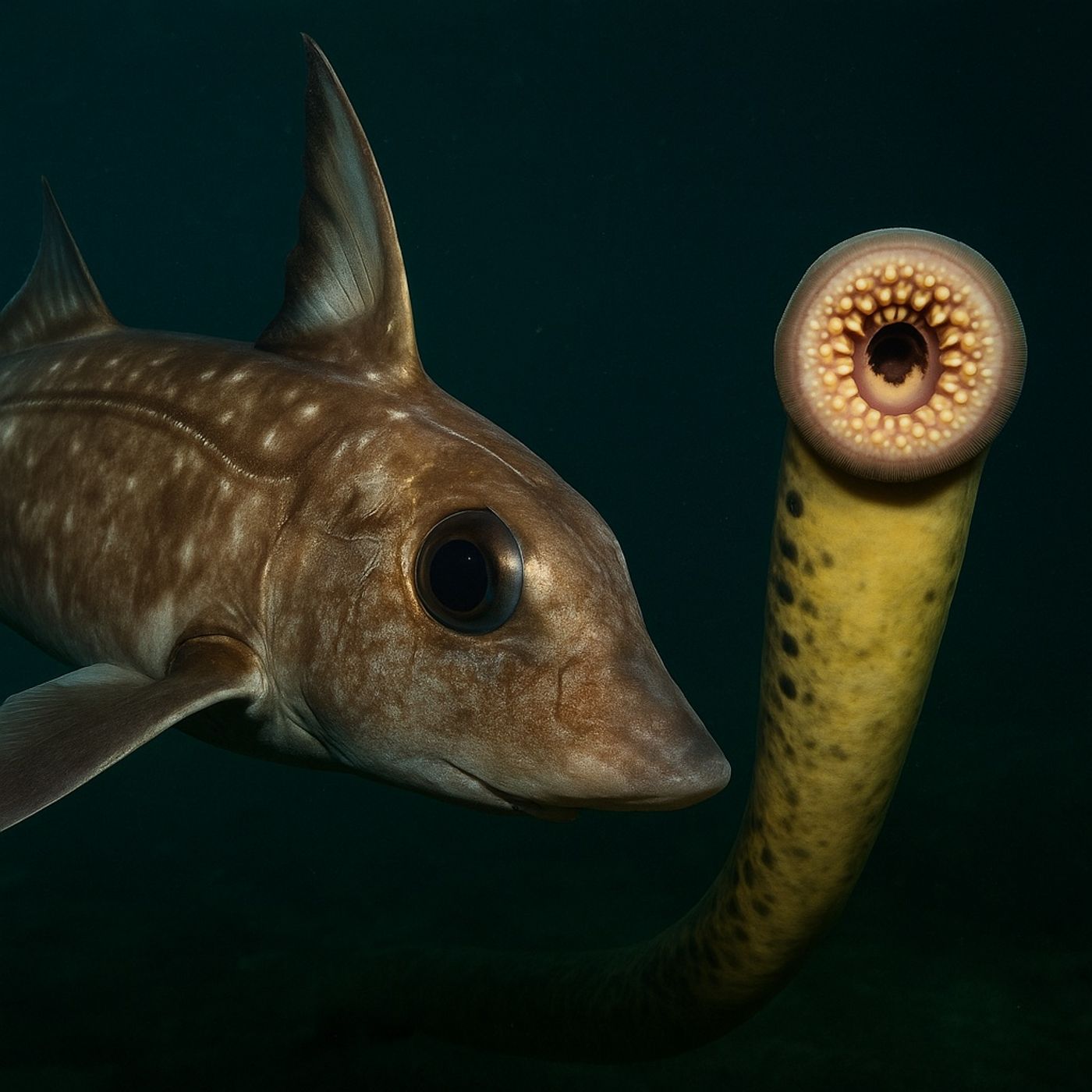
Describes two unusual aquatic species: the Chimaera (Ghost Shark), a deep-sea cartilaginous fish with a single gill opening, venomous dorsal spine, and three families (plough-nosed, short-nosed, and long-nosed), and the Atlantic sea lamprey, a parasitic, blood-feeding species that invaded the North American Great Lakes. It explains the lamprey’s feeding mechanism using anticoagulants, the ecological damage they caused, and control efforts, while noting that larval lampreys are harmless and not all lamprey species are parasitic.
Produced by:
https://www.podcaistudio.com/
The Rise and Fall of Giant Mustelids
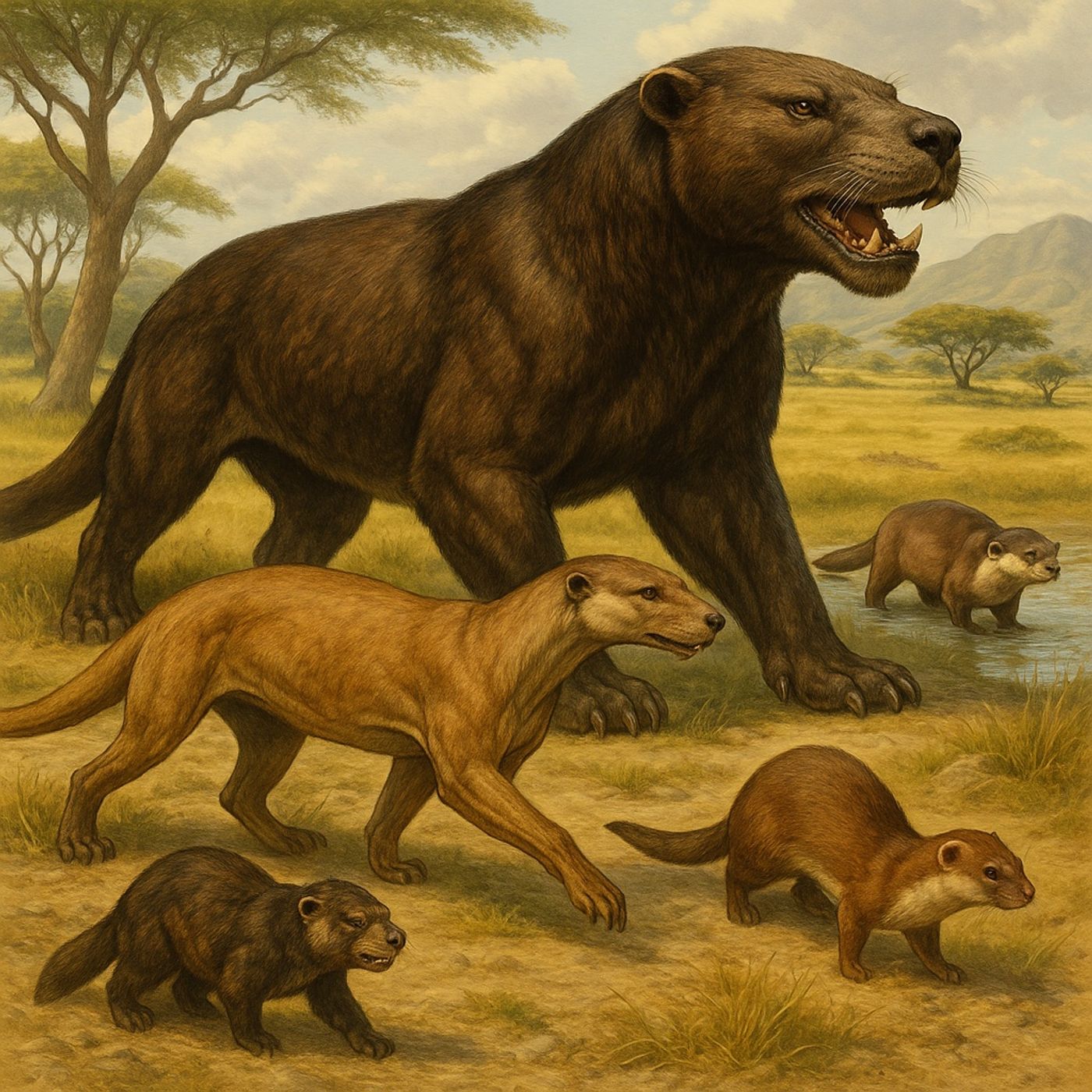
Outlines the evolutionary history of mustelids, a family that includes otters, weasels, and wolverines. It highlights extinct giant mustelids, such as Ekorus ekakeran and the lion-sized otter Enhydriodon omoensis, emphasizing their enormous sizes and predatory adaptations. The overview covers adaptive radiation within the family, the impact of climate change and competition with early humans on extinction events, and explains how environmental shifts drove the diversification of mustelids into both large and small species.
Produced by:
https://www.podcaistudio.com/
The Unseen Evolution of Bed Bugs
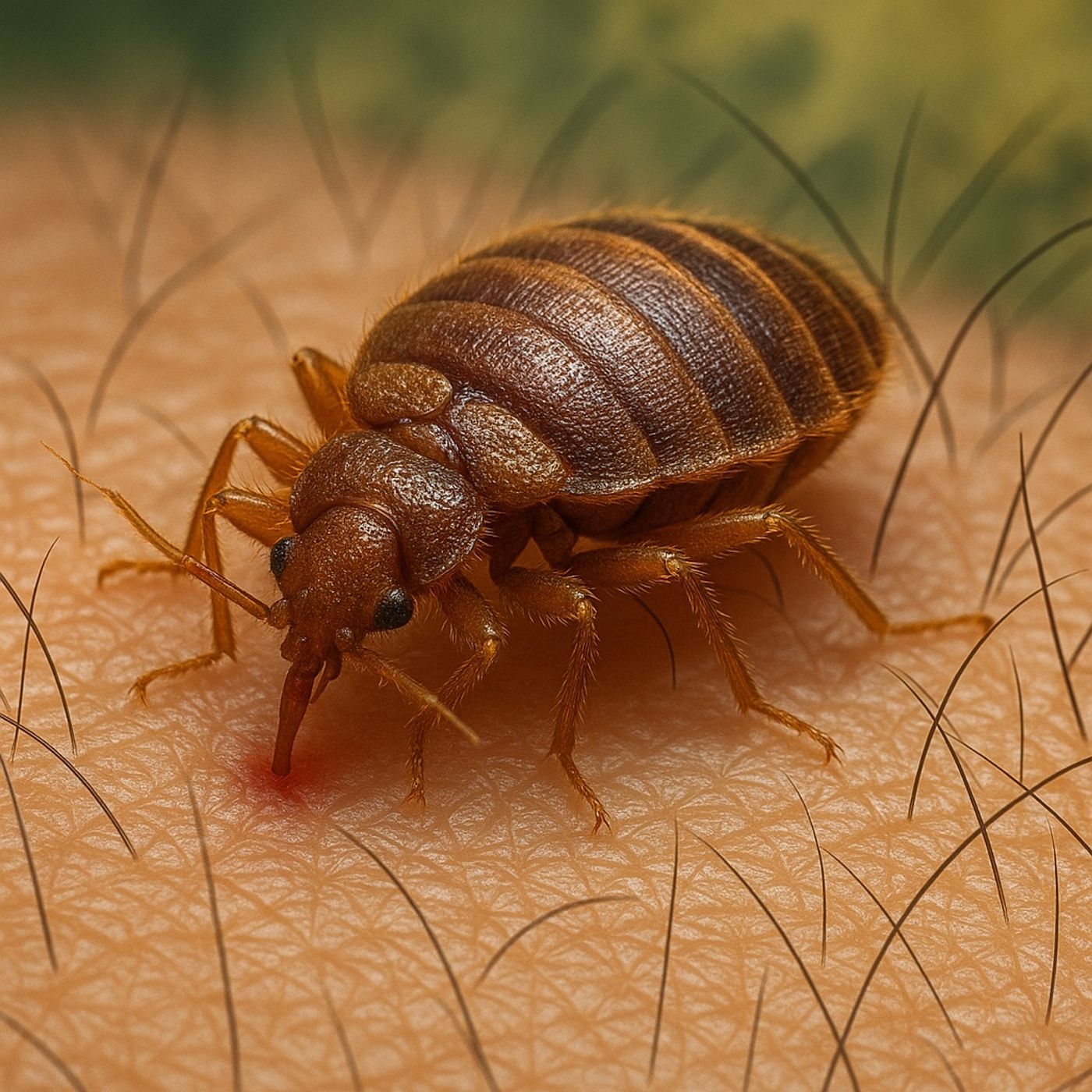
Provides an overview of bed bugs, focusing on their biology, evolution, and parasitic behavior. It explains their global prevalence in urban areas, ability to survive without feeding, and ancient evolutionary history. Key points include their blood-feeding mechanism (hematophagy), unique life cycle and mating strategy (traumatic insemination), and the negative impacts on humans, such as itching and psychological distress, despite not being disease vectors.
Produced by:
https://www.podcaistudio.com/
Strange Creatures and Conservation on Phillip Island
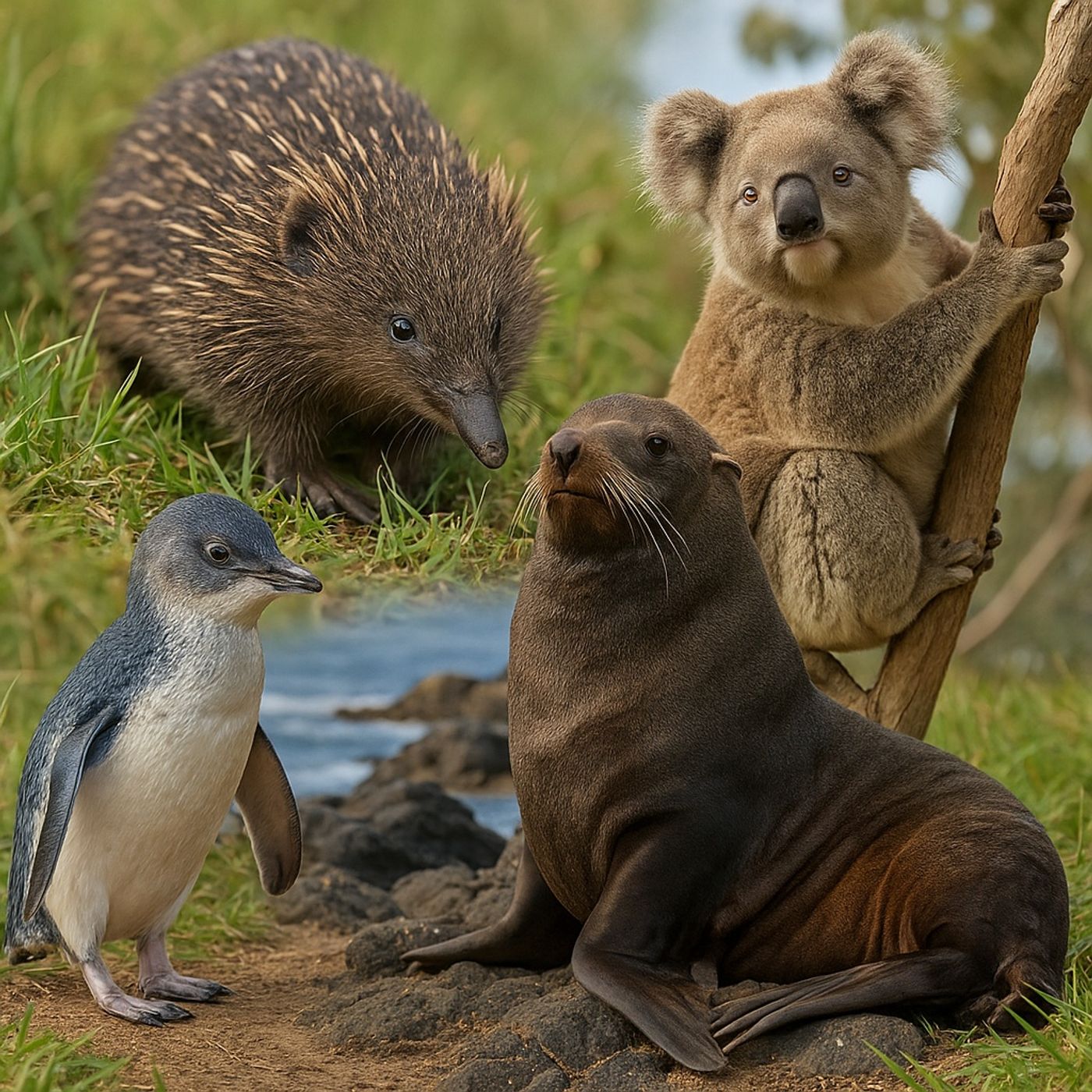
Provides an overview of Phillip Island’s wildlife and conservation efforts, highlighting iconic Australian species such as little penguins, Australian fur seals, echidnas, koalas, the urban-adapted white ibis, and the reintroduced Eastern barred bandicoot. It details behaviors, reproduction, and threats like climate change and human interference, emphasizing monitoring techniques such as drones and scat analysis to track seal populations and mitigate dangers like fishing gear entanglement. The segment showcases how targeted conservation programs have helped protect and restore vulnerable species on the island.
Produced by:...
The Unique World of Proboscis Monkeys
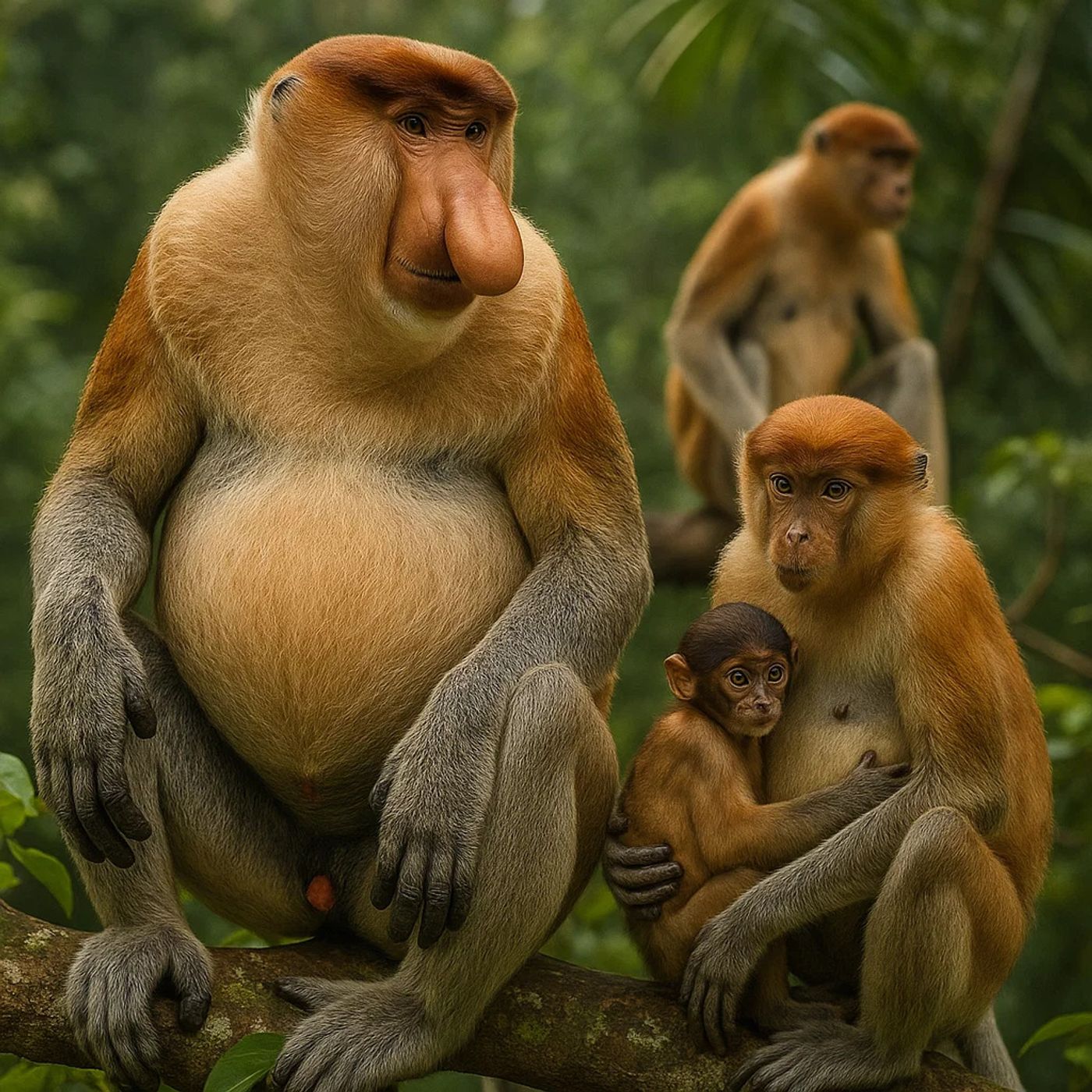
Provides an overview of the proboscis monkey, endemic to Borneo, highlighting distinctive traits like the male’s large nose, potbellies, and strong swimming ability. It describes their social structure, typically small troops led by a dominant male, and their leaf- and fruit-based diet. The text also emphasizes that the species is endangered due to habitat loss from logging and palm oil plantations, despite ongoing conservation efforts.
Produced by:
https://www.podcaistudio.com/
Helicoprion: The Buzz Saw Shark

Provides an overview of Helicoprion, an extinct shark-like fish from the Permian period (300–250 million years ago) that was roughly twice the size of a modern Great White. Its most notable feature is the tooth whirl, a spiral of razor-sharp teeth preserved far more often than its cartilage skeleton. The text explains that this tooth structure was located in the lower jaw and likely used to feed on soft-bodied prey such as squid, and notes that the unique teeth have led to the identification of three distinct Helicoprion species.
Livyatan: Miocene Megatooth Sperm Whale Predator
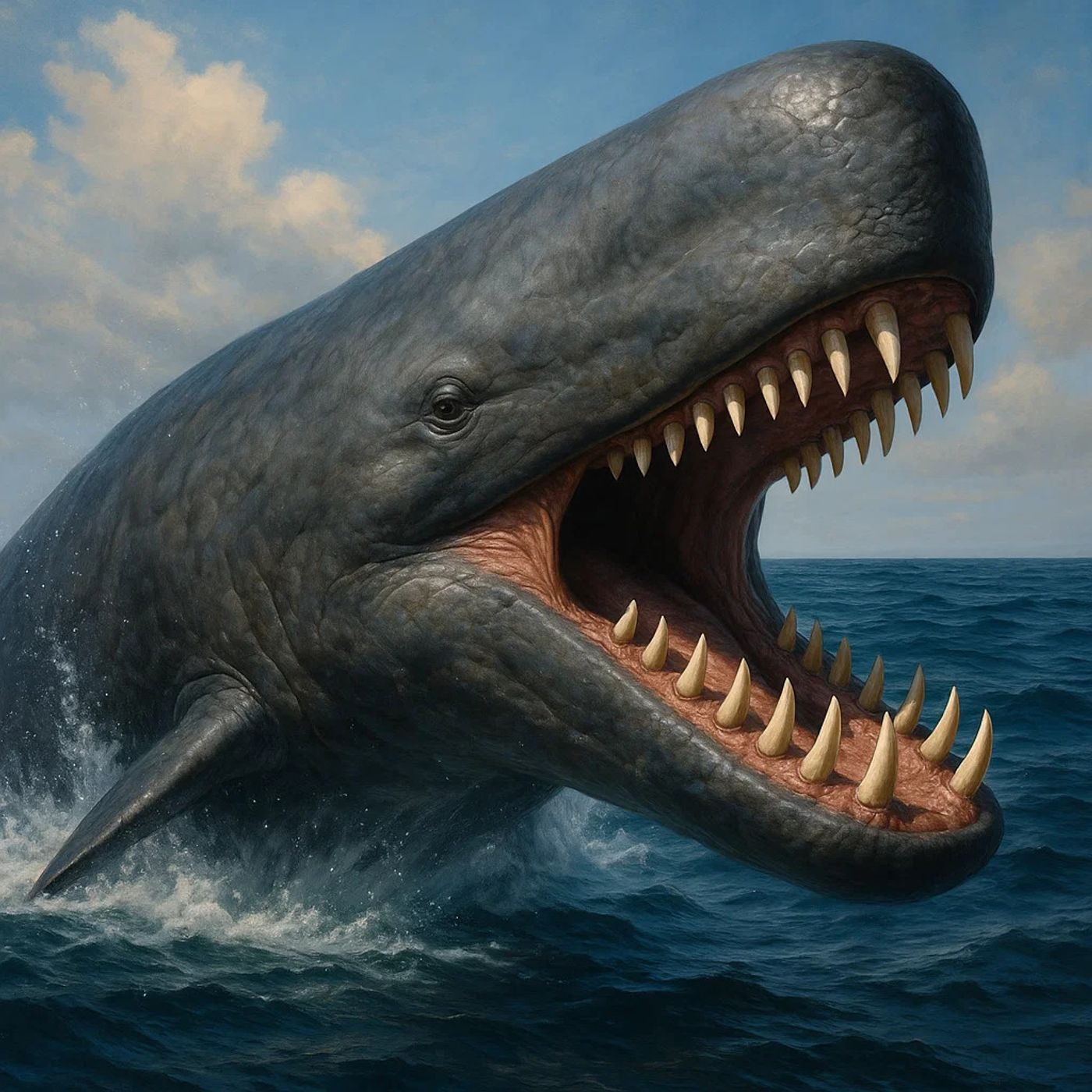
Describes Livyatan, an extinct Miocene sperm whale ancestor about 12 million years old, notable for its massive, deeply rooted teeth, the largest non-tusk teeth known. These teeth allowed it to act as a pursuit predator, hunting large prey, possibly including other whales. The text also covers the fossil’s naming history, initially called Leviathan melvili before being renamed Livyatan, and explains the origin of the “sperm whale” misnomer. Additionally, it notes that Livyatan likely had a spermaceti organ similar to modern sperm whales, used for echolocation or deep diving.
<...
The Shark Alignment Chart
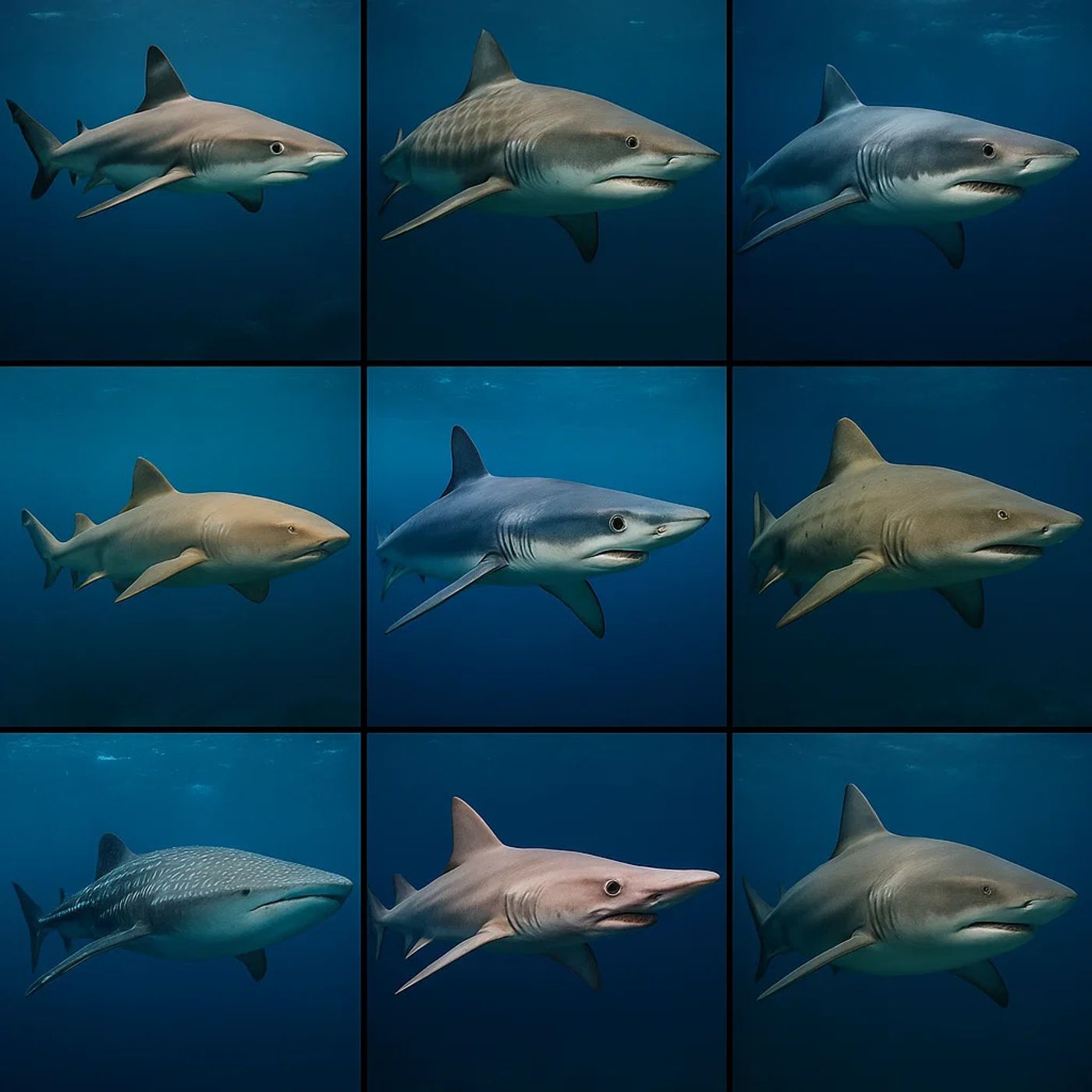
Classifies nine shark species using the Dungeons & Dragons alignment chart, linking each species’ behavior and ecological role to a personality type. For instance, the Blacktip Reef Shark is Lawful Good, the Tiger Shark is Lawful Neutral for its role in controlling populations like sea turtles, the Great White Shark is Lawful Evil as a methodical ocean predator, the Sand Tiger Shark is Chaotic Neutral due to intrauterine cannibalism, and the Bull Shark is Chaotic Evil. Other species, like the Goblin Shark, are Neutral Evil because of their solitary, self-serving deep-sea lifestyle. The transcript explains each shark’s size, diet, habi...
Slime Molds: Goop Organisms Outperform Humans
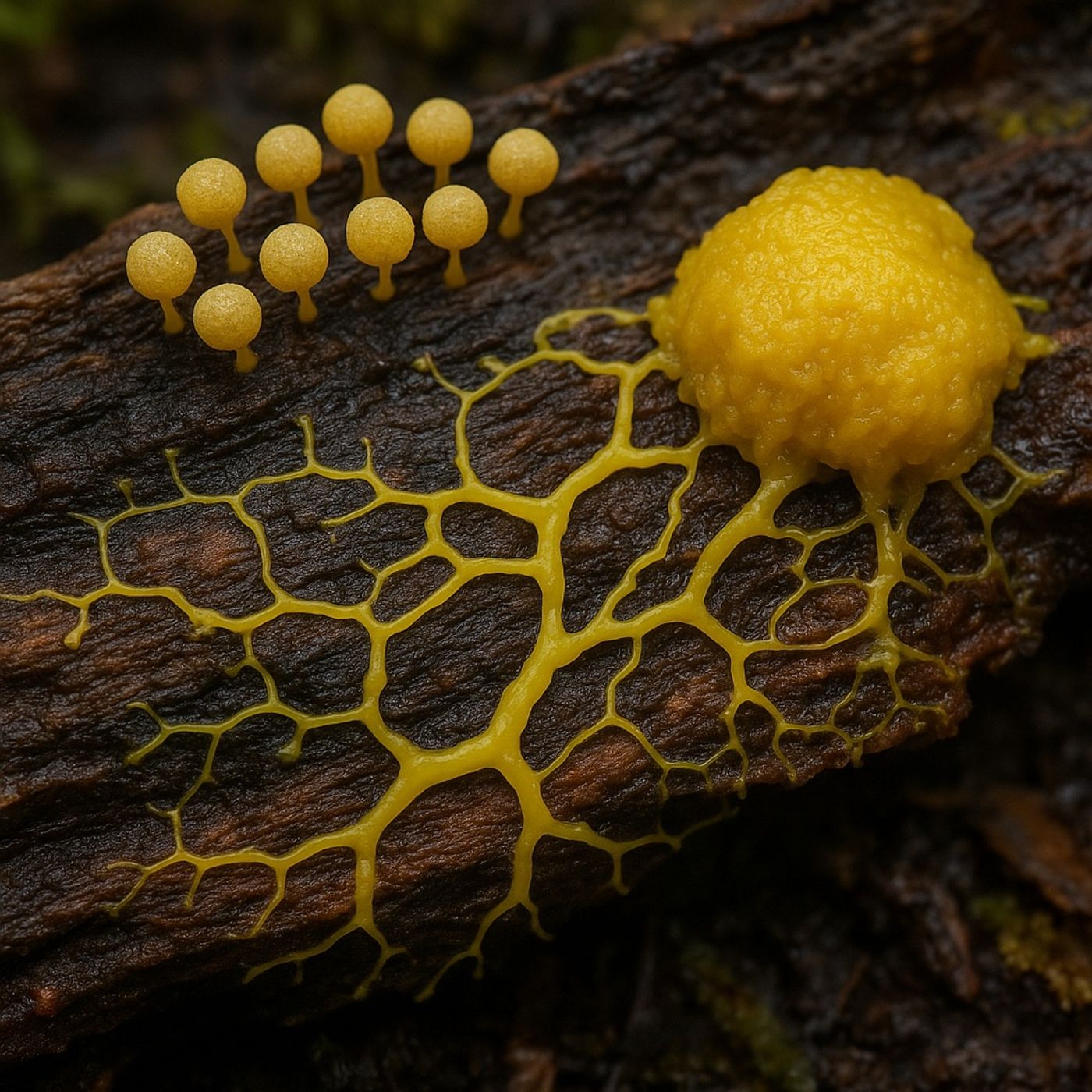
Explains slime molds, single-celled amoeboid organisms that are neither plants nor animals, yet exhibit surprising intelligence. It distinguishes cellular and plasmodial types, with plasmodia forming a single oozing unit capable of unique locomotion. Studies show slime molds can find efficient paths, anticipate challenges, and learn from experience, demonstrating remarkable problem-solving without a brain.
Produced by:
https://www.podcaistudio.com/
The Amazing Evolution of Animal Silk
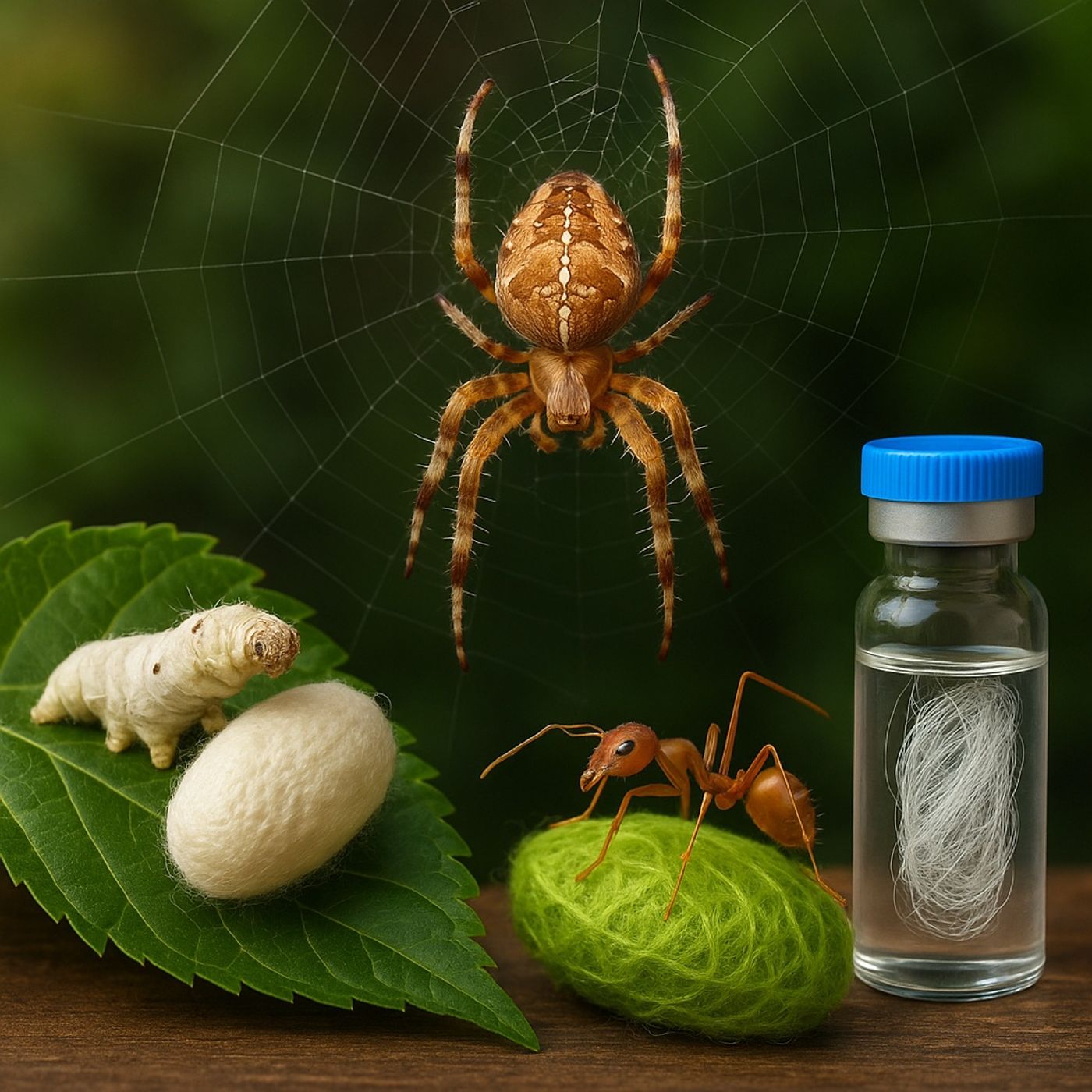
Examines silk production in animals, highlighting spiders’ strength, versatility, and engineering skills. Spider silk is used for webs, prey capture, ballooning, and decoy-building, with evolutionary adaptations observed from ancient species to modern urban spiders. The discussion also covers insect silk, including silkworms and weaver ants, and mentions genetically engineered "spider goats" that produce silk proteins for medical applications.
Produced by:
https://www.podcaistudio.com/
The Amazingly Weird Red-Lipped Batfish
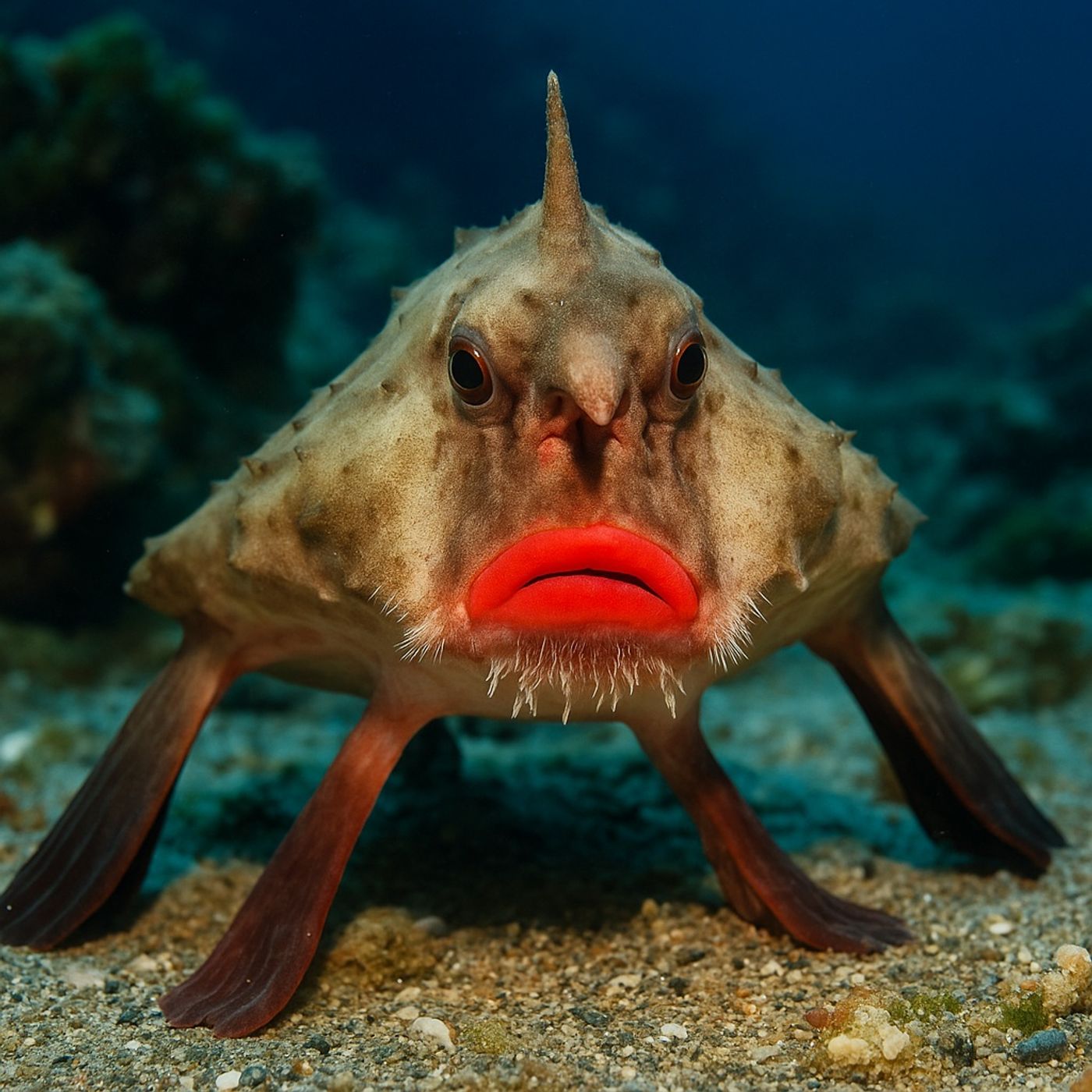
Explores the red-lipped batfish, a peculiar Galapagos species known for its bright red lips, leg-like fins, and beard-like projections. Its red lips likely aid in mate recognition in deep water, though how the fish perceives color remains uncertain. Related to anglerfish, it possesses a horn that may hide a bioluminescent lure for attracting prey. Despite its striking adaptations, the batfish is understudied, with many aspects of its behavior and evolution still mysterious.
Produced by:
https://www.podcaistudio.com/
The Science of Blue Animals
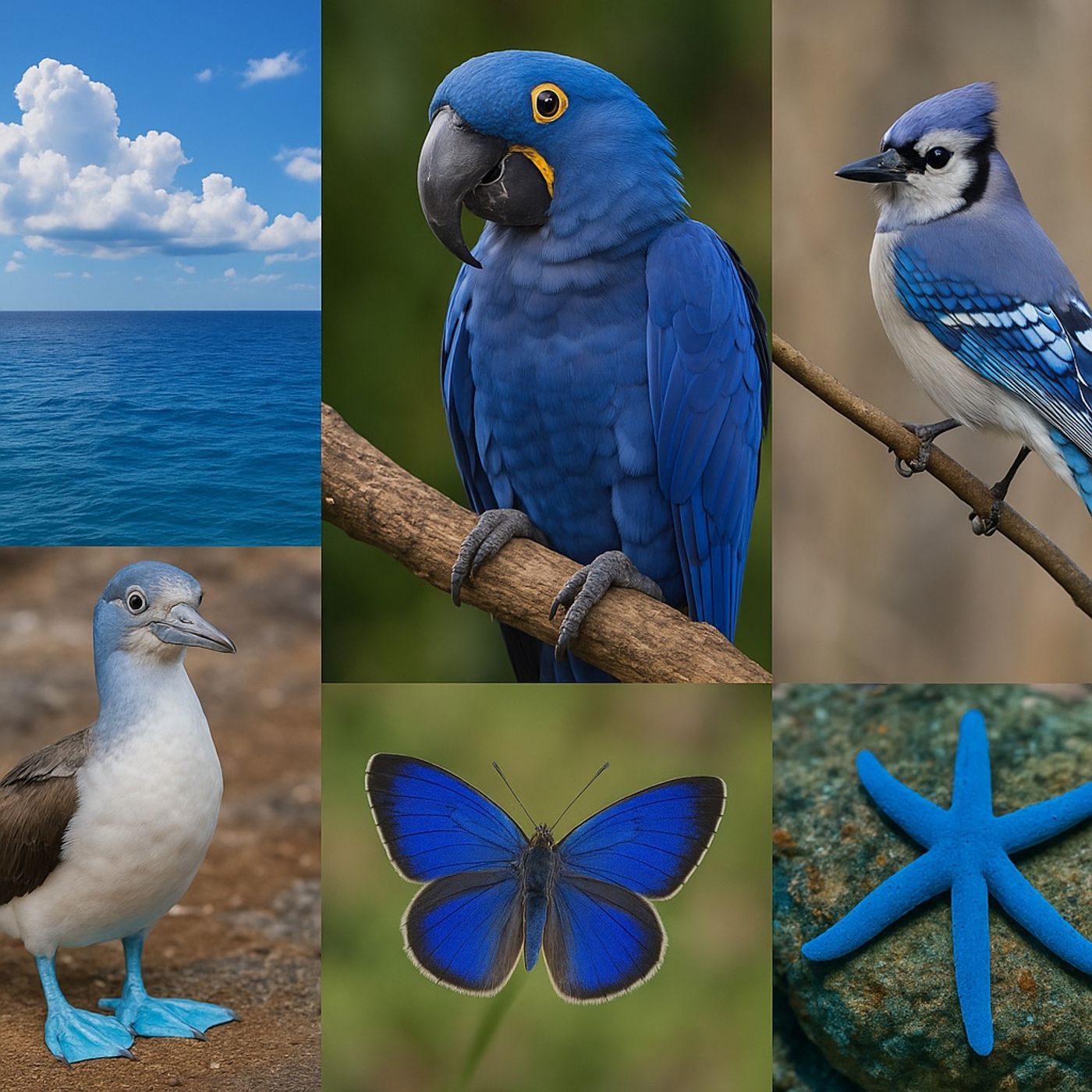
Examines why blue is rare in nature, noting that appearances of blue in the sky and water result from light scattering and absorption, not pigments. Many blue animals, like the Hyacinth Macaw and Blue Jay, achieve their color via structural coloration, where microscopic feather or scale structures manipulate light. Exceptions, such as the blue-footed booby and blue sea star, gain blue hues from dietary pigments or unique proteins, while the Ogyris olivewing butterfly uniquely produces a true blue pigment.
Produced by:
https://www.podcaistudio.com/
Pack Hunting: The Coordinated Strategy for Survival
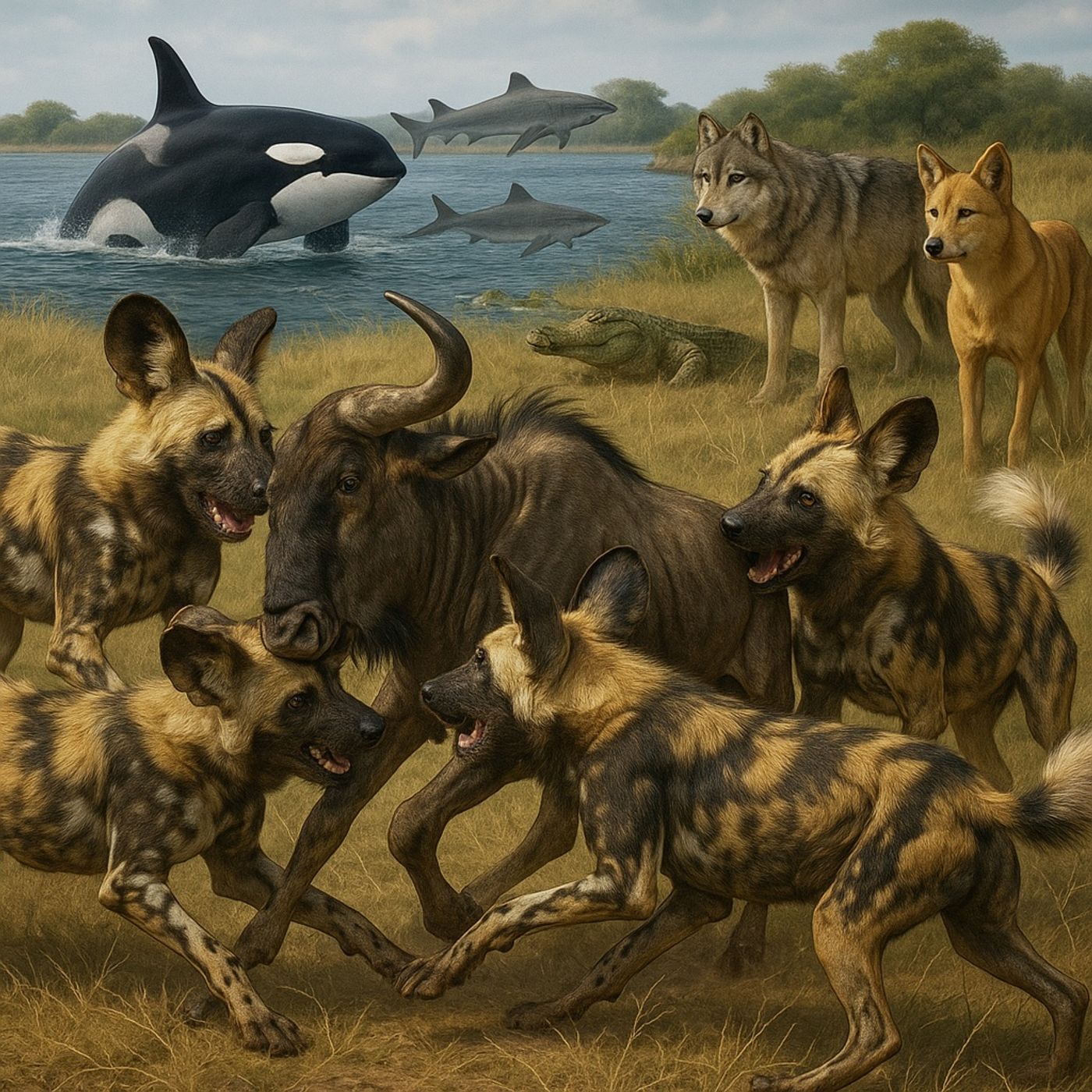
Examines pack hunting as a sophisticated cooperative strategy across the animal kingdom. It highlights canids like African wild dogs, wolves, and dingoes, noting that African wild dogs achieve an 85% hunting success rate. Examples of cooperative hunting extend to orcas, sharks, and sometimes solitary species like crocodiles, illustrating how environmental factors and prey type influence group hunting. The transcript also explores the idea that human intelligence may have evolved to support cooperative hunting, later facilitating the domestication of wolves.
Produced by:
https://www.podcaistudio.com/
The Mysterious South American Tayra
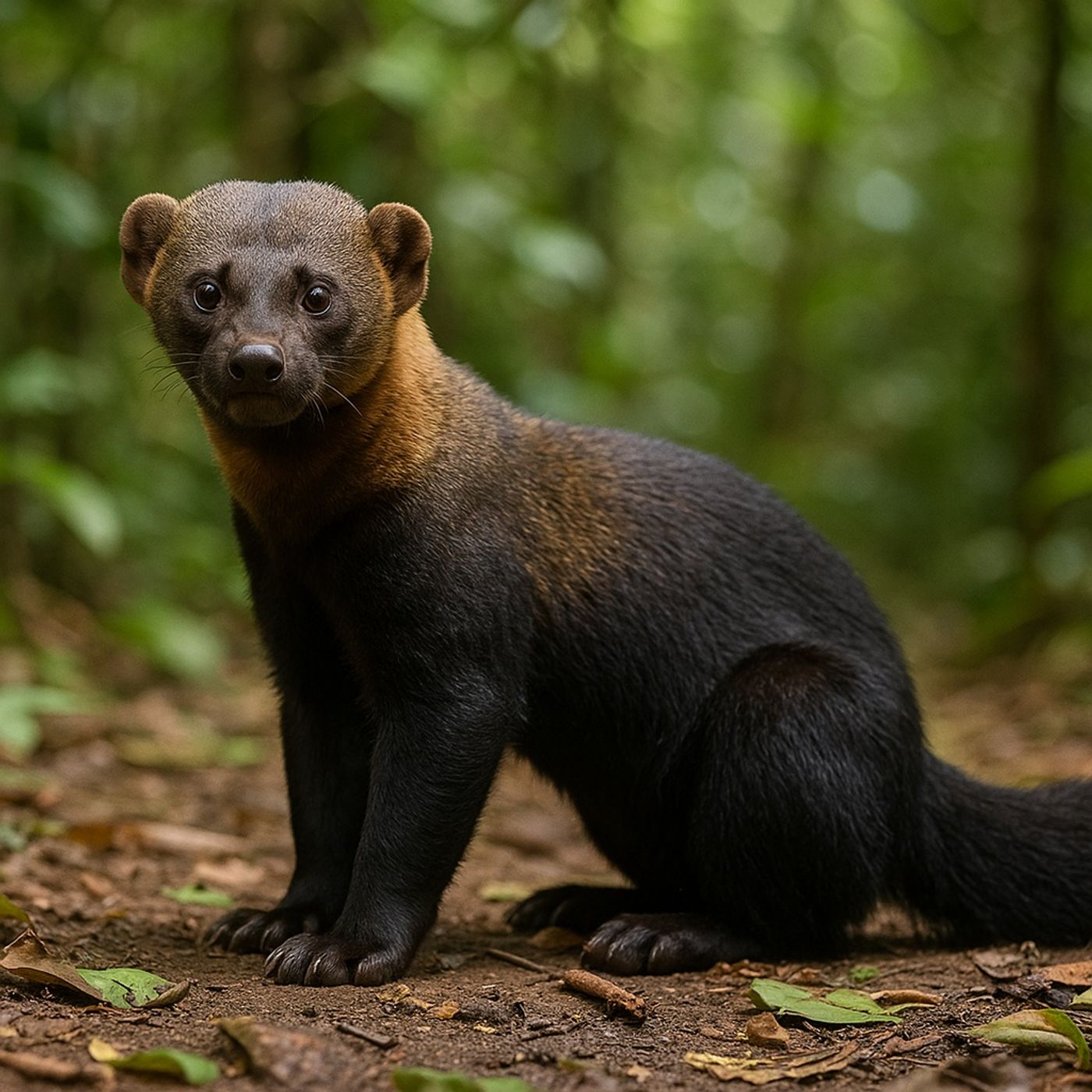
Examines the tayra, a semi-arboreal mammal from Latin America often nicknamed the "honey badger of the jungle." It notes that tayras are smaller than wolverines but share a similar appearance. While traditionally considered mostly frugivorous, feeding on fruits and nuts, evidence suggests they may be more omnivorous, occasionally hunting small animals like monkeys and deer. The transcript also recounts the production team’s unsuccessful attempt to film a live tayra in Colombia.
Produced by:
https://www.podcaistudio.com/
The Rare Ethiopian Wolf
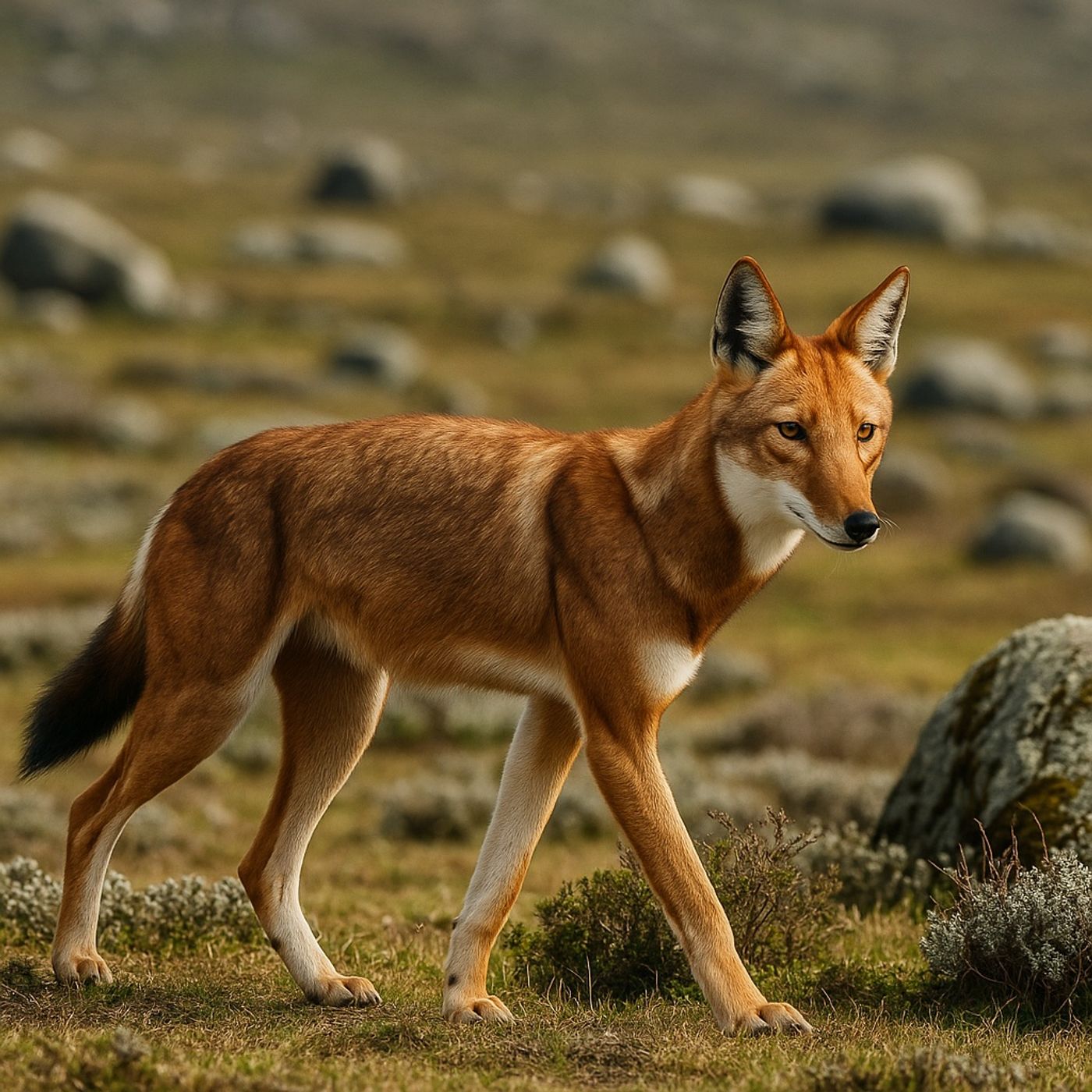
Examines the Ethiopian wolf, Africa’s rarest canid and most endangered carnivore, with fewer than 500 individuals left in the wild. It highlights the wolf’s unique appearance, resembling a fox or jackal, and notes that DNA evidence links it more closely to European wolves and North American coyotes than to other African canids. The species has adapted as a small-prey specialist, primarily hunting rodents like the bigheaded African mole rat. The transcript also outlines major threats, including habitat loss, human and dog conflict, and disease, while noting conservation measures such as vaccination programs and habitat restoration.
Thismia: The Parasitic Fairy Lantern Plant
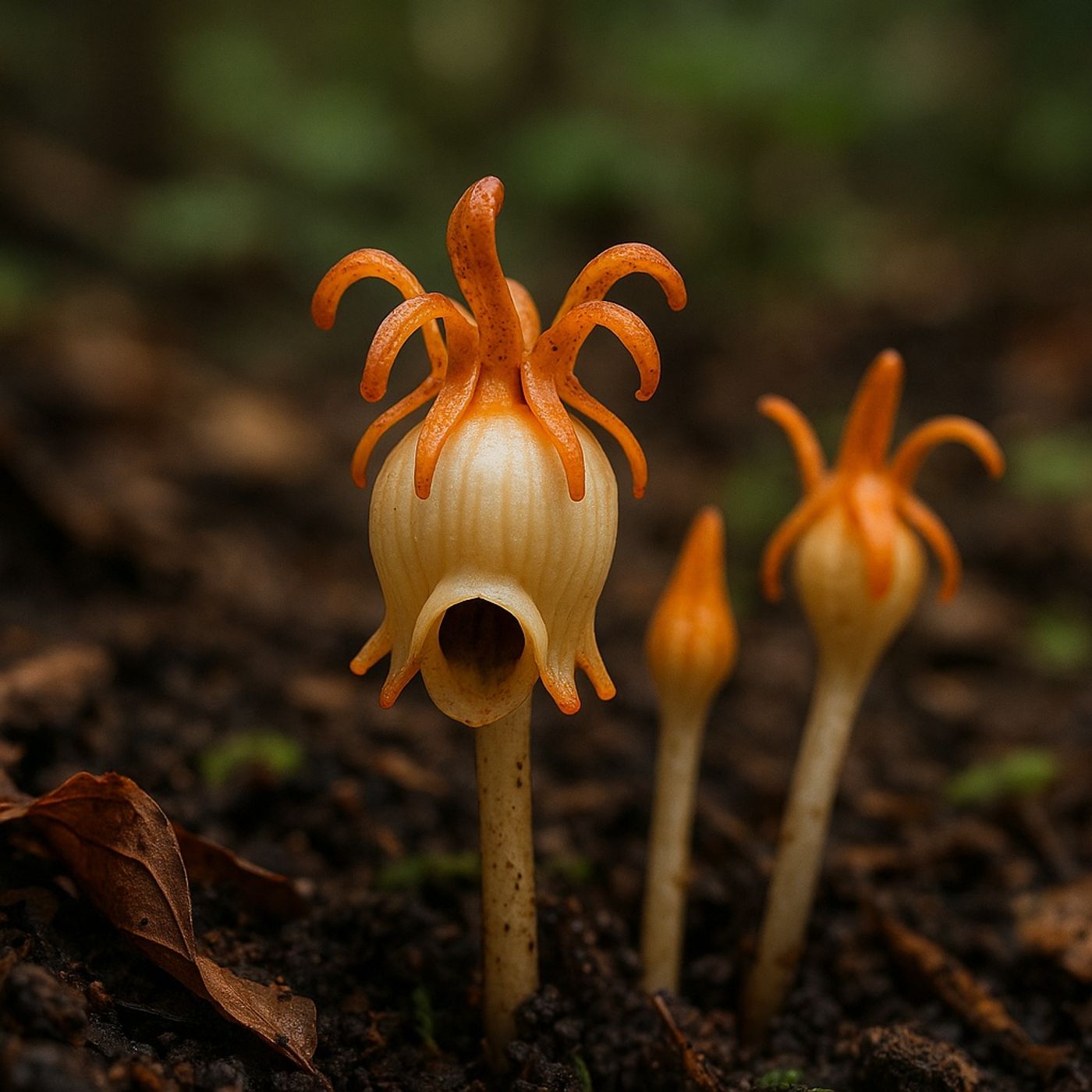
Examines the Thismia genus, a group of rare flowering plants often called "fairy lanterns." These plants are mycoheterotrophic, meaning they lack chlorophyll and rely entirely on parasitizing underground fungi connected to other plants for nutrients. Because they spend most of their life hidden underground and bloom only briefly, Thismia species are extremely elusive, resulting in frequent rediscoveries of species once thought extinct, such as Thismia kobensis and Thismia clavigera. The transcript also highlights the mystery of North America’s lone species, Thismia americana, which disappeared shortly after its 1912 discovery and has never been reliably observed again.
...
Matriarchy: Killer Queens of the Animal World
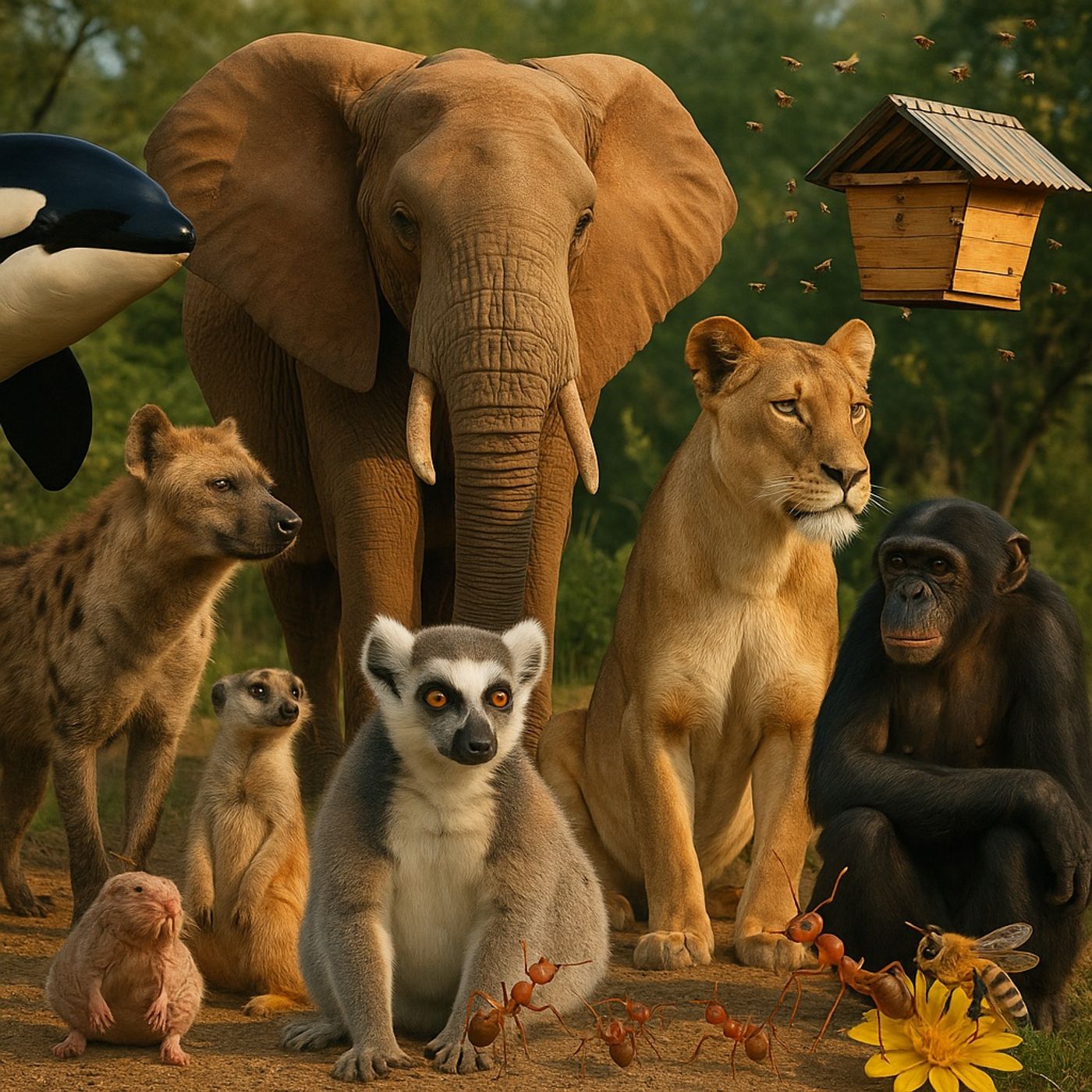
Examines female-led and matriarchal societies in the animal kingdom, highlighting how certain species organize around strong female leadership. It explains that in animals like elephants, orcas, spotted hyenas, lions, ring-tailed lemurs, and bonobos, females often hold dominant roles, making critical decisions for the group and benefiting social cohesion, survival, and resource management.
Explores eusocial systems in species such as meerkats, bees, ants, and naked mole-rats, where a single queen monopolizes reproduction while other members support the colony. Additionally, it mentions a conservation initiative using beehive fences in Tanzania to protect elephants, which simultaneously empowers local women...
Dholes: The Killer Whistlers of Asia
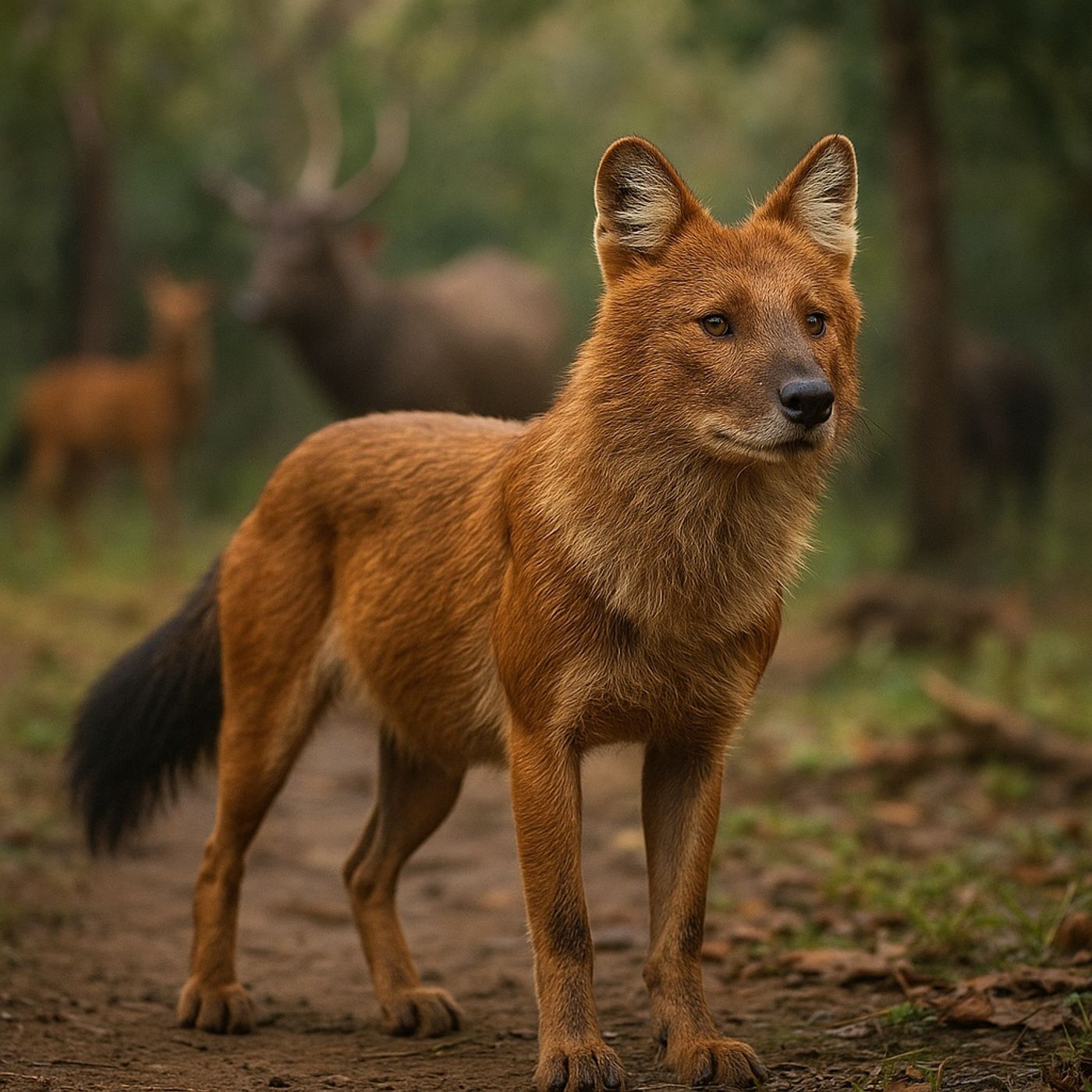
Provides an in-depth look at the dhole, a highly social and intelligent predator known for its exceptional teamwork and communication. It explains that dholes live in large clans of up to thirty members, using coordinated hunting tactics to take down prey much larger than themselves, such as deer and wild boar—and occasionally even juvenile elephants. The source highlights their unique whistling calls, which help them stay organized during hunts, earning them the nickname “killer whistlers.”
Explores the dhole’s tense coexistence with larger predators like tigers and leopards, which frequently steal their kills, and outlines how habi...
Winners and Losers of Anthropogenic Climate Change
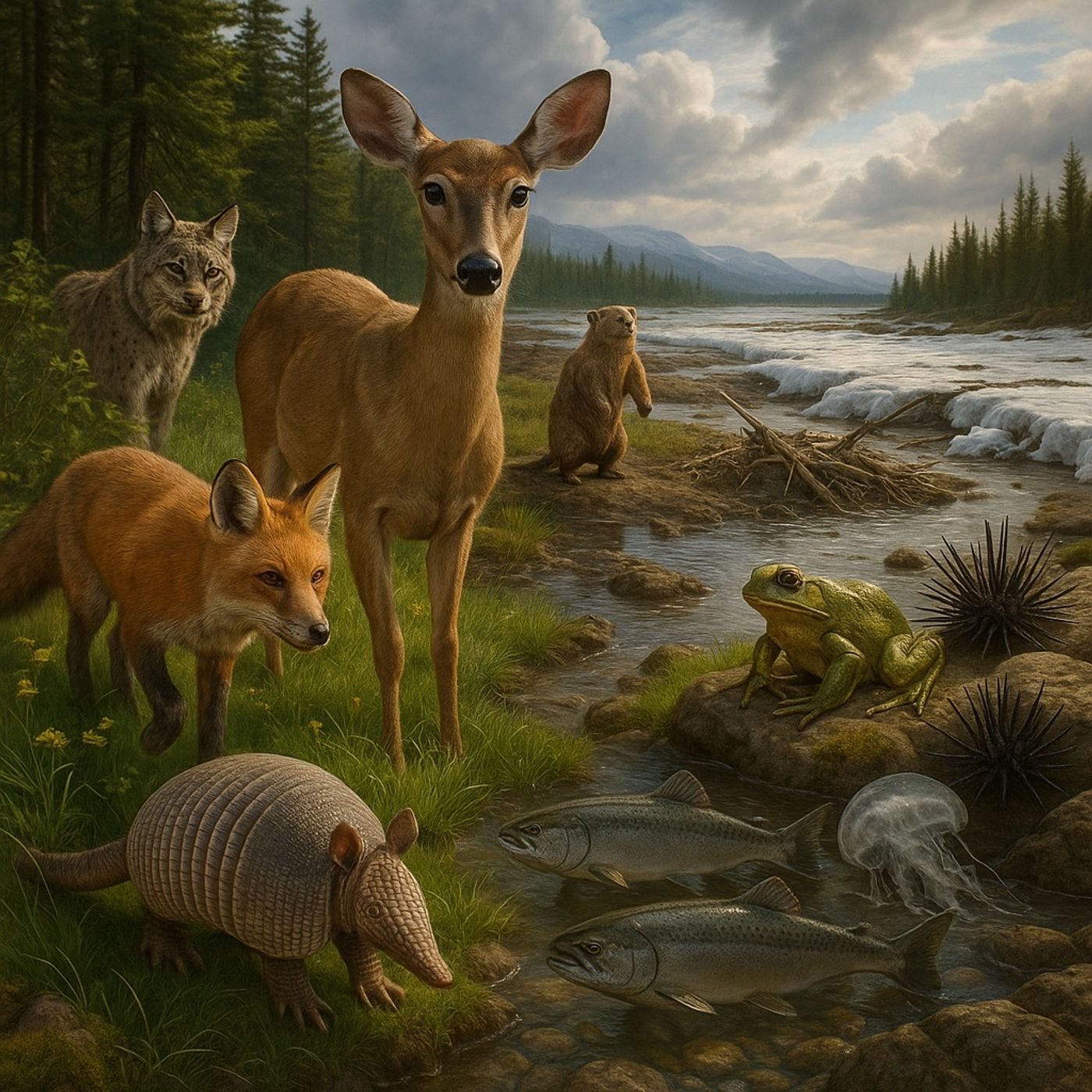
Provides an overview of how a small number of species are thriving amid climate change, even as most others struggle to survive. It explains that human-driven warming has enabled animals such as red foxes, white-tailed deer, beavers, Pacific salmon, nine-banded armadillos, bullfrogs, black sea urchins, jellyfish, and Canada lynxes to expand their habitats or increase in population. These changes, however, come with ecological side effects—for example, white-tailed deer spreading new diseases and beavers accelerating permafrost melt. While these species appear to benefit from shifting climates, the transcript stresses that their success is an exception within a broader environmental cr...
The Human Folly of Invasive Species
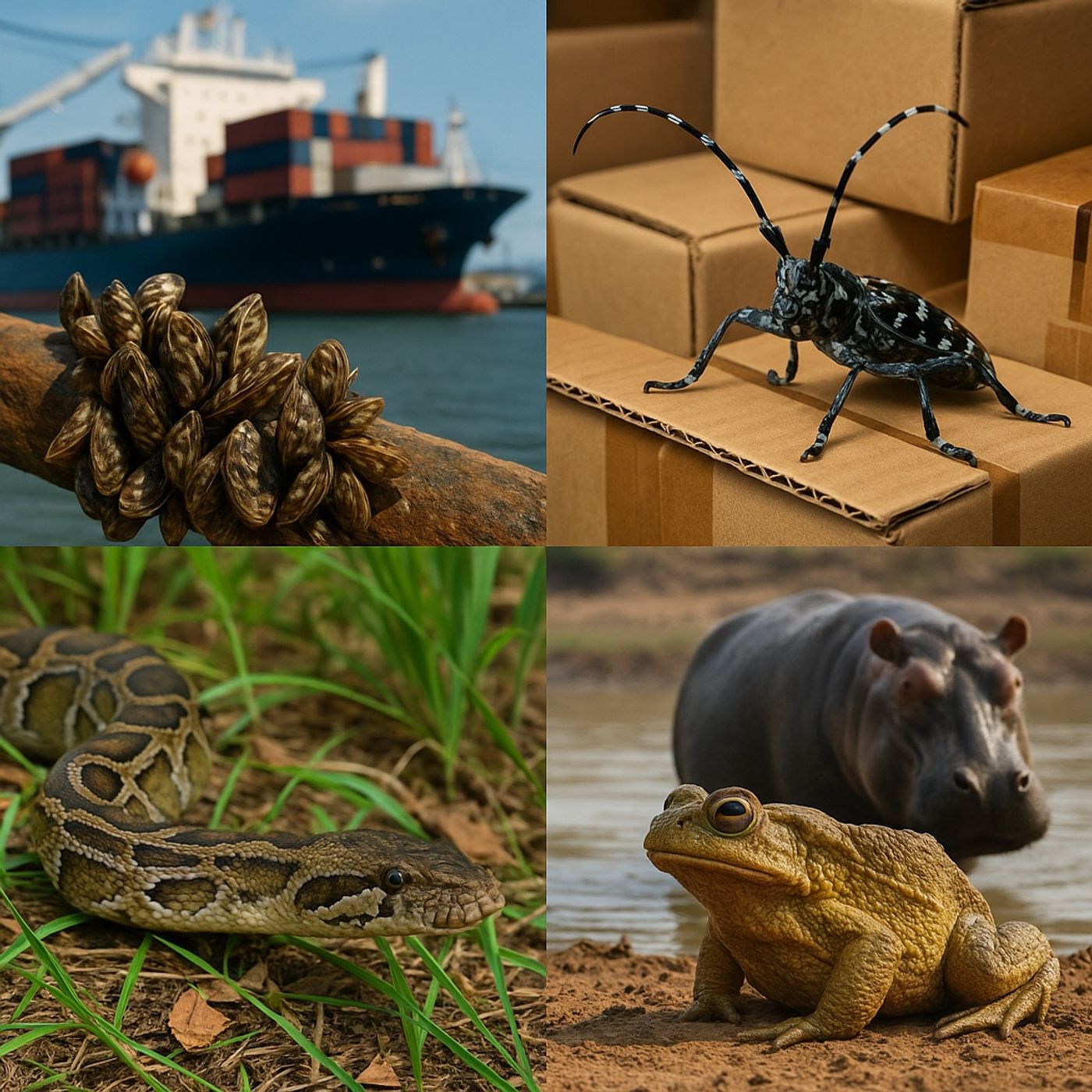
Provides an overview of the global issue of invasive species, emphasizing that their spread is primarily a result of human actions, whether accidental or intentional. It categorizes these invaders into three main types: stowaways, such as zebra mussels and Asian longhorn beetles transported via ships and cargo; accidental introductions, including Burmese pythons in Florida and Colombia’s so-called cocaine hippos; and intentional releases, like Australia’s cane toads, introduced with disastrous ecological consequences. The transcript also features a brief sponsorship segment promoting a news platform that supports research into environmental topics, such as the management of invasive Asian carp. Over...


