The Modern Shift Podcast

Welcome to The Modern Shift Podcast , the podcast where we break down the money secrets no one tells ! And Side hustle you can start and all about starting your financial journey , we will gives you a step-by-step path to finally feel in control of your Life
Tip Fatigue, Junk Fees, and Gratuity Law
This episode examine the complex and shifting global environment surrounding tips, gratuities, and service charges, driven largely by consumer frustration and regulatory pressure. In the United States, a rising phenomenon of "tip fatigue" is documented, primarily caused by the use of digital checkout tablets that prompt customers for tips in settings where they were not traditionally expected. Furthermore, new "junk fee" legislation is forcing U.S. restaurants to disclose all mandatory charges conspicuously, confirming that automatic gratuities—which the IRS classifies as taxable service charges—are legally required payments if disclosed. Internationally, legal bodies are also addressing the issue, as s...
H1B Holders: Investment Strategy, Day Trading, and US Tax
This episode provide a comprehensive look at the financial landscape and tax responsibilities for foreign nationals and new immigrants in the United States, with a specific focus on investment activities. Several sources address the legal constraints for H1B visa holders, confirming that while passive investment in the stock market is permissible, active day trading operates in a legal grey area because intensive trading could be misinterpreted as unauthorized full-time employment, jeopardizing visa status. This immigration uncertainty is juxtaposed with financial data showing that the vast majority of day traders are unprofitable, highlighting the economic risks associated with high-frequency...
Securing Housing and Financial Footholds for Immigrants
This episode examine the multifaceted challenges and available support systems related to housing and financial access for immigrants and newcomers, primarily in the United States and Canada. New arrivals in the U.S. frequently face difficulties renting or securing loans because of the required FICO credit score, a hurdle often overcome through large upfront payments, guarantor services, or informal rental arrangements. For homeownership, the market for ITIN mortgages is highly restricted by a lack of secondary market support, even though research suggests these loans perform reliably. Furthermore, sources highlight the importance of fair housing laws that protect non-citizens from...
Moving Finance: Global Taxes and Local Costs
This episode offer comprehensive guidance on the financial and logistical requirements associated with relocation, encompassing both domestic moves and complex international transitions. Several articles advise individuals moving out for the first time to prioritize income stability and save an initial cushion, ideally securing enough funds to cover six months of living expenses in addition to upfront costs like rental deposits and non-refundable move-in fees. For international moves, the literature focuses heavily on the severe complications of cross-border taxation, emphasizing the importance of understanding jurisdiction-specific rules like US reporting requirements for foreign assets and navigating complex provisions designed to prevent...
Global Labor Migration and Human Capital Dynamics
The sources provide a comprehensive overview of the H-1B non-immigrant visa program in the United States, detailing its eligibility requirements, application processes including the electronic registration and lottery, and historical context with subsequent legislative changes. A second source focuses on strategies for international students to settle abroad after graduation, comparing post-study work and permanent residency pathways across countries like the USA, Canada, and Australia, while emphasizing the value of STEM fields and advanced AI coursework for career and immigration success. The final, partial source introduces the topic of salary negotiation challenges faced specifically by immigrants. Together, the texts...
Essential Guidance for New Immigrants and Expats
This episode is a comprehensive guide from USCIS aimed at new immigrants, providing extensive information on settling in the United States, including sections on securing housing, finding employment, understanding U.S. education and healthcare, managing personal finances and taxes, and maintaining permanent resident status. This guide also details the structure of U.S. government and the process of naturalization to become a U.S. citizen. The other two sources are brief excerpts from International AutoSource materials, specifically advertising special offers for expats related to buying or leasing a car without a credit history. Collectively, the documents focus on providing...
Business Credit, EIN, ITIN, and Immigrant Finances
This episode offer a comprehensive guide to tax identification numbers in the United States—specifically the SSN (Social Security Number), ITIN (Individual Taxpayer Identification Number), and EIN (Employer Identification Number)—detailing their purpose, who is eligible, and how to apply for them. They emphasize that non-citizens and foreign residents can establish legal business entities like an LLC and engage in self-employment or business activities using an ITIN or EIN. Furthermore, the documents provide practical advice on building business credit, stressing that while vendors and trade lines can help establish a credit profile, securing loans often requires lenders to assess the...
ITIN Mortgage Lending Guidelines and Lenders
This episode comprises two different sets of guidelines for Individual Taxpayer Identification Number (ITIN) loan programs, specifically offering alternative documentation options for borrowers. The majority of the text consists of an excerpt from Community Savings' "Community ITIN Underwriting Guidelines," which provides an extensive framework detailing requirements for program eligibility, borrower eligibility, credit history, asset documentation, income analysis, and property eligibility, often referencing Fannie Mae guidelines when its own rules are not explicitly stated. This detailed guide also includes numerous exhibits, such as occupancy and ability-to-repay certifications, to standardize the application process. In contrast, the second source, a brief excerpt...
Financial Guide for New Immigrants in the US
This episode provide a comprehensive guide to the financial landscape and potential pitfalls for new immigrants and foreign workers in the U.S. and abroad. The information focuses heavily on establishing a stable financial foundation through effective budgeting, avoiding common mistakes like underestimating the cost of living, and managing remittances responsibly. A significant portion of the text addresses credit building strategies, such as using secured cards and understanding the factors that affect one's credit score, which is crucial for long-term success. Furthermore, the documents examine complex topics like U.S. tax obligations for non-citizens, including estimated quarterly payments and...
F-1 Student Visa Employment and Authorization Guide
This episode explain that F-1 student visa holders are strictly prohibited from unauthorized work in the U.S., including independent contractor or "gig economy" jobs like driving for Uber or DoorDash, regardless of whether they receive a W-2 or 1099 tax form. Engaging in unauthorized employment is a deportable offense that can lead to visa termination, bars on future re-entry, and jeopardizes eligibility for benefits like green cards. Legal off-campus employment options for F-1 students are limited to highly regulated programs: Curricular Practical Training (CPT), which is tied to the student's curriculum and a specific employer, and Optional Practical Training...
Nonresident Alien US Tax Compliance and Treaties
This episode offers a comprehensive guide to U.S. tax obligations for international students, particularly those on F-1, J-1, or M-1 visas, emphasizing the critical distinction between resident and nonresident alien tax status. The Internal Revenue Service (IRS) guidance and an educational institution resource clarify that students in F visa status for five calendar years or less are typically considered nonresident aliens, exempting them from FICA taxes (Social Security and Medicare) and restricting their taxable income to U.S. sources. A YouTube transcript featuring a tax software specialist and a tax professional blog stress the importance of filing the...
Credit Inquiries: Hard Pulls and Score Protection

This episode deliver extensive consumer education focusing on the impact of credit inquiries, which are categorized into two types based on their effect on credit scores. They clarify that soft inquiries, resulting from activities like personal credit checks or pre-approved credit offers, do not negatively influence a consumer’s score. Conversely, hard inquiries, which occur when actively applying for a loan or credit card, generally result in a minor, temporary score reduction, often described as five points or less. To encourage prudent consumer behavior, credit scoring models like FICO implement special provisions that cluster multiple inquiries for rate shopping on...
Credit Card Strategies and Financial Guidance
The provided sources offer extensive advice on credit cards and personal finance management, focusing heavily on optimizing reward programs and avoiding costly mistakes. Multiple texts from financial publishers and institutions, such as Bankrate and Scotiabank, emphasize the importance of responsible credit use, specifically advising against late payments, carrying a balance, and overspending. A major theme is the strategic use of credit cards to maximize rewards, with detailed discussions on high sign-up bonuses, the value of points versus cash back, and the practice of "churning" new cards to accumulate travel points quickly, particularly for those with high business expenses or...
Optimizing International Money Transfers and Remittance Costs
This episode offer an extensive analysis of the international money transfer industry, primarily contrasting traditional banks with online money transfer service providers (MTOs). One source highlights that banks use the costly SWIFT network, charging multiple fees and less favorable exchange rates, whereas MTOs like Wise utilize clever local account networks to offer faster, cheaper, and more transparent transactions by avoiding the SWIFT system. Complementing this, the World Bank's Remittance Prices Worldwide report monitors global remittance costs across different service provider types and regions, confirming that banks are the most expensive service providers, averaging 14.55 percent, compared to lower costs for...
US Banking for Non-Residents: ITIN and Account Requirements
This episode focus on the requirements for non-U.S. residents and foreigners to open both personal and business bank accounts in the United States, particularly when lacking a Social Security Number (SSN). The sources repeatedly emphasize that the Individual Taxpayer Identification Number (ITIN), issued by the IRS for tax purposes, is often an acceptable alternative for identity verification at major banks like Chase, Bank of America, and Wells Fargo, though a physical U.S. residential address is frequently required for personal accounts. One source from the IRS explains the precise application process for an ITIN, detailing the necessary forms...
Immigrant Auto Buying and Financial Protection

This episode offer comprehensive advice and warnings regarding auto financing and consumer protection, specifically focusing on immigrant populations in the United States. Several sources provide step-by-step guides for car buying, including how to obtain a driver's license, secure loans from immigrant-friendly lenders, and acquire auto insurance, noting the common challenges faced by non-citizens. Other materials detail the predatory lending practices within the auto industry, such as the discriminatory dealer markups disproportionately affecting Latino consumers, and the harmful "yo-yo financing" tactic that misrepresents a deal's finality. Furthermore, official government documents and consumer advocacy groups offer detailed tips for avoiding scams...
US-Canada Cross-Border Retirement and Tax Planning
This episode provide a detailed cross-border comparison of retirement savings vehicles in Canada and the United States, focusing heavily on tax implications for dual citizens and expats. Key Canadian accounts examined are the Registered Retirement Savings Plan (RRSP) and the Tax-Free Savings Account (TFSA), which are directly compared to American counterparts like the Traditional and Roth IRAs and the 401(k). The information highlights that while both countries offer similar tax-deferred growth accounts, the Canadian system is generally considered more generous and complex tax-treaty elections are required for U.S. persons holding Canadian plans, especially the TFSA, which the IRS...
Federal and State Tax Credits for Families and Individuals
The provided sources offer a comprehensive overview of several major U.S. federal tax credits and deductions relevant to individual filers for the 2025 tax year, often referencing changes from the prior year. Specifically, the material explains the significant features of the 2025 Adoption Tax Credit, detailing its increased nonrefundable amount, partial refundability, income phase-outs, and eligible expenses, alongside mentioning various state-level adoption tax benefits. The IRS-related documents clarify the difference between tax credits (which reduce tax owed) and deductions (which reduce taxable income), emphasizing the benefits of refundable credits like the Earned Income Tax Credit (EITC), with one source providing 2025...
Immigrant Financial Inclusion and Credit Building

The sources collectively address financial literacy and access for immigrants and others new to the U.S. financial system, focusing primarily on the concepts of credit building, debt traps, and the difference between credit and debit cards. Several texts, including a Reddit thread, attempt to simplify complex accounting principles like debits and credits, highlighting the general confusion surrounding these terms. A significant portion of the material, including content from Experian and Neighborhood Trust FCU, emphasizes the challenges faced by immigrants who are often "credit invisible" and details practical steps for establishing a financial identity, such as obtaining an Individual...
Financial Inclusion and Credit Access for Immigrants
This episode offer a comprehensive overview of the financial challenges and opportunities for immigrants in the U.S., focusing heavily on building a secure financial foundation and accessing major loans. Several articles stress the importance of understanding basic financial tools like debit and credit cards for managing money responsibly, avoiding debt traps, and eventually establishing a credit history, often pointing to community banks and credit unions as beneficial resources for newcomers. A major research piece from the Urban Institute investigates the systemic barriers, particularly the lack of mainstream mortgage financing for Individual Tax Identification Number (ITIN) holders, who are...
Gross Pay, Net Pay, and Wage Protection Laws
This episode focus extensively on the mechanics of employee compensation, differentiating between gross pay (total earnings before deductions) and net pay (take-home wages after deductions). Multiple texts explain the importance of pay stubs as records detailing income, mandatory withholdings like FICA (Social Security and Medicare taxes) and income tax, and voluntary contributions for benefits like retirement. A significant theme across the sources is the issue of wage theft, which occurs when employers illegally short paychecks through practices like withholding overtime, making unauthorized deductions, or misclassifying employees as independent contractors to avoid tax and benefit obligations. The texts also advise...
Immigrant Credit Building in the United States

This episode provide comprehensive information on building and managing credit in the U.S., particularly for new immigrants and individuals without a Social Security Number (SSN). They explain that foreign credit histories do not transfer, making it essential to establish a domestic credit profile. Various strategies are detailed, including obtaining a credit builder loan, applying for a secured credit card, or becoming an authorized user on an established account. Furthermore, the texts discuss the Individual Taxpayer Identification Number (ITIN) as a viable alternative to an SSN for accessing many financial products, although two of the three major credit bureaus...
US Canada Retirement Planning Tax Traps
This episode provide a detailed overview of the complexities surrounding retirement savings plans for individuals moving between the United States and Canada, primarily focusing on the U.S. 401(k) and the Canadian Registered Retirement Savings Plan (RRSP). The documents explain the tax implications and residency requirements for foreign nationals working in the U.S. who contribute to a 401(k), including the withholding taxes and penalties associated with early withdrawals, particularly for resident versus nonresident aliens. Furthermore, the texts explore cross-border planning strategies, discussing whether to keep a U.S. plan or transfer it to a Canadian RRSP/RRIF, noting...
Cryptocurrency and Stablecoin Remittances: Costs, Efficiency, and Global Impact

This Episode examine the rapidly evolving landscape of international money transfers, specifically comparing traditional wire transfers with cryptocurrency and stablecoin remittances. Multiple documents from sources like Bankrate and the World Bank highlight the traditional system's high costs—averaging around 6.5% globally—and slow processing times, noting that blockchain-based solutions offer significantly lower fees (often 1–3%) and near-instant settlement. Sources emphasize that cryptocurrency promotes financial inclusion by providing access to the unbanked, who only require internet access and a digital wallet, while traditional wire transfers often require bank accounts. Although crypto is framed as a transformative, faster, and cheaper alternative, especially through the us...
Opening a Business as an Immigrant (LLC & Taxes 101)
This Epispde offer comprehensive guidance on immigrant entrepreneurship, particularly focusing on the U.S. and Canadian contexts, as well as the challenges faced in places like Dublin. Several documents from Immigrants Rising explain how non-citizens, regardless of legal status, can work as independent contractors or start businesses in the U.S. using an Individual Taxpayer Identification Number (ITIN) or an Employer Identification Number (EIN), outlining the required forms (W-9, 1099, 1040) and tax liabilities. Other sources detail U.S. business structures like LLCs and corporations, noting that status does not preclude formation, though recent Small Business Administration (SBA) policies, effective mid-2025...
Student Visa Life: Surviving on a Budget
This Episode the significant financial and legal challenges faced by international students globally, focusing heavily on strategies for cost management and risk mitigation. One source specifically details the vulnerability of international students to various scams, including phishing and recruitment fraud, and offers preventative advice using the "S.C.A.M." method. Another source provides a comprehensive guide to navigating the difficult and costly housing market in Canada, outlining rental options, average costs in major cities, and tenant rights while also warning against common rental scams. The remaining documents primarily focus on mitigating the high cost of living by recommending...
Best Cities for Immigrants to Save Money in 2025
This Episode discuss global migration and urban economic dynamics, focusing on both developed and developing regions, and the specific challenges faced by immigrants. One source details a rigorous methodology for creating city-level indices for cost of living, wages, and purchasing power for both expatriates and ordinary residents, highlighting the limitations of existing commercial reports and the need for accurate data in a globally interconnected world. Another source emphasizes the economic benefits of immigrant integration in U.S. cities, arguing that policies supporting immigrants lead to greater local prosperity. Furthermore, one report focuses specifically on the financial exclusion of migrants...
Multiple Income Streams, Zero Tax Surprises: Your W-4 and Side Hustle Roadmap
This Episode provide a comprehensive overview of U.S. federal income tax obligations, primarily focusing on estimated tax for individuals and withholding for various income types. The IRS documents, specifically excerpts from Form 1040-ES and Publication 505, detail who must pay estimated taxes on income not subject to withholding—such as self-employment earnings and gig work—and offer instructions on calculating these payments, including updated standard deduction amounts for 2025. Other sources, including articles from a tax center, a law firm, and a financial services company, further explain the complexities of managing taxes for multiple jobs and self-employment, emphasizing the need for...
Gross vs. Net: Why Your Paycheck is SO Much Smaller and the Critical US vs. Canada Retirement Showdown

This Episode offer a comprehensive look at pay stubs and the payroll deductions common in both the United States and Canada, emphasizing the importance of understanding these documents for personal finance. Several articles define a pay stub as a summary detailing an employee's gross income, deductions (taxes and benefits), and final net pay or take-home amount. Key deductions explained for the U.S. include Federal Income Tax and FICA taxes (Social Security and Medicare), while Canadian sources focus on Federal and Provincial Income Tax, CPP (Canada Pension Plan), and EI (Employment Insurance) contributions. Crucially, the documents highlight the role...
How to Get a Phone Plan with No Credit and Build Your Financial Future with Prepaid Power

These sources collectively focus on the challenges and solutions for individuals with limited or poor credit history seeking essential services like cell phone plans and traditional credit products. Several articles recommend various Mobile Virtual Network Operators (MVNOs) such as Tello, Visible, and US Mobile, which offer prepaid plans that circumvent the need for a credit check, contrasting them with postpaid plans from major carriers that typically require credit screening and sometimes security deposits. The sources also discuss the concept of alternative data, like utility and telecommunications payments, which can be used by services like Experian Boost and UltraFICO to...
The Digital Blueprint for Immigrant Success: AI Jobs, Nova Credit, and the Apps to Master U.S. Finance and Culture
This Episode provides extensive information on various digital tools and services designed to support immigrants and newcomers in the United States. Specifically, the texts cover the best employment apps and websites that offer job search assistance, resume building, and translation services, highlighting resources like Equity Languages & Employment Services and Upwardly Global. Other sources focus on essential financial apps and services tailored to immigrants, such as Nova Credit for cross-border credit history and Finhabits for investing, as well as crucial language learning and translation apps like Duolingo and Google Translate. Finally, several apps like FindHello are mentioned for helping immigrants...
Immigrant Financial Defense: Stop Scams and Predatory Loans from Stealing Your American Dream
This Episode provide comprehensive warnings and guidance regarding the numerous scams and financial pitfalls that target immigrants and newcomers in countries like the U.S. and Canada. Several sources focus heavily on immigration scams, particularly the deceitful practice of notarios públicos claiming to be qualified legal counsel when they are not, and the prevalence of fake government websites or job offers requiring upfront payment. Others highlight general financial risks, such as underestimating the cost of living, over-relying on high-interest credit, and neglecting essential needs like health insurance. The materials emphasize the importance of reporting fraud to agencies like t...
Canada vs. US Tax Showdown: Why the Higher Marginal Rate in Canada Can Still Mean More Money in Your Pocket
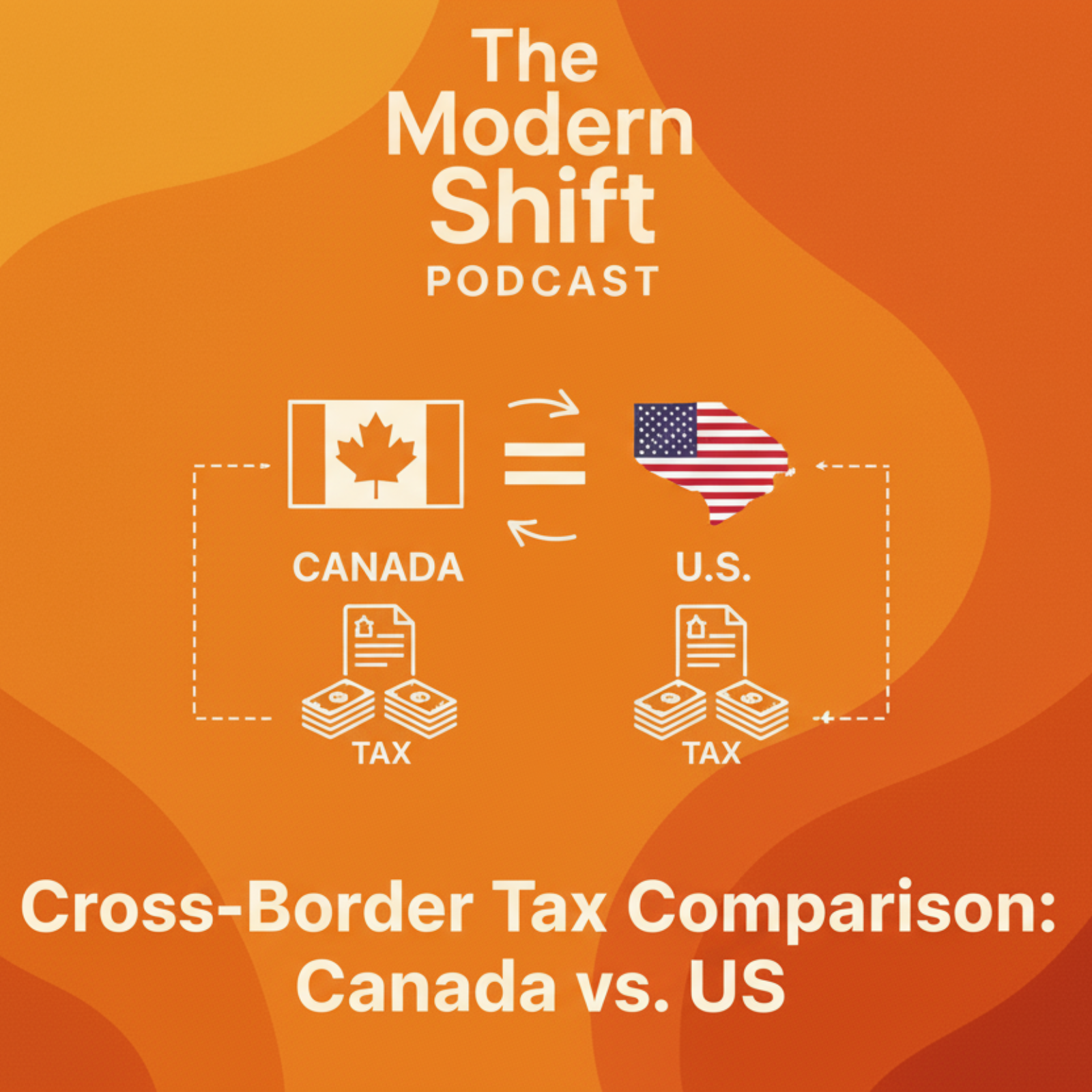
This Episode collectively offer a comprehensive comparison of the Canadian and U.S. tax systems, focusing heavily on the complex situation of cross-border workers and expatriates. The primary theme is that while Canadian income tax rates (federal plus provincial) are generally higher than U.S. rates, an American expat in Canada often owes zero U.S. tax due to mechanisms like the Foreign Tax Credit and the Foreign Earned Income Exclusion, which prevent double taxation. The texts outline key structural differences, such as the U.S. system being based on citizenship (requiring citizens abroad to file annually) versus Canada’s...
The Green Card Trap: Unpacking the Maze of Immigration Status, Global Tax Obligations, and Uneven Benefits Access
This Episode provide comprehensive information regarding the rights, obligations, and financial benefits available to immigrants in the United States, irrespective of their legal status. One set of documents details how lawful permanent residents (LPRs), or Green Card holders, are automatically considered U.S. tax residents and must report their worldwide income while navigating complex rules like FBAR and FATCA, or face severe penalties. Conversely, other sources focus on the limited eligibility of undocumented immigrants for federal benefits but highlight their extensive employment rights under state and federal law, including protections against employer retaliation in California. Furthermore, the documents cover...
Under the Table Cash Trap: How Unreported Income Creates Financial Invisibility and Ruins Your Retirement
This Episode provide a multi-faceted view of personal finance topics, focusing on the risks and requirements of working without formal employment documentation and the critical importance of credit visibility and score building. Several Canadian sources discuss the dangers of being paid "under the table," emphasizing that individuals must report all income as self-employed to avoid tax evasion penalties, while noting the loss of benefits like Employment Insurance (EI) and Canada Pension Plan (CPP). Complementary financial guidance from US sources highlights how a lack of credit history—a status disproportionately affecting marginalized groups—can be mitigated through alternative data and cred...
The Strategy Game of Auto Loans: Securing a Car with No Credit or Bad Credit and Avoiding the BHPH Trap
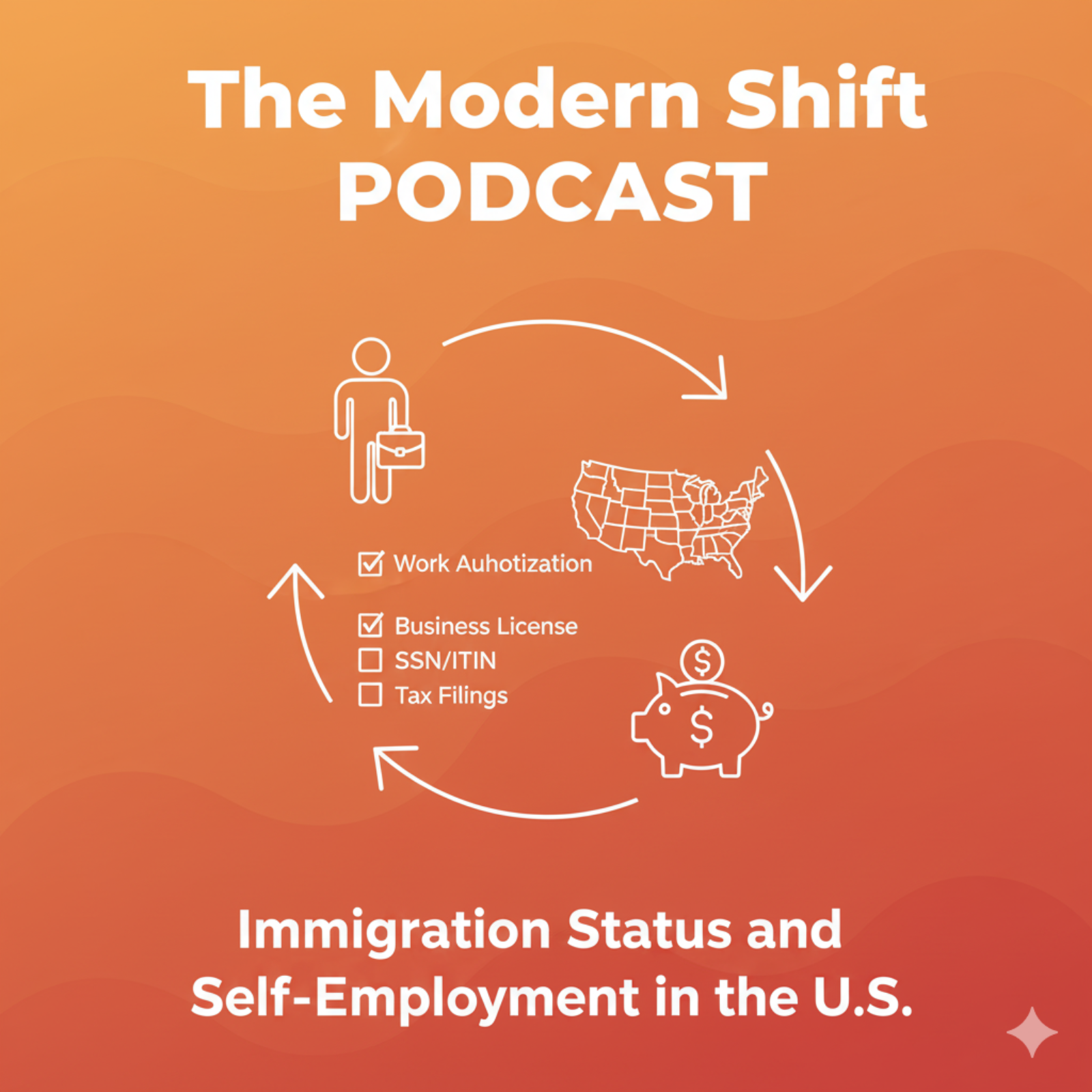
This Episode offer comprehensive advice on obtaining an auto loan, especially for borrowers with bad or no credit history. Several articles emphasize key preparation steps, such as knowing your credit score and gathering essential documents, including proof of income and identity. The texts discuss various financing options, highlighting that credit unions and banks may be more flexible than traditional institutions for those with limited credit, while cautioning against predatory "buy here, pay here" dealers due to their extremely high interest rates and aggressive repossession practices. Furthermore, the material outlines strategies for securing a loan, such as making a larger...
The Immigrant's Side Hustle Trap: H1B Freelancing, ITINs, and the Immigration Rules That Can Get You Deported
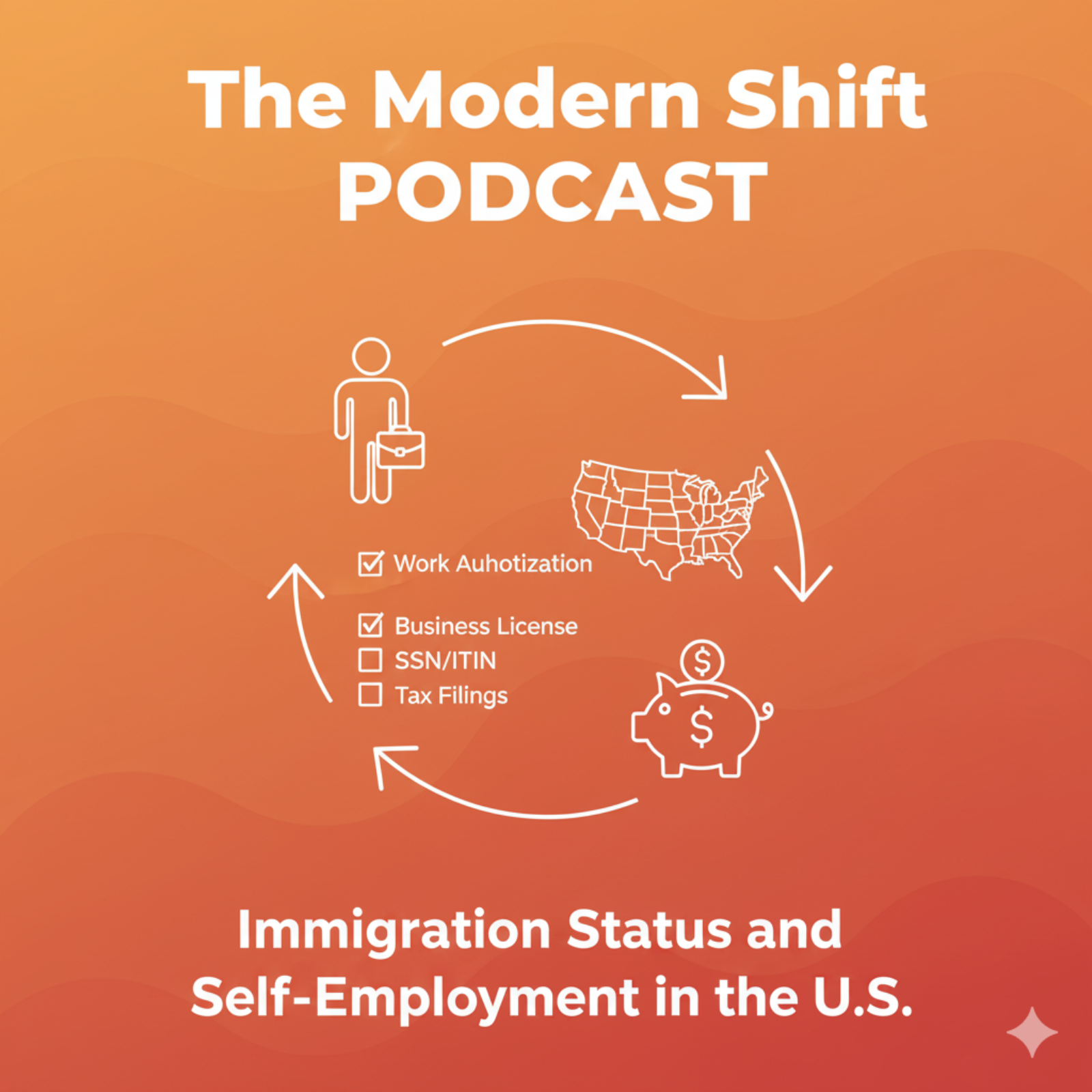
This episode offer detailed guidance regarding the complexities of immigration law and employment in the United States, particularly for immigrants and foreign nationals seeking to work or start a business. One document focuses specifically on legal ways for undocumented immigrants to earn income, primarily through independent contracting or self-employment, by distinguishing these roles from traditional employment and outlining tax responsibilities, such as using an ITIN or SSN to file taxes. The other materials, including a presentation from the Harvard International Office and an article excerpt, address the distinctions between authorized and unauthorized employment for foreign nationals, detailing factors like...
US vs. Canada: The Real Cost of Living, Salaries, and Universal Healthcare's Hidden Trade-Offs
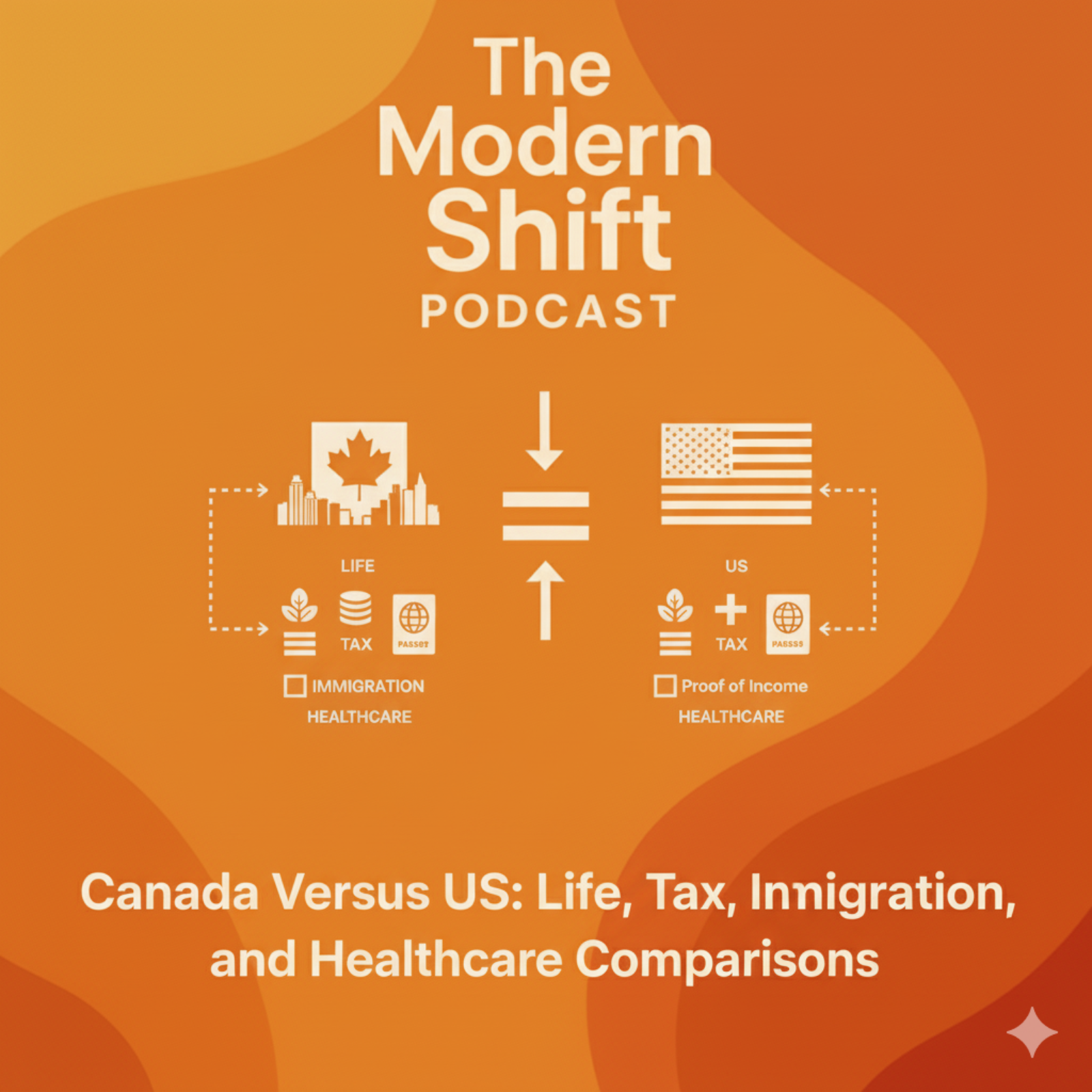
This episode primarily compare Canada and the United States across several key economic and social dimensions, including healthcare systems, housing affordability, and labor market trends related to immigration. One source offers a detailed academic comparison of US and Canadian healthcare, concluding that Canada generally fares better in terms of coverage and cost despite longer wait times, while also discussing the impact of the US Patient Protection and Affordable Care Act (PPACA). Another set of texts focuses on cross-border financial planning and the high cost of transportation in the US due to car dependency compared to European nations. Finally, a...
Immigrant Finance Deep Dive: Banking, Credit, and Buying a Home in Canada, the UK, and the US
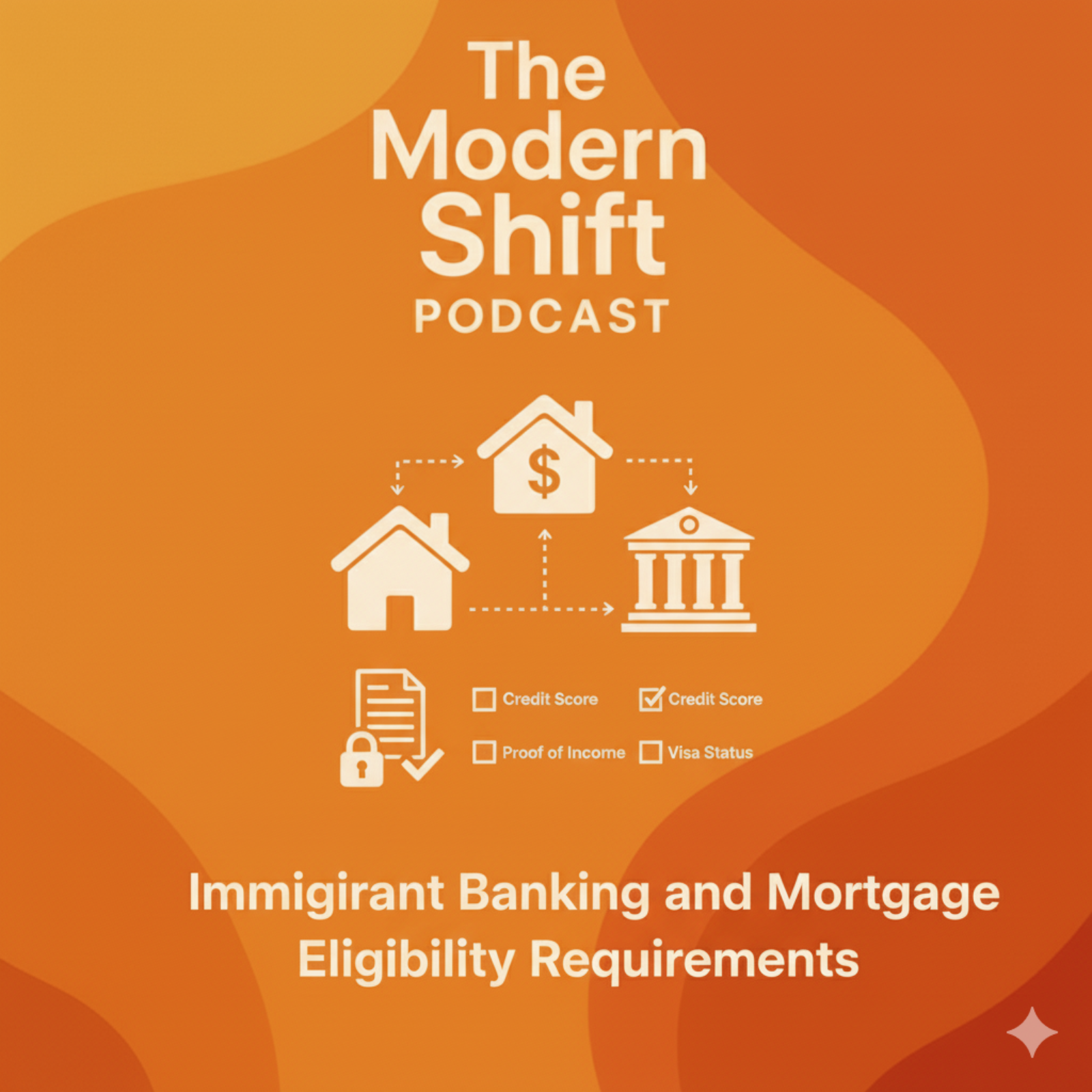
This episode provide comprehensive information regarding mortgage and banking access for immigrants in both Canada and the United States, highlighting specific programs and requirements. The Canadian texts, including a Reddit discussion and CMHC documents, confirm that major Canadian banks offer newcomer account programs and that CMHC-insured financing is available to both permanent and non-permanent residents, often considering alternative credit history methods. Conversely, the U.S. sources detail options like the ITIN mortgage loan program for those without a Social Security Number, and they outline the complex documentation requirements for various U.S. loan types (Conventional, FHA, VA, USDA) when...
The Billion-Dollar Paradox: Are Undocumented Immigrants a Fiscal Drain or a $96.7 Billion Windfall?
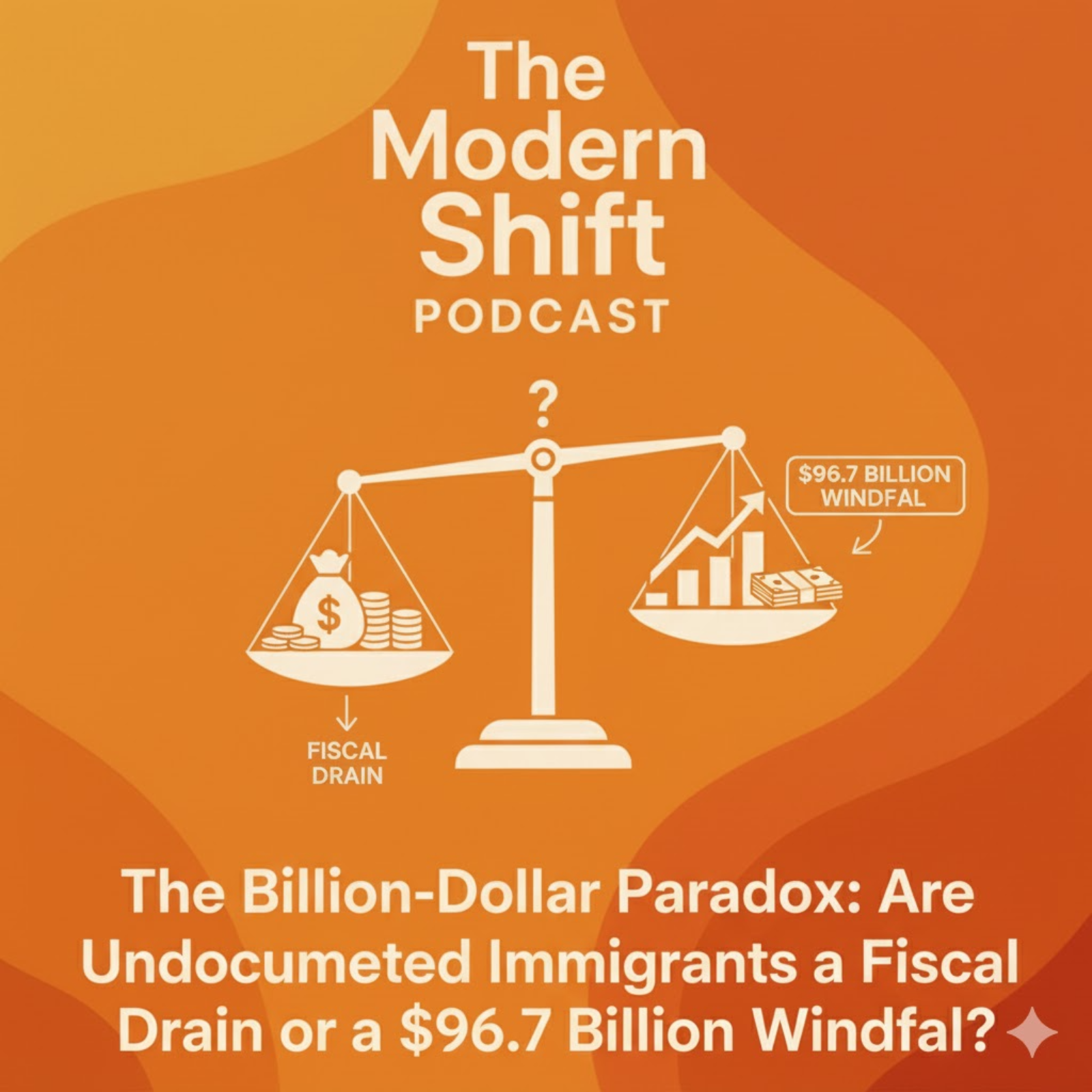
This episode examine the complex economic and fiscal impacts of undocumented immigrants in the United States, presenting contrasting viewpoints on whether this population constitutes a net benefit or a burden to taxpayers. One source, an academic article from Boise State University, argues that while there are costs associated with services like law enforcement, education, and healthcare, undocumented immigrants generally contribute more in federal taxes than they consume in federal services, with state and local economic effects varying. Conversely, a prepared testimony for the House Budget Committee contends that undocumented immigrants are a net fiscal drain due to their lower...


