Mongabay Newscast

News and inspiration from nature's frontline, featuring inspiring guests and deeper analysis of the global environmental issues explored every day by the Mongabay.com team, from climate change to biodiversity, tropical ecology, wildlife, and more. The show airs every other week.
Writer Megan Mayhew Bergman on the lessons and moral clarity of 'Silent Spring'
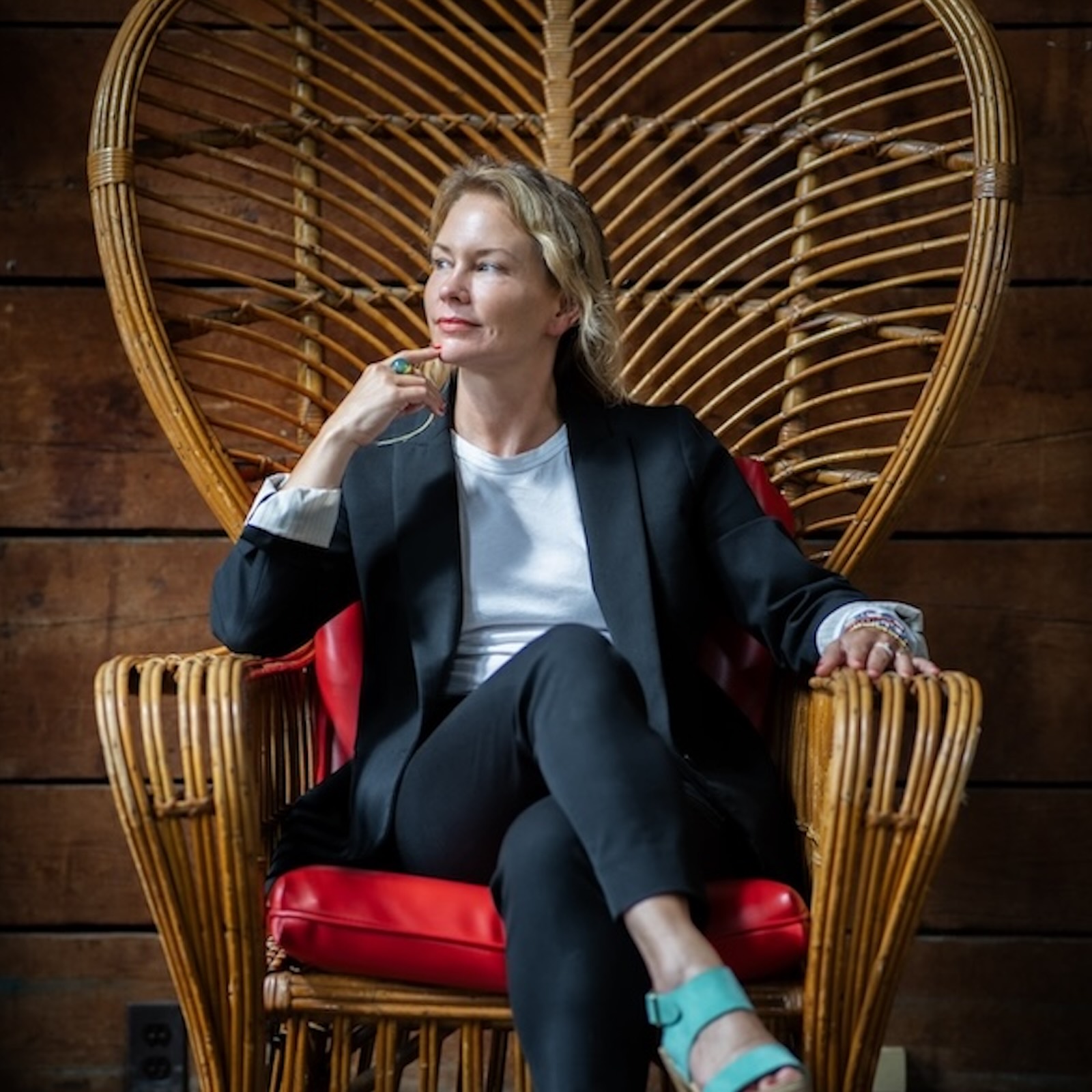
It's been more than half a century since the publication of Silent Spring by the scientist and creative writer Rachel Carson. The seminal volume caught the attention of U.S. presidents, artists and musicians, spurring the environmental movement and leading to the eventual ban of the toxic pesticide DDT.
Joining the Mongabay Newscast is environmental writer and director of the creative writing program at Middlebury College, Megan Mayhew Bergman. She unpacks the impact of Carson's work, which came under public attack from chemical companies seeking to discredit her, and how, eventually, the truth broke through.
"...
Massive decline of European olive groves harms nature and culture, but solutions exist

Across Mediterranean Europe, olive groves are in decline from a range of factors, from disease to depopulation. In Italy alone, there are roughly 440 million abandoned olive trees, and the ecological, cultural and socioeconomic impacts from the loss are devastating, explains the latest guest on the Mongabay Newscast. Still, solutions exist to help turn the tide of this under-discussed problem.
Federica Romano is the program coordinator and UNESCO Chair on Agricultural Heritage Landscapes at the University of Florence. On this episode of the Mongabay Newscast she discusses the drivers of the degradation and abandonment of olive groves, how...
Joy is a winning environmental strategy for drag artist Pattie Gonia
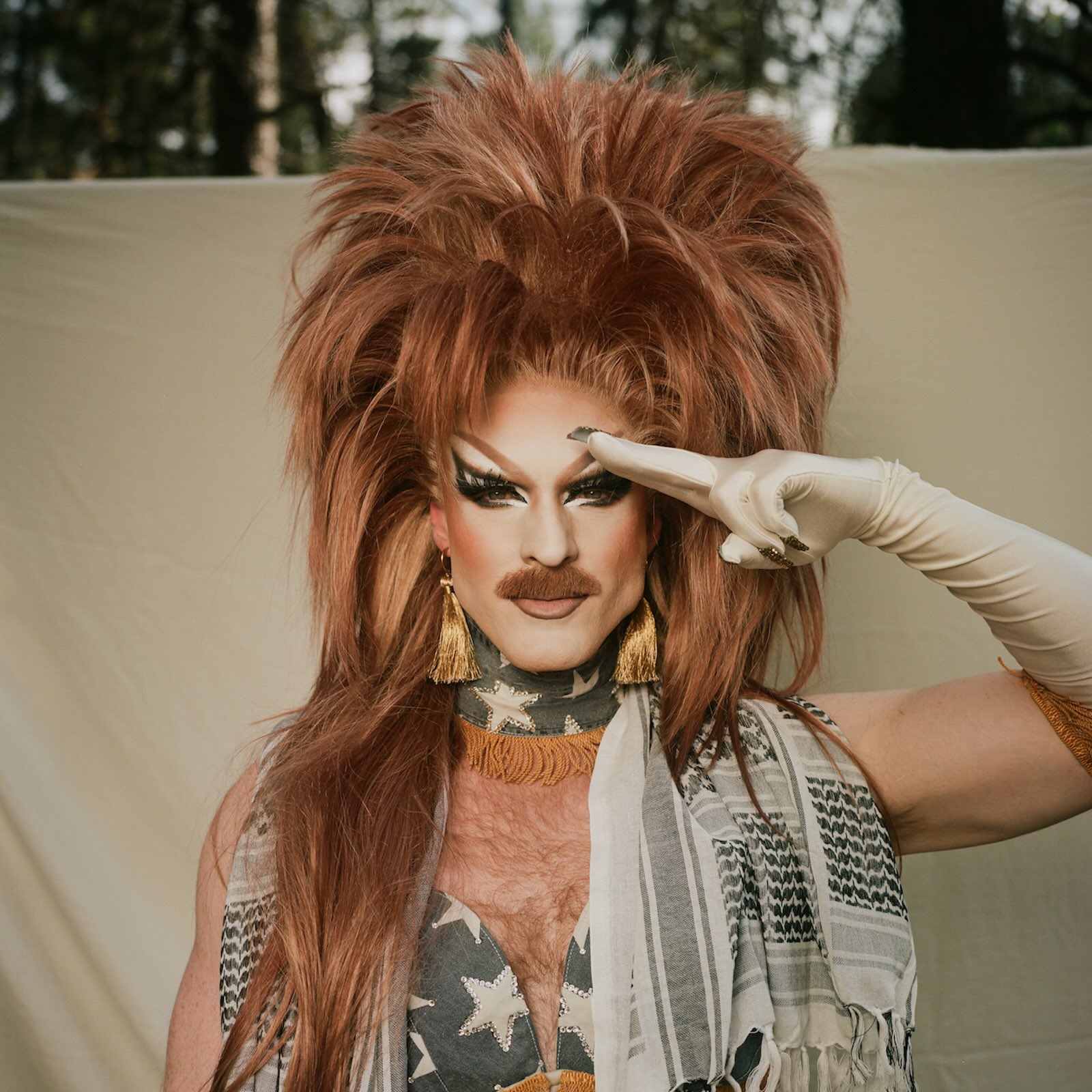
Professional drag artist and environmental activist Pattie Gonia has more than 2 million followers on Instagram and has raised $1.2 million for environmental nonprofits by hiking 100 miles, or 160 kilometers, in full drag into San Francisco. She has gained international recognition for using drag artistry to advocate for the environment, in acknowledgment and celebration of hundreds of researchers and scientists in the field who identify as queer.
She joins Mongabay's podcast to explain why joy is a fundamental ingredient missing in the environmental advocacy space, how she prioritizes it in her work as a drag performer and activist, and why...
On plastic pollution, we have all the evidence — and solutions — we need
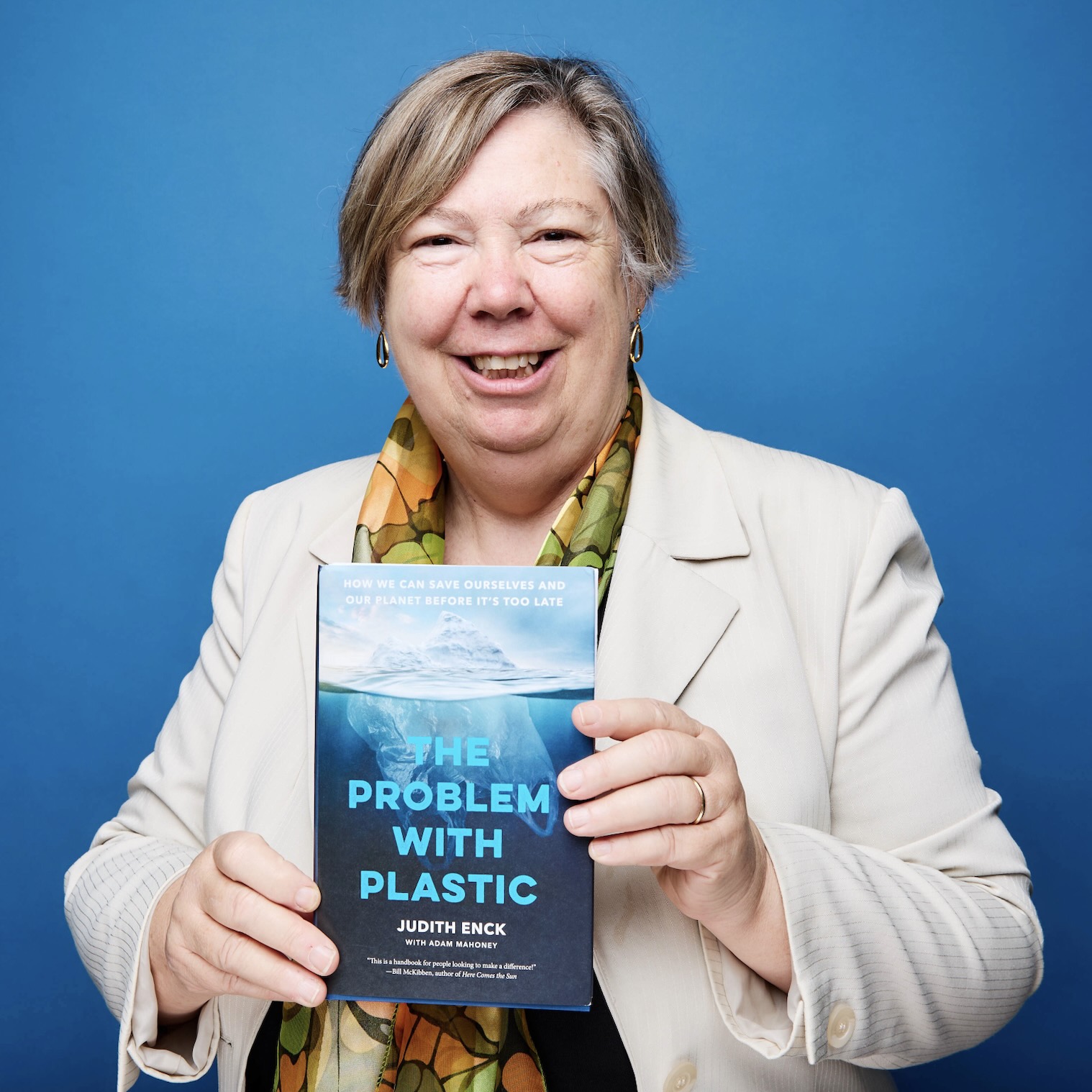
Judith Enck is a former regional administrator of the U.S. Environmental Protection Agency, appointed by President Barack Obama, and the founder of Beyond Plastics, an organization dedicated to eradicating plastic pollution worldwide. She joins Mongabay's podcast to discuss how governments can implement policies to turn off the tap on plastic pollution, which harms human health and devastates our ecological systems — solutions she outlines in her new book with co-author Adam Mahoney, The Problem with Plastic: How We Can Save Ourselves and Our Planet Before It's Too Late.
"We now have all of this evidence. We have no...
How outdoor adventurers are collecting crucial conservation data
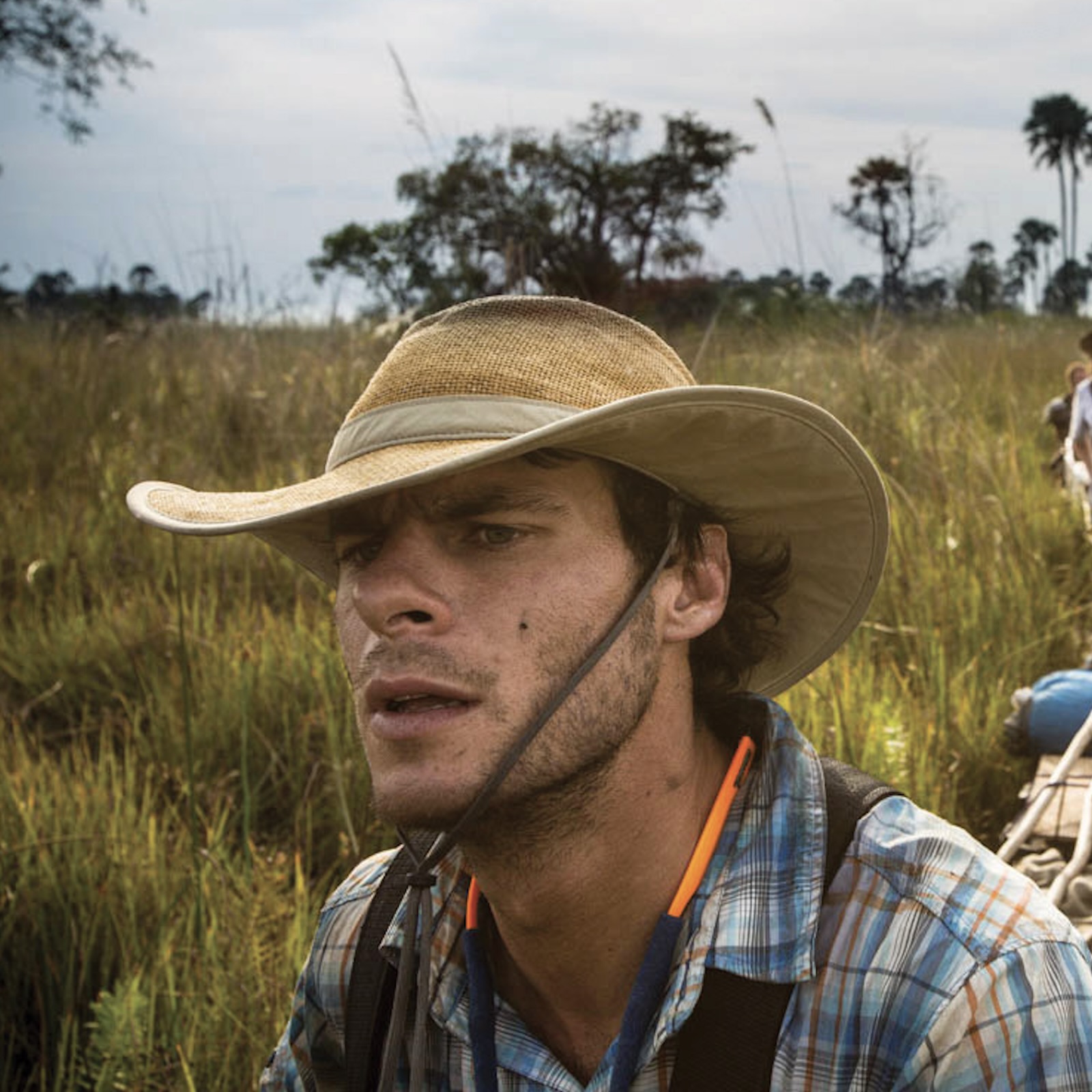
Gregg Treinish didn't start out as an outdoor enthusiast, but found solace and purpose in nature during his youth. After years of enjoying the outdoors, he was left feeling a need to give something back to the world.
He found fulfillment by using his passion for outdoor adventures to gather critical data that researchers need for conservation and scientific research. That's how his nonprofit organization, Adventure Scientists, came to be.
"We harness the collective power of the tens of thousands of people that are outside every day — who love the outdoors and have a passion fo...
Shark is on the menu for millions of Brazilians, but few know

Mongabay senior editor Philip Jacobson joins Mongabay's podcast to discuss a two-part investigation about how state governments in Brazil have been procuring shark meat — which is high in mercury and arsenic — and serving it to potentially millions of children and citizens via thousands of schools and public institutions. With Mongabay's Karla Mendes and Pulitzer's Kuang Keng Kuek Ser, Jacobson spent a year digging into public databases of government shark meat orders, called tenders.
"It's quite widespread," Jacobson says. "We found shark meat tenders in 10 states and shark meat being served or being procured for more than 500 municipalities."
...
Russ Feingold on the nonpartisan nature of conservation

Bill Gates recently claimed that protecting nature or improving human health is an either-or choice, but former national leaders like Russ Feingold, a retired U.S. Senator, and Mary Robinson, former Ireland President, disagree. As chair of the Global Steering Committee of the Campaign for Nature, a nonprofit organization uniting prominent politicians in support of nature protection, Feingold emphasizes that supporting both nature and people is essential, and that these are not mutually exclusive goals.
On this episode of Mongabay's podcast, Feingold discusses the campaign's mission and why he believes nonpartisan conservation efforts are essential.
" We...
Freeing ourselves from cars is simpler (and healthier) than we may think
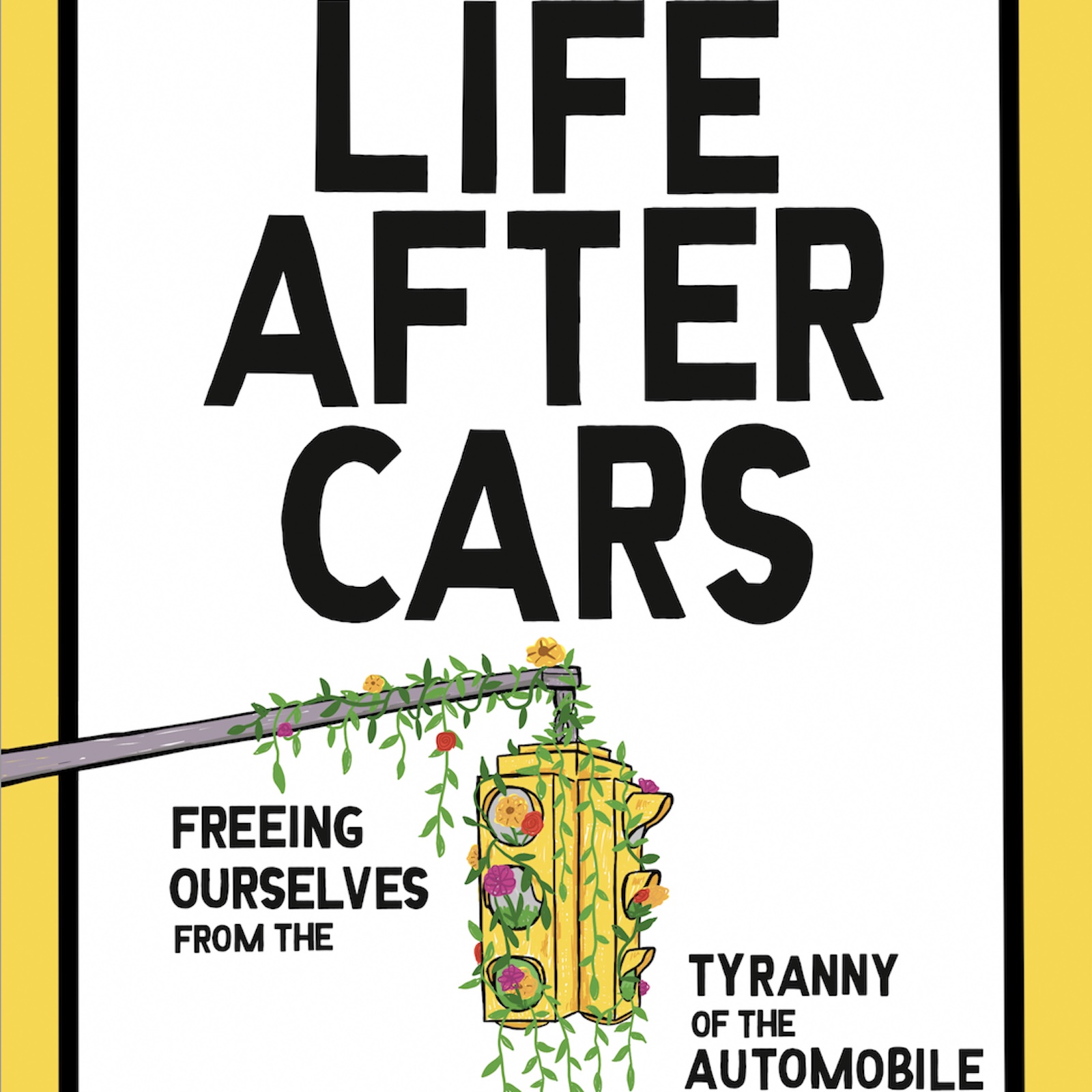
Sarah Goodyear, Doug Gordon and Aaron Naparstek realized that no one was discussing the many cultural factors that have played a role in humanity's car dependency, or the negative impacts this reliance on motor vehicles has on human health and the planet. So they started their own show to do exactly that, The War on Cars.
Gordon joins Mongabay's podcast to discuss just how human society got here — and how we might get ourselves out of it — which is also the subject of a new book he co-authored with Goodyear and Naparstek, Life After Cars: Freeing Ourselves from...
Indigenous and local communities regain millions of hectares of land via successful legal effort
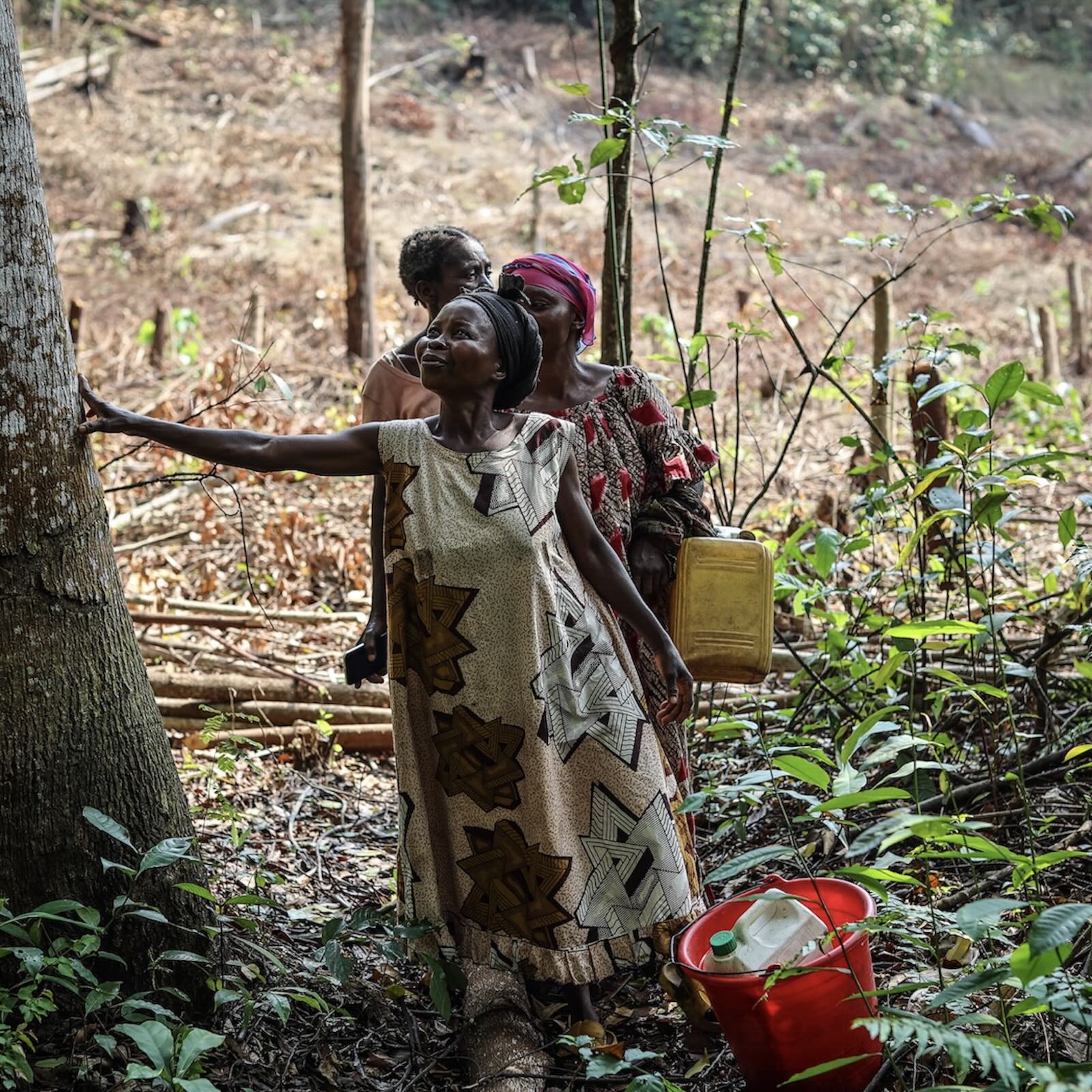
Nonette Royo is a lawyer from the Philippines and executive director of The Tenure Facility, a group of "barefoot lawyers" working to secure land tenure for Indigenous, local and Afro-descendant communities across the world. To date, the organization has secured more than $150 million in funding and has made progress in securing land rights covering 34 million hectares (84 million acres) across 35 projects, an area larger than Greece.
Royo joins Mongabay's podcast to discuss the organization's success, its recognition as a finalist for the 2025 Earthshot Prize, and why land rights are so crucial both for cultural survival and slowing the...
Madagascar conservation successes hinge on public education and health, famed primatologist says

Patricia Wright, a pioneering primatologist who established the Centre ValBio research station in Madagascar, began her work there in 1986. As the person who first described the golden bamboo lemur (Hapalemur aureus) to Western science, her contributions led to the creation of Ranomafana National Park, now a UNESCO World Heritage Site. She joins the Mongabay Newscast to discuss her conservation breakthroughs and the challenges the island faces during political instability and widespread poverty.
Wright has participated in the making of numerous documentaries over the years, including Island of Lemurs: Madagascar, narrated by Morgan Freeman, and recently Ivohiboro: The...
Mongabay founder reflects on success, Jane Goodall, and more
Hello listeners. This week on the Mongabay Newscast, we ask that you take a few minutes to fill out a brief survey to let us know what you think of our audio reporting, which you can do here.
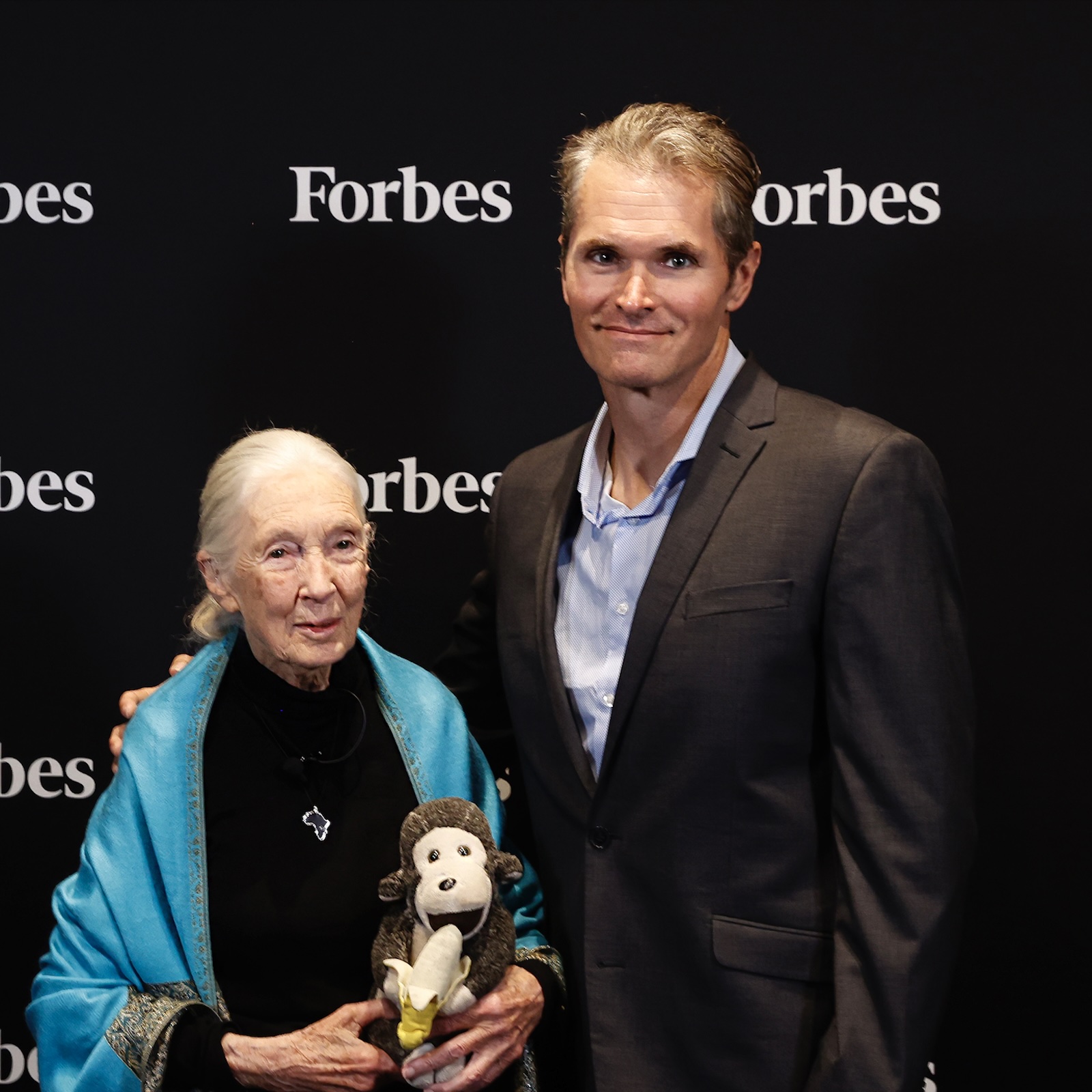
Mongabay founder and CEO Rhett Butler was recently awarded the Henry Shaw Medal by the Missouri Botanical Garden and named to the 2025 Forbes Sustainability Leaders list alongside conservation greats such as David Attenborough. The credit for this success belongs to Mongabay, Butler says on this week's podcast.
"While my name is on the award, it's for Mongabay...
Australia's inspiring 'humpback comeback' and why krill need protection
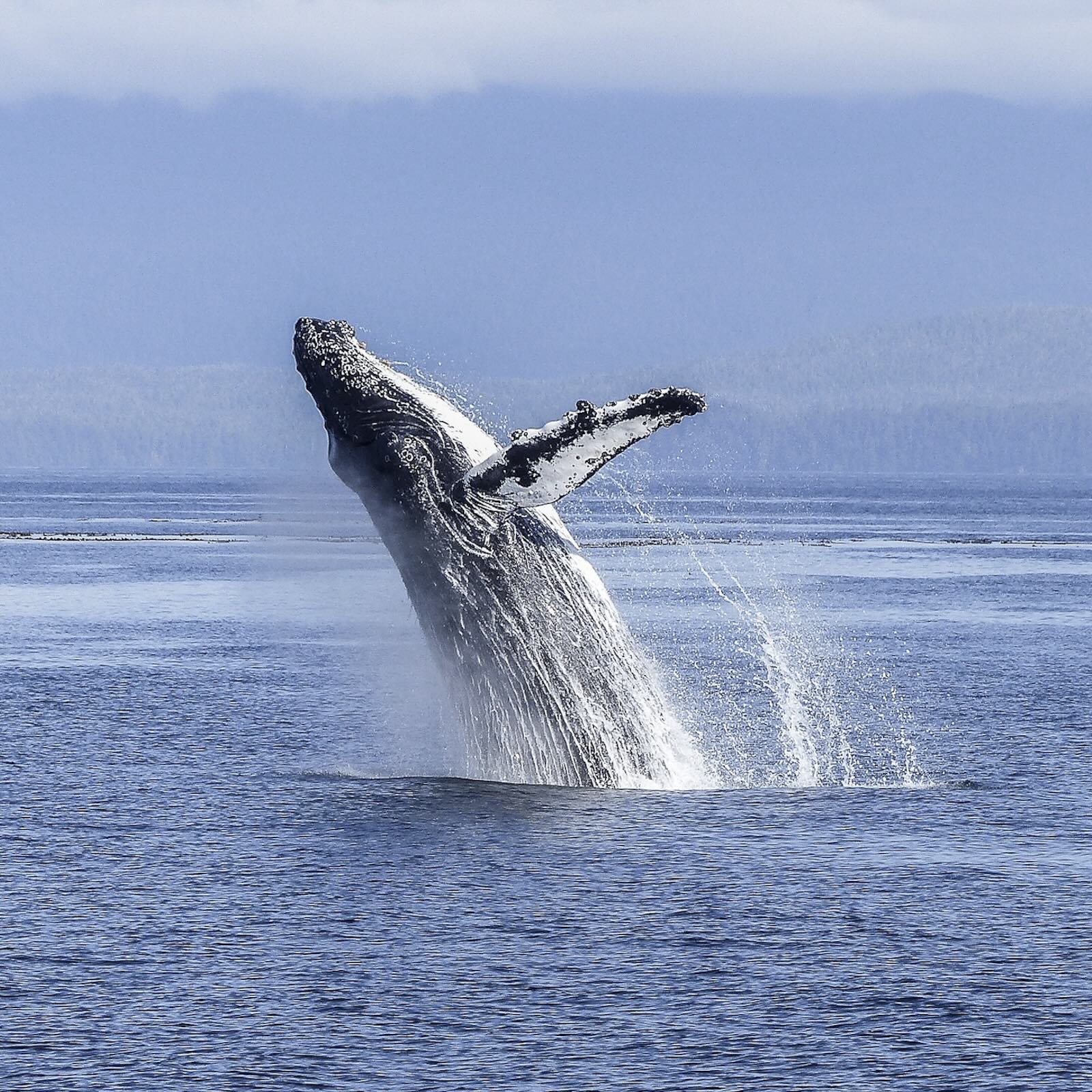
News of Australia's "humpback comeback" is making waves globally. Numbers of humpback whales (Megaptera novaeangliae) on the nation's east coast have rebounded to an estimated 50,000 from a historic low of just a few hundred before commercial whaling was outlawed in the 1970s. And wildlife scientist and whale expert Vanessa Pirotta joins the podcast to discuss this inspiring conservation achievement.
Pirotta emphasizes this is a good news story that deserves to be celebrated, and that it could also bolster action for other whale species that are struggling, including the southern right whale (Eubalaena australis) and blue whale (Balaenoptera...
Understanding the psychology of environmental crime

Psychologist and true crime presenter Julia Shaw joins Mongabay's podcast to discuss her latest read, examining some of the highest-profile environmental crimes and why they occur, in Green Crime: Inside the Minds of the People Destroying the Planet and How to Stop Them.
She details the commonalities behind six major cases, and what can be learned from them, as described by six motivating factors: ease, impunity, greed, rationalization, conformity, and desperation.
"As a psychologist, I was like, 'What if we create a psychological profile of the various people involved with these various big crimes...
Innovative initiatives for nature recognized with World Future Policy Awards
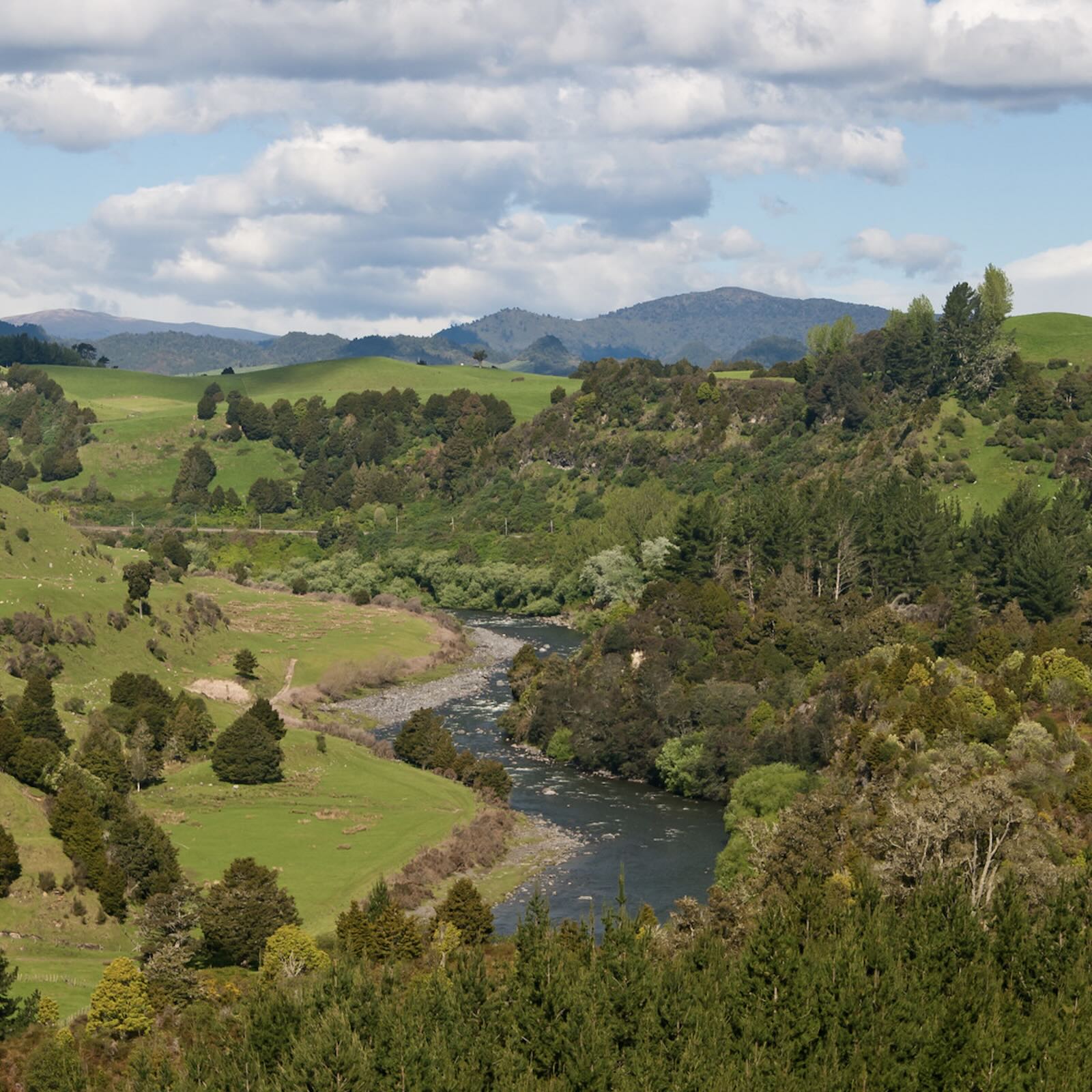
Policies enacted by seven nations and one international agreement have been recognized by the World Future Council for "top policy solutions for [humans], nature and generations to come." On this edition of Mongabay's podcast, the council's CEO, Neshan Gunasekera, shares key highlights of the eight World Future Policy Award laureates.
Under the theme of "Living in Harmony with Nature and Future Generations," the winners for 2025 "bring to light the future orientation of the way we take decisions at [a] time that there are multiple crises facing ourselves as a species, but also the planet," he says.
<...Bird-watching's wide appeal and social justice impact
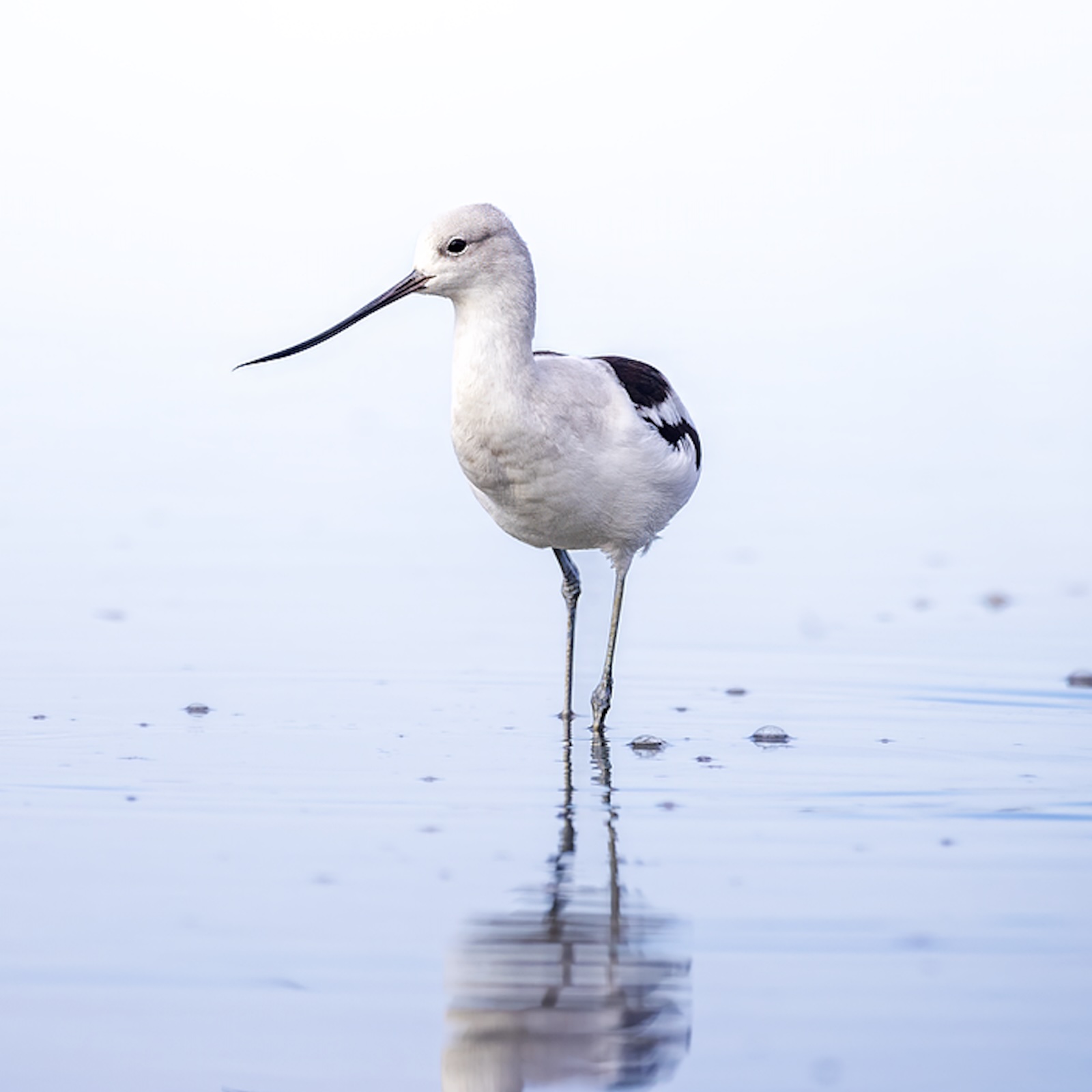
Wildlife biologist and ornithologist Corina Newsome of the U.S. NGO National Wildlife Federation joins Mongabay's podcast to discuss how bird-watching plays a role in environmental justice for underserved communities in urban areas, and provides an accessible way for people to connect with nature and drives impactful change.
"Birding is an opportunity [for] people to fill in data gaps where they live [to] help direct investments that come from the world of conservation … from federal to state to local levels that have usually been funneled away from their communities," she says on this episode.
Newsome sa...
Storytelling with wildlife photography drives global impact and healing
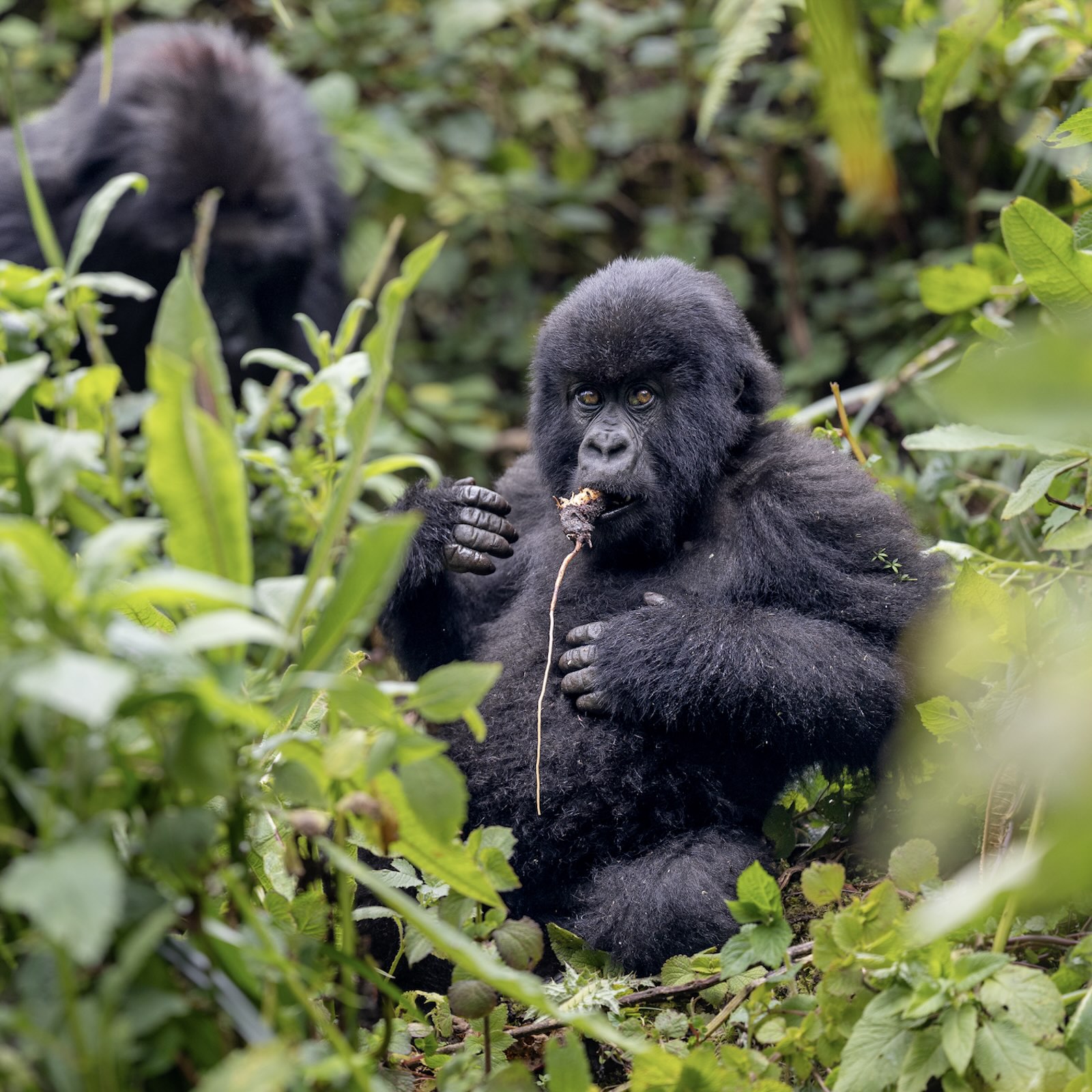
On this episode of Mongabay's weekly podcast, we look at nature through the lens of wildlife photographer and senior marketing associate at Mongabay, Alejandro Prescott-Cornejo, the multilingual staffer charged with sharing the team's reporting and mission with the world.
Prescott-Cornejo details how his work with Mongabay intersects with his passion for wildlife photography, what makes a good photo, and how anyone can connect with nature by getting to know their own "local patch."
"There are so many beautiful things, whether big or small, that can be very, very close to you — and you don't need to...
Stewarding nature & Indigenous culture with shared knowledge & radio
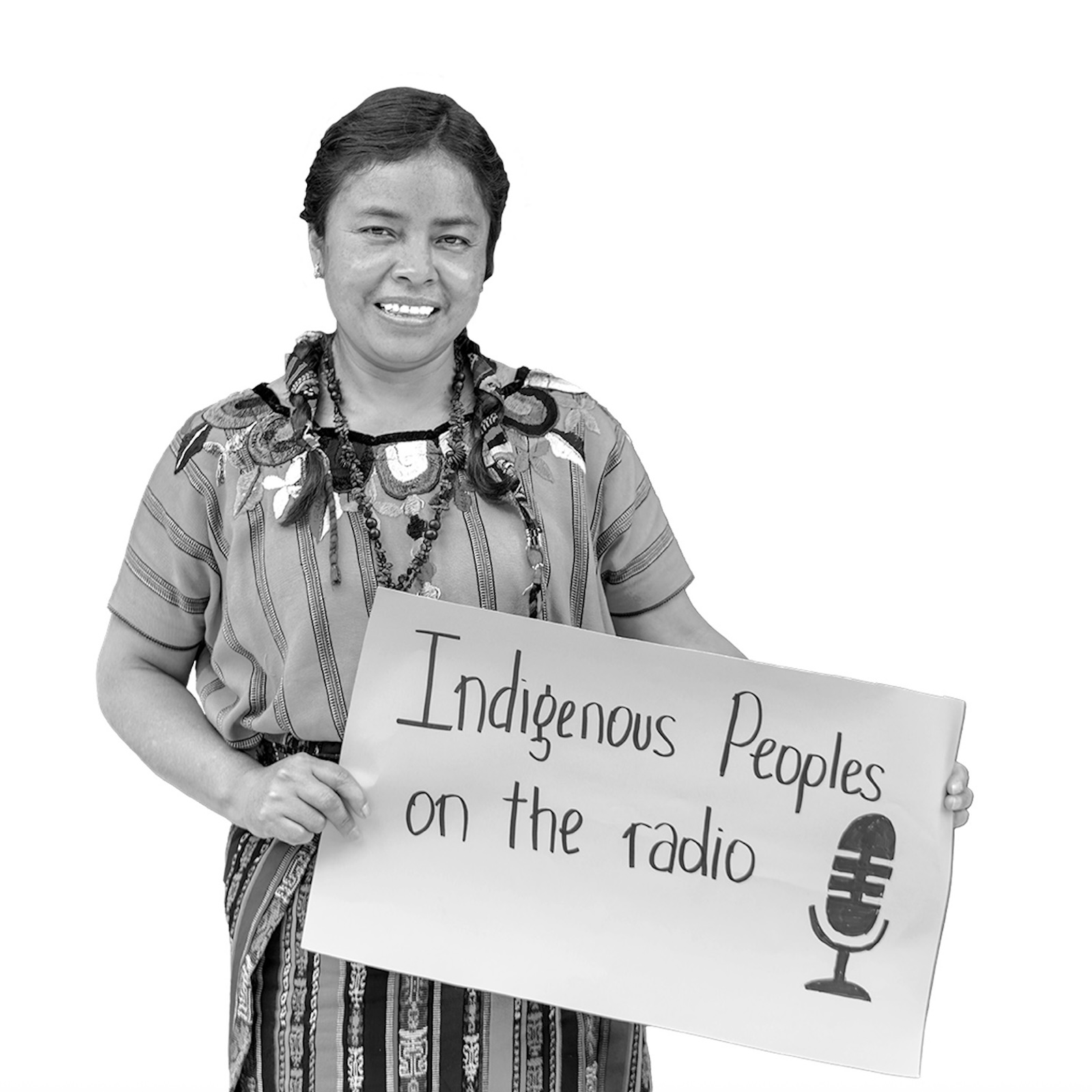
Aimee Roberson, executive director of Cultural Survival, joins Mongabay's podcast to discuss how her organization helps Indigenous communities maintain their traditions, languages and knowledge while living among increasingly Westernized societies.
As a biologist and geologist with Indigenous heritage, Roberson is uniquely suited to lead the organization in bridging these worlds, including via "two-eyed seeing," which blends traditional ecological knowledge and Western science to increase humanity's ways of knowing, toward a view of people as active participants in shaping the natural world.
Cultural Survival also sees radio as a critical tool for keeping communities together and...
Canada's mining sector a stain on the nation, Indigenous journalist reports
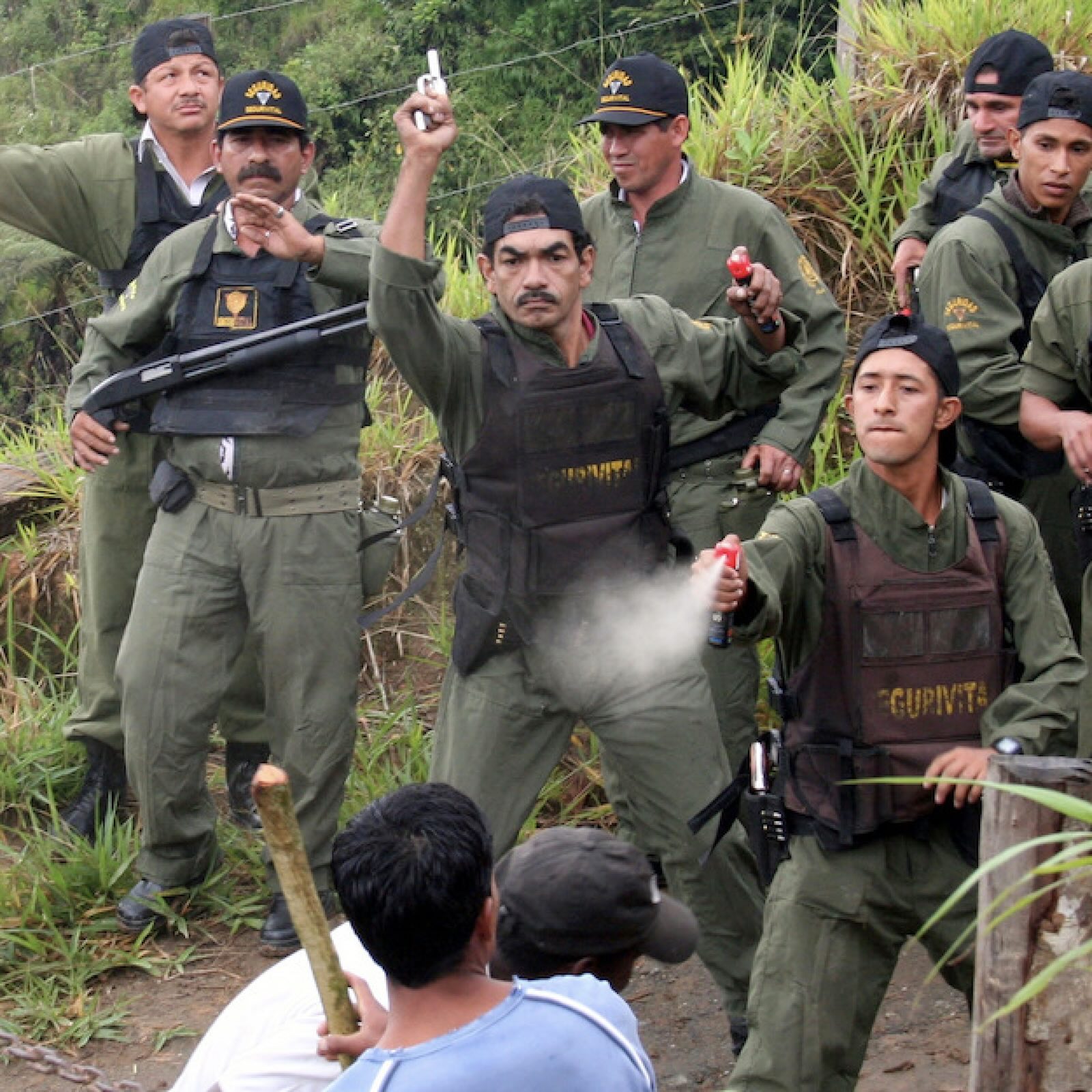
An international tribunal of environmental rights activists recently found extensive evidence that the Canadian mining sector is "guilty for the violation of Rights of Nature across South America and Serbia." The guest on this episode of Mongabay's podcast corroborates these accusations, and describes human rights abuses in South American nations that she has seen in her reporting, too.
Brandi Morin, a Cree-Iroquois-French environmental journalist and freelancer for Mongabay, discusses how Canadian mining projects impact ecological health and the rights of Indigenous communities in places such as Ecuador and Bolivia.
"Canada is the mining giant of...
Top court delivers a 'huge' climate win for island nations
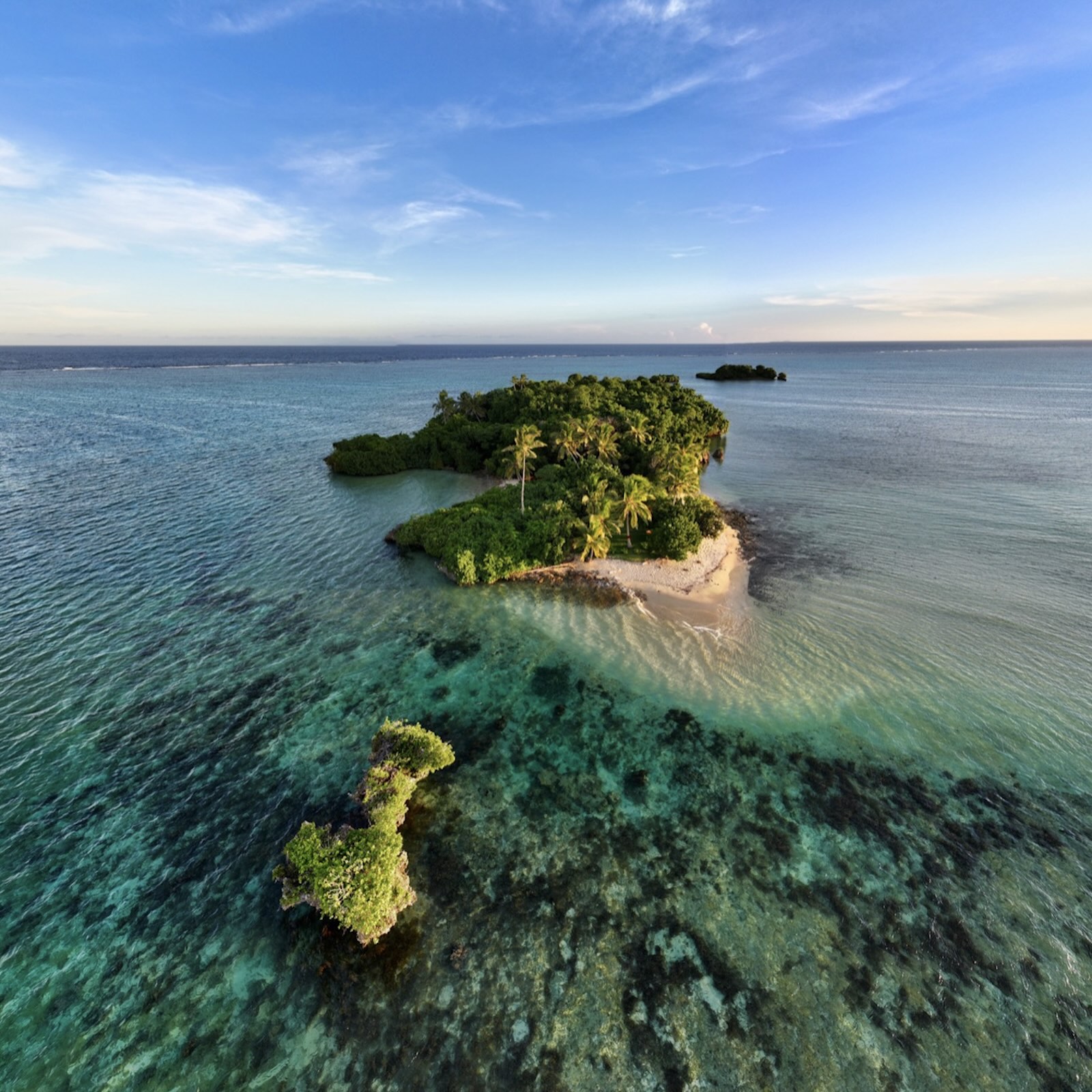
The recent advisory opinion from the International Court of Justice (ICJ) on states' obligations regarding climate change was celebrated globally for providing clarity on countries' legal obligation to prevent climate harm, but was also appreciated by island nations for its additional certainty on their maritime boundaries remaining intact regardless of sea level rise.
This week on Mongabay's podcast, environmental lawyer Angelique Pouponneau, a Seychelles native and lead negotiator for the Alliance of Small Island States (AOSIS), explains these victories, their legal implications, and how they matter for small island nations.
She says Small Island Developing...
Saving ourselves and nature means tackling inequality

Wealth inequality is a primary culprit behind the ecological and environmental collapse of societies over the past 12,000 years, which have come to be dominated by a small circle of elites hoarding resources like land, research shows. Today, instead of an isolated collapse, we face a global one, says Luke Kemp, a researcher at the University of Cambridge's Centre for the Study of Existential Risk.
On this episode of Mongabay's Newscast, Kemp explains how wealth inequality is not just tied to, but may be the very cause of the ecological destruction we are witnessing today, and how tackling...
Tales of wonder in an age of extinction with author Natalie Kyriacou

On this episode of the Newscast we take a look at Natalie Kyriacou's widely praised new book, Nature's Last Dance: Tales of Wonder in an Age of Extinction, whose high-profile fans, like Paris climate agreement architect Christiana Figueres, call it a "lyrical call to awaken our love for the wild before the music stops."
Kyriacou, the founder of the environmental organization My Green World, shares her aim of the book, her thoughts on real solutions to our ecological problems, what she wishes more people understood about nature, and why they need to fall in love with it.
Rewilding the world, one acre at a time

Rewilding advocate, financier and host of the popular podcast Rewilding the World, Ben Goldsmith, joins Mongabay's podcast to discuss nature restoration in his home country of England, where a significant cultural change is taking hold toward reviving biodiversity, such as beavers. Once seen as a nuisance there, many farmers and planners now embrace the rebound of the huge rodent, thanks to its impressive ability to mitigate flooding events that the island nation now experiences with regularity, due to climate change.
"If you stop a random person on the street now, in the city or in the countryside...
Alan Weisman's 'Hope Dies Last' weaves stories of environmental hope

On this week's episode of Mongabay's podcast, best-selling author Alan Weisman details the people and places he visited in reporting his new book, Hope Dies Last, a chronicle of miraculous accomplishments and resilience of the book's protagonists, many of whom are working to solve humanity's most intractable ecological problems.
The book's impetus was an accumulation of despair at the state of the world and how humanity treats it. "I started this book because I was really, really, really depressed about how I saw systems breaking down," Weisman says.
But as he uncovered each story, Weisman's...
How empathy and spiritual ecology can heal humanity's rift with nature

The Nature Of is a new podcast series from the nonprofit nature and culture magazine Atmos that speaks with prominent figures in conservation and culture about how humans relate to the natural world, and how they might heal and strengthen that relationship.
On this episode of Mongabay's podcast, its host and Atmos editor-in-chief Willow Defebaugh details the series' resulting revelations and why her publication covers the environment through the lens of community, identity, arts and culture.
"From the beginning, we knew that we wanted to invite creative storytellers and artists into this conversation alongside scientists...
How Singapore leads the way in urban-wildlife coexistence

Singapore has come a long way since the 1880s, when only roughly 7% of its native forests remained. Since the 1960s, when the city-state gained independence, it has implemented a number of urban regreening initiatives, and today, nearly 47% of the city is considered green space, providing numerous benefits to human residents and wildlife, like heat mitigation, freshwater conservation and cleanliness, carbon sequestration, coastal climate adaptation, biodiversity protection, and public enjoyment.
To discuss his city's regreening efforts — from the philosophical to the practical applications of methods and mindset shifts that have allowed the city to revitalize its urban wildlife in...
To change the world, change the narrative
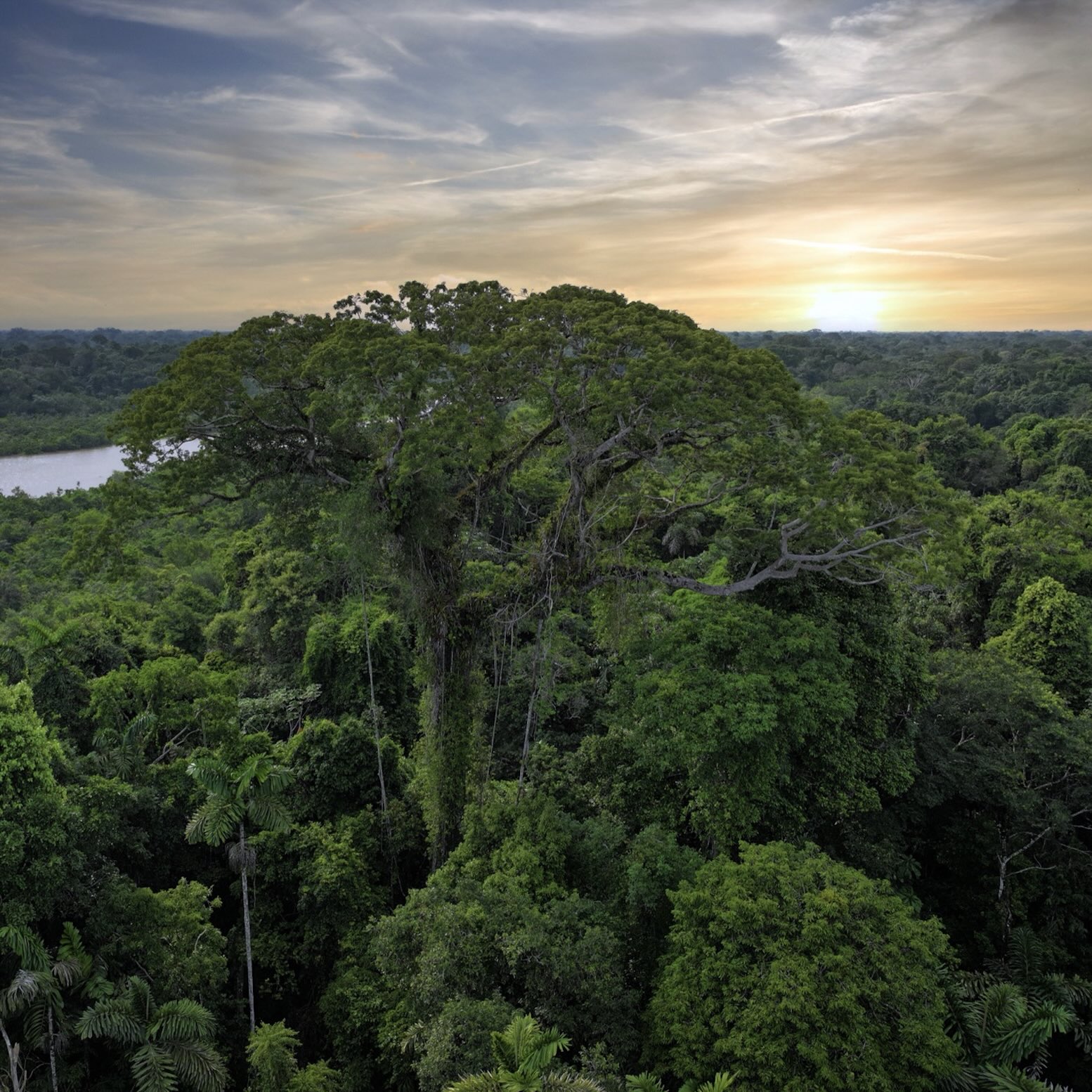
Narratives help shape our society, culture and environment, entrenching beliefs that can help — or harm — our planet and human rights. Tsering Yangzom Lama, story manager at Greenpeace International, joins Mongabay's podcast to explain how dominant narratives — stories shaped by existing power structures and institutions — often undergird destructive industries and favor the powerful and the wealthy, and to discuss what people can do to counter such narratives.
In this interview, she expands upon thoughts shared in the essay "How to Reject Dominant Narratives," from the new book Tools to Save Our Home Planet, published by Patagonia Books.
"A dom...
Cash for community conservation is tight, but this nonprofit unlocks it
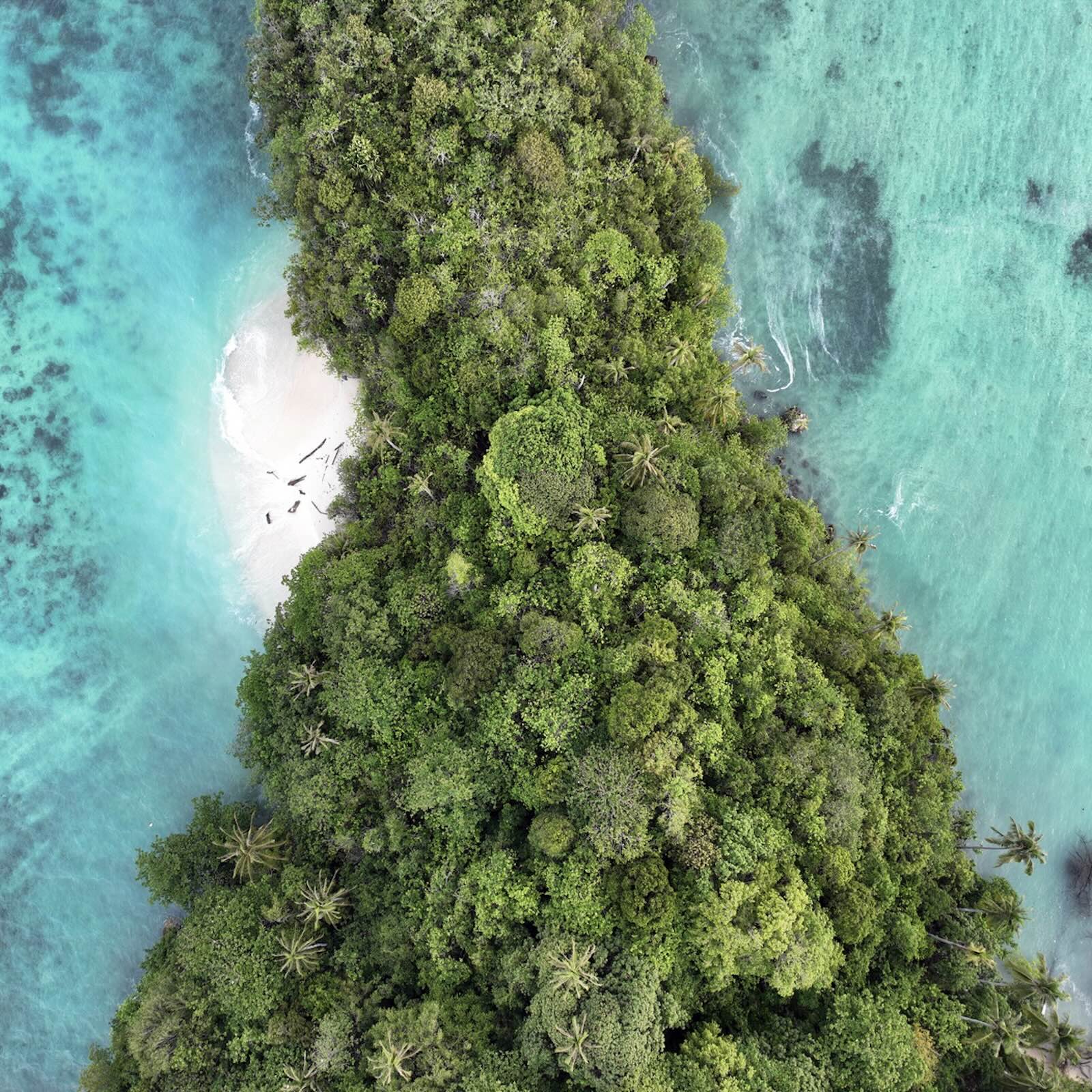
Jean-Gaël "JG" Collomb says community-based conservation organizations know best how to tackle the complex conservation challenges unique to their ecosystems. However, they're also among the most underserved in terms of funding of all stripes. On this week's episode of Mongabay's podcast, Collomb explains how his nonprofit, Wildlife Conservation Network (WCN), is working to change that.
When it comes to funding conservation," it's really difficult to know who to give your money to besides a handful of organizations that a lot of people are familiar with," Collomb says.
WCN facilitates partnerships between community-based conservation groups, pri...
Are Rivers Alive? Author Robert Macfarlane argues they are.
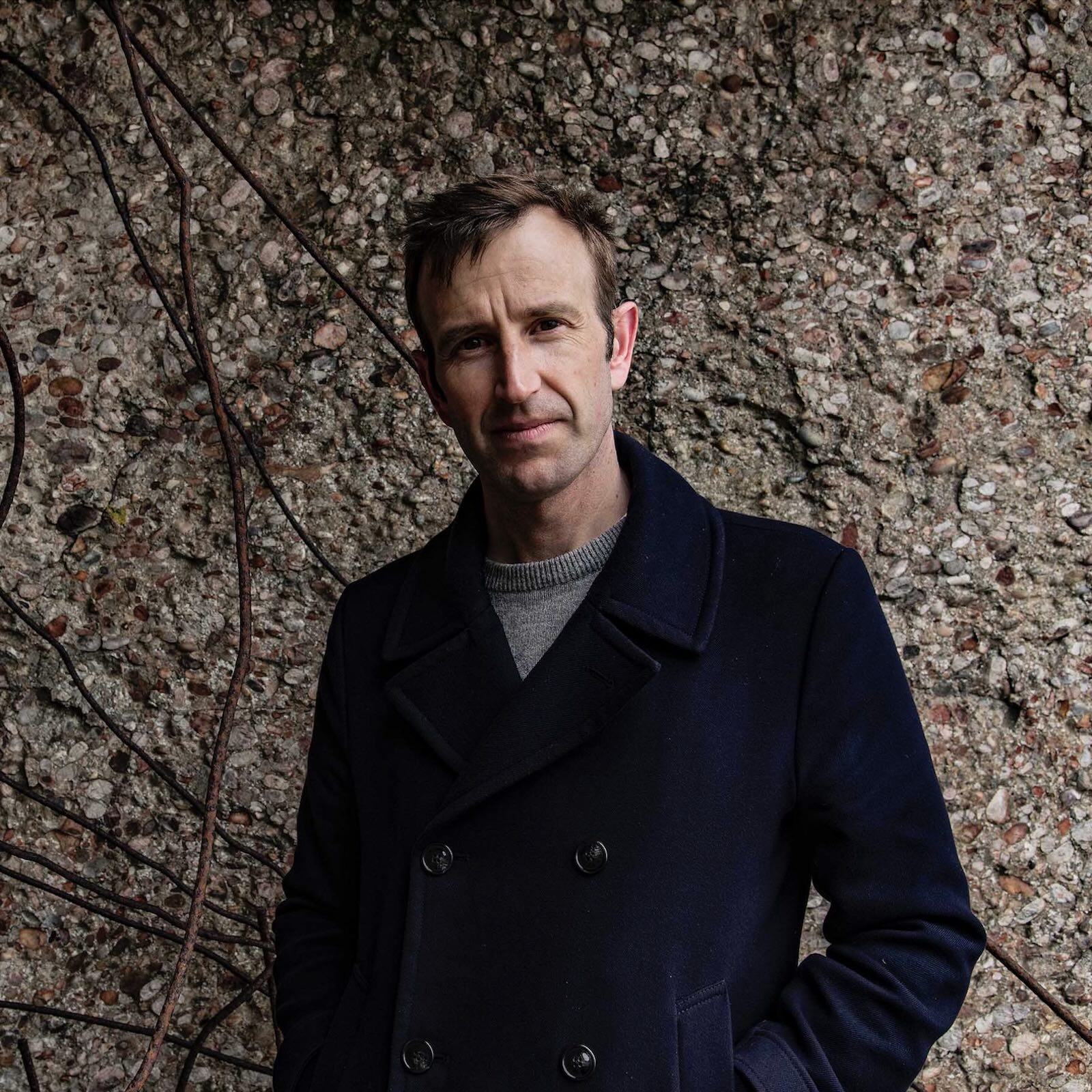
This week on Mongabay's podcast, celebrated author and repeat Nobel Prize in Literature candidate Robert Macfarlane discusses his fascinating new book, Is a River Alive?, which both asks and provides answers to this compelling question, in his signature flowing prose.
Its absorbing narrative takes the reader to the frontlines of some of Earth's most embattled waterways, from northern Ecuador to southern India and northeastern Quebec, where he explores what makes a river more than just a body of water, but rather a living organism upon which many humans and myriad species are irrevocably dependent — a fact that is...
Coffee drives tropical deforestation, but doesn't have to

Roughly a billion people enjoy coffee daily, and more than 100 million people rely on it for income. However, the coffee industry is the sixth-largest driver of deforestation and is also rife with human rights abuses, including the labor of enslaved persons and children. But it doesn't have to be this way, says this guest on the Mongabay Newscast.
Etelle Higonnet is the founder of the NGO Coffee Watch, having formerly served as a senior adviser at the U.S. National Wildlife Federation. The main commodity on her radar now is coffee. On this podcast episode, she explains...
Lessons from 30 years of successfully fending off mines in an Ecuadorian cloud forest
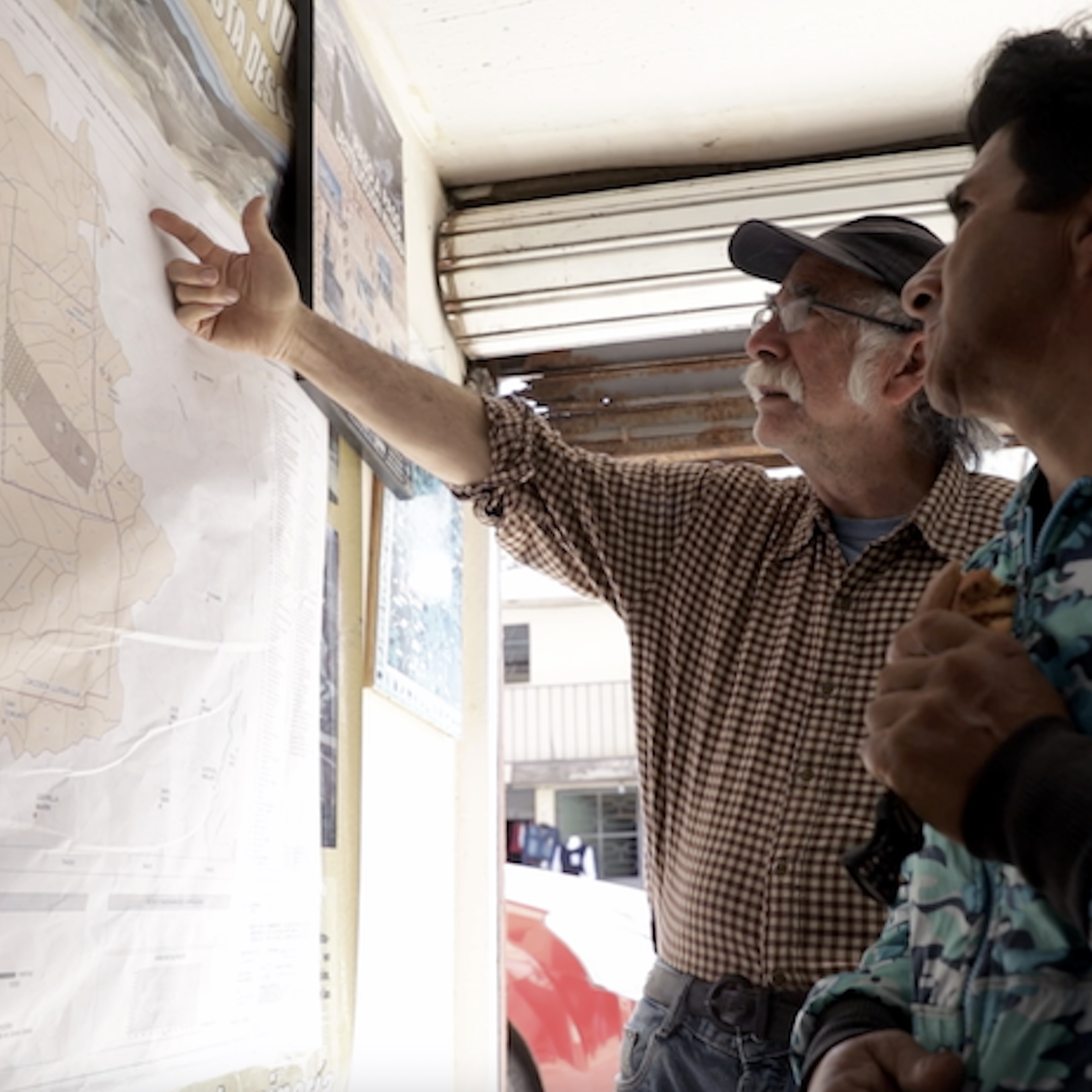
Carlos Zorrilla has been living in an Ecuadorian cloud forest since the 1970s, and his last 30 years there have been spent fighting mining companies seeking to extract its large copper deposits. He and his community have successfully fought such proposals by multiple firms in one of the most biodiverse regions on the planet, but sometimes at great personal risk, he tells Mongabay's podcast.
While his organization, Defensa y Conservación Ecológica de Intag (DECOIN), and allies in the local community notched a major victory against mining there in a 2023 court case, he explains they're still not ou...
Kim Stanley Robinson's 'Ministry for the Future' has lessons for the present

Five years since Kim Stanley Robinson's groundbreaking climate fiction novel, The Ministry for the Future, hit The New York Times bestseller list, the Hugo and Nebula Award-winning writer shares reflections on themes explored in the book and how they apply directly to the world today.
The utopian novel set in a not-so-distant future depicts how humans address climate change and the biodiversity crisis, toppling oligarchic control of governments and addressing chronic inequality. Robinson explains how the novel works as "a kind of cognitive map of the way the world is going now, the way things work and the...
Why protected Congo rainforests look 'like a war zone'
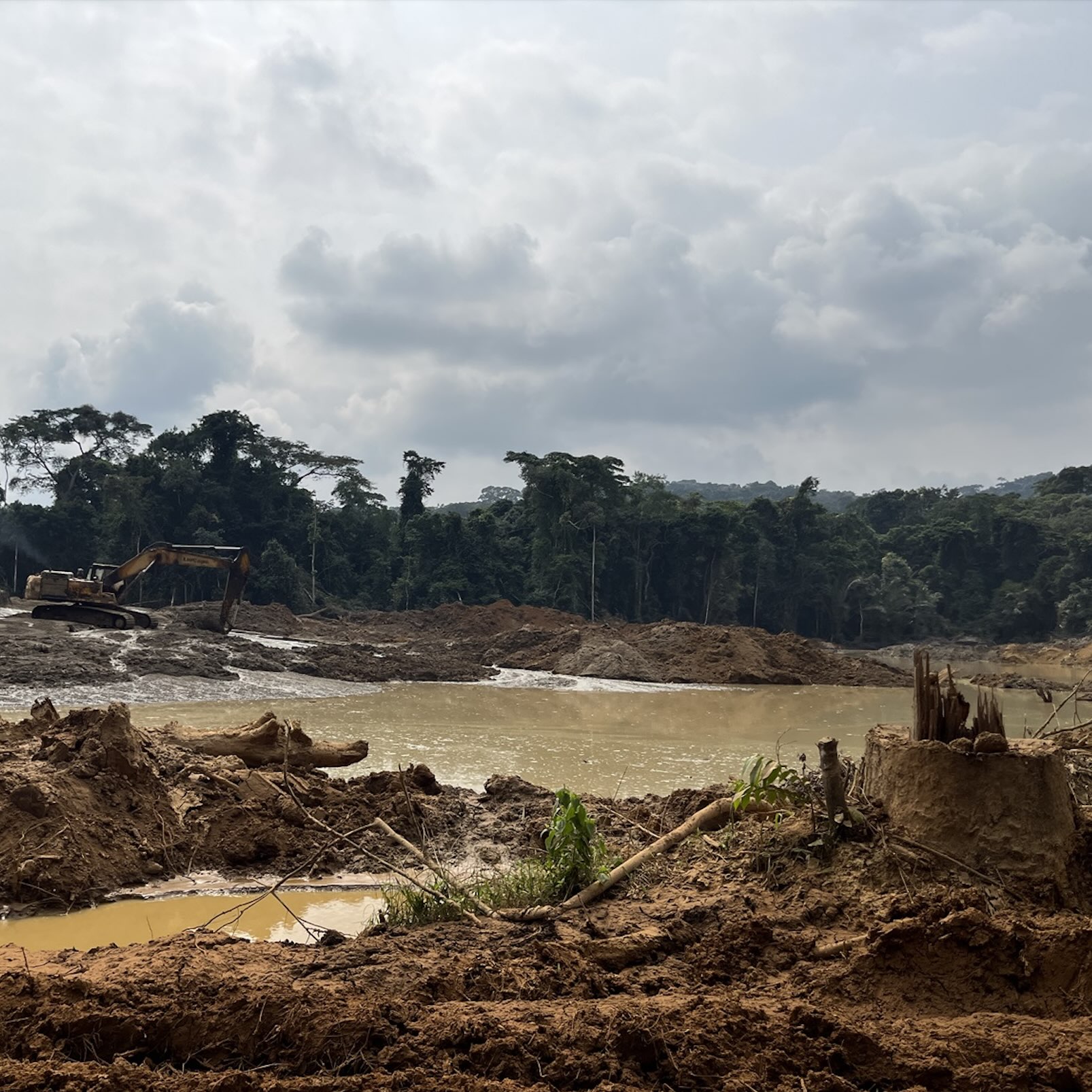
Nearly half of the Republic of Congo's dense rainforests are protected under the Reducing Emissions from Deforestation and forest Degradation (REDD+) framework to receive climate finance payments, but Mongabay Africa staff writer Elodie Toto's recent investigation revealed the nation has also granted nearly 80 gold mining and exploration permits in areas covered by the project, driving deforestation and negatively impacting local people and wildlife.
As the world scrambles for new sources of gold during these uncertain economic times, she joins the podcast to explain what her Pulitzer Center-supported reporting uncovered:
"It was beyond words, if I may...
Inspiring action for the ocean wins top environmental prize for ex-engineer

Carlos Mallo Molina has been awarded the 2025 Goldman Environmental Prize for protecting the marine biodiversity of Tenerife, the most populated of the Canary Islands. On this episode of Mongabay's podcast, Molina explains what led him to quit his job as a civil engineer on a road project impacting the Teno-Rasca marine protected area (MPA) and his subsequent campaign to stop the port project it was planned to connect to, which would have impacted the biodiversity of the area.
His successful campaign contributed to the decision of the Canary Islands government to abandon the port plan. Now, Molina a...
'De-extinction' is misleading and dangerous, ecologist says
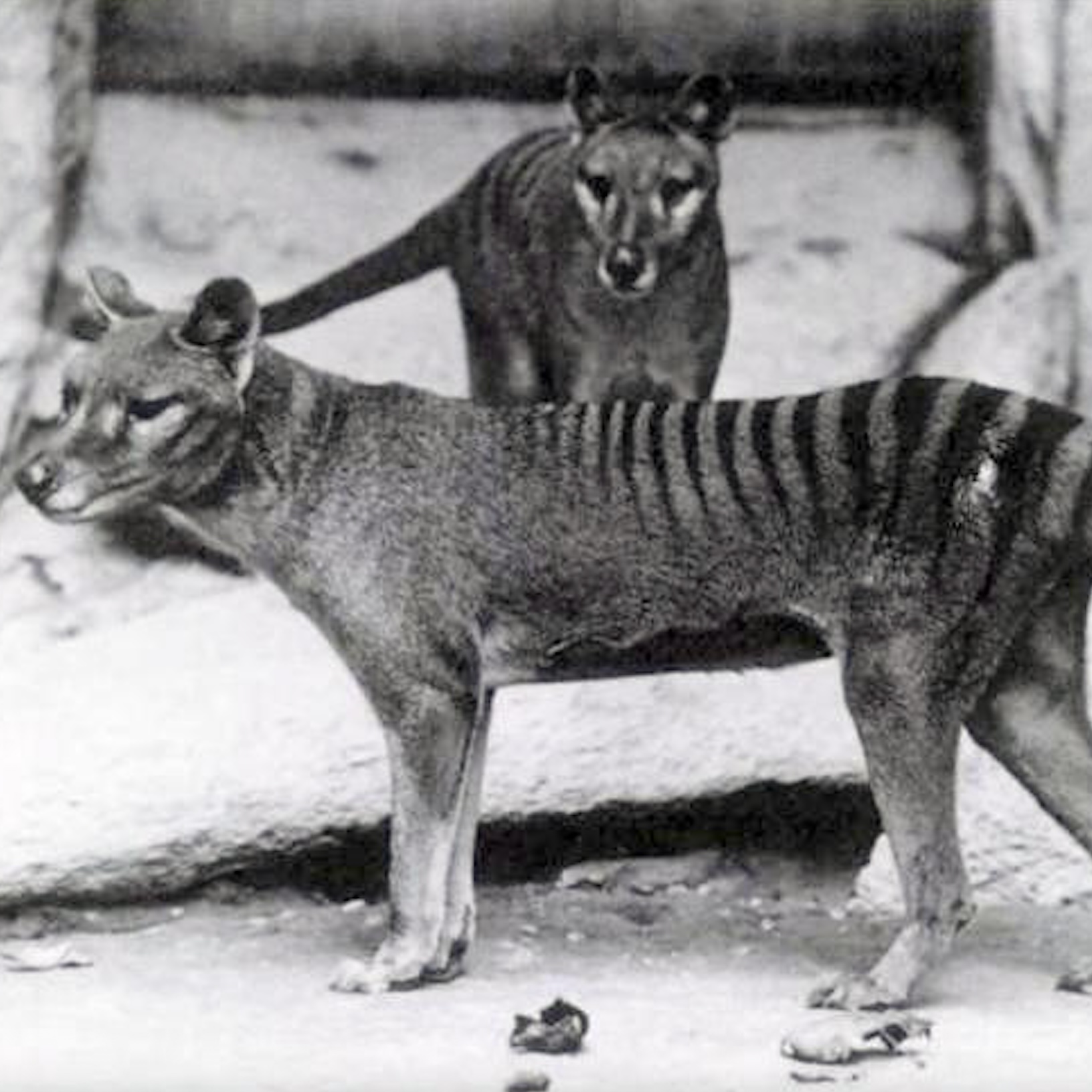
A biotech company in the United States made headlines last month by revealing photos of genetically modified gray wolves, calling them "dire wolves," a species that hasn't existed for more than 10,000 years. Colossal Biosciences edited 14 genes among millions of base pairs in gray wolf DNA to arrive at the pups that were shown, leaving millions of genetic differences between these wolves and real dire wolves.
This hasn't stopped some observers from asserting to the public that "de-extinction" is real. But it's not, says podcast guest Dieter Hochuli, a professor at the Integrative Ecology Lab at the University...
How the sounds of whales guide conservation efforts
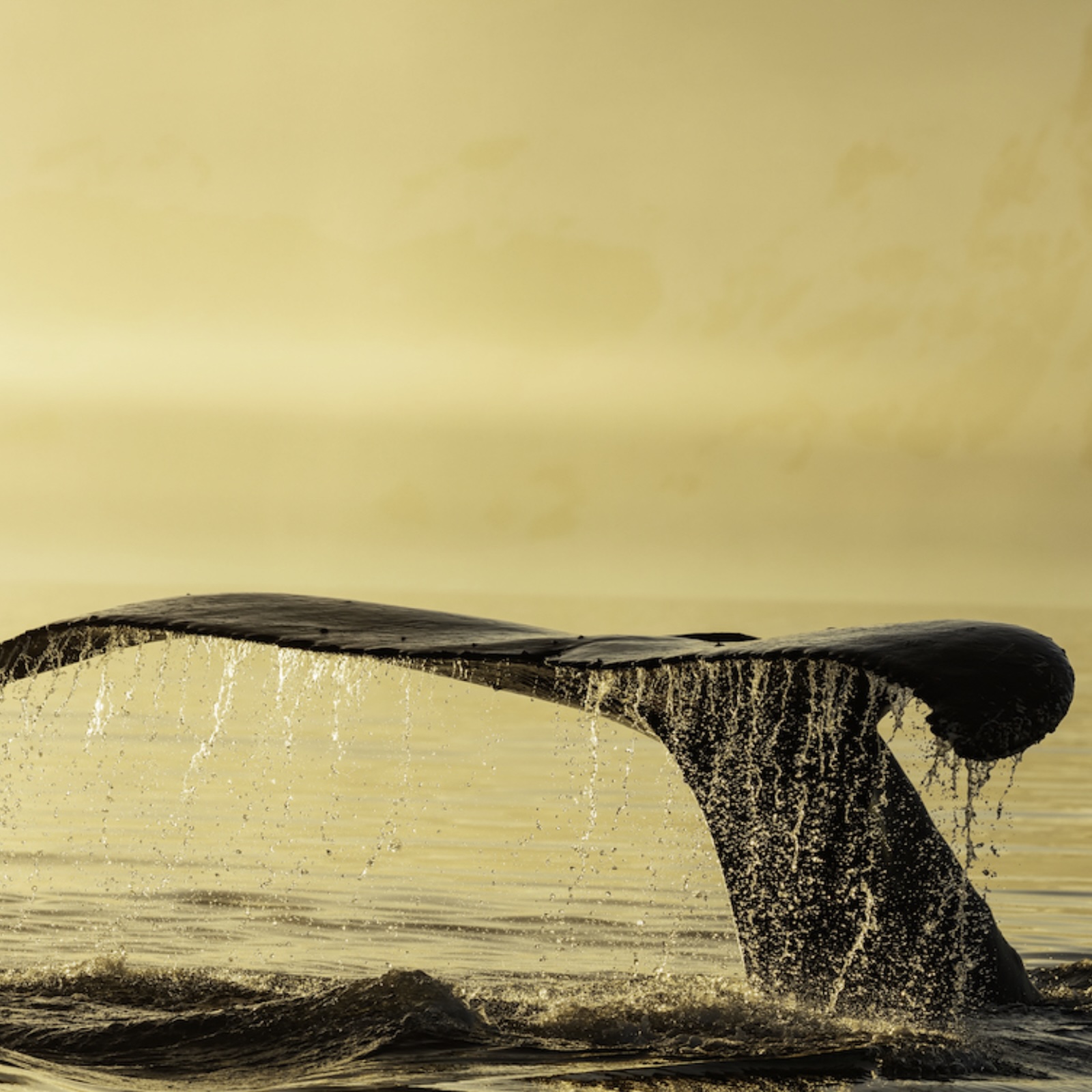
Biological oceanographer John Ryan joins Mongabay's podcast to discuss his team's multiyear study that examined vocalizations of baleen whales, including blue (Balaenoptera musculus), humpback (Megaptera novaeangliae) and fin whales (Balaenoptera physalus), and how this science is critical for understanding their feeding habits, and thus informing their conservation.
The study found that these whales' songs rise and fall with their food supply, which provides valuable insights into how changing ocean conditions can affect their health and guide management measures.
"Some of the research we did tracking the movement and ecology of blue whales helped our sanctuary...
How a prize-winning project brought saiga antelope back from the brink
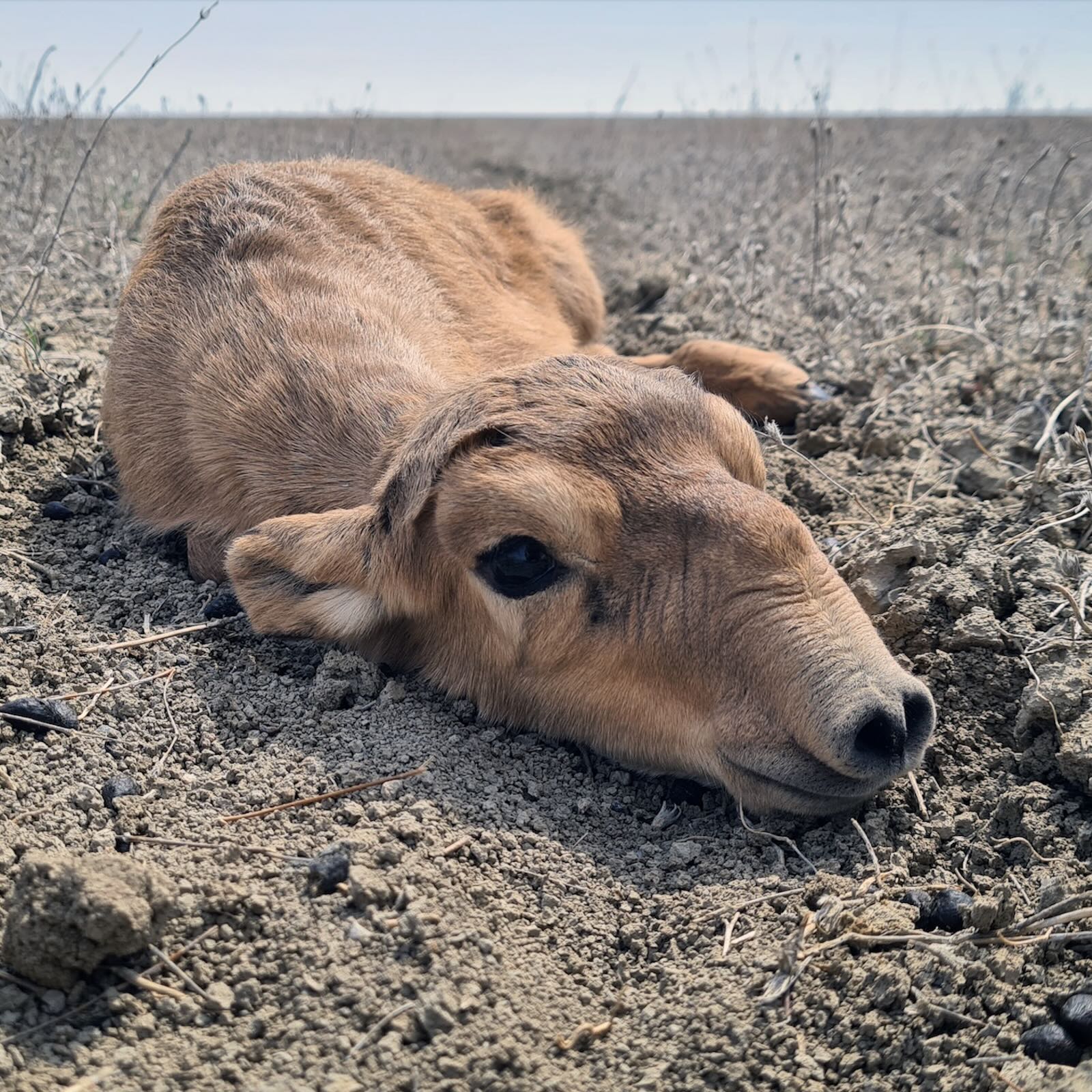
Two decades ago a group of NGOs came together with the government of Kazakhstan to save the dwindling population of saiga antelope living in the enormous Golden Steppe. Since then, the Altyn Dala Conservation Initiative has successfully rehabilitated the saiga (Saiga tatarica) from a population of roughly 30,000 to nearly 4 million. For this effort, it was awarded the 2024 Earthshot Prize in the "protect & restore nature" category.
Joining the podcast to discuss this achievement is Vera Voronova, executive director of the Association for the Conservation Biodiversity of Kazakhstan, an NGO involved in the initiative.
Voronova details the c...
The impact-driven success of Mongabay's nonprofit news model

Media outlets are downsizing newsrooms and the audience for traditional news is in decline, but Mongabay continues to grow thanks to its impact-driven, nonprofit model. Mongabay's director of philanthropy, Dave Martin, joins the podcast this week to explain the philosophy behind Mongabay's fundraising efforts, why the nonprofit model is essential for impact-driven reporting, and how the organization ensures editorial independence.
" Those who fund us and read us, they're really expecting real-world impact and high-quality journalism. So, people are coming back to Mongabay because they're interested in what we're reporting on. There's a really high level of quality th...
The climate movement must move beyond carbon and emphasize humanity, too, Paul Hawken says

Renowned author, activist and entrepreneur Paul Hawken joins Mongabay's podcast to discuss his new book, Carbon: The Book of Life, and argues that the jargon and fear-based terms broadly used by the climate movement alienate the broader public and fail to communicate the nuance and complexity of the larger ecological crises that humans are causing.
Instead, Hawken argues that real change begins in, and is propelled by, communities: "Community is the source of change, and what we have [are] obviously systems that are destroying community everywhere."
The title of Hawken's book, carbon, is also the f...
Why has Australia paused key environment commitments?
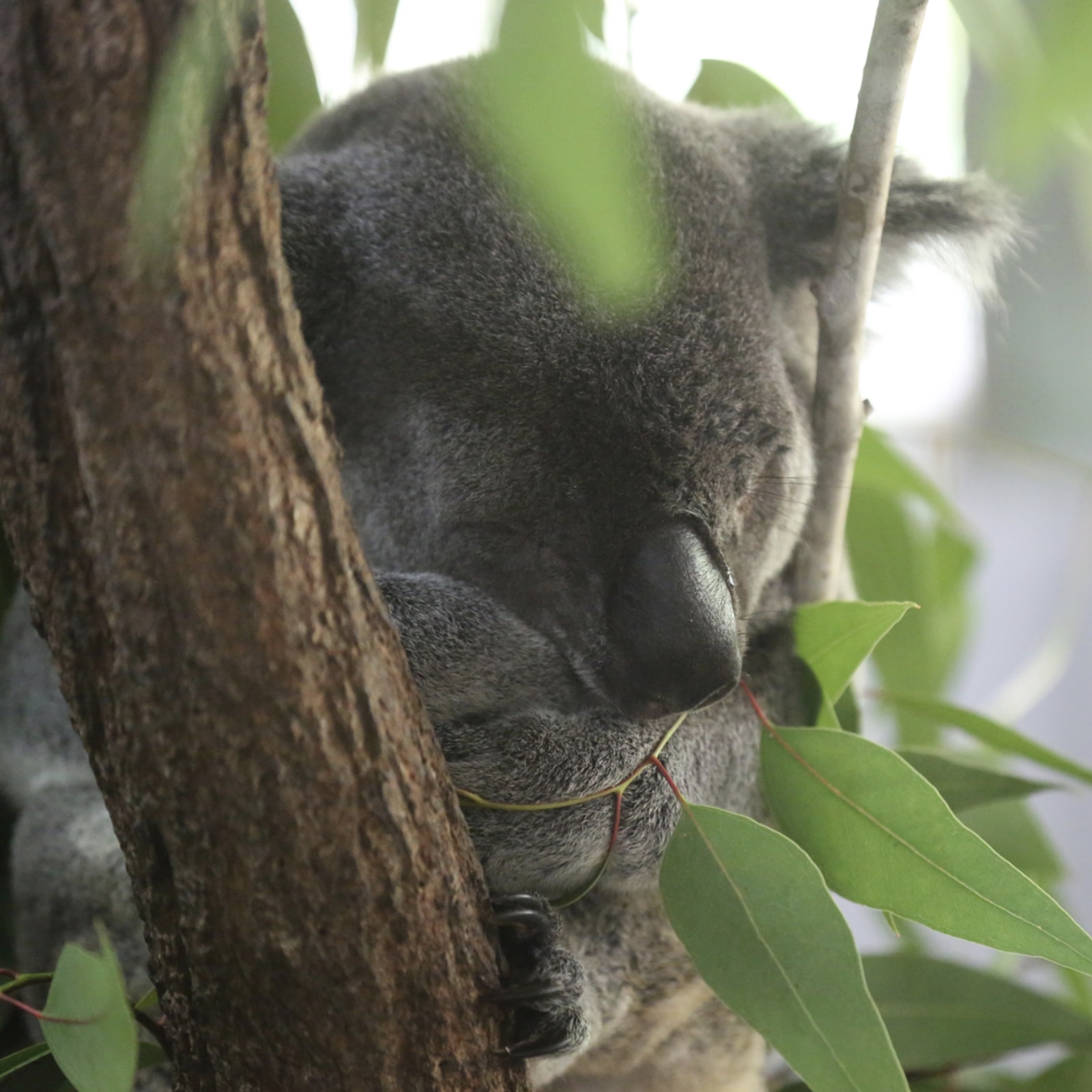
The Australian government recently shelved key environmental protection commitments indefinitely, including the establishment of an environmental protection agency, and a robust accounting of the nation's ecological health via an environmental information authority. The latest suspension was announced by the Prime Minister just ahead of a federal election. Australia initially proposed these "nature positive" reforms in 2022 and hosted the first Global Nature Positive Summit in 2024 to great fanfare, but has not implemented any substantial domestic legislation to overhaul its old environmental laws.
Joining the podcast to explain this situation is Adam Morton, the environment editor at The Guardian A...
What environmental history says about our current 'planetary risk'
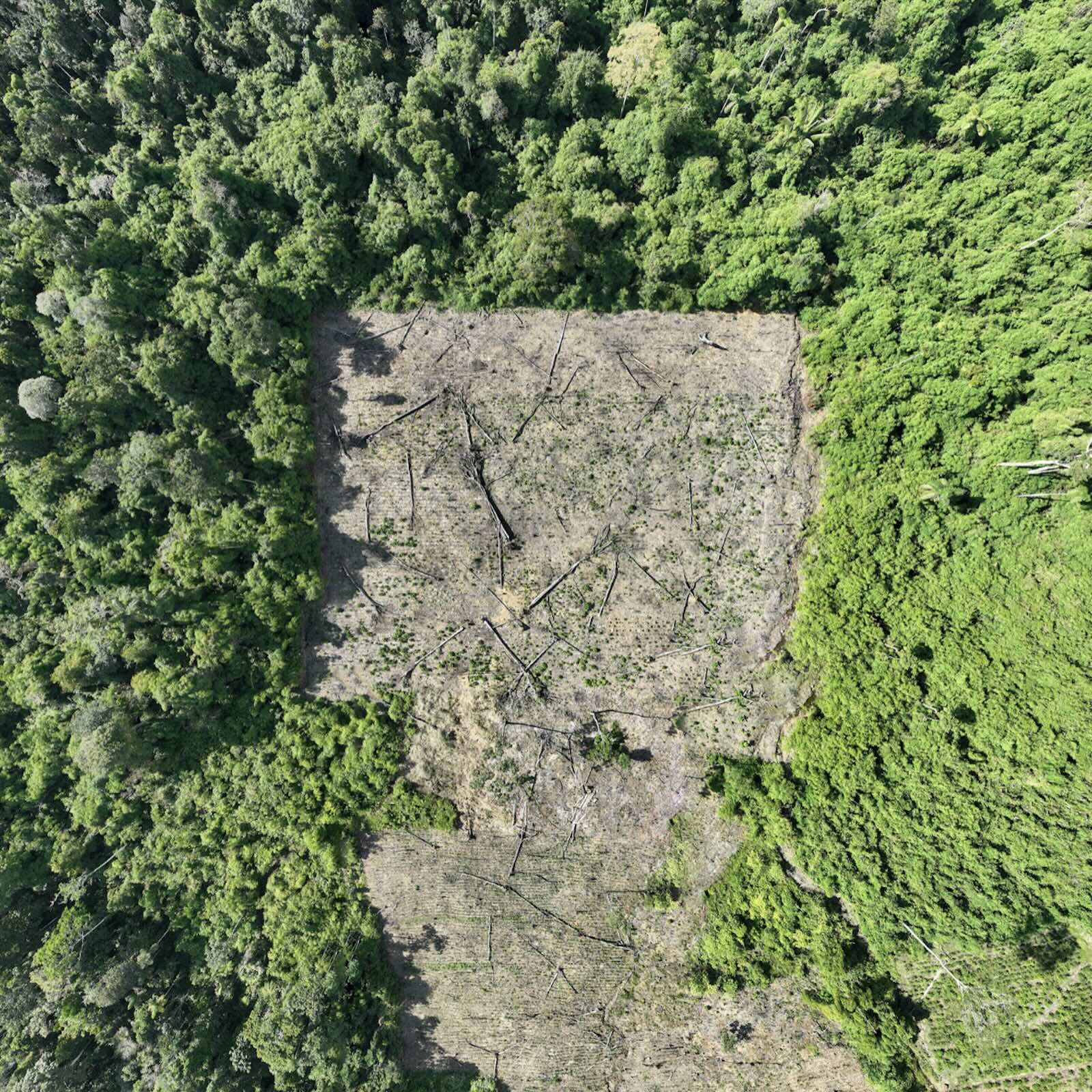
Recent and major shifts in international environmental policies and programs have historical precedent, but the context of global environmental degradation and climate change presents a planetary risk that's new, say Sunil Amrith. A professor of history at Yale University, he joins this week's Mongabay Newscast to discuss the current political moment and what history can teach us about it.
" When we look at examples from the past, [societies' ecological impacts] have tended to be confined to a particular region, to those states, and perhaps to their neighbors. Because of where we are in terms of anthropogenic warming [an...


