El Podcast

In El Podcast, anything and everything is up for discussion. Grab a drink and join us in this epic virtual happy hour!
Canada’s Breaking Point Has Arrived (E220) - Darrell Bricker
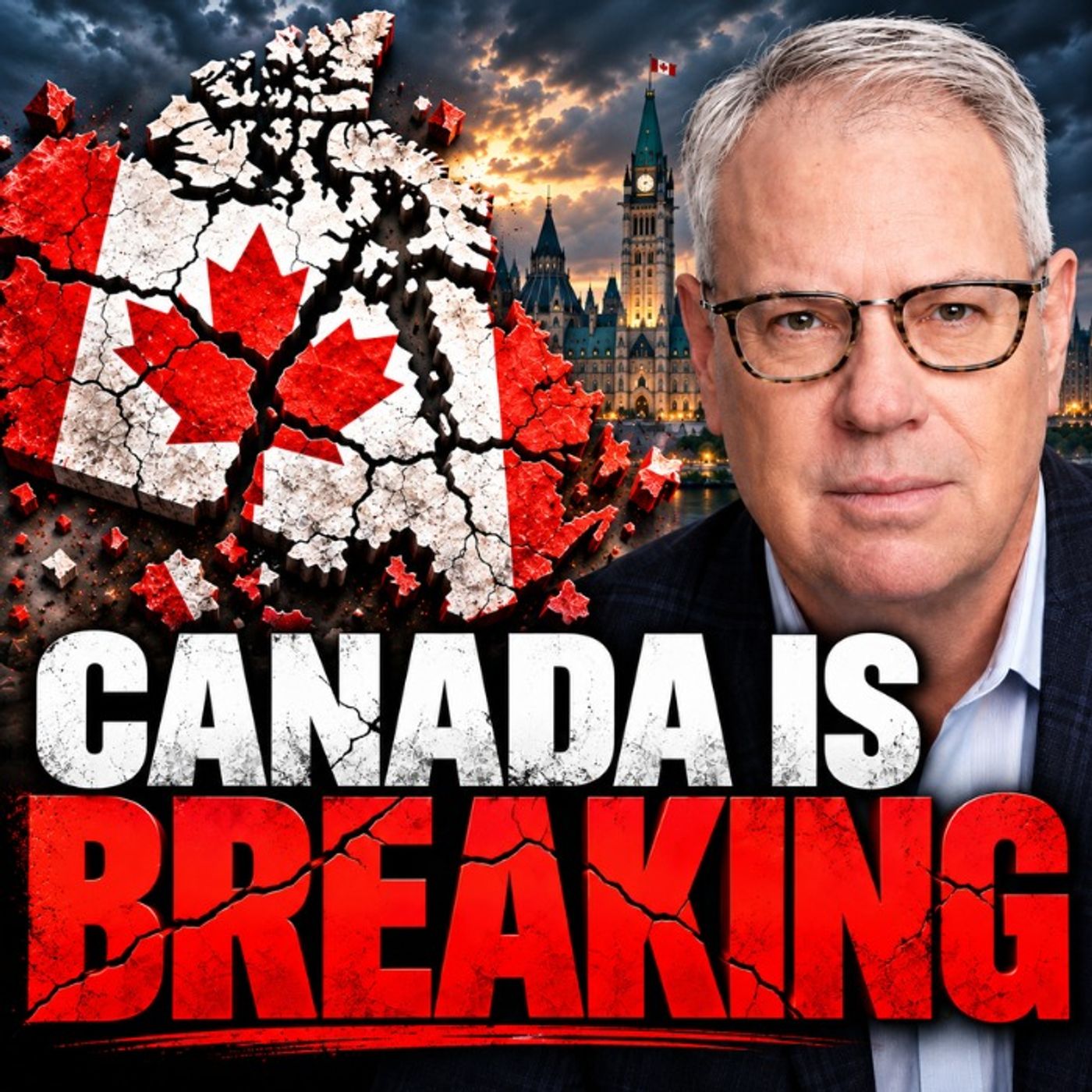
Darrell Bricker explains why Canada is approaching a potential breaking point as soaring housing costs, immigration pressures, generational divides, regional tensions, demographic decline, and a changing relationship with the United States challenge the country’s future.
Guest Bio
Dr. Darrell Bricker is Global CEO of Ipsos Public Affairs and co-author, with John Ibbitson, of Breaking Point: The New Big Shifts Putting Canada at Risk. He is a leading Canadian public-opinion researcher and has written extensively on demographics, politics, and social change.
Topics Discussed
Why Canada may be approaching a national “breaking point”Canada’s...Forget Biohacking: What Actually Helps You Live Longer (E219)

Bill Gifford, co-author of Outlive, explores why Americans are living less healthy lives despite spending more on healthcare, the surprising benefits of heat, and why relationships, purpose, and everyday movement may matter more than biohacking for longevity.
Guest Bio
Bill Gifford is a journalist and author specializing in health, fitness, and longevity. He co-authored Outlive: The Science and Art of Longevity with Dr. Peter Attia, wrote Spring Chicken: Stay Young Forever (or Die Trying), and is the author of Hotwired: How the Hidden Power of Heat Makes Us Stronger. A longtime contributing editor at Outside...
Inside the Activist Industry (E218)

Former progressive activist and counter-disinformation strategist Sabrina Joy Stevens explains why she walked away from the activist left, exposing the incentives, staged activism, ideological groupthink, and institutional machinery she says keep the movement alive.
Guest Bio
Sabrina Joy Stevens is a former progressive activist, political communications and narrative strategist, educator, and counter-disinformation professional who spent years working inside activist organizations and campaigns. After beginning to question her worldview—particularly during and after 2020—she became an outspoken critic of the activist culture and institutions she once helped advance.
Topics Discussed
Why Sabrina Left Prog...Everything You’ve Heard About the National Debt Is Wrong (E217)

Former banking CEO Richard Vague explains why America’s $40 trillion federal debt may be less dangerous than private debt, how banks actually create money, what really causes financial crises, and why an AI bubble probably won’t crash the broader economy.
GUEST BIO
Richard Vague is a former banking CEO, entrepreneur, author, and former Pennsylvania Secretary of Banking and Securities. He co-founded two major credit-card banks and has spent decades studying how private debt, bank lending, and financial crises shape the economy. His books include The Paradox of Debt, A Brief History of Doom, The Next...
Are We Living Through the Great Innovation Decline? (E216)
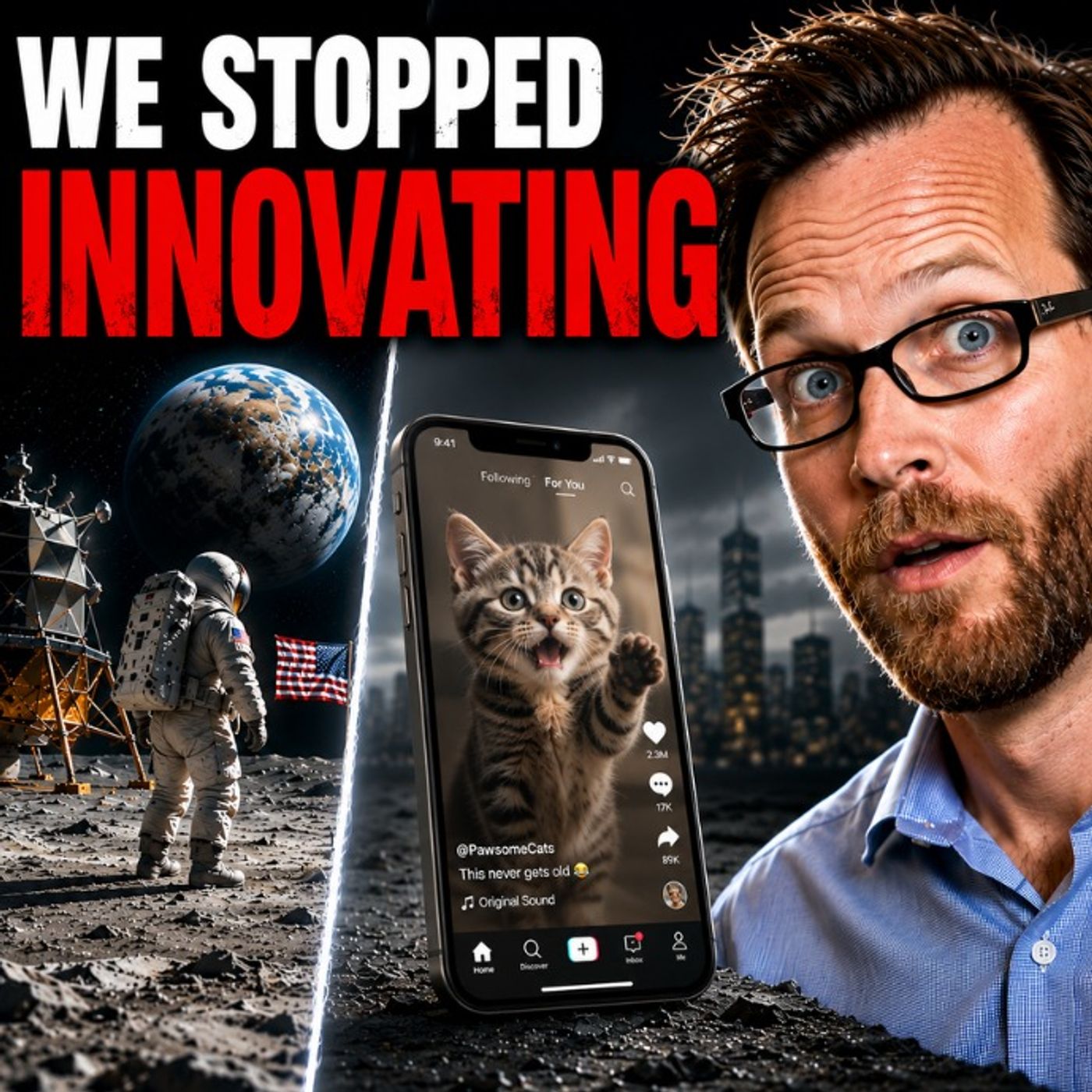
Professor Olof Hallonsten argues that society has never talked more about innovation and entrepreneurship, yet bureaucracy, short-term thinking, risk aversion, and startup mythology may actually be making real innovation harder to achieve.
Guest bio
Olof Hallonsten is Professor of Socioeconomic Technology Studies at Lund University in Sweden and an expert on science, innovation, and research policy. He spent roughly 10–15 years studying innovation and research policy and has consulted for both the European Commission and the Swedish government. He is the author of Empty Innovation: Causes and Consequences of Society’s Obsession with Entrepreneurship and Growth, whic...
The Rise & Fall of the Hot Girl Service Economy (E215)

Swedish demographer and political candidate David Lorentzon explains his controversial theory of the “Hot Girl Service Economy”—how social media, global travel, gender-segregated careers and migration created female-centered economic ecosystems in places like Bali, Phuket, Dubai and Miami, and why he believes AI and economic disruption could bring them down.
Guest bio
David Lorentzon is a Swedish demographer, researcher and political candidate who studies migration, gender ratios, dating markets and demographic change. His research has focused particularly on separating migration statistics by gender, which led him to theories about mass female migration and what he calls...
What Europeans Get Wrong About America (E214)
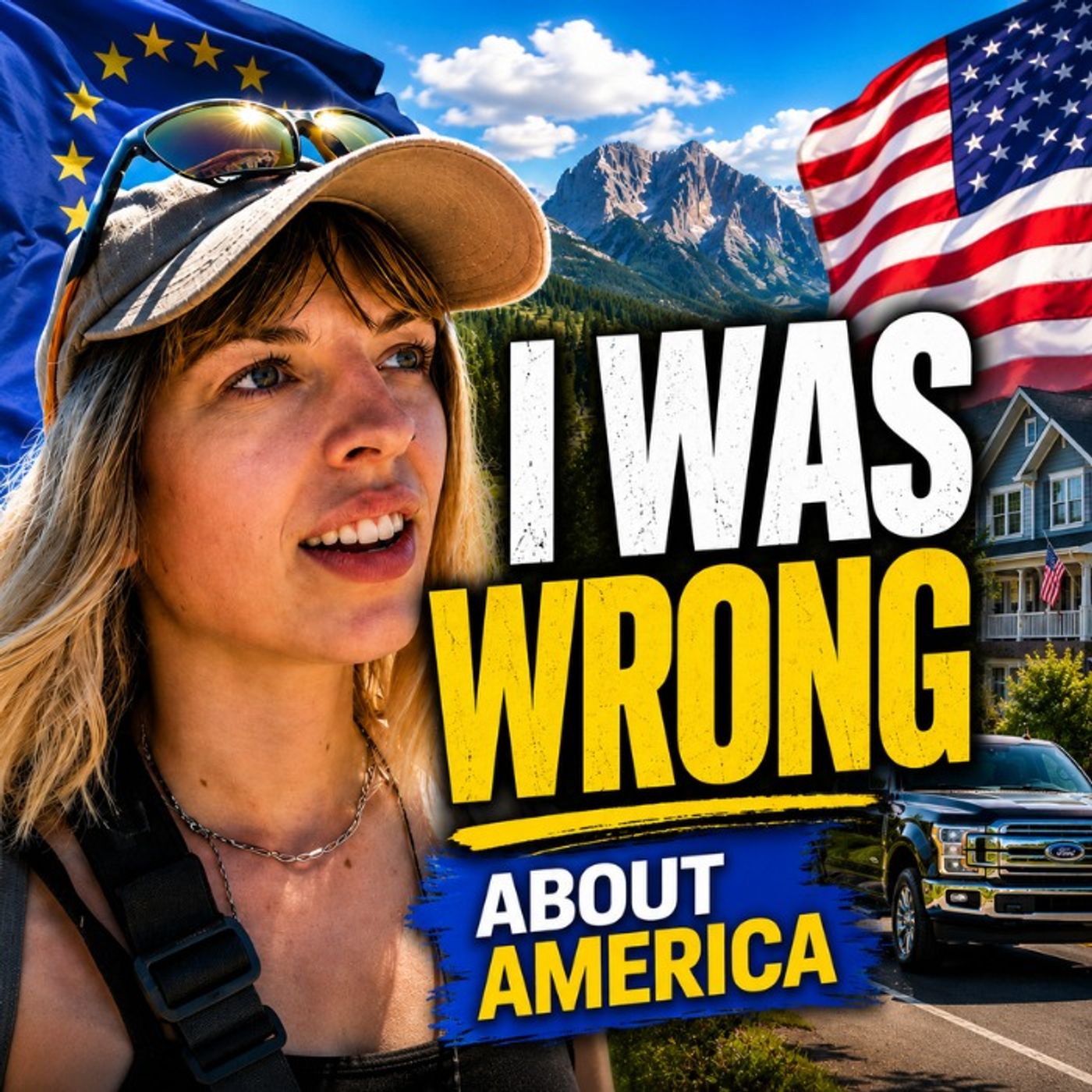
A German travel YouTuber shares how visiting America challenged nearly every stereotype she had about the United States—from friendliness and safety to healthcare, food, and quality of life—while comparing American culture with Europe and Asia.
Guest Bio
Cori Ander is a German travel YouTuber currently based in Thailand who has spent years exploring countries often misunderstood by the media. Her channel focuses on experiencing cultures firsthand, documenting life across Europe, the United States, China, Ukraine, Colombia, and beyond while challenging common stereotypes through on-the-ground travel.
Topics Discussed
European stereotypes about the...What Happened to Australia? A Warning for the Entire West (E213)

Australian law professor Dr. Augusto Zimmermann argues that Western civilization is in rapid decline due to the erosion of free speech, the rule of law, mass migration, and the growing power of political and global institutions.
Guest Bio
Dr. Augusto Zimmermann is an Australian law professor, constitutional scholar, and author specializing in free speech, constitutional law, natural law, and Western civilization. Born in Brazil and living in Australia for more than 26 years, he has served as a law professor, Associate Dean, and Law Reform Commissioner. He is the co-author of The Battle for the Soul...
The Biggest Lies About American History (E212)

Professor Jeff Fynn-Paul argues that many popular narratives about European colonialism are historically inaccurate, tracing their origins to ideological reinterpretations of history rather than the historical evidence itself.
Guest Bio
Professor Jeff Fynn-Paul is a professor of economics and global history at the Institute for History in the Netherlands. Originally from the United States, he earned his PhD from the University of Toronto and specializes in European, colonial, and economic history. He is the author of Not Stolen: The Truth About European Colonialism in the New World and the forthcoming The Four Pillars of Western...
Everything You Know About Sleep Is Wrong (E211)

Humans aren't suffering from a sleep epidemic—we're suffering from a circadian rhythm epidemic, and understanding the difference could transform how we think about sleep, health, and human evolution.
Guest Bio
Dr. David Samson is an Associate Professor of Evolutionary Anthropology at the University of Toronto, Director of the Sleep & Human Evolution Lab, and author of The Sleepless Ape. His research explores how sleep evolved, why humans sleep less than any other primate, and how modern environments have fundamentally changed our relationship with sleep and circadian rhythms.
Topics Discussed
Why the "sleep ep...I Asked a Mexico Real Estate Expert About Retiring in Mexico (E210)

Guest Bio
Greg Gunter is the Founder and Broker/Owner of Berkshire Hathaway HomeServices Mexico. A 17-year resident of San Miguel de Allende, he specializes in helping Americans and Canadians relocate, retire, and invest in one of Mexico's most popular expat destinations.
Topics Discussed
Why Americans are retiring in Mexico San Miguel de Allende vs. beach destinations Cost of living and purchasing power The "Four C's": Cost, Climate, Culture & Community Renting before buying Buying property as a foreigner Coast vs. inland property ownership Safety, crime and cartel misconceptions Healthcare and Medicare in M...Britain's Collapse Is Happening Faster Than You Think (E209)

Dr. Ben Jones explains how mass migration, multiculturalism, and declining free speech are reshaping Britain—and why he believes the country's future is at a turning point.
Guest Bio
Dr. Ben Jones is Case Management Director at the Free Speech Union and author of Island of Strangers, where he examines how mass migration, multiculturalism, and restrictions on free expression are reshaping Britain and other Western democracies.
Topics Discussed
Why Britain has "stopped being a society" Mass migration and hyper-diversity The decline of Christianity as Britain's social glue Free speech and self-censorship in modern Br...The Education System Is Still Trapped in 1893 (E208)
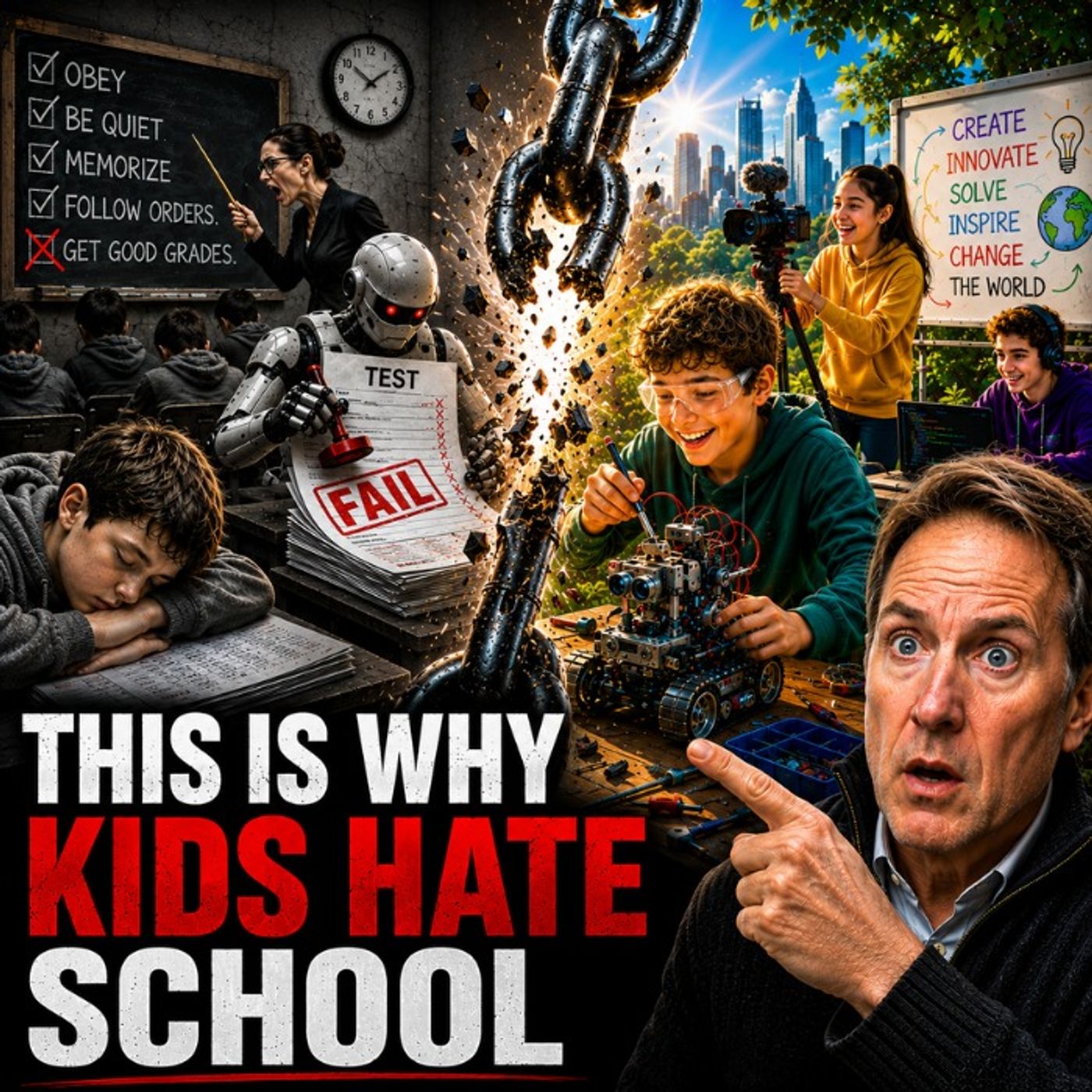
Former venture capitalist and education reformer Ted Dintersmith explains why America's 19th-century education system is failing students in the AI era—and how schools can better prepare young people for the future.
Guest Bio
Ted Dintersmith is a bestselling author, award-winning filmmaker, former top-performing venture capitalist, and one of America's leading education innovators. He has spent more than 15 years visiting schools across all 50 states researching how education can better prepare students for a rapidly changing, technology-driven world.
Topics Discussed
Why today's education system still resembles the factory model created in 1893 How AI is...Why Pickleball Is Growing Faster Than Any Other Sport (E207)

Former world No. 1 pickleball player Zane Navratil explains why pickleball is exploding globally, how pro players actually make money, and what the future of the sport looks like.
Guest Bio
Zane Navratil is a professional pickleball player, former world No. 1 in men's singles, creator of the now-banned spin serve, content creator, coach, and host of a popular pickleball podcast. He competes on the PPA and MLP tours while producing instructional and news content that helps grow the sport worldwide.
Topics Discussed
Why pickleball has become the fastest-growing sport in America International growth...AI Slop Is Flooding Science
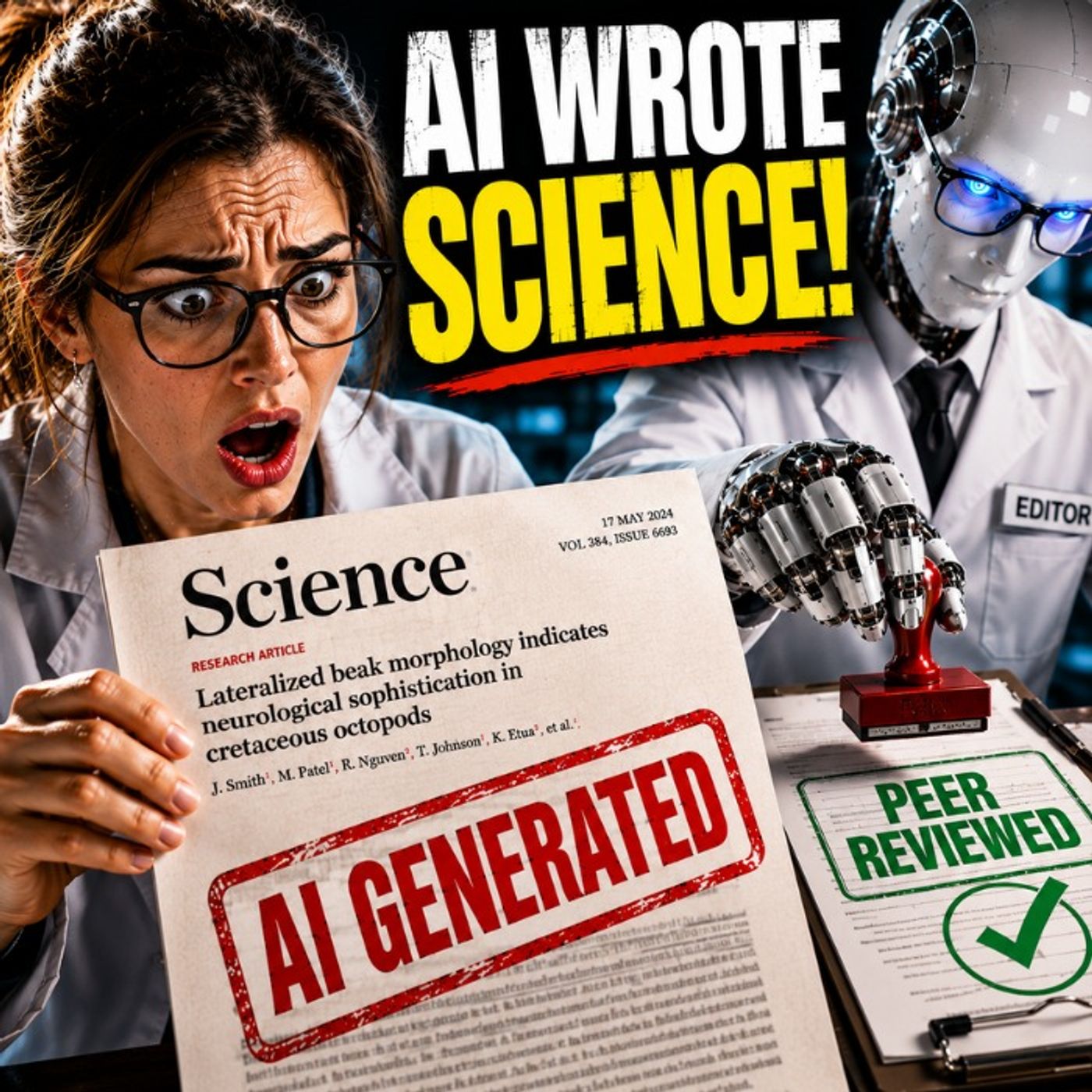
An AI developer and researcher argues that large language models are accelerating the collapse of academic gatekeeping, flooding science with low-quality research, and creating a potential "epistemic dark age."
Guest Bio
@haversine.substack.com is a computer scientist, AI developer, programmer, and mathematics educator who has worked on language models, healthcare AI systems, and education research. His work focuses on how humans learn, how language shapes cognition, and the growing impact of AI on academia and society.
Topics Discussed
AI-generated academic fraud LLM hallucinations in scientific journals The replication crisis in science ...AI Is Replacing Hollywood (E205)
A Hollywood veteran with 56 years in the industry explains why AI, streaming, and changing audience habits are disrupting the traditional film business and what comes next for creators.
Guest Bio
Christian is a veteran cinematographer, camera operator, and filmmaker who has worked in Hollywood for over five decades, from childhood appearances on Little House on the Prairie to a long career in film and television production.
Topics Discussed
Hollywood job losses and studio vacancies AI-generated filmmaking and virtual production The future of actors, directors, and crew members Streaming's impact on Hollywood economics ...I Thought I Was Studying Literature. I Was Wrong (E204)
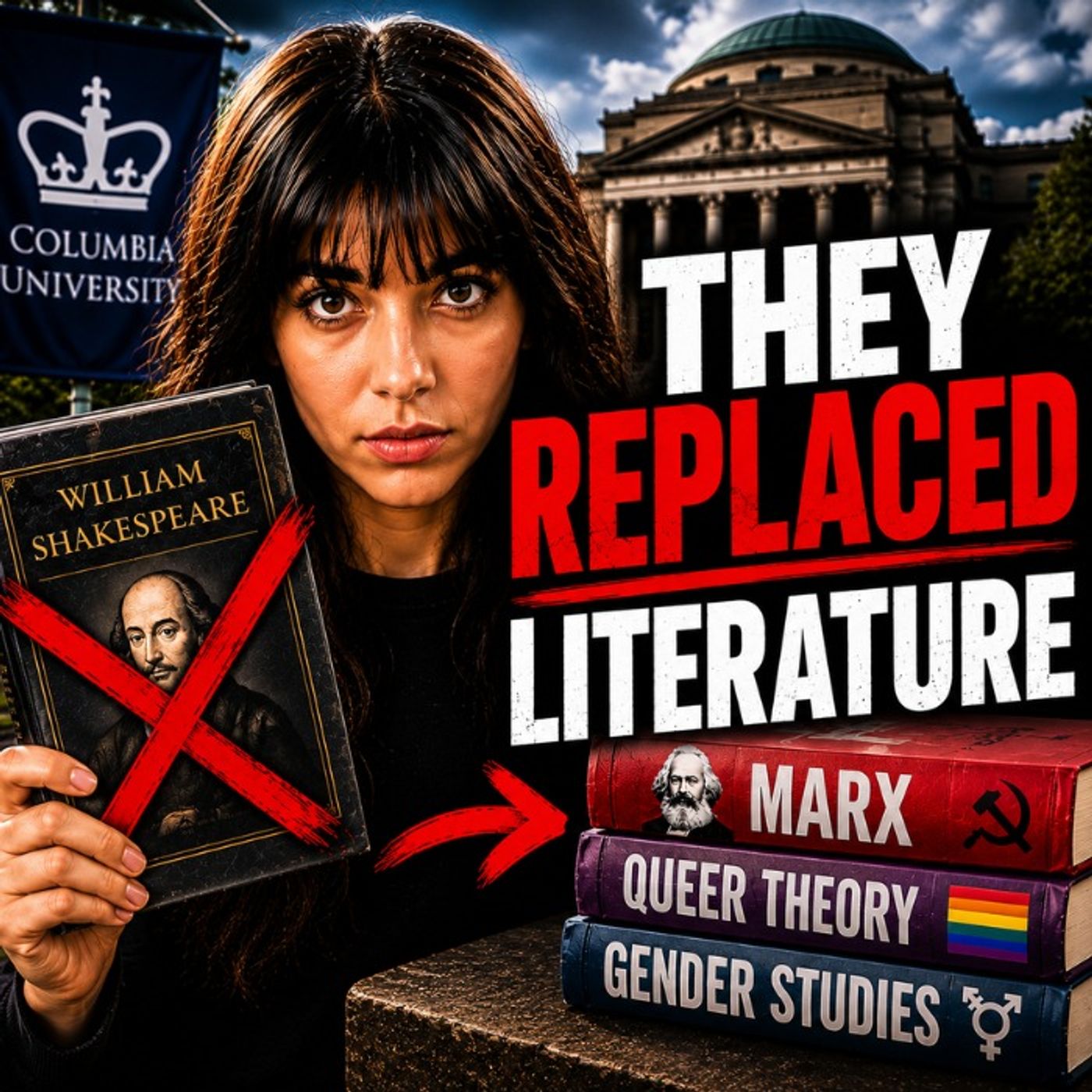
Writer and Columbia English graduate Liza Libes argues that modern English departments and publishing houses have replaced the study of literature with ideology, leaving classic works filtered through political theories rather than literary analysis.
Guest Bio
Liza Libes is a writer, entrepreneur, and creator of the Substack Pens and Poison, where she explores literature, culture, publishing, higher education, and the political forces shaping the humanities. A Columbia University English graduate, she writes extensively about the decline of literary education and the future of reading and writing.
Topics Discussed
Columbia University's English department ...I Left Germany. Here's Why Europe Is Declining (E203)
A wide-ranging discussion on Germany's economic decline, deindustrialization, housing crisis, migration, taxation, political culture, and why Chris chose to leave Germany for Spain.
Guest Bio
Chris Consultant is a German macro and systems analyst who writes and speaks about economics, energy policy, demographics, taxation, migration, and the long-term trajectory of Europe. He offers an on-the-ground perspective on Germany's economic and political challenges.
Topics Discussed
Germany's economic decline and deindustrialization China Shock 2.0 and competition with German industry Energy policy and the loss of cheap Russian energy NATO, military spending, and rearmament Housing affordability...America’s Secret Justice System (E202)

Former DOJ prosecutor Brendan Ballou explains how forced arbitration quietly created a massive private justice system that increasingly shields corporations from public accountability.
Guest Bio:
Brendan Ballou is a former federal prosecutor at the U.S. Department of Justice and the author of When Companies Run the Courts. He currently works with the Public Integrity Project, a legal organization focused on corruption and corporate accountability.
Topics Discussed:
Forced arbitration and America’s “secret justice system” Why the U.S. is less lawsuit-heavy than people think Corporate influence over arbitration systems Supreme Court decisions expand...The Real Estate Boom Is Over…Here’s What Happens Next (E201)

Real estate investor and Marine veteran Tim Street joins El Podcast to discuss the frozen housing market, rising property taxes, Airbnb investing, real estate commissions, and whether homeowners should sell without an agent to save tens of thousands of dollars.
Guest Bio: Tim Street is a real estate investor, former Marine, Airbnb operator, and founder of FoolProofFSBO, a platform that helps homeowners sell their homes without paying traditional real estate commissions. He specializes in For Sale By Owner (FSBO) strategies, real estate investing, Airbnb optimization, and helping sellers avoid costly mistakes during the home selling process.
<...Is Western Culture Turning Against Wokeism? (E200)
A wide-ranging conversation with Eric Kaufmann about the origins of woke culture, institutional capture, generational shifts, social media, AI, and the future of progressive politics.
Guest Bio
Eric Kaufmann is a professor of politics at the University of Buckingham. He is the author of The Third Awokening and several books on identity politics, culture, nationalism, and political polarization. His work focuses on free speech, demographic change, populism, and the evolution of progressive ideology in Western societies.
Topics Discussed
The “three awokenings” from the 1960s to today Social media and the spread of woke ideo...How the Economy Became Rigged Against Young People (E199)

Investment manager Paul Musson argues that modern monetary policy, housing inflation, and financialization have rigged the economy against younger generations and productive capitalism.”
Guest Bio:
Paul Musson is the founder of Paddington Capital Management and former portfolio manager of the Ivy Funds at Mackenzie Investments. With more than 30 years in the investment industry, he focuses on monetary policy, asset bubbles, financial repression, and the long-term consequences of government intervention in markets. He is the author of Capital Offense: Why Some Benefit at Your Expense.
Topics Discussed:
Housing affordability crisis in the U.S. an...Where Foreign Aid Money Really Goes | World Bank Economist Explains (E198)

Former World Bank economist Dr. Emily Brearley says billions in foreign aid have been wasted by corrupt NGOs, bloated bureaucracies, and elites disconnected from the people they claim to help.
Guest Bio
Dr. Emily Brearley is a former World Bank development economist and author of Aid Inferno. After decades working inside the global development system across Africa, Latin America, and Asia, she now critiques the failures of modern foreign aid, USAID, NGOs, and the World Bank. She is also founder of Solution 42, a consulting organization focused on transparent, locally driven development projects.
Topics...
Universities Are Creating a New Dark Age | Lord Nigel Biggar (E197)
A top Oxford professor and member of the House of Lords warns that universities are abandoning truth for ideology—and explains why that could push society into a new “dark age.”
👤 GUEST BIO
Nigel Biggar is a Professor Emeritus of Ethics and Theology at the University of Oxford and a member of the UK House of Lords. He is the author of The New Dark Age: Why Liberals Must Win the Culture Wars, where he explores how universities, media, and institutions are drifting away from open debate and toward ideological conformity.
TOPICS DISCUSSED
The...Why Americans Don’t Trust the Media Anymore (And It’s Worse Than You Think) - E196

A wide-ranging conversation on the collapse of trust in legacy media, the economics driving bias and clickbait, and whether journalism can survive the internet and AI era with Drew Holden.
👤 Guest Bio
Drew Holden is the managing editor of Commonplace and author of the Holden Court Substack. He is a journalist and media critic whose work focuses on media bias, institutional trust, and the changing economics of journalism.
🧠 Topics Discussed
Collapse of trust in media (historical vs today) Rise of clickbait and incentive-driven journalism Impact of the internet and social media on news A...Society Is Being Feminized: Here’s What That Means (E195)
Dr. Cory J. Clark breaks down how the rise of women in academia may be reshaping institutions—shifting priorities from merit and competition toward equity, harm avoidance, and social dynamics.
Guest Bio: Dr. Cory J. Clark is a psychology professor at New College of Florida whose research focuses on moral judgment, political psychology, and academic culture. She is known for her work on sex differences, self-censorship in academia, and her paper “From Warriors to Worriers: The Cultural Rise of Women.”
Topics Discussed
Sex differences in psychology and behavior Feminization of academia and institutions Rise of DEI...Immigration: Does It Make Countries Richer or Poorer? (E194)
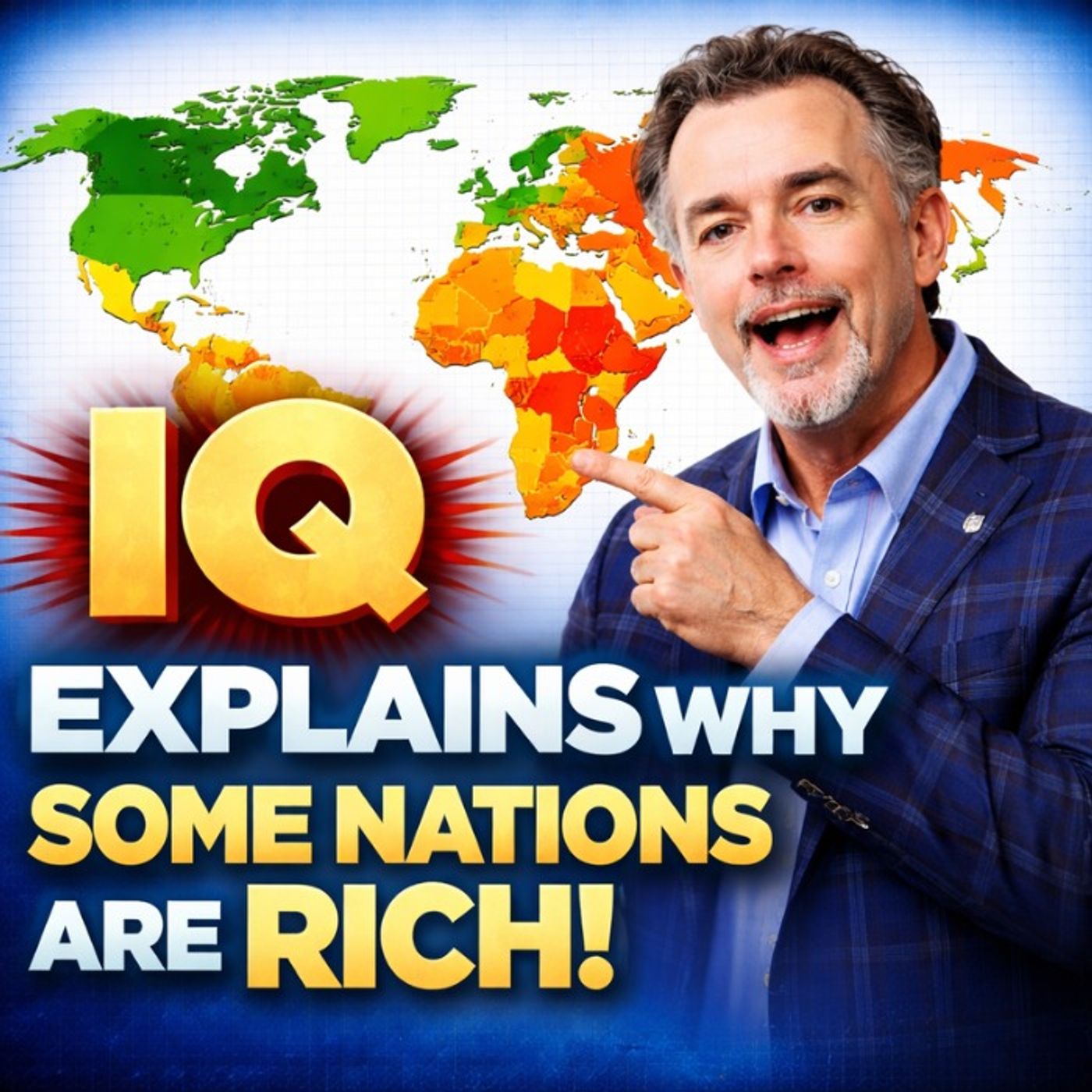
A deep dive with Dr. Garrett Jones on how immigration, culture, and intelligence shape long-run economic outcomes—and why economists sharply disagree on the issue.
Guest Bio
Garett Jones is a professor of economics at George Mason University and the author of The Culture Transplant, Hivemind, and 10% Less Democracy. His work focuses on how national traits—such as intelligence, culture, and institutions—affect economic growth, immigration outcomes, and political systems. He has also served as an economic policy advisor in the U.S. Senate.
Topics Discussed
Immigration and long-run economic outcomes Cultural persis...Peak TV or Content Overload? A TV Critic Explains the Streaming Era (E193)
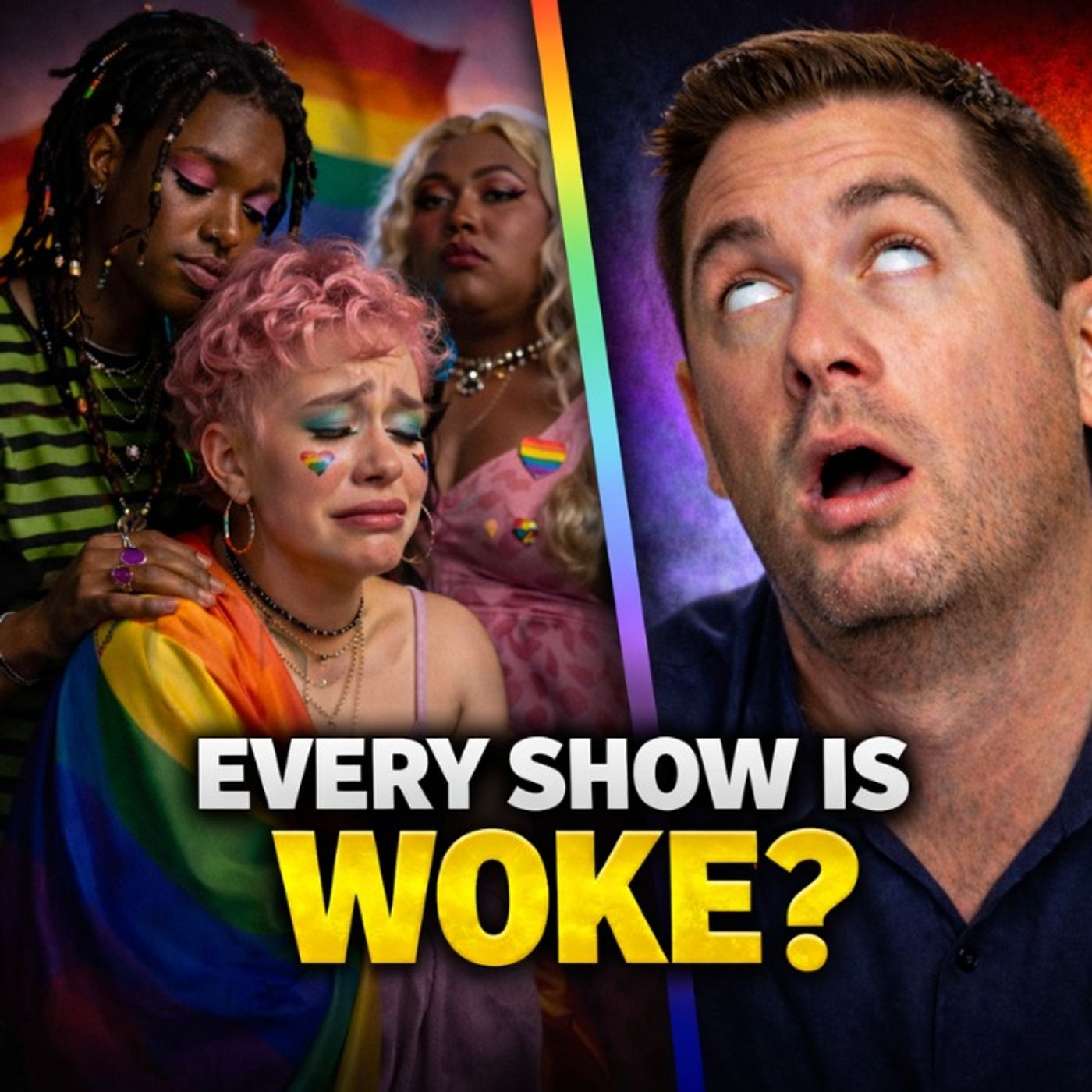
A wide-ranging discussion on whether we’re truly in a “golden age” of television—or just drowning in content—with sharp critiques of streaming economics, woke storytelling, and modern TV bloat.
Guest Bio
Graham Hillard is a TV critic for the Washington Examiner and editor at the James G. Martin Center for Academic Renewal. He writes cultural criticism focused on television, media trends, and the intersection of politics and entertainment.
Topics Discussed
Peak TV vs. content overload Streaming platforms ranking (Apple, HBO, Netflix, etc.) Decline in storytelling quality vs. increase in access Wokeness a...Stop Overpaying for Life—Move to Vietnam (E192)
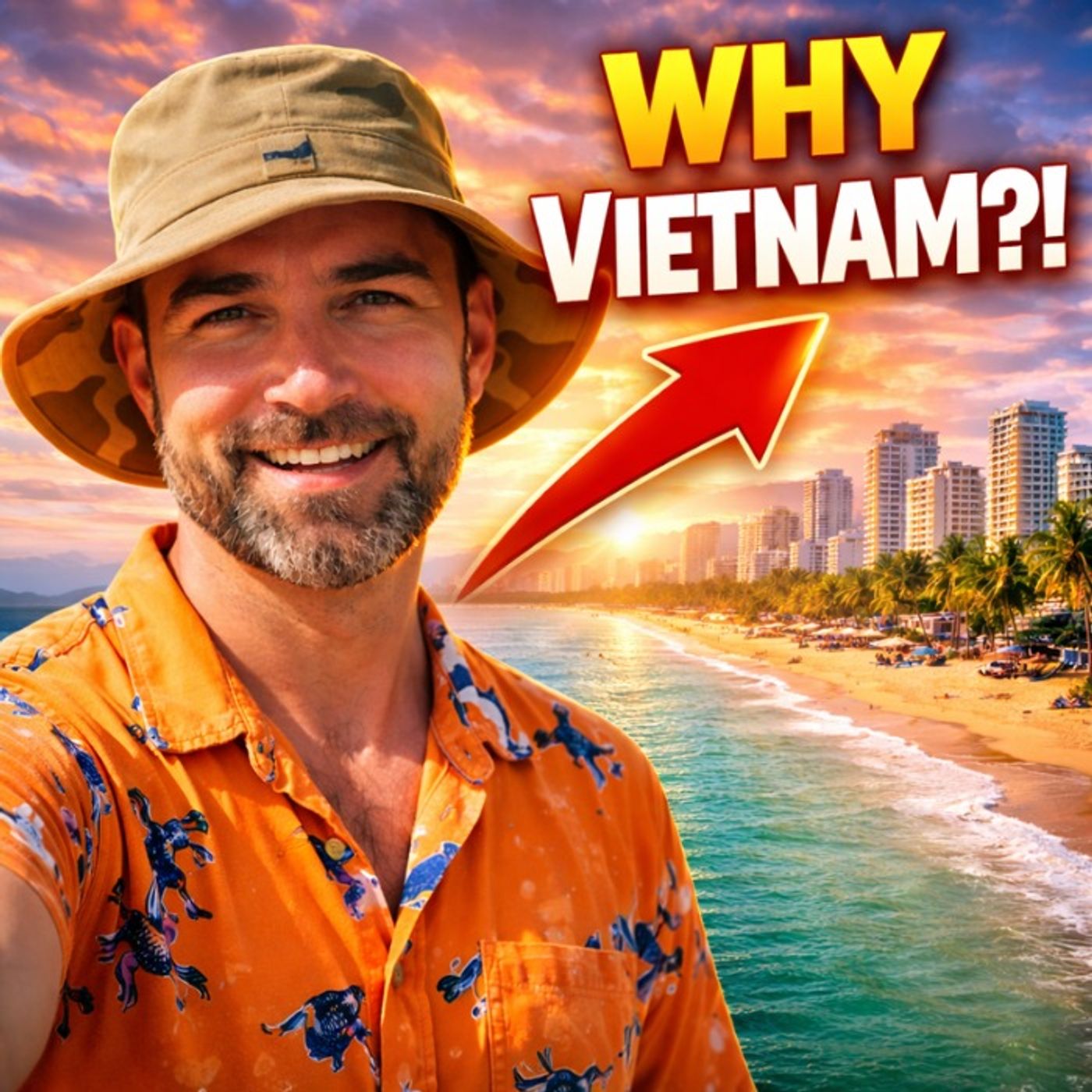
A long-term expat breaks down the real economics, trade-offs, and lifestyle realities of retiring abroad—arguing Vietnam and Southeast Asia offer unmatched value if you fully commit.
Guest Bio
Evan Eh is a YouTuber and long-term expat who has lived abroad for 15+ years across Mexico, Australia, China, and Vietnam. He creates content helping North Americans relocate overseas, with a focus on cost-of-living arbitrage, lifestyle design, and practical logistics of living in Southeast Asia.
Topics Discussed
Retiring abroad (Vietnam, Thailand, Mexico, etc.) Cost-of-living arbitrage and purchasing power Snowbirding vs full relocation Healthcare systems ab...I Got Canceled for Studying Bones… Here’s What Happened | Dr. Elizabeth Weiss (E191)
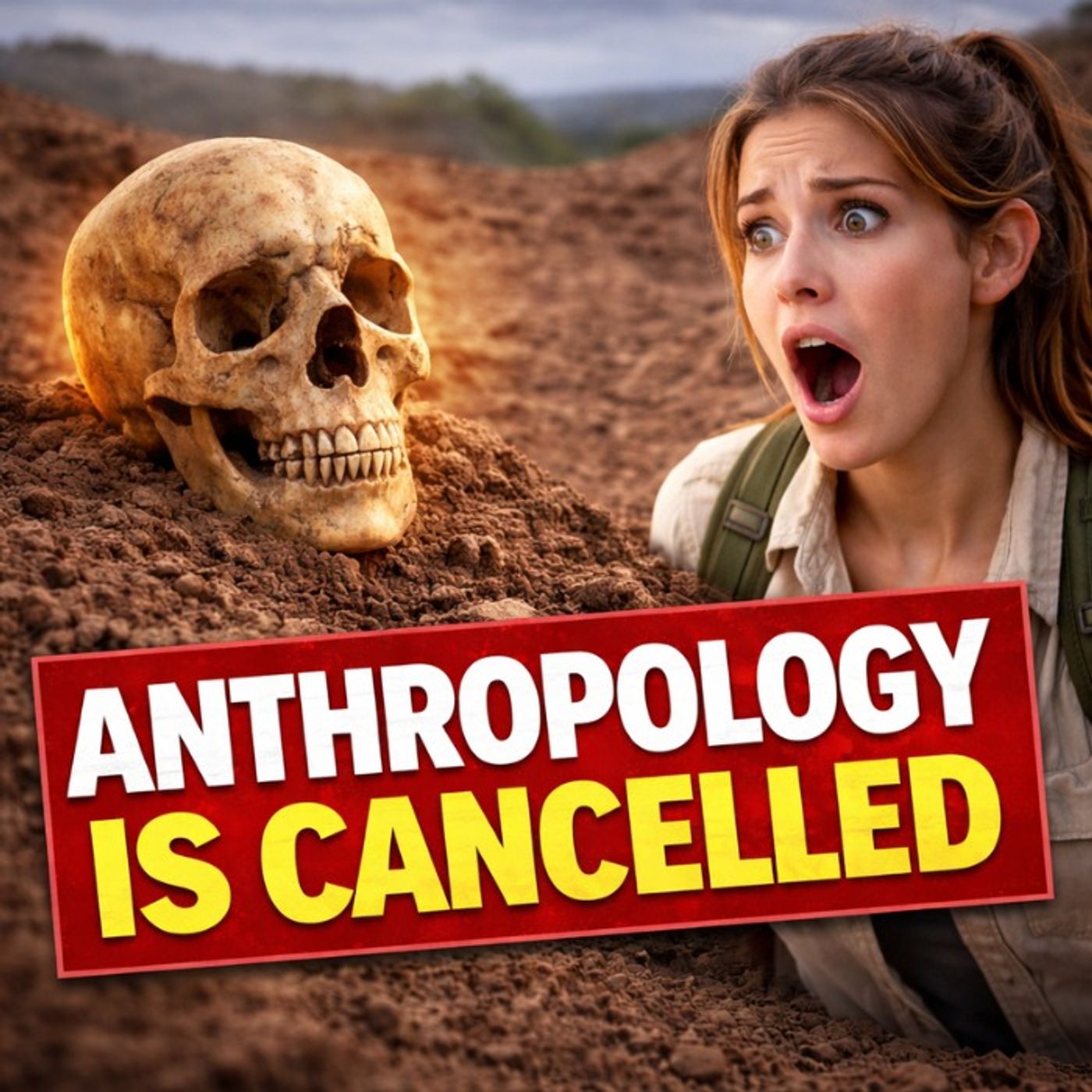
Anthropologist Elizabeth Weiss argues that expanding repatriation policies and identity-driven academic trends are restricting access to skeletal collections and reshaping anthropology away from empirical science.
Guest bio
Elizabeth Weiss is a physical anthropologist and professor emeritus in the Department of Anthropology at San José State University. She studies skeletal remains, taught human osteology and forensic anthropology, curated the Ryan Mound collection, and is the author of On the Warpath: My Battles with Indians, Pretendians, and Woke Warriors and Repatriation and Erasing the Past.
Topics discussed
NAGPRA and the expansion of repatriation rules Loss o...The American Dream Isn’t Dead—You’re Just Being Lied To (E190)
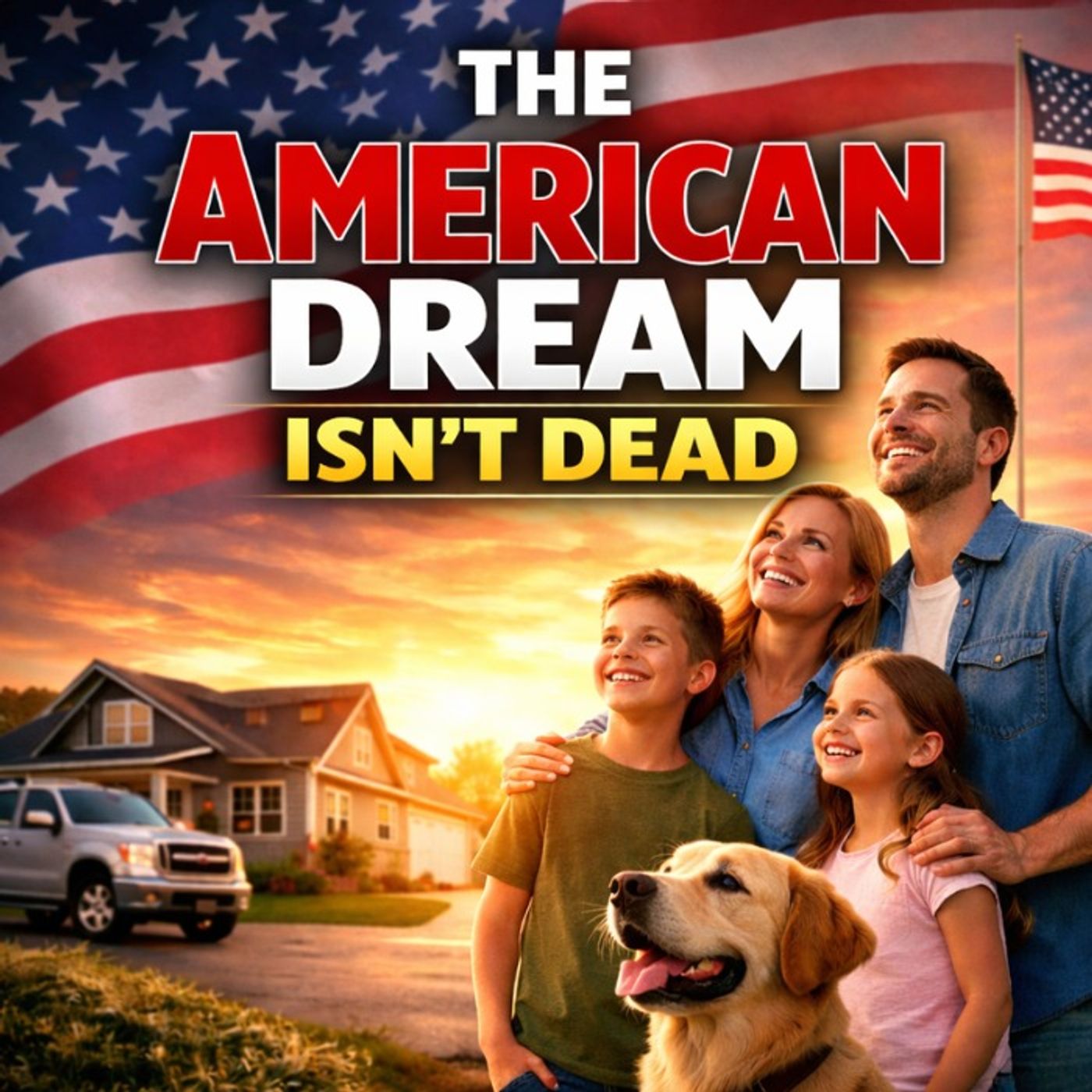
An economist explains why the American Dream isn’t dead—and how policy, not just personal effort, shapes who gets ahead.
👤 Guest Bio
Dr. Justin Callais is Chief Economist at the Archbridge Institute, co-editor of Profectus, and author of the Substack Debunking Degrowth. His research focuses on economic growth, social mobility, and policy-driven barriers to opportunity.
🧠 Topics Discussed
Is the American Dream still alive? How social mobility is actually measured Inequality vs mobility (and why people confuse them) State-by-state differences in opportunity Housing, regulation, and barriers to entry Trade school vs college vs entrepre...I Left Germany for Spain — Now I’m Leaving Europe (E189)

One-line summary: Chris Consultant joins Jesse to explain why he is leaving Germany, arguing that high taxes, bureaucracy, demographic decline, energy policy failures, and shrinking free speech have made Europe increasingly hostile to productive people.
Guest bio:
Chris Consultant is a banking and finance consultant, entrepreneur, YouTuber, and Substack writer.
He creates content about taxes, economic decline, bureaucracy, demographics, AI, and the reasons behind his decision to leave Germany for Spain, with a longer-term goal of leaving Europe altogether.
Topics discussed:
Germany’s tax burden on self-employed workers Public health in...Do Patients Want “Diversity” or Competence? | Dr. Stephen Kershnar (E188)

A philosophy professor/lawyer argues that med-school “holistic” + diversity-weighted admissions are less predictive than a numbers-based algorithm—and that the stakes show up downstream in physician quality, access, and patient outcomes.
Guest bio:
Dr. Steven Kirschner (as stated in your intro) is a distinguished teaching professor of Philosophy at SUNY Fredonia and also an attorney; he authored the 2024 paper “The Diversity Argument for Affirmative Action in Medical School: A Critique” (Journal of Controversial Ideas).
Topics discussed:
Holistic admissions vs. algorithmic/metrics-based selection The “15% top GPA+MCAT rejected” claim (2019–2022) Medical error estimates and why measurement...1 in 20 Deaths: Inside Canada’s Assisted Dying System - Dr. Ramona Coelho
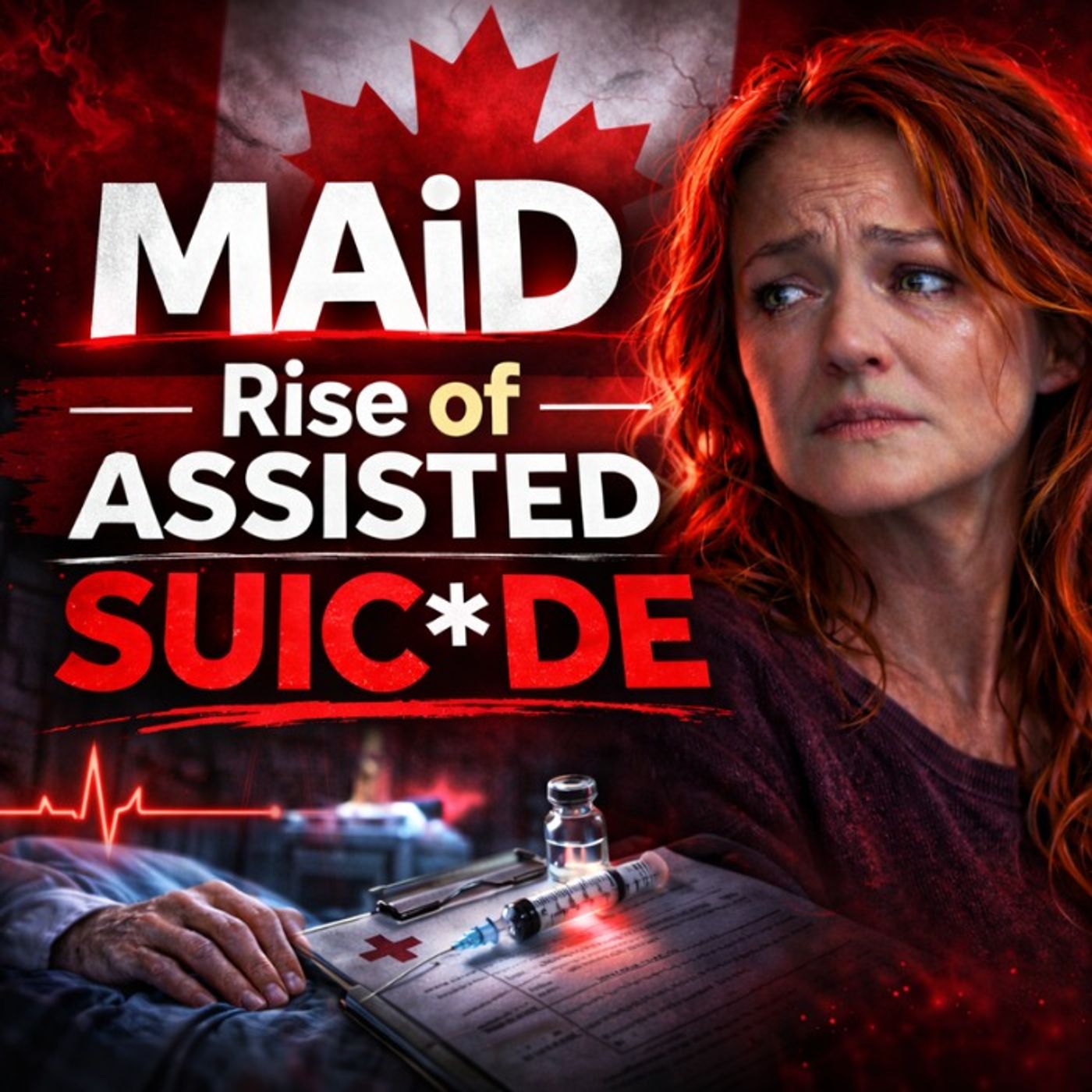
Canada’s MAiD program has expanded rapidly—Dr. Ramona Coelho argues the system increasingly serves vulnerable people, with uneven safeguards and serious ethical, legal, and social risks.
Guest bio:
Dr. Ramona Coelho (MDCM, CCFP) is a family physician in London, Ontario, a senior fellow with the Macdonald-Laurier Institute, and co-editor of Unravelling MAiD in Canada: Euthanasia and Assisted Suicide as Medical Care. She has provided testimony and policy input on MAiD and serves on Ontario’s MAiD Death Review Committee with the Office of the Chief Coroner.
Topics discussed:
How MAiD began in Can...The Eavesdropper Economy: How Surveillance Built AI (E186)

A lively tour from Cold War “The Thing” to today’s surveillance capitalism—showing how audio capture, too much data, and automation pressures helped turn listening into AI.
Guest bios:
Dr. Toby Heys — Professor at the School of Digital Arts (SODA), Manchester Metropolitan University; co-founder of the AUDINT sonic research unit; co-author of Listening InDr. David Jackson — Senior Lecturer in Digital Visualisation at SODA, Manchester Metropolitan University; researches AI’s cultural impact; founded the Storytellers + Machines conference (2023); co-author of Listening In.Marsha Courneya — Canadian writer/editor; teaches Digital Dramaturgy at the International Film School of Cologne; doctoral researc...Managerial Class Ruined Tech (E185) - Darryl Campbell
A former Silicon Valley insider explains how MBA-style “spreadsheet management” is breaking software—and why it’s making tech, AI, and everyday products worse.
Guest bio:
Darryl Campbell is a former tech industry insider who spent 15 years in Silicon Valley at companies including Amazon and Uber and at early-stage startups. He’s the author of Fatal Abstraction: Why the Managerial Class Loses Control of Software.
Topics discussed:
What “managerialism” is and how MBAs took over techWhy software moved from serving users to extracting valueIndustrial-era management vs. internet-scale systemsBoeing 737 MAX, Uber self-driving, and systemic riskE...55% of MIT Faculty Self-Censor — Here’s Why (E184)
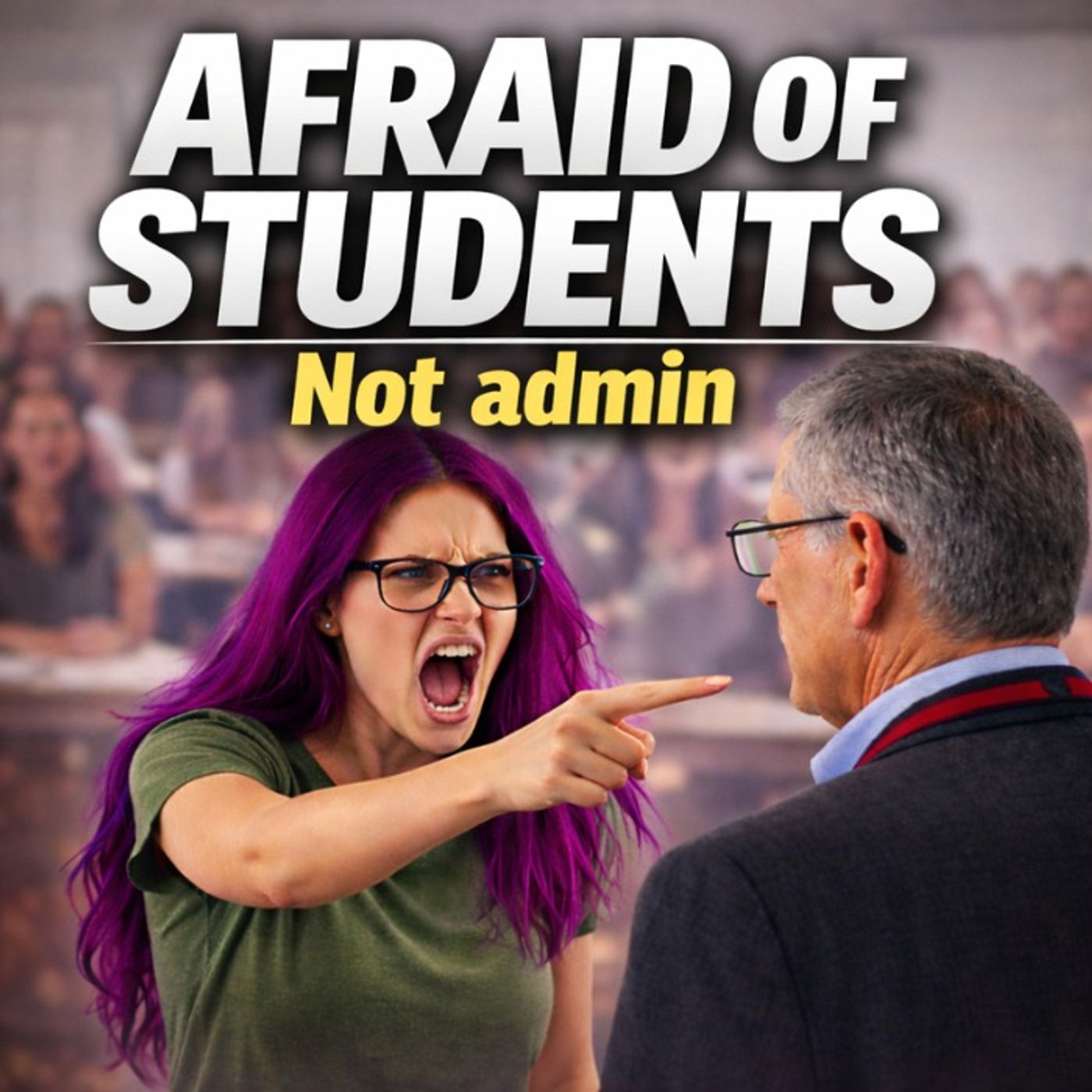
MIT Free Speech Alliance president Wayne Stargardt explains how a few high-profile cancellations can drive widespread faculty self-censorship—even at a STEM powerhouse like MIT.
Guest bio:
Wayne Stargardt is the president of the MIT Free Speech Alliance (independent of MIT) and an MIT alumnus (Class of 1974) who focuses on academic freedom, free expression, and open debate at STEM universities.
Topics discussed
“Silencing Science at MIT” and what MIT faculty surveys suggest about self-censorshipThe Dorian Abbott Carlson Lecture cancellation (2021) and the alumni responseWhy faculty fear student retaliation (bias reporting, administrative escalation)FIRE campus...E183: Why Corporate America Will Never De-Woke | Law Prof Explains

In this episode, Jesse talks with Fordham University School of Law corporate-law professor Sean J. Griffith about why “go woke, go broke” hasn’t really played out—and why big, publicly traded firms can stay “woke” even when consumers or politicians claim there’s backlash. The core theme: modern corporate power often runs through managers, compliance systems, and financial intermediaries, not “owners,” and that structure changes what accountability looks like.
They unpack:
Managerialism and the separation of ownership from control in modern corporations (why founders can still get pushed out, and why shareholders often don’t steer day-to-day gov...E181: Politics Is the Best Predictor of Academic Research — Prof Mark Horowitz
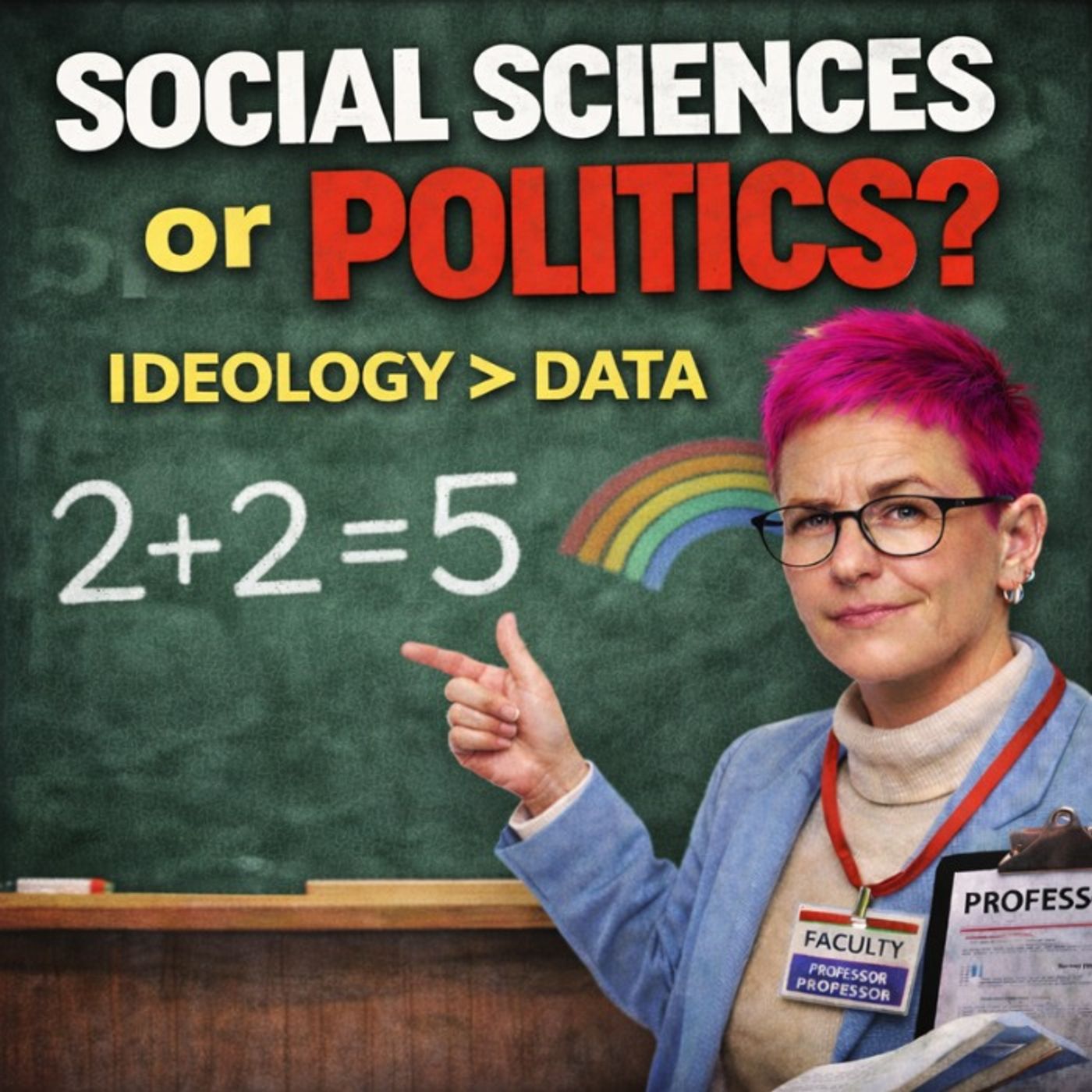
Political beliefs often matter more than data or methods in shaping how social scientists think about controversial issues. In this episode, sociologist Dr. Mark Horowitz explains why many professors line up by politics on hot-button questions, drawing on moral psychology, groupthink inside universities, and the idea that some topics become treated as morally untouchable “sacred victims.”
Guest bio:
Dr. Mark Horowitz is a Professor of Sociology at Seton Hall University whose research uses large surveys of faculty to study political bias, motivated reasoning, and viewpoint diversity in the social sciences.
Topics discussed:
Why...E180: Attraction & Disgust: Evolutionary Psychology Explained (Dr. Deb Lieberman)

Evolutionary psychologist Debra Lieberman explains how “disgust” and other built-in mental programs shape attraction, kinship, morality, and even law—while modern technology and social media scramble the cues those systems evolved to track.
Guest bio:
Dr. Debra Lieberman is a professor of psychology at the University of Miami and an evolutionary psychologist who studies how evolved “mental apps” shape social life—kinship, cooperation, morality, sexuality, and emotions. She’s the co-author of Objection: Disgust, Morality, and the Law.
