AIDS: The Lost Voices
In "AIDS: The Lost Voices," hosts William Hampson and Gloria take a profound look back at the often overlooked narratives of individuals affected by the AIDS crisis in the 80s and 90s.They navigate through the archives of British newspapers, shedding light on the lived experiences that were overshadowed by sensationalist headlines. Hampson, drawing from his own harrowing experiences as detailed in his book 'The Lost Boys of Soho', highlights the personal toll of the pandemic, revealing how stigma and fear shaped the lives of countless individuals within the gay community. Together, they aim to honour the voices that were...
AIDS: The Lost Voices - Prison Activist Brian Carmichael 3/3
In the third and final episode of Prison and HIV Activist Brian Carmichael, we hear the sentencing outcome of Brian’s 2001 conviction after an incident in which a police officer, having kicked his feet from underneath him, alleged that Brian’s subsequent fall caused an injury and led to a battery charge; Brian contests the ruling, mounting an appeal that winds its way through the courts while he and his then partner relocate to New York City, a move that becomes both refuge and new terrain for his activism as he navigates legal uncertainty, personal upheaval and the broader stru...
AIDS: The Lost Voices - Prison Activist Brian Carmichael 2/3
In this second episode of three, prison HIV activist Brian Carmichael is released on parole and takes up a post as manager of a sober living programme, determined to enforce its rules and rebuild his life; his attempts to introduce structure are met with a false allegation from a resident, which, though ultimately vexatious, unleashes a barrage of harassment from authorities that Brian believes stems from the public profile he gained campaigning for better care and services for inmates with HIV/AIDS—work that drew intense press attention despite him being HIV‑negative at the time—and that continues to sha...
AIDS: The Lost Voices - Prison Activist Brian Carmichael 1/3
California’s Medical Facility in Vacaville had long carried a reputation for poor care of inmates diagnosed with AIDS and HIV. By 1992, Brian Patrick Carmichael — though HIV negative himself at the time — began speaking out after witnessing friends and fellow prisoners die of undignified deaths at the hands of the prison authorities; he helped establish Pastoral Care Services, organising round‑the‑clock vigils to accompany those in their final days and hours. With the support of fellow inmates Charles Wyatt Perry, Laos Schuman, Peter Yvanovich and more than 100 others, Carmichael alerted the press, politicians and the public to the appalling...
AIDS: The Lost Voices - AIDS in Chains
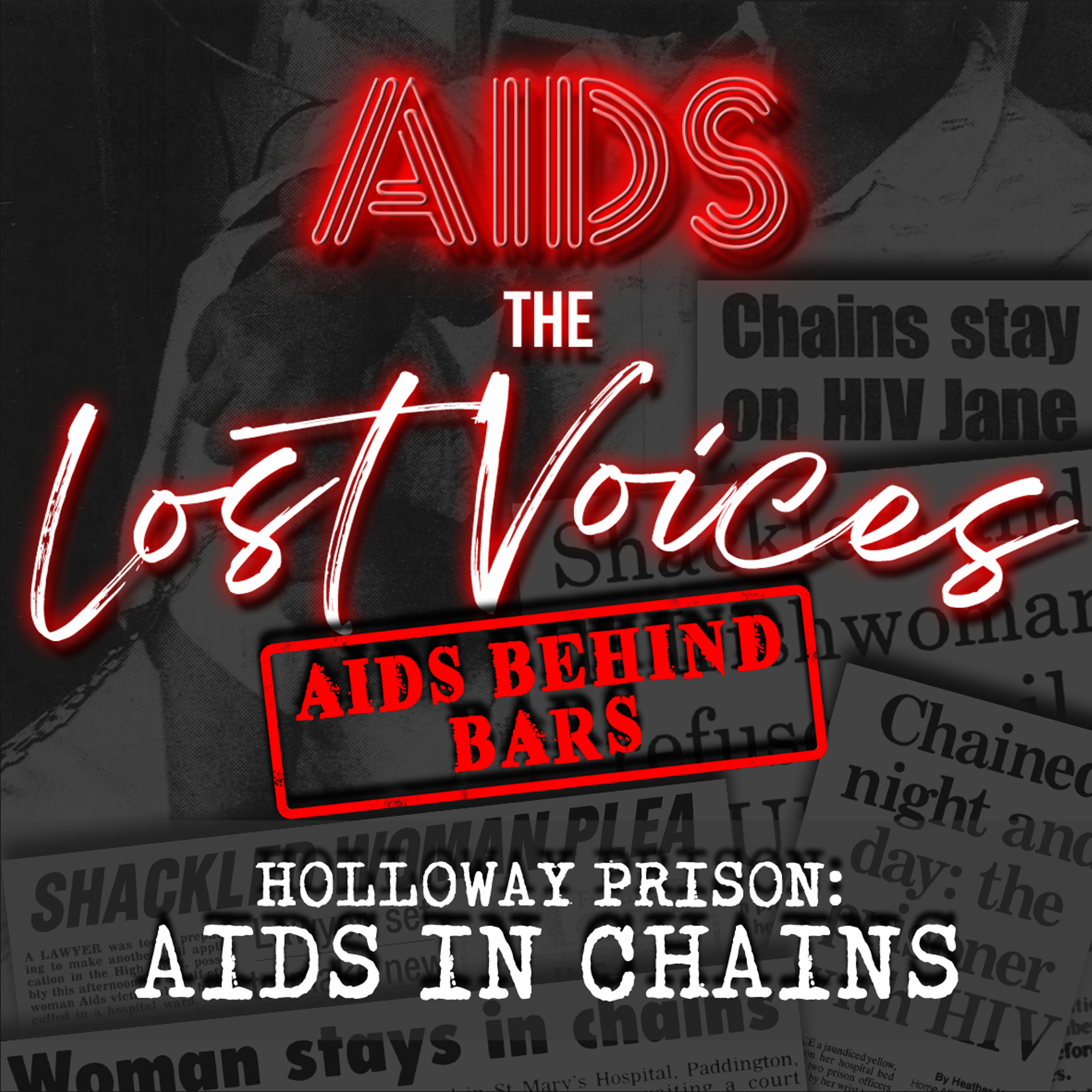
A forgotten and overlooked aspect of the AIDS pandemic was how people diagnosed in prison were treated when their illness advanced: rather than receive dignified medical care, many were transported to hospitals in chains and shackles. In 1991 a male prisoner testified to being taken to hospital still chained, and in 1996 a woman on remand, ‘Jane’ — not convicted, with no previous offences — was held in the AIDS ward at St Mary’s Hospital, London, chained to a guard round the clock; so weak she could barely walk the corridor, her chain was wrapped in a jacket at night to stop it from ra...
AIDS: The Lost Voices - Mark Warren Hearne
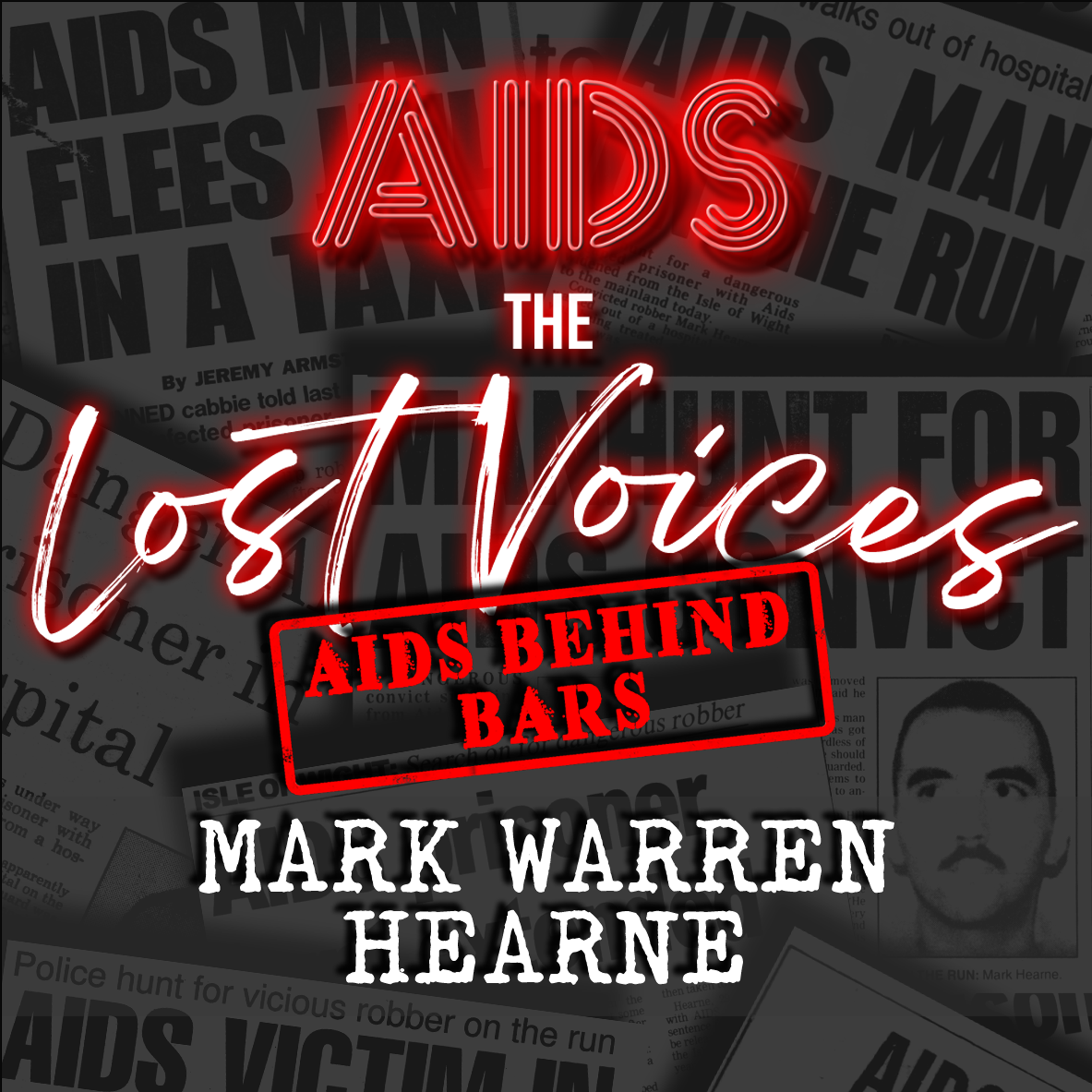
Mark Warren Hearne was diagnosed with AIDS in 1988 at the age of 22 and told he had only three months to live; he nevertheless survived for another nine years, during which time he was convicted of robbery in 1992 and sentenced to five years' imprisonment.
While serving that sentence at HMP Camp HIll on the Isle of Wight he was admitted to St Mary's Hospital on the island with an AIDS-related illness; either because doctors believed him immobile or because he persuaded them he was, his prison guard was stood down, and Mark subsequently escaped from the hospital and...
AIDS: The Lost Voices - Mountjoy & Arbour Hill Prisons 2/2
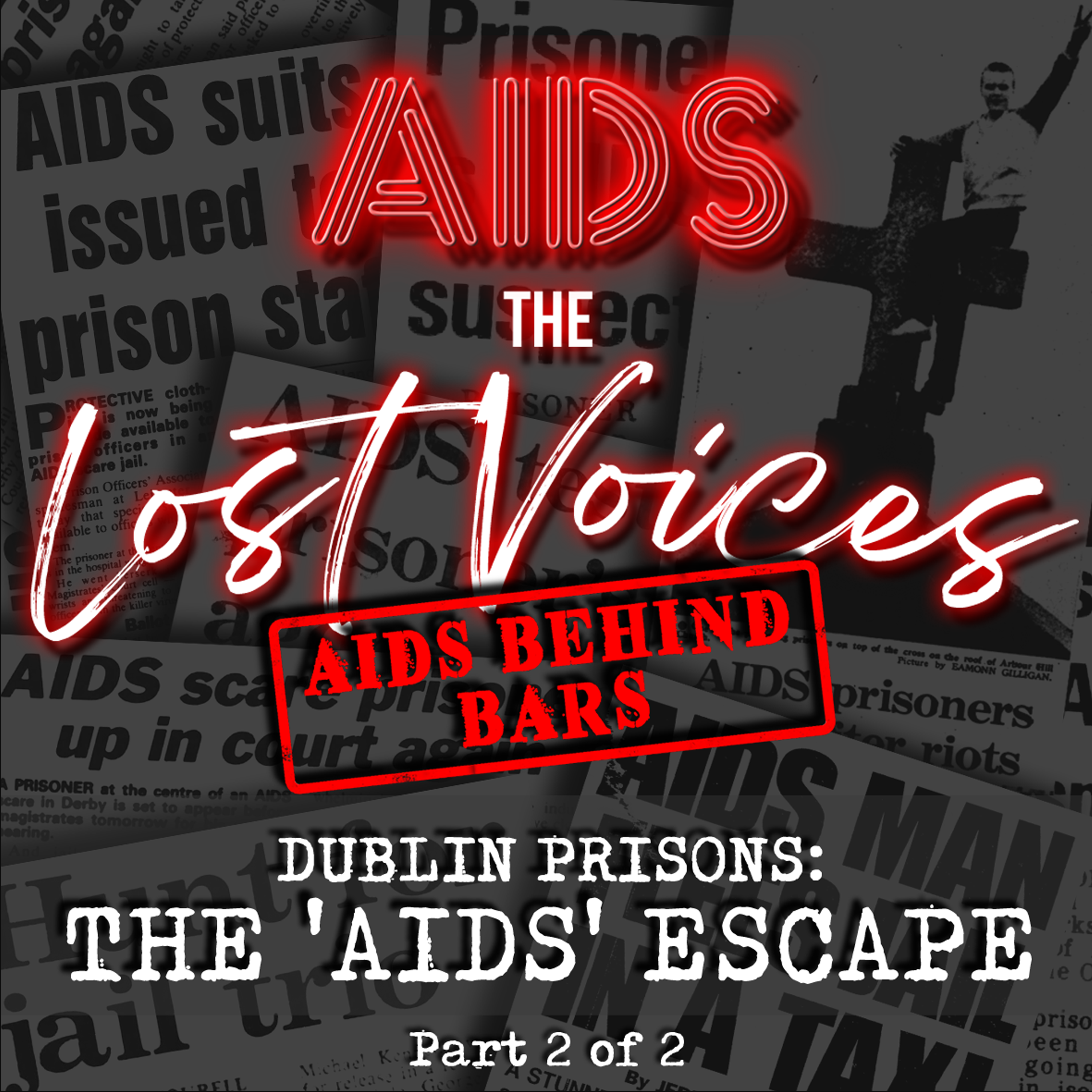
In 1986, Dublin’s Mountjoy and Arbour Hill prisons opened separation wings for inmates diagnosed with AIDS — a policy prisoners likened to being “treated like lepers” that sparked a wave of desperate protests: dirty protests, prolonged sit‑ins and rooftop demonstrations that only drew sustained media attention once visible, dramatic resistance began. Men and women confined to segregation described humiliating conditions — paper pillowcases and sheets, food served on paper plates, exclusion from work and education, and strict prohibitions on mixing with others — measures that compounded the isolation of illness and drove three men to escape while prompting public acts of defiance that...
AIDS: The Lost Voices - Mountjoy & Arbour Hill Prisons 1/2
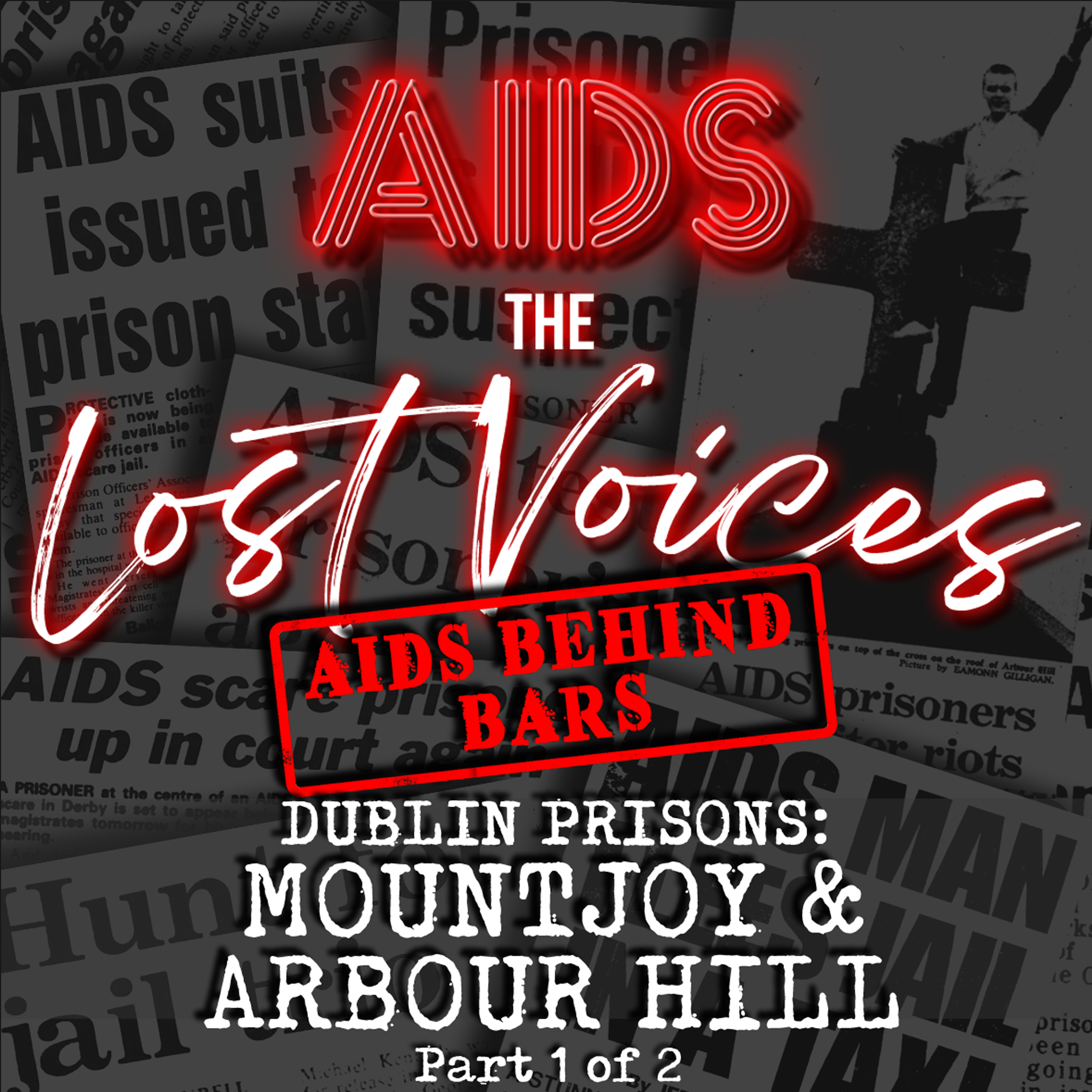
In 1986, Dublin’s Mountjoy and Arbour Hill prisons opened separation wings for inmates diagnosed with AIDS — a policy prisoners likened to being “treated like lepers” that sparked a wave of desperate protests: dirty protests, prolonged sit‑ins and rooftop demonstrations that only drew sustained media attention once visible, dramatic resistance began. Men and women confined to segregation described humiliating conditions — paper pillowcases and sheets, food served on paper plates, exclusion from work and education, and strict prohibitions on mixing with others — measures that compounded the isolation of illness and drove three men to escape while prompting public acts of defiance that...
AIDS: The Lost Voices - Brian Nugent's AIDS Diary 2/2
Brian Nugent was diagnosed with AIDS in October 1986 at the age of 33. Originally from Waterford, Ireland, he trained as a cordon bleu chef in Paris before relocating to Sydney, Australia, in 1979, where he carved out a career in journalism as social editor for Sydney & City Magazine and later Panache.
In 1987 Brian began sharing his experience of living with AIDS through a collaboration with journalist Jill Margo; together they devised a regular column for The Sydney Morning Herald that chronicled the personal, social and political dimensions of the epidemic in Australia, giving a public voice to a deeply...
AIDS: The Lost Voices - Brian Nugent's AIDS Diary 1/2
Brian Nugent was diagnosed with AIDS in October 1986 at the age of 33. Originally from Waterford, Ireland, he trained as a cordon bleu chef in Paris before relocating to Sydney, Australia, in 1979, where he carved out a career in journalism as social editor for Sydney & City Magazine and later Panache.
In 1987 Brian began sharing his experience of living with AIDS through a collaboration with journalist Jill Margo; together they devised a regular column for The Sydney Morning Herald that chronicled the personal, social and political dimensions of the epidemic in Australia, giving a public voice to a deeply...
AIDS: The Lost Voices - Behind the Stitches, Tommy, Peter & Juicy
We take a look at the AIDS quilts commemorating figures from fashion and nightlife whose lives intersected with celebrity, creativity and activism: Tommy Nutter, the Savile Row tailor whose daring cuts and showmanship in the 1970s made his suits a zeitgeist item coveted by a generation — friends and clients included Bianca Jagger, Twiggy, Andrew Lloyd Webber, Elton John, Cilla Black and The Beatles — and whose quilt honours a maker who reshaped menswear.
Nearby is the panel for Peter von Werffelli, the son of a prominent Swiss family and master furrier with ties to Dior. Peters a master furr...
AIDS: The Lost Voices - Remembering Roger Youd
In this special tribute episode, "Remembering Roger Youd," published on the 40th anniversary of Roger’s untimely passing on 16 December, intimate recollections from his brother Carlton Youd sit alongside an inspiring interview with Paul Fairweather — a close friend and longstanding, respected LGBT and HIV/AIDS activist who helped establish Manchester’s AIDS line along with the picket and protest in response to Roger’s unlawful detainment.
We also hear first‑hand accounts of Roger’s deep friendship with Ian, a bond so close they mischievously called one another “sisters,” a small, wry testament to the humour that sustained them...
AIDS: The Lost Voices - Behind the Stitches, Sandy, Richie & Philip
After visiting the UK AIDS Memorial Quilt on display at the Turbine Hall at the TATE in the summer of 2025, I found myself deeply moved by the creativity and craftsmanship evident at all levels, alongside the poignant individual stories embedded in each panel.
This led me to research various quilts that particularly caught my eye, focusing on those lovingly made for Sandy Kane, a Canadian who moved to London to work for the Government.
Along with the Quilt made for Richard "Richie" McMullen, his life story is stitched with survival and relentless activism: abused by...
AIDS: The Lost Voices - Behind the Stitches, Mark, Denny & Tom
After visiting the UK AIDS Memorial Quilt on display at the Turbine Hall at the TATE in the summer of 2025, I found myself deeply moved by the creativity and craftsmanship evident at all levels, alongside the poignant individual stories embedded in each panel.
This led me to research various quilts that particularly caught my eye, focusing on those lovingly made for Mark Freeman, an actor and former principal dancer with the Royal Ballet. Among these, the quilt created by Roy, Denny’s partner of six years, stands out, commemorating Dennis Williams, affectionately known as ‘Denny’ to those who kn...
AIDS: The Lost Voices - Behind the Stitches, Roy, Andrew & Elaine
After visiting the UK AIDS Memorial Quilt on display at the Turbine Hall at the TATE in the summer of 2025, I found myself deeply moved by the creativity and craftsmanship evident at all levels, alongside the poignant individual stories embedded in each panel. Whether driven by curiosity or the absence of a permanent memorial commemorating those lost in the AIDS pandemic, I found myself repeatedly pondering who these individuals were and how life had treated them.
This reflection led me to research various quilts that particularly caught my eye—especially those that displayed only a forename. This ch...
AIDS: The Lost Voices - Fired for being White, British & HIV+ 1/2
Part 1 of 2: The Allegations & Investigation
William Hampson, host of AIDS The Lost Voices, has recently emerged from the AIDS newspaper archives as the focus of a compelling two-part episode. In January 2025, Will found himself compelled to take legal action against his employer, Fuller’s, Smith & Turner, after enduring persistent discrimination at work due to his HIV disability. Since lodging that claim a troubling paper trail emerges, documenting the pub company’s repeated efforts to obstruct his return to work and dismiss his concerns about illegal activities, compounded by further instances of HIV-related discrimination and Will was subjected to p...
AIDS: The Lost Voices - Fired for being White, British & HIV+ 2/2
Part 2 of 2: The Disciplinary & Dismissal
William Hampson, host of AIDS The Lost Voices, has recently emerged from the AIDS newspaper archives as the focus of a compelling two-part episode. In January 2025, Will found himself compelled to take legal action against his employer, Fuller’s, Smith & Turner, after enduring persistent discrimination at work due to his HIV disability. Since lodging that claim a troubling paper trail emerges, documenting the pub company’s repeated efforts to obstruct his return to work and dismiss his concerns about illegal activities, compounded by further instances of HIV-related discrimination and Will was subjected to p...
AIDS: The Lost Voices - The Diary of Simon Daniels 5/5
The fifth and final episode in the diary series of Simon Daniels, a young gay man diagnosed with HIV/AIDS in 1993. Prior to his diagnosis, he worked as a restaurant manager and was actively involved in acting as well as HIV/AIDS activism. In addition to these pursuits, Simon became a writer, sharing his personal experiences through his diary entries in a regular column titled Positively Speaking for the Hull Daily Mail. Simon’s candid reflections provided a powerful and intimate insight into living with the illness, raising awareness and fostering understanding during a challenging time.
Thirty ye...
AIDS: The Lost Voices - The Diary of Simon Daniels 4/5
Simon Daniels was a young gay man diagnosed with HIV/AIDS in 1993. Prior to his diagnosis, he worked as a restaurant manager and was actively involved in acting as well as HIV/AIDS activism. In addition to these pursuits, Simon became a writer, sharing his personal experiences through his diary entries in a regular column titled Positively Speaking for the Hull Daily Mail. Simon’s candid reflections provided a powerful and intimate insight into living with the illness, raising awareness and fostering understanding during a challenging time.
Thirty years on, much has changed in the science and tr...
AIDS: The Lost Voices - The Diary of Simon Daniels 3/5
Simon Daniels was a young gay man diagnosed with HIV/AIDS in 1993. Prior to his diagnosis, he worked as a restaurant manager and was actively involved in acting as well as HIV/AIDS activism. In addition to these pursuits, Simon became a writer, sharing his personal experiences through his diary entries in a regular column titled Positively Speaking for the Hull Daily Mail. Simon’s candid reflections provided a powerful and intimate insight into living with the illness, raising awareness and fostering understanding during a challenging time.
Thirty years on, much has changed in the science and tr...
AIDS: The Lost Voices - The Diary of Simon Daniels 2/5
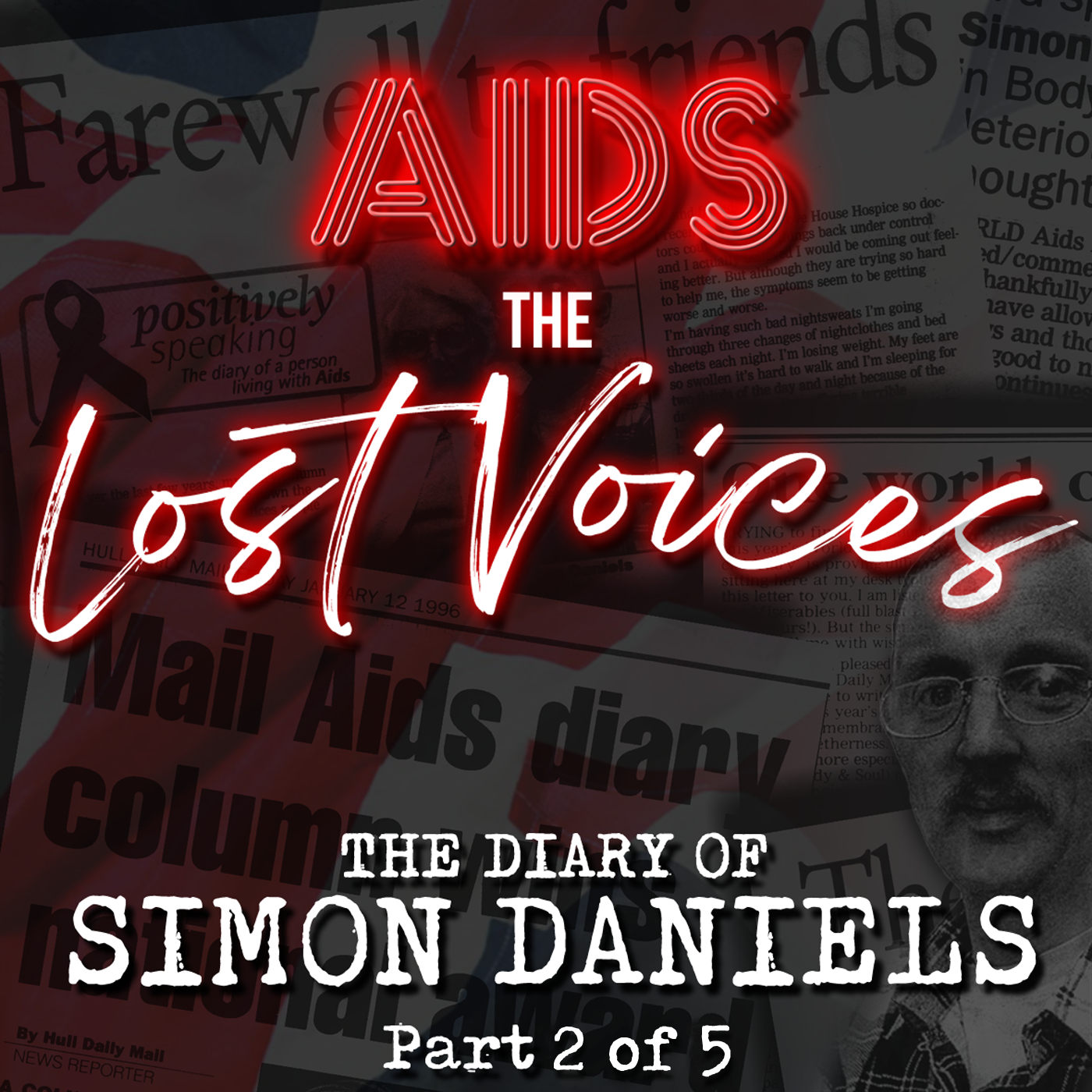
Simon Daniels was a young gay man diagnosed with HIV/AIDS in 1993. Prior to his diagnosis, he worked as a restaurant manager and was actively involved in acting as well as HIV/AIDS activism. In addition to these pursuits, Simon became a writer, sharing his personal experiences through his diary entries in a regular column titled Positively Speaking for the Hull Daily Mail. Simon’s candid reflections provided a powerful and intimate insight into living with the illness, raising awareness and fostering understanding during a challenging time.
Thirty years on, much has changed in the science and tr...
AIDS: The Lost Voices - The Diary of Simon Daniels 1/5
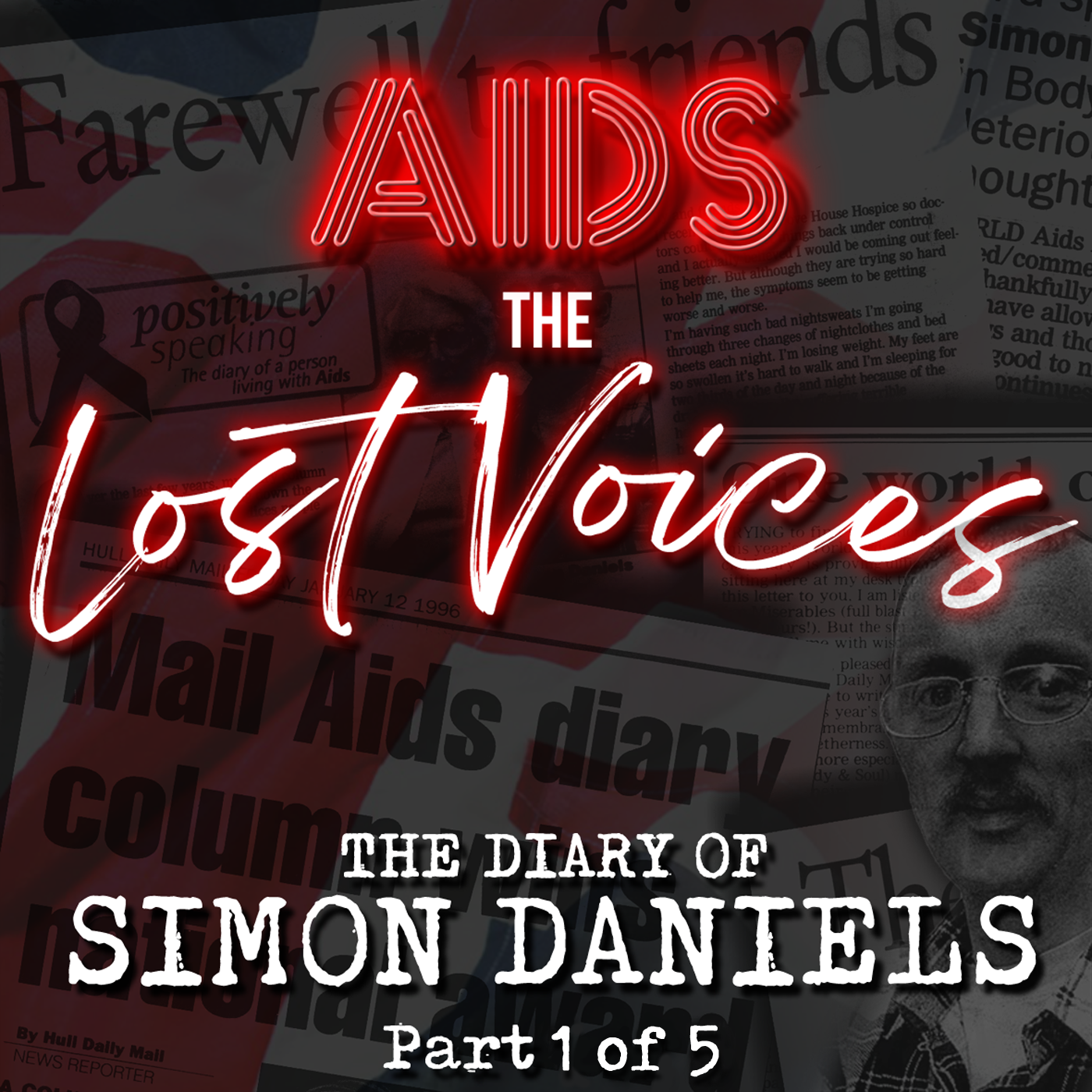
Simon Daniels was a young gay man diagnosed with HIV/AIDS in 1993. Prior to his diagnosis, he worked as a restaurant manager and was actively involved in acting as well as HIV/AIDS activism. In addition to these pursuits, Simon became a writer, sharing his personal experiences through his diary entries in a regular column titled Positively Speaking for the Hull Daily Mail. Simon’s candid reflections provided a powerful and intimate insight into living with the illness, raising awareness and fostering understanding during a challenging time.
Thirty years on, much has changed in the science and tr...
AIDS: The Lost Voices - Kenny Everett
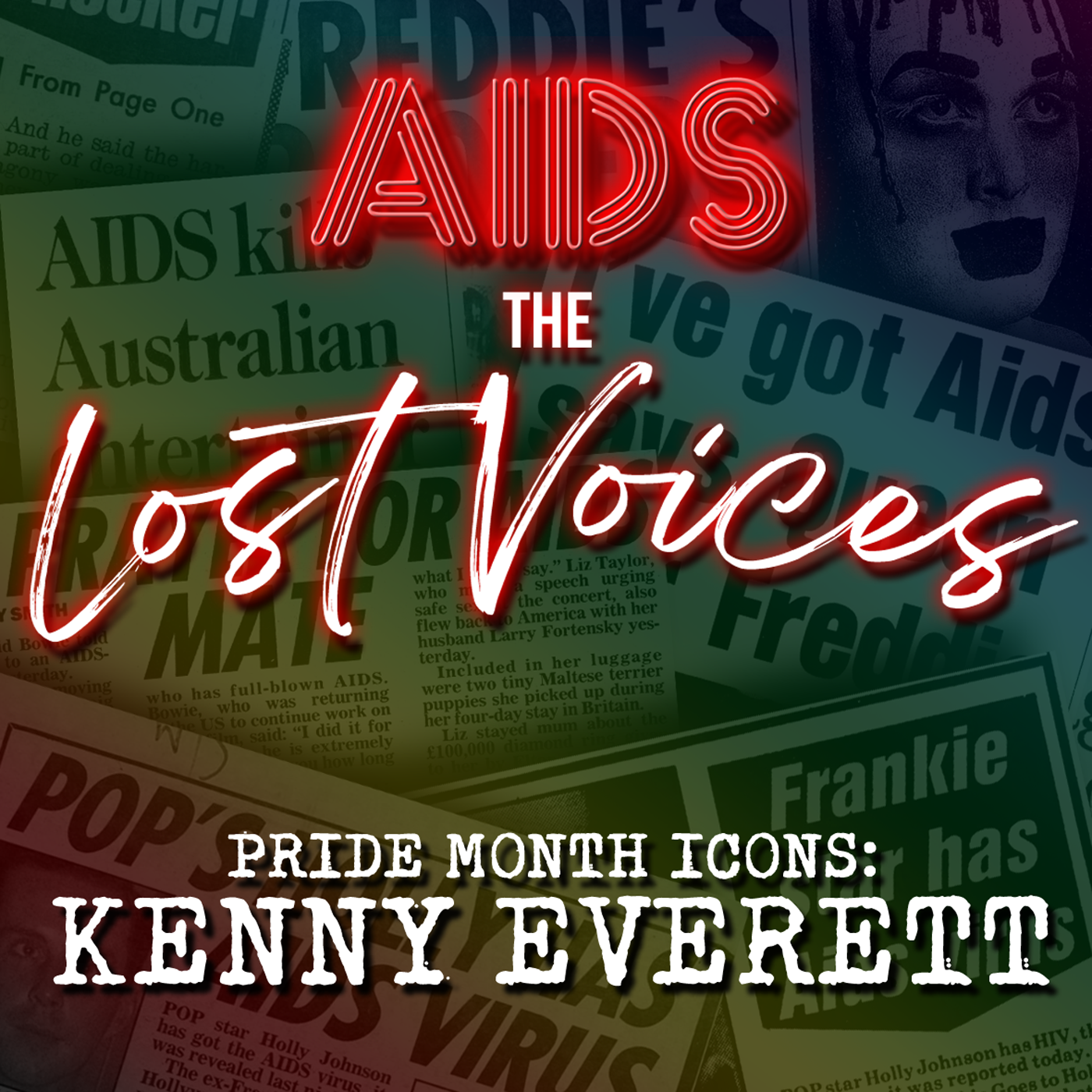
Kenny Everett was an English radio DJ and television entertainer renowned for his zany comedic style, captivating millions and becoming a national treasure. Despite his popularity, a media frenzy invaded his private life when he was compelled to publicly disclose his sexuality outside his Kensington home, famously quipping, “two husbands are better than one,” while being photographed with his two partners, Nikolai and Pepe.
Subsequently, the media pressured him into revealing his HIV-positive status, which later progressed into what was then termed ‘full-blown AIDS,’ a diagnosis made just prior to the advent of antiretroviral therapies that dramatically altered...
AIDS: The Lost Voices - Terry Madeley
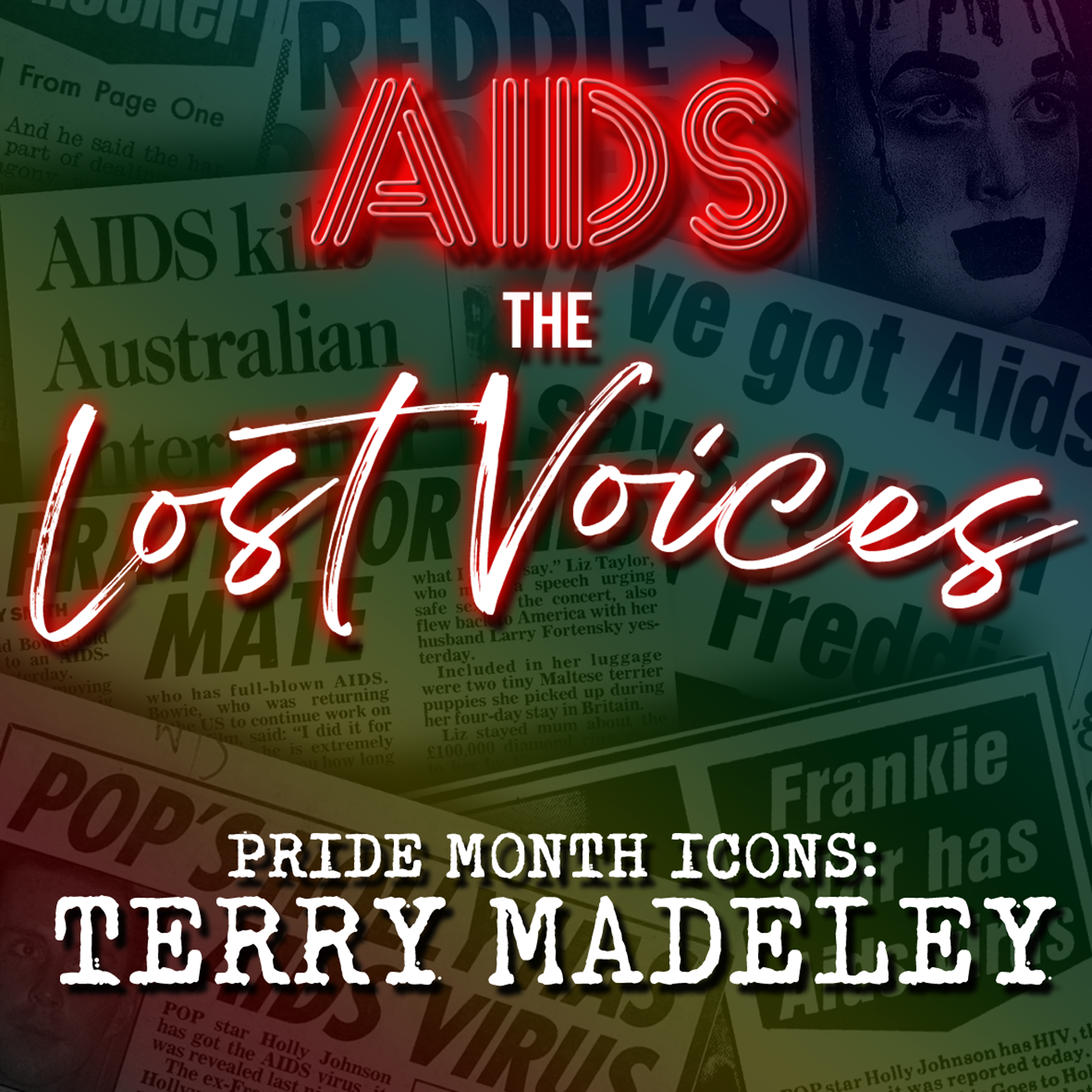
Terence ‘Terry’ Madeley, a London-born actor, received a positive HIV diagnosis in 1985 after long grappling with a decline in his health. Despite the inevitable challenges, Terry remained steadfast in his magnanimous relationship with his long-term partner, Peter, and vowed to outlive the AIDS virus.
In February 1987, during ‘AIDS Week’ on UK television, Terry made a brave decision to disclose his condition publicly, with his mother Lil’ standing by his side. A documentary, produced in collaboration with the BBC and presenter Pattie Coldwell, was underway to tell his story. Tragically, Terry passed away before filming was completed, but the captur...
AIDS: The Lost Voices - Special Announcement

WITHOUT PREJUDICE
As the host and producer of AIDS: The Lost Voices, I share episodes that highlight the discrimination, stigma, isolation, and vilification faced by many people living with HIV/AIDS over the decades. Despite keeping my professional life separate from my podcast, I never anticipated experiencing similar prejudice while working for the well-known pub company Fuller’s, trading as Griffin Catering Services Ltd. Unfortunately, during my employment, I was subjected to seven months of HIV/AIDS-related discrimination that violated the Equality Act 2010. Faced with no other recourse, I had no choice but to lodge a legal cl...
AIDS: The Lost Voices - Leigh Bowery
As an artist, performer, model, TV personality, club promoter, fashion designer, and musician, Leigh Bowery defied conventional boundaries at every turn. Emerging from the vibrant nightlife of 1980s London, Bowery cultivated a provocative and unapologetically bold presence that spanned underground clubs, galleries, theatres, and the urban streetscape.
His radical approach transformed clothing and makeup into living art forms—akin to painting and sculpture in motion—challenging and expanding traditional perceptions of aesthetics, sexuality, and gender. In a bid to solidify his legacy, Bowery devoted himself to his band Minty, which quickly became notorious for its shocking headlines and...
AIDS: The Lost Voices - Holly Johnson
Holly Johnson, the charismatic lead singer of the 1980s phenomenon Frankie Goes to Hollywood, rose to fame with three consecutive number ones: "Relax," "Two Tribes," and "The Power of Love." However, the band's split in 1989 marked the beginning of a tumultuous journey for Johnson, particularly after his HIV/AIDS diagnosis in 1991.
The press coverage surrounding his condition often overshadowed his remarkable musical talent, prompting Johnson to reflect on his experiences in his autobiography, ‘A Bone in my Flute.’ As he navigated his health crisis, he also embraced his roles as a songwriter, author, and artist, showcasing his work...
AIDS: The Lost Voices - Gaétan Dugas Patient Hero & Zero Patience
Gaétan Dugas was an effervescent gay French Canadian flight attendant renowned among his colleagues for his bold declarations that he would one day become a 'star.' At the age of 32, his life was tragically cut short due to AIDS-related complications. Despite his light-hearted claims, Gaétan became posthumously infamous when, in 1987, he was exposed by author and journlaist Randy Shilts as being the individual responsible for introducing AIDS to North America, earning him the label of "patient zero."
This unwarranted infamy inflicted profound pain on his family and friends, as he was denounced as a "mo...
AIDS: The Lost Voices - David Carr 2/2
When David Carr died in 1959, medical professionals recorded an unusual immune condition on his death certificate, which was largely forgotten until 1990 when the world learned that he had supposedly been the first AIDS patient.
This claim was swiftly shattered in 1995 when a team of HIV specialists in America examined Carr's tissue samples, revealing that the HIV found did not originate from him. Instead, they discovered two different strands of DNA, the isolated HIV sample aligning more closely with strains prevalent in the late 1980s and early 1990s, not 1959 when David died. As the implications of this revelation...
AIDS: The Lost Voices - David Carr 1/2
In April 1959, David Carr, a 25-year-old man from Manchester, was admitted to Manchester Royal Infirmary with an undiagnosed illness that baffled a team of three doctors and several specialists. Over the course of his twenty-week stay, his condition deteriorated alarmingly, culminating in his death at the end of August 1959.
Writing for The Lancet in October 1960, the medical team postulated that Carr's immune system had been compromised, displaying symptoms indicative of an AIDS-related illness—though this was unrecognised at the time. A post-mortem examination later revealed pneumocystis carinii pneumonia, a well-known AIDS-related complication. It wasn't until the late 1980s...
AIDS: The Lost Voices - Employment Claims

Those affected or infected with HIV/AIDS have often faced ostracism from friends, family, and workplaces, casting a shadow over their already challenging circumstances. The experiences of four men—Andrew Peters, Michael Buck, Andrew Fay, and David Morgan—highlight the grim realities of discrimination during the height of the AIDS crisis.
Peters was dismissed from his position as a restaurant manager simply for allowing a television crew to film a segment in his establishment, aiming to raise awareness about the pandemic. Buck, a cinema projectionist with 17 years of service, was let go solely due to his sexual orie...
AIDS: The Lost Voices - Todd Shuttleworth
Todd Shuttleworth, at the age of 31, faced life-altering news when he was diagnosed with AIDS in June 1984, a devastating revelation that led to his employer, in Broward County, Florida, discovering his condition and subsequently terminating his position as a Budget Analyst.
Todd became one of the first individuals in the United States to take legal action against the county for wrongful dismissal, marking the beginning of a protracted legal battle that paralleled his personal struggle with the illness.
As he sought treatment in San Francisco, Todd's journey became emblematic of a broader fight for rights...
AIDS: The Lost Voices - AIDS v AIPS
In the 1980s, society grappled with the grim reality of the AIDS epidemic, but it was the subsequent emergence of 'AIPS' —AIDS Induced Panic Syndrome— that reshaped the public narrative. While AIDS was a tangible threat, the hysteria of AIPS often overshadowed the actual disease, leading to an array of absurd stories that could easily be deemed laughable, such as the belief you could catch AIDS through sharing a swimming pool.
Conversely, the darker side of AIPS manifested in horrifying incidents where innocent individuals, often misidentified as carriers of the virus, faced brutal physical and verbal abuse, rein...
AIDS: The Lost Voices - The Diary of Dave Patridge 4/4
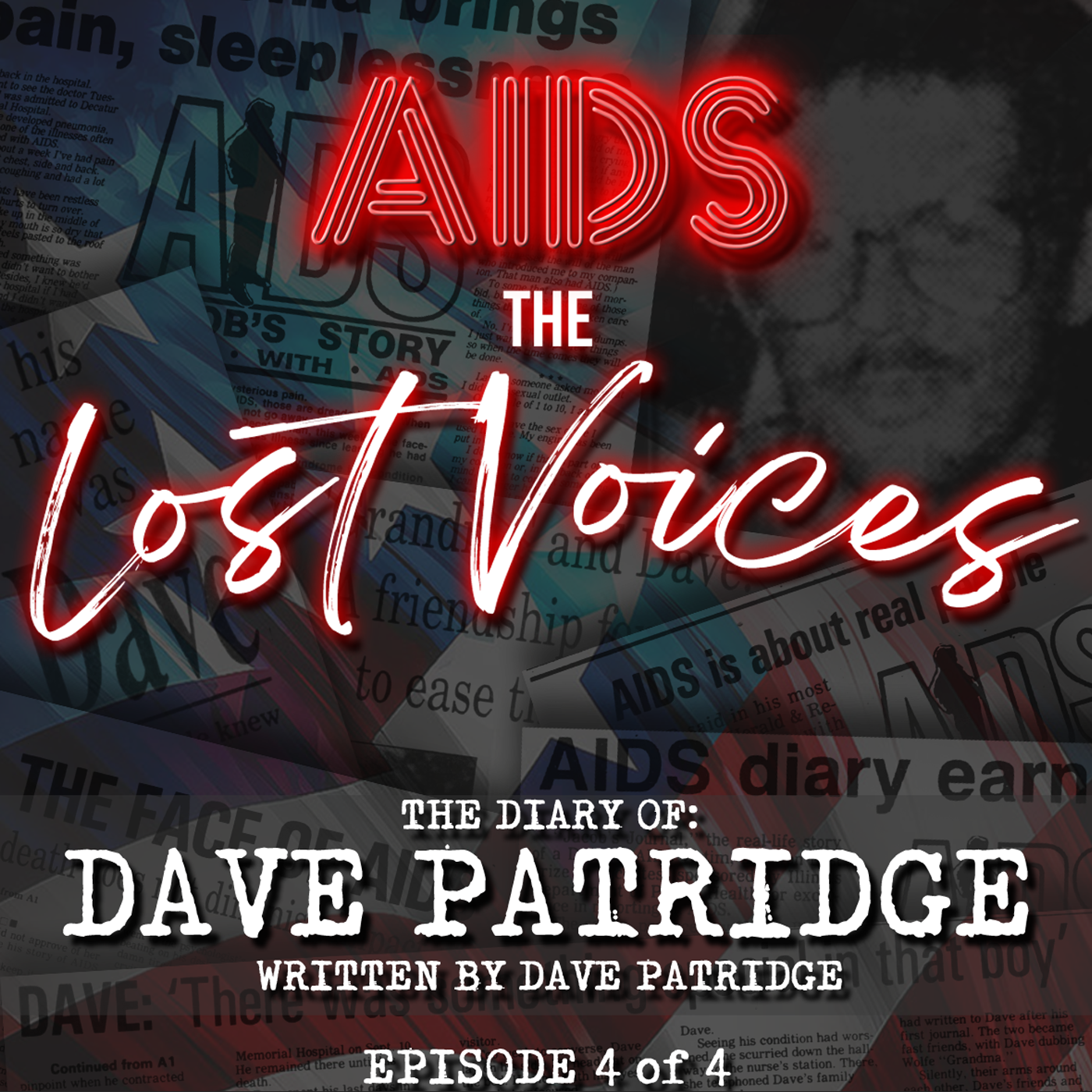
Episode 4 of 4
Dave Patridge was 31 when he received the diagnosis of AIDS in the summer of 1987, a time when fear and misinformation surrounded the disease. Originating from Illinois, he courageously chronicled his journey through illness in a diary, which he shared with the Herald & Review newspaper under the pseudonym ‘Jacob’, inspired by the character from La Cage Aux Folles.
His poignant reflections resonated with the Decatur community, with the odd objection, providing insight into the struggles and realities faced by those living with AIDS. Nearly four decades later, as someone living with HIV, I feel it i...
AIDS: The Lost Voices - The Diary of Dave Patridge 3/4
Episode 3 of 4
Dave Patridge was 31 when he received the diagnosis of AIDS in the summer of 1987, a time when fear and misinformation surrounded the disease. Originating from Illinois, he courageously chronicled his journey through illness in a diary, which he shared with the Herald & Review newspaper under the pseudonym ‘Jacob’, inspired by the character from La Cage Aux Folles.
His poignant reflections resonated with the Decatur community, with the odd objection, providing insight into the struggles and realities faced by those living with AIDS. Nearly four decades later, as someone living with HIV, I feel it i...
AIDS: The Lost Voices - The Diary of Dave Patridge 2/4
Episode 2 of 4
Dave Patridge was 31 when he received the diagnosis of AIDS in the summer of 1987, a time when fear and misinformation surrounded the disease. Originating from Illinois, he courageously chronicled his journey through illness in a diary, which he shared with the Herald & Review newspaper under the pseudonym ‘Jacob’, inspired by the character from La Cage Aux Folles.
His poignant reflections resonated with the Decatur community, with the odd objection, providing insight into the struggles and realities faced by those living with AIDS. Nearly four decades later, as someone living with HIV, I feel it i...
AIDS: The Lost Voices - The Diary of Dave Patridge 1/4
Episode 1 of 4
Dave Patridge was 31 when he received the diagnosis of AIDS in the summer of 1987, a time when fear and misinformation surrounded the disease. Originating from Illinois, he courageously chronicled his journey through illness in a diary, which he shared with the Herald & Review newspaper under the pseudonym ‘Jacob’, inspired by the character from La Cage Aux Folles.
His poignant reflections resonated with the Decatur community, with the odd objection, providing insight into the struggles and realities faced by those living with AIDS. Nearly four decades later, as someone living with HIV, I feel it i...
AIDS: The Lost Voices - The AIDS Bandits

In this series finale, we delve into the complex and often troubling interplay between fear and exploitation surrounding AIDS diagnoses. Cases emerge that spotlight individuals who, either through personal struggle or malintent, weaponised the stigma of AIDS to manipulate and harm others.
Incidents of 'spitting', where individuals discharged saliva while claiming to be AIDS carriers, illustrate the depths of ignorance and the sheer panic they induced in victims. Equally disturbing are the stories of criminals wielding hypodermic needles, asserting that they contained HIV-infected blood.
In some instances, victims were not merely threatened but actually pricked...
AIDS: The Lost Voices - HIV & Reckless Transmission
In this episode, we examine two notable cases of what has been termed 'HIV reckless transmission,' an aspect of Grievous Bodily Harm (GBH) where an individual transmits HIV to another without disclosing their status.
During the trial of the first man in the UK to be prosecuted, the judge remarked that the case relied on “pitiful evidence," highlighting the inherent difficulties in establishing a clear connection between the accused's actions and the transmission of the virus.
All articles and relevant documents from this episode are available on the:
XTRA Tea Blog - CR...
AIDS: The Lost Voices - Court, Disinfectant & Spacesuits

In this episode, we delve into the lives of three men whose HIV/AIDS status tragically intertwined with their court appearances, leading to a profound public outing by the media. Each individual faced not only the repercussions of their alleged crimes but also the harsh realities of stigma associated with their health condition.
They were subjected to courtroom protocols that included the presence of personnel in “spacesuits” and for the first time in the courts history, stringent disinfection processes of the court dock, underscoring the societal fears surrounding HIV/AIDS at the time. While they received sentences for...
AIDS: The Lost Voices - 'The Mark Trotter Affair'
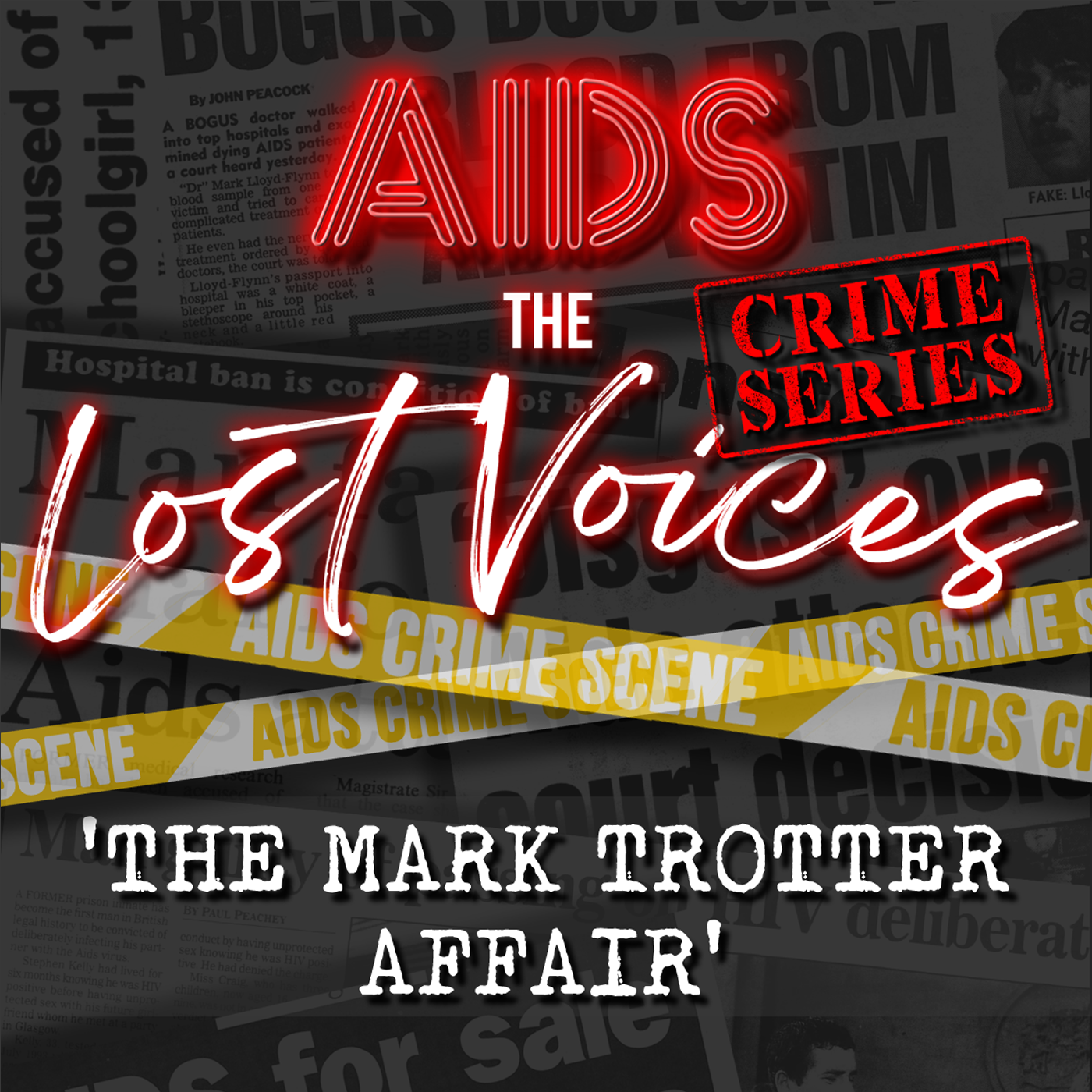
The Mark Trotter Affair unfolded as a tragic narrative set against the backdrop of the 1980s and early 1990s AIDS crisis, highlighting the intersection of social activism and systemic failures. Mark Trotter, a 34-year-old social worker from Hackney, was a well-respected figure within the Labour movement, known for his commitment to advocating for vulnerable populations.
However, following his untimely death in 1995 from AIDS, the press ignited a firestorm of allegations that branded him a paedophile. As the story developed, it came to light that several accusations had been made against him prior to his death, yet Merseyside...


