Listen In - Bitesize Bio Webinar Audios
The Listen In podcast from Bitesize Bio is a compilation of our best webinars to enjoy at your leisure, wherever and whenever. Each episode is an opportunity to gain the valuable insights you need to advance your research. From a crash course in developing fool-proof ELISAs to the latest applications and innovations in CRISPR/Cas9 and microscopy techniques, and much more—you'll hear about challenges encountered and discover practical solutions to achieve the best possible results. Tap into the experience and expertise of leading researchers and commercial specialists to drive your research projects forward efficiently and productively. Listen In now! ht...
See the Hidden: Advancing Cryo Workflows for Cellular Discovery
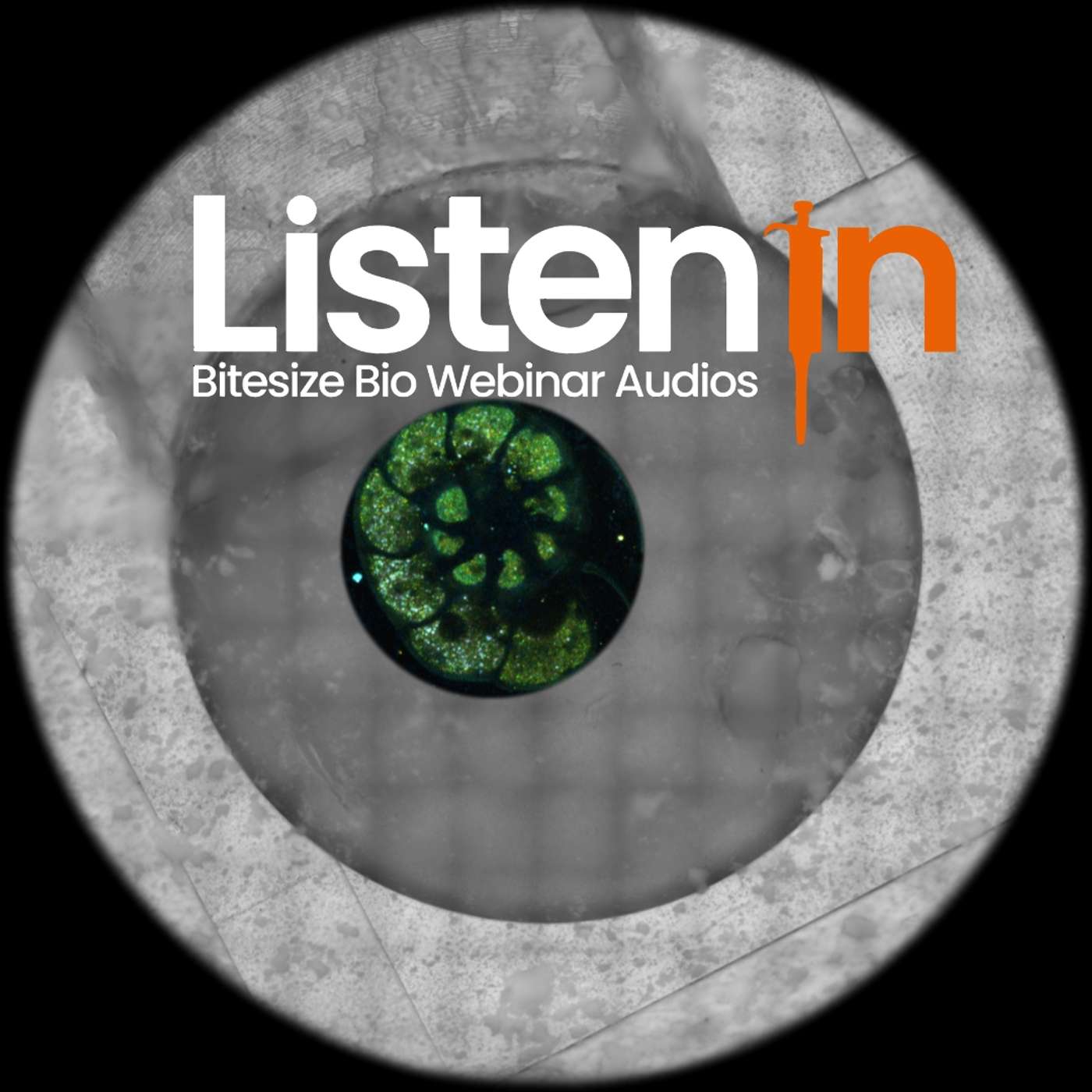
Learn from the experts how to refine every step of your cryo workflow, from vitrification to imaging, to preserve native structure, minimize artifacts, and reveal the hidden details that drive cellular discovery.
In this podcast, you will learn how you can:
• Go beyond cryo-confocal: Use spectral signatures to unlock new layers of cellular information.
• Correlate across scales: Learn how to integrate cryo light and electron imaging for richer insights.
• Bridge modalities: Explore how X-ray tomography connects to cryo-EM analysis.
Watch the full presentation here: https://microscopyfocus.com/see-the-hidden-advancing-cryo-workflows-for-cellular-discovery/
Browse all episod...
Learn to Automate Organoid Counting with the CellDrop Automated Cell Counter
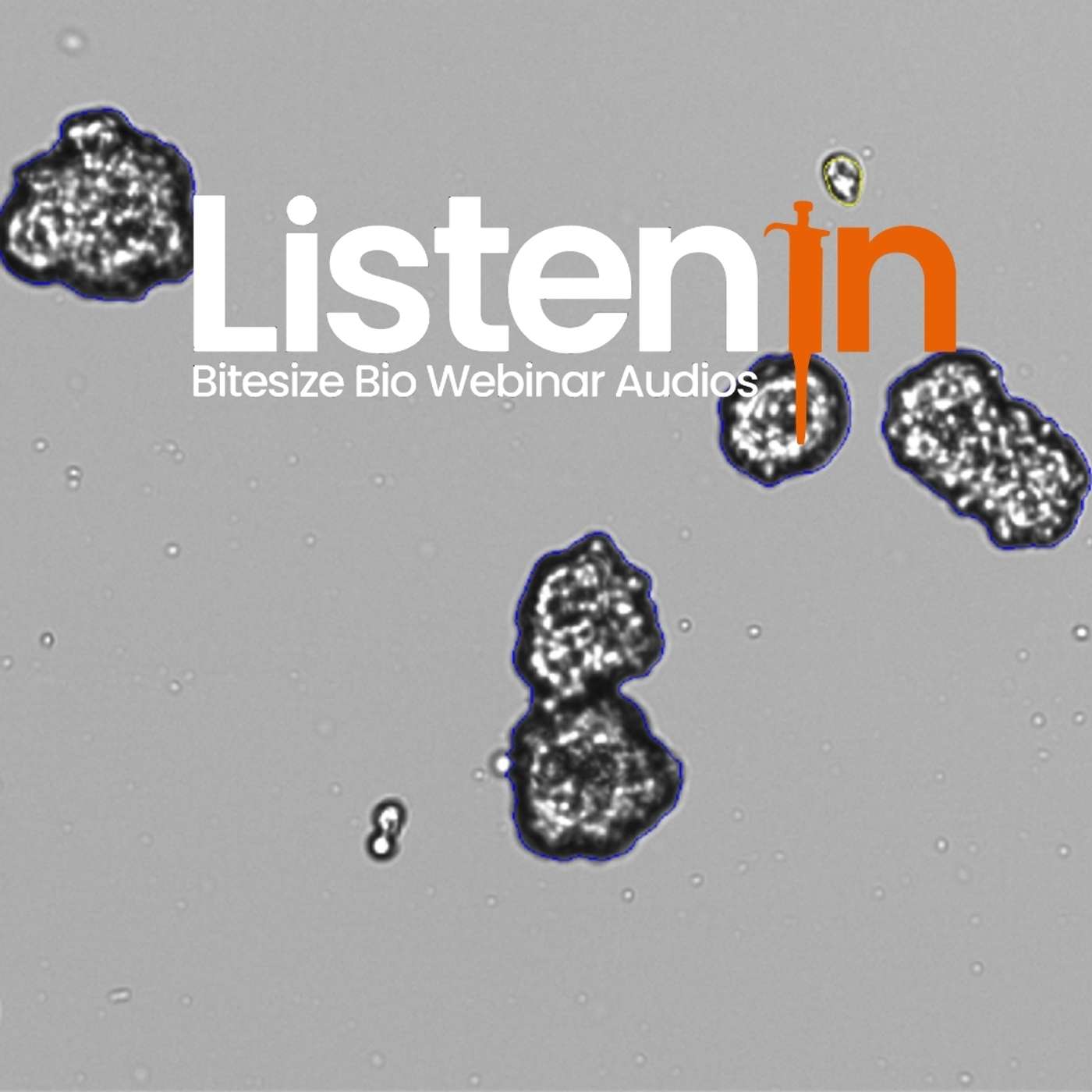
Discover how to automate your 3D cell culture quantification with a machine learning-based application for accurate and efficient counting of organoids, tumor spheroids, and spheroids in this episode of Listen In.
In this podcast, you will:
• Understand the challenges of traditional automated systems in 3D cell culture quantification
• Gain insights into the benefits of non-consumable, slide-free cell counting technology
• Learn how to implement user-defined parameters for customized cell counting protocols
• Discover how DeNovix CellDrop Automated Cell Counter uses machine learning for accurate organoid, tumor spheroid, and spheroid counting
Watch the full presenta...
Inside Immunoassays: Boost Assay Efficiency with Smart Design and Analysis
Are you looking to elevate the performance of your immunoassays? Tune in to this Listen In episode, where experts will share valuable insights to help you optimize your assay selection, production practices, and method analysis.
In this podcast, you will learn:
• When to choose screening assays versus qualified or verified assays to effectively meet your research objectives
• Key techniques that contribute to the reliability and consistency of immunoassays
• How to leverage analytical tools to assess immunoassay results for improved experimental outcomes
Watch the full presentation here: https://events.bitesizebio.com/inside-immunoassays-boost-assay
Brow...
Integrated Solutions for Serial Sectioning and Cryo-EM with UC Enuity
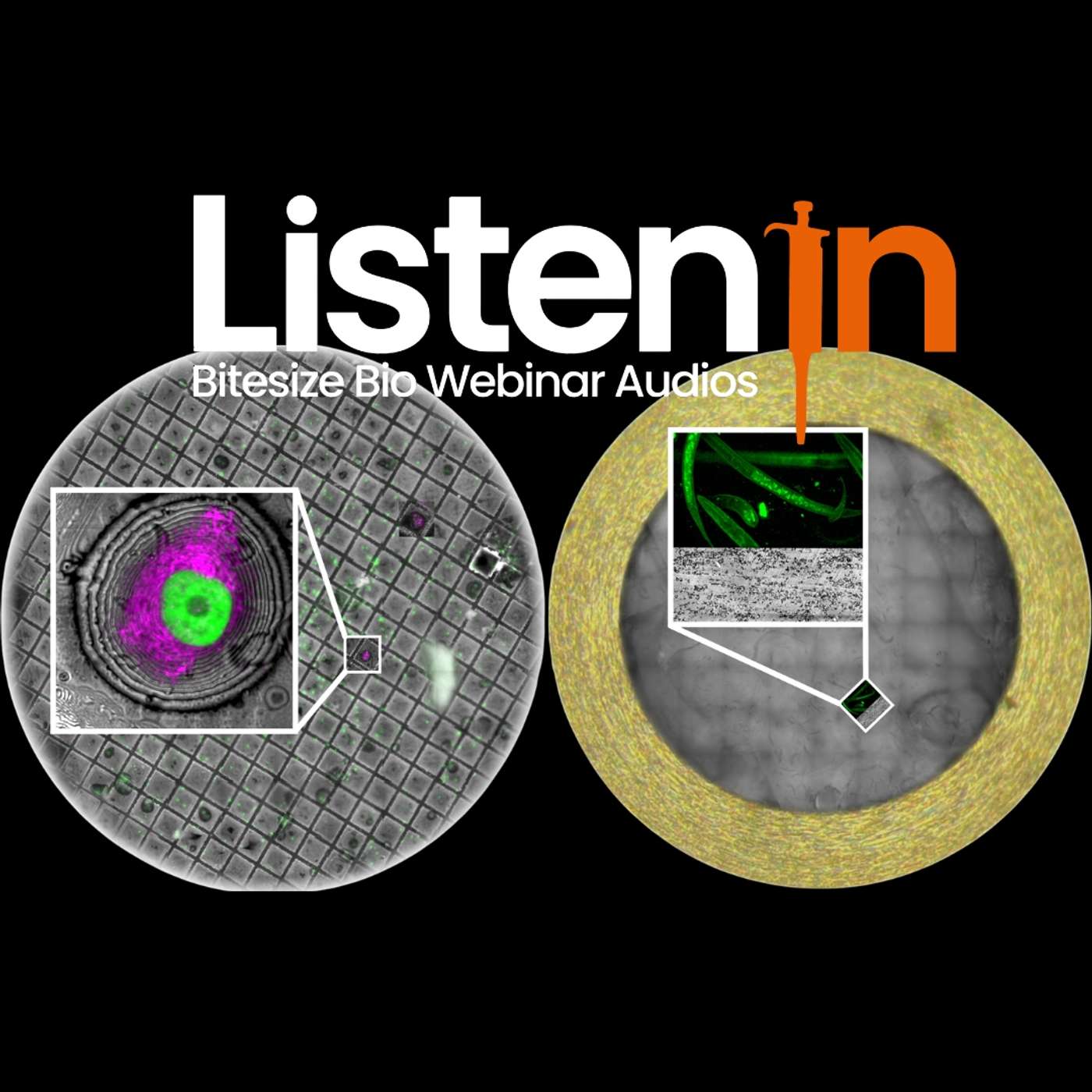
Discover integrated solutions for precise serial sectioning and cryo-EM sample prep—supporting seamless workflows from ultramicrotomy to 3D electron microscopy.
In this podcast, you will learn:
• How to streamline serial sectioning for volume EM using the UC Enuity and AT module;
• How to achieve in-situ targeting under cryogenic conditions for cryo-EM workflows;
• How integrated imaging and AI-powered analysis enhance 3D EM data interpretation.
Watch the full presentation here: https://microscopyfocus.com/integrated-solutions-for-serial-sectioning-and-cryo-em-with-uc-enuity/
Browse all episodes of the Listen In Series here: https://listen-in.bitesizebio.com/
Whole-brain Spatial Transcriptomics at Cellular Resolution
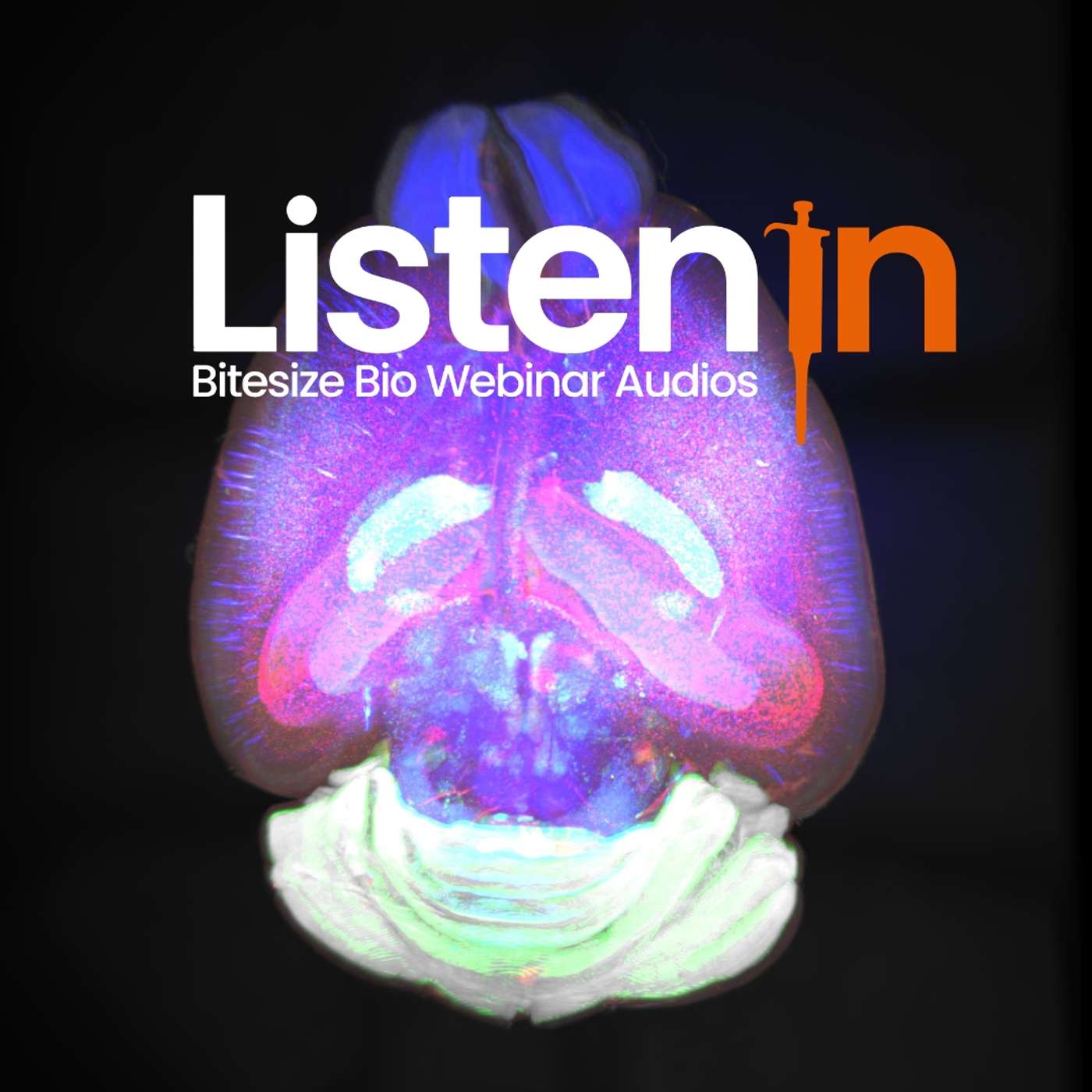
Learn how to perform a powerful new tissue-clearing method, designed for whole-brain 3D spatial RNA imaging at single cell resolution, and able to provide uniform staining while enhancing tissue transparency in whole organs across multiple species.
In this webinar, you will learn:
• A groundbreaking tissue-clearing technique for precise whole-brain 3D spatial RNA imaging at single-cell resolution;
• How to use it for robust 3D RNA imaging of whole organs of various sizes from different species;
• How to uniformly stain whole organs while enhancing tissue transparency and preserving RNA integrity.
Watch the full presentation here...
Detecting Rare T-Cell Responses at Scale with ELISpot and FluoroSpot
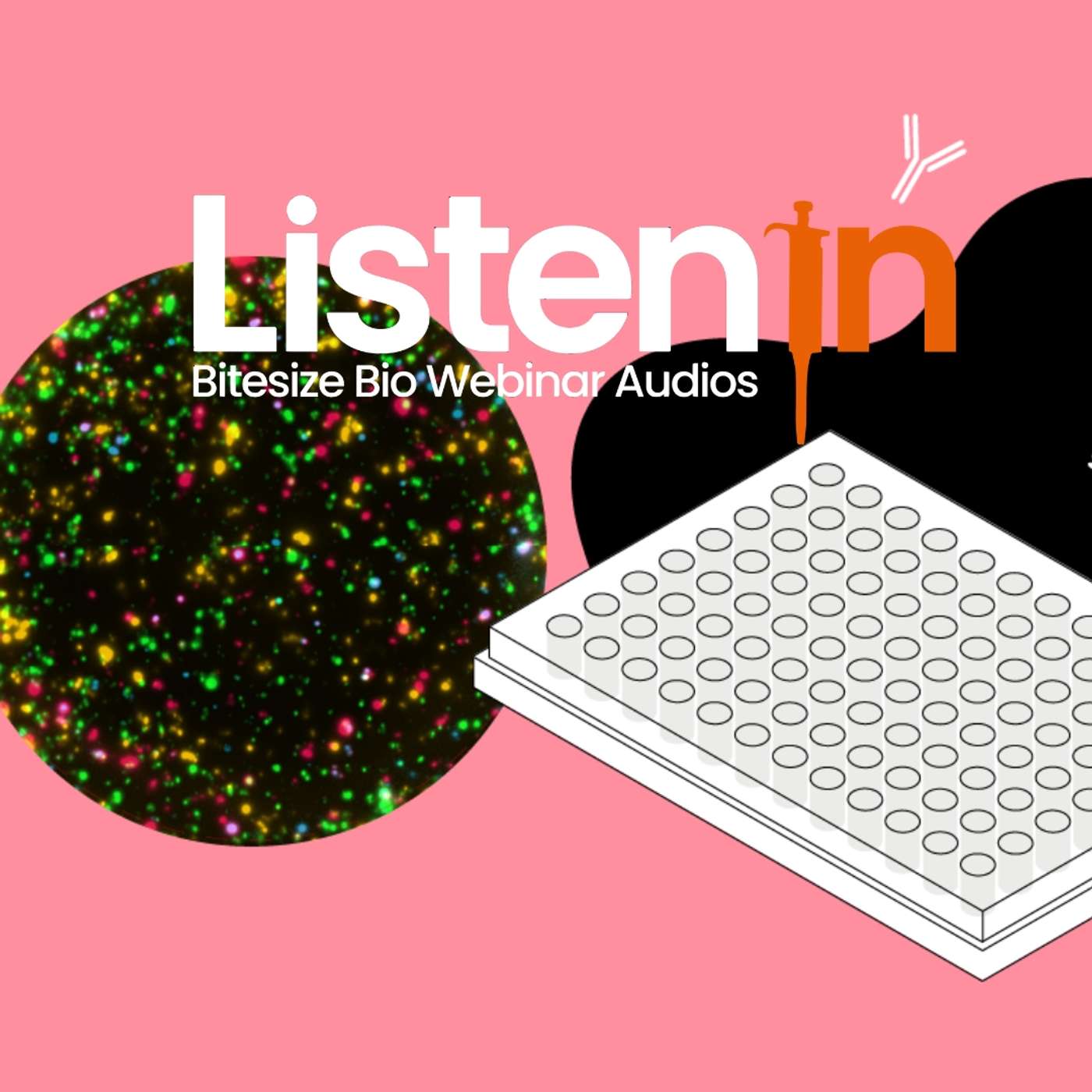
Detecting rare antigen-specific T-cell responses requires assays that are both sensitive and scalable. Traditional methods like flow cytometry often struggle with high-throughput needs or with preserving precious sample material.
In this episode of Listen In, you’ll discover how ELISpot and FluoroSpot assays overcome these challenges. These cell-based immunoassays measure cytokine and antibody secretion at the single-cell level, offering a sensitive, robust, and accessible way to capture rare immune responses.
You’ll learn how ELISpot and FluoroSpot can be applied in vaccine studies, biotherapeutic evaluation, and cell and gene therapy development. The episode also explores prac...
From Surplus to Savings: Tackling Unused Lab Products in Life Sciences
In the life sciences, an astounding amount of unused products and materials end up in landfills instead of contributing to research progress. This issue arises across the product lifecycle, from liquidated biotech start-ups that abandon equipment to over-purchasing and pipeline deprioritization at successful firms. Even well-intentioned suppliers encounter forecasting challenges that leave perfectly good items discarded!
In this episode of Listen In, explore the root causes of waste in our industry, as we draw on real-world examples of failed companies, discontinued pipelines, and canceled orders. We will examine the ripple effects this has on both operational efficiency...
Automated Hepatocyte Counting: New Technology for Simple, Reliable Counts
Automated counting of certain cell types is notoriously challenging due to their irregular shapes, variable nuclei number, autofluorescence, and often high amounts of debris in samples.
However, with the latest developments in cell-counting hardware and app technology, automated counting of even challenging cells is simpler than ever.
In this episode, see how you can achieve reliable automated cell counts with the CellDrop Automated Cell Counter.
Using hepatocytes as an example, you will learn how the machine learning technology integrated into DeNovix’s Hepatocyte app can save time, reduce human error, and provide consistent re...
Pioneering Biomarker Discovery In Mucinomics Through Mass Spectrometry
In this episode of Listen In, we showcase cutting-edge mass spectrometric analysis of mucins, including the characterization of mucinases, enrichment techniques, and complete mucinomic mapping of translationally relevant mucin proteins.
Mucins are a diverse family of high molecular weight glycoproteins that play critical roles in protecting and lubricating epithelial surfaces, making them integral to numerous physiological processes and disease states.
As a promising class of biomarkers, mucins may offer unique insights into various pathologies, such as cancer and chronic inflammatory diseases. However, their complex structures and extensive glycosylation present significant challenges in their study and...
How to Multiplex Any Assay: User Experience of the xMAP INTELLIFLEX®
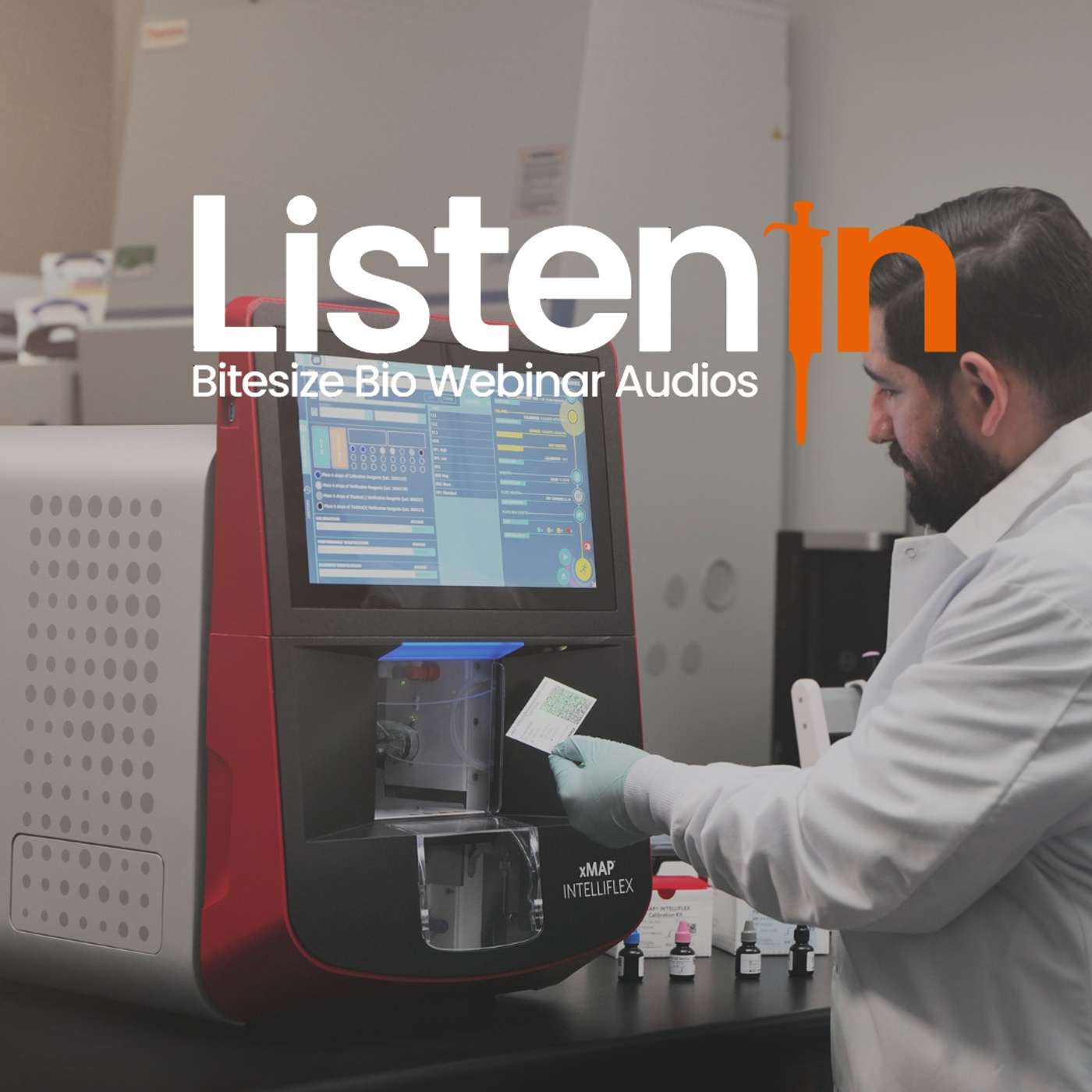
In this episode, learn about latest advancements in multiplex assay technology.
Hear from real user experience how the advanced xMAP INTELLIFLEX® DR-SE Instrument revolutionizes assay multiplexing, enabling simultaneous rapid data acquisition for multiple sample parameters to expand the depth and breadth of your research.
Watch the full presentation here: https://events.bitesizebio.com/user-experience-of-the-xmap
This compact, flow-based multiplex platform integrates xMAP® Technology with modern enhancements to streamline assay development, enhance user experience, and deliver fast, reliable results by acquiring data for two parameters per analyte simultaneously.
Browse all episodes of the Li...
Inside Immunoassays: Strategies to Maximize Your Immunoassay Data and Insights
Immunoassays are pivotal in scientific research, enabling the precise identification and measurement of specific analytes. They pave the way for investigations into disease mechanisms, discovering biomarkers, and evaluating the efficacy of potential therapeutic interventions.
The key reagents included in an immunoassay can significantly impact reliability and reproducibility, underscoring the importance of understanding critical components within immunoassay kits.
When selecting an immunoassay platform, it's essential to consider critical elements such as multiplexing capabilities and sensitivity needs as part of the experimental design.
Additionally, understanding the various assay formats and their data outputs can aid...
AI-Powered 3D Organoid Analysis
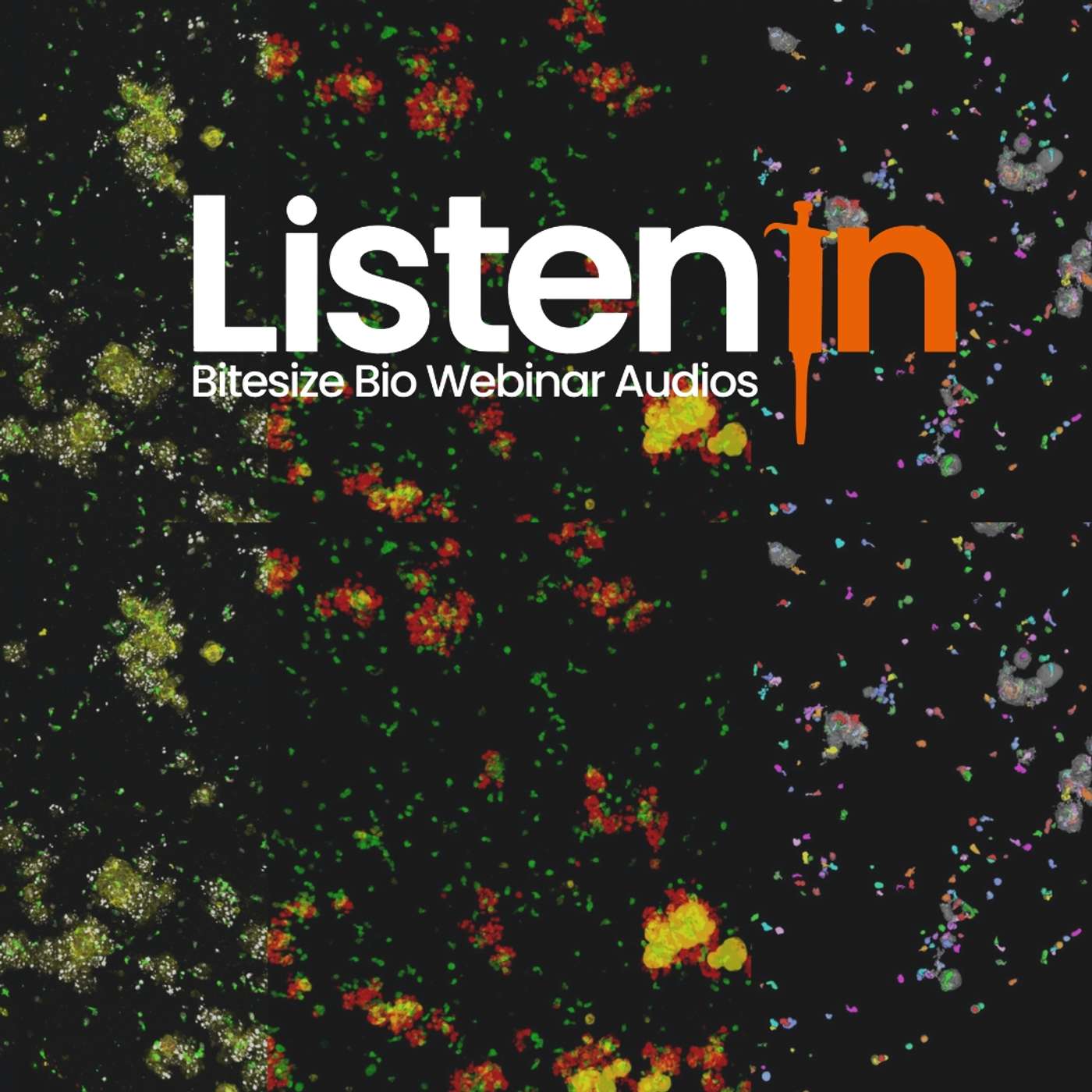
Multicolor 3D fluorescent confocal microscopy presents significant challenges in image acquisition and data analysis. However, AI is making a massive impact on 3D spatial biology.
This episode of Listen In explores the incorporation of AIVIA, an AI-powered image analysis software, into workflows to address these challenges in analyzing multicolor fluorescent microscopy data of 3D organoids.
See how AIVIA’s tools enhance the visualization and quantification of cellular structures and organoids, enabling precise segmentation and analysis of fluorescent signals.
And get a showcase of how AIVIA supports Python-based image analysis for microscopists.
Wa...
High-Throughput and Wide-Range Protein Concentration Determination of Monoclonal Antibodies
In this episode of Listen In, explore high-throughput and wide-range protein concentration analysis that can deliver a 20-fold improvement in time and budget savings.
Protein concentration is an obligatory critical quality attribute necessary to determine total protein content in biopharmaceutical formulations.
Concentration determination is necessary before many downstream assays. A UV-based spectrophotometric assay using the protein’s extinction coefficient is the most typical method.
Conventional UV methods or a specialized approach using variable pathlength slope spectroscopy could take one day to measure 15 samples in triplicate.
Larger batches would require multiple analysts fo...
Multiplexing Magic: How MULTI-seq Revolutionizes Single-Cell RNA Sequencing
Learn more about the capabilities of MULTI-seq in single-cell sequencing in this episode of Listen In. Developed by the Gartner Lab at UCSF, this innovative multiplexing method increases sample and cell throughput while minimizing cost and improving your data quality.
From modest experiments to expansive 96-plex studies and beyond, MULTI-seq enables truly mechanistic studies. Hit play to explore the potential of this tool and how it could benefit your research.
Watch the full presentation here: https://events.bitesizebio.com/multiplexing-magic-how-multi-seq/join
Browse all episodes of the Listen In Series here: https://listen-in.bitesizebio...
Multi-View Light Sheet Microscopy to Track Cell Lineages in Tissue Morphogenesis
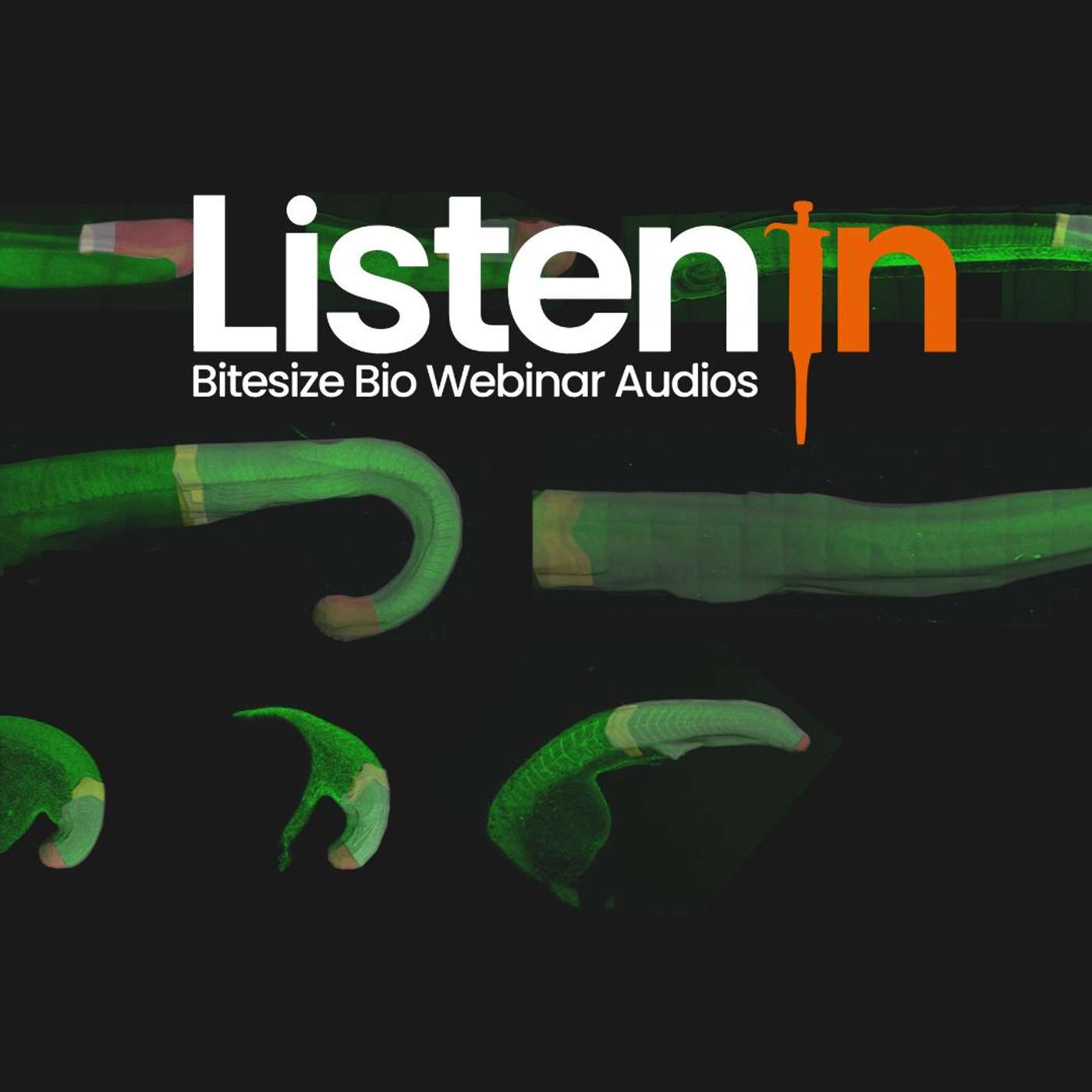
A major question in developmental biology is understanding how cellular fate decisions are regulated precisely in space and time.
Fortunately, we can now begin to observe these processes with modern imaging approaches, which allow the tracking of cell fate decision events and cellular rearrangements by live 3D time-lapse microscopy.
This development is shifting our understanding of pattern formation in development away from static models towards models based on the principles of dynamical systems and statistical mechanics.
In this episode of Listen In, hear how light-sheet microscopy is the technique of choice for volumetric...
Enhancing 3D Spatial Biology with AI: Simplified Insights for All
In this episode, learn how AI-powered segmentation, spatial analysis, and phenotyping can help you gain new insights for 3D images with complex morphological measurements featuring up to 15 biomarkers.
See how to characterize tissue microenvironments and examine the differences between normal and disease tissues without the need to code or train Deep Learning models—all with Aivia.
Plus, get your 3D spatial biology results faster with an inbuilt, enhanced Deep Learning model that can accurately detect and partition cells with morphological variations.
You will discover how to leverage your expertise or simple automation to class...
Accelerate Scientific Progress: The Power of Reproducibility, Collaboration and New Imaging Technologies
Imaging scientists have a critical educational role in improving rigor and reproducibility by sharing their technical expertise and providing intellectual contributions in all aspects of image-based science.
They participate in creating, developing, and disseminating guidelines, resources, and tools to improve image-based research.
In this episode, learn what impacts reproducibility in microscopy, discover resources and initiatives for improving education, rigor, and reproducibility, and see how collaboration drives innovation.
Watch the full presentation here: https://microscopyfocus.com/accelerate-scientific-progress-the-power-of-reproducibility-collaboration-and-new-imaging-technologies/
Browse all episodes of the Listen In Series here: https://listen-in.bitesizebio.com/
Inside Immunoassays: Best Practices for Accurate and Reliable Results
Immunoassays play an indispensable role in scientific research. They facilitate the detection and quantification of specific analytes, enabling in-depth investigations into disease mechanisms, biomarker discovery, and evaluation of the potential of therapeutic interventions.
Sample selection and preparation are of utmost importance, as they have a direct impact on the accuracy, reliability, and integrity of the obtained results.
Properly selecting and preparing samples ensures that they are representative of the population under study and that the analytes of interest are preserved in their native state.
In addition, controlling and mitigating matrix interference is crucial...
Windows On Neurovascular Pathologies
The brain is an immune-privileged organ, meaning it is protected from the entry of pathogens, blood circulating factors, and immune cells by a physical barrier called the blood-brain barrier (BBB).
But pathological events such as ischemia (stroke), trauma (traumatic brain injury), or tumor growth (gliomas and brain metastasis), activate the vascular endothelium, disturb or disrupt the BBB and allow immune cell homing.
In this episode, discover how innate immunity can sustain deleterious effects following brain trauma, and the technological developments enabling longitudinal studies into post-trauma lesion remodeling.
Watch the full presentation here: https...
Unleashing Fibrotic Secrets: Coupling the Power of Laser Microdissection with Mass Spec
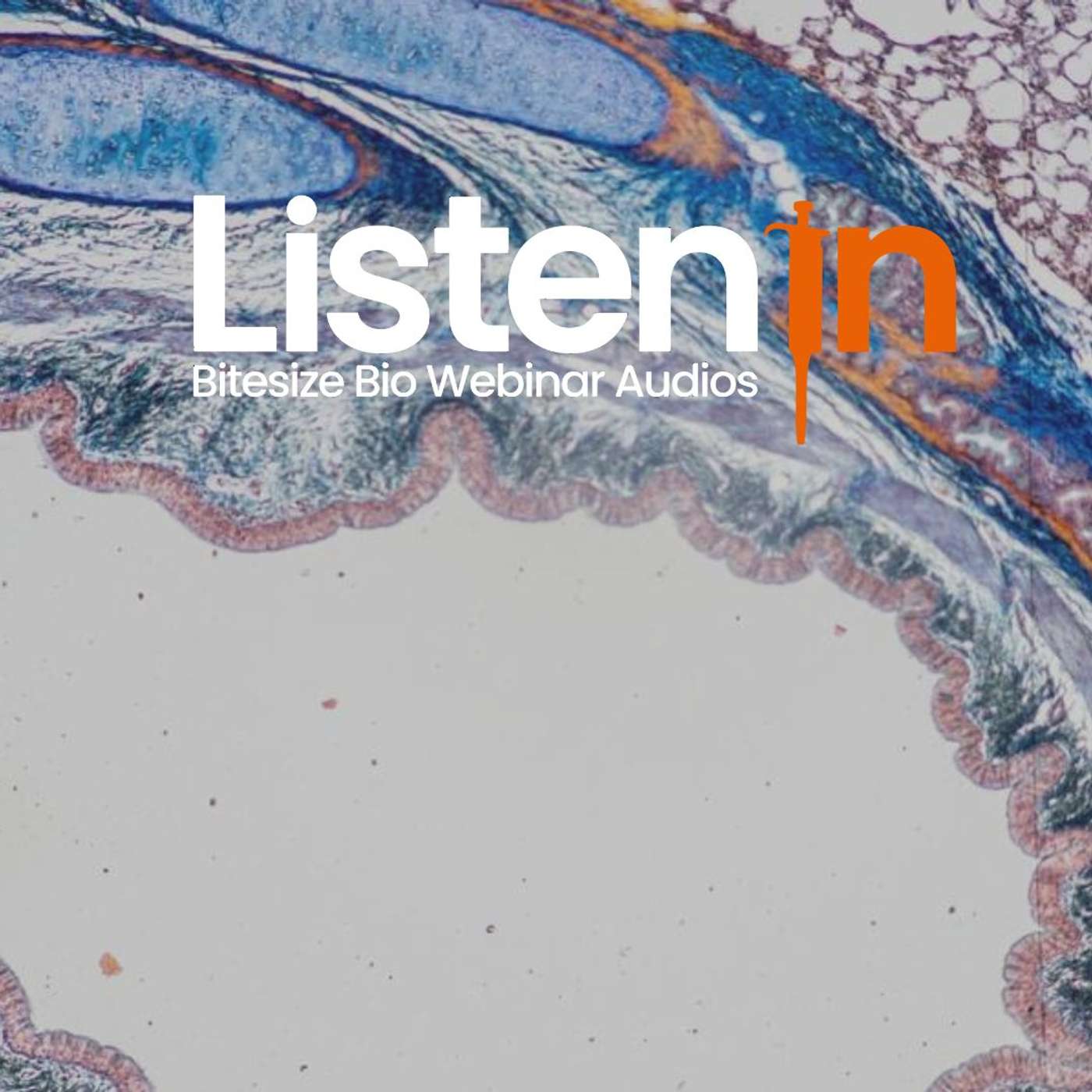
Tissue heterogeneity is a significant challenge when analyzing proteins in tissue samples to identify disease states.
In this episode, explore how combining laser microdissection with mass spectrometry (LCM-MS) on fixed and stained tissues lets you explore the protein networks within pathological features to shed light on their molecular functions.
Using hallmark lesions of lung fibrosis in the honeycomb airways and fibroblastic foci as an example, you'll hear how this technology can detect over 4,900 proteins from tissue volumes as low as 0.005 mm3.
Watch the full presentation here: https://events.bitesizebio.com/unleashing-fibrotic-secrets/join
<...Virtual Reality Showcase for Stellaris: Leica’s Confocal Microscopy Platform
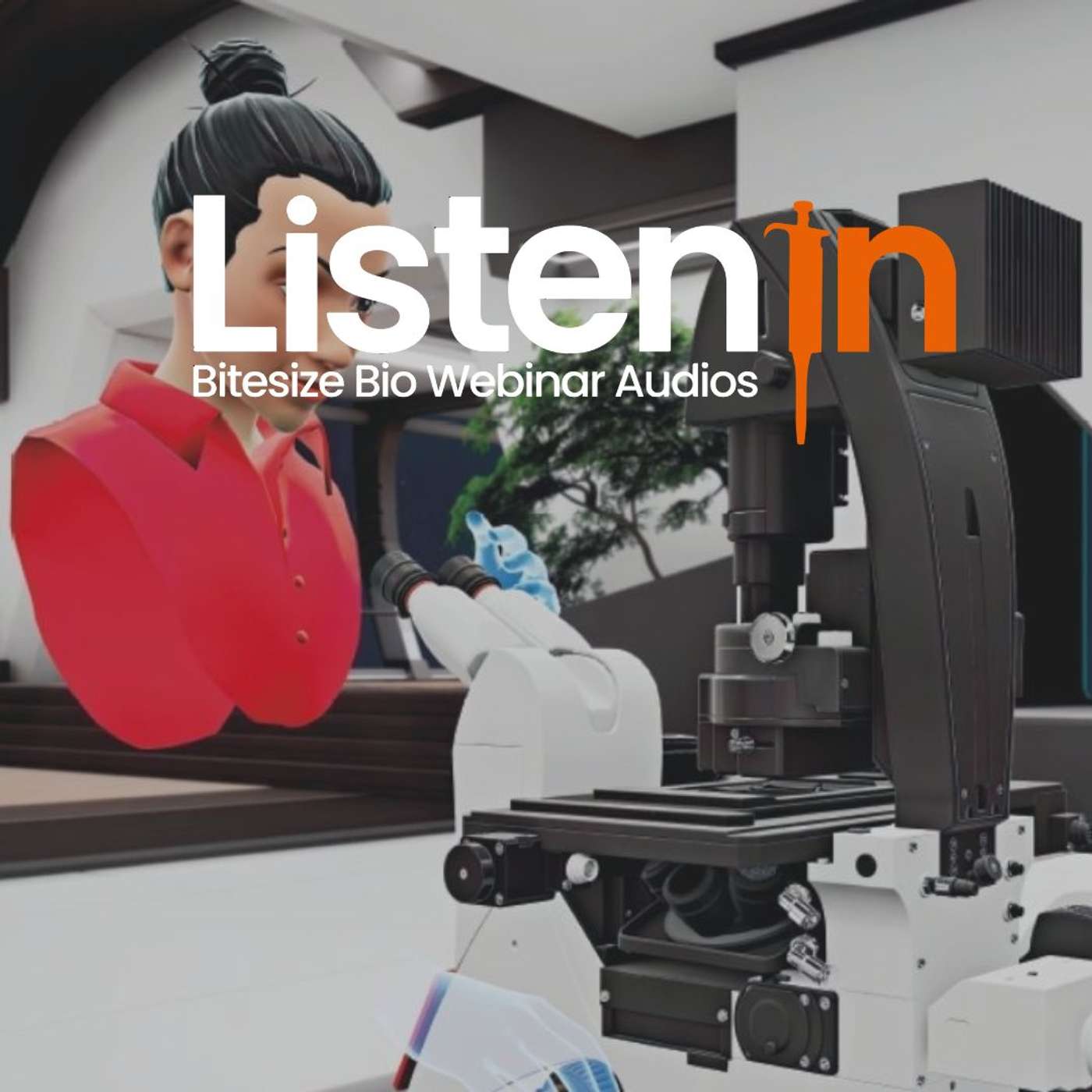
Join Advanced Workflow Specialists for a virtual reality showcase of Leica's confocal microscopy platform, STELLARIS.
In this episode of Listen In, discover how to enhance your confocal imaging from performing multicolor experiments with clear, sharp images to capturing fluorescence intensity and lifetime-based information simultaneously.
Watch the full presentation here: https://microscopyfocus.com/confocal-microscopy-stellaris-showcase/
Browse all episodes of the Listen In Series here: https://listen-in.bitesizebio.com/
Tools & Techniques for the Study of Biologics & Antibody Drug Conjugates
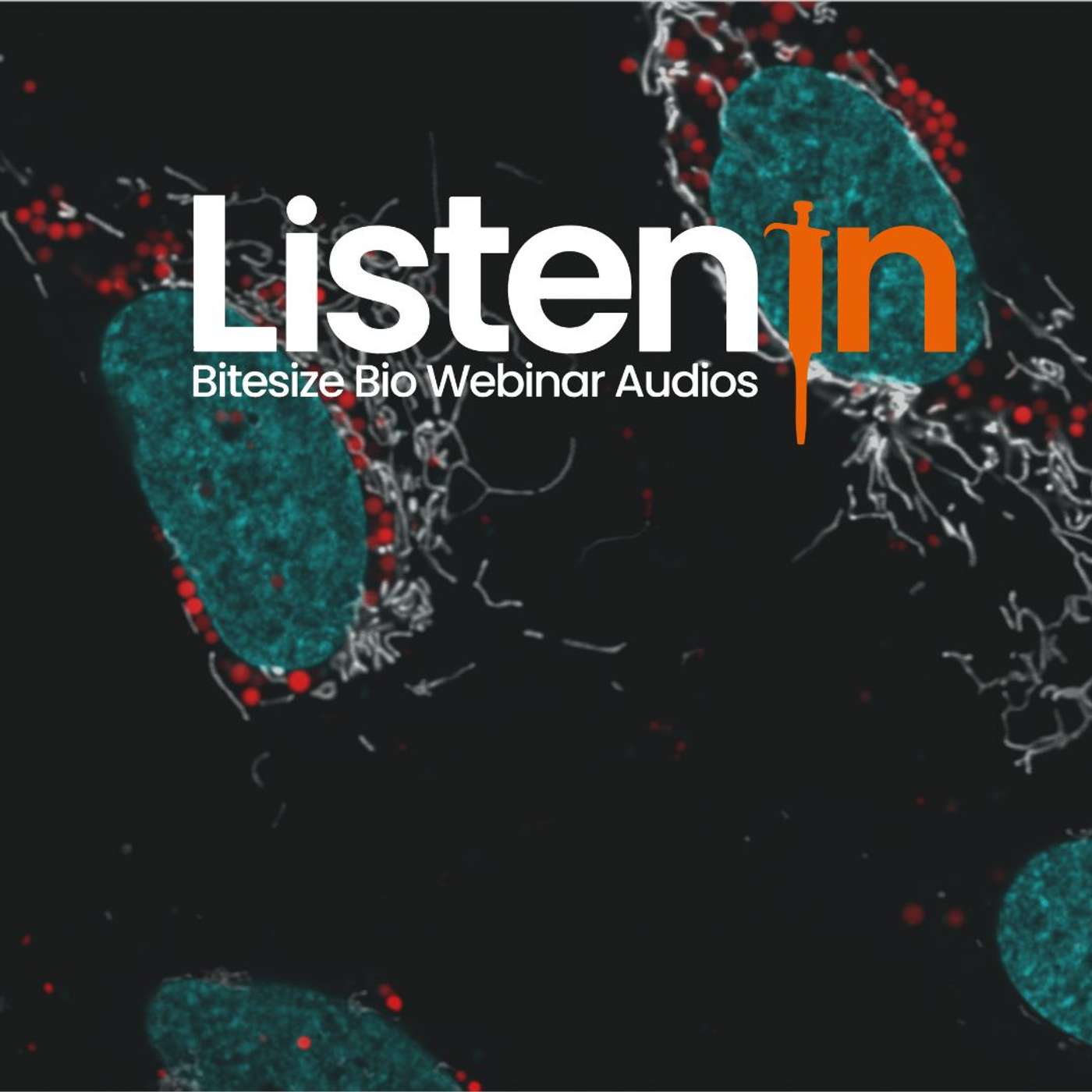
The fundamental cellular mechanisms of internalization and trafficking are crucial to many areas of cell biology, especially the proper function of therapeutic antibodies.
Antibodies intended for use as antibody-drug conjugates (ADCs) should specifically bind to target cells and rapidly internalize via endocytosis.
However, the ability to study these processes has historically been limited by the lack of tools that directly monitor the internalization and subsequent catabolism of extracellular material.
In this episode, get a demo of rapid, high-throughput methods to screen for antibody internalization. You will also hear about techniques to directly visualize the...
Multiplex Annotated Tissue Imaging System (MANTIS®)
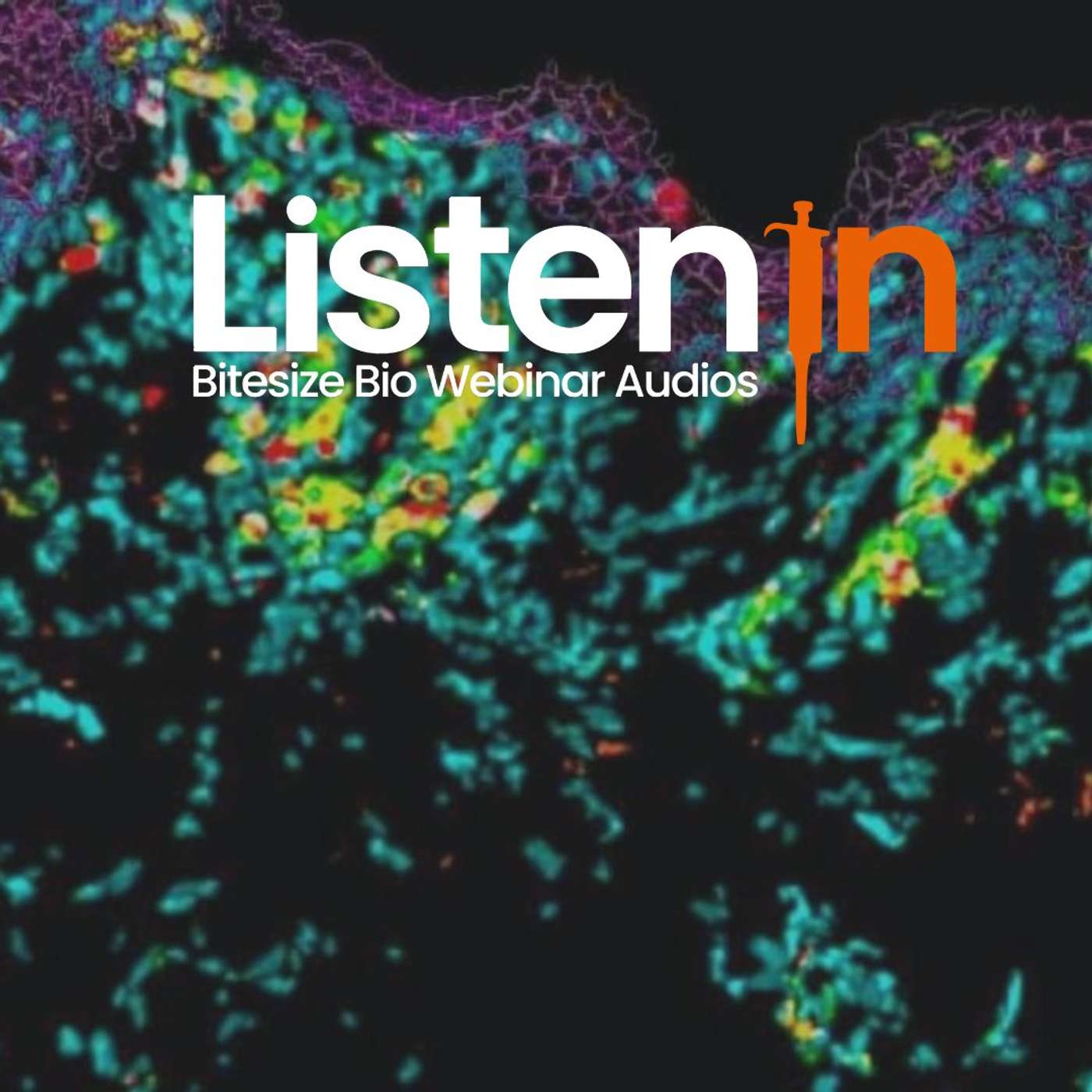
Join us on Listen In as we unveil a breakthrough method for imaging skin immune cells, crucial for accurate diagnoses and personalized treatments.
Traditional imaging faces challenges like high tissue autofluorescence and spectral spillover. However, our latest episode introduces a game-changing solution using the Leica SP8 microscope coupled with the MANTIS system.
Learn how this innovative approach allows for the acquisition of up to 10 colors, providing detailed immune phenotyping of skin samples. Plus, discover how MANTIS simplifies complex imaging, making advanced analysis accessible and practical for routine clinical practice.
Tune in to explore...
Breaking Out of The Mold - A Panel Discussion of Alternative Careers
Join us on Listen In for an inspiring episode that explores alternative careers for scientists who want to combine their artistic skills with their passion for science. If you love science but feel that traditional lab life isn’t for you, this episode is a must-listen.
In this episode, we're joined by a panel of individuals who have carved out unique careers that merge science with creativity. Our panelists include a Marketing Communication Manager/Graphic Designer, an Artist in Residence, and a Science Rapper.
These trailblazers will share their journeys, discuss how they found their un...
Five-Color STED With a Single Depletion Laser and Fluorescence Lifetime Phasor Separation
Dive into the innovative world of STED microscopy and explore how researchers are pushing the boundaries of super-resolution imaging in this episode of Listen In.
Traditional STED microscopy achieves high resolution by using a doughnut-shaped depletion laser to selectively suppress fluorescence, but multicolor experiments often face challenges such as laser misalignment and dye bleaching.
Explore the game-changing technique of using a single depletion wavelength combined with phasor-based FLIM separation. This method allows scientists to distinguish multiple fluorophores with similar emission spectra but different fluorescent lifetimes, significantly increasing the number of usable spectral channels.
...
Grant Writing: Everything but the Science
Dive into the often daunting world of grant applications. Securing funding is critical for any researcher, but the process can be filled with tricky tasks and complex requirements. Join us as we explore strategies to handle common challenges in grant applications with expert advice.
Learn how to tackle issues like:
• Career disruption
• Reason for choosing your place of work
• Track record relative to opportunity
• Consumer involvement
This episode guides you through the rationale behind these additional requirements, offers tips on how to effectively showcase your track record and collaborators, and provides...
Live-cell Fluorescence Lifetime Multiplexing Using Organic Fluorophores
In this episode, we explore the cutting-edge techniques revolutionizing fluorescence microscopy. Traditional methods are limited to detecting three to four targets due to the spectral overlap of fluorophores.
But now, scientists are breaking these barriers with fluorescence lifetime multiplexing. This innovative approach uses differences in fluorescence lifetimes to distinguish between similar dyes, allowing for more complex imaging.
Hear how researchers combined lifetime multiplexing with spectral detection to analyze multiple targets simultaneously. Discover the exciting advancements made by characterizing 18 synthetic fluorophores and developing unique self-labeling protein tags.
These breakthroughs enable the imaging of up...
Stress in the Lab. Common Pitfalls and How to Avoid Them
Stress is a universal challenge, and scientists face unique pressures such as impostor syndrome, the demand for positive results, and career uncertainty. These stressors can be overwhelming and often feel beyond our control.
In this episode of Listen In, we explore the various stresses that scientists encounter in their daily lab life and discuss effective strategies to manage them. Learn how to prevent burnout, anxiety, and depression by addressing issues like perfectionism and impostor syndrome. Our expert shares personal insights and practical advice on cultivating a resilient and healthier growth mindset.
Hit play to discover...
Visualizing Protein-Protein Interactions by Non-fitting and Easy FRET-FLIM Approaches
Understanding molecular interactions in living cells is one of the key elements to deciphering the molecular mechanisms underpinning most cellular functions.
Förster resonance energy transfer (FRET) is the gold standard for studying protein-protein interactions.
Fluorescence lifetime imaging microscopy (FLIM) allows for a straightforward quantification of FRET based on the behavior of donor-only fluorescence.
Join Dr. Padilla-Parra in this episode of Listen In to learn about some of the limitations of classical FRET approaches, how much information you can harness from FRET, and how lifetime-based non-fitting approaches such as minimal fraction of interacting d...
Optimizing Nuclei Extraction & Counting for Single Cell Sequencing
Single cell sequencing samples must be prepared to the highest possible standard.
Discover reliable techniques to prepare and validate nuclei samples for single cell sequencing.
In this episode, learn how to perform essential quality control checks, including a quick and reliable method for quantifying nuclei, measuring extraction efficiency, and visualizing debris in a sample.
You will also get tips to optimize your existing nuclei extraction protocols from an experienced Application Scientist.
Watch the full presentation here: https://events.bitesizebio.com/optimizing-nuclei-extraction/join
Browse all episodes of the Listen In...
How to Effectively Communicate Your Research
Join Kate Christian as she demystifies the process of effectively communicating your research in the latest episode of Listen In.
She describes the impact of research communication in and out of the lab and provides some guides to explaining your research in various contexts, such as lab tours, community visits, and other public engagements.
As well as learning how to work out your h-index, you will learn how to describe the impact of your papers.
Watch the full presentation here: https://events.bitesizebio.com/how-to-effectively-communicate-your-1/join
Browse all episodes of the...
Imaging GPCR Activity: Unravelling Mechanisms from Molecules to Morphology
Precise control of cellular communication and signaling is crucial for every physiological system, with G protein-coupled receptors (GPCRs, the largest family of signaling receptors) playing a central role as essential molecular sensors of a cell’s environment.
Because of their diverse physiological and pathophysiological roles, GPCRs are also major drug targets.
Our understanding of GPCR signaling has evolved from single receptors at the cell surface activating specific heterotrimeric G protein pathways, to an increasingly complex receptor signaling system. However, the complexity of GPCR signaling is translated to specific cellular and physiological responses is still unclear.
Critical Analysis Of Research Papers: Practical Examples
As a researcher, one of the most crucial skills to develop is the ability to perform an efficient yet thorough review of manuscripts.
Manuscript reviewing requires specific skills and knowledge to properly assess published literature. By reading and reviewing papers, researchers can develop and hone these skills, which will help them identify and handle tricky issues such as image and data manipulation.
In this episode of Listen In, Dr. Johanna Ahlskog discusses the essential skills all reviewers and researchers need, emphasizes the critical importance of the review process, and offers general considerations when reviewing articles.<...
New TauSTED Tools for Gentle Live Imaging at Nanoscale Resolution
This episode of Listen In showcases the latest tools and developments for multiplex STED imaging of living specimens at nanoscale resolution.
Confocal imaging is a fundamental tool for studying the complex interplay of biomolecules, molecular machines, and higher-order cellular structures owing to its optical sectioning, sensitivity, and temporal and spatial resolution capabilities.
Imaging complex cellular structures at nanoscale resolution while characterizing the dynamics of multiple species in live specimens are emerging avenues to shed light on biological processes in their native physiological context.
With the advent of STED, researchers have realized the visualization...
Finding The Ideal Hook for Your Science Story
Your research is important, but it can be hard to explain to others why it's important.
In this episode of Listen In, you'll learn to find the ideal hook for your science story.
This trick, borrowed from journalism, involves taking a step back and thinking about all the aspects of your research and where they might overlap with other topics that attract interest from other people.
Knowing how your research connects with other areas is useful when writing grant proposals or giving public talks about your work because it helps you write or...
Culture Media Preparation: Contamination Control and Retention of Critical Components
Contamination poses a significant risk in cell culture, jeopardizing research outcomes and incurring costly setbacks.
This episode of Listen In gives you valuable insights into often overlooked areas of your filtration processes and will help you safeguard your sensitive cell cultures.
Explore the critical importance of sterile filtration in diverse applications leveraging Millipore® filtration technology.
Hear about the alarming consequences of suboptimal filters in sensitive media composition, highlighting the financial and time investments at stake.
Plus, discover how the use of Millipore® filters as the gold standard in both non-sterile and st...
Automate Your Pipetting — Unleash Your Potential
Despite the growing number of new technologies and automated instruments, routine liquid handling is still a manual process in many labs. The trend towards automation is gaining importance, not only with complex applications, such as NGS library preparation but also with simple yet repetitive liquid handling steps where automated pipetting makes sense.
A variety of automated liquid handling systems—suiting all budgets and workloads—are now available. These systems are designed to improve consistency and efficiency by eliminating both person-to-person and day-to-day variability.
But how to get started with automation? When does it make sense to a...
Cellular Crosstalk in Neurodevelopmental Disorders
Inspired by mutations associated with neurodevelopmental disorders, Prof. Dr. Silvia Cappello’s group at the Ludwig Maximilian University of Munich aims to understand the role of extracellular mechanisms essential for the correct development of the human brain.
Their research focuses on intrinsic and extrinsic mechanisms contributing to the formation of the brain by examining mutations in genes influencing cell-cell contacts, the extracellular matrix, and the secretion of vesicles.
In this episode of Listen In, Silvia presents the latest research that makes an important contribution to our understanding of cell non-autonomous mechanisms in the development of ne...
End-point PCR Set-up and Optimization: Best Practice
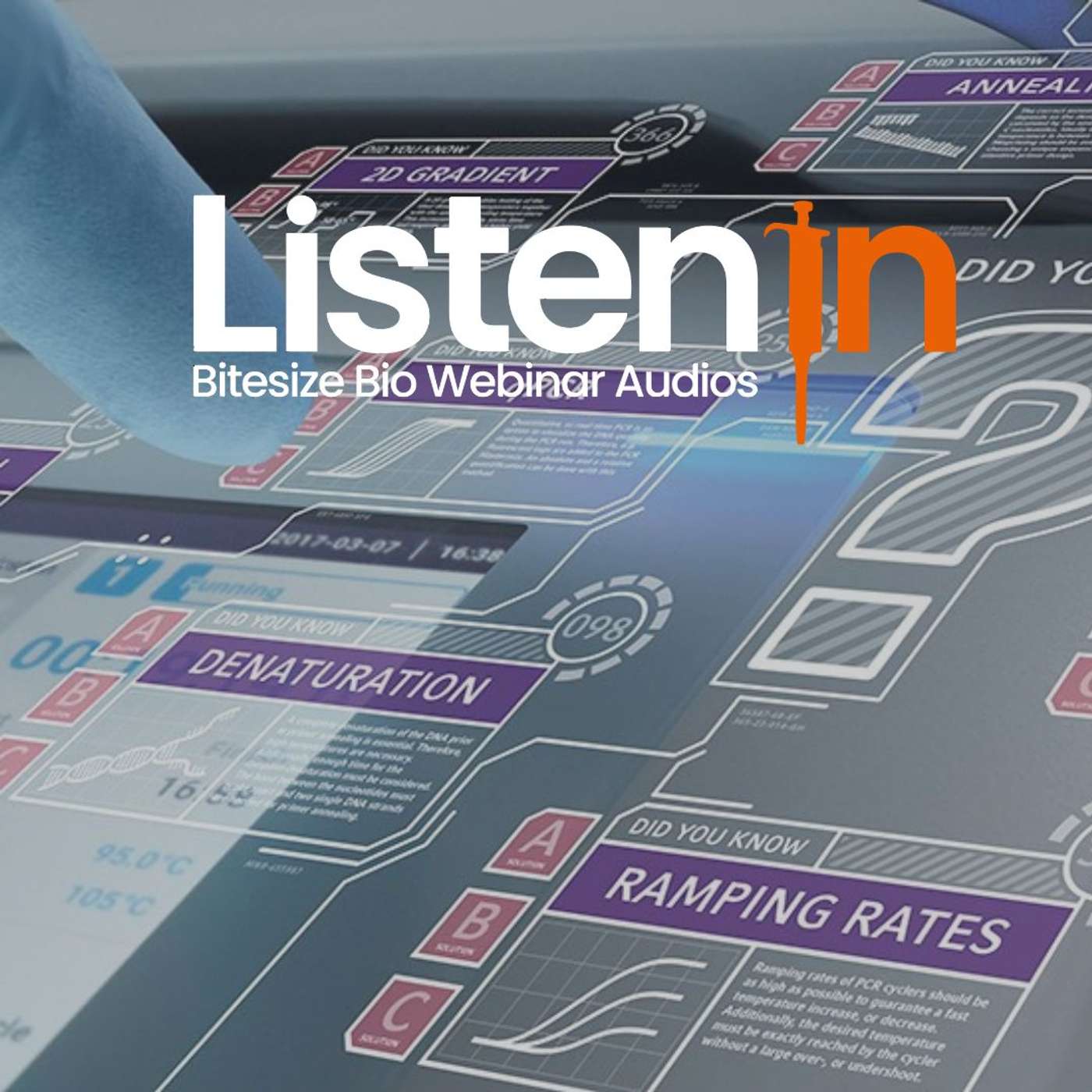
In this episode of Listen In, master your PCR set-up for unparalleled results.
Check out this enlightening discussion of the crucial factors that influence the outcome of PCR experiments and discover the parameters you can optimize for better and more consistent PCR results.
You will get reliable advice directly from PCR experts at Eppendorf on key topics, including the core features of thermal cyclers and the importance of good pipetting techniques to minimize evaporation.
This episode also features helpful insights into ideal reaction set-up, primer design, template DNA selection, and PCR optimization.
<...Approaches for More Transparent, Rigorous, and Reproducible Research
Improving open science and research reproducibility is both a technical and a social challenge.
But how do we do it?
One way is to design, conduct, and report research that can maximize the impact of our individual and collective investment in research.
Plus, changing the research culture to prioritize 'getting it right' over 'getting it published' promotes transparency and reproducibility without losing the engine of innovation and discovery that drives scientific inquiry.
In this episode of Listen In, get an overview of the fundamental challenges that reduce the credibility and reproducibility...


