The John Batchelor Show

WEISBERG4.mp3 Weisberg discusses the evolution of divorce in New York, noting a significant increase during the Gilded Age. The scandal influenced novelist Edith Wharton, Mary’s cousin, who later wrote about these social circles. Additionally, the diary o

WEISBERG4.mp3 Weisberg discusses the evolution of divorce in New York, noting a significant increase during the Gilded Age. The scandal influenced novelist Edith Wharton, Mary’s cousin, who later wrote about these social circles. Additionally, the diary of George Templeton Strong serves as a vital historical window. (4)
EISBRG3.mp3 Mary confesses her affair and a pregnancy of uncertain paternity to a stunned Peter. Peter pursues a taboo divorce to gain custody of their children, citing his patriarchal rights. The sources describe a sensational five-week trial in 1865 tha
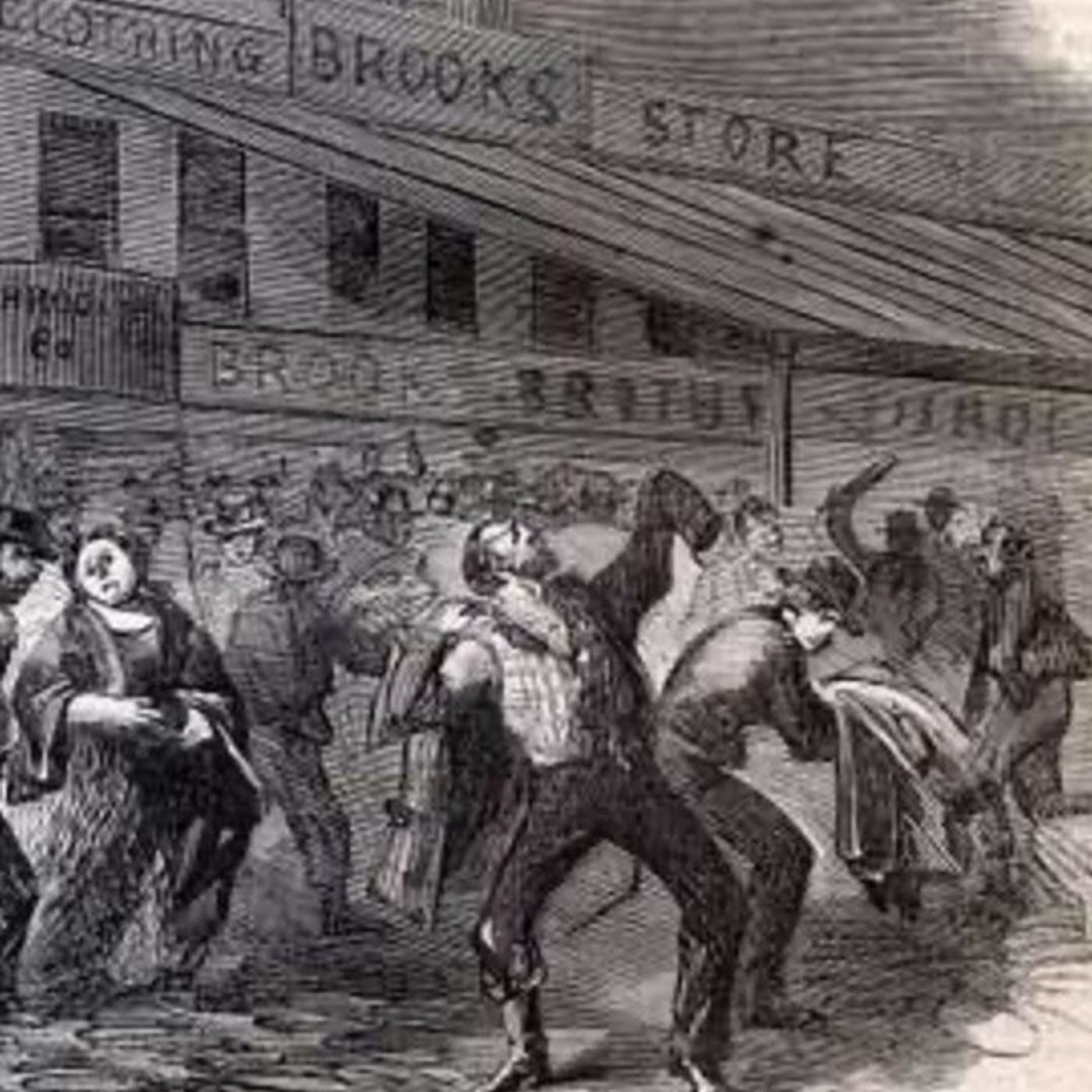
EISBRG3.mp3 Mary confesses her affair and a pregnancy of uncertain paternity to a stunned Peter. Peter pursues a taboo divorce to gain custody of their children, citing his patriarchal rights. The sources describe a sensational five-week trial in 1865 that captivated the nation despite concurrent Civil War-era news. (3)E
1863
WEISBERG2.mp3 Weisberg details Mary’s growing unhappiness and physical fragility following multiple pregnancies and life at Waverly. The narrative shifts as Mary begins a secret affair with Peter’s brother, Edward, after a chance encounter. This betrayal

WEISBERG2.mp3 Weisberg details Mary’s growing unhappiness and physical fragility following multiple pregnancies and life at Waverly. The narrative shifts as Mary begins a secret affair with Peter’s brother, Edward, after a chance encounter. This betrayal coincides with the tragic death of their infant daughter, Edith. (2)
1863 DRAFT RIOT
WEISBERG1.mp3 Guest Barbara Weisberg introduces her book about Peter Strong and Mary Stevens, two elite New Yorkers who married in 1853. Despite their prominent backgrounds, Mary felt stifled living at Waverly, the Strong family estate in Queens, under he

WEISBERG1.mp3 Guest Barbara Weisberg introduces her book about Peter Strong and Mary Stevens, two elite New Yorkers who married in 1853. Despite their prominent backgrounds, Mary felt stifled living at Waverly, the Strong family estate in Queens, under her mother-in-law’s roof, setting the stage for future conflict. (1) 1863 DRAFT RIOT
8. In this final segment, Cline summarizes the rankings of ancient societies based on resilience definitions from the IPCC. He distinguishes between those that "transformed" (the antifragile Phoenicians and Cypriots), those that "adapted" or "coped" (Eg

8. In this final segment, Cline summarizes the rankings of ancient societies based on resilience definitions from the IPCC. He distinguishes between those that "transformed" (the antifragile Phoenicians and Cypriots), those that "adapted" or "coped" (Egypt, Assyria, and Babylon), and those that failed (the Hittites). He emphasizes the importance of geography, noting that major river systems like the Nile and Euphrateshelped Egypt and Mesopotamia survive the collapse. Cline’s work illustrates that resilience involves more than just survival; it requires the agility to innovate in response to extreme impact events, offering lessons for contemporary global stability. (8)
7. Cline addresses the vulnerability of the Minoan and Mycenaean civilizations, which served as models for "what not to do" during a crisis. Despite their outward appearance of strength, these societies were fragile systems that collapsed completely after

7. Cline addresses the vulnerability of the Minoan and Mycenaean civilizations, which served as models for "what not to do" during a crisis. Despite their outward appearance of strength, these societies were fragile systems that collapsed completely after the 12th century BC. Their writing system, Linear B, was limited to accounting, leaving no literary records of their downfall. The transition to the Iron Age saw the disappearance of their specific social structures, though names of gods like Zeus and Poseidon endured. This period illustrates how societies can appear vibrant while being internally decayed, leading to a total replacement of their...
6. Cline explores the decline of the Minoans on Crete and the Mycenaeans on mainland Greece. Both civilizations are categorized as failures that were internally fragile despite impressive architectural achievements like the Lion Gate. Overextension throug
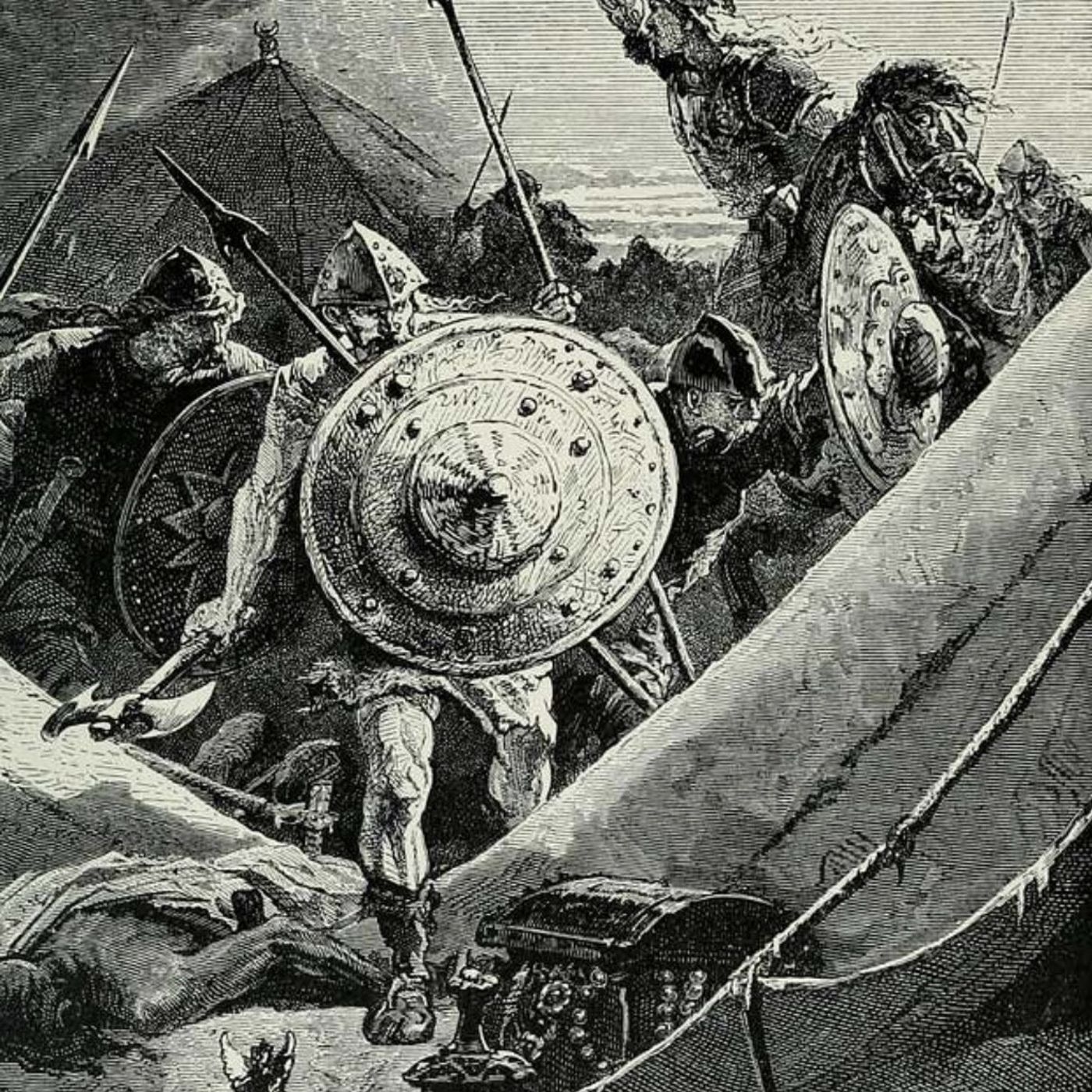
6. Cline explores the decline of the Minoans on Crete and the Mycenaeanson mainland Greece. Both civilizations are categorized as failures that were internally fragile despite impressive architectural achievements like the Lion Gate. Overextension through massive construction projects and internal uprisings during periods of drought likely contributed to their demise. By the 11th century BC, these societies had vanished, though some cultural elements persisted through a permeable membrane into the Iron Age. Cline also discusses how Homer’s epics, written centuries later, cautiously reflect this transition from the Bronze Age "Wanax" kings to the Iron Age "Basileus" leaders. (6)
5. The conversation details the collapse of the Hittite Empire in central Anatolia. Despite once being equal to Egypt, the Hittites suffered from poor leadership and internal rot, exacerbated by plagues and famine. Their capital, Hattusa, was eventually b

5. The conversation details the collapse of the Hittite Empire in central Anatolia. Despite once being equal to Egypt, the Hittites suffered from poor leadership and internal rot, exacerbated by plagues and famine. Their capital, Hattusa, was eventually burned, possibly by local enemies rather than the Sea Peoples. While the main empire disappeared, "rump states" survived in northern Syria, becoming the Neo-Hittites mentioned in the Bible. Additionally, Cline mentions recent computer modeling that suggests the simultaneous collapse of the Hittites and the port city of Ugarit was sufficient to bring down the entire global trade network. (5)
4. This file focuses on the "antifragile" societies that thrived amid chaos: the Phoenicians and Cypriots. The Phoenicians transformed into a maritime powerhouse, establishing colonies like Carthage and spreading the standardized alphabet. Meanwhile, the

4. This file focuses on the "antifragile" societies that thrived amid chaos: the Phoenicians and Cypriots. The Phoenicians transformed into a maritime powerhouse, establishing colonies like Carthage and spreading the standardized alphabet. Meanwhile, the Cypriots pivoted from copper to iron metallurgy, innovating with new technologies that defined the early Iron Age. Cline clarifies that iron weapons did not cause the collapse but were an adaptation to it once tin supplies were cut. Both groups demonstrated genius by seizing opportunities created by broken supply chains, ultimately flourishing while their more rigid, larger neighbors failed to adapt. (4)
3. Cline examines the varying fates of Egypt and emerging Levantine groups after the collapse. Egypt is described as "merely coping," struggling with internal anarchy and a delayed reaction to regional droughts while retreating from its previous internati

3. Cline examines the varying fates of Egypt and emerging Levantine groups after the collapse. Egypt is described as "merely coping," struggling with internal anarchy and a delayed reaction to regional droughts while retreating from its previous international prominence. Conversely, the power vacuum allowed smaller entities like the Israelites and Philistines to flourish. Cline discusses the archaeological debate regarding whether the Israelites were local highland dwellers who transformed or external migrants. He also identifies the Philistines as part of the Sea Peoples, noting recent DNA evidence from Ashkelon that confirms their mixed ancestry and Mediterranean origins. (3)
2. This interview shifts to the aftermath of the Bronze Age collapse, focusing on the resilience of the Assyrians. Cline attributes their survival to strong leadership and redundant systems, such as their enduring military and government structures. While
2. This interview shifts to the aftermath of the Bronze Age collapse, focusing on the resilience of the Assyrians. Cline attributes their survival to strong leadership and redundant systems, such as their enduring military and government structures. While their previous trading partners struggled, the Assyrians adapted by using military force to acquire necessary resources and conducting near-constant warfare. The discussion also covers the complex, shifting relationship between the Assyrians and the Babylonians, who cycled between being allies and enemies. Ultimately, the Neo-Assyrians emerged as the dominant Near Eastern power for several centuries before being superseded by the Neo-Babylonians. (2)
1. Eric Cline discusses the Late Bronze Age through the lens of the Uluburun shipwreck, which represents the era's globalized trade network. The ship's cargo, including copper from Cyprus and tin from Afghanistan, highlights the interconnectedness of civi

1. Eric Cline discusses the Late Bronze Age through the lens of the Uluburun shipwreck, which represents the era's globalized trade network. The ship's cargo, including copper from Cyprus and tin from Afghanistan, highlights the interconnectedness of civilizations like the Egyptians, Hittites, and Mycenaeans. Cline explains that the collapse around 1177 BC was not caused by a single event but a "perfect storm" of factors, including drought, famine, earthquakes, and the Sea Peoples' migrations. This catastrophic sequence occurred so rapidly that societies lacked the time to recover, leading to a systemic failure of the ancient world's trade routes. (1)
8. Perpetua and the Shift to Christian Martyrdom (15) In the final segment, Southon discusses Perpetua, a well-born young woman in Carthage who was executed for being a Christian. Roman policy viewed the refusal to worship state gods as treason. Perpetu

8. Perpetua and the Shift to Christian Martyrdom (15)
In the final segment, Southon discusses Perpetua, a well-born young woman in Carthage who was executed for being a Christian. Roman policy viewed the refusal to worship state gods as treason. Perpetua kept a diary of her imprisonment, framing her suffering as a spiritual victory. This marked a major cultural shift; while Romans valued suicide to avoid dishonor, Christians believed suffering and humiliationwere pathways to salvation. Her story concludes as Christianity begins to replace traditional Roman beliefs as the empire's dominant spirituality. (16)
7. Daily Life and Business on the Frontier (13) Moving away from royalty, Southon highlights Julia Felix, a Pompeian property owner who ran a vast entertainment complex featuring "bougie" baths and restaurants. Archaeology shows she offered the middle cla

7. Daily Life and Business on the Frontier (13)
Moving away from royalty, Southon highlights Julia Felix, a Pompeian property owner who ran a vast entertainment complex featuring "bougie" baths and restaurants. Archaeology shows she offered the middle class a taste of luxury normally reserved for the rich. Meanwhile, at the northern frontier, the Vindolanda tablets reveal the lives of educated women like Sulpicia Lepidina. Her letters, including a birthday invitation, prove that Roman military forts were not just for soldiers but were active domestic spaces filled with families and social networks. (14)
6. Queens of Britain: Cooperation and Resistance (11) Southon compares two female leaders in Roman Britain: Cartimandua and Boudica. Cartimandua, Queen of the Brigantes, chose to collaborate with Rome, maintaining power for decades by bringing Roman luxur

6. Queens of Britain: Cooperation and Resistance (11)
Southon compares two female leaders in Roman Britain: Cartimandua and Boudica. Cartimandua, Queen of the Brigantes, chose to collaborate with Rome, maintaining power for decades by bringing Roman luxuries like wine and spices to her people. Conversely, Boudicaled a violent but short-lived rebellionagainst Roman tyranny. While the historian Tacitus portrayed Boudica as a stoic figure of honor who died by her own hand, modern British schools often view her as a symbol of national resistanceto continental rule and Britishexceptionalism. (12)
5. Julia: The Tool and Rebel of Augustus (9) Augustus used his only daughter, Julia, as a political tool to secure his heirs. He forced her into multiple marriages with potential successors like Agrippa and Tiberius. While she was initially obedient and p

5. Julia: The Tool and Rebel of Augustus (9)
Augustus used his only daughter, Julia, as a political tool to secure his heirs. He forced her into multiple marriages with potential successors like Agrippa and Tiberius. While she was initially obedient and produced five children, Julia eventually rebelled by engaging in very public affairs, including one with the son of her father's rival, Mark Antony. Furious that she undermined his public image of family virtue, Augustus exiled her to a remote island for nearly twenty years. After Augustus died, Tiberius took control and starved her to death. (10)
. Cicero’s Rhetorical Attack on Clodia (7) In the late Republic, the orator Cicero engaged in a bitter feud with the wealthy and influential Clodia. During the trial of Caelius, Cicero launched a devastating character assassination, branding Clodia the "P

. Cicero’s Rhetorical Attack on Clodia (7)
In the late Republic, the orator Ciceroengaged in a bitter feud with the wealthy and influential Clodia. During the trial of Caelius, Cicero launched a devastating character assassination, branding Clodia the "Palatine Medea" and accusing her of prostitution and murder. Southon emphasizes that because women were barred from speaking in court, Clodia was defenseless against these public insinuations. Cicero even edited his own speeches before passing them to history to ensure his version of events remained the dominant narrative, regardless of the truth of his claims. (8)
3. Wicked Queens and the Sacrifice of Vestals (5) Southon discusses Tullia, the "wicked" opposite of Lucretia, who murdered her family to seize power and defiled her father’s body. Her ambition served as a warning that monarchy breeds tyranny. The focus t

3. Wicked Queens and the Sacrifice of Vestals (5)
Southon discusses Tullia, the "wicked" opposite of Lucretia, who murdered her family to seize power and defiled her father’s body. Her ambition served as a warning that monarchy breeds tyranny. The focus then shifts to the Vestal Virgins, such as Oppia, who were tasked with maintaining Rome’s eternal flame. If bad omens occurred, a Vestal might be accused of unchastity and buried alive as a human sacrifice to appease the gods. Often, there was no evidence of wrongdoing beyond "unchaste" behavior like telling jokes or wearing nice dresses. (6)
2. Lucretia and the Birth of the Republic (3) Southon explains that while most women can be removed from Roman history without much change, Lucretia is essential to the story of the Republic. During a "best wife" competition, Lucretia was found weaving wo

2. Lucretia and the Birth of the Republic (3)
Southon explains that while most women can be removed from Roman history without much change, Lucretia is essential to the story of the Republic. During a "best wife" competition, Lucretia was found weaving wool, a sign of extreme domestic virtue, while other elite women were drinking wine. After being assaulted by the king's son, Sextus, she committed suicide to ensure her name would never be used to excuse unvirtuous behavior. Her family, led by Brutus, used her body to incite a revolution that overthrew the monarchy and established the Roman Republic. (4)
1. The Founding Mothers and Augustan Propaganda(1) Guest author Emma Southon notes that historians like Livy wrote during the reign of Augustus to reshape early Roman history to justify the return to monarchy. These writers aimed to portray Rome as the mo

1. The Founding Mothers and Augustan Propaganda(1)
Guest author Emma Southon notes that historians like Livy wrote during the reign of Augustus to reshape early Roman history to justify the return to monarchy. These writers aimed to portray Rome as the most virtuous and god-beloved nation. A primary narrative involves the Sabine women, who were kidnapped to populate the new city. Led by Hersilia, these women eventually intervened in a battle, acting as the "glue" that turned a war between enemies into a family conflict. Southon contrasts the virtuous Hersilia with Tarpeia, a "bad" woman who betrayed Rome for luxury. (2)
STREAMING "THE MAKING OF THE JOHN BATCHELOR SHOW" WITH JEFF BLISS 3-13-26

STREAMING "THE MAKING OF THE JOHN BATCHELOR SHOW" WITH JEFF BLISS 3-13-26
1959 THE SANDS.
This transcript of the John Batchelor Show features a conversation with Jeff Bliss regarding current events primarily focused on California and the West Coast. The dialogue contrasts lighthearted topics, such as the Las Vegas A's stadium progress and the iconic Vegas sign, with more serious concerns like the billionaire migration fleeing high taxes in Washington and California. They discuss the rising national political profile of Gavin Newsom despite his local popularity struggles and the persistent challenges of homelessness and copper wire...
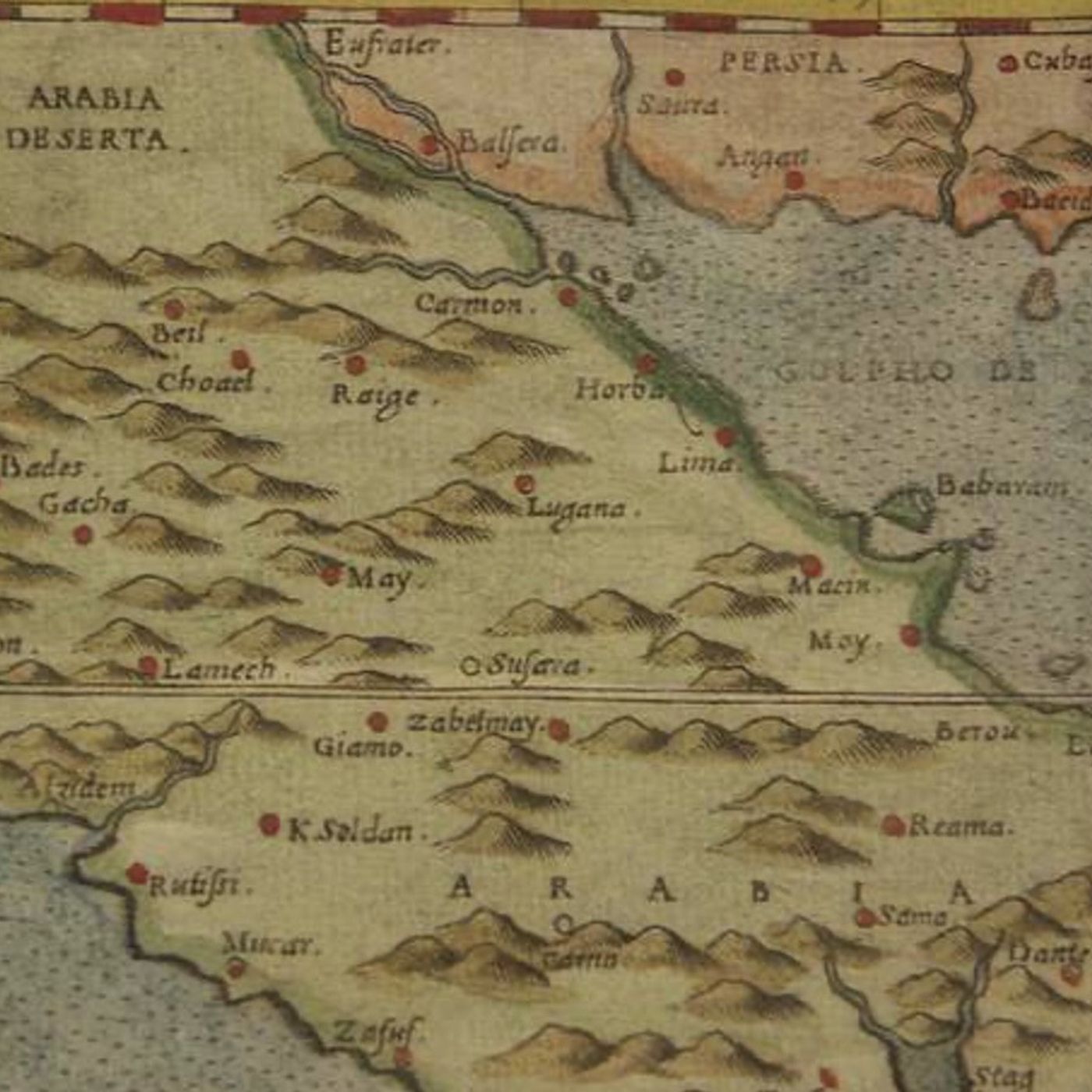
SHOW SCHEDULE 3-13-2026 1574 ARABIA
SHOW SCHEDULE 3-13-2026
1574 ARABIA
13. Guest: Henry Sokolski Summary: The U.S. Nuclear Regulatory Commission is criticized for reducing security at nuclear plants despite growing threats. Sokolski points out the disconnect between the NRC’s downplaying of risks and the FBI's serious warnings. (9)
14. Guest: Henry Sokolski Summary: The FBI warned California about Iranian drone threats against infrastructure. Sokolski notes that U.S. nuclear plants are vulnerable and currently lack the clear legal authority to effectively handle unauthorized drone overflights. (10)
15. Guest: Peter van Dokkum Summary: Professor van Dokkum defines runaway black holes as su...
16. **Guest:** Peter van Dokkum **Summary:** Astronomers detected a runaway black hole via a shock front and a wake of 100 million newborn stars. This stellar trail traces the black hole's path as it travels through intergalactic gas..

16. **Guest:** Peter van Dokkum
**Summary:** Astronomers detected a runaway black hole via a shock front and a wake of 100 million newborn stars. This stellar trail traces the black hole's path as it travels through intergalactic gas..
1783 METEOR OF AUGUST 18, 1783
5. **Guest:** Peter van Dokkum **Summary:** Professor van Dokkum defines runaway black holes as supermassive objects kicked out of galaxies after collisions. These objects move at 1,000 kilometers per second, escaping their host galaxies to roam through i

15. **Guest:** Peter van Dokkum
**Summary:** Professor van Dokkum defines runaway black holes as supermassive objects kicked out of galaxies after collisions. These objects move at 1,000 kilometers per second, escaping their host galaxies to roam through intergalactic space.
1945 ROYAL OBSERVATORY AT GREENWICH
14. **Guest:** Henry Sokolski **Summary:** The FBI warned California about Iranian drone threats against infrastructure. Sokolski notes that U.S. nuclear plants are vulnerable and currently lack the clear legal authority to effectively handle unauthorized

14. **Guest:** Henry Sokolski
**Summary:** The FBI warned California about Iranian drone threats against infrastructure. Sokolski notes that U.S. nuclear plants are vulnerable and currently lack the clear legal authority to effectively handle unauthorized drone overflights.
1951 FROM LAS VEGAS
13. **Guest:** Henry Sokolski **Summary:** The U.S. Nuclear Regulatory Commission is criticized for reducing security at nuclear plants despite growing threats. Sokolski points out the disconnect between the NRC’s downplaying of risks and the FBI's seriou

13. **Guest:** Henry Sokolski
**Summary:** The U.S. Nuclear Regulatory Commission is criticized for reducing security at nuclear plants despite growing threats. Sokolski points out the disconnect between the NRC’s downplaying of risks and the FBI's serious warnings.
1955 NEVADA
12. Paul Thomas Chamberlain: Argues World War II was a clash of empires, resulting in the rise of superpowers. He notes the atomic bomb was viewed as just another weapon and discusses Britain’s declining global influence,,. (35 words) (12)
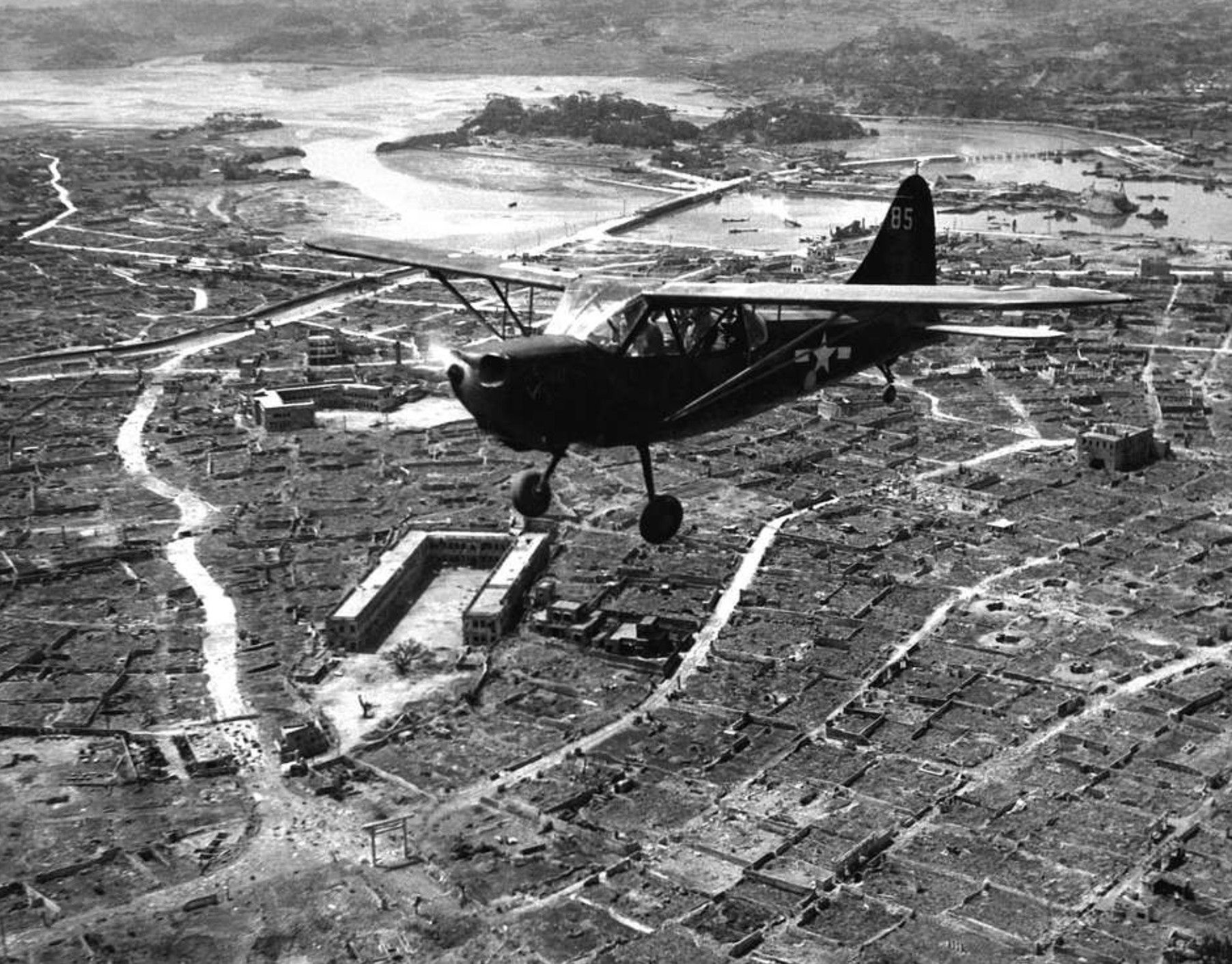
12. Paul Thomas Chamberlain: Argues World War II was a clash of empires, resulting in the rise of superpowers. He notes the atomic bomb was viewed as just another weapon and discusses Britain’s declining global influence,,. (35 words) (12)
1945 OKINAWA
11. Paul Thomas Chamberlain: Details the struggle over Poland’s sovereignty and Churchill’s "percentages agreement" to divide influence,,. He also highlights the transition to Truman and Attlee at Potsdam and Stalin’s continued regional ambitions,. (35 wo

11. Paul Thomas Chamberlain: Details the struggle over Poland’s sovereignty and Churchill’s "percentages agreement" to divide influence,,. He also highlights the transition to Truman and Attlee at Potsdam and Stalin’s continued regional ambitions,. (35 words) (11)
1944
10. Paul Thomas Chamberlain: Examines the Yalta Conference, where Roosevelt sought post-war cooperation with Stalin,. He analyzes the inevitable Soviet dominance in Eastern Europe and the staggering human cost borne by Soviet citizens during the war,. (35

10. Paul Thomas Chamberlain: Examines the Yalta Conference, where Roosevelt sought post-war cooperation with Stalin,. He analyzes the inevitable Soviet dominance in Eastern Europe and the staggering human cost borne by Soviet citizens during the war,. (35 words) (10)
1943 REGGIO ITALY
9. Paul Thomas Chamberlain: Discusses the racialized nature of World War II propaganda and civilizational struggle,. He explores how Allied and Axis powers utilized racial hierarchies and examines Japan's colonial ambitions and cruelty in Asia,,. (35 word
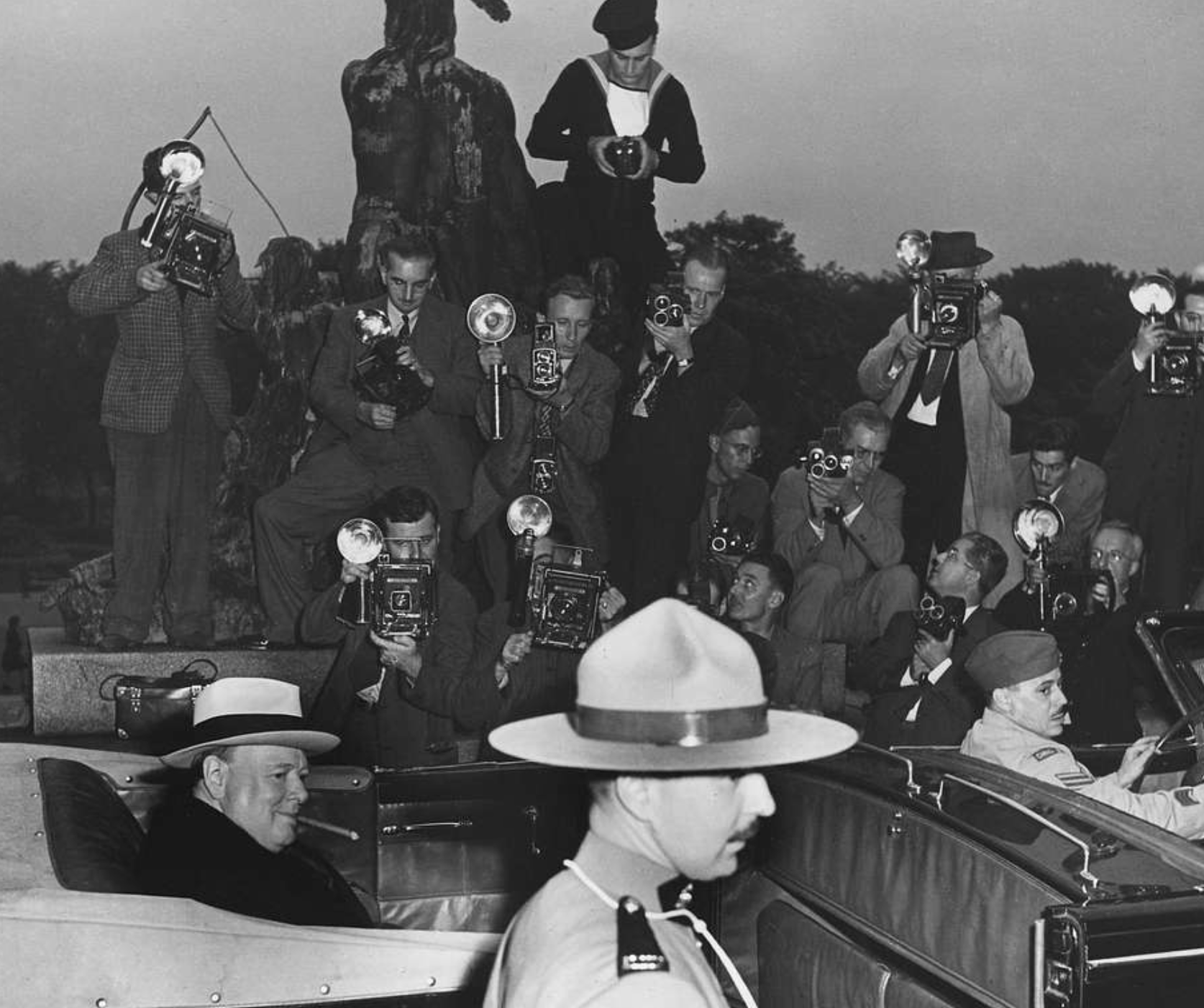
9. Paul Thomas Chamberlain: Discusses the racialized nature of World War II propaganda and civilizational struggle,. He explores how Allied and Axis powers utilized racial hierarchies and examines Japan's colonial ambitions and cruelty in Asia,,. (35 words) (9)
1943 QUEBEC
8. Bob Zimmerman: Explores astronomical discoveries such as exoplanet collisions and life potential around red dwarf stars,. He also details the unique composition of an interstellar comet and the strange "yin-yang" appearance of Saturn's moon,. (35 words
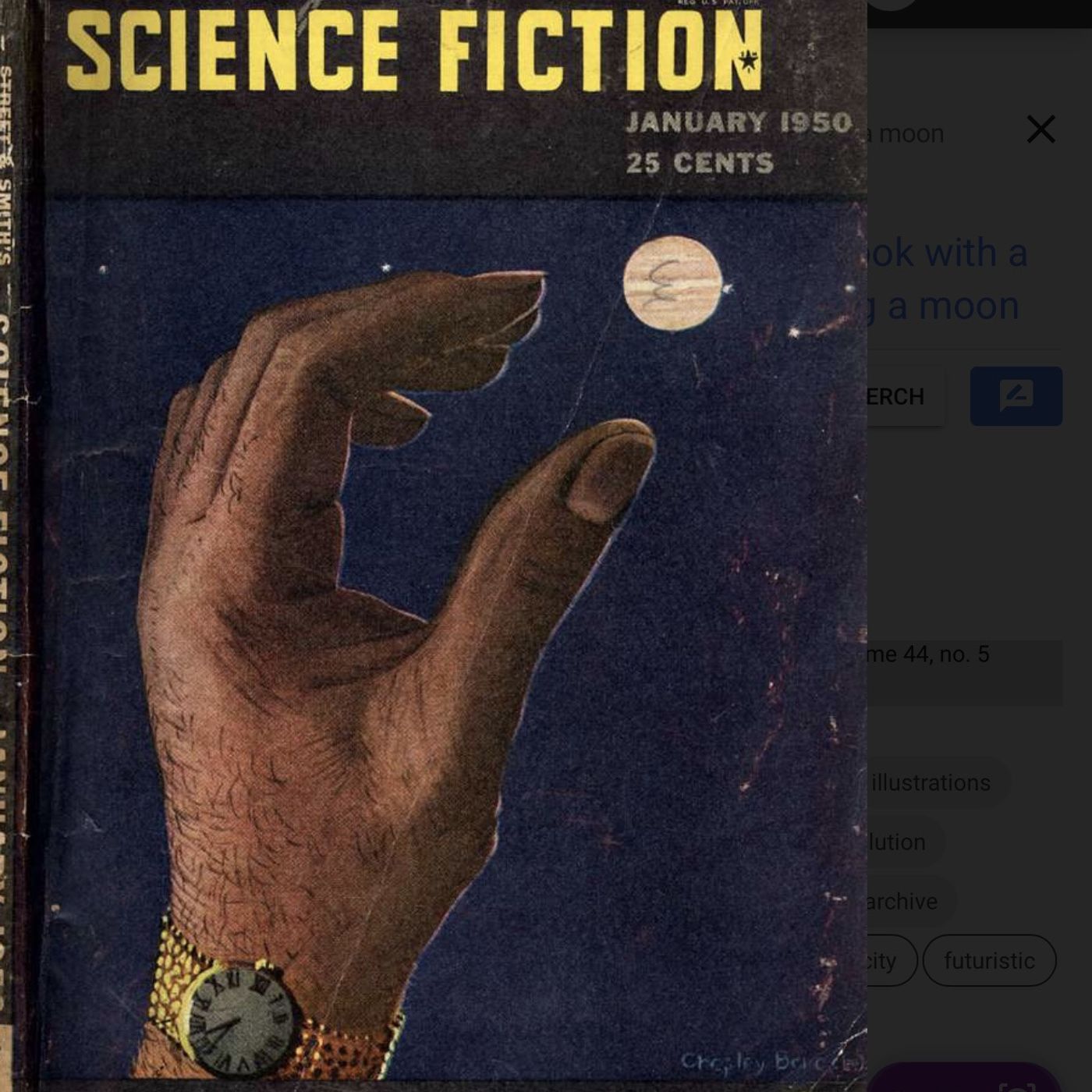
8. Bob Zimmerman: Explores astronomical discoveries such as exoplanet collisions and life potential around red dwarf stars,. He also details the unique composition of an interstellar comet and the strange "yin-yang" appearance of Saturn's moon,. (35 words) (8)
7. Bob Zimmerman: Reviews recent space developments, including Firefly's successful launch, SpaceX's Starship testing, and NASA's Artemis 2 mission,,. He also discusses FCC regulatory changes and China’s potential lunar landing site selection,. (35 words)

7. Bob Zimmerman: Reviews recent space developments, including Firefly's successful launch, SpaceX's Starship testing, and NASA's Artemis 2 mission,,. He also discusses FCC regulatory changes and China’s potential lunar landing site selection,. (35 words) (7)
OCTOBER 1963
6. Lorenzo Fiori: Addresses Italy's stance on the Middle East conflict before highlighting Tropea, a scenic coastal destination,. He provides local culinary insights, including recipes for the region's famous red onions and wine pairings,. (35 words) (6)

6. Lorenzo Fiori: Addresses Italy's stance on the Middle East conflict before highlighting Tropea, a scenic coastal destination,. He provides local culinary insights, including recipes for the region's famous red onions and wine pairings,. (35 words) (6)
1550 ROME
5. Jim McTague: Describes the economic impact of rising gas prices in Lancaster County, Pennsylvania,. While the job market remains robust, high energy costs and inflation are making local consumers more selective in their spending,,. (35 words) (5)

5. Jim McTague: Describes the economic impact of rising gas prices in Lancaster County, Pennsylvania,. While the job market remains robust, high energy costs and inflation are making local consumers more selective in their spending,,. (35 words) (5)
1950 ALLENTOWN PA
4. Veronique de Rugy: Explains the mass exodus of affluent individuals from high-tax states due to billionaire tax proposals,. She warns that "one-time" taxes historically become permanent, broadening their base to include the middle class,,. (35 words) (

4. Veronique de Rugy: Explains the mass exodus of affluent individuals from high-tax states due to billionaire tax proposals,. She warns that "one-time" taxes historically become permanent, broadening their base to include the middle class,,. (35 words) (4)
1910 PACIFIC PALISADES
3. Sinan Ciddi: Analyzes Turkey's deployment of F-16s to Northern Cyprus following Iranian missile fire,. He discusses Turkey testing US boundaries, its regional rivalry with Iran, and potential Turkish support for Hezbollah to undermine Israel,,. (35 wor

3. Sinan Ciddi: Analyzes Turkey's deployment of F-16s to Northern Cyprus following Iranian missile fire,. He discusses Turkey testing US boundaries, its regional rivalry with Iran, and potential Turkishsupport for Hezbollah to undermine Israel,,. (35 words) (3)
1900 ISTANBUL
2. Jeff Bliss: Reports on Gavin Newsom’s leading position in 2028 Democratic primary polling despite California's domestic issues,. He also notes the declining political standing of Kamala Harris among voters in her home state,. (35 words) (2)

2. Jeff Bliss: Reports on Gavin Newsom’s leading position in 2028 Democratic primary polling despite California's domestic issues,. He also notes the declining political standing of Kamala Harris among voters in her home state,. (35 words) (2)
1940 LAS VEGAS
1. Jeff Bliss: Discusses the Las Vegas A’s stadium progress and free local attractions like the iconic welcome sign,,. He also explores political shifts in Seattle and California as wealthy residents flee high taxes,,. (35 words) (1)

1. Jeff Bliss: Discusses the Las Vegas A’s stadium progress and free local attractions like the iconic welcome sign,,. He also explores political shifts in Seattle and California as wealthy residents flee high taxes,,. (35 words) (1)
1901 CLARK COUNTY
PRVIEW FOR LATER: Sinan Ciddi of the Foundation for Defense of Democracies analyzes Turkey’s "boundary testing" during the Iran war. He explores military posturing in Cyprus and Turkey’s fear of direct involvement. (2)

PRVIEW FOR LATER: Sinan Ciddi of the Foundation for Defense of Democraciesanalyzes Turkey’s "boundary testing"during the Iran war. He explores military posturing in Cyprus and Turkey’s fear of direct involvement. (2)
1870 ST. SOPHIA CONSTANTINOPLE
PRVIEW FOR LATER: Guide Lorenzo Fiori recommends visiting Tropea, Italy, during the off-season to avoid over-tourism. He suggests a traditional meal with local onions, paired with a sweet Sicilian Marsala dessert wine. (3)

PRVIEW FOR LATER: Guide Lorenzo Fiorirecommends visiting Tropea, Italy, during the off-season to avoid over-tourism. He suggests a traditional meal with local onions, paired with a sweet Sicilian Marsala dessert wine. (3)
1572 MILAN


