Today in Focus

Today in Focus brings you closer to the Guardian's journalism. Our award-winning morning edition hosted by Nosheen Iqbal, Annie Kelly and Helen Pidd combines on-the-ground reporting, insightful analysis and personal testimony from the people at the heart of the stories that matter, to give you a deeper understanding of the world we live in. And to make sense of a rapidly-changing news cycle, our new evening edition 'The Latest' hosted by Lucy Hough, brings you up to speed on the big news story of the day in just 10 minutes. Available on YouTube and all podcast platforms.
‘Culture is stagnant, so politics is stuck’ – playwright James Graham | Radical Thinking
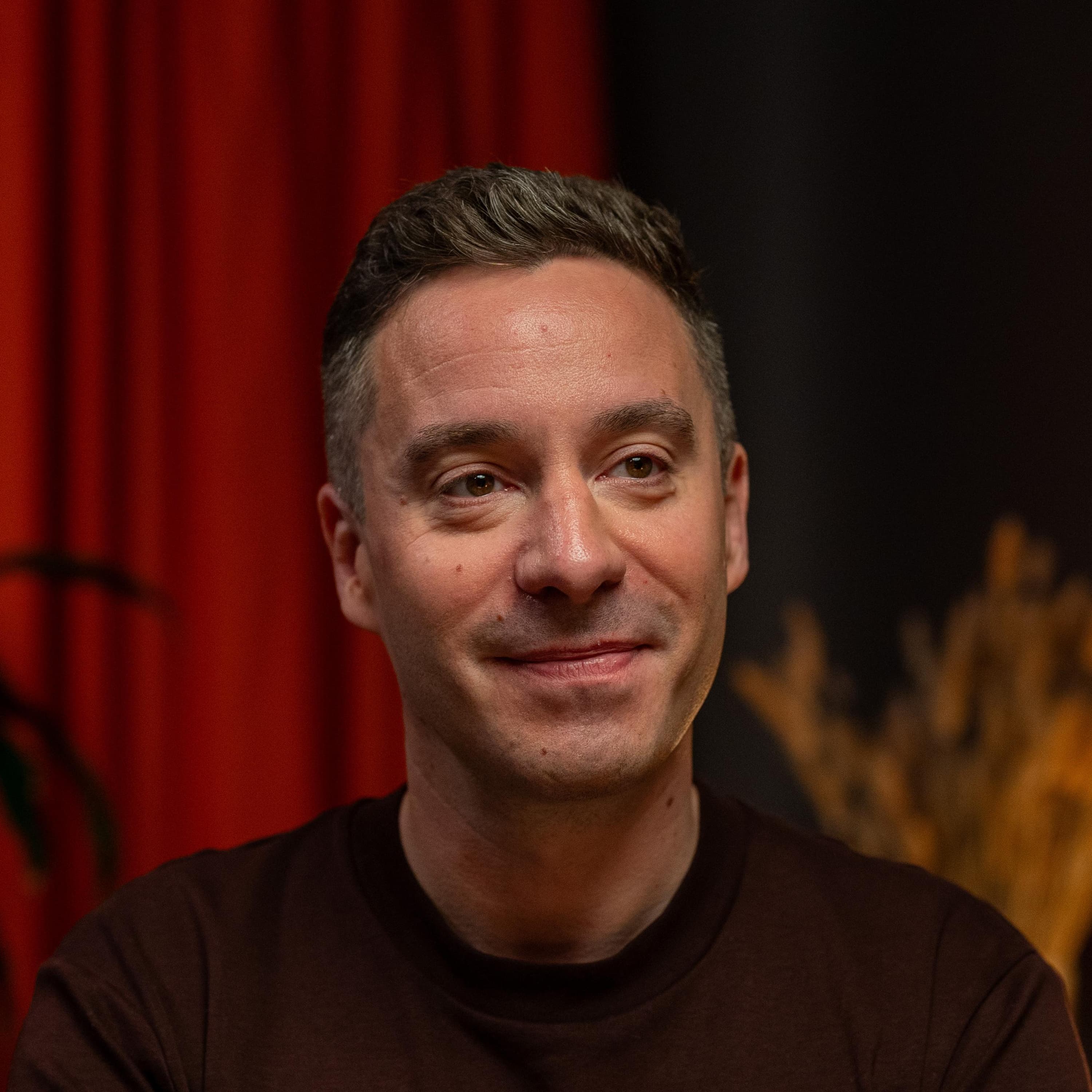
Are we doomscrolling our way into a democratic crisis? That’s what the playwright James Graham fears may be happening, as he suggests that our algorithms have led us into ‘a massive crisis of the new’ and are preventing us from imagining a different future. Help support our independent journalism at theguardian.com/infocus
Who will be the next James Bond? – The Latest

The search for the next James Bond may be in the final stages, with screen tests reportedly taking place this weekend. Callum Turner, Jack Lowden and Josh O’Connor are among the actors thought to be in the running for the role. So who is likely to emerge as the next 007? And what does the future look like for the Bond franchise now it’s in the hands of Amazon MGM Studios? Michael Safi speaks to film editor Catherine Shoard – watch on YouTube. Help support our independent journalism at theguardian.com/infocus
Brazil’s election and the battle for the Amazon
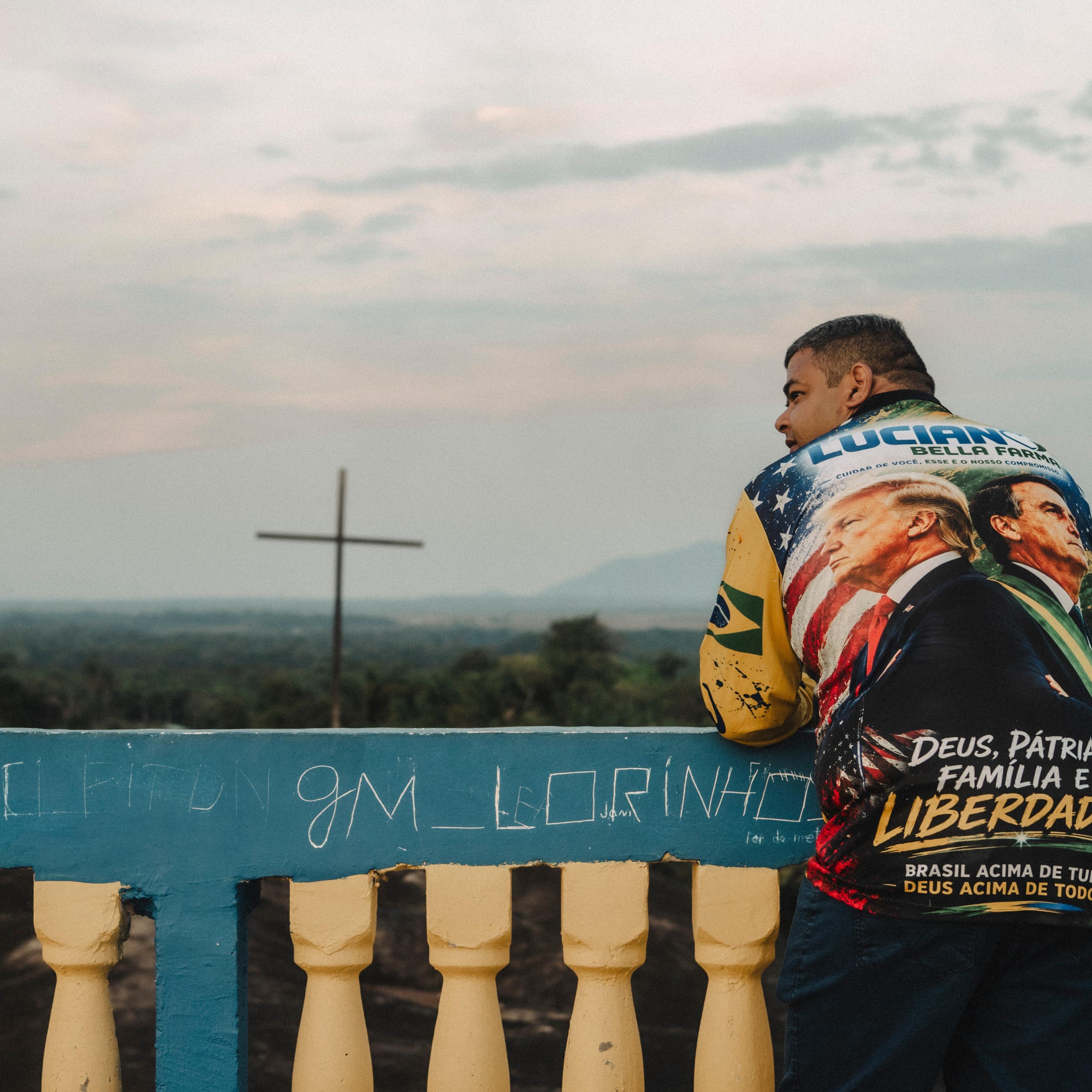
Our Latin America correspondent, Tom Phillips, heads to Roraima to hear what’s at stake for the rainforest and the communities that live there in the Brazilian presidential runoff on Sunday. Send your comments and questions to [email protected]. Help support our independent journalism at theguardian.com/infocus
PHP: Pretty Huge Problem with the internet – The Latest

Websites around the world have been taken offline as governments and businesses scramble to fix a flaw in the computer language PHP. There are fears that hackers could exploit the vulnerability to steal data, take control of web servers and disrupt services. Millions of attempts have already been made to attack websites since the issue with the programming language was revealed, cybersecurity companies have said. Michael Safi speaks to global technology reporter Aisha Down – watch on YouTube. Help support our independent journalism at theguardian.com/infocus
Are the Tories back?
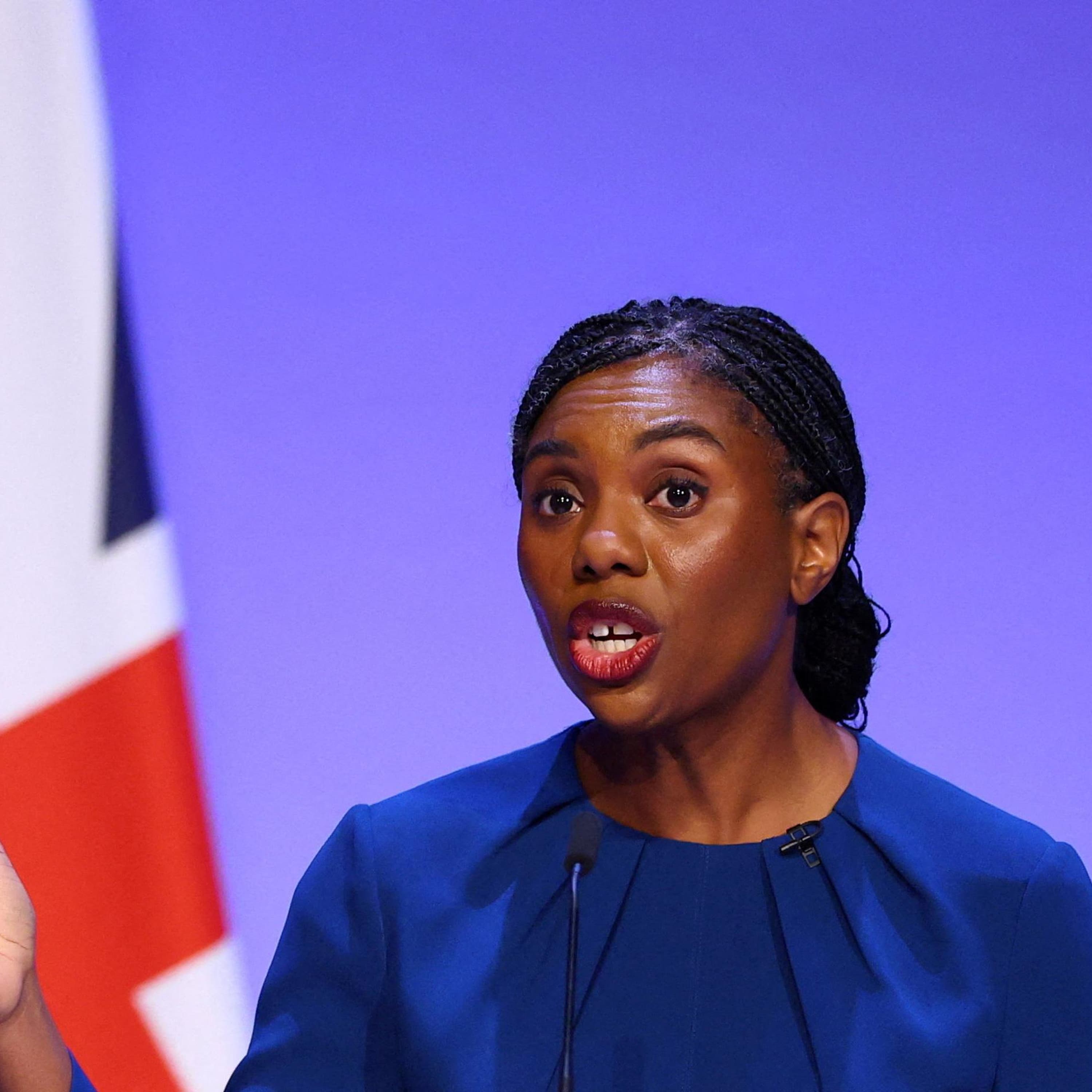
Political correspondent Aletha Adu explores whether the Conservative party under Kemi Badenoch is about to become, once again, the UK’s leading party on the right. Send your comments and questions to [email protected]. Help support our independent journalism at theguardian.com/infocus
Drill, baby, drill? Climate campaigners condemn Jackdaw gasfield approval - The Latest
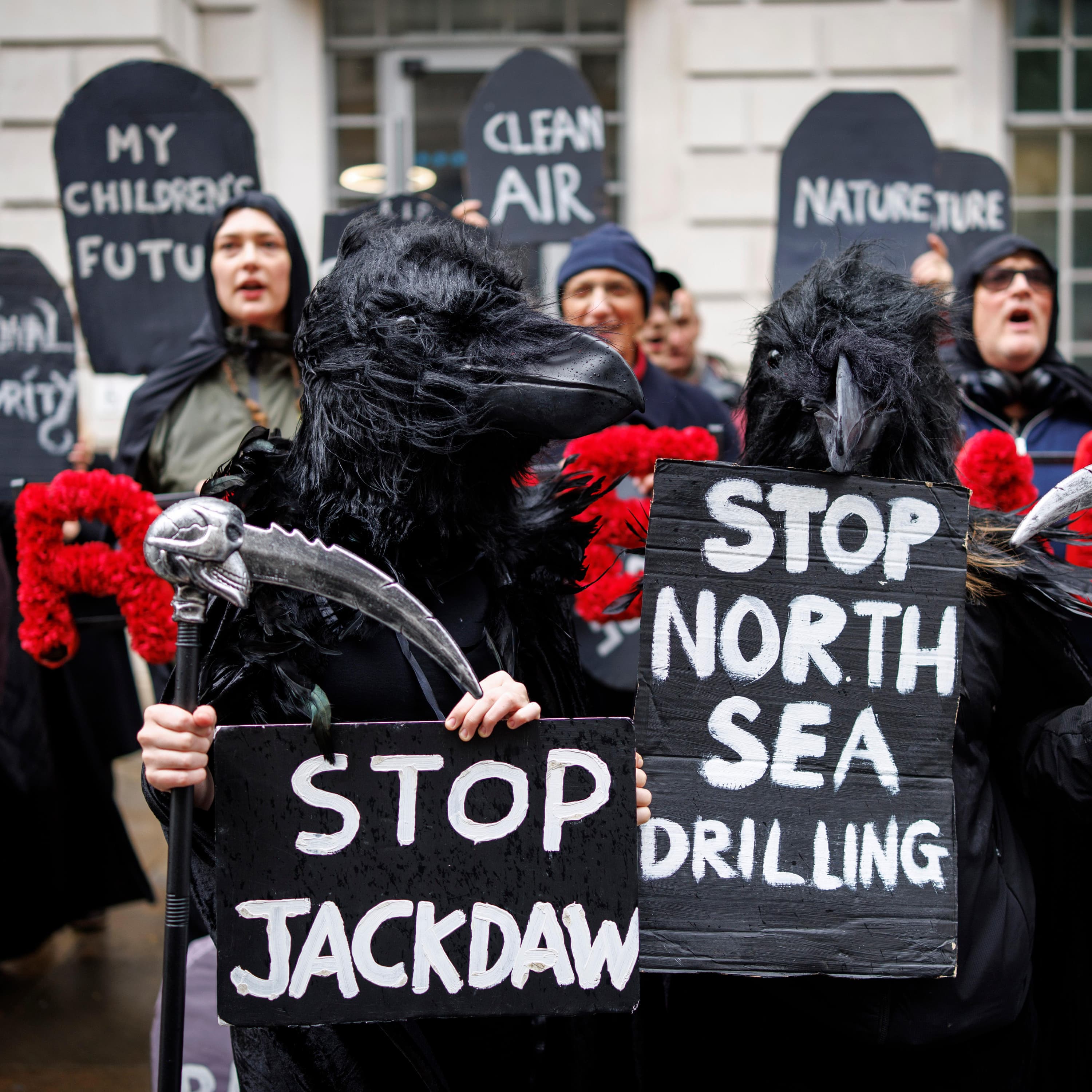
Climate campaigners have condemned the UK government’s decision to allow the drilling of the Jackdaw gasfield. Critics argue the move will put climate targets at risk, while failing to reduce energy bills and the cost of living crisis. But there could be a significant victory for green activists when it comes to the much larger Rosebank oilfield, with the energy secretary, Miatta Fahnbulleh, leaning towards rejecting approval. Michael Safi speaks to environment correspondent Matthew Taylor – watch on YouTube. Help support our independent journalism at theguardian.com/infocus
The people of Serbia v the Trump family

Serbia’s authoritarian president personally intervened to remove the protection of a historic landmark – then came protests and prosecutions. Tom Burgis on the murky tale of Trump Tower Belgrade. Help support our independent journalism at theguardian.com/infocus
Australian MP attacked with car: what we know so far – The Latest
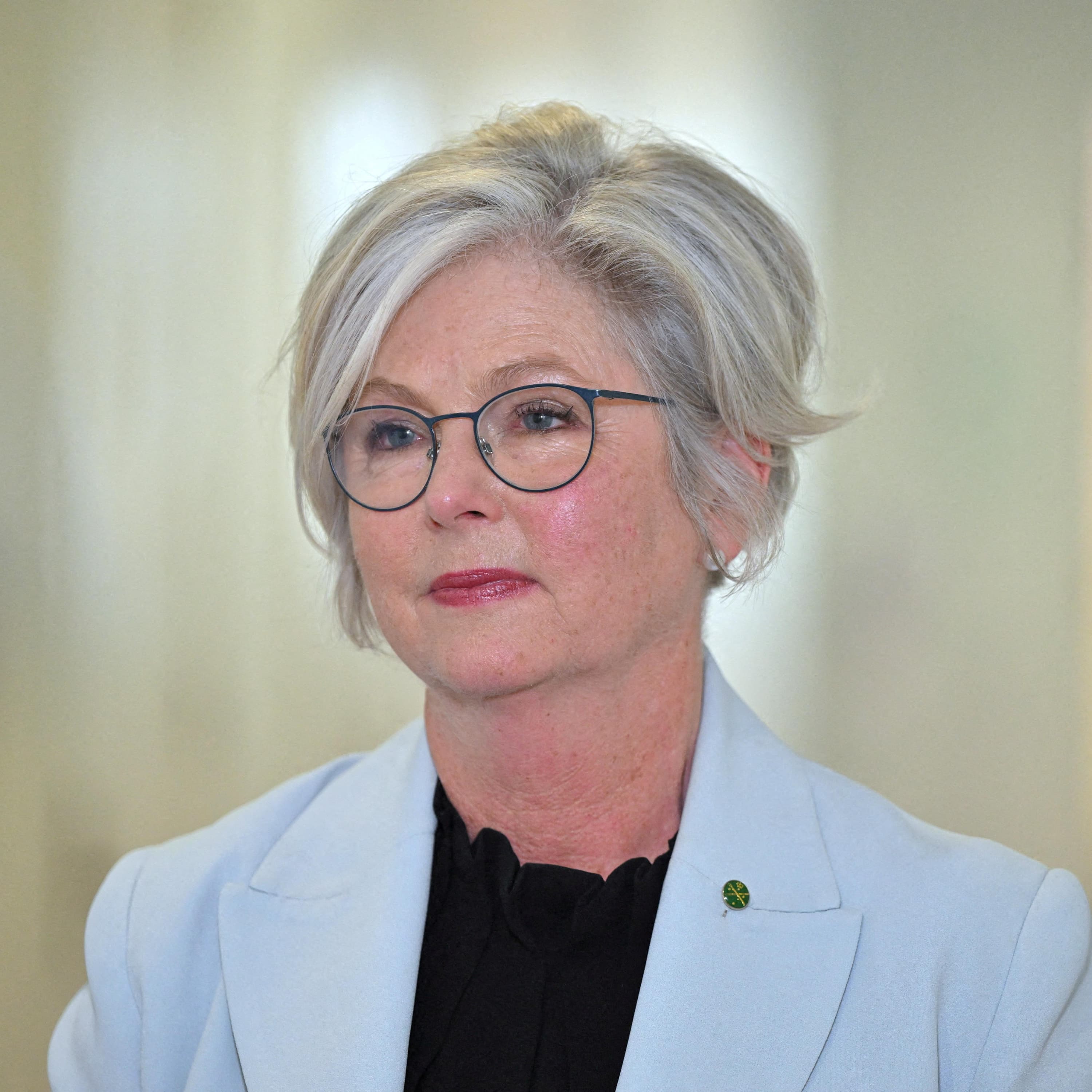
A man has been charged after the Australian MP Helen Haines was allegedly attacked with a car outside her electorate office in the state of Victoria. Haines, who is an independent MP, has lost one leg as a result of the incident and surgeons were fighting on Tuesday to save the other leg. Police say 43-year-old Brendan Nugent has been charged with dangerous driving causing serious injury, intentionally causing serious injury and causing harm to a commonwealth public official. Annie Kelly speaks to Guardian Australia’s political editor, Tom McIlroy – watch on YouTube. Help support our independent journalism at theguardian.com...
Why terrorism laws stopped Sally Rooney selling books in the UK
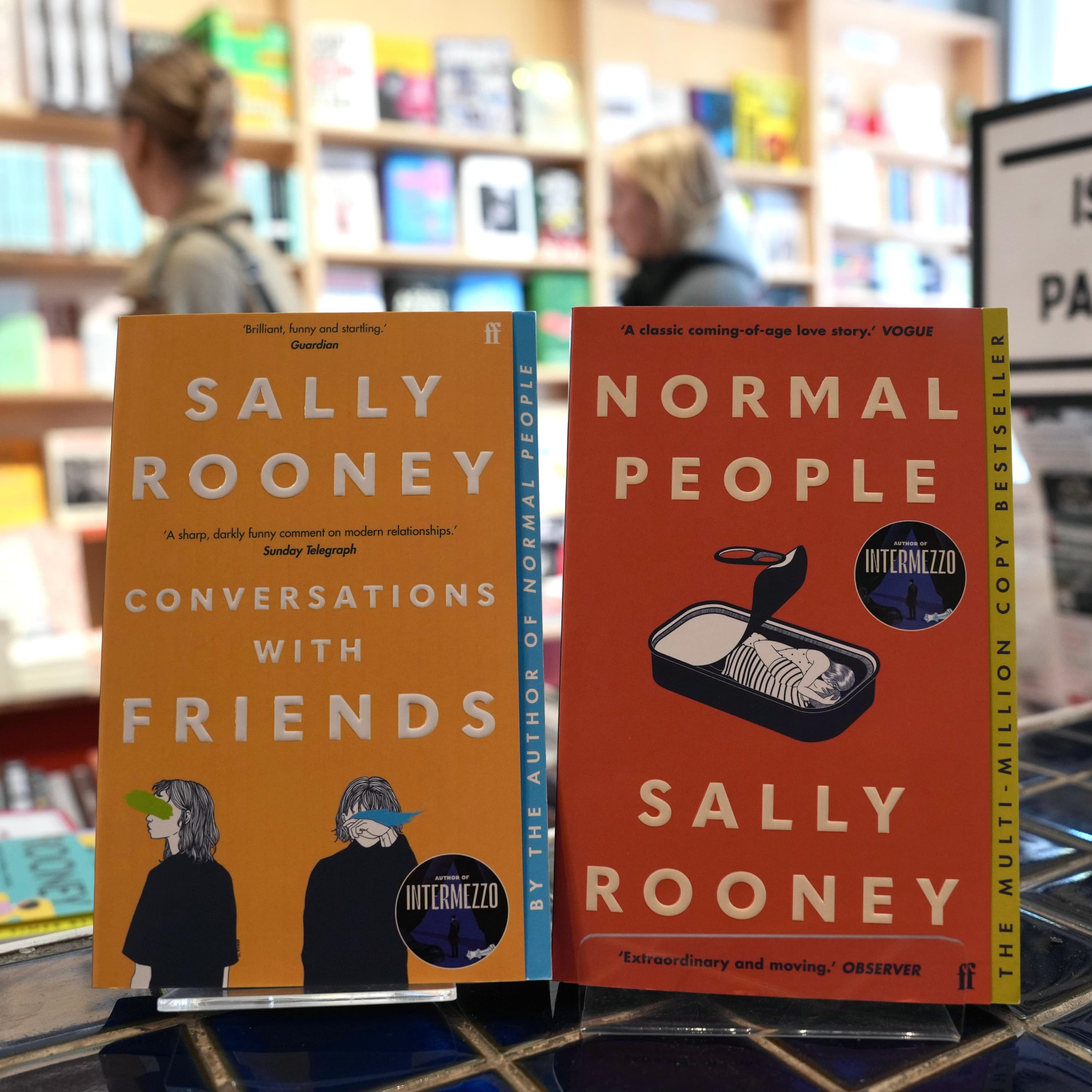
The bestselling author says her books will no longer be supplied to UK bookshops over fears of prosecution. Zoe Williams and Haroon Siddique report. Help support our independent journalism at theguardian.com/infocus
France protests escalate with riots, looting and 2,400 arrests – The Latest

Last weekend there were mass protests across France, with more than half a million people estimated to have been involved. The unrest included rioting, looting and violent clashes with outnumbered police in cities including Paris, Marseille and Limoges. The interior minister conceded that police ‘lost control’ in some cities, while President Emmanuel Macron demanded a full security review. Lucy Hough speaks to the Guardian’s Europe correspondent, Jon Henley – watch on YouTube. Help support our independent journalism at theguardian.com/infocus
A spy charge, a Russian jail and a swap for an assassin: the story of Evan Gershkovich
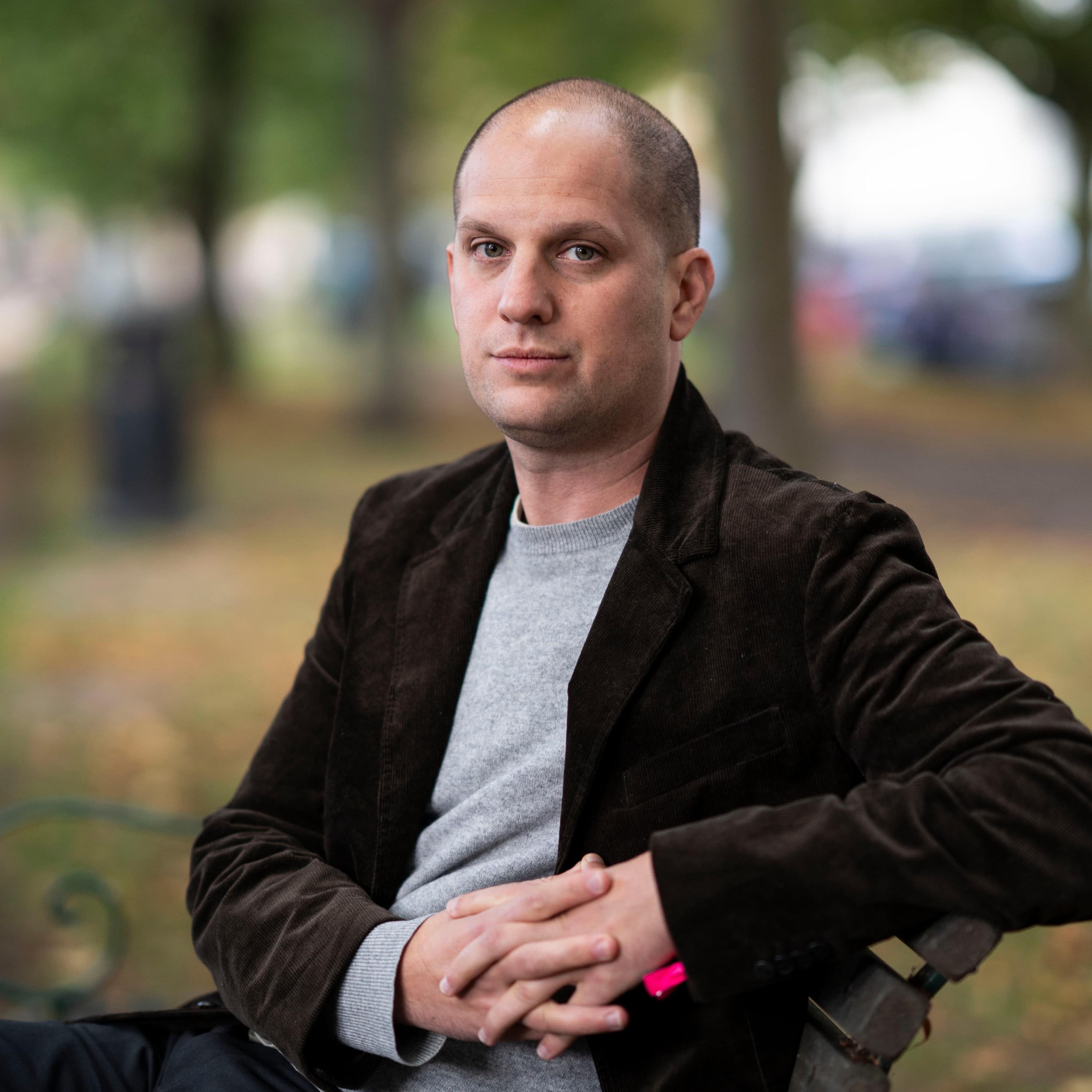
American journalist Evan Gershkovich talks about his arrest by the Russian intelligence services in 2023, his 16-month detention, and the swap deal that eventually took him home. Get in touch at [email protected]. Help support our independent journalism at theguardian.com/infocus
‘Austerity is inevitably painful’: How Michael Gove justifies his politics | Radical Thinking with Aditya Chakrabortty
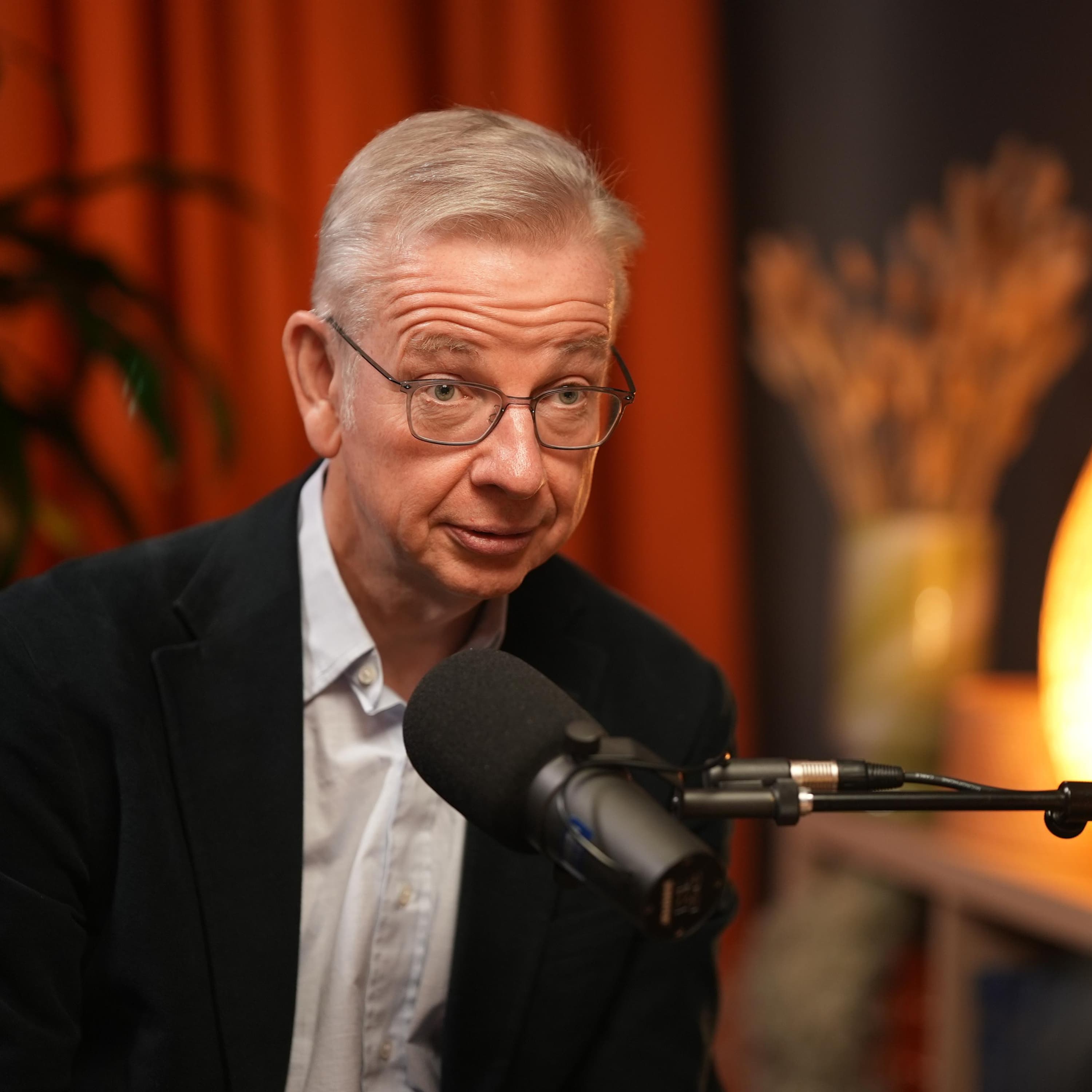
For more than three decades, Michael Gove has been a leading figure in British Conservatism. As a journalist, government minister and now editor of the Tory bible the Spectator, he has helped shape the right even as it has moved further rightwards. In the latest episode of Radical Thinking, Gove joins Aditya Chakrabortty to discuss the future of the right, his record on Brexit and austerity, and the Spectator’s position on Islam. Help support our independent journalism at theguardian.com/infocus
Girls is back: Lena Dunham revives cult series a decade on – The Latest

Lena Dunham has announced a surprise reboot of the cult TV show Girls, which had its finale 10 years ago. The news was broken via a fake Zoom call with all four female leads, which went viral and raised questions about what a show depicting millennial struggles would look like as the women enter their 40s. Lucy Hough speaks to the Guardian writer Rebecca Nicholson – watch on YouTube. Help support our independent journalism at theguardian.com/infocus
NAZA: the film the Israeli government does not want you to see
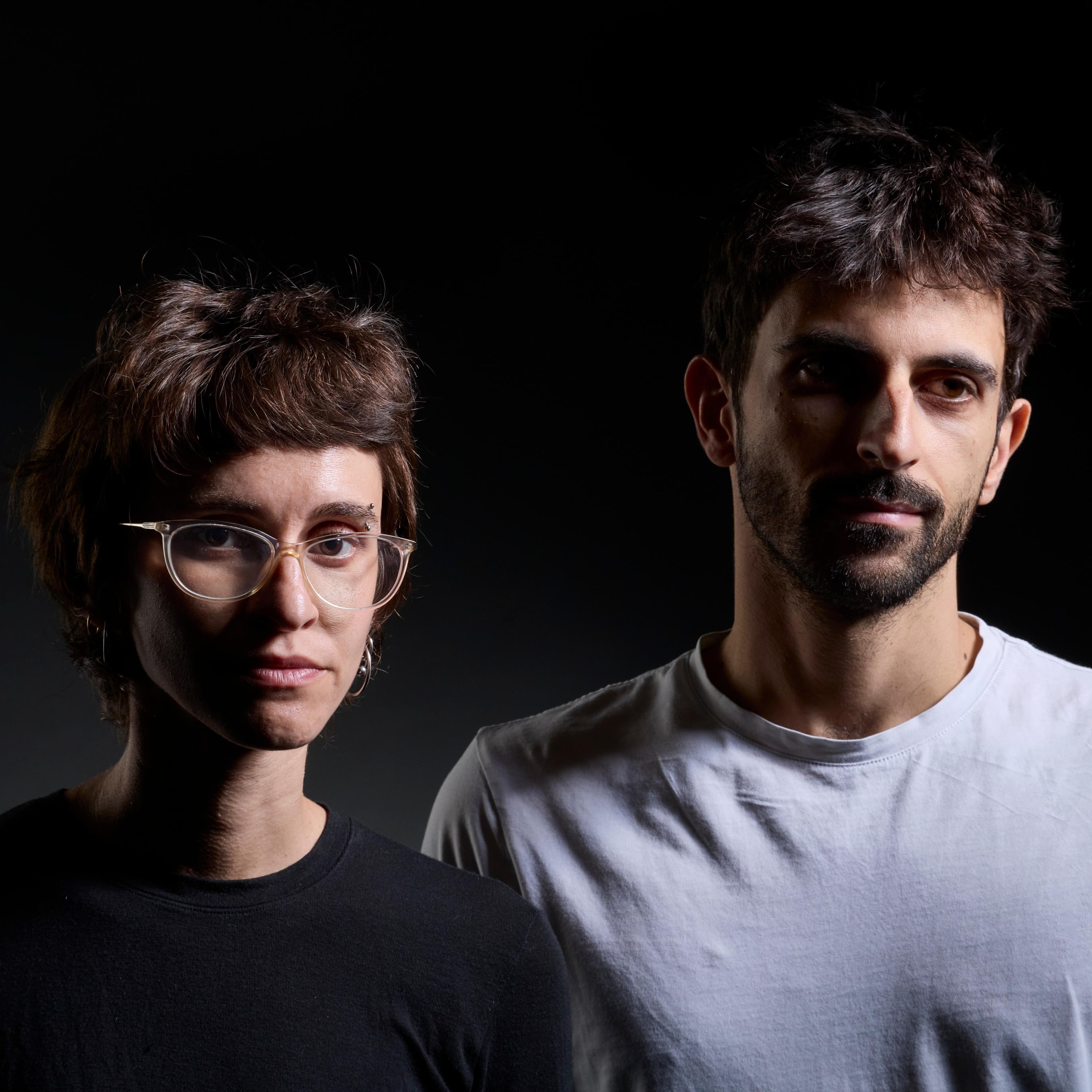
Yuval Abraham and Rachel Szor on their new film interviewing Israeli military insiders on the vast, AI-assisted systems their sources say are being used to kill civilians in Gaza. They also talk about the political backlash against their documentary. Help support our independent journalism at theguardian.com/infocus
‘I couldn’t breathe’: Russell Brand trial hears from first alleged victim - The Latest
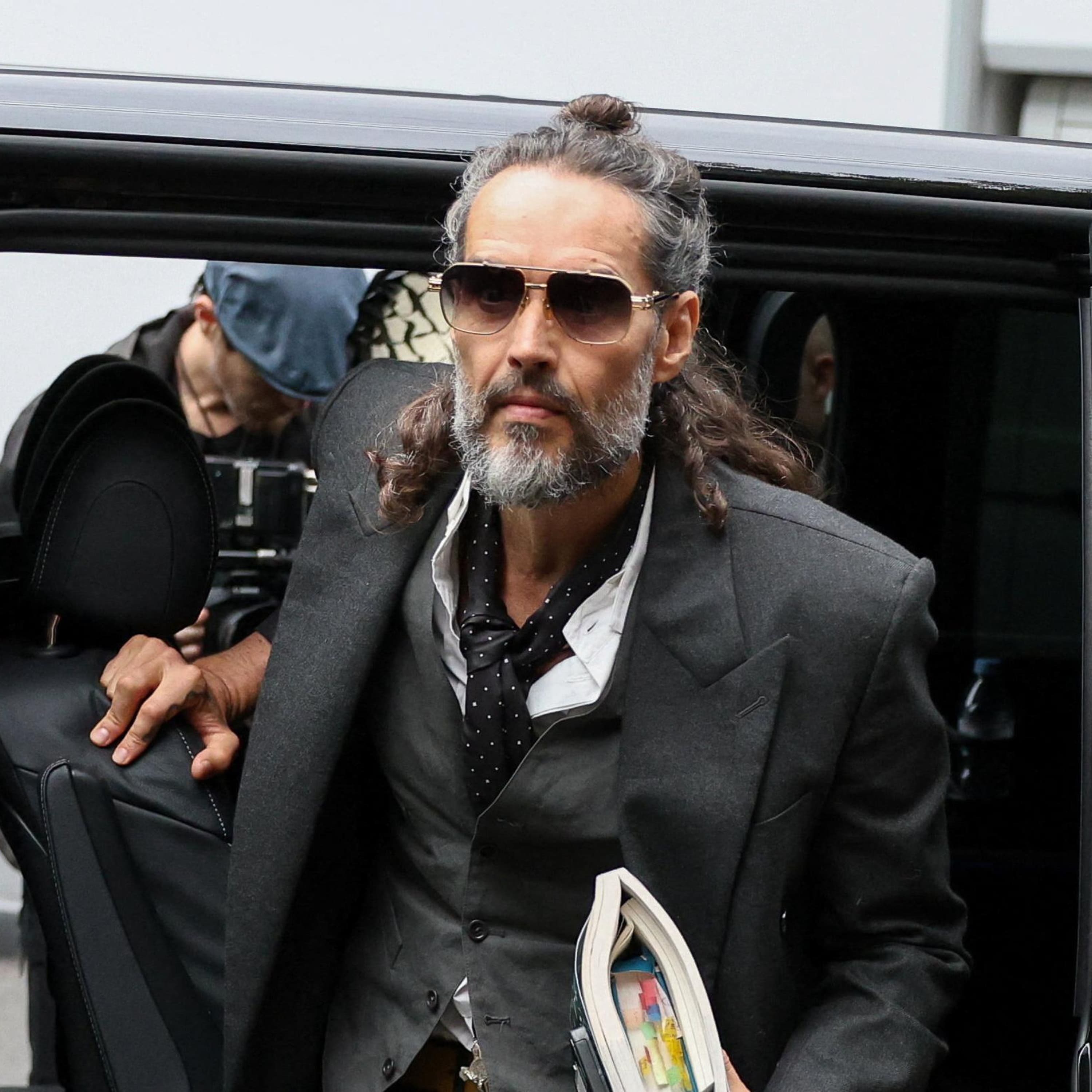
Former comedian Russell Brand is on trial facing multiple charges of rape and sexual assault against six women, spanning a decade from 1999 to 2009. On Thursday the court heard evidence from a woman who alleged Russell Brand told her “it’s just fun” as he raped her at the 1999 Labour party conference. He denies all the allegations against him. Lucy Hough speaks to senior national news editor Aaron Sharp – watch on YouTube. Help support our independent journalism at theguardian.com/infocus
Imran Khan’s sons on their jailed father
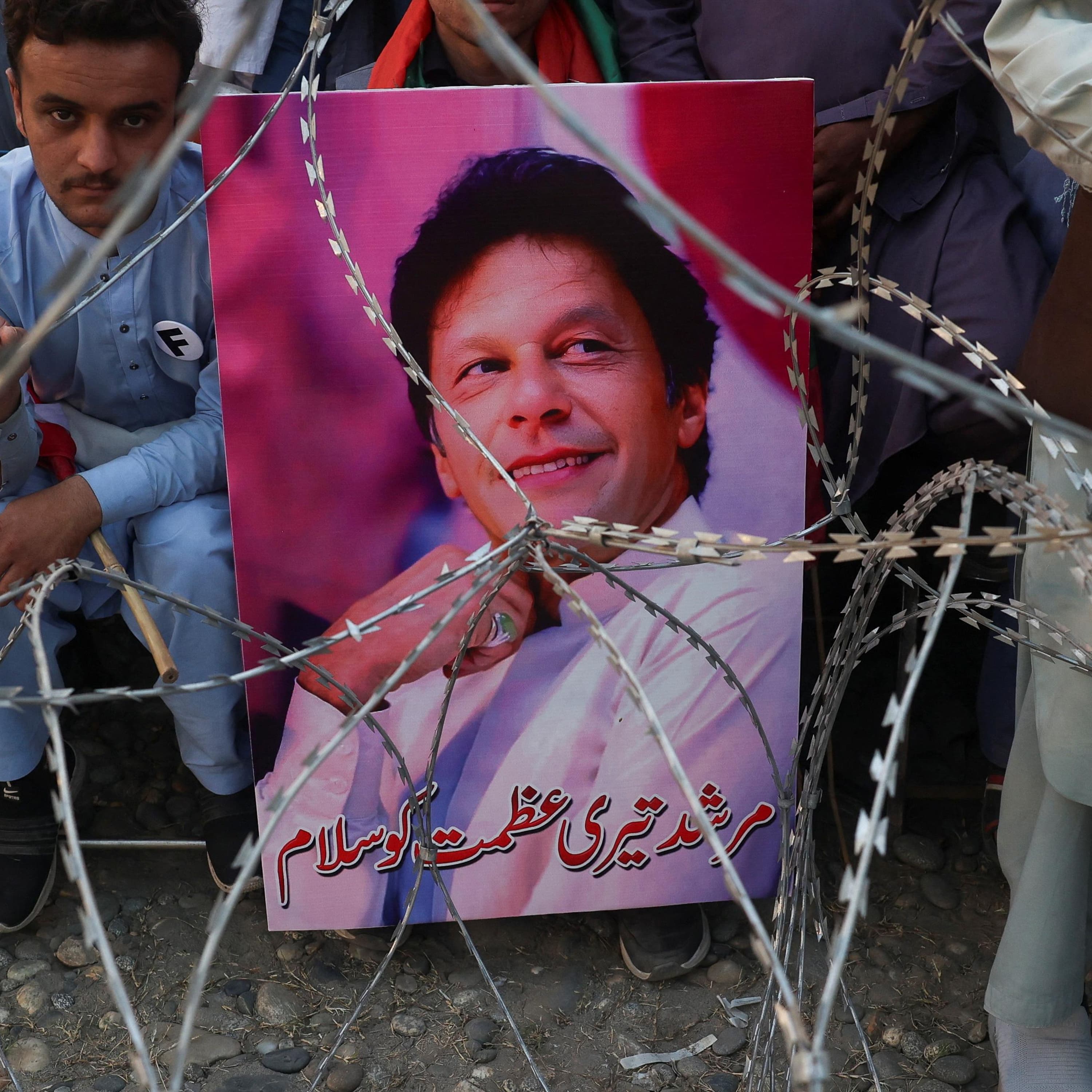
After a dramatic week in Pakistan, Kasim and Sulaiman Khan talk to Today in Focus about the continued imprisonment of their father, the former prime minister and cricket legend Imran Khan. With reporting from Osman Samiuddin. Help support our independent journalism at theguardian.com/infocus
India’s cockroach protesters defy Modi’s crackdown – The Latest

A fresh wave of protests by India’s youth-led Cockroach movement has been met with a brutal crackdown by Narendra Modi’s government and the closure of a historic protest site in Delhi. Two of the movement’s leaders have been imprisoned for five days for violating suppression measures. The protests, which began over frustration about education and unemployment, are now focused on voting rights. Modi’s government denies claims it is seeking to disenfranchise millions of voters. But its treatment of protesters has been criticised by the UN and Amnesty International and raised concerns that India is sliding further into aut...
The fall of Germany’s ex-spymaster
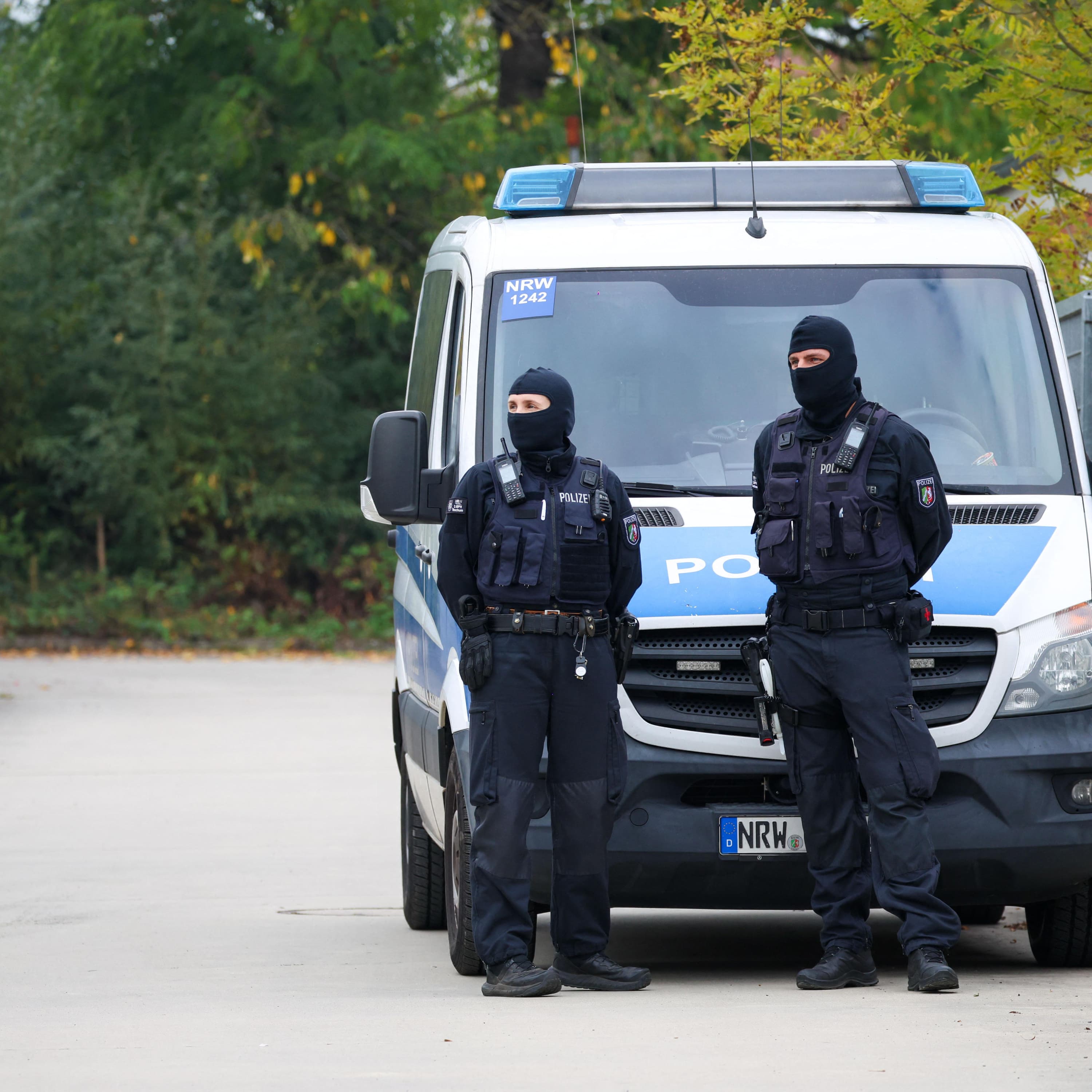
A former head of Germany’s foreign intelligence service has been accused of selling classified documents. Kate Connolly reports on the fallout. Help support our independent journalism at theguardian.com/infocus
Trump accused of ‘abuse of power’ after Ilhan Omar home raid – The Latest

Democrats have described a raid on the home of Congresswoman Ilhan Omar as ‘deeply disturbing’ and a ‘rogue abuse of power’ by the Trump administration. The Democratic representative for Minnesota has long been a target of highly personal attacks by Donald Trump, who claims he was not involved in ordering the Justice Department raid. Omar criticised the raid as an attempt to ‘weaponize law enforcement’ as part of a ‘campaign of political intimidation’ against her. Lucy Hough speaks to Guardian US political reporter Shrai Popat – watch on YouTube. Help support our independent journalism at theguardian.com/infocus
The billion-dollar shipwreck and the man who tried to find it
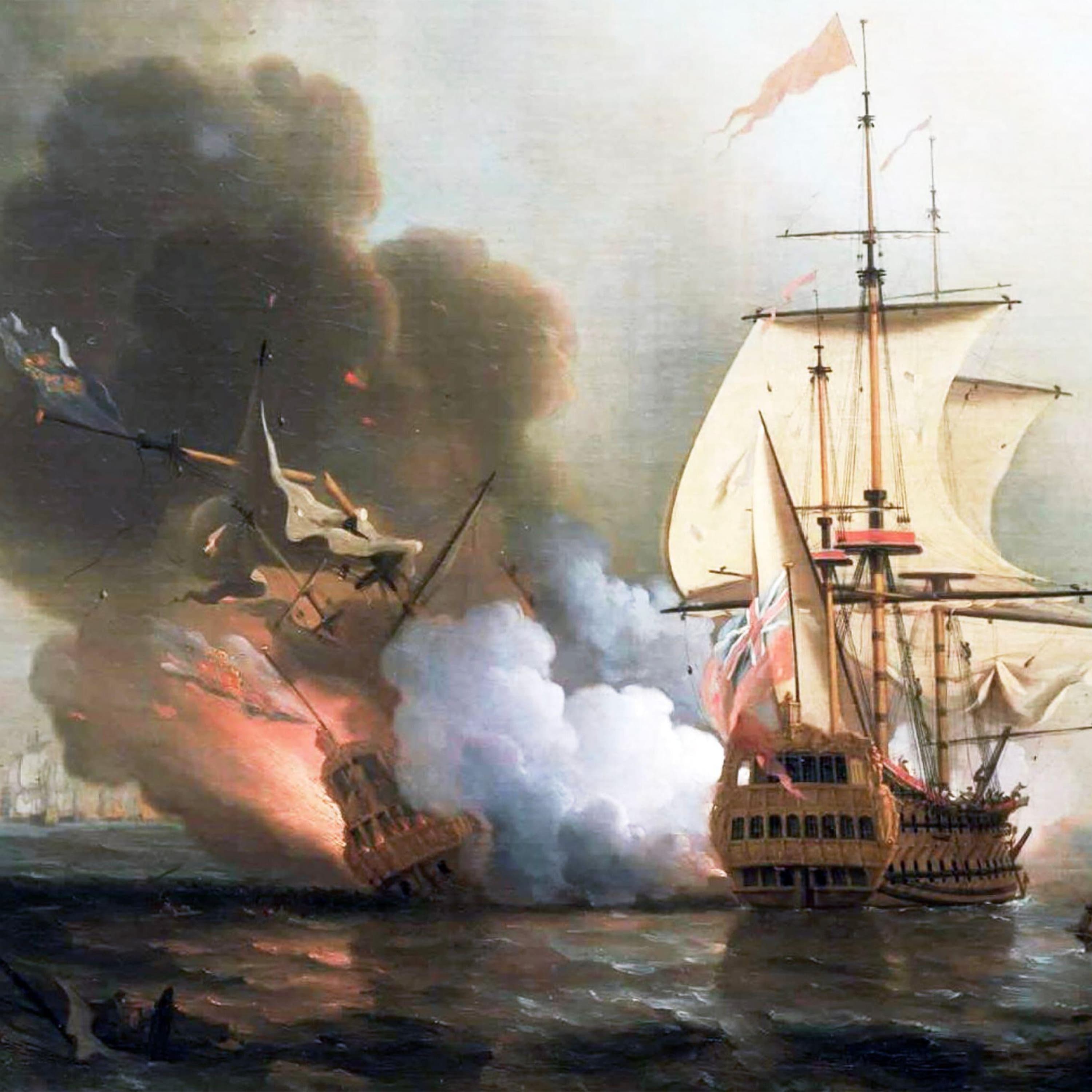
Journalist Julian Sancton on the story of the most valuable shipwreck in history and who could end up with its treasures. Help support our independent journalism at theguardian.com/infocus
Trump-Putin diesel deal met with fury from Zelenskyy – The Latest

Donald Trump’s deal to buy Russian diesel has been met with fury from Volodymyr Zelenskyy, who said it was ‘a weak decision’ and would generate ‘billions’ in extra revenue for Putin’s war effort. The Ukrainian president has also rejected US calls for an ‘energy ceasefire’, which would require Kyiv to stop striking oil refineries, saying Moscow must first end its attacks on energy infrastructure. Lucy Hough speaks to the Guardian’s senior international correspondent, Luke Harding – watch on YouTube. Help support our independent journalism at theguardian.com/infocus
The fight to switch off your algorithm
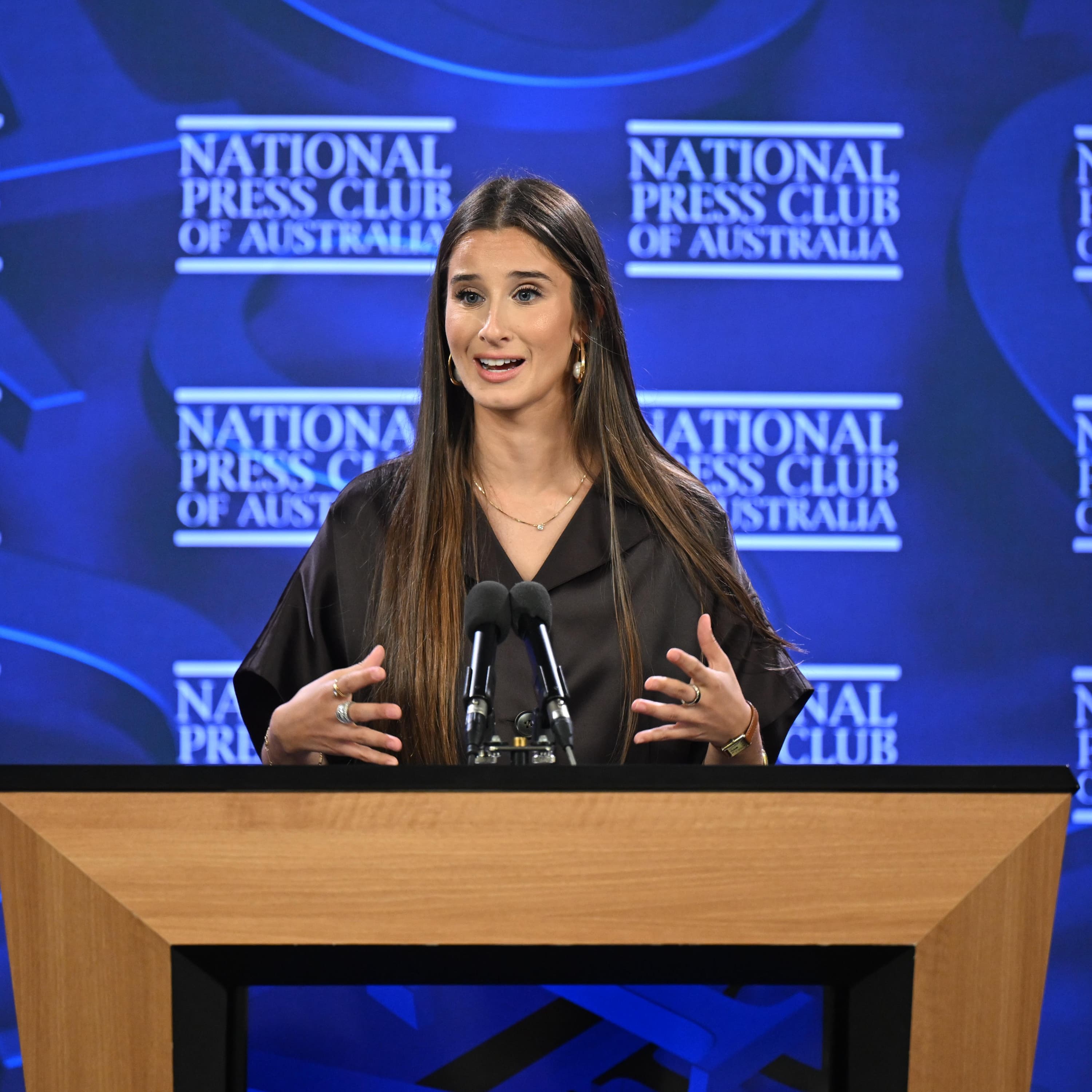
Chanel Contos talks about her campaign against social media algorithms and how it has helped shape a groundbreaking bill in her native Australia to increase regulation of big tech. Help support our independent journalism at theguardian.com/infocus
‘Gaza is a moral tear in the universe’: Naomi Klein and Astra Taylor | Radical Thinking with Aditya Chakrabortty
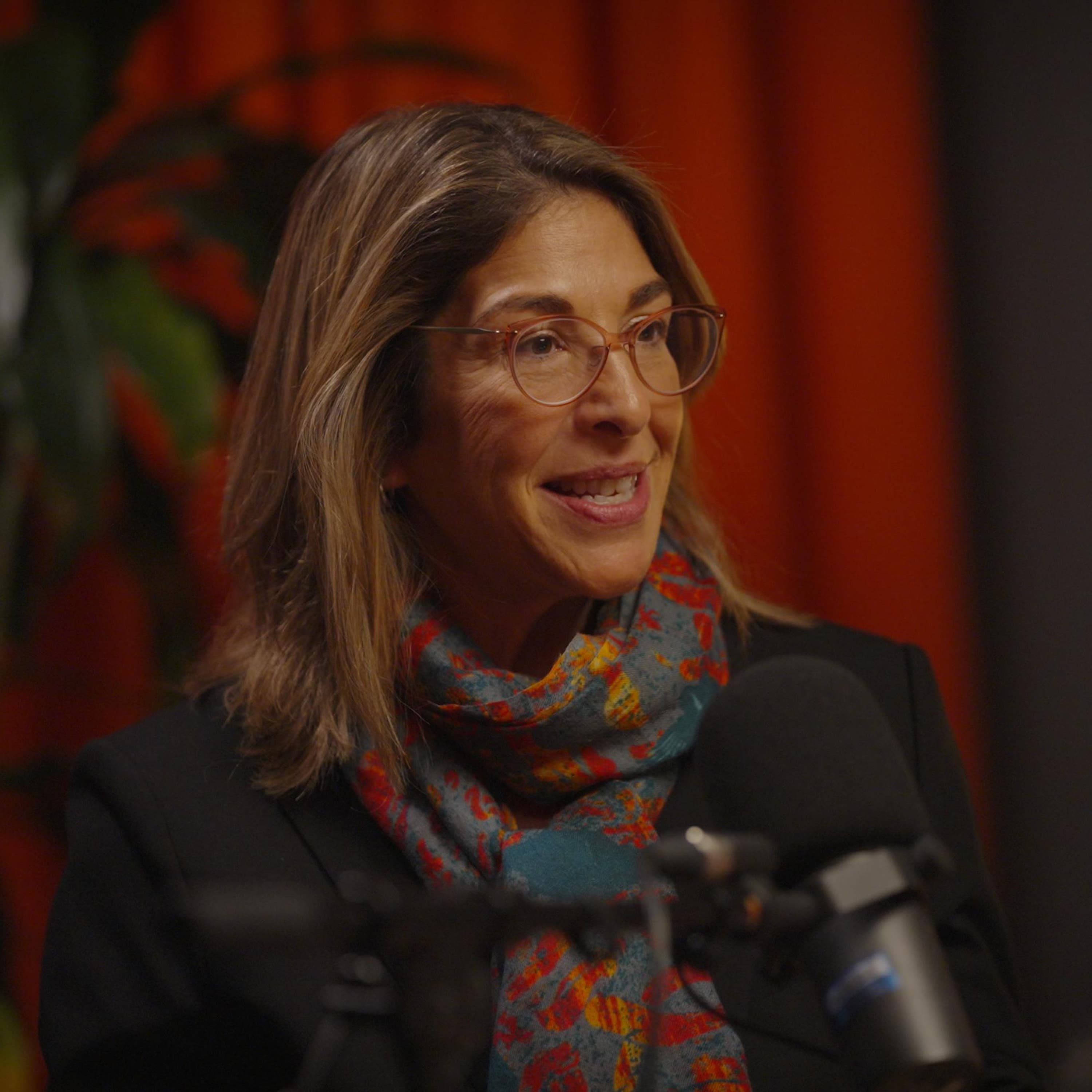
Are we really living through ‘end-times fascism’? Naomi Klein and Astra Taylor think so. In a new series from the Guardian, the pair speak to Radical Thinking with Aditya Chakrabortty in an extended interview. From Trump 2.0 and the rise of the tech billionaires to Gaza and the climate emergency, Klein and Taylor argue we are not just lurching from crisis to crisis but are in a new and dangerous moment in history. But they haven’t given up hope of a fightback. Help support our independent journalism at theguardian.com/infocus
‘Barbaric’ firing squad livestream ordered by Pete Hegseth – The Latest
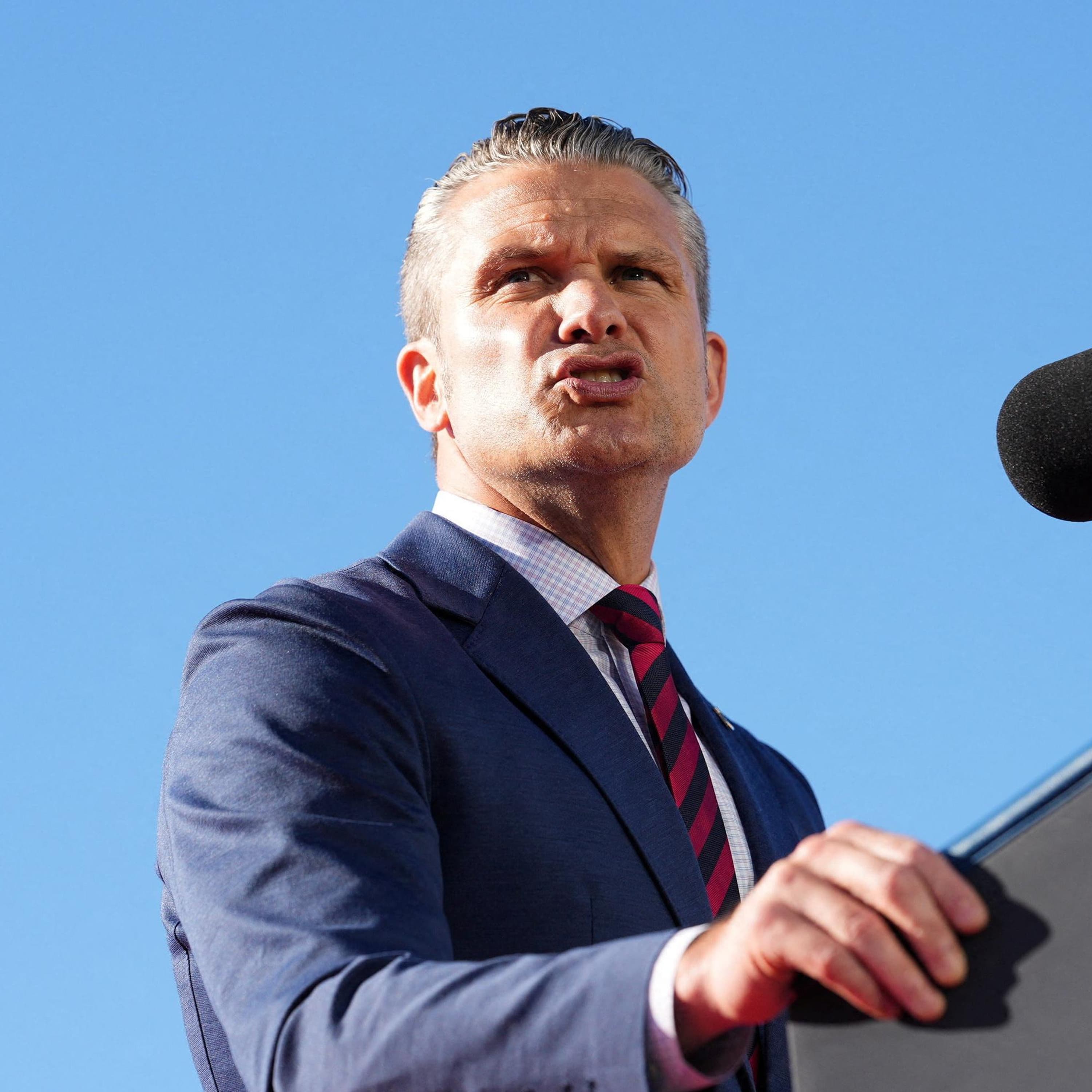
The execution of a former US army psychiatrist by firing squad is to be livestreamed after Pete Hegseth said it would be a public event. Nidal Hasan was sentenced to death after killing 13 people at a military base in Texas in 2009. There has been widespread condemnation of the decision, including from the UN which said it would ‘amount to torture’. Lucy Hough speaks to US academic and capital punishment specialist Austin Sarat, the author of Life After Death: Surviving Execution – watch on YouTube. Help support our independent journalism at theguardian.com/infocus
Russell T Davies on 40 years of bringing gay stories to our screens

The Dr Who showrunner made his name with taboo-busting series such as Queer As Folk. He tells Helen Pidd about how he changed the way queer lives were depicted on British television. Help support our independent journalism at theguardian.com/infocus
‘Come back’: EU flirts with UK rejoining – The Latest
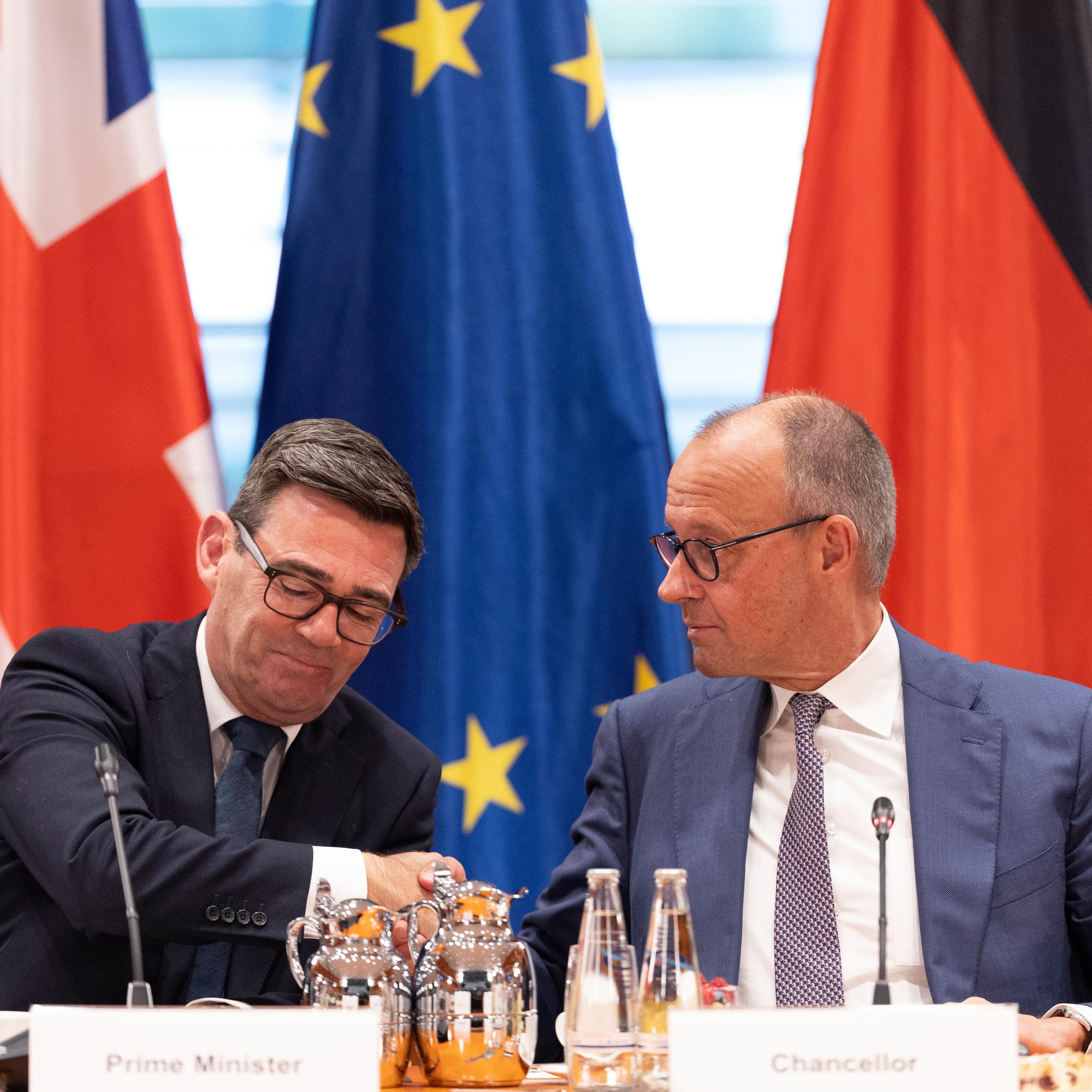
Andy Burnham is pressing ahead with his Brexit U-turn, using a visit to Germany to make a ‘commitment to deeper EU co-operation’. The prime minister has promised closer ties on issues such as security, youth mobility and immigration. The move has been welcomed by senior European officials, including the French finance minister, who invited the UK ‘to come all the way back’ to the EU. With public polling now shifting against Brexit, is the door open for the UK to decide if it wants to rejoin? Lucy Hough speaks to Europe correspondent Jon Henley – watch on YouTube. Help support our independen...
France’s teens versus the riot police
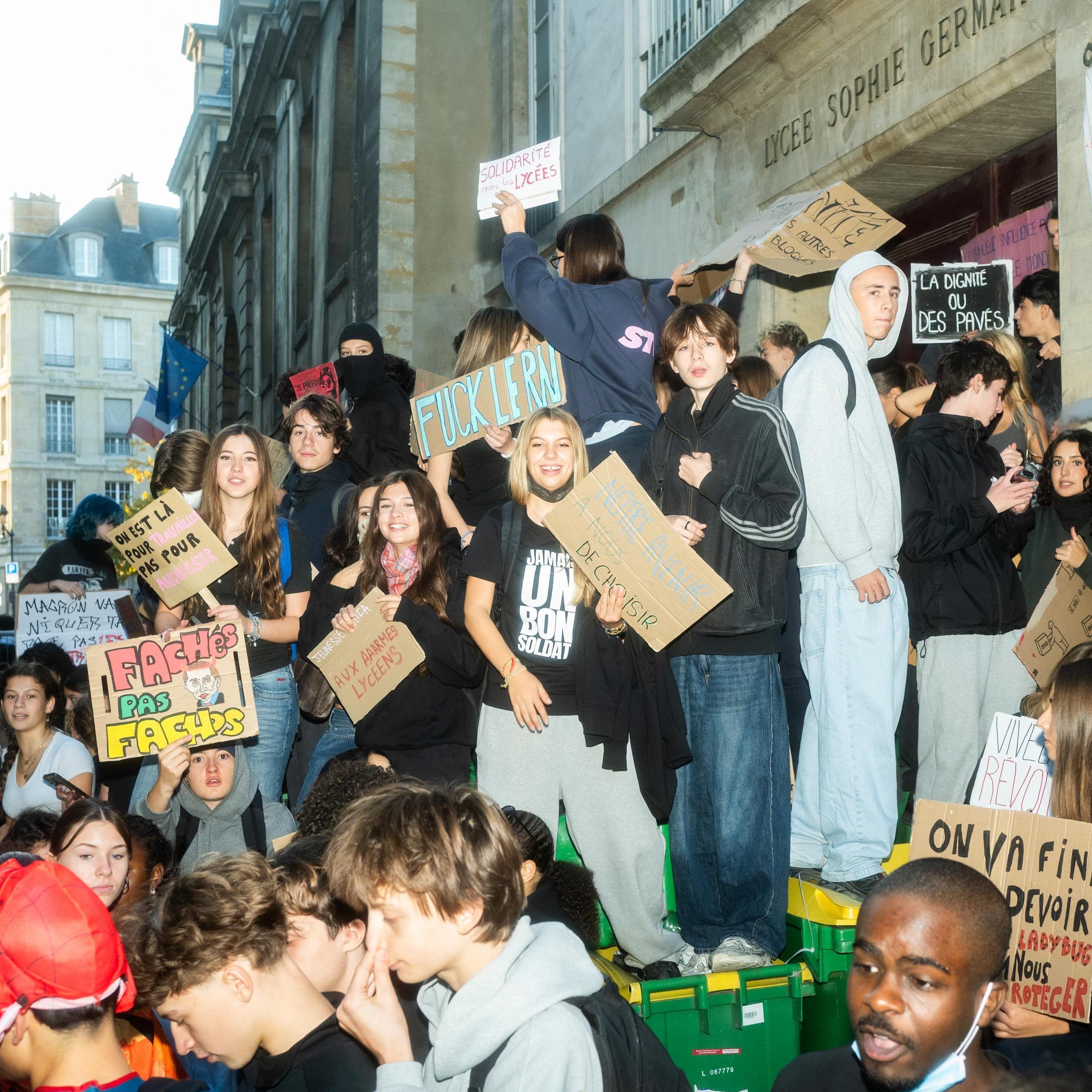
Angelique Chrisafis on the pupils and students who are taking to the streets and closing down schools in France. Help support our independent journalism at theguardian.com/infocus
‘Jaw-dropping’: Christa Pike wakes up after botched execution – The Latest

Christa Pike, a death row inmate who survived the state of Tennessee’s attempt to execute her last week, is conscious and speaking. The 50-year-old is recovering in hospital after surviving two lethal injections in a case that has shocked many in the US and prompted a debate about the death penalty. She was due to be the first woman executed in Tennessee in more than 200 years. Michael Safi speaks to the chief reporter for Guardian US, Ed Pilkington – watch on YouTube. Help support our independent journalism at theguardian.com/infocus
A week inside the chaos of the Green party
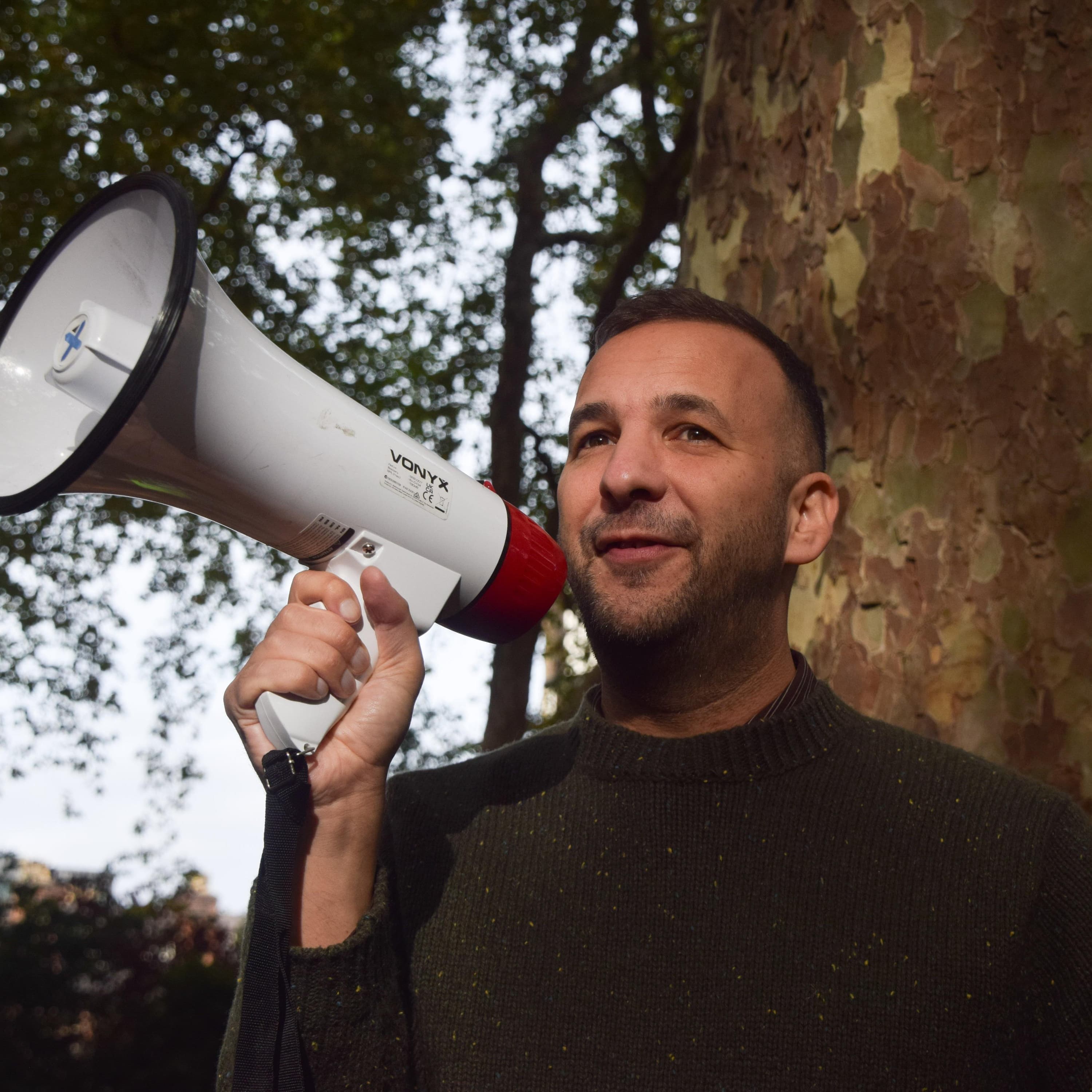
After a surge in support Zack Polanski is hoping he can win over Kier Starmer’s constituency to become an MP. But has a controversial motion over Zionism thrown his campaign into disarray?. Help support our independent journalism at theguardian.com/infocus
Plague outbreak? Russian lab worker dies in Siberia - The Latest

Quarantine measures have been in place in several hospitals in eastern Russia since a 28-year-old laboratory worker, Darya Shipilova, died after falling ill at work following a reported accident at a plague research centre in Siberia. Russia’s health watchdog has said she died of ‘pneumonia of unknown aetiology’, but there is speculation about a possible plague infection. Lucy Hough speaks to Science Weekly co-host Madeleine Finlay – watch on YouTube. Help support our independent journalism at theguardian.com/infocus
“It breaks your heart everyday”: navigating England’s social care system
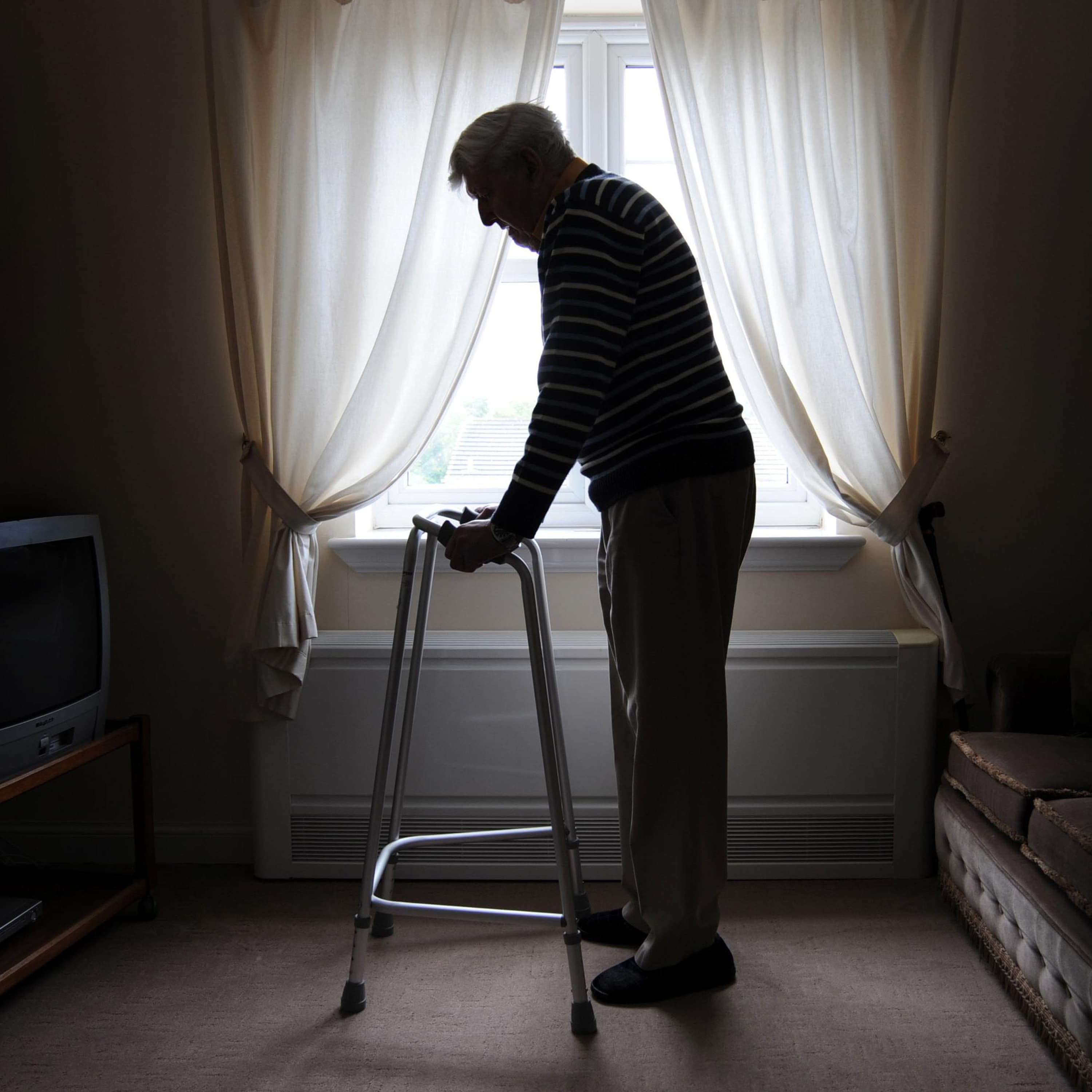
Andy Burnham has pledged to fix England’s broken social care system. Heather Stewart explains why it matters so much to families like hers. Help support our independent journalism at theguardian.com/infocus
Why did the US rush to withdraw bombers from RAF Fairford? - The Latest

The US withdrew its bombers from RAF Fairford after an investigation into an alleged planned terrorist attack on the base. At least 10 B-1 bombers used by the US military in the Iran conflict flew out of Fairford on Sunday, suggesting US officials were taking the threat seriously. Last week, five men in three vans near the military base were arrested, followed by a sixth British-Iranian national. All were released on bail, drawing criticism from the Pentagon.
Lucy Hough speaks to Dan Sabbagh, the Guardian’s defence and security editor – watch on YouTube. Help support our independent journalism at theg...
Colonialism for clicks? The influencers targeting uncontacted tribes
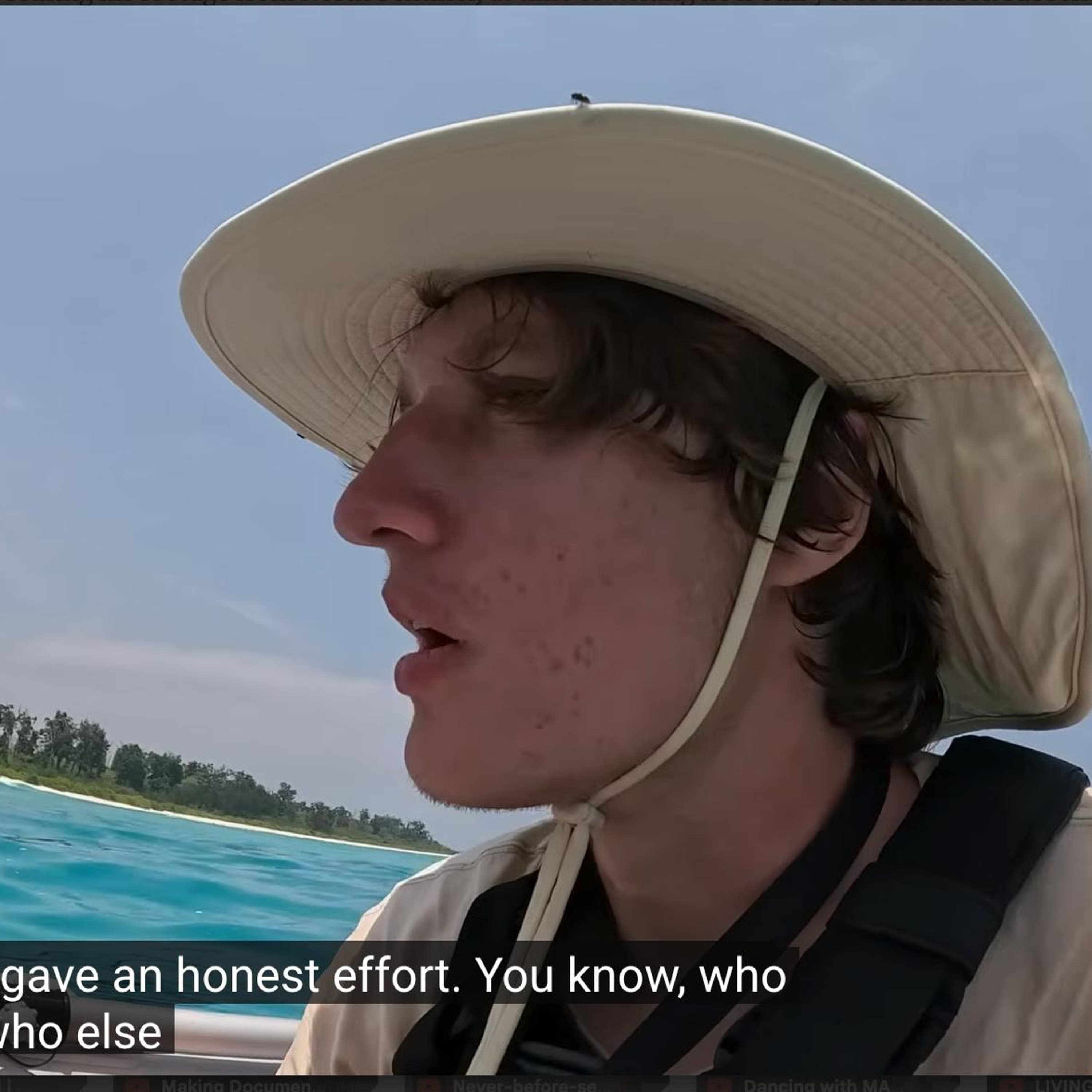
Features writer Elle Hunt and indigenous activist María José Andrade Cerda on the growing phenomenon of influencers around the world trying to reach uncontacted tribes. Help support our independent journalism at theguardian.com/infocus
‘There’s no such thing as democracy’: Yanis Varoufakis | Radical Thinking with Aditya Chakrabortty
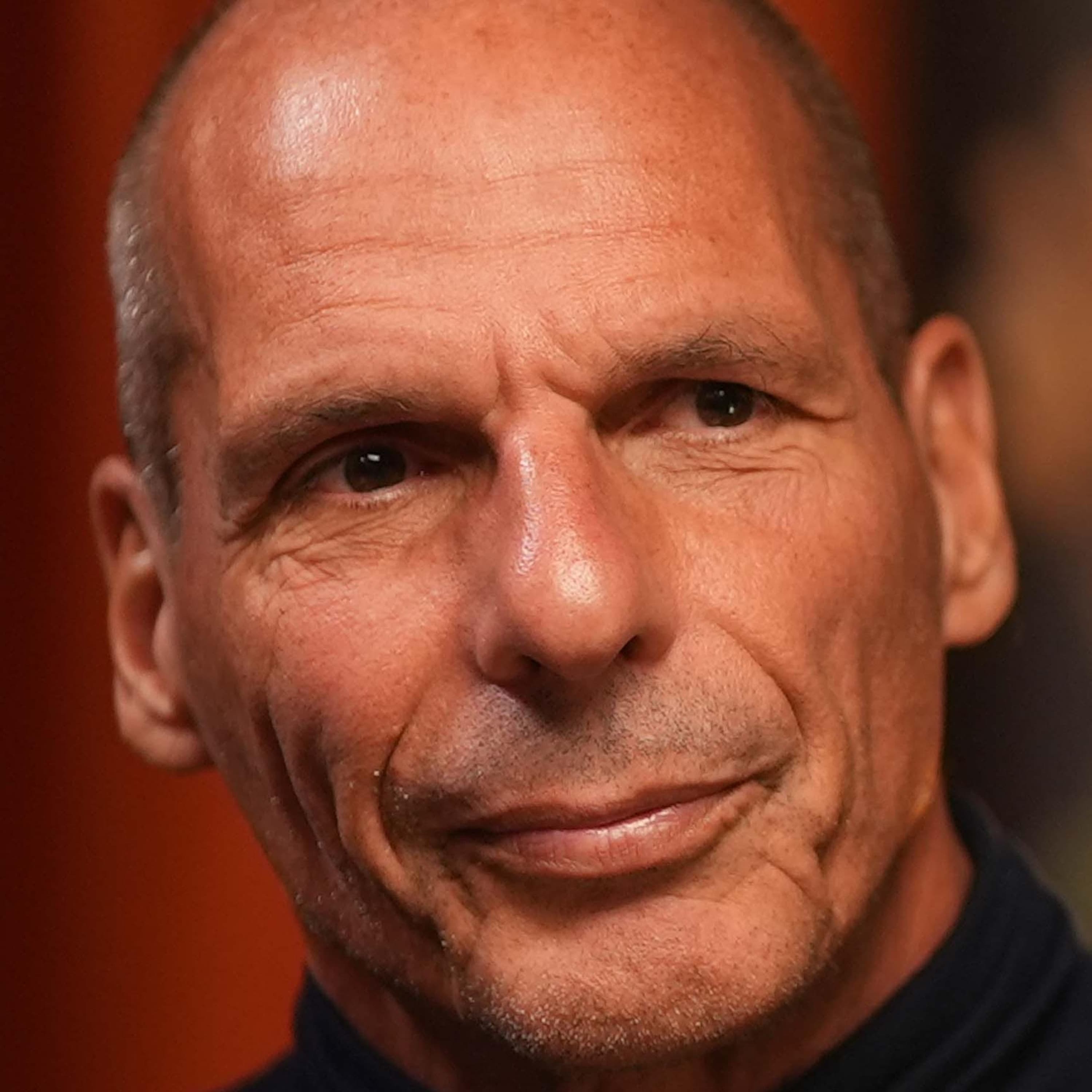
Who is really in charge – the people or the markets? In the first episode of Radical Thinking, a new series from the Guardian, senior economics commentator Aditya Chakrabortty speaks to the former Greek finance minister Yanis Varoufakis about what it was like during the eurozone crisis when he went head to head with those who wanted to stop his reforms. Help support our independent journalism at theguardian.com/infocus
Celebrity Traitors: what was Richard E Grant thinking? – The Latest

Warning: this episode contains spoilers! The BBC blockbuster Celebrity Traitors has returned for a second series, attracting nearly 9m viewers for its first episode. The show features a star-studded cast including actors Richard E Grant and Michael Sheen, and former model Jerry Hall and comedian Romesh Ranganathan. With 3m more viewers than the last series tuning in for the first episode, why is Celebrity Traitors one of the few shows capable of attracting the nation to the sofa? Lucy Hough speaks to TV critic and broadcaster Scott Bryan – watch on YouTube. Help support our independent journalism at theguardian.com/infocus
The Bolsonaros … they’re back! Brazil heads to the polls
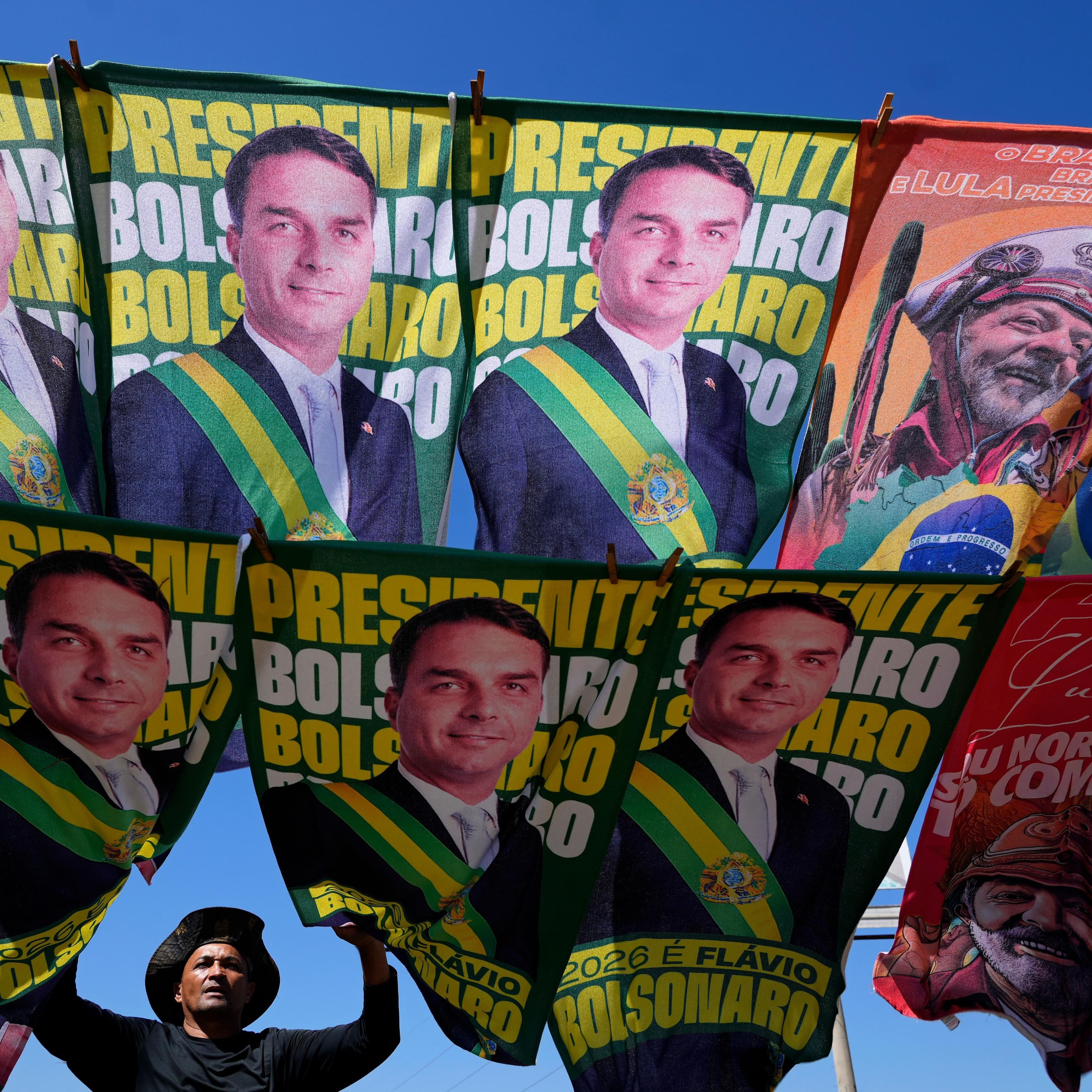
Latin America correspondent Tom Phillips reports on this Sunday’s historic presidential elections in Brazil, as the son of jailed former president Jair Bolsonaro hopes to take power. Help support our independent journalism at theguardian.com/infocus
Tennessee woman survives two lethal injections - The Latest

A woman convicted of murdering a schoolmate 30 years ago has been taken to hospital after surviving two rounds of lethal injections in Tennessee. Christa Pike would have been the first woman to be executed in the state in 200 years. Pike, 50, has spent three decades on death row after she was convicted of the murder of 19-year-old Colleen Slemmer in 1995. A last-minute appeal to stop the lethal injection was overturned by the supreme court, but the state governor, Bill Lee, has suspended executions in Tennessee for the rest of the year. Lucy Hough speaks to the attorney and anti-capital punishment campaigner...
Billionaire Sheiks and ‘sham’ contracts: the Manchester City scandal

Jonathan Liew explains the accusations against Manchester City – and Simon Hattenstone explains how it feels to be a fan. Help support our independent journalism at theguardian.com/infocus
Mid-air panic as pilot attacked on Israel-bound flight - The Latest

A commercial flight travelling from Dubai to Israel was forced to make an emergency landing after an apparent brawl between its pilots. The flight was in Jordanian airspace when it diverted to Saudi Arabia, after the plane fell 16,000ft in two minutes during the incident, which raised fears of an attempted hijacking. Authorities are investigating a number of lines of inquiry including a hijacking attempt or a mental health incident. Lucy Hough speaks to the Middle East correspondent Will Christou – watch on YouTube. Help support our independent journalism at theguardian.com/infocus
Andy Burnham’s big bold leap
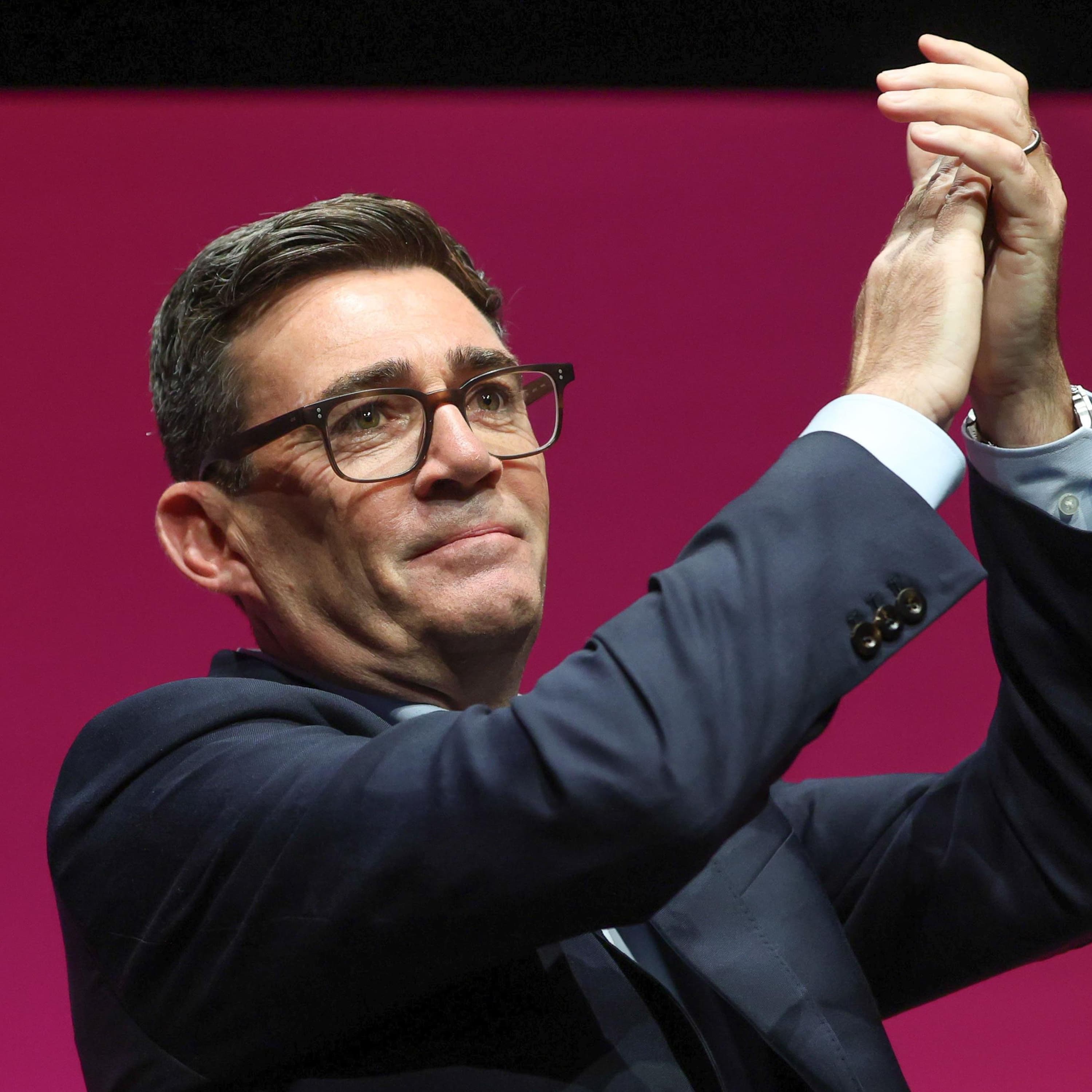
Helen Pidd reports from the Labour conference in Liverpool as Andy Burnham lays out his grand plans as prime minister. With deputy political editor Jessica Elgot. Help support our independent journalism at theguardian.com/infocus
