PT Pintcast - Physical Therapy

PT Pintcast is a physical therapy podcast featuring conversations with physical therapists, clinic owners, educators, and leaders shaping the future of physical therapy. Hosted by Jimmy McKay, PT, DPT, PT Pintcast blends real talk, big ideas, and practical insight on clinical care, business, culture, and where physical therapy is headed next. If a TED Talk and a radio show had a baby and raised it in a physical therapy clinic, this would be it.
Healthcare Marketing Doesn’t Work—Until You Fix the Experience
Most healthcare marketing does not fail because marketing is useless. It fails because clinics make it hard to trust them, hard to book, and hard to talk about them.
In this episode, Jimmy McKay and Andrea Cheney unpack what PT clinic owners and healthcare marketers keep getting wrong. They break down why patients now behave more like consumers, what they actually look at before booking, and why reviews, websites, and front desk processes matter more than another generic ad campaign.
The big takeaway for busy PTs and clinic owners...
The Legislative Playbook Every PT Should Study

Most physical therapists assume healthcare policy is decided somewhere far away.
But Utah PTs just proved something different.
In this episode, Howard Quackenbush explains how competing physical therapy clinics united to pass legislation that recognizes PTs as primary care providers for co-pay purposes—reducing financial barriers and improving patient access.
Instead of waiting for national policy changes, this group of clinicians and clinic owners worked state-level relationships, coordinated fundraising, and built grassroots support that ultimately passed the bill.
For private practice owners and PT leaders, th...
“Rehab Athletes Like Athletes” (And Prove It With Data)
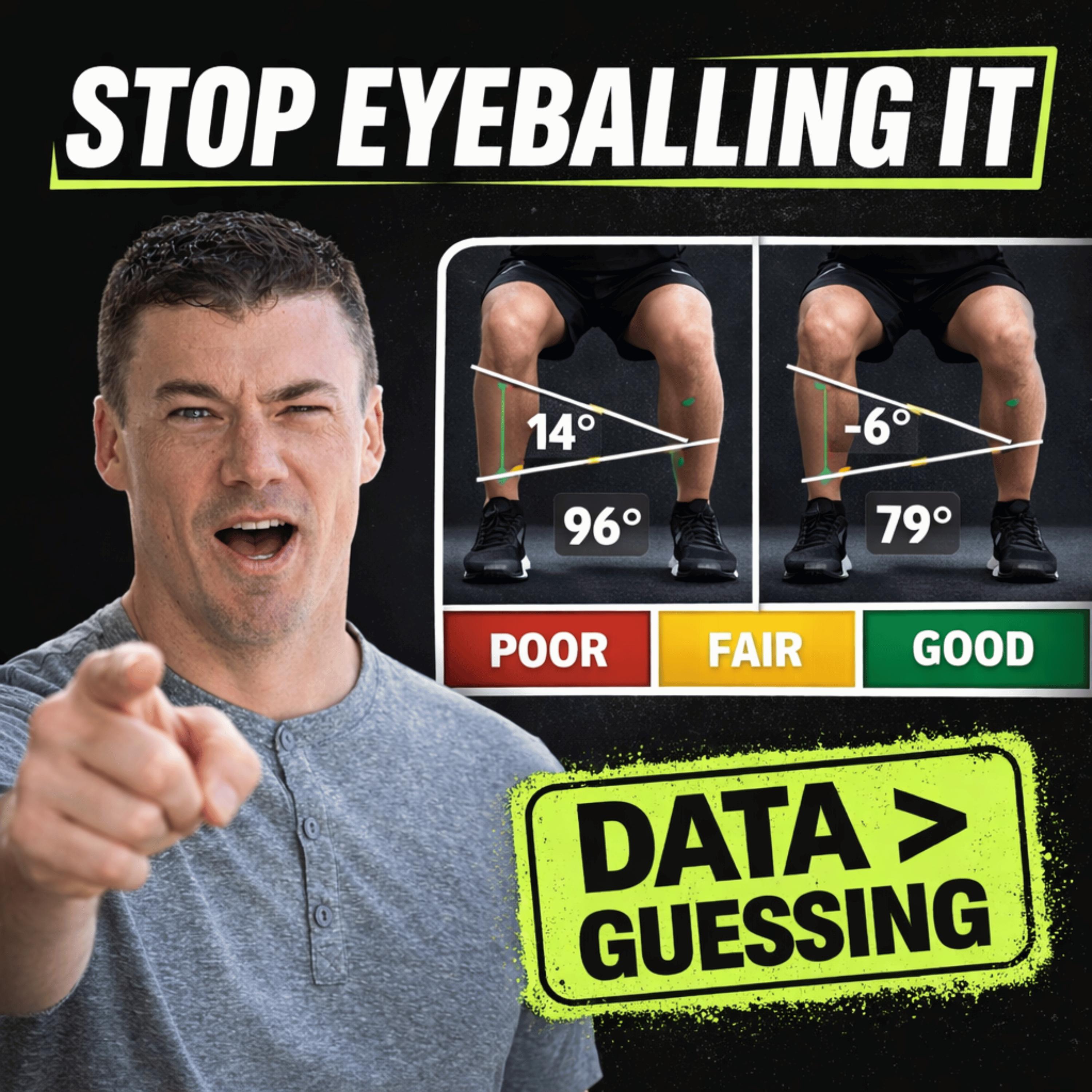
PTs are expected to be the movement experts—yet most movement assessment is still subjective: “knee valgus noted,” “pelvic drop,” “looks better.” Dan Seidler (Business Development Lead, DorsaVi USA) and Maka Lange unpack what changes when clinics can quantify biomechanics with video AI and wearable sensors.
They cover how objective data improves patient education and buy-in, strengthens documentation, and makes return-to-play/return-to-work decisions more defensible—especially as AI, wearables, and non-PT competitors raise the bar for “measured” care.
What you’ll learn
Why “eyeballing” biomechanics breaks down across cliniciansHow objective data can improve patient buy-in...Why PT Clinics Must Sell Transformations, Not Visits

Most physical therapy clinics market the wrong thing.
They promote visits, treatments, and techniques — but patients don’t actually want those things. What they want is the outcome: getting back to running, lifting, sports, or living pain-free.
In this episode, Jimmy McKay and Dave Kittle explore how PT clinic owners can shift from transactional care to transformation-based care.
Drawing insights from thinkers like Seth Godin, Gary Vee, Rory Sutherland, Chris Voss, and Chris Do, they explain how better positioning, marketing, and communication can turn a one-time patient into a long-term rela...
“Discharge Monkey” Isn’t A Job Title

A comment calling hospital PTs “discharge monkeys” kicks off a real conversation about burnout, autonomy, and what the system incentivizes. Rebekah Griffith and Jimmy McKay unpack why acute care PTs feel boxed into discharge throughput, how that attitude spreads through teams (presenteeism), and what leaders can do to get great clinicians back to practicing with purpose.
What You’ll Learn
Why “we’re all just PTs” can still ignore real specialization and skill differencesHow payer-centered constraints quietly strip autonomy in discharge planningWhy arguing online rarely fixes burnout (emotion first, logic second)Presenteeism: when someone show...Marketing Doesn’t Work (Until Ops Works)

Episode theme: If your marketing “isn’t working,” your real bottleneck is usually operations + friction—and tech/ads will only amplify what’s already broken.
What we covered
The blizzard story: how a “post-visit survey” fired after a visit that never happened—and what that signals about your systemsWhy everything is marketing in direct-to-consumer healthcare: phones, response time, scheduling, cancellation flow, vibesThe leadership disconnect: expecting marketing to “perform” while giving unclear goals, unrealistic job scopes, and zero resourcesWhy patients compare your clinic experience to DoorDash/Amazon convenienceA tactical 5-point operations audit you can run this weekOne Eeyore Can Kill Everything!
A real-world clinic-owner problem: a therapist who wants the upside (patients “dropped in their lap”) but won’t do the minimum (timely notes, accountability). Dave and Jimmy walk through the practical HR/documentation approach, how one low-effort teammate drags culture and outcomes, and the retention strategies that keep high-value patients loyal to the practice even when staff changes.
What you’ll learn
How to build a paper trail that makes HR decisions clean and defensibleWhy resignation is often simpler than termination (and how to handle it)How “moonlighting” becomes a performance and loyalty issueThe “Ee...You’re Either Rowing Or You’re The Anchor
Physical therapy can’t survive on “me, me, me” messaging. Dr. Lisa VanHoose breaks down why rehabilitation deserts are growing, why gatekeeping admissions is fueling the PT workforce shortage, and what it looks like to rebuild the profession around community, access, and relational capacity—not just credentials and productivity.
We talk rural retention, community-based rehab, why “bootstraps” is a myth in healthcare design, and how the Ujima Institute is building real-world mobility support through food access, youth training, health literacy, and neighbor-to-neighbor infrastructure.
Chapters
00:00 Neighbors Sh...
Why Saying Yes to Everyone Is Killing Your Clinic
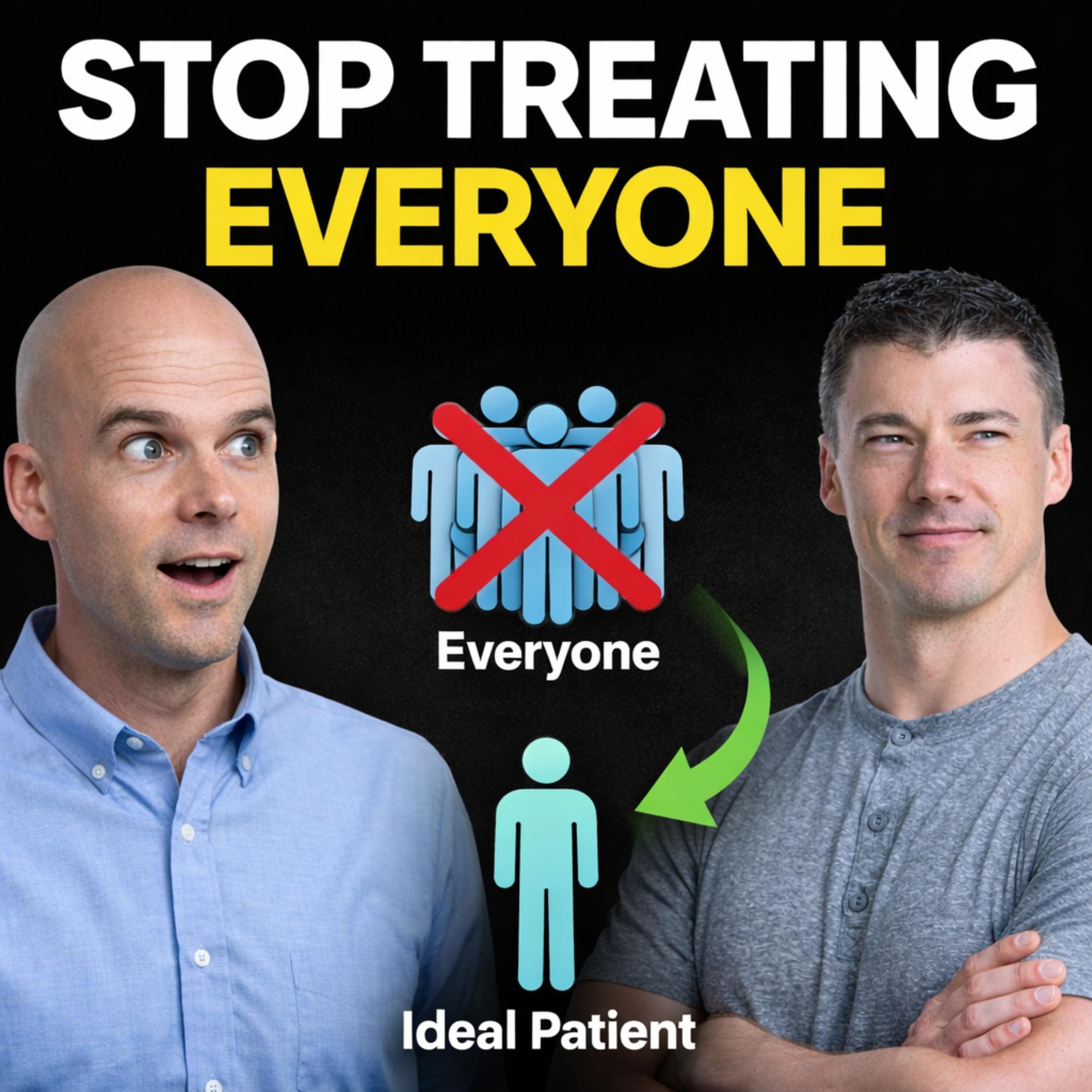
If your clinic feels busy but profit isn’t increasing, this episode will hit home.
Doug Adams joins Jimmy to break down one of the most uncomfortable truths in private practice physical therapy: growth does not come from treating more people. It comes from treating the right people.
Key Takeaways:
• Why every PT clinic needs a defined sales process
• The difference between commoditized visits and transformational outcomes
• How defining your ideal patient increases revenue per client
• Why word-of-mouth only works when the experience is aligned
Positivity Is Slower… But It Wins.
Jeremy VanDevender shares a practical clinic-growth and leadership framework built on a few core ideas: lead with optimism, listen like it’s your job (because it is), and create real pathways for clinicians to grow—clinically or into leadership—without burning out.
In this episode, we cover:
How Jeremy earned internal buy-in and built “followership” through autonomy + supportWhy negativity gets attention—but positivity builds real teamsWhat hasn’t changed in PT (patients want to feel better) vs. what’s changed a lot (documentation, reimbursement pressure, market expectations)Great Resignation lessons: surveying your team, getting humbled, and responding fastC...AI Is Already Referring Self-Pay Patients to PT Clinics
AI is no longer theoretical for clinic owners.
A PT in Ohio just received a 12-visit self-pay package from a patient who found her through AI search.
That changes the conversation.
In this episode, we explore:
How AI platforms decide which clinics to recommendWhy your digital footprint matters more than everThe role of frequency in modern marketingWhether AI-sourced patients are more decisive and cash-friendlyWhy positioning matters (and whether PTs need a “shared enemy”)What CrossFit, cult brands, and political movements can teach clinic ownersWhy attention—not ads—is...Stop Running a 1998 Clinic in 2026
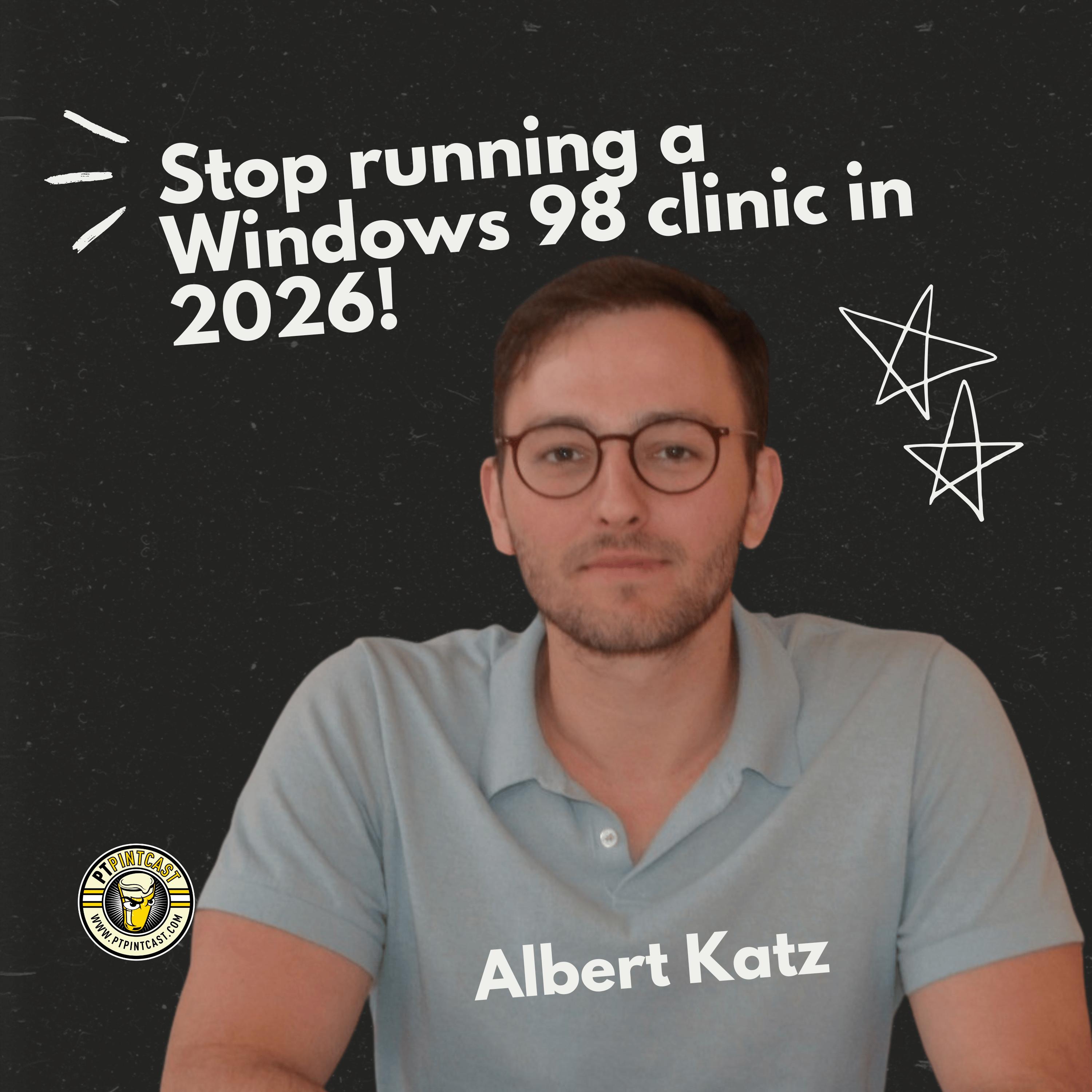
Stop Running a 1998 Clinic in 2026
Reimbursement is shrinking. Expenses are rising. And too many PT clinics are still operating like it’s 1998.
Albert Katz, CEO of Flagler Health, joins Jimmy to talk about:
Why most healthcare tech failsThe real hidden costs of not modernizingHow missed calls and slow intake quietly drain revenueVendor fatigue and point-solution overloadWhy AI in billing still requires human oversightThe operational standards PTs must hit to be first response for MSKIf you care about protecting margin, improving efficiency, and building a clinic that su...
What the 2025 State of Rehab Therapy Report Reveals

Heidi Jannenga has been part of this show since the early days — and she returns with data every clinic owner and staff PT needs to see.
The 2025 State of Rehab Therapy Report reveals a widening gap between clinicians and leadership. While leaders assume pay is the biggest issue, clinicians say they’re motivated by purpose, autonomy, and meaningful work.
This episode explores:
Why misalignment is accelerating turnoverWhy “just pay them more” won’t fix itWhat true leadership listening looks likeThe future of AI in rehab therapyWhether PT becomes more human...Are PTs Ignoring a Massive Revenue Stream?
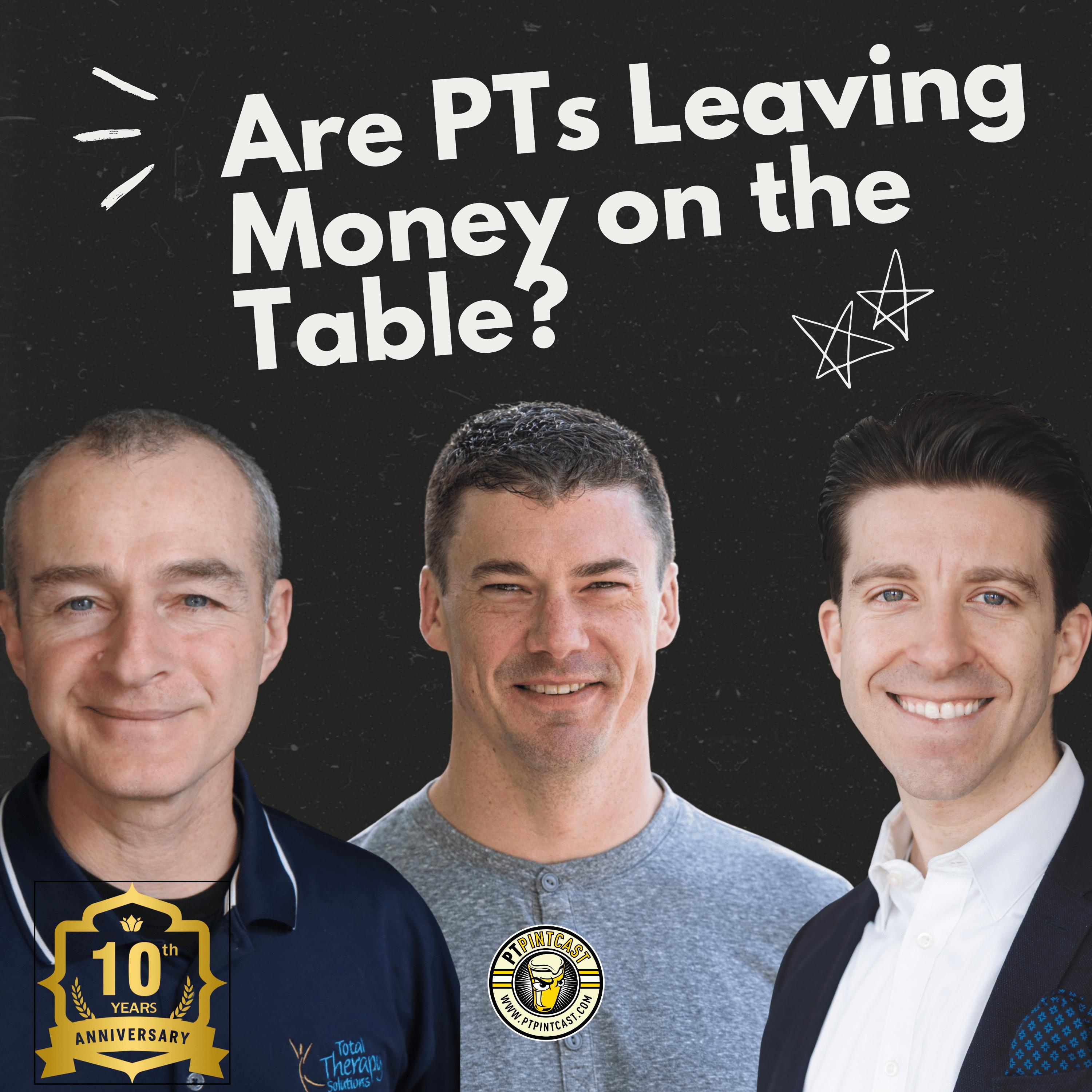
Are PTs Leaving Money on the Table?
In this episode, Jimmy, Tony Maritato, and Dave Kittle dig into something most physical therapists aren’t even considering:
Live selling. Affiliate income. Attention as the business model.
It starts with Jimmy testing live selling premium recovery devices through Amazon Live.
But it quickly turns into a bigger conversation:
Are PTs avoiding affiliate revenue because it feels “salesy”?Are we spending $100K on conference booths while ignoring attention 11.99 months of the year?Could live shopping become a legitimate revenue stream for physical therapists?Does p...Change the Model: Why PT’s Business Model Is Breaking
Physical therapy doesn’t have a value problem.
It has a positioning problem.
In this episode, Jimmy talks with Matthew Pratte about why private outpatient practices are getting squeezed — and what to do about it.
Key Topics Covered:
Why fee-for-service puts control in someone else’s handsHow inflation + stagnant reimbursement compress marginsWhy scale favors hospital systems and large chainsThe rise of direct-to-employer contractingWhat self-insured employers are — and why they matterWhy PT clinics can often command higher per-visit rates through employer contractsMisconceptions about size and sellingA simple first step clinic owners c...If You Couldn’t Post It… Would You Still Do It?
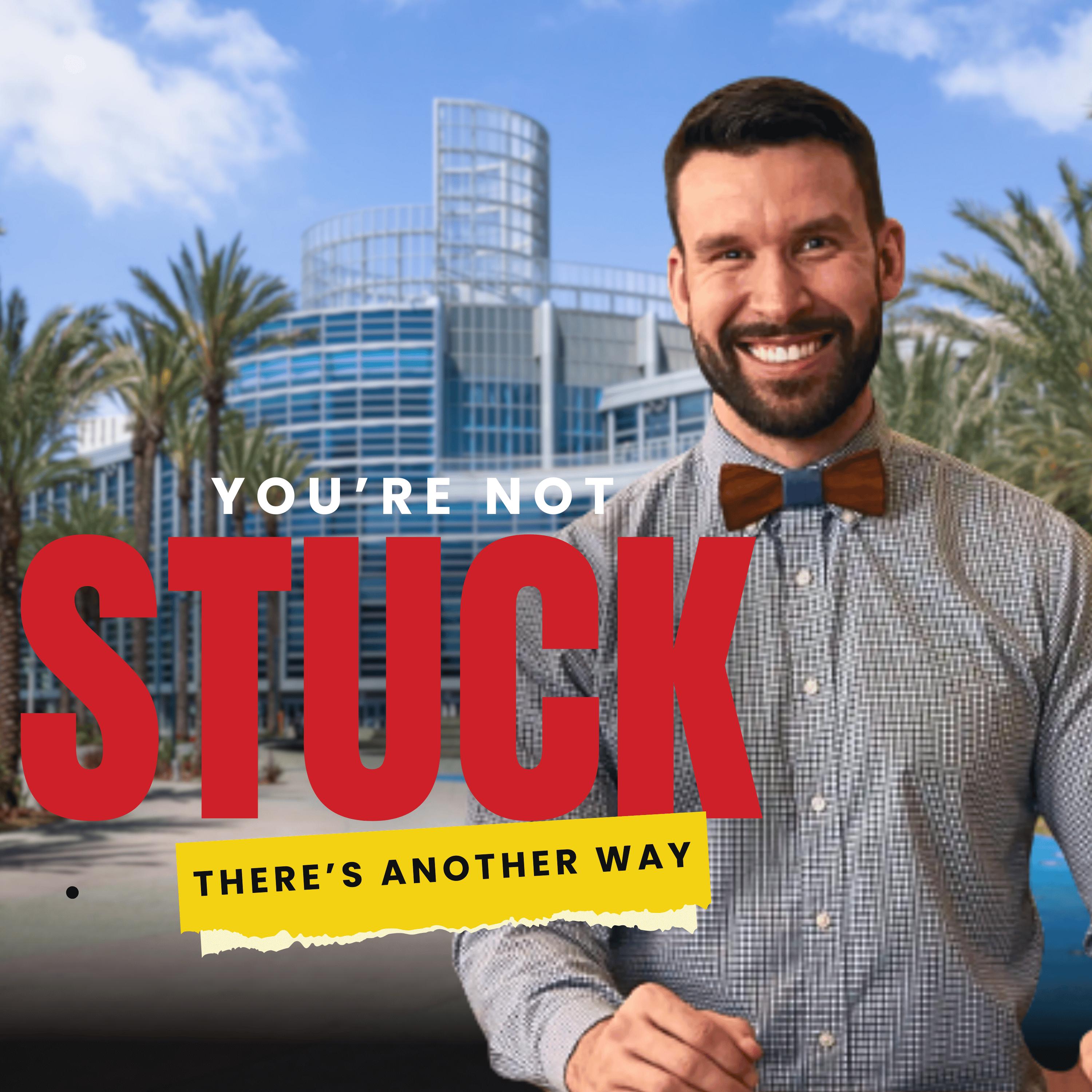
Most PTs Think There’s Only One Career Path. They’re Wrong.
Live from APTA CSM in Anaheim, Jimmy sits down with Tim Reynolds — professor, clinician, author, and anatomy educator with over one million followers online.
This episode dives into:
Why PTs default to the “40-hour clinic model”The branding problem inside physical therapyHow social media can be used responsibly in healthcareWhy novelty prevents burnoutThe concept of “micro joys” vs. waiting for big life eventsHow saying yes to one small opportunity can change your careerTim shares how teaching one night lab turn...
PTs Aren’t Movement Experts… Yet

In this episode, Jimmy sits down with Chanha Hwang, PT, founder of Moviq Health, a clinical biomechanics lab in Las Vegas designed to function like “Quest Diagnostics for human movement.”
The discussion focuses on one core idea:
Physical therapy cannot claim authority in movement without standardized diagnostic infrastructure.
Inside This Episode:
Why observational data weakens PT credibilityThe link between standardized testing and patient buy-inHow objective reporting increased plan-of-care completion ratesThe difference between inferred AI video analysis and direct measurementWhy variability across clinics creates payer distrustRaising the “floor” vs raising the “ceiling” in physical the...Never Assume. Always Ask. The Advocacy Wake-Up Call for PTs
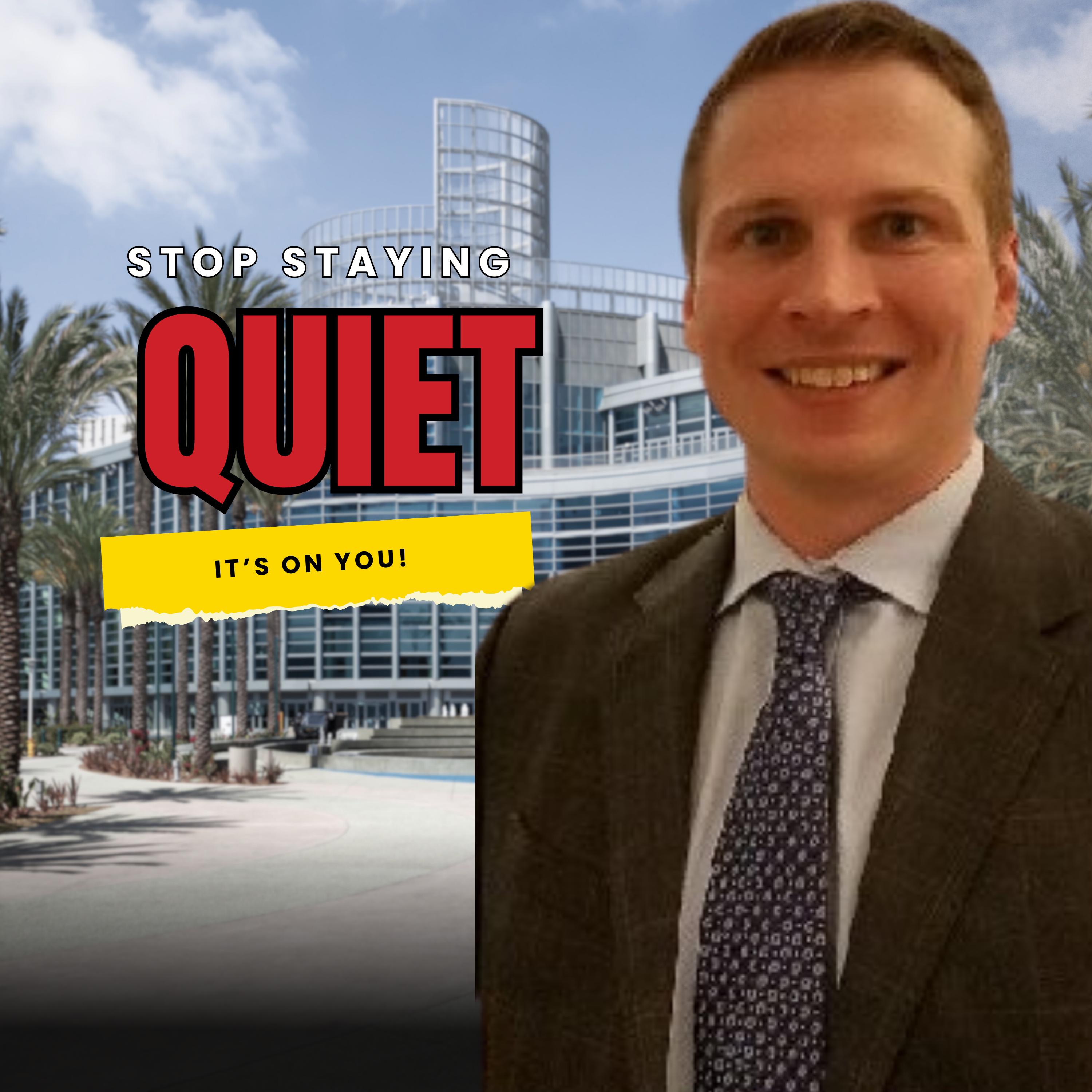
Physical therapy reimbursement has declined for years — while tuition, expectations, and scope continue to expand.
Steve Smith joins PT Pintcast live from CSM to discuss:
Why he became a private practice owner after a VC acquisitionLessons learned about leadership during COVIDMedicare payment cuts and recent advocacy winsWhy every PT must understand advocacyHow state-level scope of practice changes create national ripple effectsThe importance of simple, clear messaging in professional advocacyHis big goal: getting one-third of PTs in Massachusetts actively signing advocacy lettersThe message is simple:
If you do...
This Profession Belongs to All of Us

What does physical therapy look like beyond the U.S. healthcare system?
In this episode, Jimmy talks with Sidy Dieye, CEO of World Physiotherapy, about how the global PT profession is evolving — and why U.S. clinicians should care.
World Physiotherapy represents 129 member organizations and over 600,000 physiotherapists worldwide.
Sidy shares:
Why global collaboration is the profession’s greatest strengthThe workforce crisis in countries with only one trained physio per 10 million peopleHow AI should be regulated and used as a tool — not feared as a repl...How PTs Can Fight Health Inequity Without Leaving the Clinic
Physical Therapy Is at a Turning Point
Rupal Patel joins PT Pintcast live from CSM to discuss why physical therapy is entering its second century — and why that means expanding our role beyond musculoskeletal care.
Key Themes:
Why PT is at a professional inflection pointSocial and structural determinants of healthHow zip code predicts mortalityWhy apathy is more dangerous than resistanceHow to advocate without traveling to DCEmpowering patients to advocate for themselvesThe discomfort clinicians must embrace to growRupal makes a compelling case: If PTs wa...
She Refused to Discharge Patients Who Still Needed Help
Insurance runs out. Patients still need care. Now what?
Melanie Brennan built a nonprofit neuro recovery gym to solve exactly that problem.
After seeing patients decline post-discharge from traditional rehab settings, Melanie launched EA Therapeutic Health — a hybrid model blending:
Insurance-based PTCash-based extended recovery sessionsPersonal trainers + rec therapists alongside PTsFundraising + grants to subsidize costCommunity-based nonprofit structureNow with 24 employees and a 10,000-square-foot facility, she’s proving private practice isn’t just for orthopedics.
Key Topics
Why payment is PT’s root issueNonprofit conversion strategyBlending insurance and cash ethicallyState-level advocacy vs national...Disasters Don’t Wait — Why PTs Can’t Either
PTs Belong in Disaster Response — Here’s How to Step In
Disasters don’t discriminate. They impact hospitals, nursing homes, outpatient clinics, schools, and communities.
Yet physical therapists are rarely included in disaster planning or emergency response operations.
In this episode, Megan Mitchell breaks down:
• Why disasters are increasing in frequency
• Where PTs are currently underutilized
• The musculoskeletal reality of disaster injuries
• Why you can’t “just show up” during an emergency
• How to engage your hospital or clinic’s emergency manager
• The difference betw...
You Don’t Need More Marketing. You Need More Humanity.
Most physical therapy clinic owners have been told the same story:
Spend 5–10% of revenue on marketing.
Run Facebook ads.
Buy Google traffic.
Outspend competitors.
But what if that advice is wrong?
Live from CSM, Jimmy and Sturdy McKee break down a back-to-basics approach to clinic growth that doesn’t rely on ad spend — it relies on relationships.
What You’ll Learn:
Why patients don’t buy healthcare on FacebookHow primary care physicians see 20–40...Top of Scope Isn’t a Job — It’s a Mindset
Emergency Department PT, Top-of-Scope Mindset & Reigniting Your Career
Recorded live at CSM, Jimmy sits down with Rebekah Griffith, PT, DPT, to talk about the growth of physical therapy in the emergency department — and what it takes to bring it into your hospital.
In This Episode:
What “Top of Scope” really means (mindset + skillset)Why ED PT jobs aren’t widespread yetHow to pitch ED PT to hospital leadership (do a PT eval on the hospital)Specialist vs generalist debate in acute careWhy conferences can reignite your professional energyHow networki...PT Is Political. Lean In.
PT Is Political — And That’s Not Optional
Recorded live at APTA CSM, this conversation tackles one uncomfortable truth: physical therapy operates inside a political healthcare system.
If you ignore policy, reimbursement, or structural access issues, you're still affected by them.
In This Episode:
Why research feels intimidating (and why it shouldn’t)How curiosity fuels better patient careThe policy gaps affecting farmworker communitiesWhy students must engage in health systems earlyWhat success looks like in five years for the next generation of PTsWhy...
Grow Without Selling Your Soul: Inside USPH
Episode Overview
Live from APTA CSM in Anaheim, Jimmy talks with Nicole O’Neill from U.S. Physical Therapy about what USPH actually is—and why most PTs don’t realize they’ve probably seen one of their clinics.
USPH partners with 135+ locally branded physical therapy practices across 44 states, providing national operational support while allowing clinics to maintain their identity.
This episode breaks down what that model looks like for:
New gradsExperienced cliniciansClinic owners exploring partnershipPTs who want growth without burnoutKey Topics
The USPH par...Visibility Is Not Optional Anymore
Visibility Is Not Optional Anymore
If you’re a physical therapist or clinic owner relying on reputation alone, you’re already behind.
This episode covers:
Why simple LinkedIn polls outperform complex contentThe lesson behind viral cultural momentsRepurposing one idea across multiple formatsHow AI session analytics can improve therapist performanceWhy frequency beats perfectionThe “fifth executive role” PT organizations are missing (communications)How to build earned attention instead of buying exposureKey Takeaway:
Trust is built downstream of earned attention. If people don’t see you, they don’t trust you.
You’re Sitting on $2,000 a Month and Don’t Even Know It
Can social media realistically generate revenue for physical therapists?
In this episode, Jimmy talks with Tony Maritato about:
Growing from 2,000 to 60,000+ followers in one yearTurning patient education into monetized contentWhy reposting “old” videos worksHow one Facebook post generated $107 repeatedlyWhy engagement (not followers) is the real metricThe shift back toward in-person, analog attentionTony explains how he captures patient interactions during treatment (with consent), posts directly from his phone, and uses AI tools to analyze performance — without hiring staff or building a production studio.
If you’re...
AI Won’t Save Your Clinic (But This Might)
AI Is Not a Silver Bullet
Recorded live at APTA CSM, Todd Norwood joins the show to talk about AI, digital health, and why physical therapy clinics need to fix their data before chasing the next shiny tech solution.
What We Cover:
The difference between good data and bad data in PTWhy “ish” measurements don’t scale in an AI worldHow to evaluate AI scribes and clinic toolsImposter syndrome in leadership and tech transitionsHow PT skills translate into digital health rolesUsing AI to assess your resume against job descriptionsWhy investing in yourse...Better Systems, Not Tougher People
Better Systems, Not Tougher People
Burnout in healthcare isn’t a motivation problem. It’s a design problem.
Dr. Lisa Flexner joins PT Pintcast live from APTA CSM to break down why:
Burnout is an individual response to system dysfunctionProductivity is often the wrong performance metricTurnover costs far more than 1.5x salaryBelonging is a foundational performance driverPizza parties don’t fix structural problemsHealthcare still operates inside outdated hierarchy modelsIf you're leading a clinic and wondering why retention is harder, morale feels fragile, or productivity pressure keeps increasing — this episode reframes the issue from som...
Proactive Care Is the Future — Will PT Lead or Lag?
Proactive Care Is a Pathway — Not a Slogan
PT is built for prevention.
But most of healthcare still waits until pain shows up.
In this episode recorded live at CSM in Anaheim, Dr. Tatiana Olevsky discusses:
Why patients still go to MDs first for MSK painThe public awareness gap around direct accessHow PTs can shift from reactive rehab to proactive performanceWhy outcomes — not visit counts — should define our valueLessons from Pilates and community-buildingMovement analysis as a preventative toolWhy PT is at an inflection pointKey Takeaways
Prioritize qualit...Stop Sitting Out. Start Showing Up.
Live from CSM Anaheim, Jimmy sits down with Matt Huey, PT, to talk about what really moves the physical therapy profession forward.
The conversation centers on engagement.
Not national outrage.
Not social media complaints.
Real, local involvement.
Key themes:
Why member engagement starts at the state levelProtecting scope of practiceWhy trust can’t be boughtThe real ROI of conferencesHow mentorship creates professional legacyPassing a “little piece of you” to every student you trainThe takeaway:
If you want the profession to improve, you have to show u...
Sorry Karen — Your PT Has Tattoos
Live from APTA CSM in Anaheim, Jimmy talks with Dr. Jenn Bell about redefining professionalism in physical therapy.
They discuss:
Where traditional professional norms came fromWho those norms disproportionately impactWhy authenticity affects burnoutWhy recruitment without belonging failsThe shift from diversity → equity → inclusion → belongingWhat PTs must let go of to evolveIf your clinic wants to recruit and retain strong clinicians, this conversation matters.
Key Takeaways
Professionalism has historically centered a narrow identity standard.Underrepresented clinicians carry extra cognitive load when asked to “code switch.”...Advocacy Is Not Optional. It’s Survival.
Advocacy Isn’t Optional—It’s Your Responsibility
In this episode, Jimmy talks with Jim Leahy, longtime lobbyist and association executive serving nine APTA chapters across the country.
Jim has spent over 30 years inside the machinery of healthcare policy. His message is clear:
If you’re not involved in advocacy, you’re gambling with your profession—and your patients.
What You’ll Learn:
Why state legislators control your scope of practiceWhy most PT Hill Days send the wrong messageHow just 10 emails can influence a lawmakerWhy payment reform requires more than legislationHow...It’s Not the Patient. It’s You.
Recorded live from CSM, this episode features Jake Irwin, PT, DPT — professor, athletics PT, private practice owner, and APTA delegate.
The conversation covers:
Why seasoned PTs still attend CSMHow to approach conferences strategicallyThe real value of networkingUsing AI to navigate conference programmingThe uncomfortable truth about home exercise complianceJake delivers a strong parting shot:
When patients don’t get better because they didn’t follow their home program — that’s not their fault. That’s yours.This episode challenges clinicians to choose growth over blame.
Do It Differently or Die: A Wake-Up Call for PT Owners
Do It Differently or Die: A Wake-Up Call for PT Owners
Live from CSM, Jimmy talks with Eric Fernandez from Hyperice about the uncomfortable realities facing outpatient physical therapy.
What We Cover:
The three-year journey behind the Nike x Hyperice recovery shoeWhy AI and efficiency won’t save a broken business modelWhy PTs must start thinking like consumer brandsThe importance of lifecycle care and long-term valueWhy wellness companies are winning cash-based dollarsThe danger of waiting for insurance companies to “fix it”The mindset shift clinic owners must makeKey...
The 10,000 Step Lie
Milica McDowell, DPT — clinic owner, professor, and now AVP of Education at USPH — joins Jimmy live from APTA CSM to make a bold claim:
Most PTs are recommending the wrong shoes.
In this episode:
Why 10,000 steps is marketing, not medicineThe real step counts tied to longevity and mental healthWhy tapered toe boxes weaken feetThe concept of the “24-hour shoe clock”Why cushioned shoes in clinic may be a clinical liabilityIf you're a PT who cares about mobility, longevity, and biomechanics, this conversation matters.
The $10,000 Grant That Became $10 Million
Physical therapy research may feel invisible — but it protects reimbursement, strengthens professional credibility, and ensures long-term growth.
In this episode, Jimmy talks with Becky Craik about:
The mission of the Foundation for Physical Therapy ResearchHow a $10,000 seed grant can turn into millions in federal fundingWhy funding interruptions damage entire research teamsThe importance of cost-effectiveness researchThe Marquette Challenge and engaging the next generationWhy “Don’t make enemies” might be the best professional advice you’ll hearIf you believe in evidence-based practice, this episode explains why ongoing research funding matters to every PT — whether you work in a clinic...
You Don’t Need an LLC. You Need a Mentor.
Mastery Before Marketing
In this episode of PT Pintcast, Jimmy talks with Lewis Lupowitz, sports physical therapist and founder of Longevity Physical Therapy & Performance.
Lewis brings a strong perspective:
There’s a mentorship problem in physical therapy — and it’s being disguised as an entrepreneurship movement.
Key Topics Covered:
Why new grads shouldn’t rush to open a clinicThe difference between clinical confidence and branding confidenceHow to become a good menteeWhy “better is better” in rehabYouth sports over-specializationNeurocognitive training in return-to-sport rehabCreating an environment patients want to return toA Decade Under the Influence: Jimmy McKay Gets Interviewed
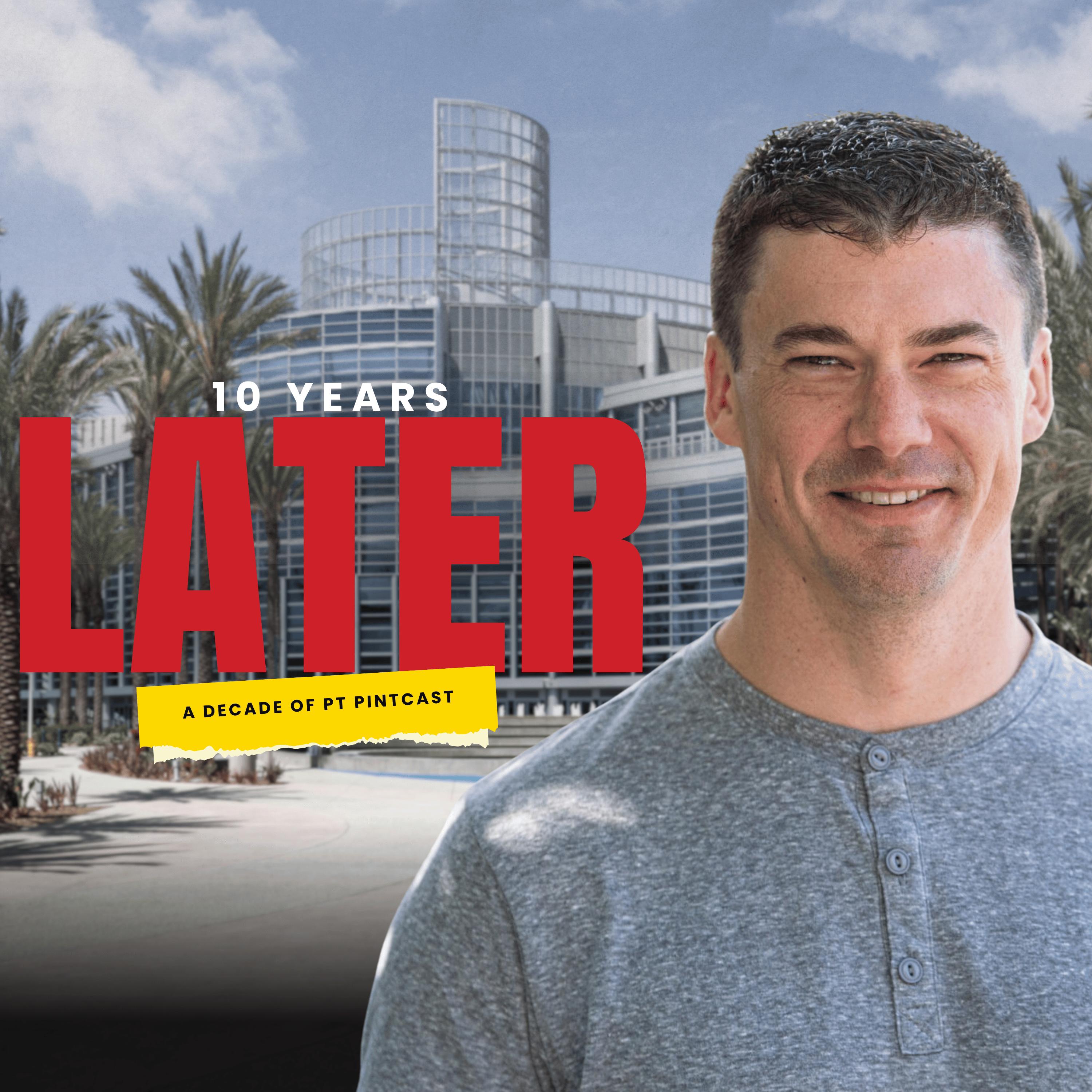
A Decade Under the Influence
Faith Stokes takes over the mic at CSM and interviews Jimmy McKay about 10 years of PT Pintcast.
This episode covers:
Why reimbursement is the profession’s defining issueHow students may drive the next innovation waveThe Costa Rica wheelchair fundraiser storyWhat APTA could do differentlyWhy PT must embrace visibility and communicationThe difference between communicating and being understoodThe Line That Sticks:
Science isn’t finished until it’s understood.If you’re a PT, clinic owner, or healthcare leader trying to protect...


