Ethical Schools
Amy and Jon talk with educational innovators about creating ethical learning environments, helping students overcome the effects of trauma, and empowering young people to make change. Tune in weekly.
School Choice: Who Does the Choosing?
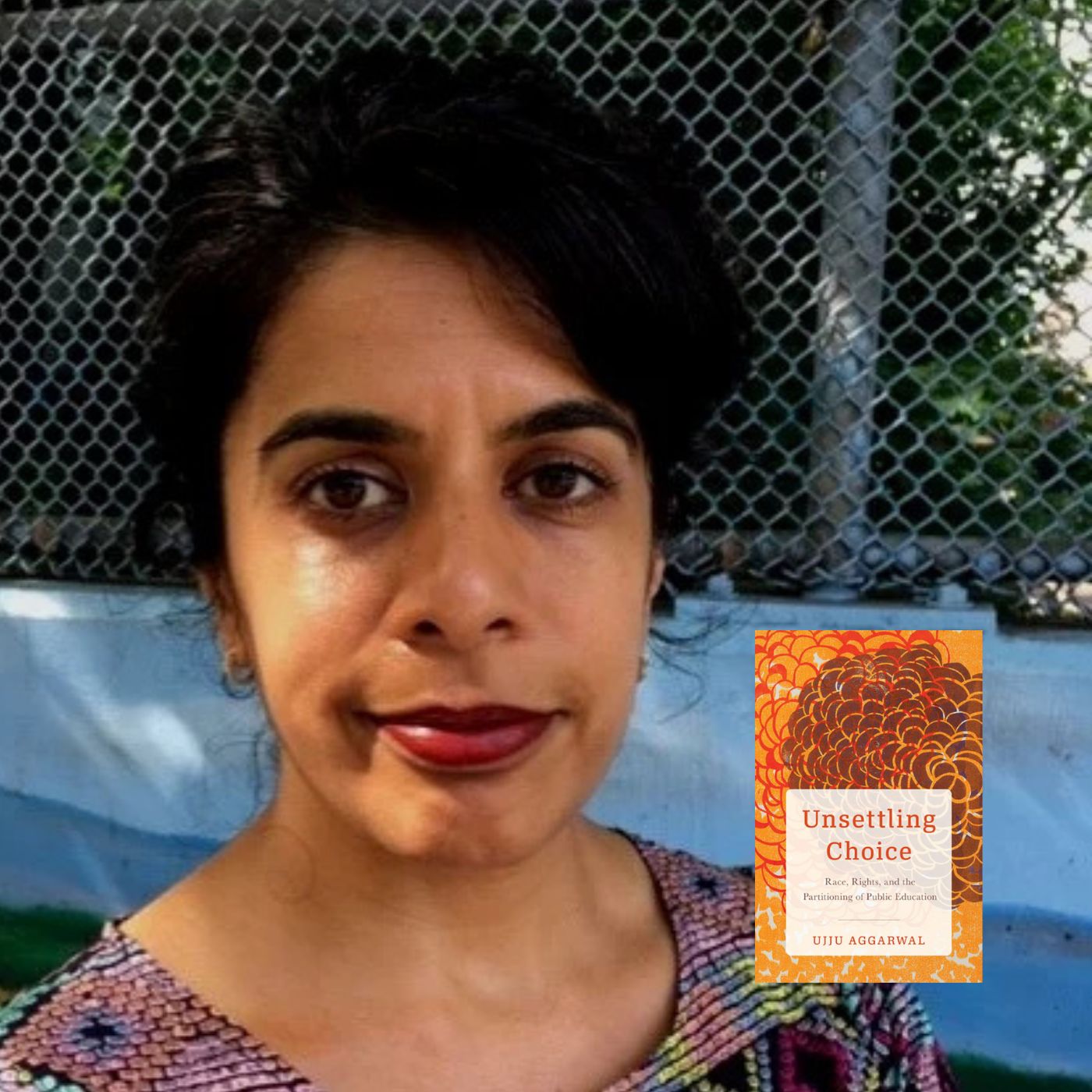
We welcome back Dr. Ujju Aggarwal, assistant professor at The New School, to speak about her book, Unsettling Choice: Race, Rights, and the Partitioning of Public Education. In Unsettling Choice, Dr. Aggarwal focuses on the intersection of public education and gentrification. The book is based on her work with mothers at a Head Start center in NYC. We discuss the race and class discrimination the parents faced and whether exclusion is inherent in school choice programs.
Overview
00:00-00:56 Intros
00:56-07:13 Working with Head Start mothers in Manhattan’s Community School District 3
07:13-0...
Global Conversations: Nature, Place, and Education, Salon #2
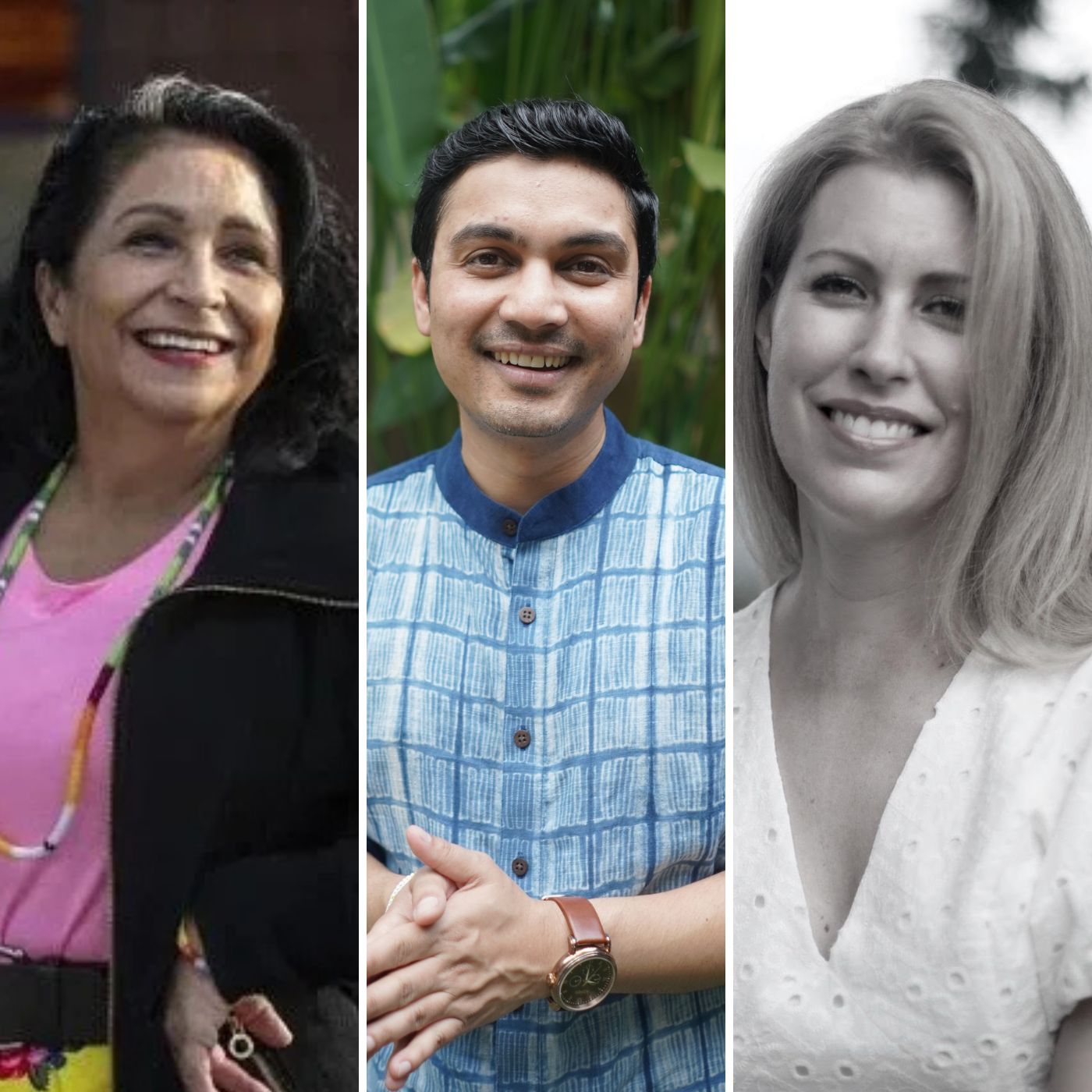
We share brief presentations from the second of the “Saturday Salons” that Ethical Schools is sponsoring with three international partners. Sherry Johnson, Tribal Education Director of the Sisseton-Wahpeton-Oyate (South Dakota), Deepak Ramola, Founder of Project FUEL (India), and Charlotte Hankin of Coconut Thinking and the Green School (Bali) talk about the importance of stories in reshaping how we think about our relationship to the natural world.
Learn more and register for the third salon on February 21 at globalconversations.net
Trump cutbacks and policies: stripping minority student protections

We speak with Derek Black, Constitutional law professor at the University of South Carolina School of Law, about the impact of Trump administration’s policies on students’ civil rights. Department of Education offices meant to ensure students are not subject to discrimination have been decimated. The Department of Justice has switched from protecting minority students' rights to focusing on so-called “discrimination" against whites and attacking transgender students. Professor Black also says the need for "circuit breakers" on executive power transcends this administration.
Overview
00:00-00:52 Intros
00:52:02:21 Threats to students’ protection from discrimination
02:21-03:53 S...
Global Conversations: Nature, Place, and Education
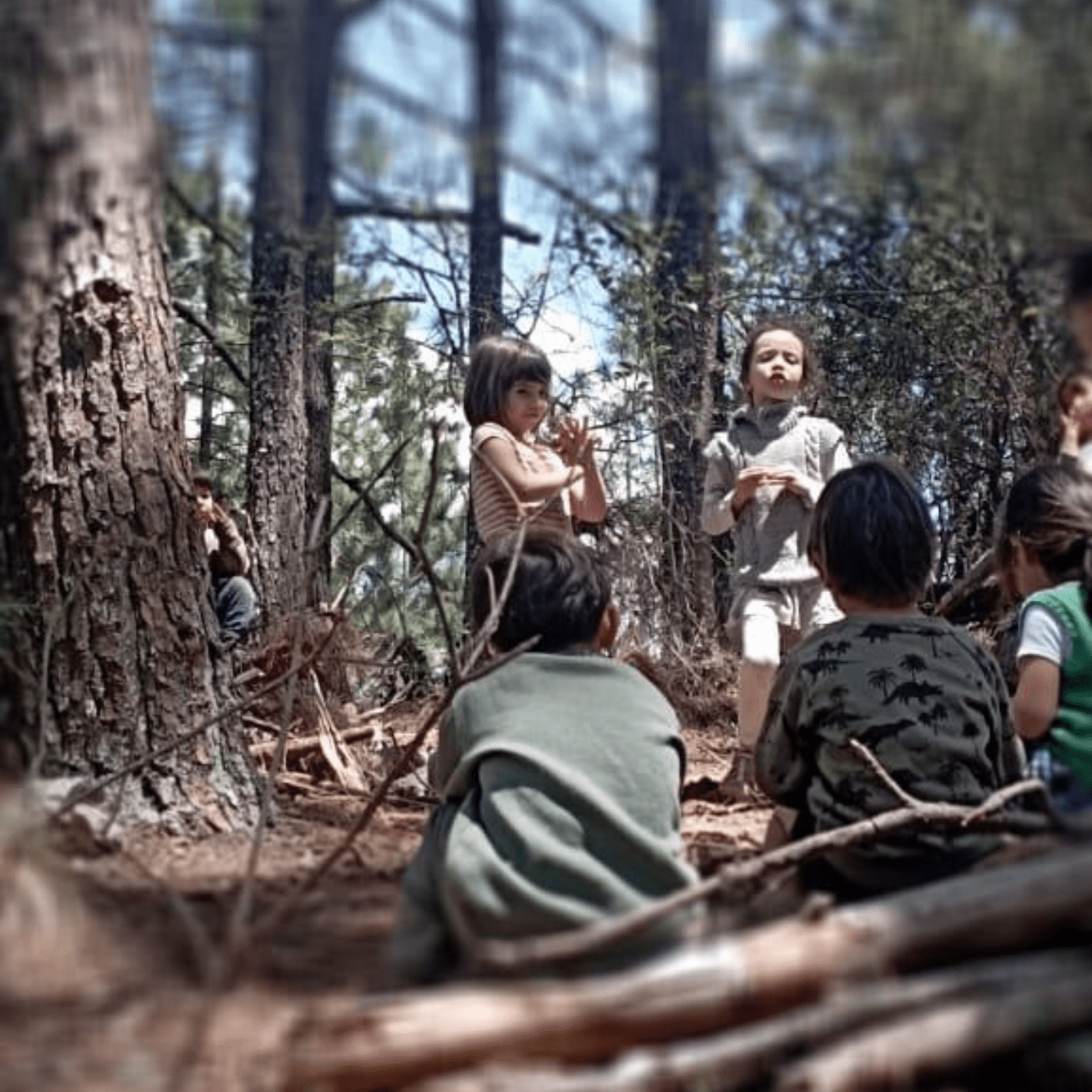
We share brief presentations from the first of the “Saturday Salons” that Ethical Schools is sponsoring with three international partners. Juan Mora of the Center for Artistry and Scholarship and Ramji Raghavan of Agastya International Foundation talk about how educators and communities can cultivate awareness of and relationship to the natural world.
Learn more and register for the next salon at globalconversations.net
Overview
00:00-01:36 Introductions by Amy and Jon
01:36-02:45 Introduction of Juan Mora by David Penberg
02:45-12:36 Juan Mora:
Separation of people from nature...
Pop culture literacies: Engaging students in critical analysis

We speak with Dr. Mia Hood, author of Pop Culture Literacies: Teaching Interpretation, Response, and Composition in a Digital World, about analyzing popular music and films along with more traditional literature. Dr. Hood talks about helping students to think about their ethical perspectives while engaging with "entertainment," and the importance of educators' resisting the temptation to impose their own “expert” interpretations in favor of modeling the process. We also discuss how teachers can resist imposing their views while teaching for democracy and social justice.
Overview
00:00-00:48 Intros
00:48-02:48 Pop culture literacies
02:42-04:22 Schools’ eth...
Join our Global Saturday Salons!
Collaborate with teachers and learners worldwide!
LEARN MORE AND REGISTER AT GLOBALCONVERSATIONS.NET
Along with our partner organizations – Agastya International Foundation, Center for Artistry and Scholarship, and Thinking With You – Ethical Schools is bringing together educators, youth workers, and students from around the world to discuss ethical, democratic, and regenerative education strategies. Hear exciting presentations from visionary practitioners and participate in group discussions.
Come with your co-workers! Attend with a cohort from your school or out-of-school program to maximize the benefits for your organization and students.
Series 1: Ethics and the Natural Worl...
Pragmatism in the classroom: Lessons from Dewey, Maxine Greene, and Eleanor Duckworth

We speak with Dr. Susan Jean Mayer about her recent book, "Practicing Pragmatism Through Progressive Pedagogies: A Philosophical Lens for Grounding Classroom Teaching and Research." Dr. Mayer defines pragmatism in today's world and discusses the importance of critical exploration, democratic construction of knowledge, and openness to diversity of perspectives in the classroom. As teachers and learners, we can construct a shared set of values based on our experiential realities and come to understand these realities in coherent terms.
Overview
00:00-00:36 Intros
00:36-02:55 How to define pragmatism in today’s world
02:55-05:34 Ho...
The pioneers: Democracy front and center (Part Two)
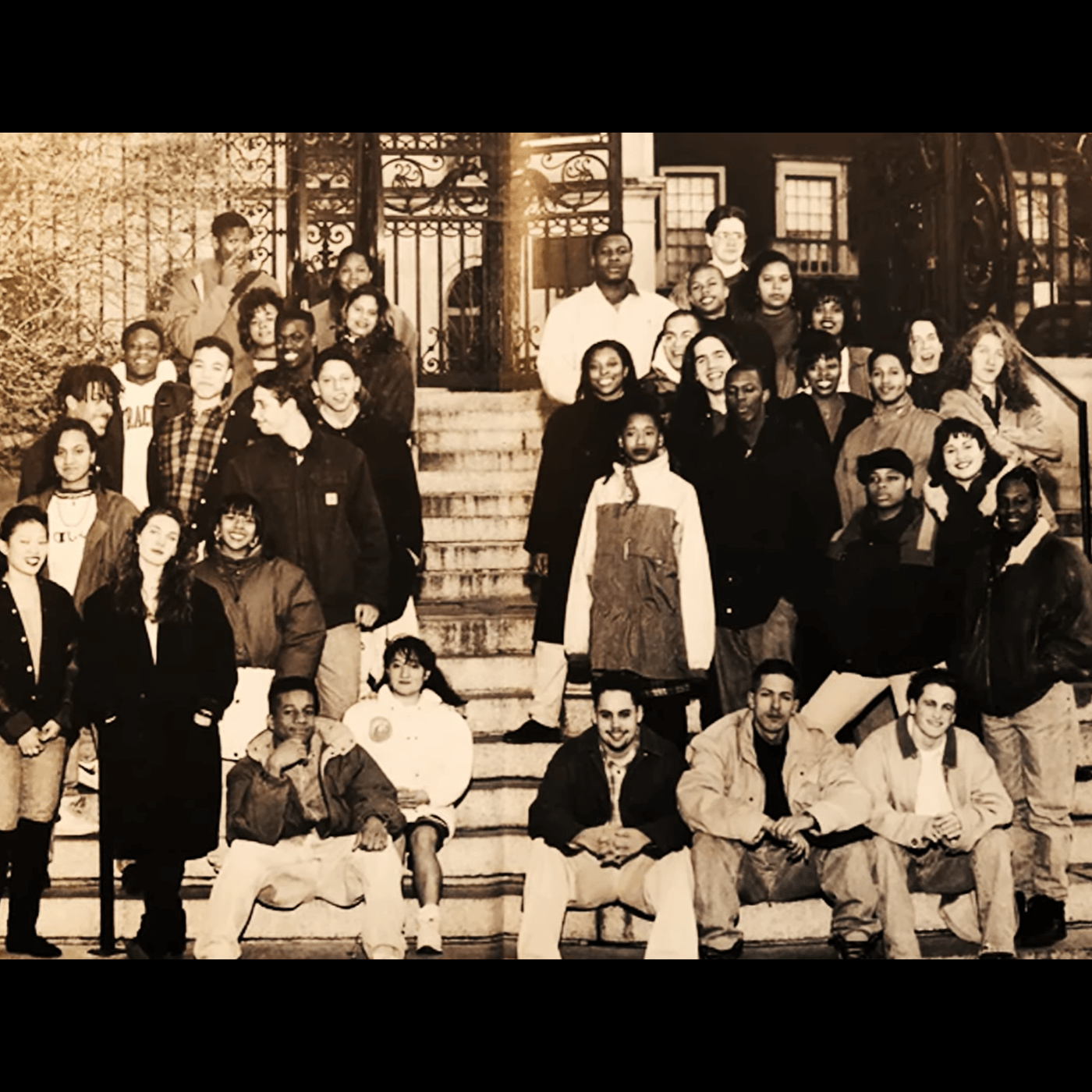
We speak with Deborah Meier and Jane Andrias, pioneers in the democratic small-school movement. Debbie founded the Central Park East Schools. Jane Andrias was an art teacher and principal at Central Park East I. Debbie and Jane discuss these ground-breaking schools, their ethical foundations, the “habits of mind” they worked to instill, and the challenges they faced.
*This is Part Two of a two part episode. Go back one episode or click here to listen to the first part.
Overview
00:00-00:41 Intros
00:41-07:30 Parent involvement
07:30-12:05 What happened to Miss...
The pioneers: Democracy front and center (Part One)
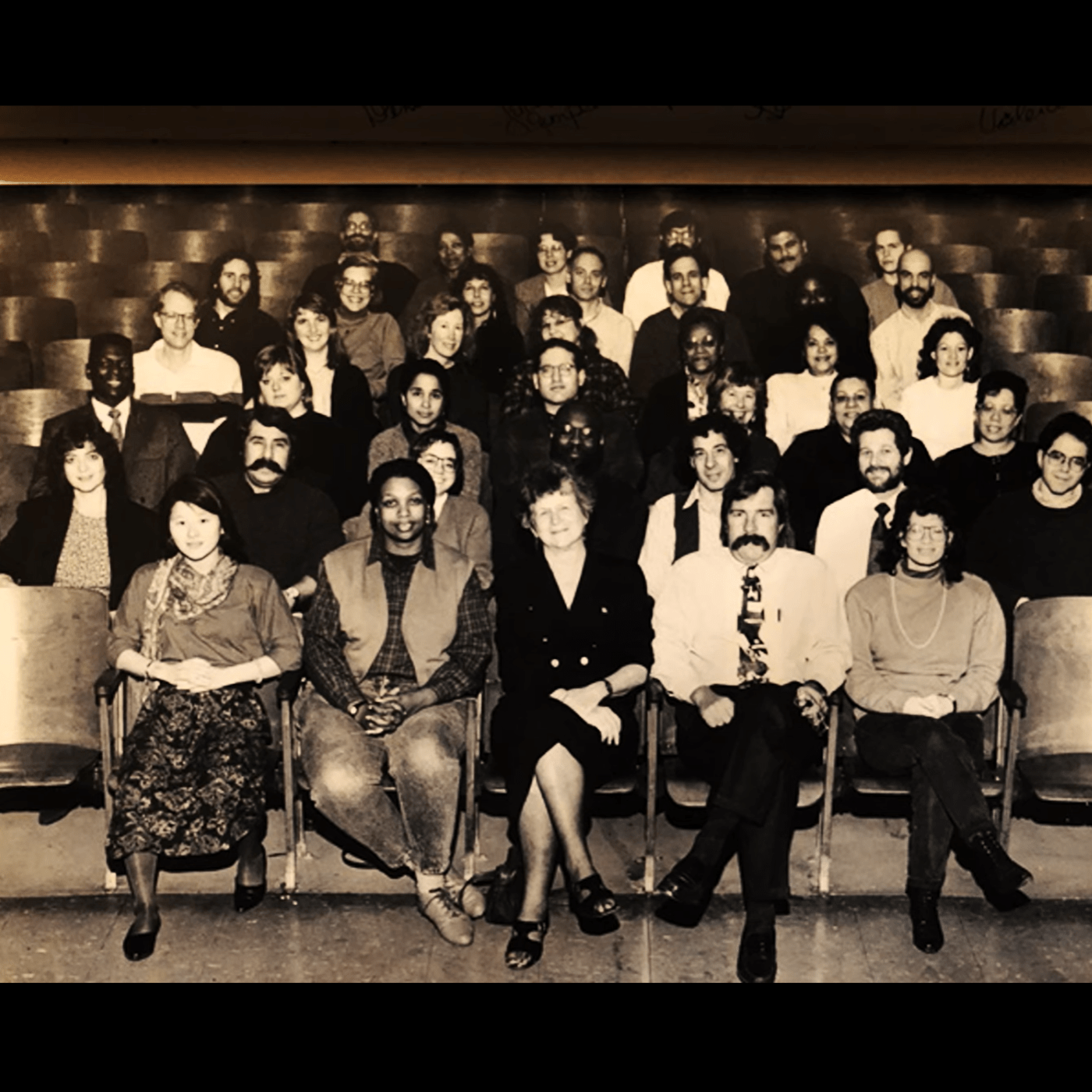
We speak with Deborah Meier and Jane Andrias, pioneers in the democratic small-school movement. Debbie founded the Central Park East Schools. Jane Andrias was an art teacher and principal at Central Park East I. Debbie and Jane discuss these ground-breaking schools, their ethical foundations, the “habits of mind” they worked to instill, and the challenges they faced.
*This is Part One of a two part episode.
Overview
00:00-00:43 Intros
00:43-01:52 What would a school fully focused on preparing students for a democraticsociety look like?
01:52-03:08 Impacts of curriculum and school...
Technology and ethics: AI and the classroom

Robbie Torney, director of AI Programs at Common Sense Media, analyzes teachers' use of AI. We focus on AI teaching assistants, their uses and abuses, and how teachers' judgment and skills remain central. We discuss the need for school- and district-wide education and policies on using AI in teaching and learning.
Overview
Intros
Common Sense media and its AI work
Evaluation principles for AI risk
What teachers use AI for
What happens with users’ data
AI teacher assistants, risks, and advantages
AI...
Climate justice: A transformational education and engagement project
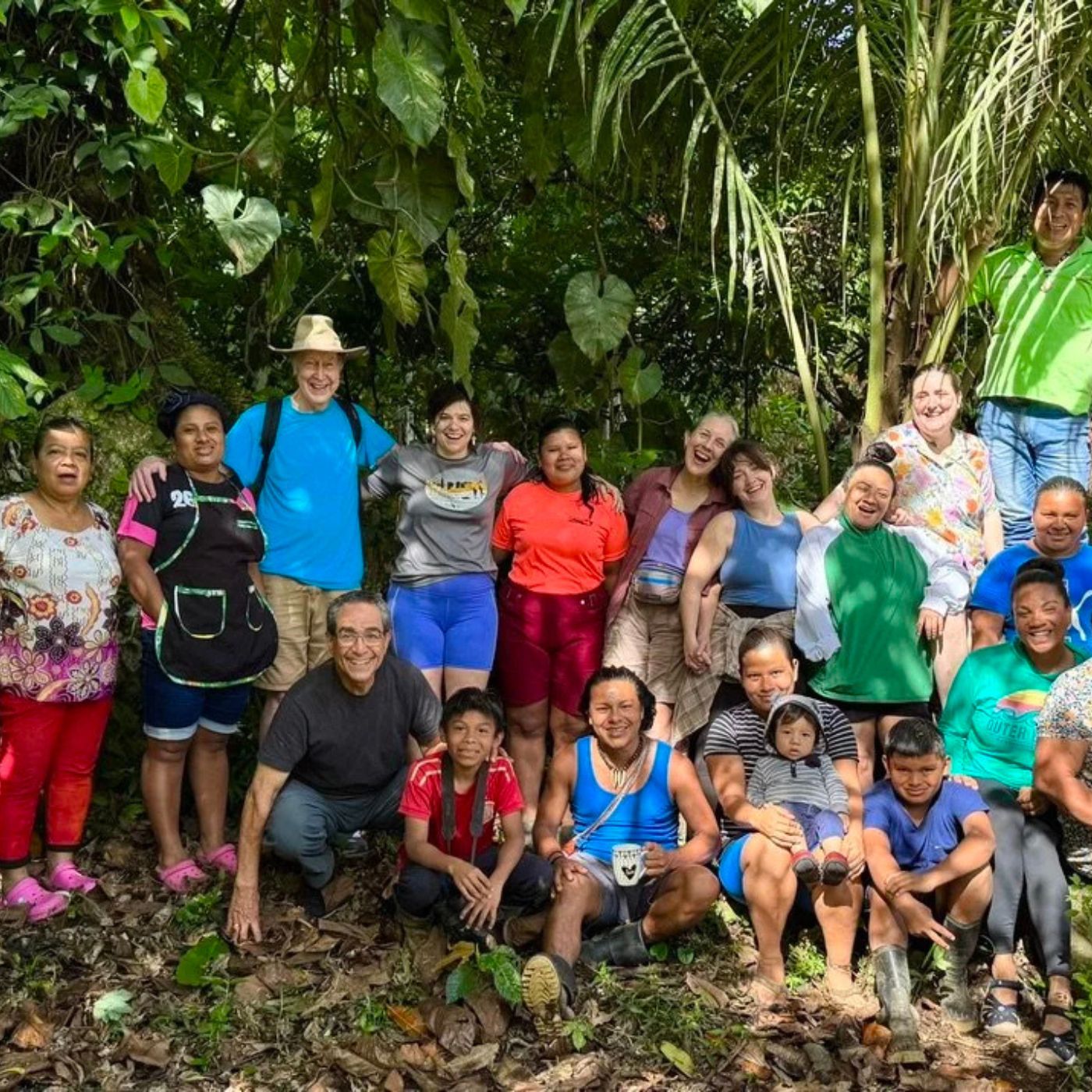
We speak with Tom Roderick, founding executive director of the Morningside Center for Teaching Social Responsibility; Jan Zuckerman, Co-founder of Sunnyside Environmental School in Portland, Oregon; and Graham Klag, an alumnus of Sunnyside Environmental School. We discuss Tom's book, Teach for Climate Justice: A Vision for Transforming Education. Tom explains that climate chaos and social justice are inextricably linked, and proposes a program for addressing both. He centers the concept of the beloved community.
Overview
00:00-01:07 Intros
01:07-03:57 Why “Climate Justice?’
03:57-06:00 Connection between climate change and social justice
06:00-07:34 T...
Teachers as Interpreters: Listening to Every Student
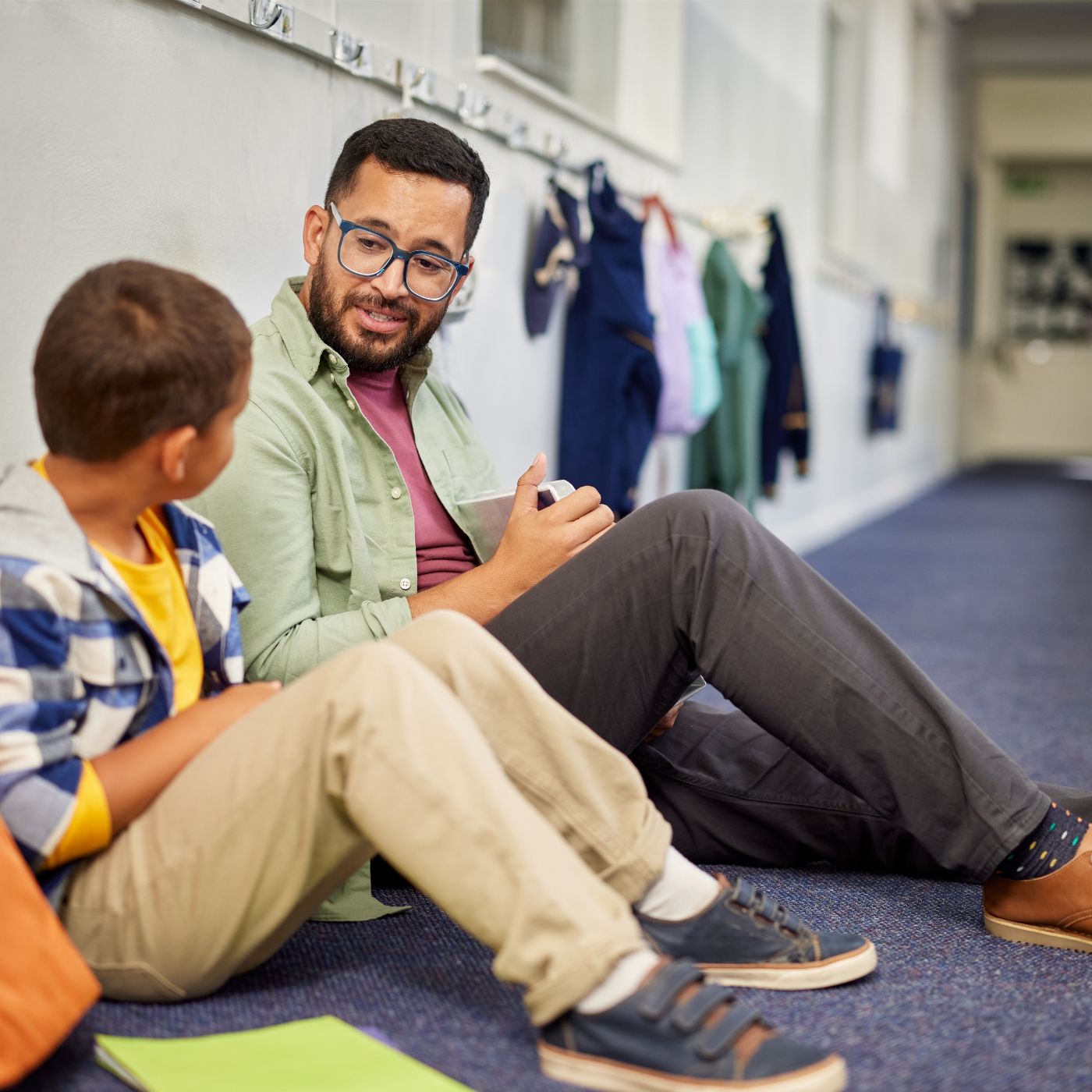
We speak with Dr. Cynthia Ballenger about her recent book, “Teaching is Inquiry: Observation and Reflection as the Heart of Practice,” in which she explores the role of ethnography in inquiry-based teaching and learning, i.e., cultural practices in terms of speaking, storytelling, and conveying information. Teachers can discern a lot more about students if they listen to them in the context of their ethnic/ cultural styles of communicating. Dr. Ballenger also addresses the children she calls “puzzling.” Each of them has something to offer, she says, even those who seemingly have social-emotional challenges.
Overview
00:00-00:58 In...
Hip Hop in the classroom: Reaching students where they are

We speak with Dr. Dawn Hicks Tafari, Professor of Education and Coordinator of Elementary Education at Winston-Salem State University in North Carolina. Dawn is author of "The Journey of Kamau Miller: Hip Hop Composite Counter Stories for Black Men Teachers." She uses hip hop as a way to communicate with students and composite counter stories to communicate beyond the academy.
Transcript
Click here to see the full transcription of this episode.
References
- The Journey of Kamau Miller: Hip Hop Composite Stories for Black Men Teachers, book by Dawn Tafari
...
Challenging credentialism: An alternative vision of education (Encore)
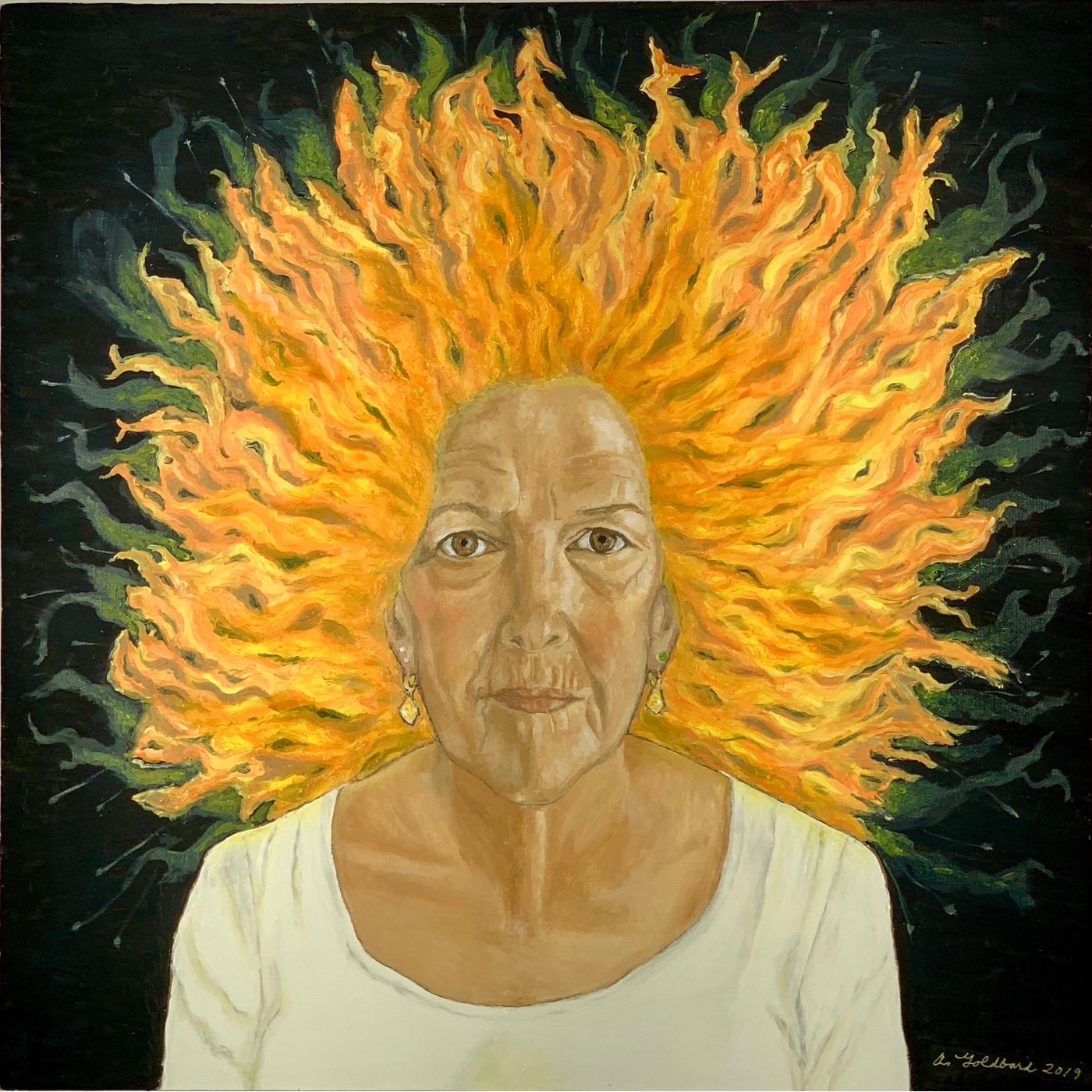
We speak with Arlene Goldbard, writer, visual artist, speaker, social activist and consultant, whose most recent book is “In the Camp of Angels of Freedom: What does it mean to be educated?” An autodidact from a working-class background, Arlene challenges “the certainty that academic qualifications are the best measure of ability.” She interweaves the stories and portraits of her “angels,” her personal story, and a critique of standard narratives of education. We talk with her in particular about two of her “angels,” Paulo Freire and Paul Goodman.
Overview
00:00-00:38 Intros
00:38-02:41 What “In the Camp of Angels...
Mobile Creativity Labs: Scaling STEAM Across India
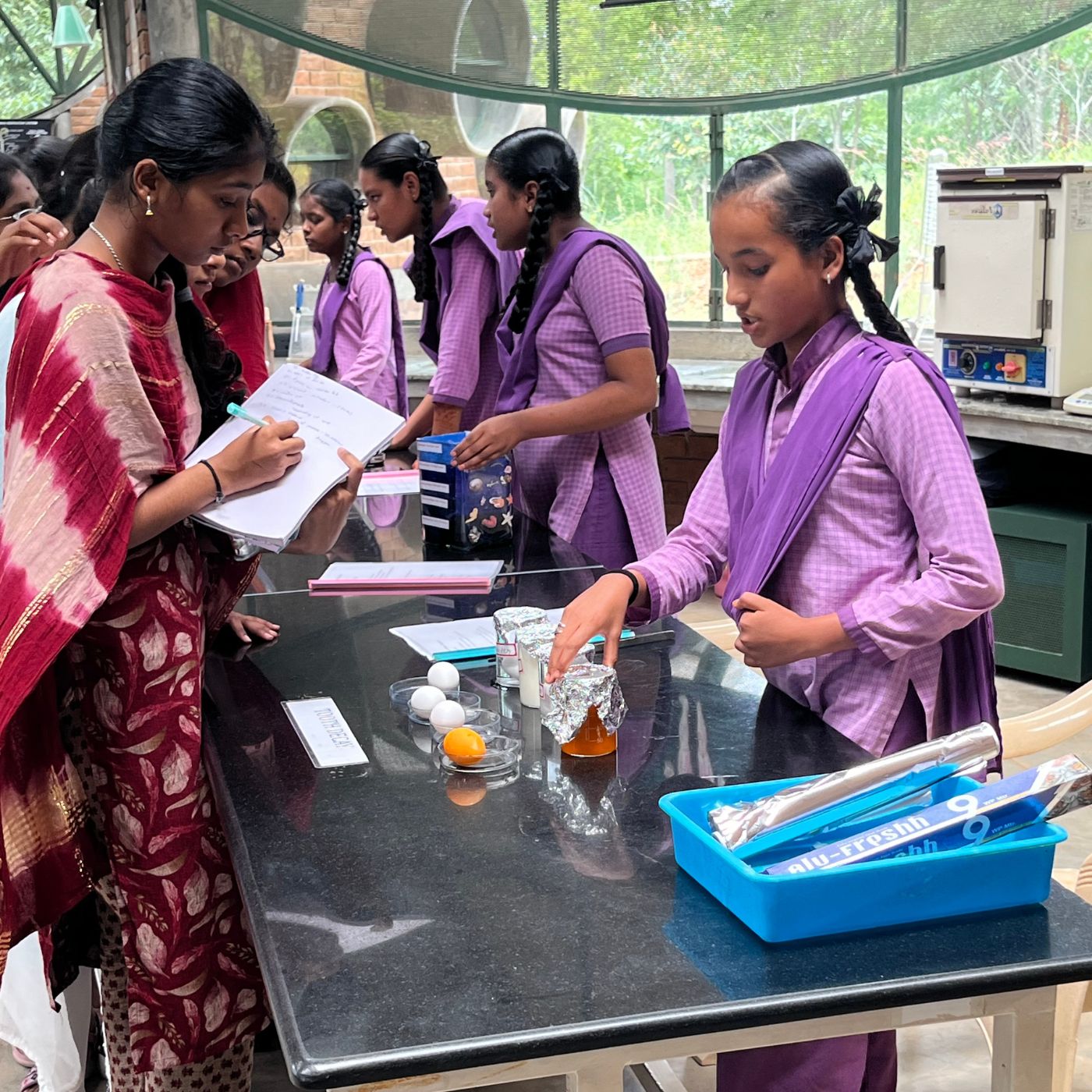
We speak with Dr. David Penberg and Adhirath Sethi about Agastya, a unique educational ecosystem serving students and teachers in 22 Indian states. Agastya has a hub-and-spokes design, with an elaborate 172-acre campus outside Bangalore and a fleet of mobile vans and bicycles delivering science and art programming to poor and rural children in far-flung towns and villages.
Overview
00:00-00:43 Intros
00:43-03:26 Agastya’s programs
03:26-04:51 Arts and interdisciplinary learning environment
04:51-07:58 Teacher training
07:58-11:10 Young Instructional Leader program
11:10-11:52 Ages of girls who started the YI...
Resilience: Preparing Children to Weather Traumatic Events
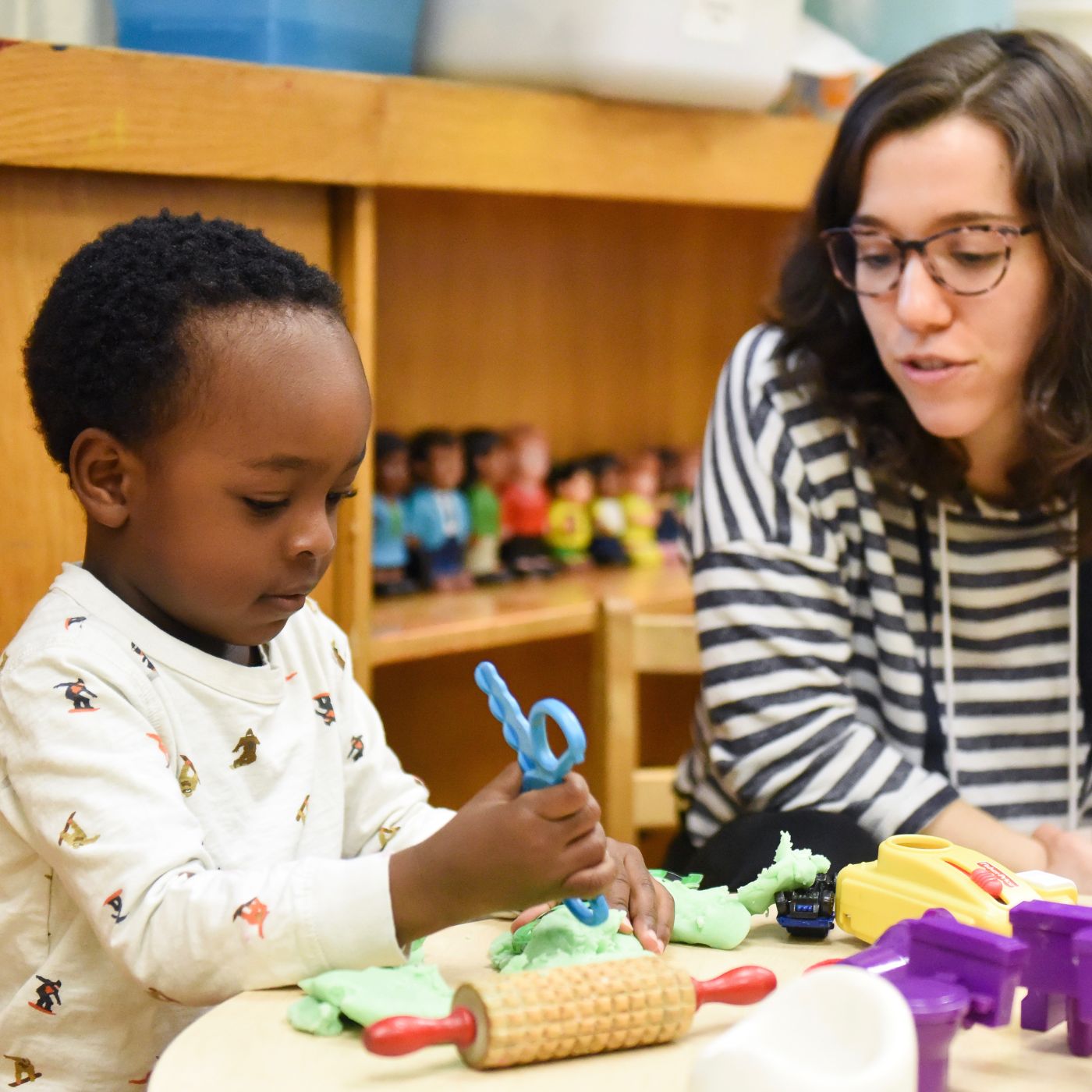
We speak with Dr. Tovah P. Klein, professor of psychology at Barnard College and the director of the Center for Toddler Development, about her book, “Raising Resilience: How to Help Our Children Thrive in Times of Uncertainty.” Dr. Klein describes how parents and teachers should build children's resilience BEFORE anything frightening or traumatic occurs. Most importantly, children and teens need to know they will never be alone, that their parents or trusted adults will always be there for them.
Overview
00:00-00:38 Intros
00:38-02:12 Building resilience proactively
02:12-04:22 Responding to traumatic situations at s...
Marygrove School: Place- and project-based teaching and learning
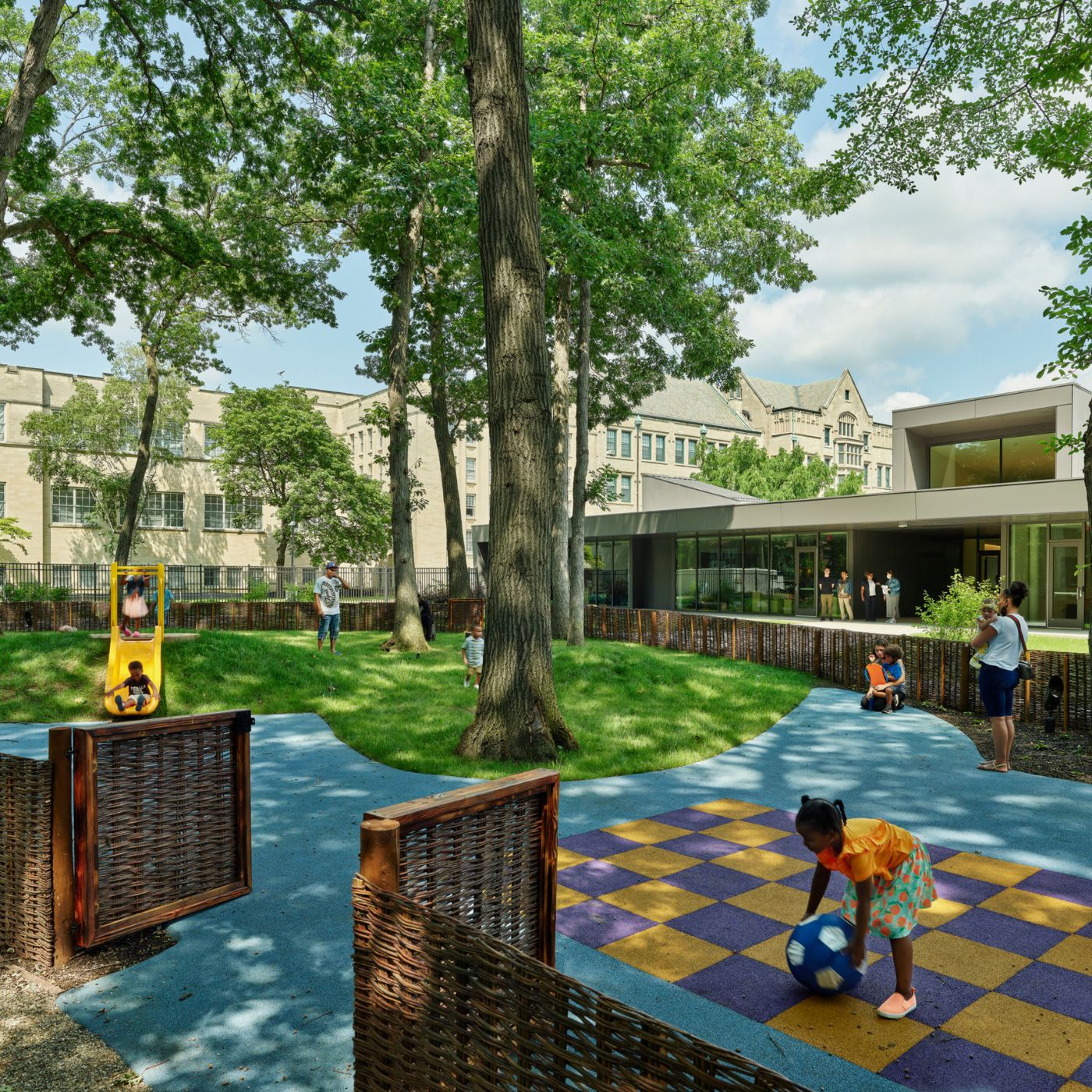
We speak with Dr. Elizabeth Birr Moje, dean and professor at the Marsal Family School of Education, University of Michigan. Dr. Moje discusses Detroit’s School at Marygrove, a university-school partnership serving children and families from before birth through grade 12. We talk about design-based research, Marygrove’s innovative teacher-residency program, and what being a model means to Marygrove.
Overview
00:00-00:46 Intros
00:46-03:16 How the school at Marygrove came to be
03:16-06:27 Teaching and learning in Detroit
06:27-11:05 Why this neighborhood and community for Marygrove
11:05-12:05 Demographics of the...
Honesty: What it means and how to teach it
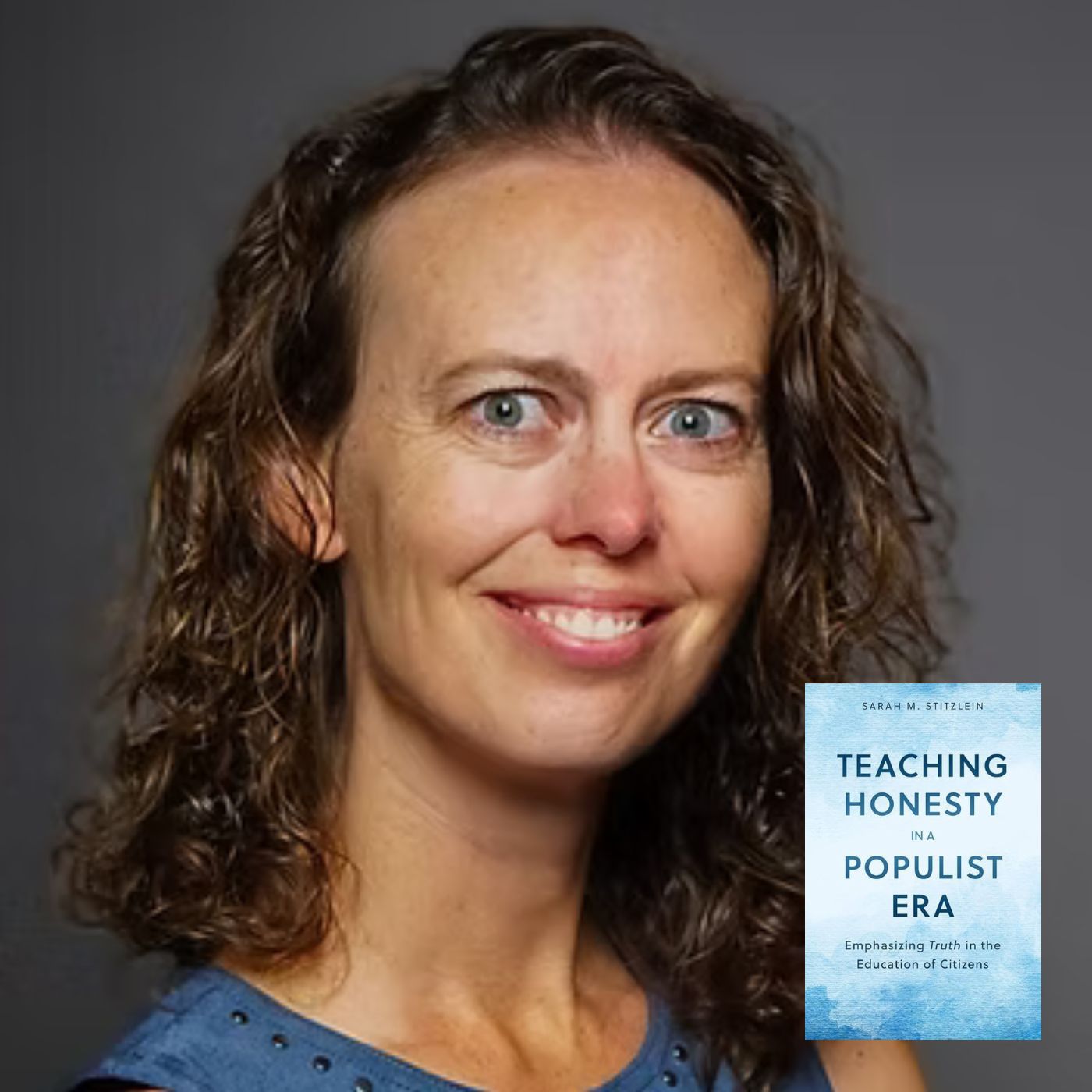
We talk with Sarah Stitzlein, author of "Teaching honesty in a populist era: Emphasizing truth in the education of citizens." Dr. Stitzlein, a professor of education and affiliate professor of philosophy at the University of Cincinnati, is concerned with how to teach in a political context where truth and honesty seem increasingly at risk. She contrasts the philosophical approaches of populism and the pragmatism of educational philosophers such as John Dewey.
Overview
00:00-00:41 Intros
00:41-02:10 Why the book and the title
02:10-03:15 Defining populism
03:15-04:24 Differences between left and righ...
Creating democratic learning environments: Educators in conversation

We speak with Dr. Linda F. Nathan and Jonathan Mendonca, two co-editors of the recently published book, "Building Democratic Schools and Learning Environments: A Global Perspective," an anthology of accounts of creating innovative schools around the world. We discuss autonomy vs large-scale uniformity, issues of scaling innovations, and defining success. The book, intentionally available free online, includes both existing schools and concepts of possible schools.
Overview
00:00-00:59 Intros
00:59-02:48 Building democratic schools and learning environments
02:48-07:02 How the book came to be written
07:02-08:00 “Many ways” that schools can prep...
Teaching from core values: Practical wisdom at the crossroads of philosophy, education, and teacher ed
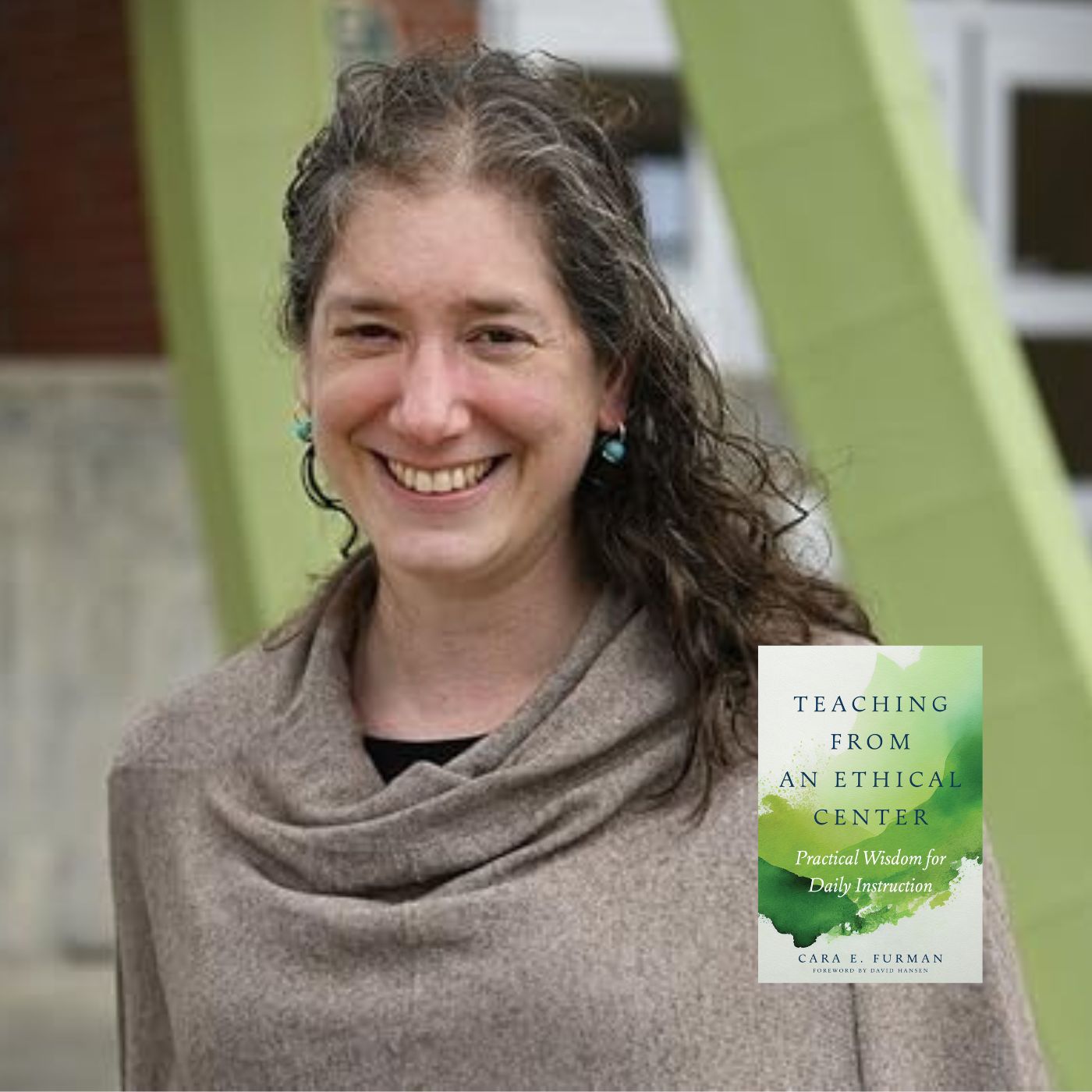
We speak with Cara E. Furman, Associate Professor of Early Childhood Education at Hunter College, about her book "Teaching from an Ethical Center: Practical Wisdom for Daily Instruction." Dr. Furman focuses on teachers ensuring that their practice corresponds with their ethical center. She emphasizes teachers’ knowledge of learning environments, local communities, and the children themselves. We discuss the ethical problems with "fidelity" as applied to teaching.
Overview
00:00-00:43 Intros
00:43-03:15 Crossroads of philosophy, teaching, teacher ed
03:15-04:47 Practical wisdom
04:47-07:02 “The way that teachers know”
07:02-11:33 “Fidelit...
Historical accuracy and nuance: Teaching African American studies in Kentucky
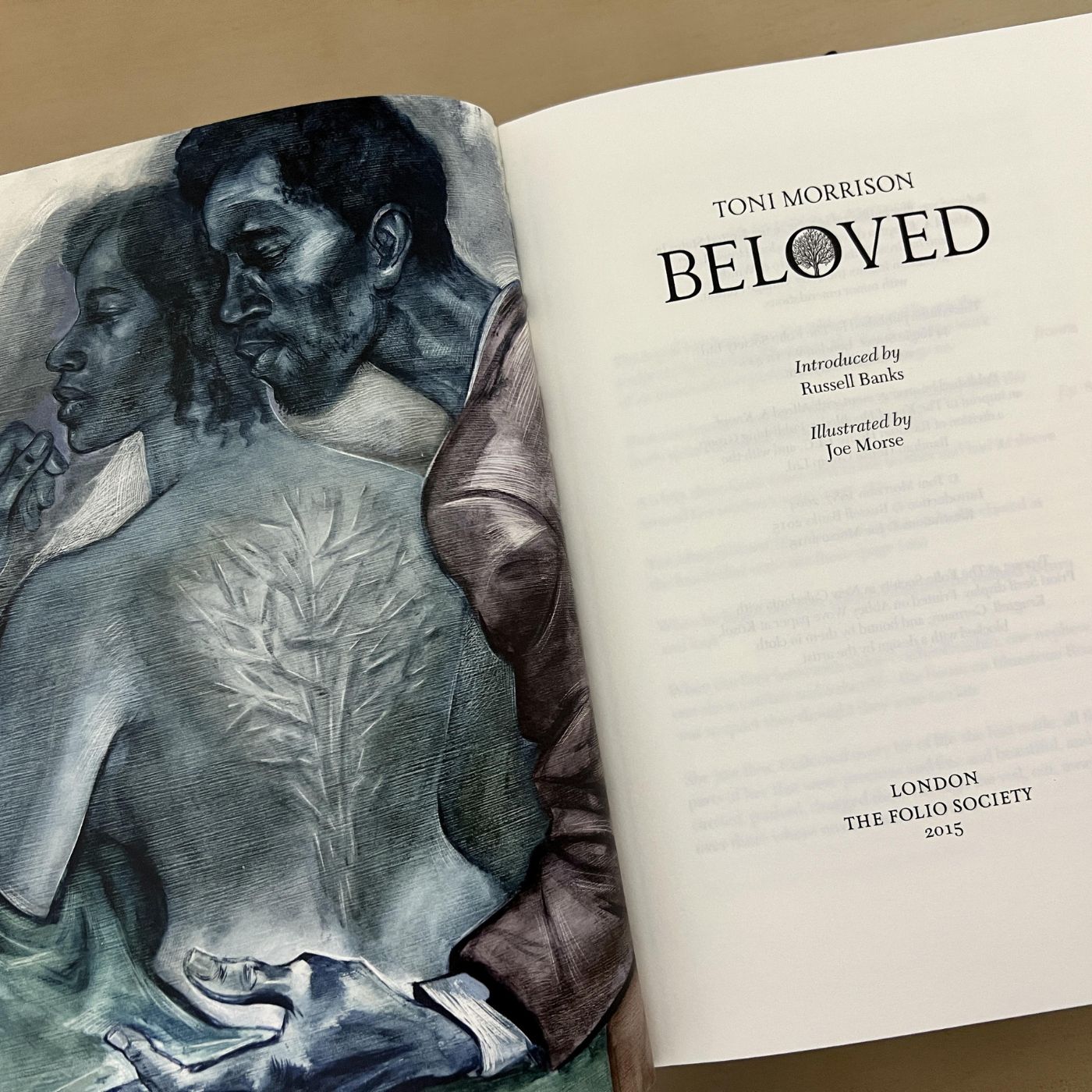
We speak with Ahenewa El-Amin, who teaches AP African American Studies in Kentucky, a state with a law restricting teaching about the legacy of slavery. Ms. El-Amin discusses the law as well as how she is able to teach the history of Kentucky, a state that is “north and south,” and open students’ minds to new perspectives.
Overview
00:00-00:55 Intros
00:55-02:45 Meaning of Kentucky law on teaching about race
02:45-03:37 Have any teachers been charged with violating the law?
03:37-04:52 Differential impact on long-term and newer teachers
04:52-06:27 Ex...
Successful Teaching Careers: Empowering Non-Traditional Candidates
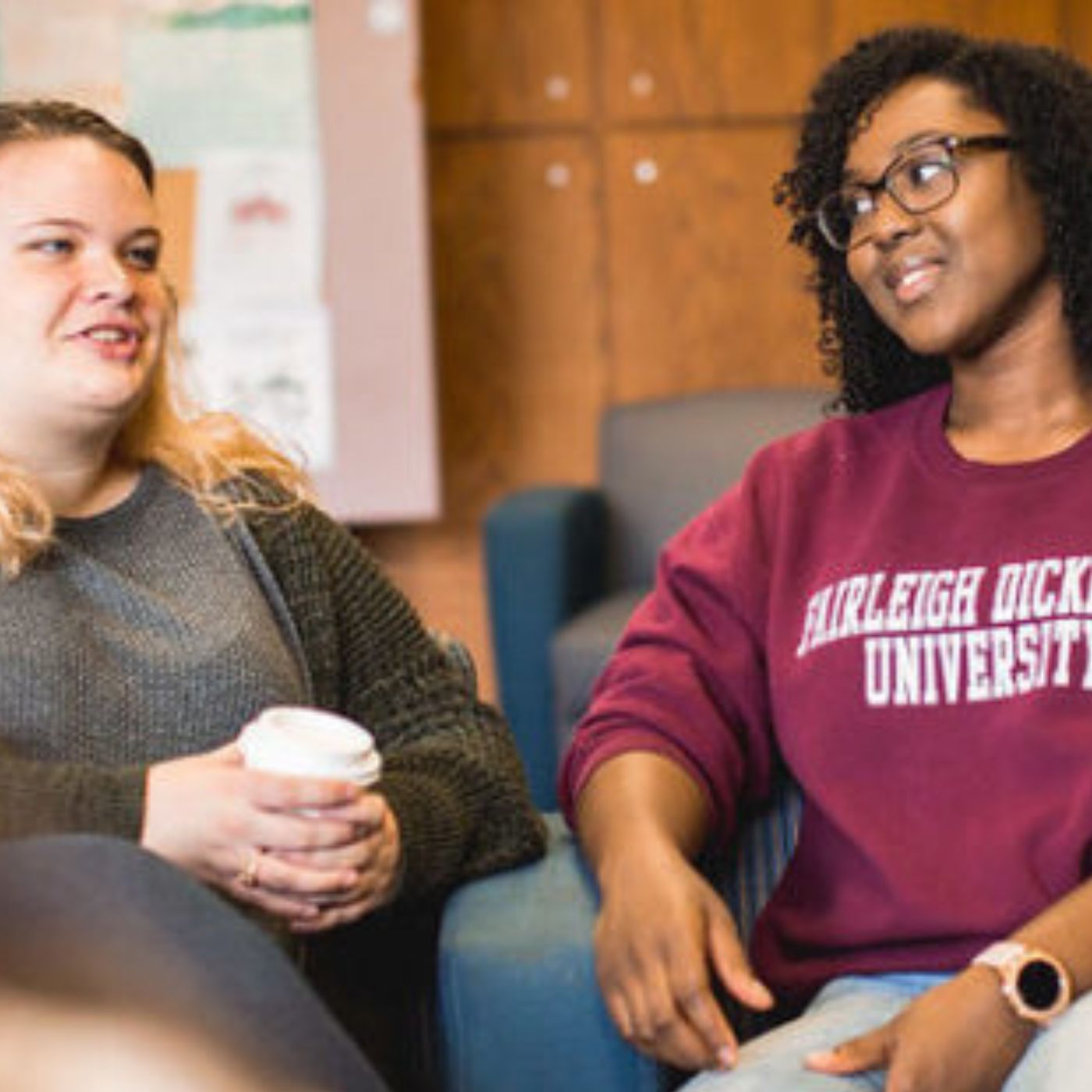
We speak with Dr. Kathryn Spence, Director of the School of Education at Fairleigh Dickinson University, about actualizing a focus on social justice and equity. She discusses strategies for broadening the pipeline of teachers, especially teachers of color, including career ladders and “Grow Your Own” programs. Dr. Spence describes how FDU makes teacher ed financially feasible for students as well as what makes teachers stay in or leave schools.
Overview
00:00-00:40 Intros
00:40-04:08 How Dr. Spence’s experience shapes her approach to teacher ed
04:08-06:25 How research h...
“The hate level is unreal”: fighting book bans and protecting librarians
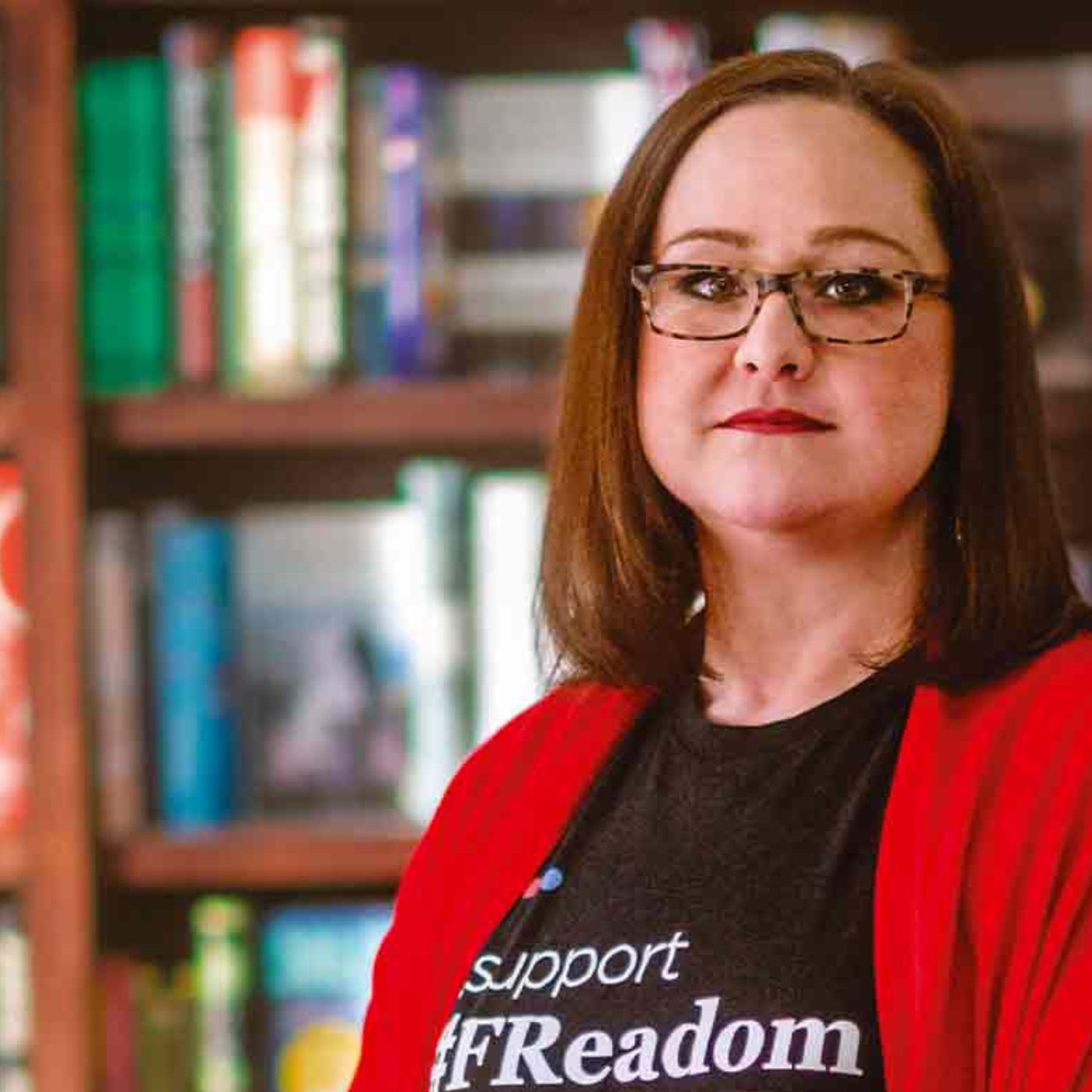
We speak with Amanda Jones, a school librarian in Livingston Parish, Louisiana. Ms. Jones is the author of “That Librarian: The Fight Against Book Banning in America.” The book recounts how speaking out for race- and gender-related books in libraries led to her being targeted and threatened by book-banning extremists. She describes initial abandonment by friends and colleagues who were afraid to speak up. But nationwide, librarians and their constituents are fighting back. Ms. Jones includes tips for librarians and teachers facing attacks.
Overview
00:00-00:47 Intros
00:47-01:35 What a Library Board of Contr...
NYC high school surveys: Disparities in student stress and support
The authors of a recent Chalkbeat analysis discuss the Department of education’s 2023 high school survey, which shows girls, especially girls of color, have much higher stress levels, and feel less supported, than boys. Michael Elsen-Rooney, an NYC public school reporter; Kae Petrin, a data and graphics reporter; and Liza Greenberg, a Bronx High School of Science senior, unpack the data, which the DOE has largely disregarded.
Overview
00:00-00:51 Intros
00:51-03:10 Annual NYC Dept. of Education student survey
03:10-03:42 Chalkbeat
03:42-06:13 Takeaways from citywide data
06:13-06:39 Bi...
Middle schoolers as scholars: Critical participatory action research
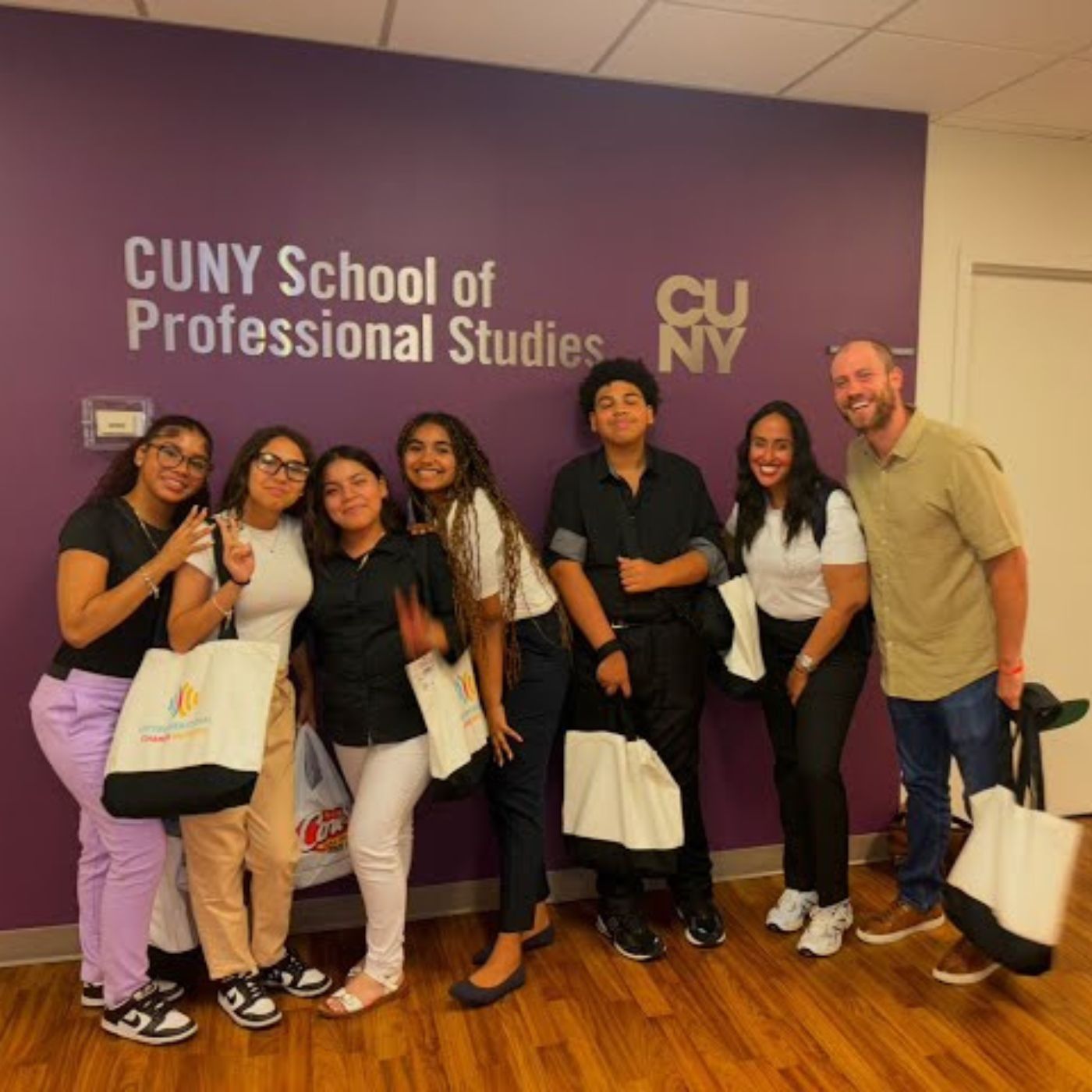
We speak with Dr. Sam Finesurrey, assistant professor of history at Guttman Community College, and three 2024 graduates of School in the Square (S2), a charter middle school in Washington Heights, Manhattan. Dr. Finesurrey worked with 14 students on a research project studying S2 students’ social emotional learning, including reactions to the pandemic and faculty turnover. Dr. Sam and the students talk about the process, what they found, and how the school modified policies in response to the study’s findings.
Overview
00:00-00:50 Intros
00:50-02:22 Critical participatory research
02:22-04:21 Participatory oral history project at Sch...
Equity by design: residency-focused teacher education
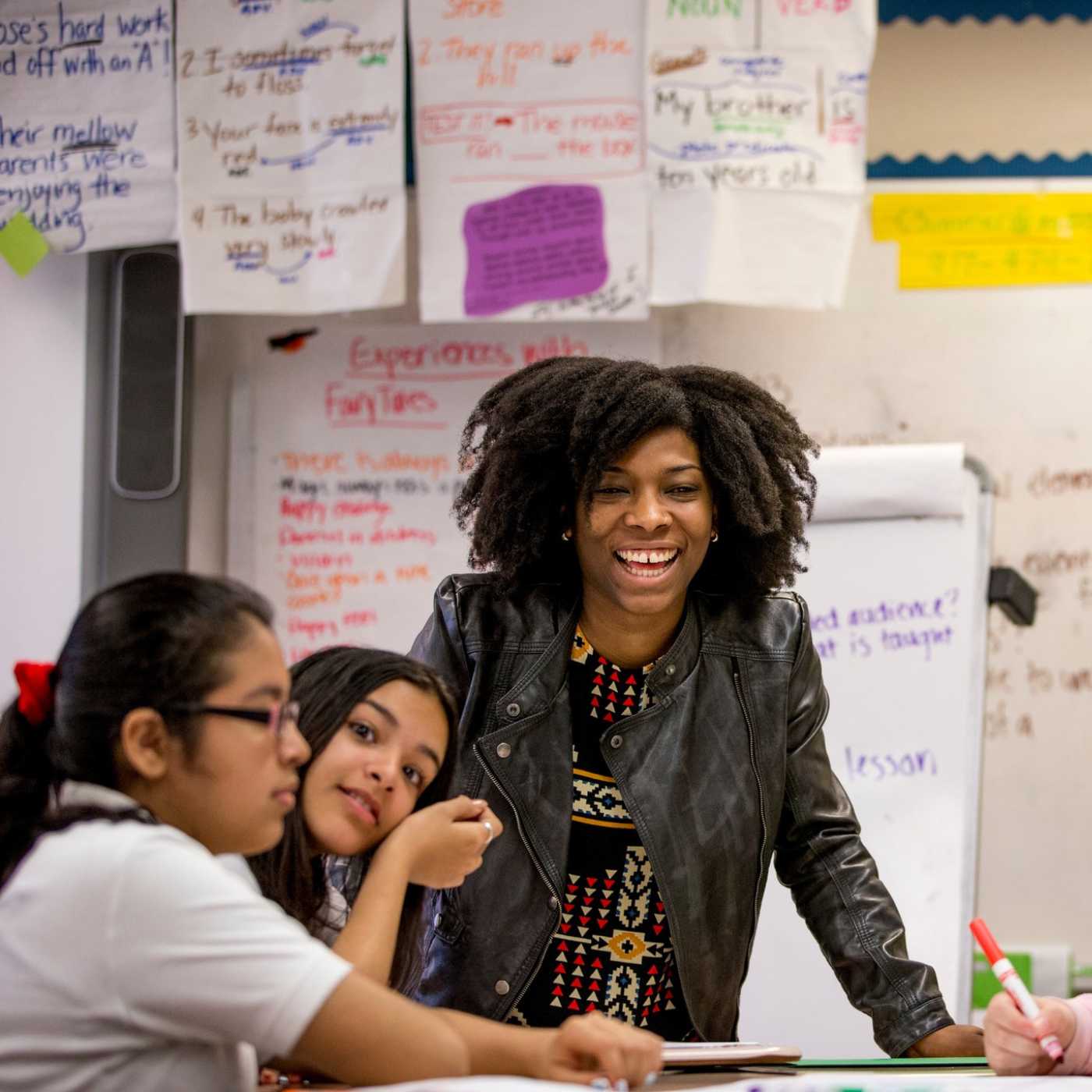
We speak with Dr. Diana Turk, Chair of the Department of Teaching and Learning and Director of Teacher Education at NYU. Students in NYU’s unique teacher residency program work full-time in classrooms, for which they are paid, making it possible for students without a lot of money to attend. By design, the program attracts BIPOC students. Students receive support from NYU faculty, both on location in their schools and online. They attend classes in the evenings, virtually. The program is uncompromisingly justice- and equity-centered.
Overview
00:00-00:34 In...
Supporting Black and Indigenous educators: Creatively developing community in Washington state
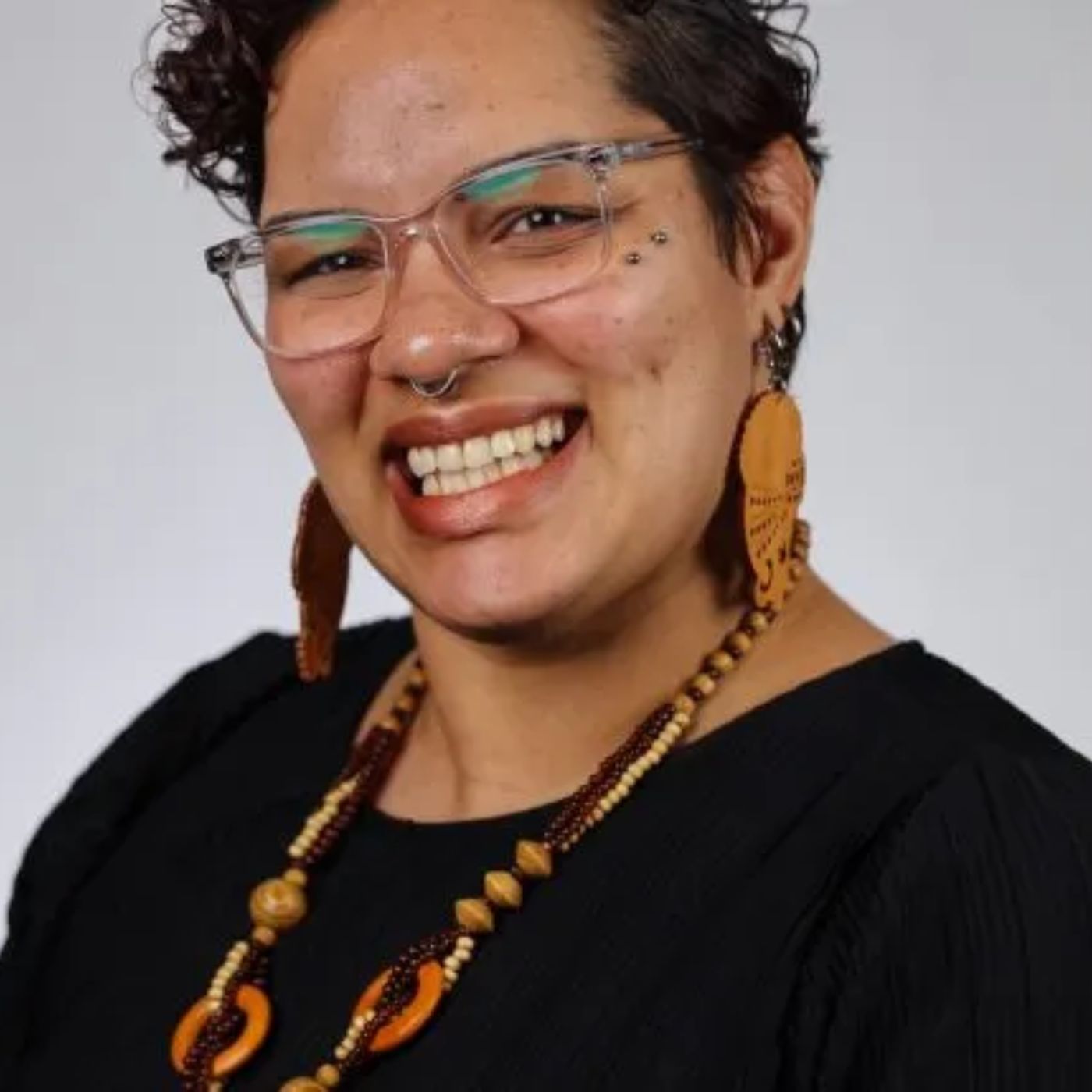
We speak with Danielle Bryant, Director of Equity at Capital Region Educational Service District 113. Ms Bryant helps to break down isolation of Black educators and supports Indigenous educators and schools on reservations. A District program facilitates paraeducators becoming certified teachers.
Overview
00:00-00:30 Intros
00:30-01:43 Educational Service District
01:43-02:57 Areas served in Washington State—urban and rural
02:57-03:42 racial and ethnic composition of students and teachers
03:42-07:16 Recruitment and retention of teachers of color
07:16-09:31 Issues that Black teachers in particular face
09:31-11:31 Support for...
Going deep: Student-directed learning in Performance Standards Consortium schools
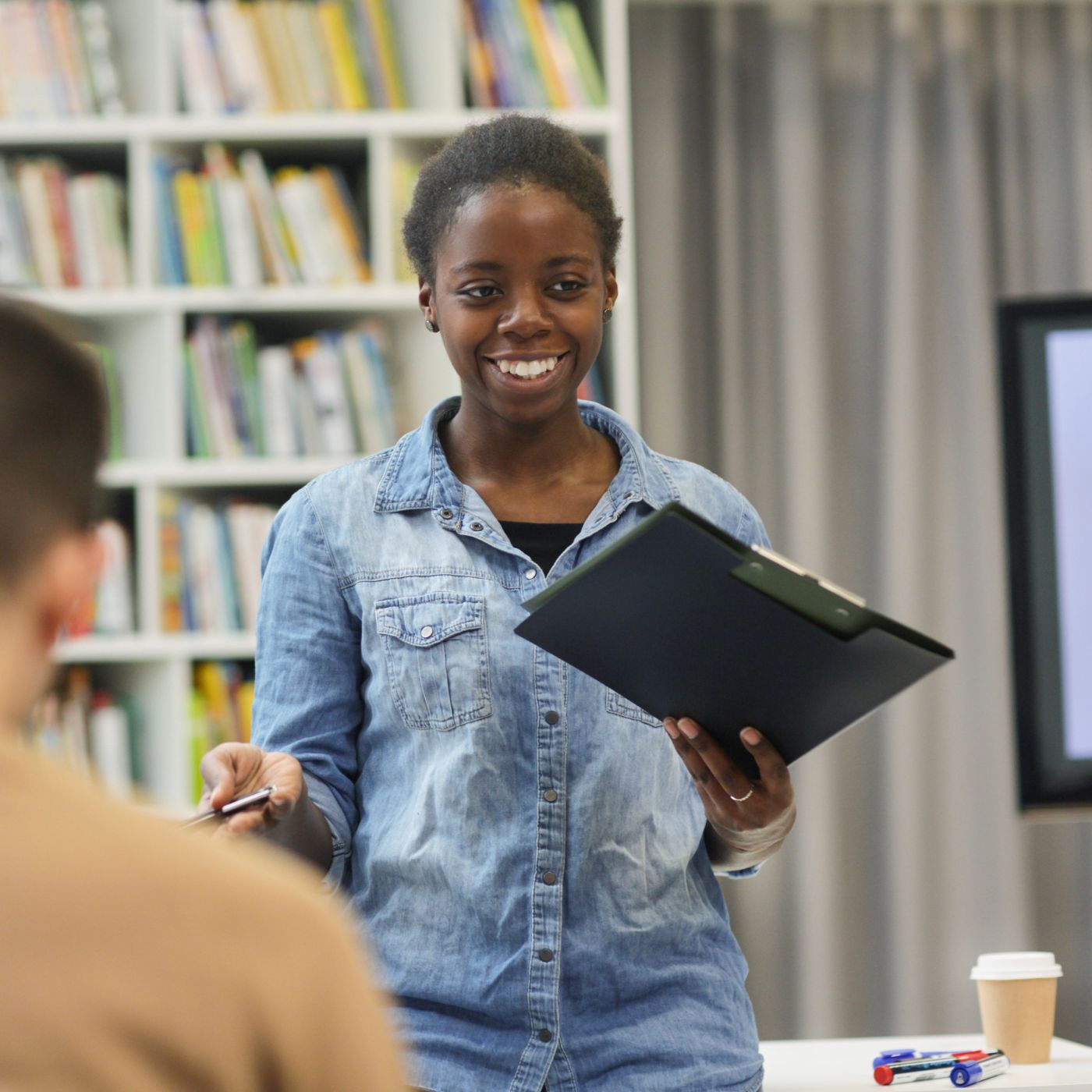
We speak with Adam Grumbach, social studies program coordinator of the New York Performance Standards Consortium, and Naseem Haamid, a law student who attended Fannie Lou Hamer High School. We discuss inquiry based learning, Performance Based Assessment Tests, Habits of Mind, and self-directed, interdisciplinary portfolios, as alternatives to standardized-test driven curricula.
Overview
00:00-00:54 Intros
00:54-02:04 NYS Performance Standards Consortium
02:04-03:54 Potential effect on Consortium of elimination of Regents exams as graduation requirement
03:54-05:09 Inquiry- and literacy-based education
05:09-06:27 Creation of curricula
06:27...
Rebuilding the Black teacher pipeline: Advancing justice and academic outcomes
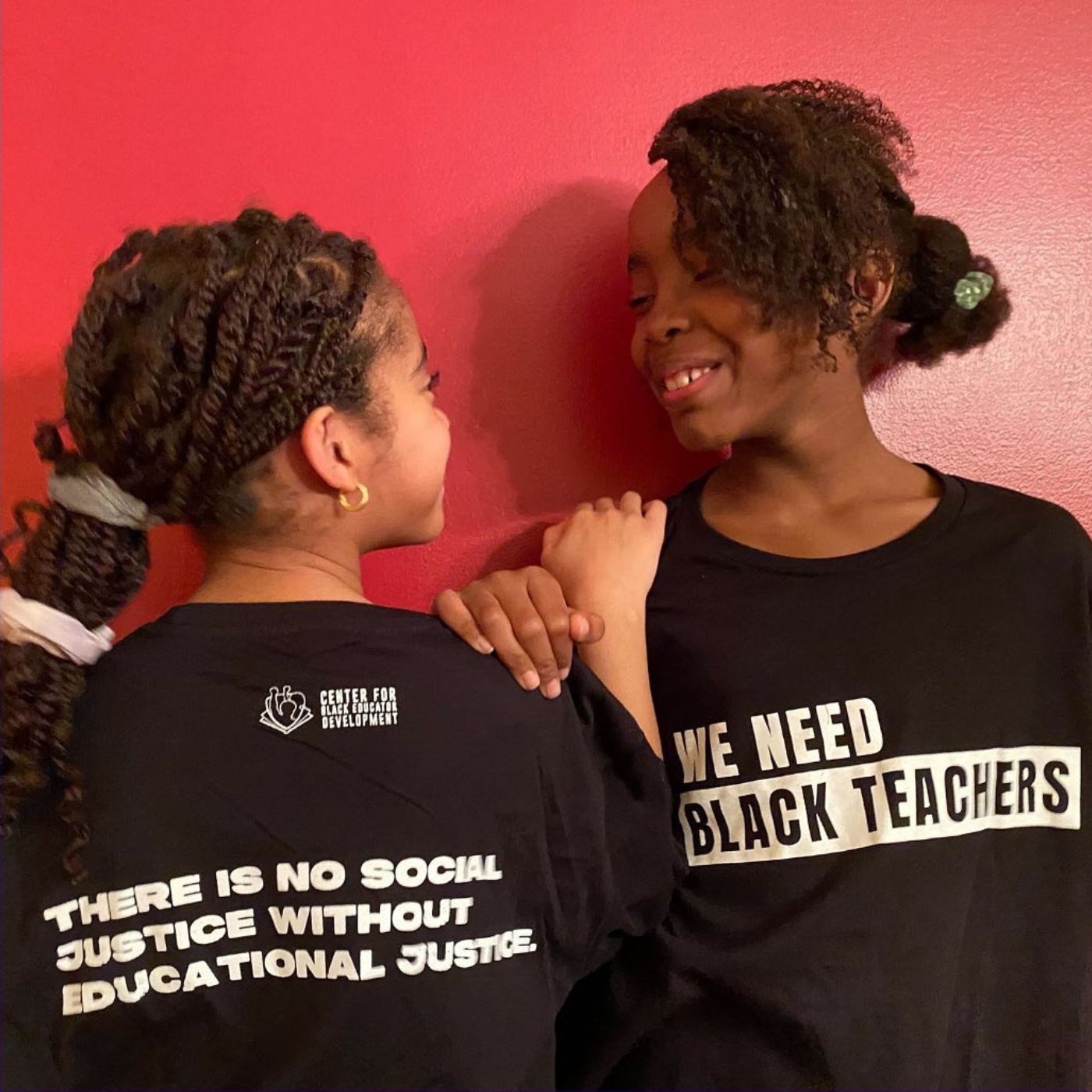
Ansharaye Hines and Mimi McKee of the Center for Black Educator Development discuss how the presence of highly qualified Black teachers supports students’ educational success. The Center advocates for educational equity and provides multiple teaching pathways to encourage and support Black high school and university students to become teachers.
Overview
00:00-00:43 Intros
00:43-03:53 The Center for Black Educator Development
03:53-06:53 Education as a justice issue
06:53-12:19 Quality education as a Constitutional right
12:19-14:10 Roles and goals for Black educators in classrooms
14:10-17:40 How Black educators can thrive and hopefully make ch...
High stakes: Teaching to the tests in K-12

We continue our conversation with Harry Feder of FairTest. This time, we discuss high stakes tests in K-12 schools. Harry explains how tests and the prep for them came to dominate education and the consequences for students, teachers, and schools of high or low scores. He also describes how the same companies dominate textbooks and testing, and suggests some alternatives to high-stakes tests.
Overview
00:00-00:50 Intros
00:50-06:35 How testing became such a huge part of the K-12 experience
06:35-09:31 Amount of testing autonomy of districts and schools
09:31-14:23 Consequences a...
SATs and the illusion of fairness
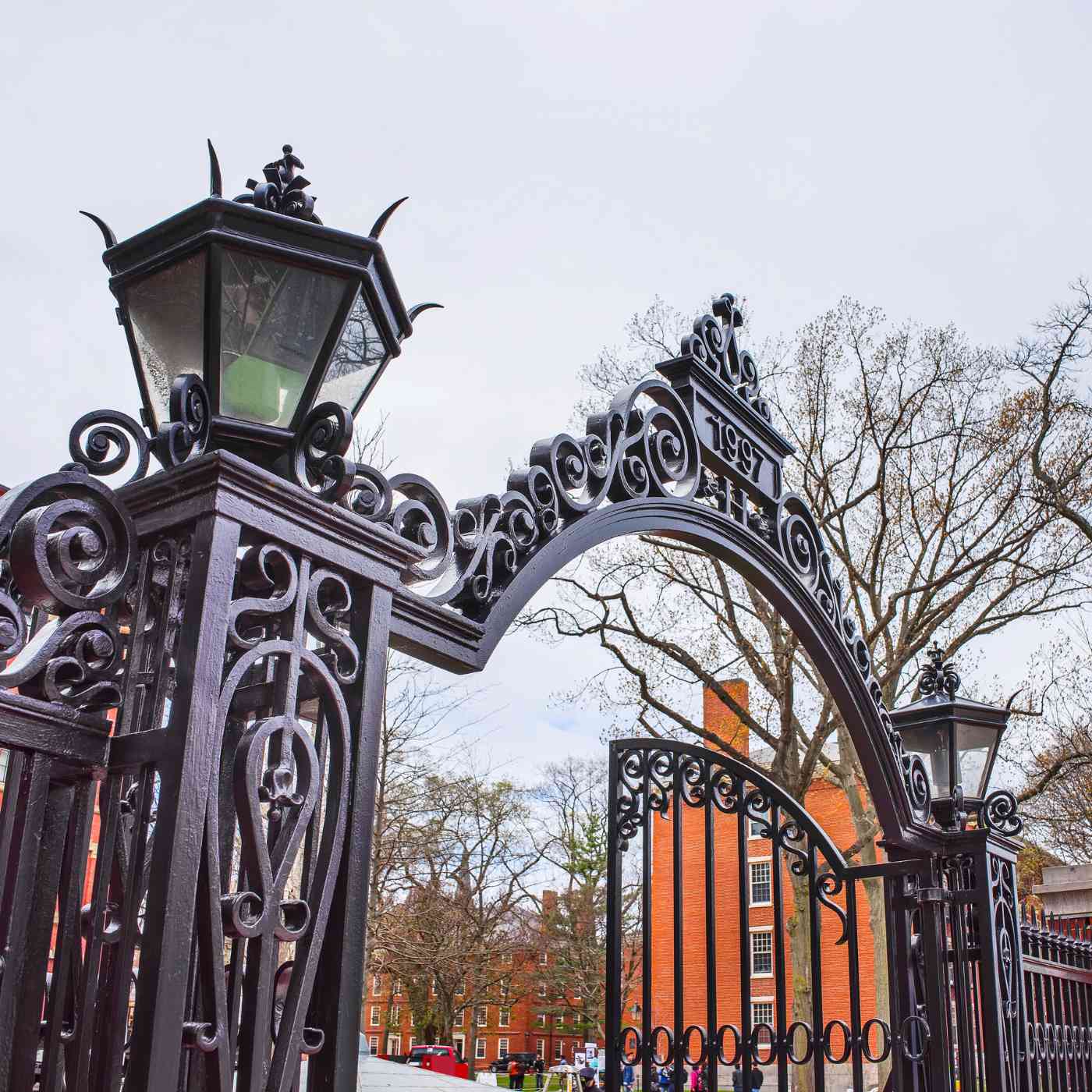
We speak with Harry Feder of FairTest, an organization that advocates for fair and open testing, about the reinstitution of standardized test requirements at some “Ivy Plus” colleges, and why it matters. We discuss how testing choices affect inclusion and exclusion in admissions and what most non-“Ivy Plus” schools do. In a follow-up interview with Harry Feder, we will discuss standardized tests in K-12 schools.
Overview
00:00-00:46 Intros
00:46-05:06 History of college admissions tests
05:06-08:33 What the SAT purports to test and what it tests
08:33-10:33 The SAT, admissions, and math
10...
Early intervention: Model assessment center reduces youth arrests
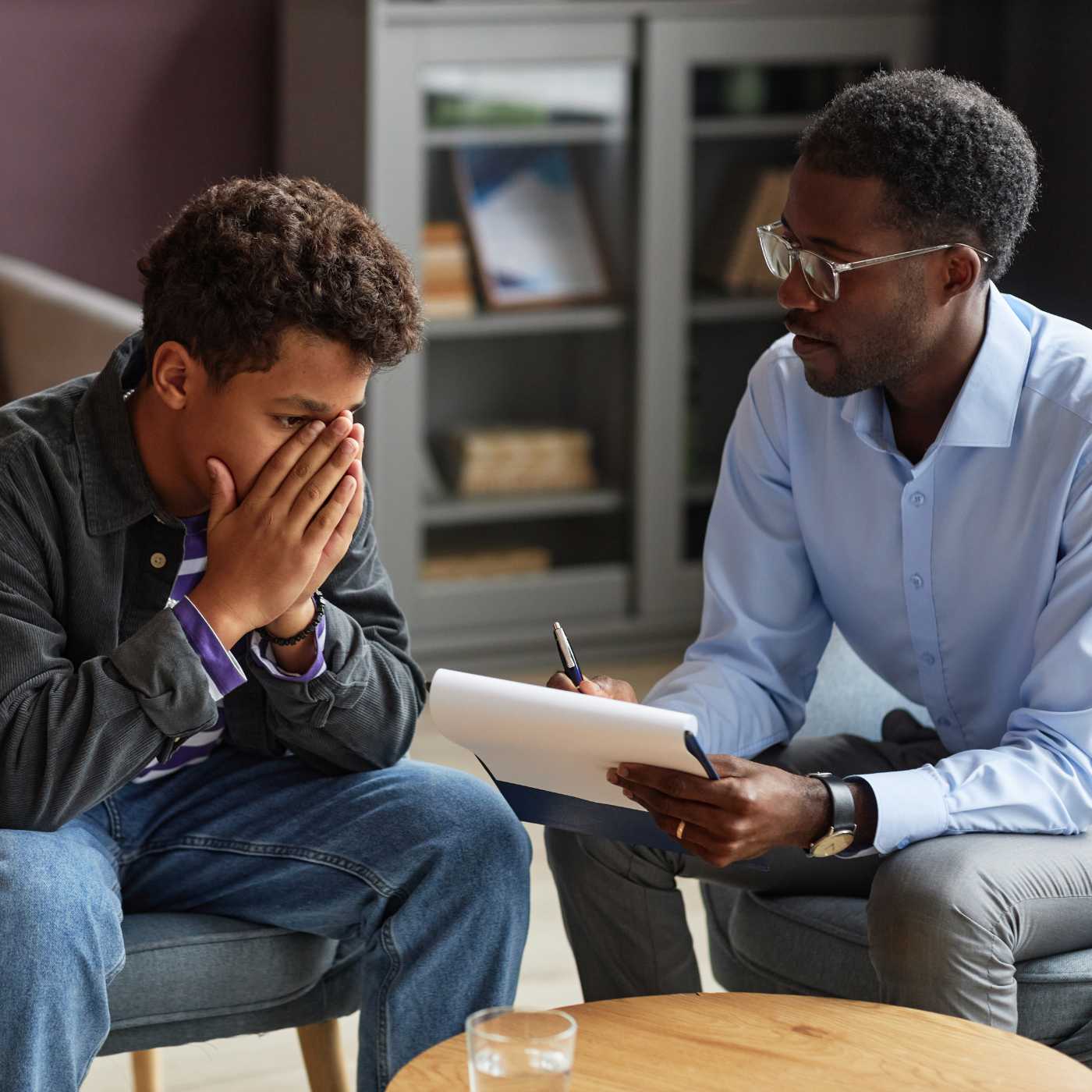
Steve Evangelista, longtime NYC educator, and Anthony Celestine, director of the Office of Juvenile Justice Services at Calcasieu Parish, Louisiana, talk about Calcasieu's Multi-Agency Resource Center. MARC, an assessment center that coordinates services for struggling families, has been extraordinarily successful in reducing young people's involvement with the juvenile justice system.
Transcript
Click here to see the full transcription of this episode.
Overview
00:00-00:50 Intros
00:50-01:28 How Steve and Anthony met
01:28-03:19 What the MARC is and how it is innovative
03:19-04:51 Families’ fears
04:51-07:59 Ed...
What Would YOU do? Walling Out or Welcoming In?

What boundaries should a school set on student speech, if any, in order to foster social-emotional learning, civil discourse, and friendship among students? How might they hold themselves and their students accountable for upholding school values, even when they are not reflected on the national political landscape?
We invite you to watch the 3rd episode of our video podcast series “What Would YOU do?”, created in partnership with EdEthics of the Harvard Graduate School of Education.
The episode “Walling Out or Welcoming In” explores the challenges posed by divisive political rhetoric for school classrooms and communitie...
Elevating undervalued professionals: Support for substitute teachers
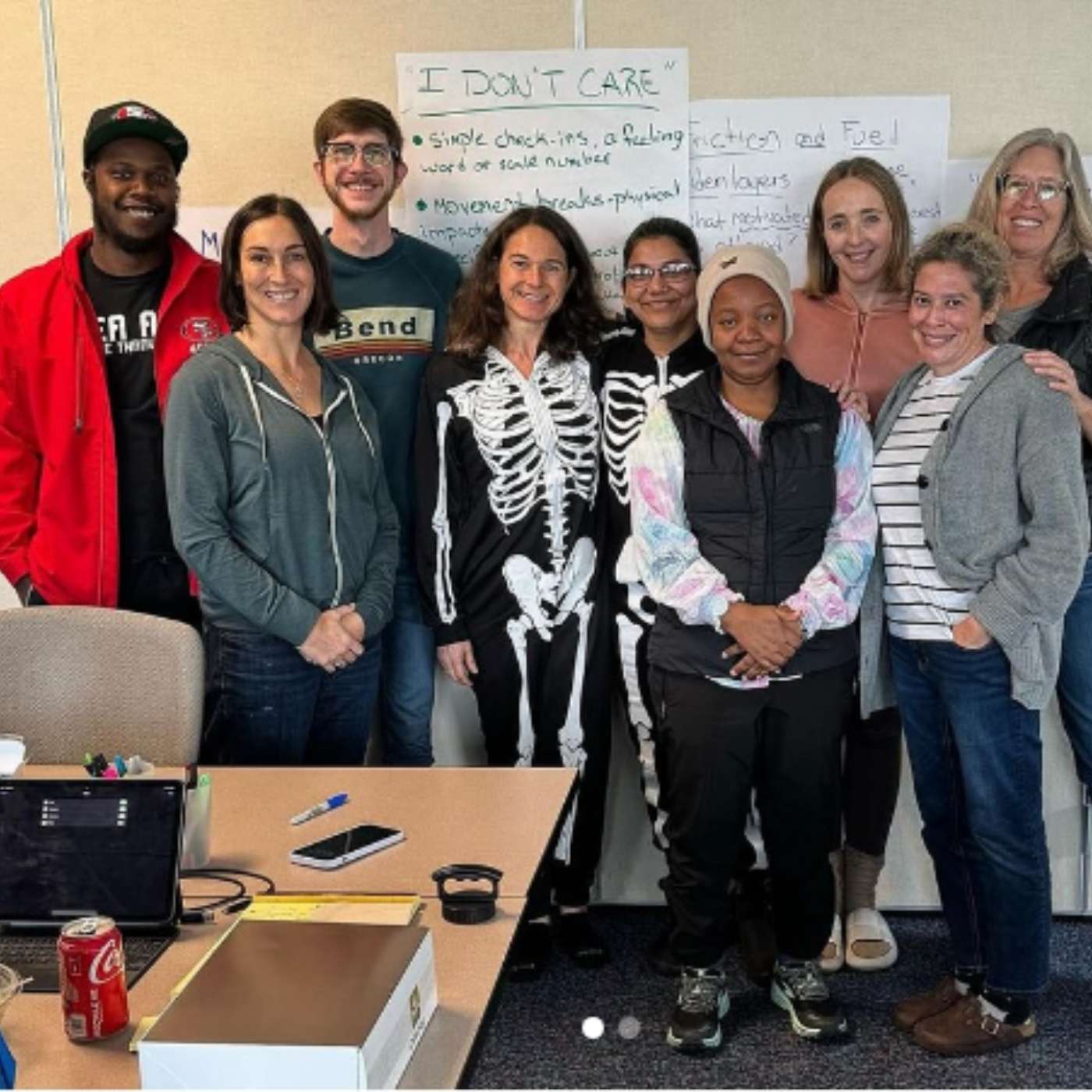
We speak with Megan M. Conklin, who designs and implements professional development for substitutes in Washington state. Substitutes often don’t receive the support and compensation they deserve. Ms. Conklin’s union-backed program teaches subs classroom survival skills and advocates for equity among school staff members.
Overview
00:00-00:37 Intros
00:37-04:44 Why Megan Conklin has chosen to be a substitute
04:44-07:19 Major issues subs face
07:19-11:13 Structure and culture of Megan Conklin’s program
11:13-16:59 What a sub should do if thrown into a situat...
Enriching student life: Art for all
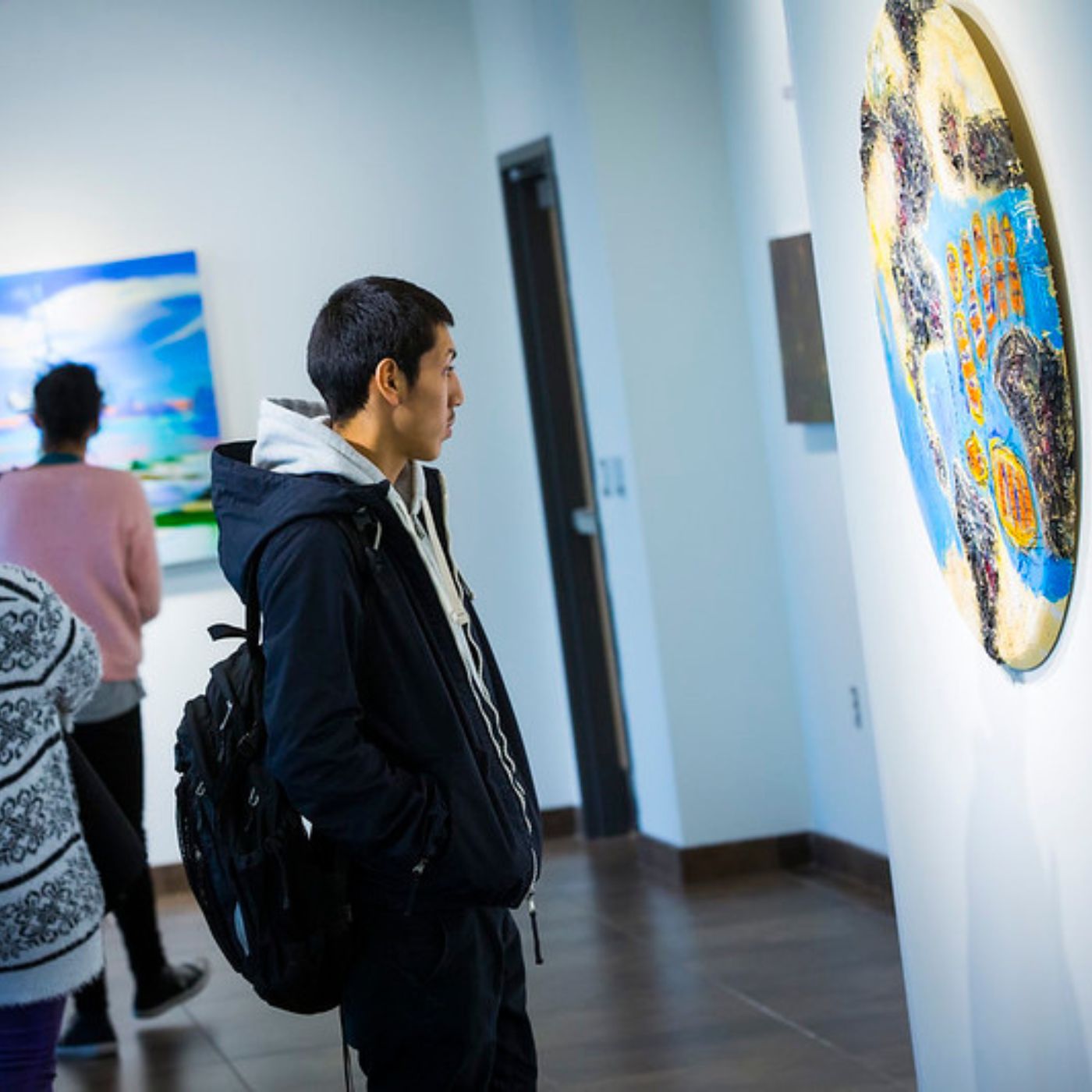
We speak with Dr. Andrea Siegel and Michelle Vitale of Hudson County Community College about the ways they bring art into students’ everyday lives. They’ve assembled a multi-ethnic art collection which is displayed on rotation in the galleries and hallways. Living with art is new to many of the students, who are often the first generation in their families to go to college. Our guests tell their own stories about their parents’ reactions to their choosing to become artists.
Overview
00:00-00:52 Intros
00:52-01:22 Hudson County Community College
01:22-02:0...
Solving teacher shortages: It’s not just pay (Encore)
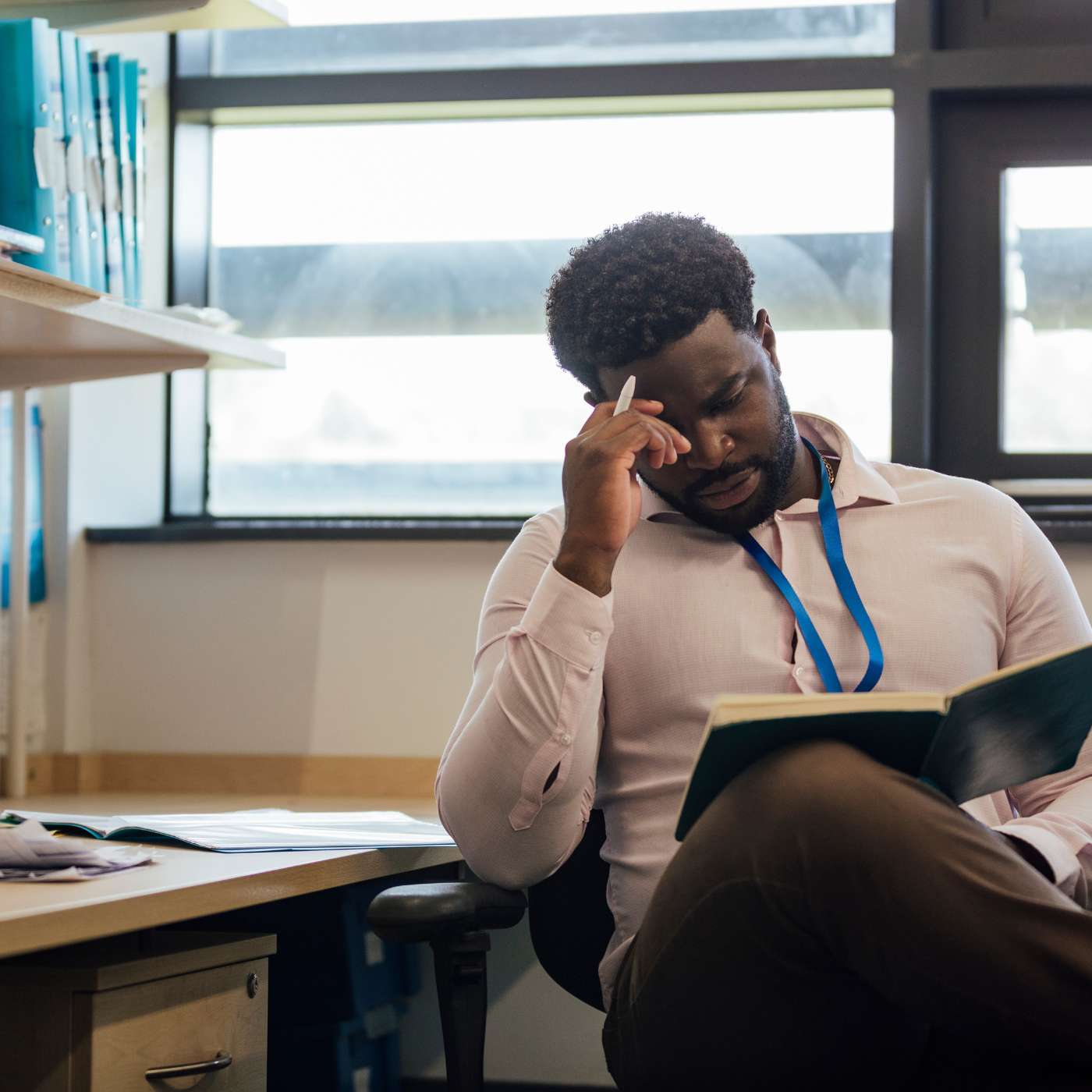
Drs. Katherine Norris and Kathryn Wiley, colleagues at Howard University’s School of Education, speak about obstacles to recruiting and retaining teachers and increasing diversity. Money matters, but even more, so does ending discrimination. “Racial battle fatigue” is pervasive among Black teachers.
Overview
00:00-00:58 Intros
00:58-02:44 Factors contributing to teacher shortage
02:44-08:15 American Teacher Act: what’s in it and what’s not
08:15-10:56 Adopting the DC social studies standards; overcoming pushback
10:56-13:06 History of curriculum battles, “Color in the Classroom: How American Schools Taught Race,” by Zoe Berkholder
13:06-17:39 Acute shortage...
What’s real and who/what matters: Sentientism in schools

We speak with Jamie Woodhouse, UK educator and thought leader on sentientism. An ethical worldview informed by evidence, reason, and compassion, sentientism prioritizes the well-being of humans and animals other than human. We discuss strategies for introducing sentientism in the classroom, the questions students ask, and ways teachers can incorporate sentientism in the curriculum.
Overview
00:00-00:32 Intros
00:33-02:09 Definition of Sentientism
02:09-05:11 History of Sentientism
05:11-7:59 Do we know who/what are sentient?
7:59-10:39 Are plants sentient?
10:39-11:55 Does sentientism take future generations into account?
...Climate change education: Meeting NJ’s mandate hands-on
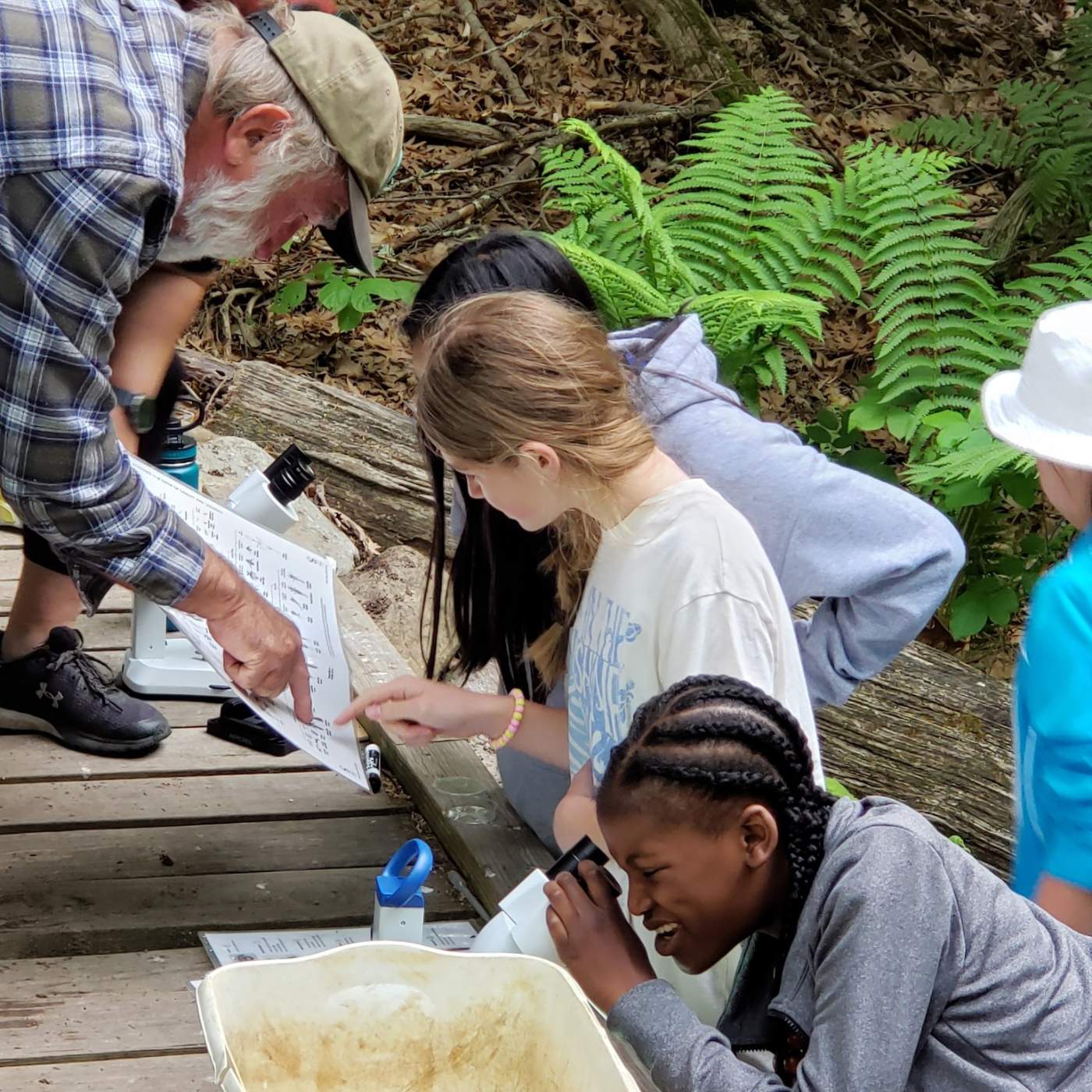
We speak with the New Jersey School of Conservation’s Kerry Kirk Pflugh and Tanya Sulikowski, and Garwood, NJ middle school teacher, K.C. Bree about the SOC and about New Jersey’s first-in-the-nation mandate for climate change education in every grade. The SOC, a newly-reopened 75-year-old center for experiential learning and fieldwork, provides professional development as well as interdisciplinary programming for students including applied science, math, humanities, and arts in an idyllic outdoor setting. Students learn about humans’ responsibility toward other animals and the planet, and are empowered to take action.Working cooperatively, they often develop new respect for th...
Celebrating students’ “superpowers”: What tests can’t measure
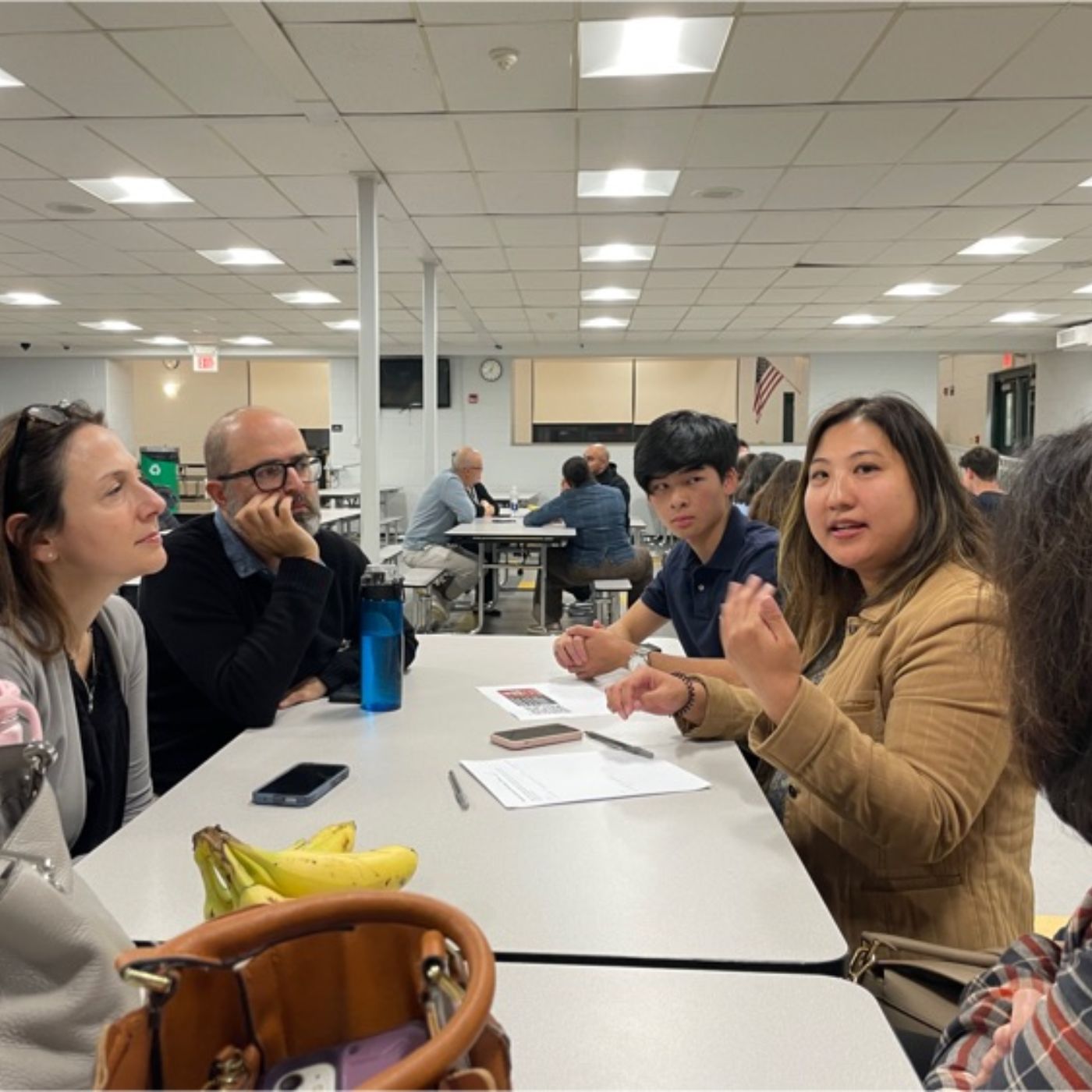
We speak with Dr. Peter Hughes, superintendent of New Jersey’s Cresskill School District, an affluent New York City suburb with large Korean and Israeli communities, about respecting disparate cultures while centering individual students’ interests, talents, and needs. We discuss effective means of communicating with bicultural parents and inclusive strategic planning. How can schools prepare students for joyful futures where they also serve others and are impactful on the world around them?
Overview
00:00-00:16 Intros
00:16-01:47 Cresskill demographics
01:47-03:31 Engaging with parents in a multilingual community
03:31-05...
Cultivating layups, confidence, and community
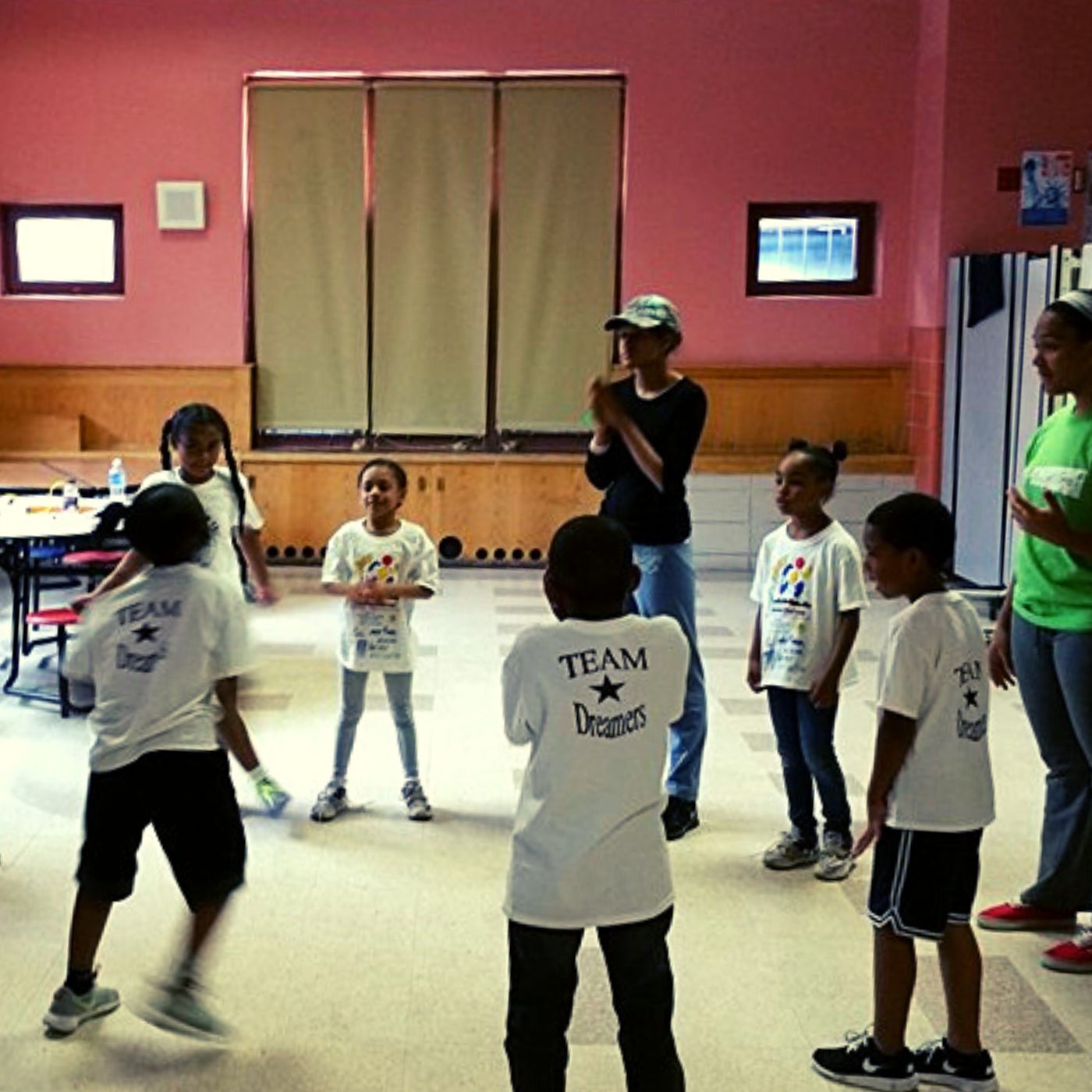
We speak with Dave Crenshaw, founder and coach of Team Dreamers NY in Washington Heights; Blanca Battino, retired principal of PS 128; and Dr. Robert Fullilove, professor and associate dean at Columbia University’s Mailman School of Public Health. Team Dreamers is a life-changing out-of-school-time program. Deeply embedded in the community, it builds leadership and mutual support among students. Dr. Fullilove’s public health interns serve as mentors and role models while they learn from the youth and their families.
Overview
00:00-01:04 Intros
01:04-02:54 Team Dreamers and its activities
02...


